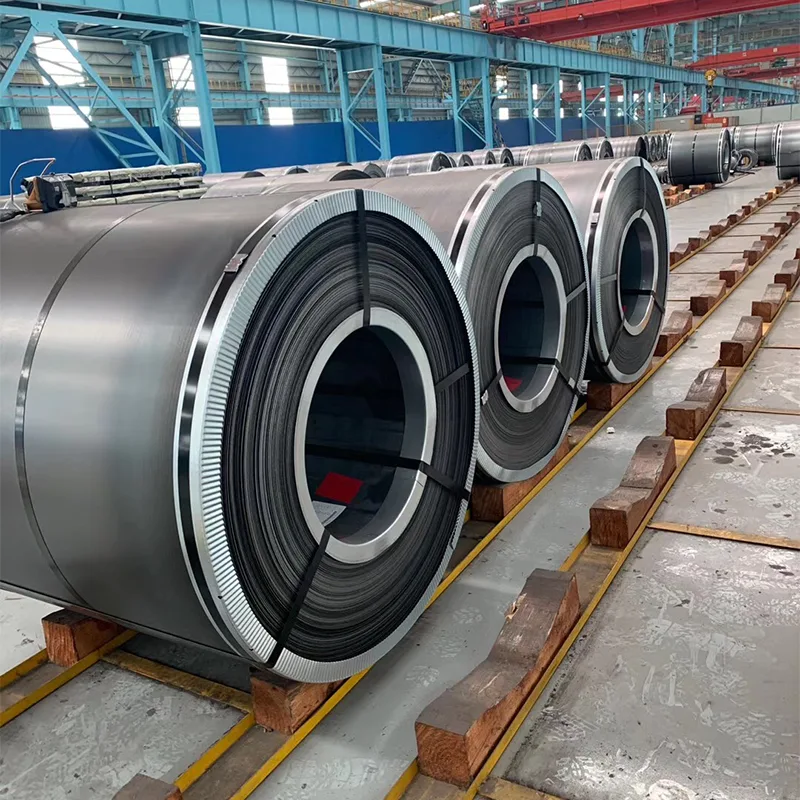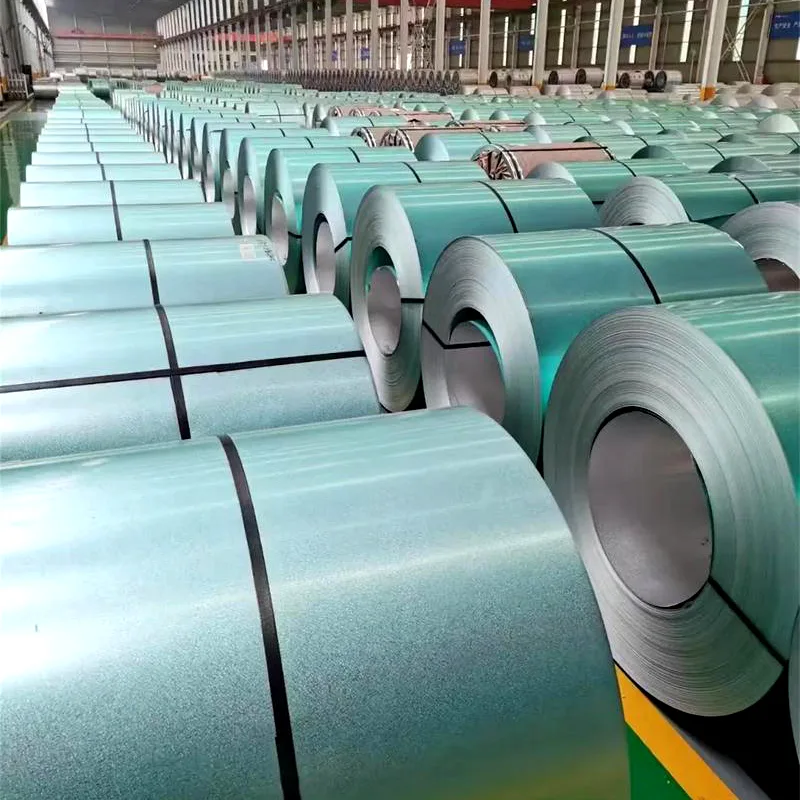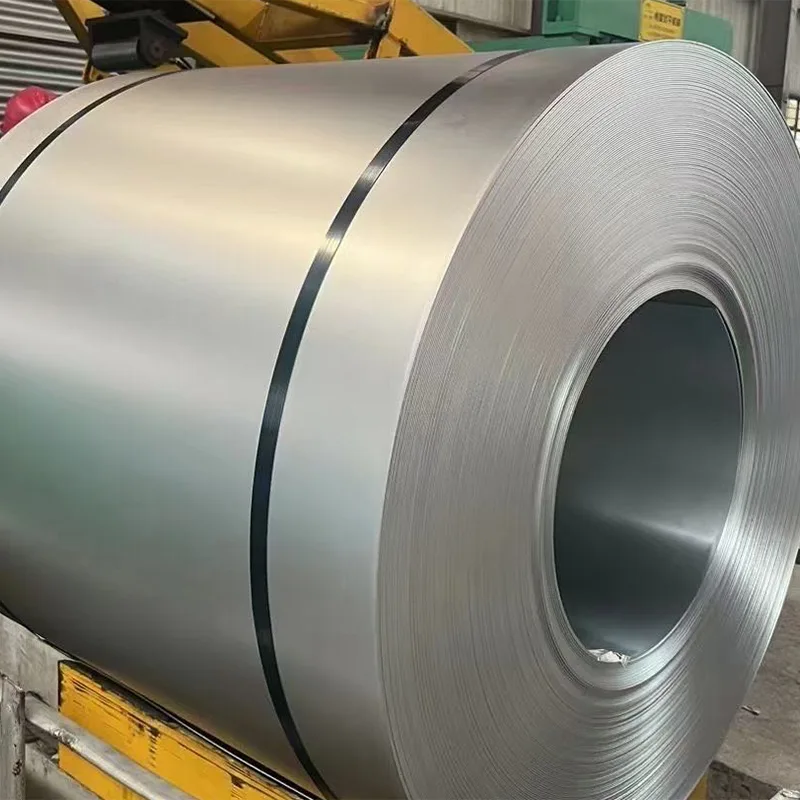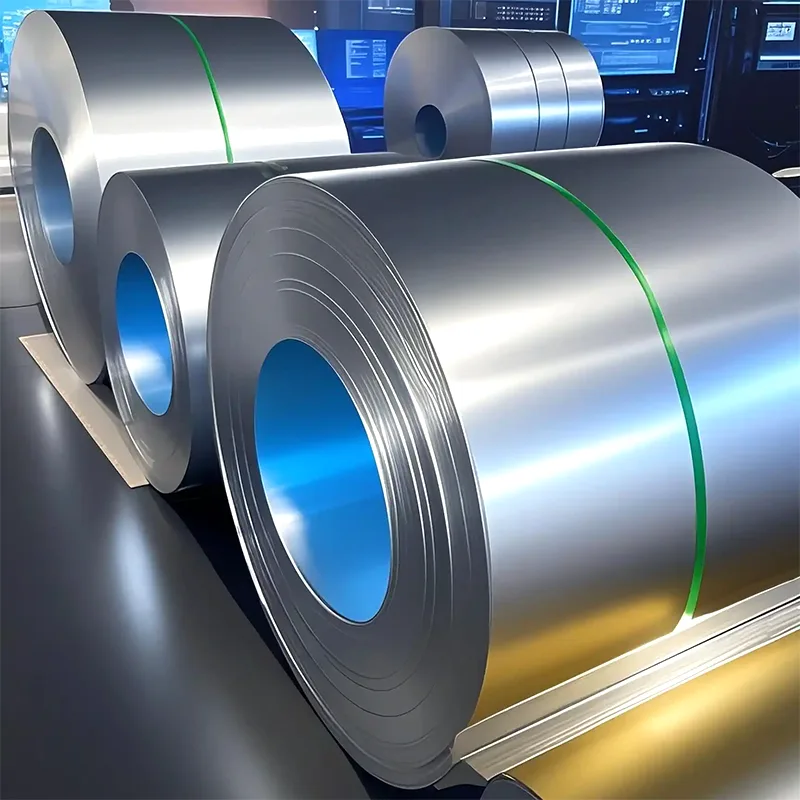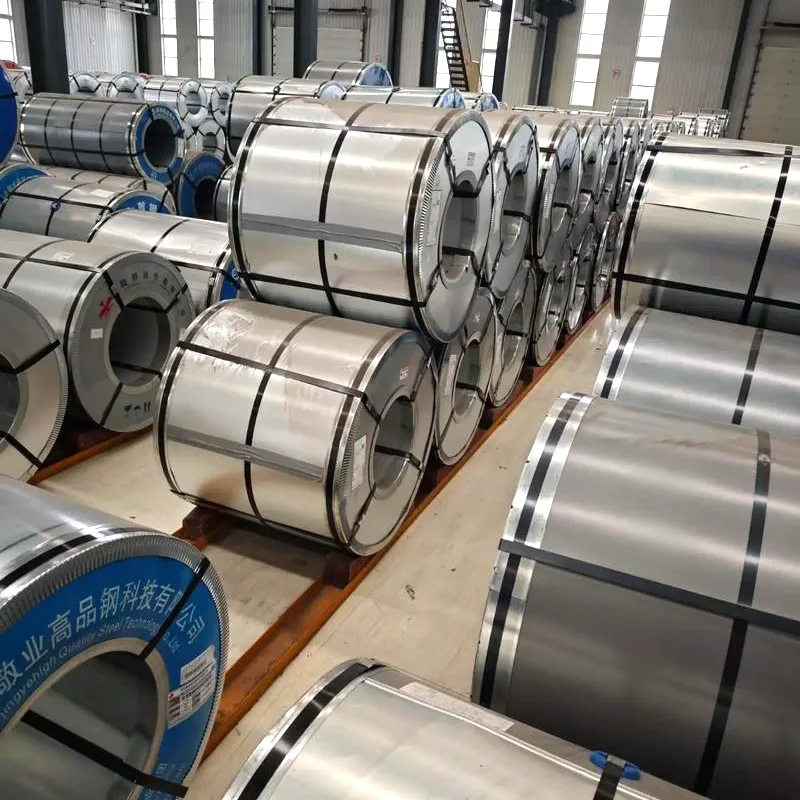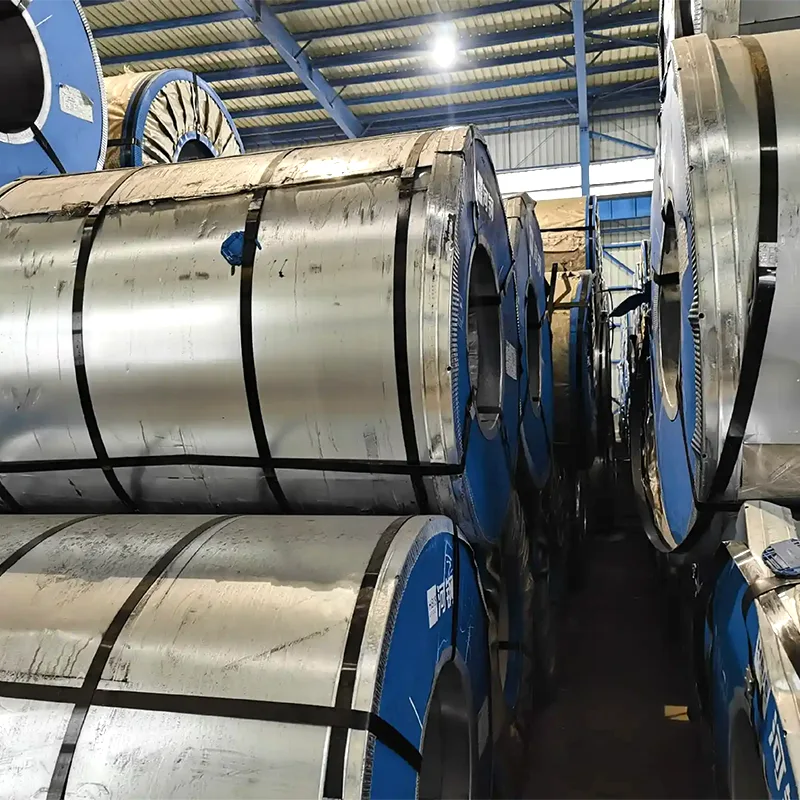
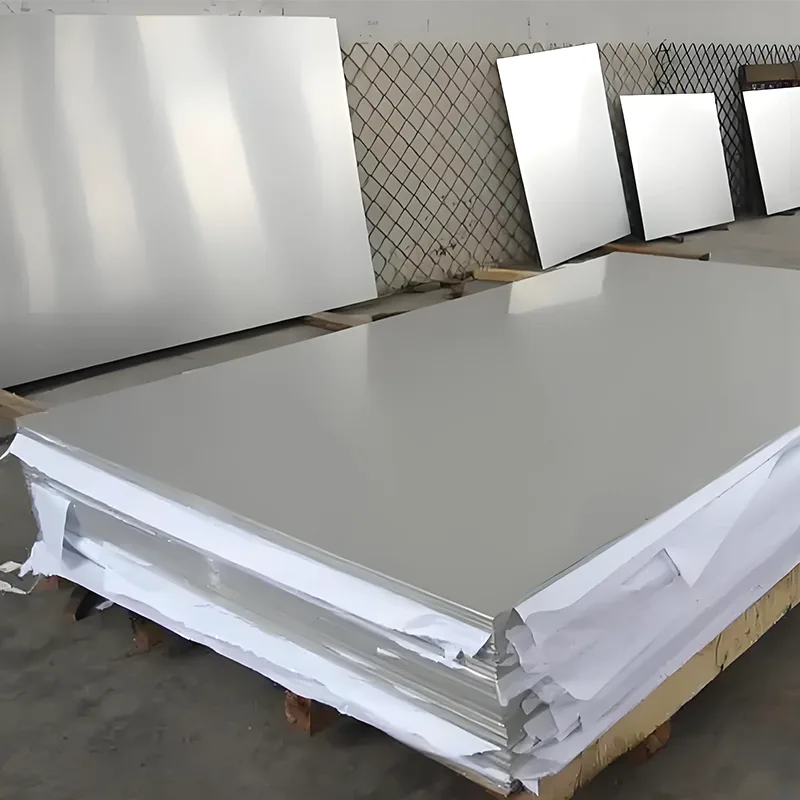
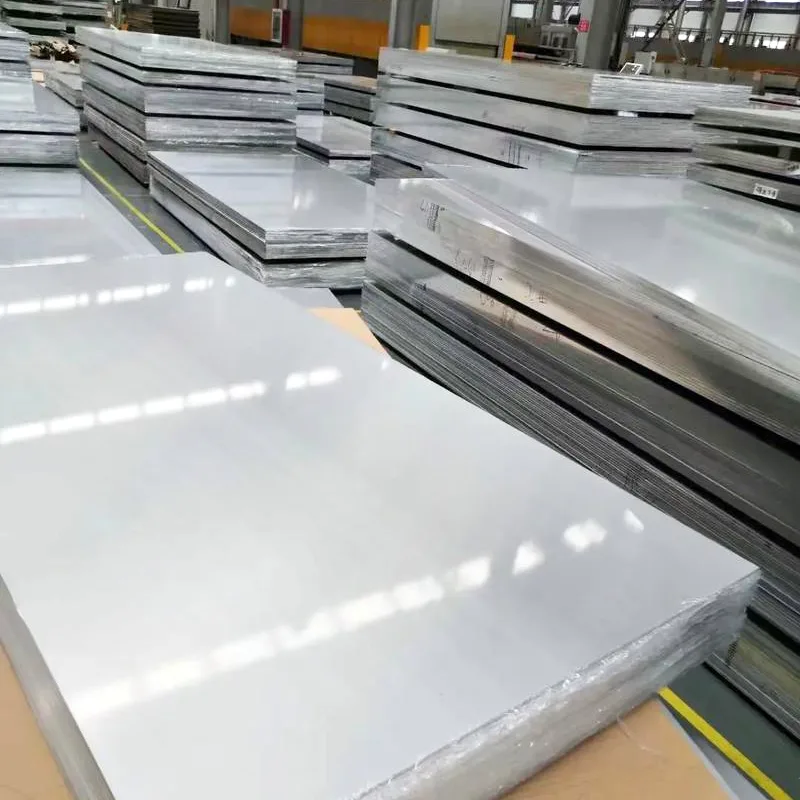
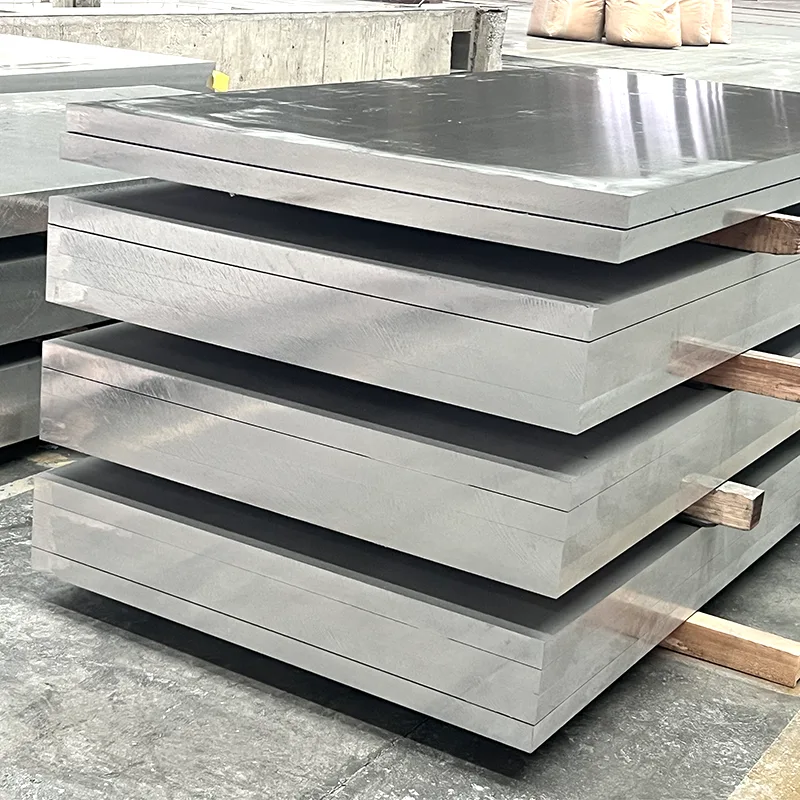
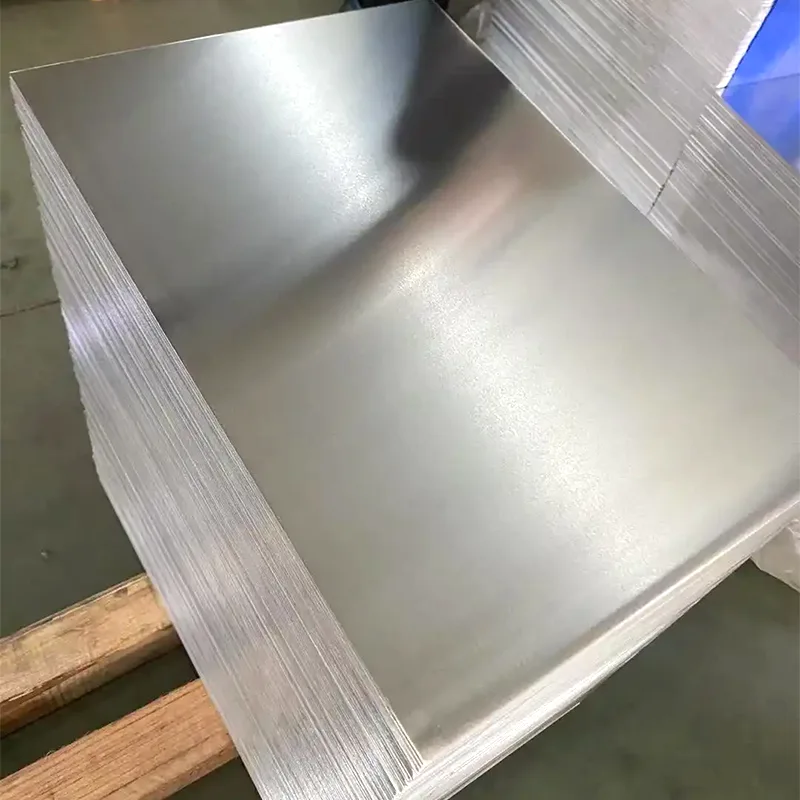
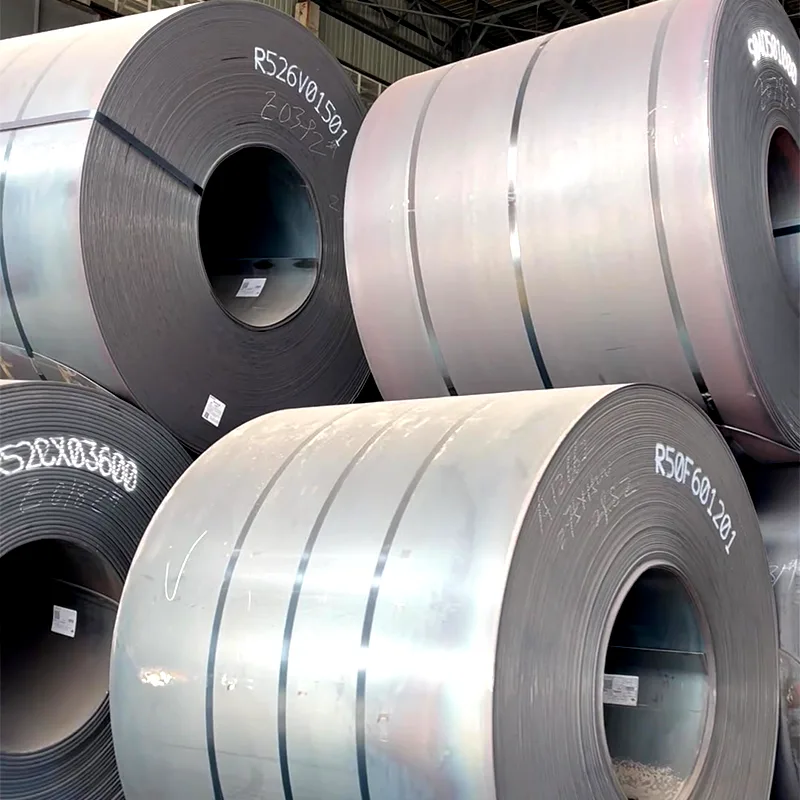
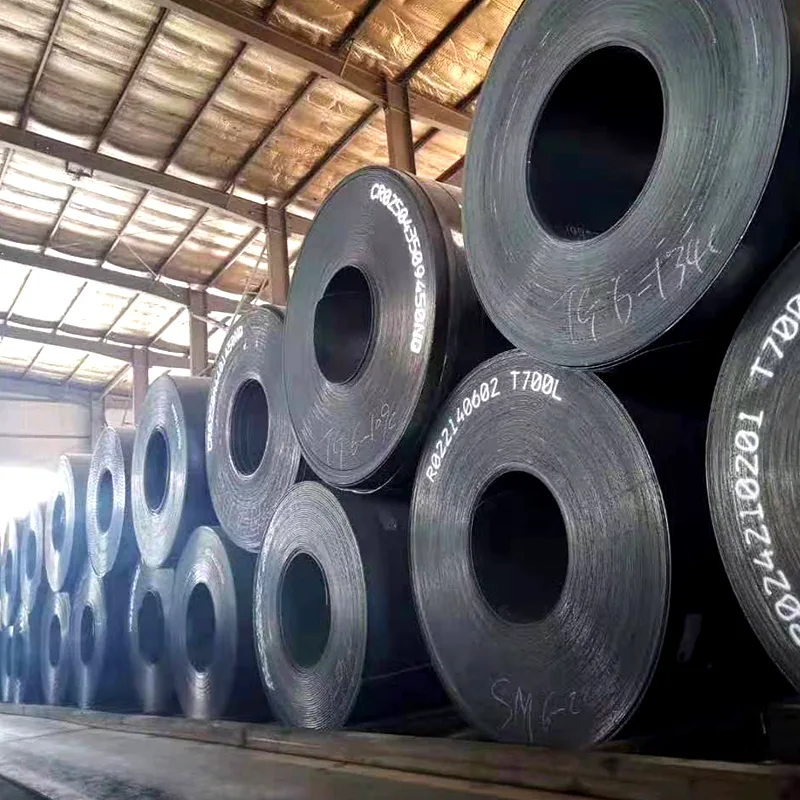
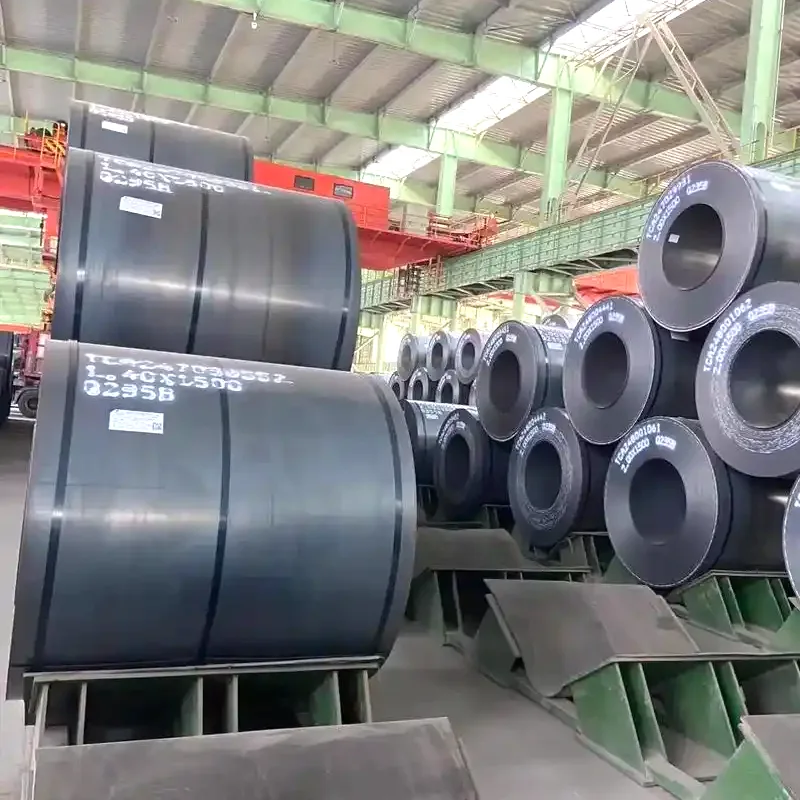
Ordinary Carbon Structural Steel Coils
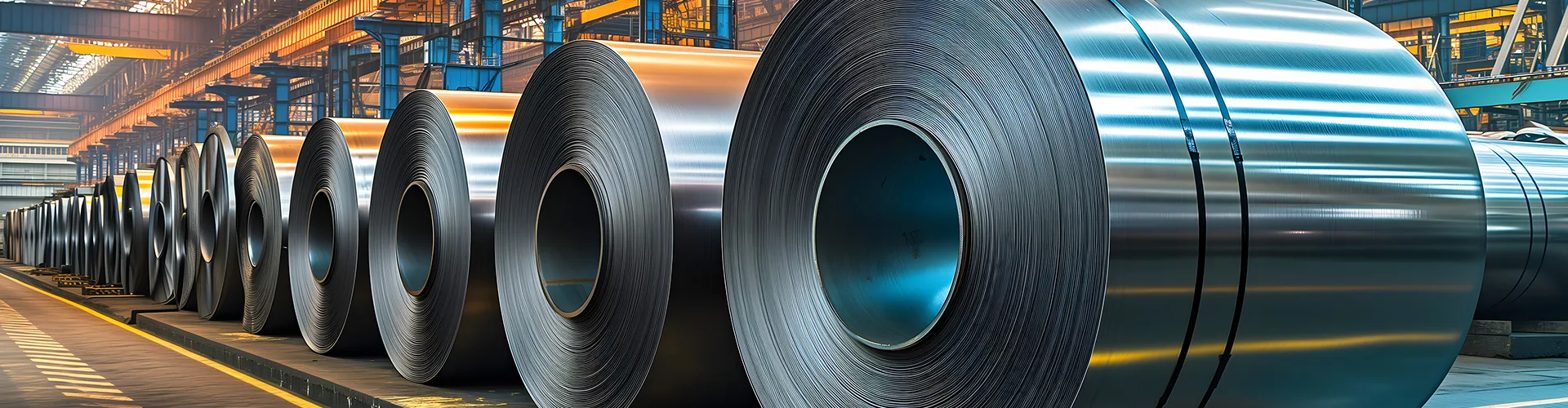
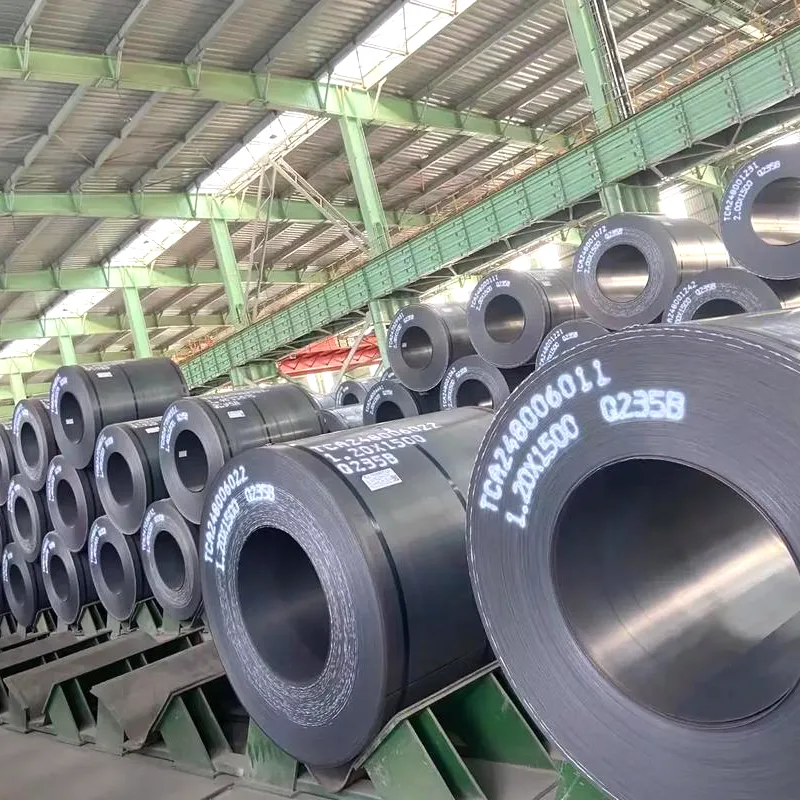
The mainstream materials for ordinary carbon structural steel coils are Q195, Q215, Q235 (B/C/D), and Q275. They are graded according to yield strength, with quality differences reflected in low-temperature toughness and control of harmful elements. China manufacturers' processing and customization capabilities focus on specification adaptation, precision machining, quality traceability, and rapid delivery, supporting application needs across all scenarios.
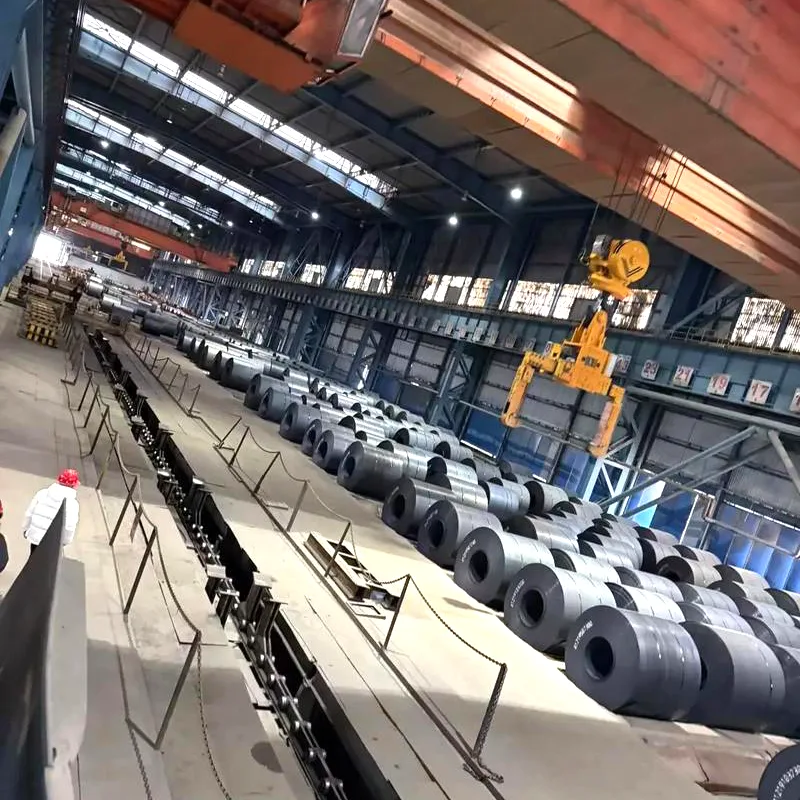
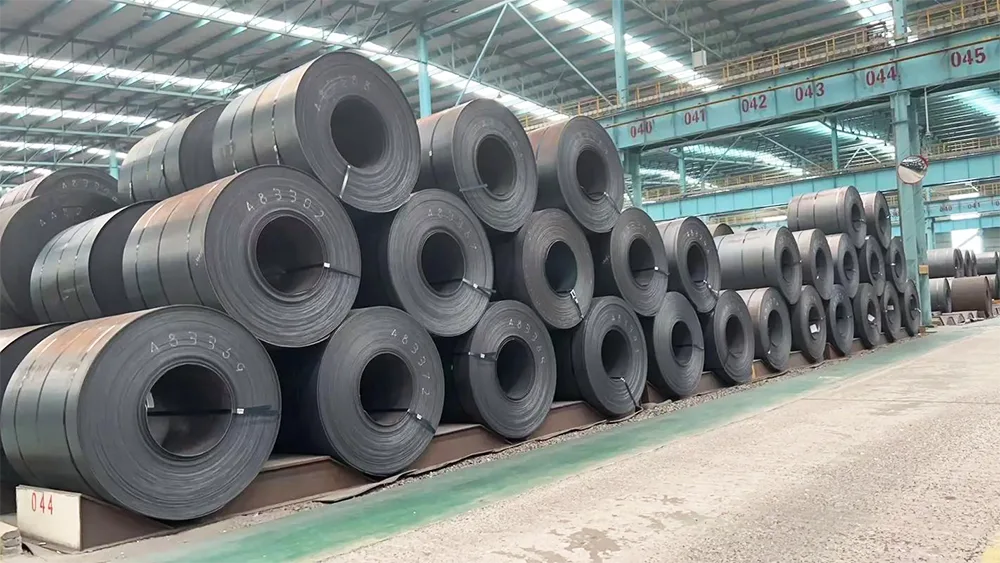
Ordinary Carbon Structural Steel Coils refer to coiled steel products composed primarily of iron and carbon—characterized by a low carbon content (typically ≤ 0.25%)—and produced through hot rolling or cold rolling processes. These coils are predominantly utilized in general engineering structures and mechanical manufacturing applications.
Key Definitional Points
Material Characteristics: Primarily low-carbon steel, containing trace amounts of elements such as manganese and silicon.
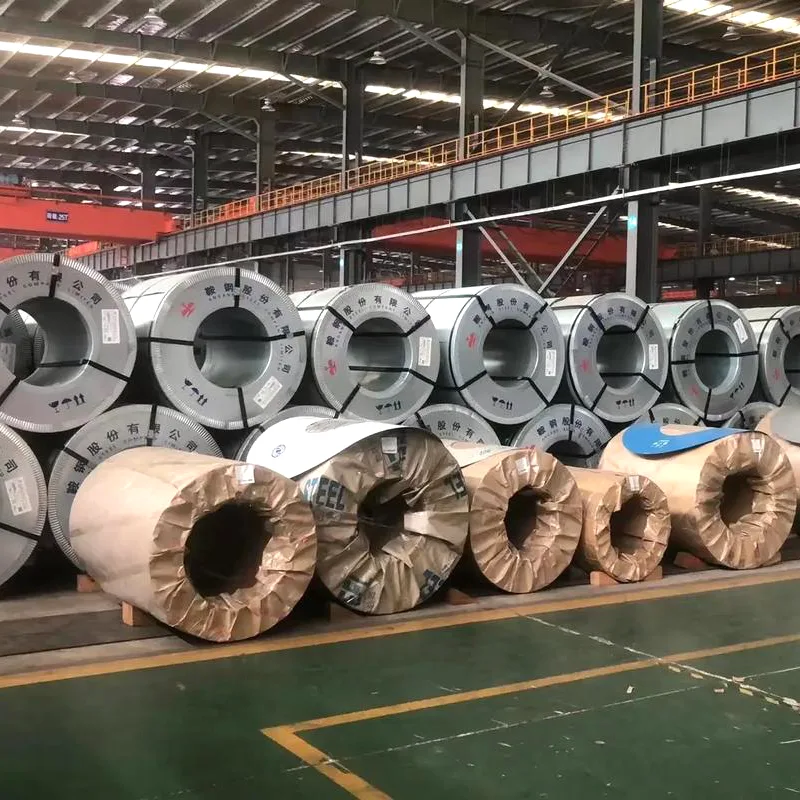
Product Form: Supplied in coil form (Steel Coil) to facilitate ease of transport and subsequent processing.
Manufacturing Process: Typically produced via hot rolling or cold rolling methods.
Applicable Standards: Adheres to Chinese standards such as Q195, Q215, Q235, and Q255 (analogous to international standards such as ASTM A36).
Performance Characteristics
Possesses good plasticity and toughness, making it easy to process and form.
Exhibits excellent weldability.
Features low production costs, offering high cost-effectiveness.
Provides moderate strength, making it suitable for general load-bearing structures.
Mainstream Materials and Core Comparison
|
Comparison Items |
Q195 |
Q215 |
Q235B |
Q235C |
Q235D |
Q275 |
|
Yield Strength |
≥195MPa |
≥215MPa |
≥235MPa |
≥235MPa |
≥235MPa |
≥275MPa |
|
Tensile Strength |
315-430MPa |
335-450MPa |
370-500MPa |
370-500MPa |
370-500MPa |
410-560MPa |
|
Carbon Content |
0.06-0.12% |
0.09-0.15% |
0.14-0.22% |
0.14-0.22% |
0.14-0.22% |
0.28-0.38% |
|
Impact Toughness |
No requirements |
No requirements |
Ambient temperature (20℃) |
0℃ |
-20℃ |
Room temperature |
|
Core Advantages |
Excellent plasticity, lowest price, easy to process |
Slightly higher strength than Q195, better cost performance |
Moderate strength, balanced welding/bending/cutting, most widely used |
Good low-temperature toughness, suitable for 0℃ environments |
Resistant to -20℃ low temperature, strong resistance to brittle fracture |
Highest strength, high hardness, strong load-bearing capacity |
|
Typical Applications |
Suitable for pipe making, wire making, rivets, packaging steel strips, and light stamping parts |
Welded structural parts, light-duty shelves, agricultural machinery parts, general hardware |
Building steel structures, factory beams and columns, mechanical frames, warehouse racks |
Applications: Northern construction, bridge components, outdoor engineering machinery |
Suitable for engineering in extremely cold regions and steel structures for winter construction |
Suitable for heavy-duty mechanical parts, high-strength structural components, and wear-resistant parts |
|
Applicable Environment |
Suitable for indoor use, low load, and high forming requirements |
Useful for both indoor and outdoor applications, medium load capacity |
General applications, ambient temperature environment |
Suitable for low-temperature environments above 0℃ |
Suitable for environments above -20℃ |
Suitable for high-load and high-strength applications |
Core Advantages and Application Scenarios of Ordinary Carbon Structural Steel Coils of Different Materials
1. Q195: Extreme Plasticity, Cost-Effective
Advantages: Lowest carbon content, extremely high plasticity and ductility, no pressure during bending/stretching/stamping, most competitive price, suitable for mass production of basic components.
Applications: Low-pressure fluid conveying pipes, strapping, iron wire, washers, cotter pins, thin-walled stamped parts, welded wire mesh, and other low-load, high-formability applications.
2. Q215: Balanced Performance
Advantages: Higher strength than Q195, good plasticity retention, excellent weldability, strong adaptability to cold and hot working, and a balance between cost and performance.
Applications: Small and medium-sized welded structures, light agricultural machinery parts, furniture frames, electrical box housings, general fasteners, non-load-bearing steel structures.
3. Q235B: High versatility
Advantages: Widest application, moderate strength, balanced processing performance, stable toughness at room temperature, suitable for over 90% of general applications.
Applications: Building steel structure beams and columns, machinery bases, vehicle bodies, pipe supports, warehouse racks, crane structural components, general engineering steel.
4. Q235C/D: Suitable for low temperatures and extreme cold
Advantages: Improved low-temperature impact toughness compared to Q235; Grade C withstands 0℃, Grade D withstands -20℃, with stricter control over harmful elements (P/S).
Applications: Grade C is used for buildings, bridges, and outdoor equipment in cold regions; Grade D is used for engineering projects in extremely cold regions, winter construction projects, and machinery in low-temperature environments.
5. Q275: Strength Benchmark, Preferred for Heavy Loads
Advantages: Highest strength, outstanding hardness and wear resistance, strong load-bearing capacity, suitable for high-stress conditions.
Applications: Heavy-duty mechanical gears, high-strength bolts, mining machinery parts, wear-resistant liners, high-load structural components.
Selection Recommendations:
Low load, high formability requirements → Choose Q195, lowest cost
General applications, cost-effectiveness priority → Choose Q235B, strong adaptability
High load, high strength requirements → Choose Q275, optimal load-bearing capacity
Hot Tags: Ordinary Carbon Structural Steel Coils supplier, hot rolled steel coils wholesale, mild steel coils factory China
Related Category
Send Inquiry
Contact Info
-
Address
Hanyu Jingu, High-tech Zone, Jinan City, Shandong Province, China
-
Tel
-
Email
For inquiries about Carbon Steel, Stainless Steel, Galvanized Steel or price list, please leave your email to us and we will be in touch within 24 hours.