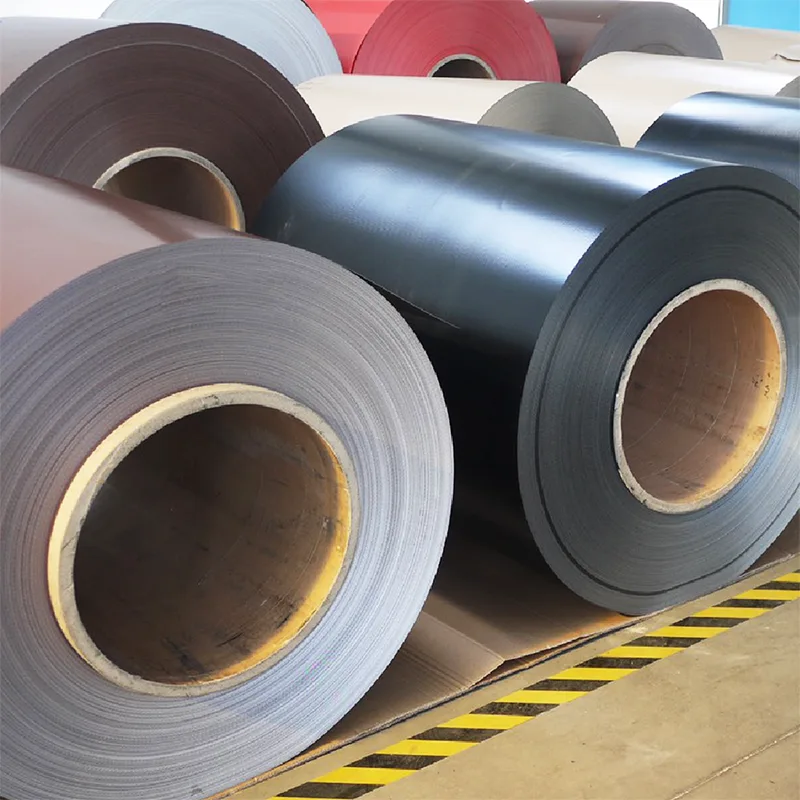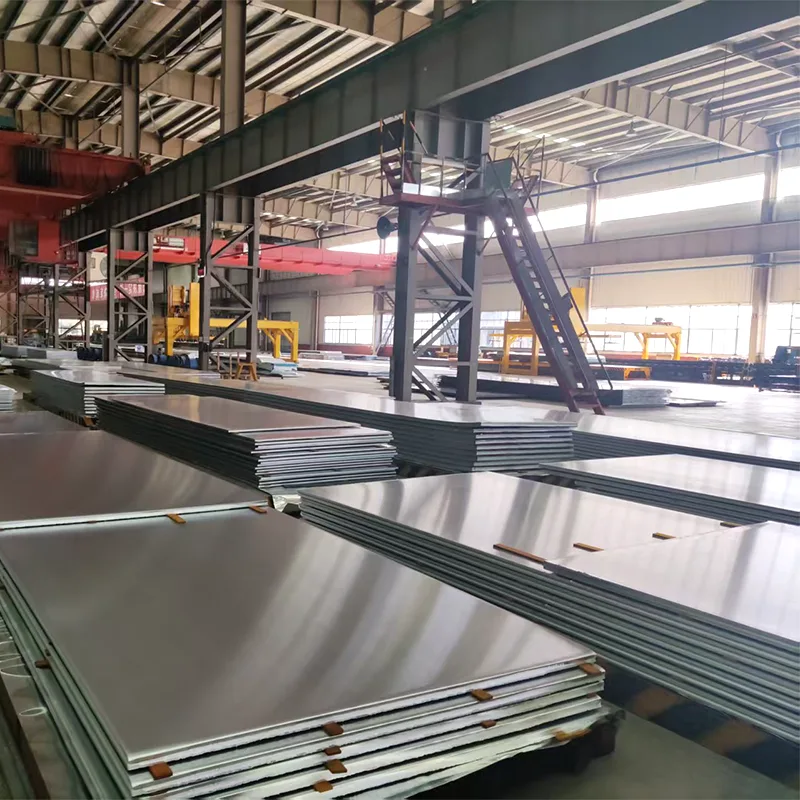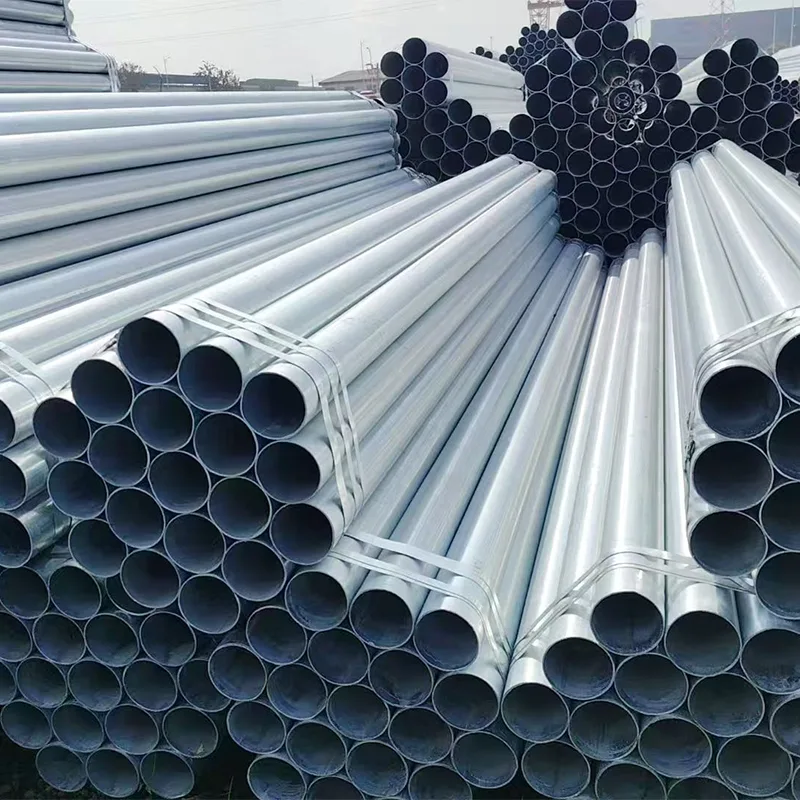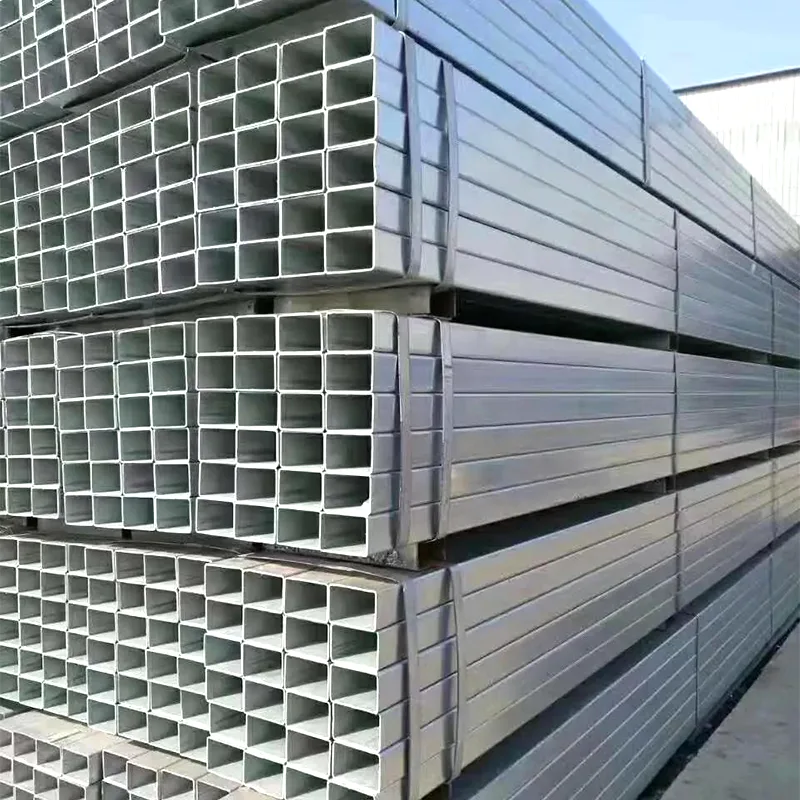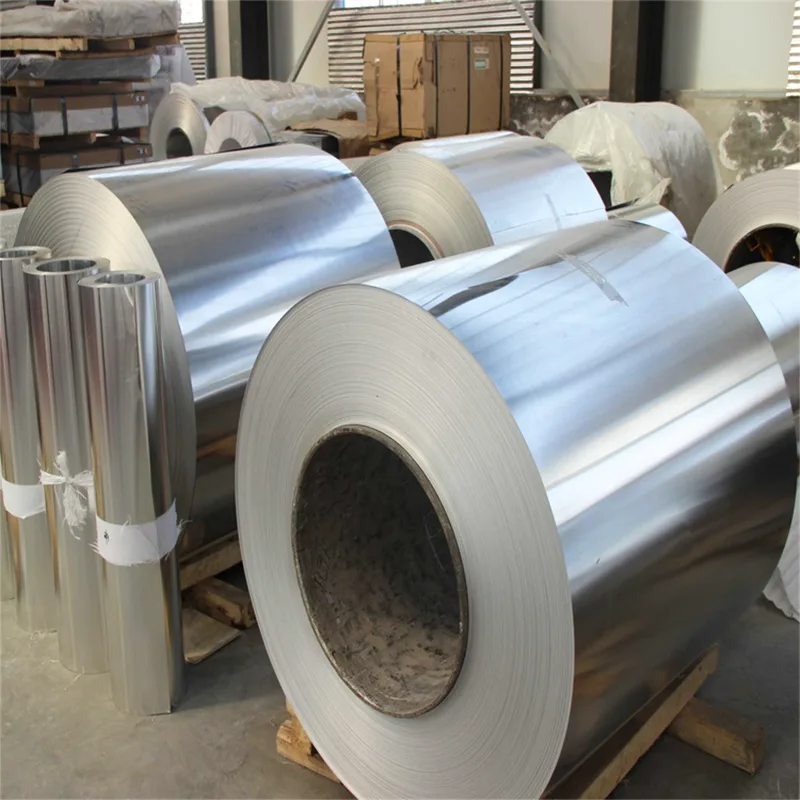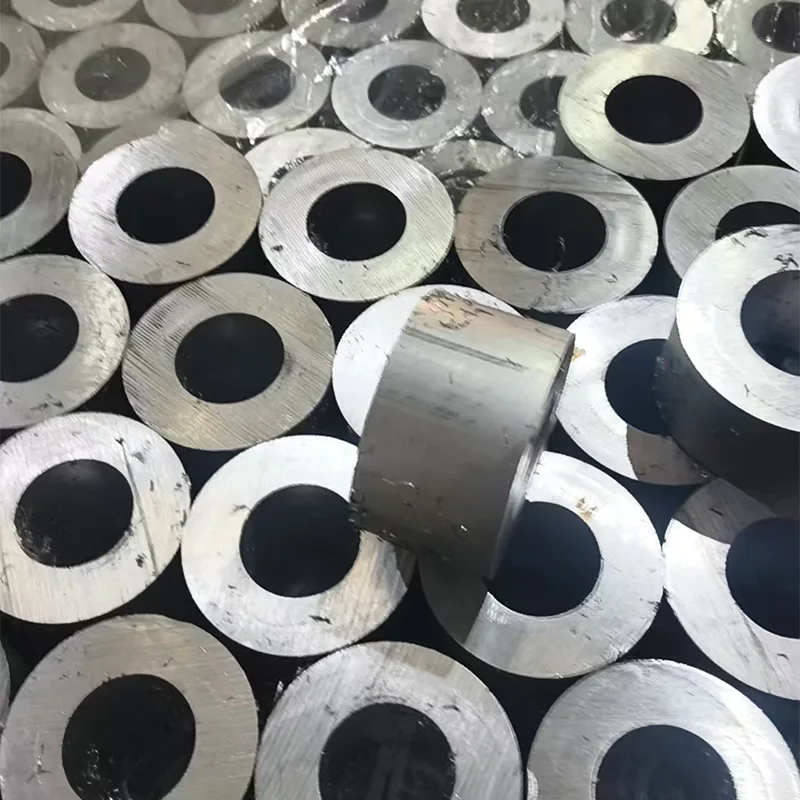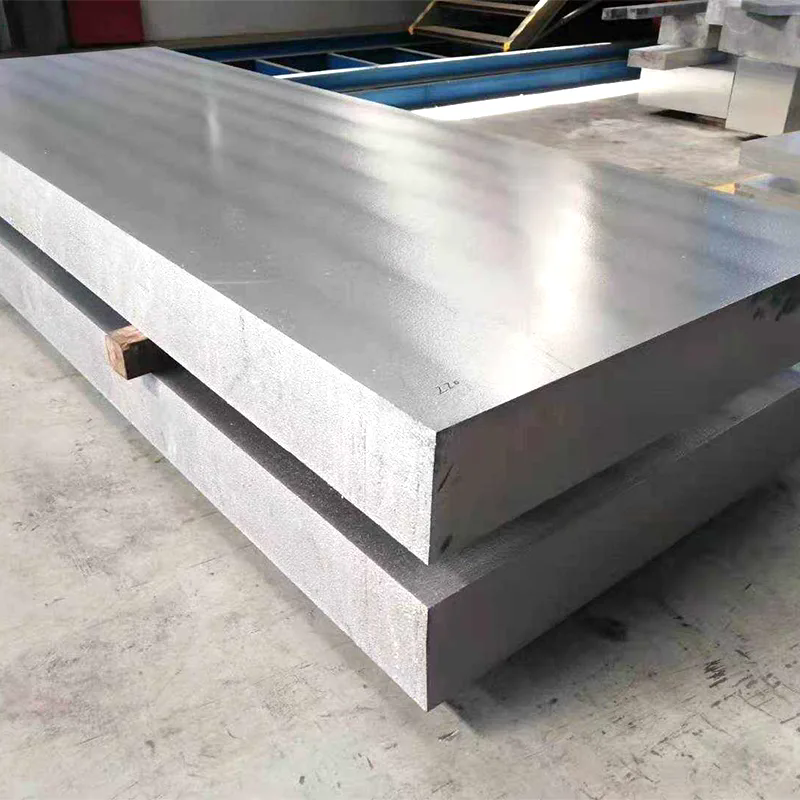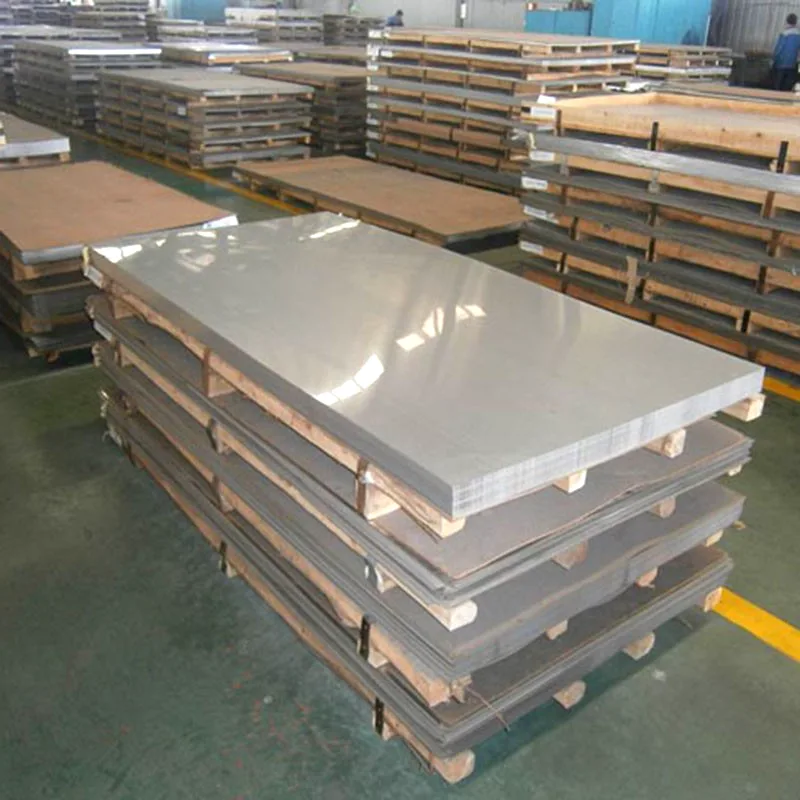
How Does Stainless Steel Plate Solve Common Industrial Challenges?
Article Summary
Stainless steel plate is one of the most widely used engineered materials across construction, manufacturing, energy, transportation, and chemical industries. Its combination of corrosion resistance, mechanical strength, thermal stability, and long service life makes it a preferred solution for environments where durability and safety are critical. This article explains how stainless steel plate addresses common industrial pain points such as corrosion failure, structural fatigue, high maintenance cost, and material instability under extreme conditions. It also provides guidance on selection, application scenarios, and maintenance practices, with practical insights from industry usage and manufacturing experience from Lingchuang.

Table of Contents
- 1. Stainless Steel Plate Overview
- 2. Key Benefits and Performance Advantages
- 3. Industrial Applications
- 4. How to Select the Right Stainless Steel Plate
- 5. Stainless Steel vs Other Materials
- 6. Maintenance and Longevity Practices
- 7. Why Choose Lingchuang Stainless Steel Plate
- 8. Frequently Asked Questions
1. Stainless Steel Plate Overview
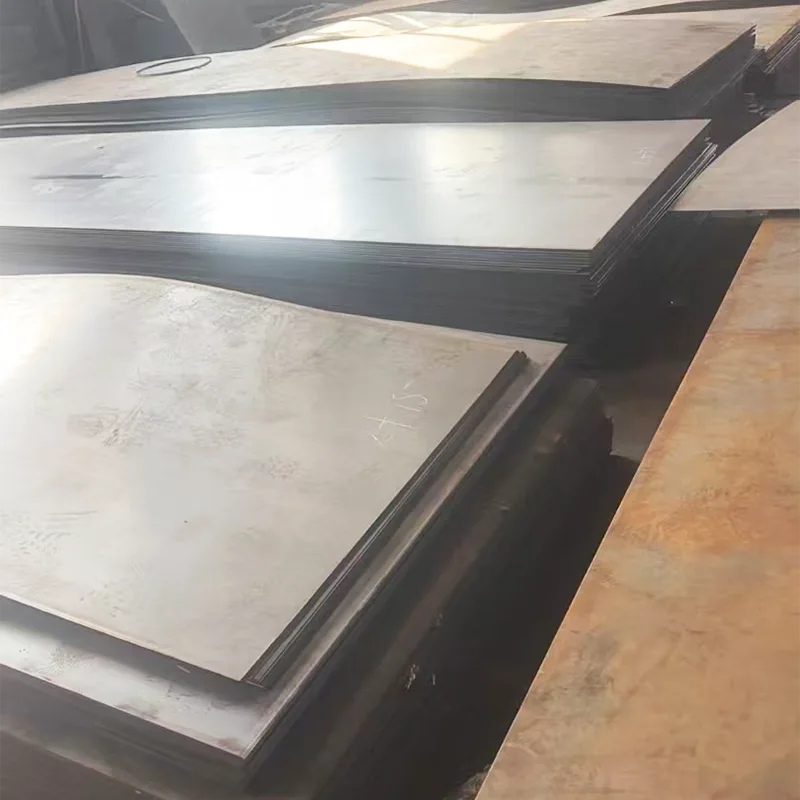
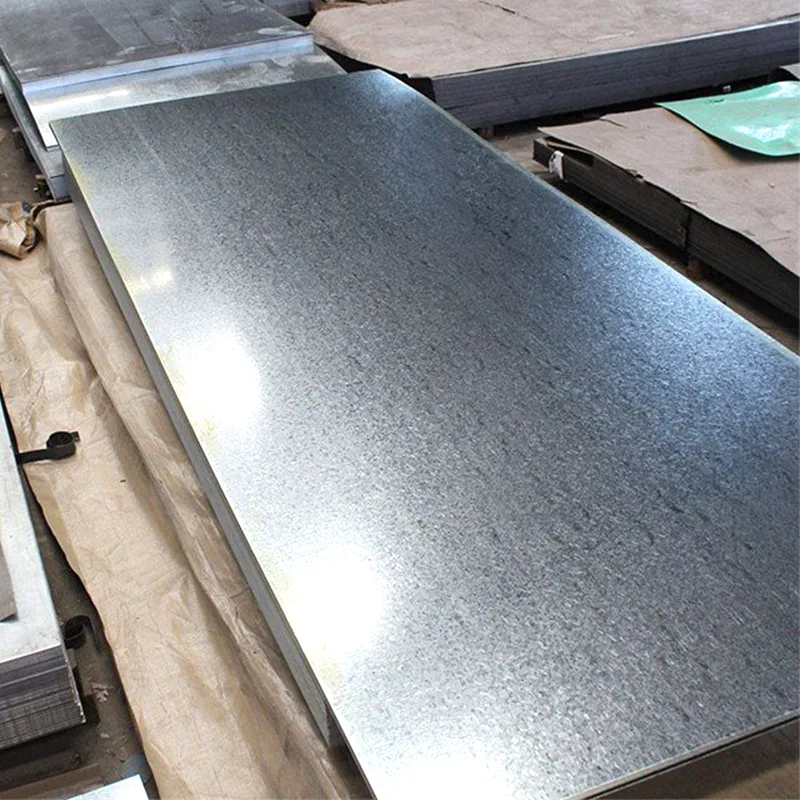
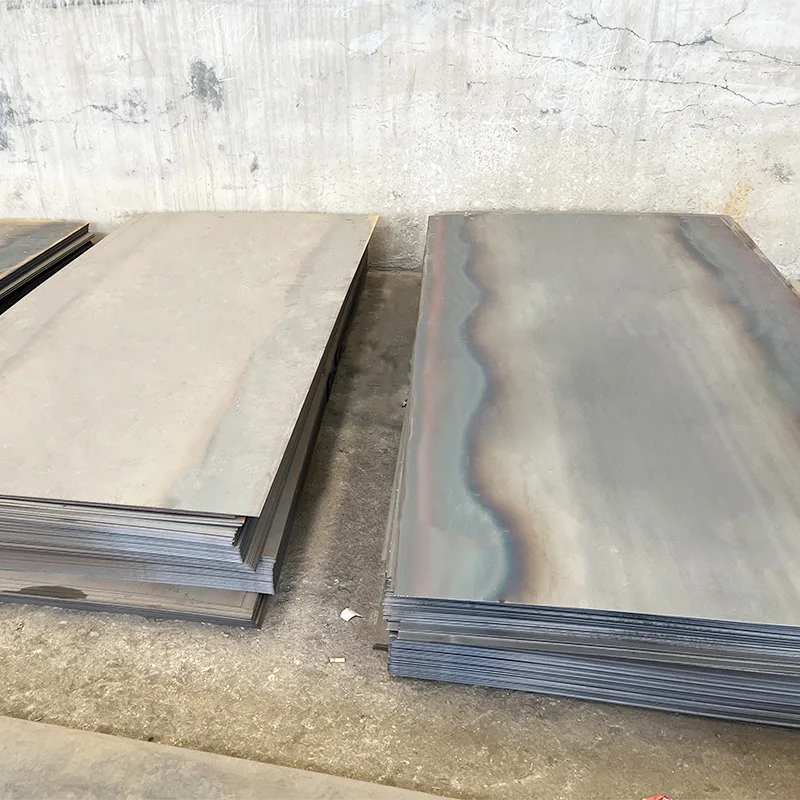
Stainless steel plate is a flat-rolled alloy material primarily composed of iron, chromium, nickel, and other elements that enhance its resistance to corrosion and heat. The chromium content forms a passive oxide layer on the surface, which protects the material from rust and chemical degradation. Unlike carbon steel, stainless steel maintains structural integrity in humid, acidic, or high-temperature environments.
In modern industries, stainless steel plate is not just a structural material but a reliability solution. Manufacturers like Lingchuang provide engineered stainless steel plate products that are designed for specific industrial demands, ensuring consistent quality and performance across different applications.
2. Key Benefits and Performance Advantages
The popularity of stainless steel plate comes from its ability to solve several critical industrial pain points. Below are the main advantages:
- Corrosion Resistance: Performs well in moisture-rich and chemically aggressive environments.
- High Strength: Maintains structural stability under heavy loads and pressure.
- Temperature Resistance: Suitable for both cryogenic and high-temperature conditions.
- Low Maintenance: Requires minimal surface treatment or protective coating.
- Long Service Life: Reduces replacement frequency and lifecycle cost.
These advantages directly translate into reduced operational downtime and improved system reliability for industries such as marine engineering, petrochemical processing, and construction infrastructure.
| Property | Stainless Steel Plate | Carbon Steel | Aluminum Alloy |
|---|---|---|---|
| Corrosion Resistance | Excellent | Poor | Moderate |
| Strength | High | High | Medium |
| Maintenance Cost | Low | High | Medium |
| Service Life | Long | Short-Medium | Medium |
3. Industrial Applications
Stainless steel plate is used across a wide range of industries due to its versatility. Each sector benefits from different performance attributes:
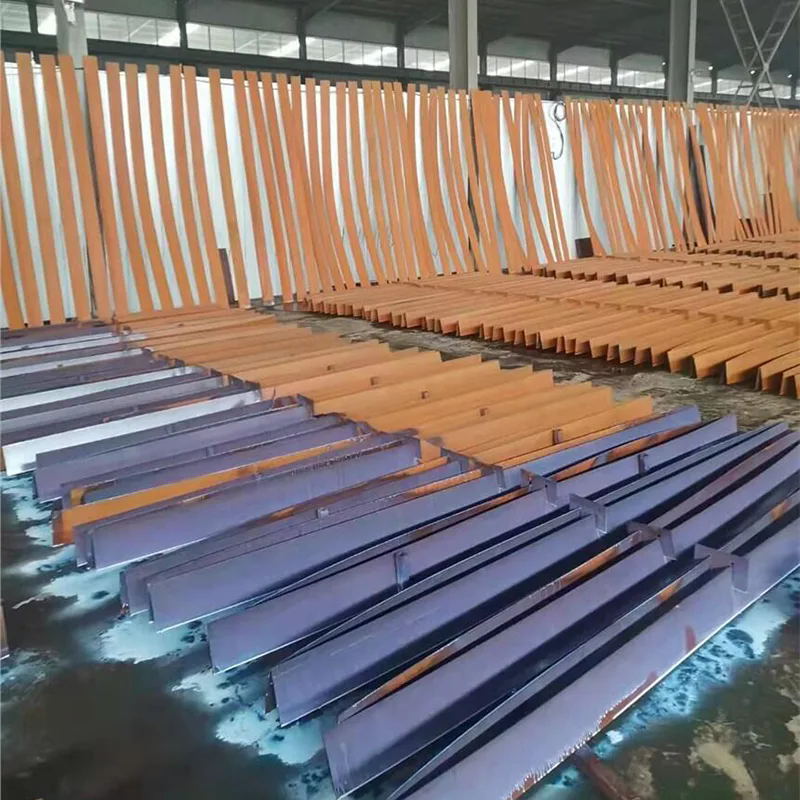
- Construction: Structural frameworks, building facades, and roofing systems.
- Chemical Industry: Storage tanks, reactors, and piping systems resistant to corrosive substances.
- Food Processing: Hygienic surfaces for equipment and processing lines.
- Marine Engineering: Shipbuilding components exposed to saltwater environments.
- Energy Sector: Power plants, nuclear facilities, and renewable energy systems.
In each of these applications, the reliability of stainless steel plate reduces failure risk and enhances operational safety.
4. How to Select the Right Stainless Steel Plate
Choosing the correct stainless steel plate requires understanding environmental conditions, mechanical requirements, and cost constraints. Incorrect selection can lead to premature failure or unnecessary cost increases.
Key selection factors include:
- Grade selection (e.g., 304, 316, 430)
- Thickness requirements based on load and structure
- Corrosion exposure level
- Temperature and pressure conditions
- Surface finish requirements
Lingchuang provides technical support to help clients match the correct stainless steel plate specification with their engineering requirements, ensuring optimal performance and cost efficiency.
5. Stainless Steel vs Other Materials
Material selection is a critical engineering decision. The following comparison highlights why stainless steel plate is often preferred:
| Criteria | Stainless Steel Plate | Galvanized Steel | Plastic Composite |
|---|---|---|---|
| Durability | Very High | Medium | Low-Medium |
| Heat Resistance | Excellent | Limited | Poor |
| Environmental Impact | Recyclable | Partially Recyclable | Limited |
| Lifespan | Long | Medium | Short |
Compared to alternatives, stainless steel plate consistently delivers higher lifecycle value, making it a strategic material choice for long-term infrastructure projects.
6. Maintenance and Longevity Practices
Although stainless steel plate is low maintenance, proper care enhances performance and extends service life. Industrial users should follow structured maintenance procedures to prevent surface contamination and mechanical wear.
- Regular cleaning using non-abrasive materials
- Avoid prolonged exposure to chloride-rich environments without protection
- Inspect surface integrity periodically in industrial environments
- Apply protective coatings if used in extreme chemical exposure conditions
Proper maintenance ensures that stainless steel plate continues to perform effectively even in demanding industrial environments.
7. Why Choose Lingchuang Stainless Steel Plate
Lingchuang is a trusted supplier specializing in high-quality stainless steel plate solutions designed for global industrial applications. The company focuses on precision manufacturing, strict quality control, and material consistency.
Core advantages of Lingchuang include:
- Advanced production technology and automated rolling systems
- Strict inspection and quality assurance processes
- Wide range of stainless steel grades and specifications
- Customized solutions for industrial clients
- Stable global supply capability
By working with Lingchuang, customers gain access to reliable stainless steel plate products that reduce operational risk and improve engineering efficiency.
8. Frequently Asked Questions
Q1: What is the main advantage of stainless steel plate?
The primary advantage is its corrosion resistance combined with high mechanical strength, making it suitable for harsh environments.
Q2: Which grade is most commonly used?
Grade 304 is widely used for general applications, while 316 is preferred for marine and chemical environments.
Q3: Is stainless steel plate expensive?
It has a higher initial cost compared to carbon steel, but its long service life and low maintenance make it more cost-effective over time.
Q4: Can stainless steel plate rust?
Under normal conditions it resists rust, but extreme environments with high chloride exposure can cause localized corrosion if not properly maintained.
Final Notes
Stainless steel plate continues to be a foundational material in modern engineering due to its reliability, adaptability, and long-term value. From infrastructure to industrial machinery, its role is essential in improving safety and performance across sectors.
Lingchuang remains committed to delivering high-quality stainless steel plate solutions tailored to evolving industrial needs.
For professional consultation, technical support, or product inquiry, contact us today to explore how Lingchuang stainless steel plate solutions can support your next project.
Related News
- How Does Carbon Steel Coil Support Efficient Industrial Manufacturing?
- How Does Galvanized Steel Plate Provide Long-Lasting Protection for Modern Construction?
- How Can Carbon Steel Plate Improve Strength, Performance, and Cost Efficiency in Industrial Projects?
- How Do Stainless Steel Pipes Enhance Industrial Efficiency?
- How do High-Carbon Steel Pipes Improve Industrial Performance?
- How to Choose the Right Galvanized Round Pipe for Industrial and Construction Projects
Leave me a message