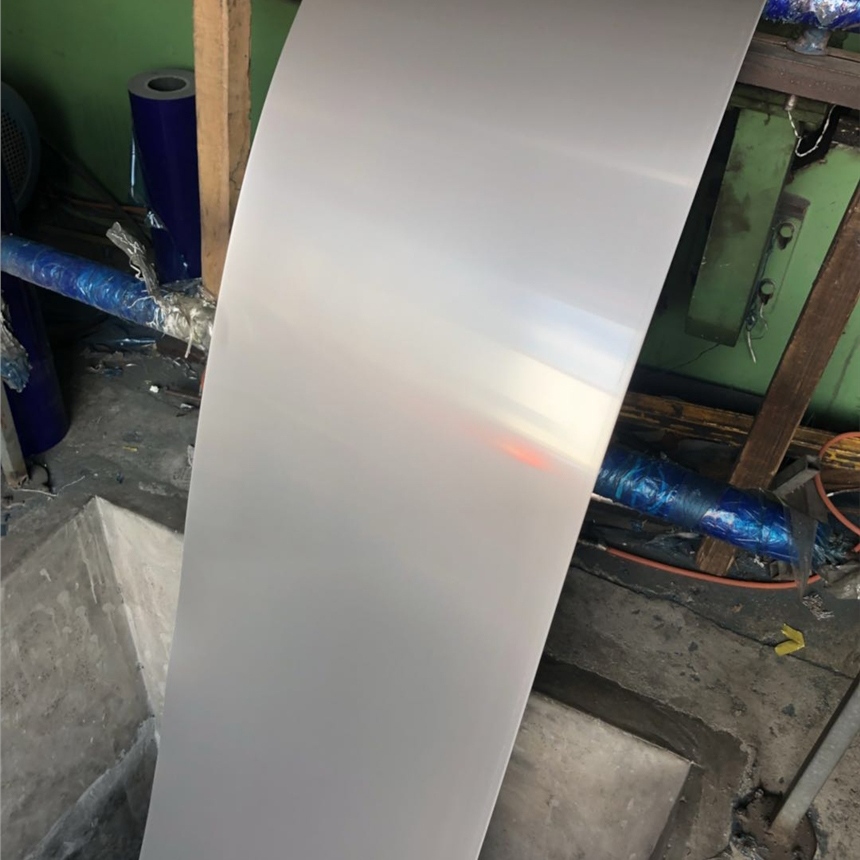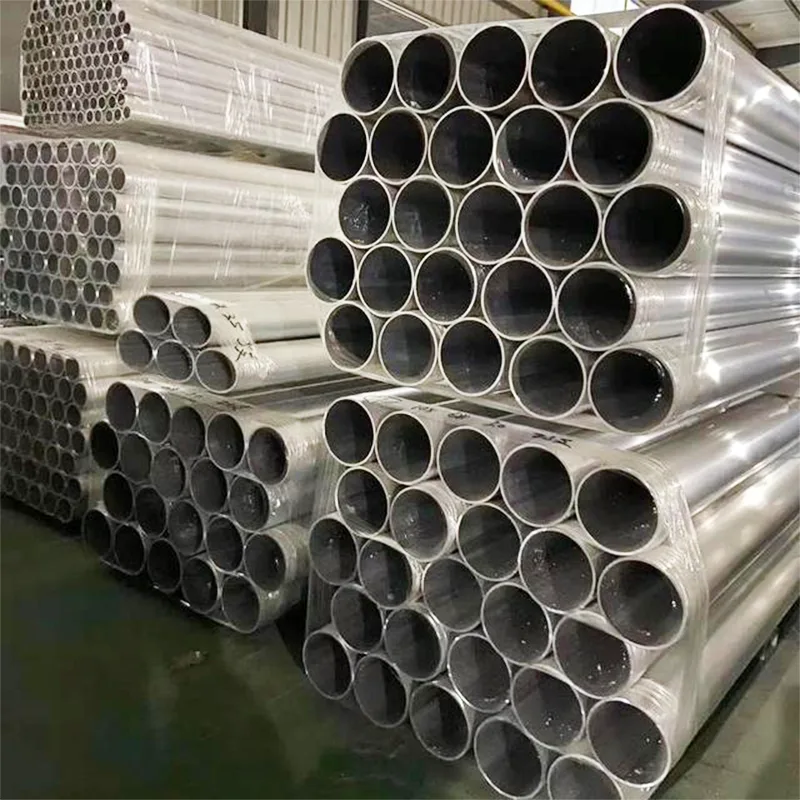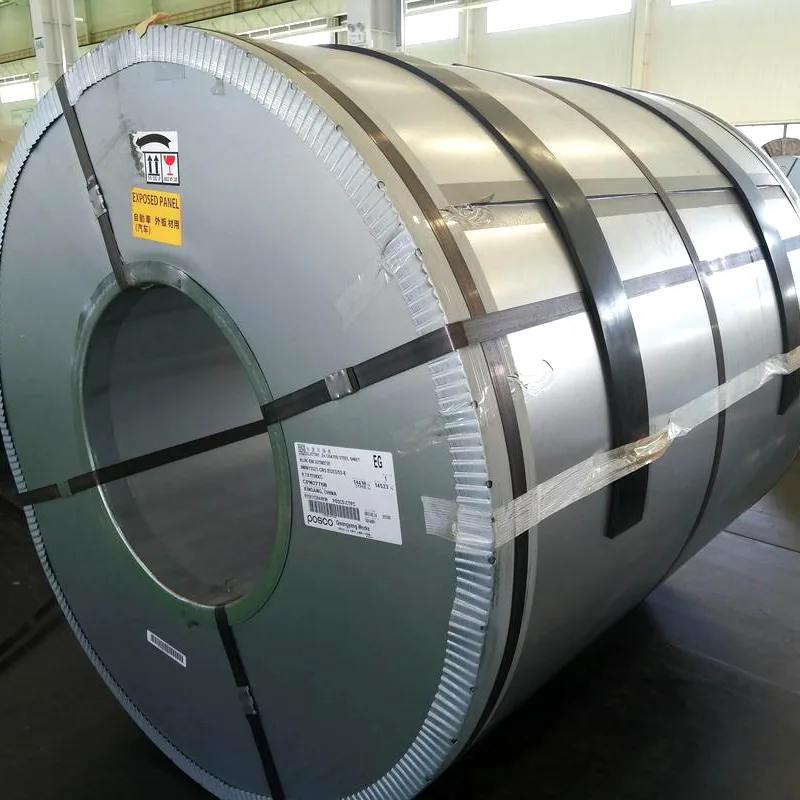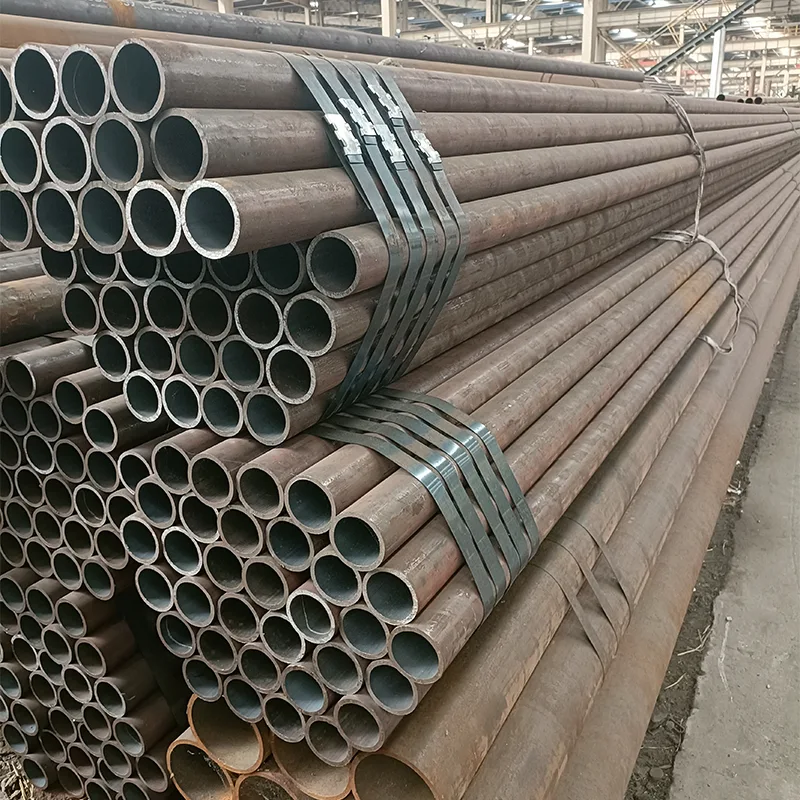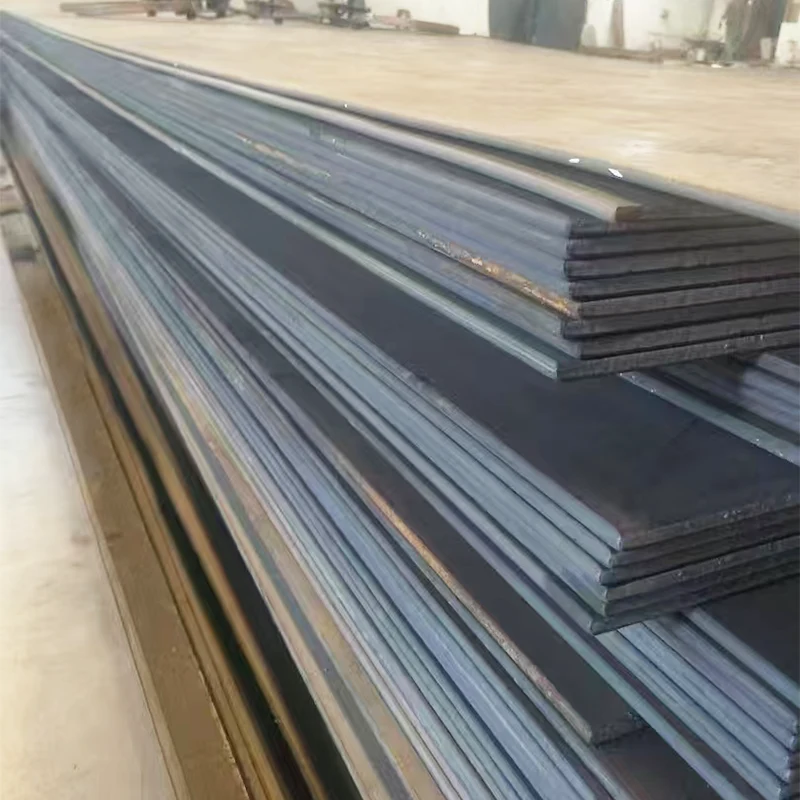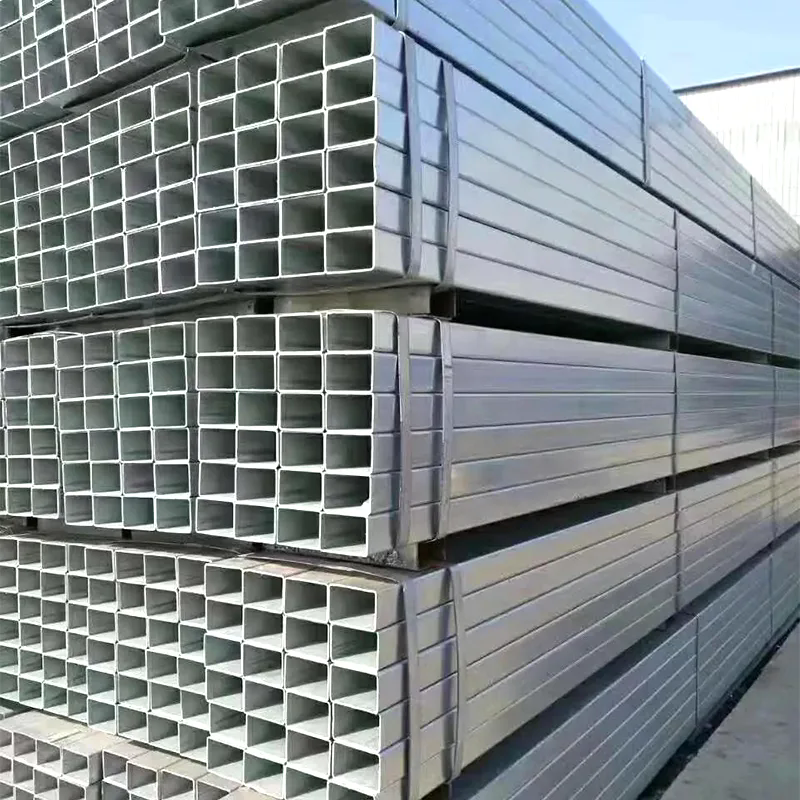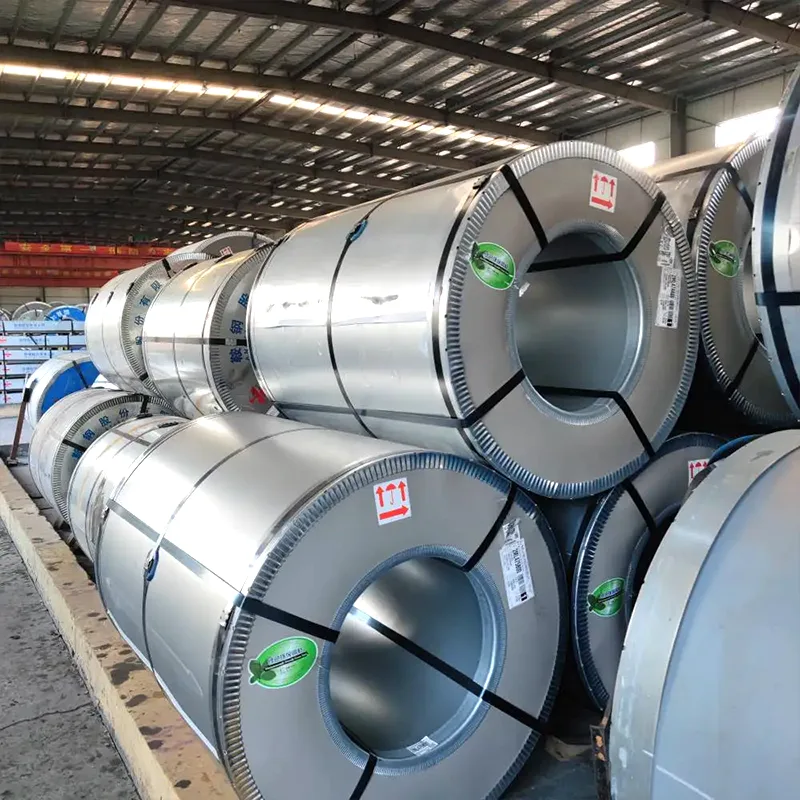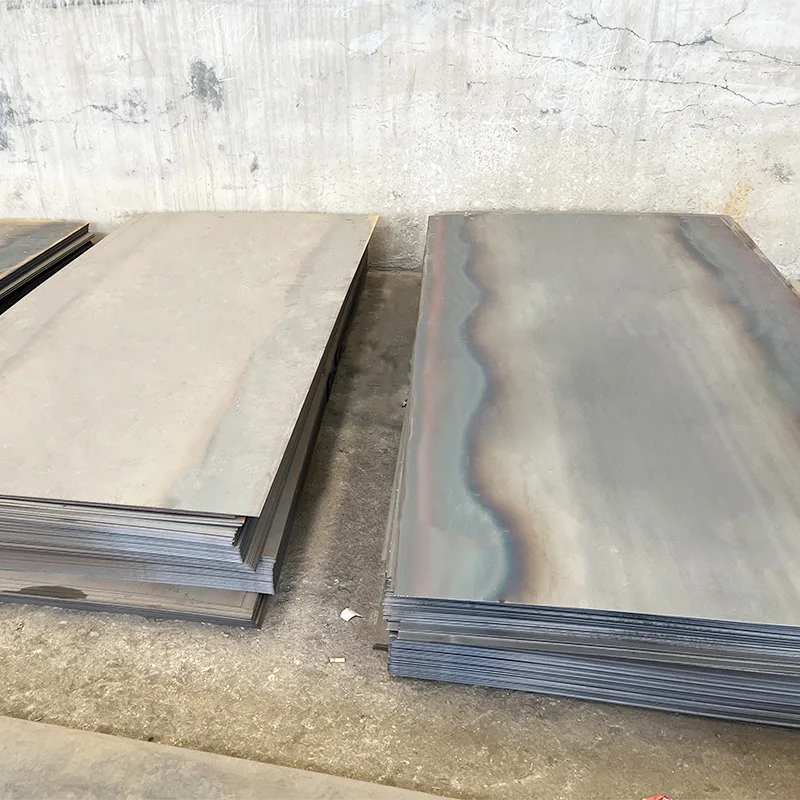
How Carbon Steel Plate Can Transform Your Industrial Projects?
Summary: Carbon steel plates are fundamental in construction, manufacturing, and industrial applications due to their strength, durability, and versatility. This article explores what carbon steel plates are, why they are essential, and how they can optimize your operations. By understanding their properties and applications, businesses can make informed decisions and improve efficiency.
Table of Contents
- What is Carbon Steel Plate?
- Why Use Carbon Steel Plate?
- How to Choose the Right Carbon Steel Plate?
- Applications of Carbon Steel Plate
- Advantages and Disadvantages
- Frequently Asked Questions
What is Carbon Steel Plate?
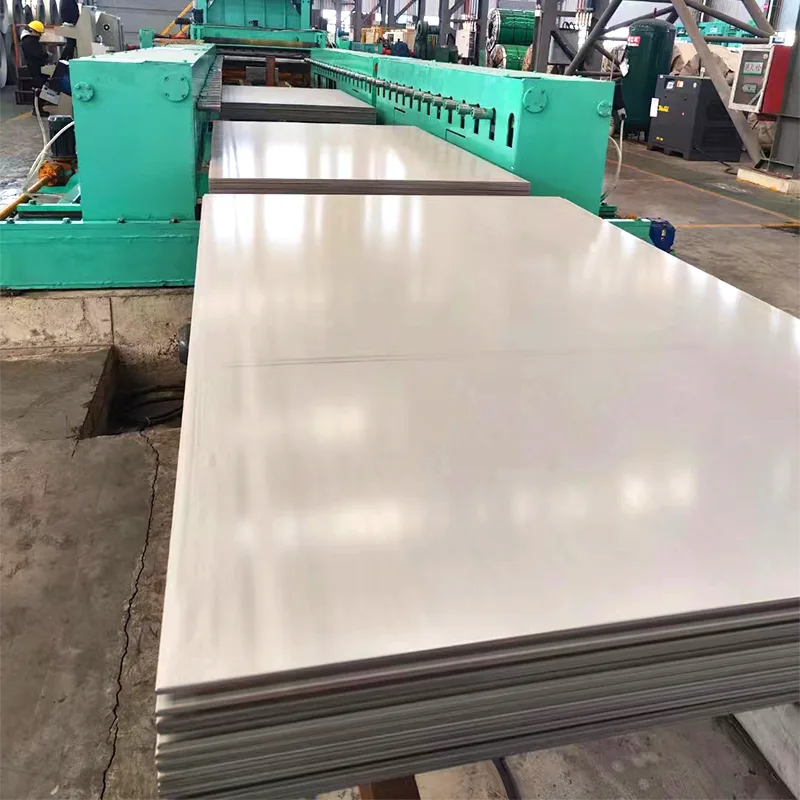
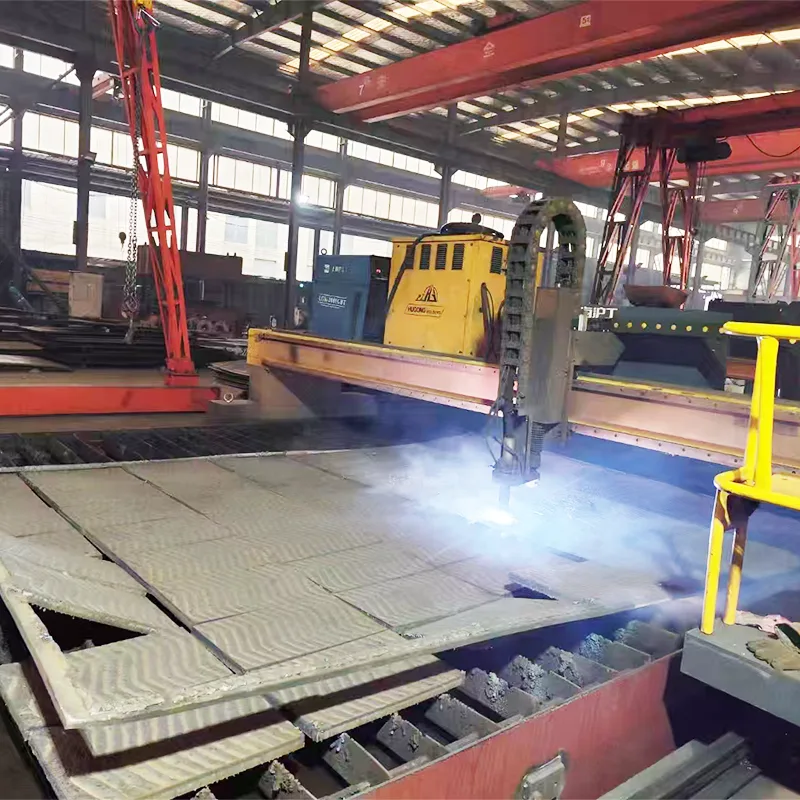
Carbon steel plate is a type of steel characterized by its carbon content, which typically ranges from 0.05% to 2.0%. The higher the carbon content, the stronger and harder the steel becomes. These plates are widely used in various industries for structural purposes due to their high tensile strength and durability.
| Type | Carbon Content | Typical Use |
|---|---|---|
| Low Carbon Steel | 0.05% - 0.3% | Construction, automotive panels, pipelines |
| Medium Carbon Steel | 0.3% - 0.6% | Industrial machinery, structural components |
| High Carbon Steel | 0.6% - 2.0% | Cutting tools, heavy machinery, wear-resistant surfaces |
Why Use Carbon Steel Plate?
Choosing carbon steel plates provides several key benefits for industrial and manufacturing projects:
- High Strength: Offers excellent load-bearing capabilities.
- Durability: Resistant to wear, impact, and deformation.
- Versatility: Suitable for welding, machining, and forming.
- Cost-Effective: Provides strength and durability at a reasonable price.
- Corrosion Resistance (with coatings): Can be treated for enhanced protection.
How to Choose the Right Carbon Steel Plate?
Selecting the appropriate carbon steel plate depends on your project requirements. Consider the following factors:
- Carbon Content: Determines hardness and flexibility.
- Thickness: Choose based on structural load requirements.
- Surface Finish: Smooth finishes are ideal for decorative applications; rough finishes suit structural uses.
- Coating or Treatment: Galvanized or painted plates resist corrosion.
- Compliance: Ensure compliance with industry standards and specifications.
Applications of Carbon Steel Plate
Carbon steel plates are versatile and used in multiple sectors, including:
- Construction: Bridges, buildings, and frameworks.
- Automotive: Vehicle chassis, body panels, and heavy machinery parts.
- Shipbuilding: Hulls and structural supports.
- Industrial Equipment: Pressure vessels, tanks, and machinery bases.
- Energy: Wind turbines, pipelines, and storage tanks.
Advantages and Disadvantages
| Advantages | Disadvantages |
|---|---|
| High tensile strength and durability | Prone to rust if untreated |
| Versatile for multiple applications | Higher carbon content reduces weldability |
| Cost-effective for large-scale projects | Requires proper surface treatment for corrosion resistance |
Frequently Asked Questions
Q1: Can carbon steel plates be welded?
A1: Yes, low and medium carbon steel plates are ideal for welding. High carbon plates require preheating and careful handling.
Q2: How do I prevent rust on carbon steel plates?
A2: Use protective coatings such as galvanization, painting, or powder coating to enhance corrosion resistance.
Q3: What is the difference between low and high carbon steel?
A3: Low carbon steel is more ductile and easier to weld, while high carbon steel is harder, stronger, and better for wear-resistant applications.
Q4: Where can I source high-quality carbon steel plates?
A4: Lingchuang Steel Group Co., Ltd. offers a wide range of carbon steel plates suitable for construction, automotive, and industrial applications. For inquiries and custom orders, contact us today to get expert guidance and a quote.
Related News
- How Does Carbon Steel Coil Support Efficient Industrial Manufacturing?
- How Does Galvanized Steel Plate Provide Long-Lasting Protection for Modern Construction?
- How Can Carbon Steel Plate Improve Strength, Performance, and Cost Efficiency in Industrial Projects?
- How Does Stainless Steel Plate Solve Common Industrial Challenges?
- How Do Stainless Steel Pipes Enhance Industrial Efficiency?
- How do High-Carbon Steel Pipes Improve Industrial Performance?
Leave me a message