How do High-Carbon Steel Pipes Improve Industrial Performance?
Abstract
High-carbon steel pipes are widely used in industries that demand superior strength, wear resistance, and long-term structural reliability. With carbon content typically ranging from 0.6% to 1.0%, these pipes deliver significantly enhanced hardness compared to low and medium carbon steel alternatives. This article explores their properties, manufacturing process, applications, advantages, and limitations, helping buyers and engineers make informed decisions for demanding engineering environments.
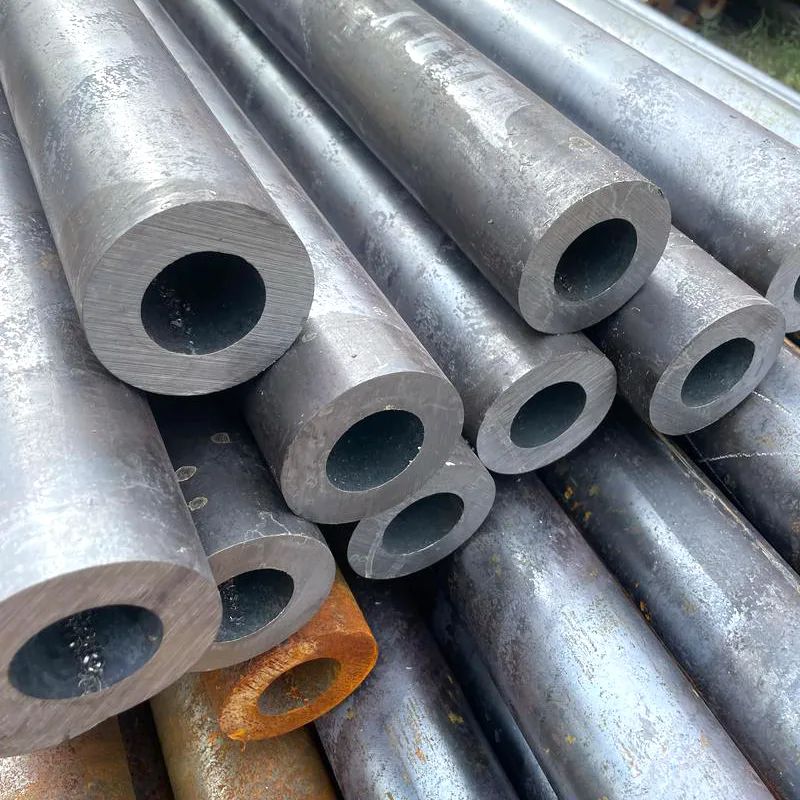
Table of Contents
- 1. Overview of High-Carbon Steel Pipes
- 2. Key Mechanical Properties
- 3. Manufacturing Process
- 4. Industrial Applications
- 5. Core Advantages
- 6. Challenges and Pain Points
- 7. Selection and Buying Guide
- 8. Technical Comparison Table
- 9. Maintenance and Service Life
- 10. Frequently Asked Questions
1. Overview of High-Carbon Steel Pipes
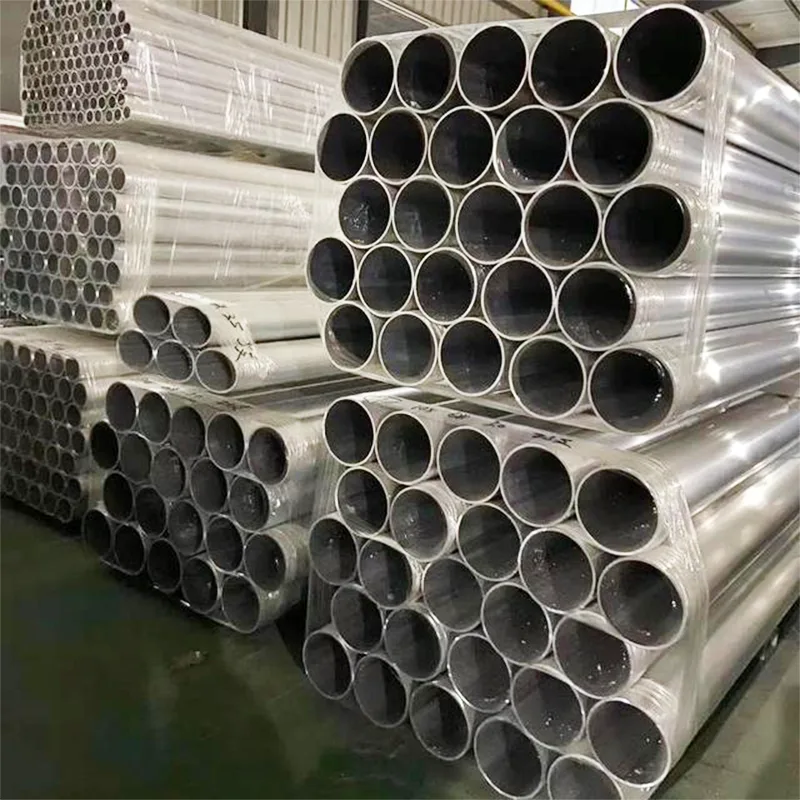
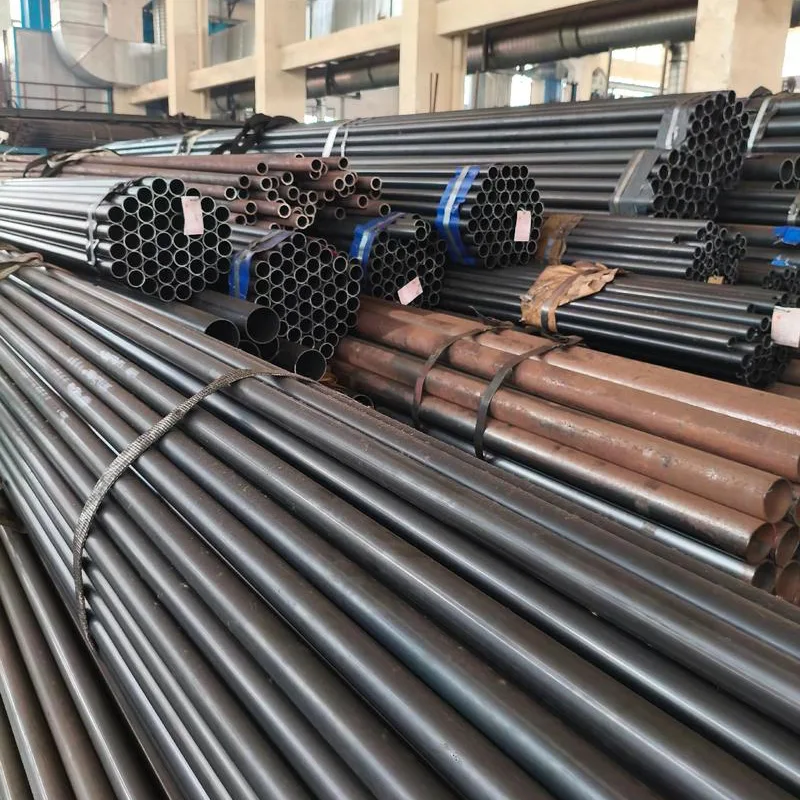
High-carbon steel pipes are engineered from steel alloys with elevated carbon concentration, which significantly increases hardness and tensile strength. Unlike low-carbon steels that prioritize ductility and weldability, high-carbon variants are optimized for wear resistance and load-bearing performance in aggressive environments.
These pipes are commonly used in mechanical systems where friction, pressure, and impact resistance are critical. Industries such as mining, construction, automotive manufacturing, and heavy machinery rely on them for structural and functional integrity.
2. Key Mechanical Properties
The performance of high-carbon steel pipes is defined by a combination of mechanical characteristics that differentiate them from other steel grades.
- High tensile strength: Supports heavy loads without deformation.
- Superior hardness: Improves resistance to abrasion and surface wear.
- Moderate ductility: Limited flexibility compared to low-carbon steel.
- Excellent fatigue resistance: Performs well under cyclic stress conditions.
- Thermal stability: Maintains structural integrity under elevated temperatures.
3. Manufacturing Process
The production of high-carbon steel pipes involves precise metallurgical control to ensure uniform carbon distribution and mechanical consistency. The process typically includes the following stages:
- Raw material selection: High-quality iron ore and carbon sources are chosen.
- Smelting and refining: Impurities are removed to enhance structural purity.
- Alloy adjustment: Carbon content is carefully controlled within target range.
- Hot rolling or cold drawing: Pipes are formed into required dimensions.
- Heat treatment: Processes such as quenching and tempering improve hardness and toughness balance.
- Quality inspection: Ultrasonic and pressure testing ensure defect-free output.
4. Industrial Applications
High-carbon steel pipes are indispensable in sectors where durability and load resistance are non-negotiable. Their applications include:
- Hydraulic systems in heavy machinery
- Mining equipment and drilling operations
- Automotive drivetrain components
- Construction structural supports
- Oil and gas transport systems under high pressure
- Industrial tooling and mechanical frames
5. Core Advantages
The adoption of high-carbon steel pipes brings multiple operational benefits:
- Extended service life in abrasive environments
- Reduced maintenance frequency and downtime
- High resistance to mechanical deformation
- Cost efficiency over long operational cycles
- Reliable performance under high stress loads
For manufacturers such as Lingchuang Steel Group Co., Ltd., these advantages are critical in delivering industrial-grade pipe solutions tailored to global engineering demands.
6. Challenges and Pain Points
Despite their advantages, high-carbon steel pipes present certain challenges that must be considered during selection and application:
- Reduced weldability: High carbon content increases cracking risk during welding.
- Lower corrosion resistance: Requires protective coatings in humid or chemical environments.
- Brittleness risk: Improper heat treatment can lead to structural failure.
- Higher processing cost: Requires advanced manufacturing techniques.
Understanding these limitations helps engineers design systems that maximize performance while minimizing operational risk.
7. Selection and Buying Guide
Choosing the right high-carbon steel pipe requires careful evaluation of operational requirements. Key considerations include:
- Working pressure and load conditions
- Operating temperature range
- Exposure to corrosive environments
- Required dimensional tolerance
- Compatibility with existing systems
Suppliers like Lingchuang Steel Group Co., Ltd. offer customized solutions to meet diverse industrial specifications, ensuring optimal material performance.
8. Technical Comparison Table
| Property | Low-Carbon Steel Pipes | Medium-Carbon Steel Pipes | High-Carbon Steel Pipes |
|---|---|---|---|
| Carbon Content | 0.05% – 0.25% | 0.25% – 0.60% | 0.60% – 1.0% |
| Hardness | Low | Medium | High |
| Weldability | Excellent | Moderate | Low |
| Wear Resistance | Low | Moderate | Very High |
| Typical Use | Structural applications | Automotive parts | Heavy-duty industrial systems |
9. Maintenance and Service Life
To ensure long-term performance of high-carbon steel pipes, proper maintenance practices must be implemented. These include:
- Regular inspection for surface cracks or wear
- Application of anti-corrosion coatings
- Avoiding excessive thermal cycling
- Ensuring correct installation torque and alignment
- Scheduled pressure testing in critical systems
When properly maintained, these pipes can deliver exceptional service life even in extreme industrial environments.
10. Frequently Asked Questions
Q1: What makes high-carbon steel pipes different from other steel pipes?
They contain a higher carbon percentage, which increases hardness and wear resistance but reduces ductility and weldability.
Q2: Are high-carbon steel pipes suitable for welding?
They can be welded, but require preheating and controlled cooling to prevent cracking.
Q3: Where are these pipes most commonly used?
They are widely used in mining, construction, heavy machinery, automotive systems, and high-pressure applications.
Q4: Do they require special coatings?
Yes, protective coatings are often applied to improve corrosion resistance in harsh environments.
Q5: How long is the service life of high-carbon steel pipes?
With proper maintenance, they can last many years even under continuous industrial stress.
Conclusion
High-carbon steel pipes represent a critical material solution for industries requiring strength, durability, and resistance to mechanical wear. While they require careful handling due to reduced weldability and potential brittleness, their performance advantages make them indispensable in heavy-duty environments.
For reliable sourcing, engineering support, and customized specifications, Lingchuang Steel Group Co., Ltd. provides professional-grade high-carbon steel pipe solutions tailored to global industrial needs.
Contact us today to discuss your project requirements and receive expert guidance on selecting the most suitable high-carbon steel pipe solutions for your application.
Related News
- How Does Galvanized Steel Plate Provide Long-Lasting Protection for Modern Construction?
- How Can Carbon Steel Plate Improve Strength, Performance, and Cost Efficiency in Industrial Projects?
- How Does Stainless Steel Plate Solve Common Industrial Challenges?
- How Do Stainless Steel Pipes Enhance Industrial Efficiency?
- How to Choose the Right Galvanized Round Pipe for Industrial and Construction Projects
- How Can Carbon Steel Coil Improve Your Manufacturing Efficiency?
Leave me a message