Wholesale Carbon Steel Plate from China Manufacturer
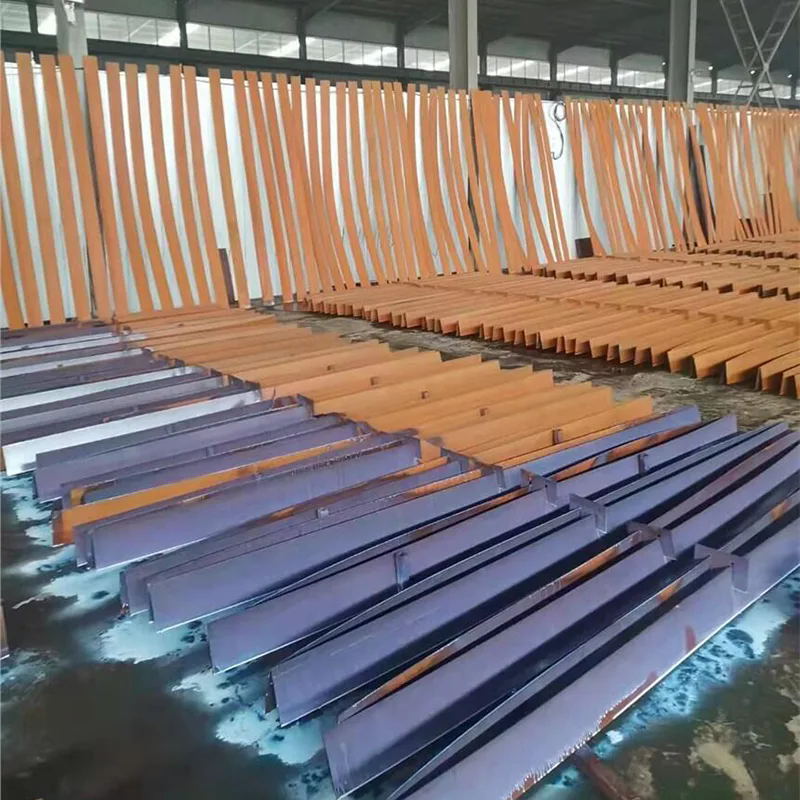
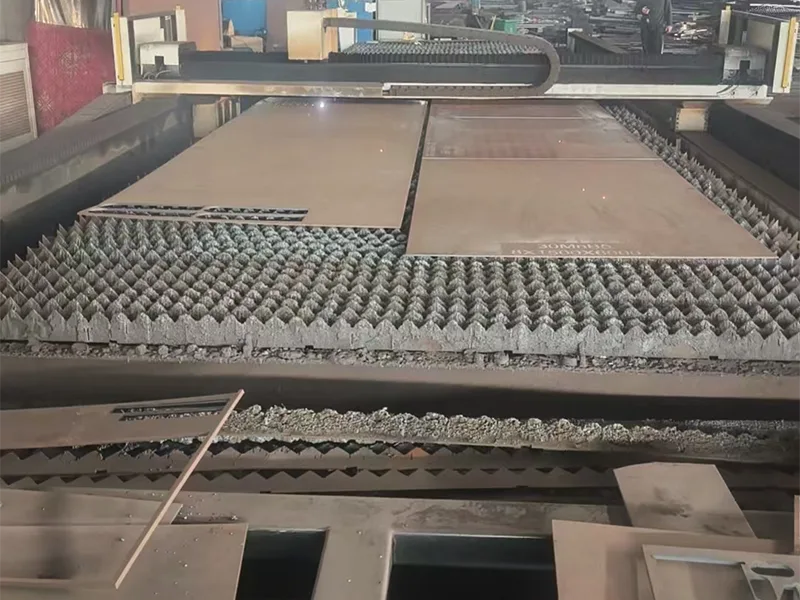
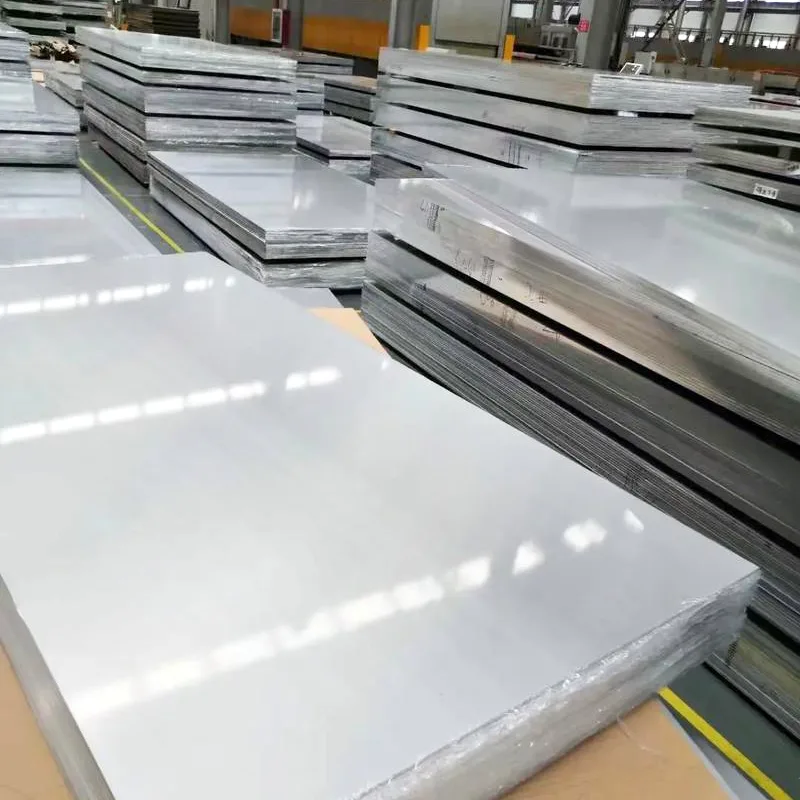
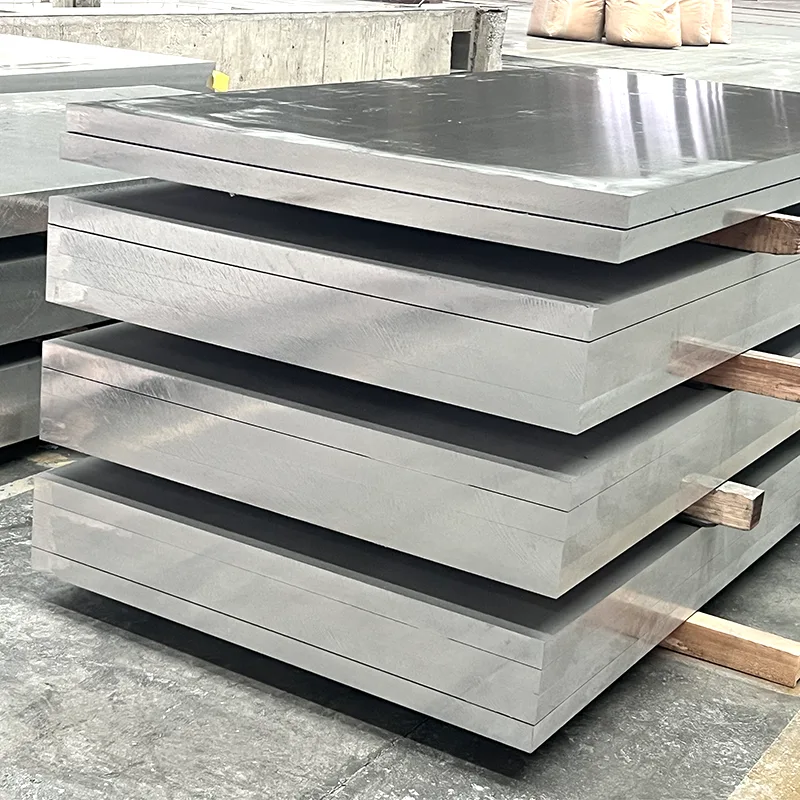
Lingchuang's carbon steel plate factory regularly stocks Q235B ordinary carbon steel plate, Q355B low alloy manganese steel plate, 20# high-quality carbon steel plate, and 45# medium carbon steel plate. We also offer cold-rolled carbon steel plate, container plates, checkered plates, and other specialty plates to meet the needs of various applications in construction, machinery, chemical, and steel structure industries. As a leading manufacturer in China, we support carbon steel plate bending, forming, rolling, and end cap fabrication. We can process tanks, pipe fittings, irregularly shaped steel structures, and bridge embedded parts, providing one-stop forming and processing services.
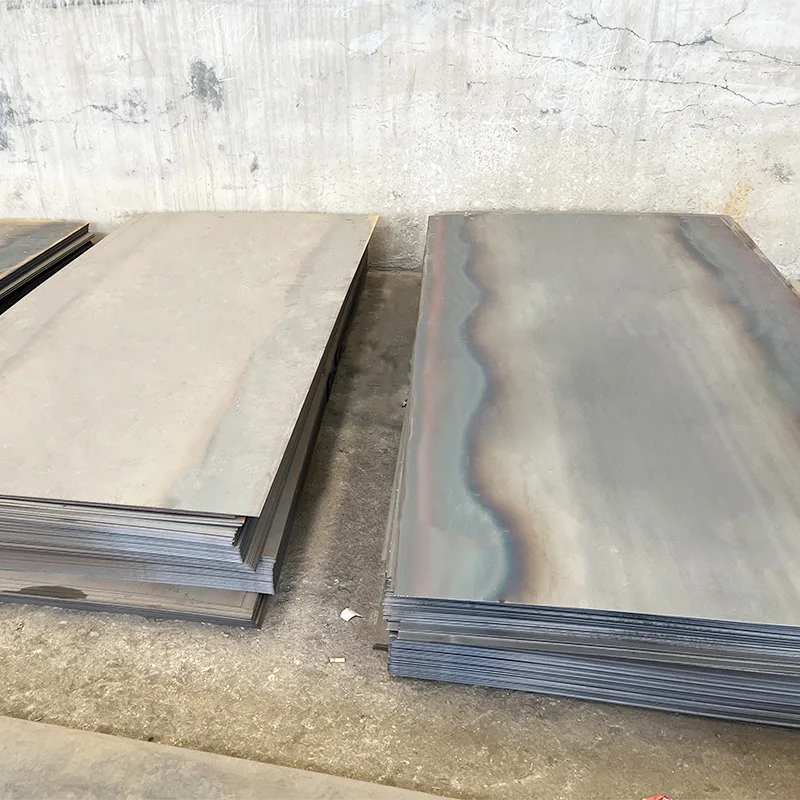
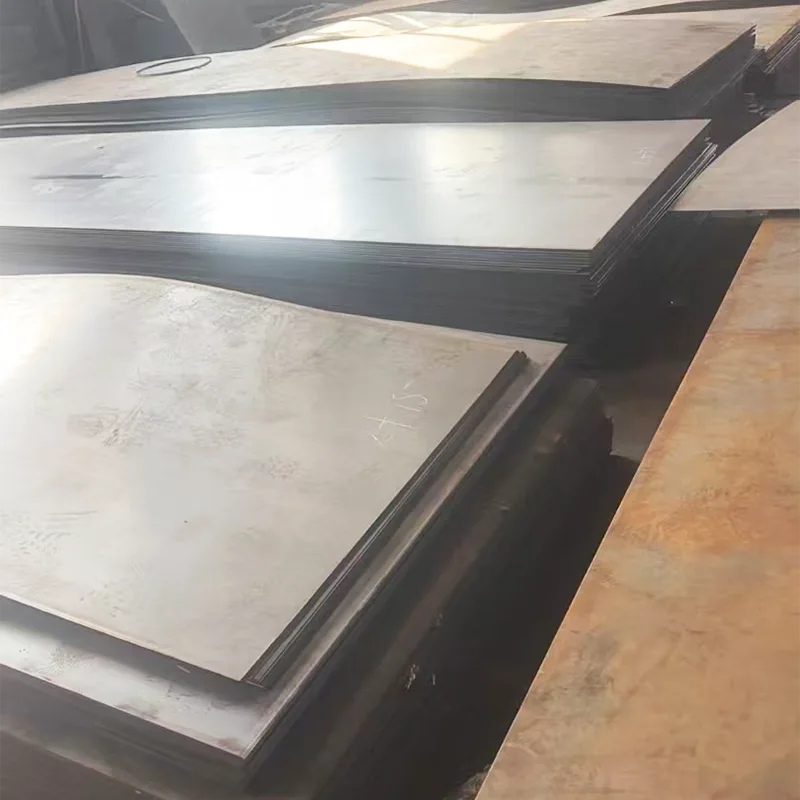
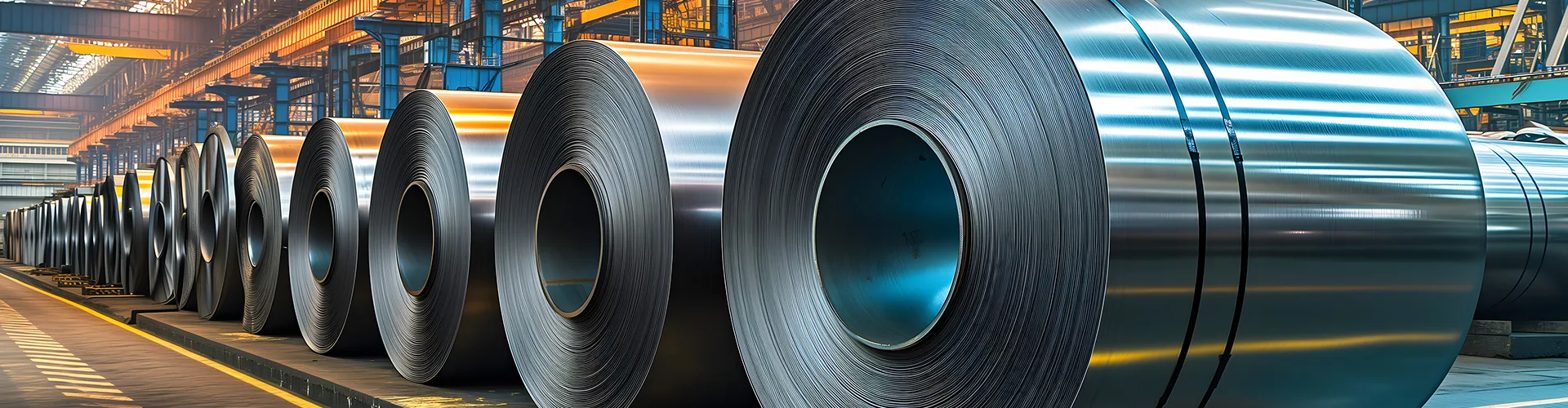
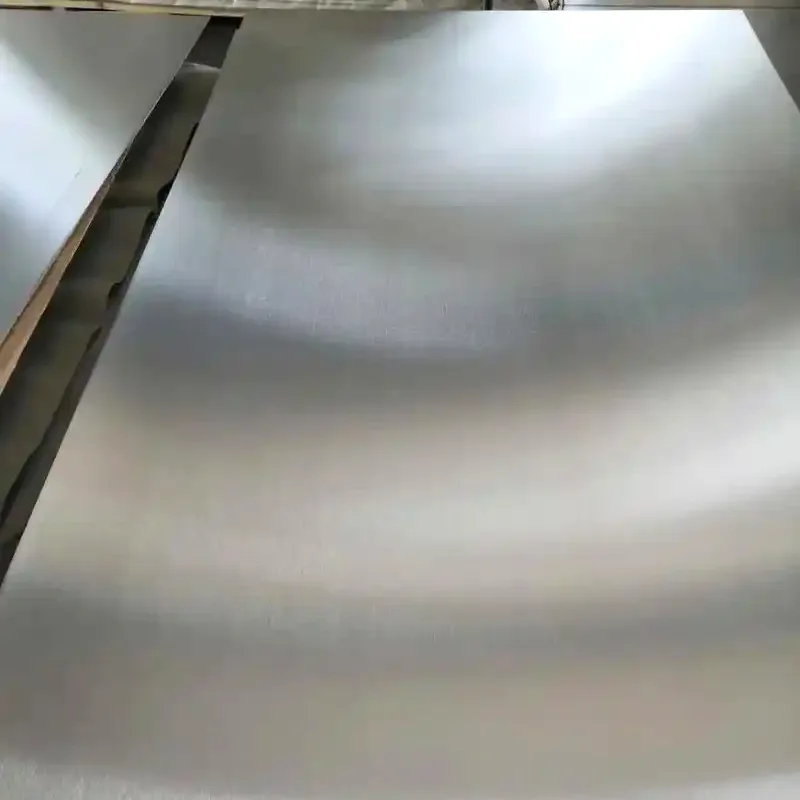
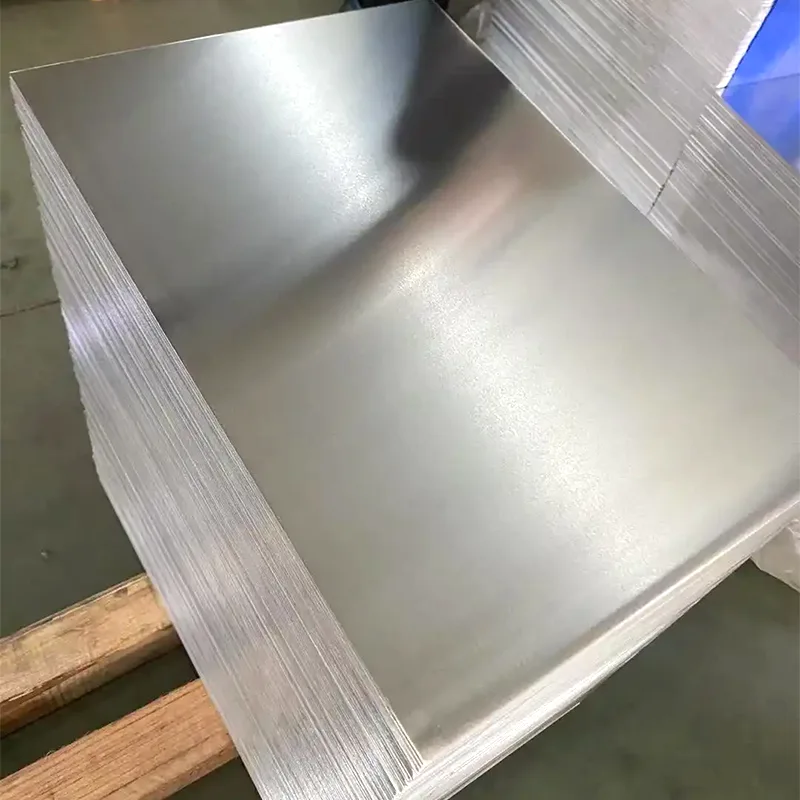
Based on production processes and thickness, carbon steel plates can be divided into hot-rolled plates, cold-rolled plates, pickled plates, and plates of various thicknesses. Hot-rolled steel sheets are thick, affordable, and come in a wide range of sizes, including medium, medium-thick, and extra-thick plates. They are suitable for steel structures, tank fabrication, heavy equipment foundations, and irregular cutting. Cold-rolled steel sheets have a smooth surface, high precision, and good toughness. They are mostly thin sheets used for appliance housings, chassis and cabinets, hardware stamping parts, and automotive interior parts. Pickled steel sheets have no thick oxide scale and fall between hot-rolled and cold-rolled sheets. They are suitable for automotive parts, agricultural machinery parts, and mass-produced hardware processing. Different thicknesses of steel sheets cater to a full range of needs, from light decorative to heavy load-bearing applications.
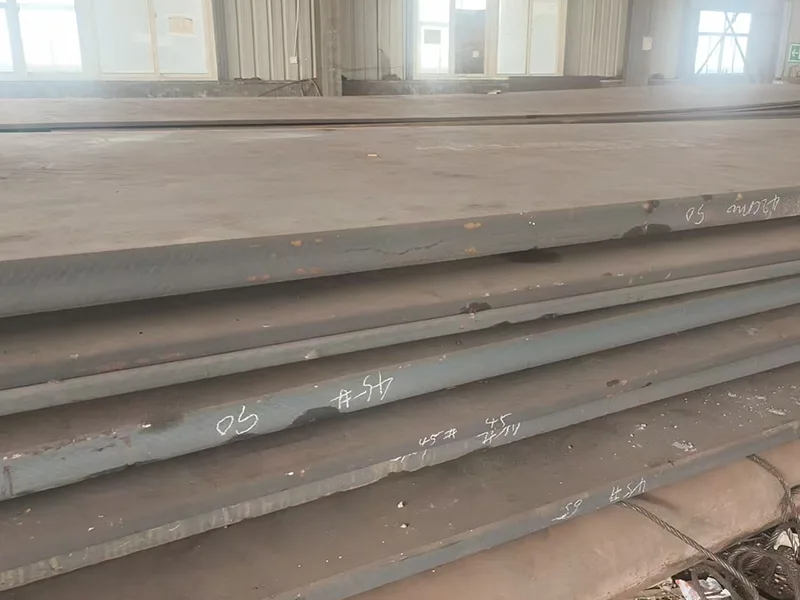
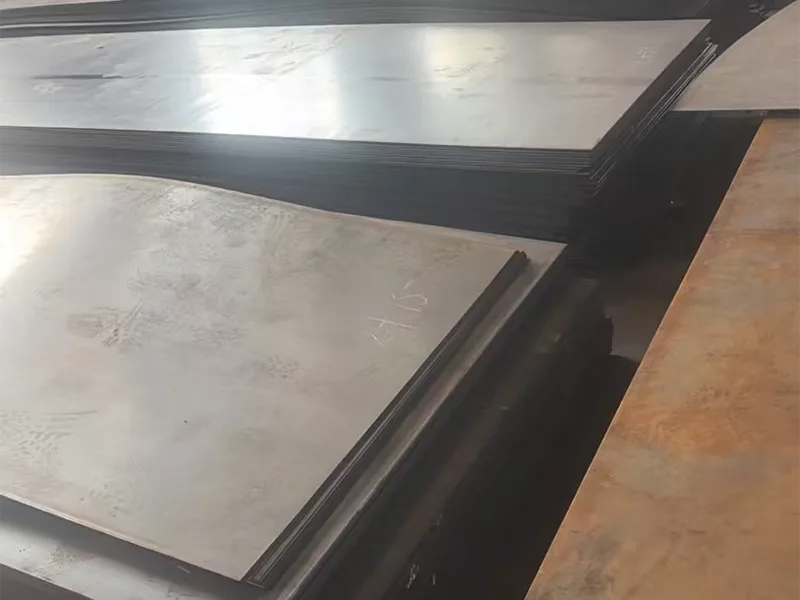
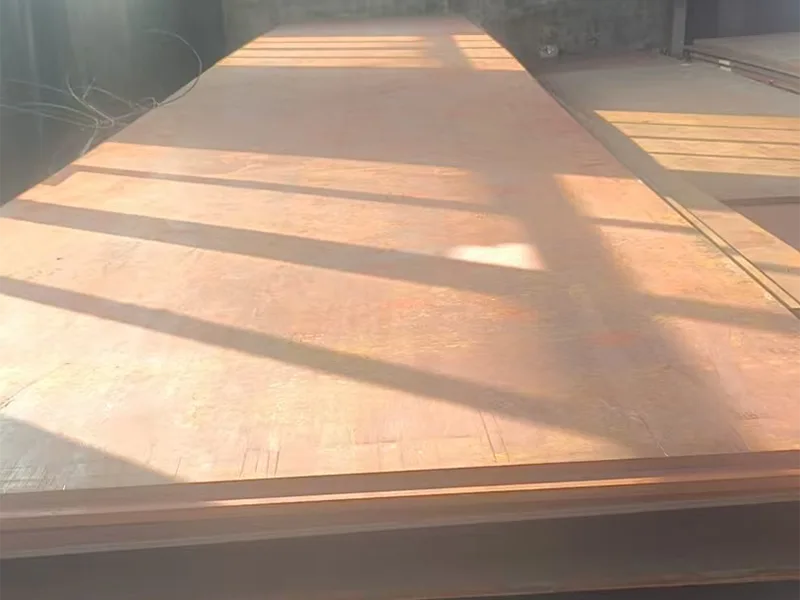
Performance advantages and application comparison table
|
Material grade: |
Core Performance Advantages |
Main Application Areas: |
|
Q235B |
Good plasticity and toughness, easy to weld and cut, excellent machinability, and high cost-effectiveness; a general-purpose basic carbon steel. |
Building steel structures, embedded steel plates, construction site guardrails, general equipment shells, general hardware blanking |
|
Q355B |
Low alloy high strength, high tensile strength, impact resistance, low temperature resistance, and strong load-bearing and compressive strength. |
Bridge engineering, construction machinery, vehicle beams, mining equipment, heavy-duty factory steel structures |
|
20# |
Pure material with low impurities, excellent toughness and ductility, and good compressive strength; suitable for precision machining. |
Boiler accessories, pressure vessels, heat exchange equipment, precision mechanical stamping parts |
|
45# |
High hardness, strong wear resistance, and tunable heat treatment; excellent comprehensive mechanical properties. |
Flange blanks, gear shafts, mold base plates, heavy machinery wear-resistant parts |
|
65Mn |
High elasticity, fatigue resistance, outstanding wear resistance, and good quenching performance. |
Spring steel plates, equipment wear-resistant liners, agricultural machinery parts, elastic structural parts |
What are the differences between 20#, 45# carbon steel sheets and ordinary Q235 sheets?
Q235 is a common carbon structural sheet. It offers high cost-effectiveness, good plasticity, and excellent weldability, but its strength and hardness are average, and its impurity content is slightly higher. It is suitable for conventional structural applications such as building steel structures, embedded parts, guardrails, and ordinary equipment housings.
20# is a high-quality low carbon steel plate, with a purer material and lower sulfur and phosphorus impurities. Its toughness, ductility, and pressure resistance are far superior to Q235, and its processing performance is better. It is suitable for bending and stamping, boiler parts, pressure vessels, and precision mechanical parts.
45# is a medium-carbon steel plate, with the highest strength, hardness, and wear resistance. It can undergo quenching and tempering heat treatment and has strong load-bearing capacity, but its weldability is poor, making it unsuitable for large-area welding. It is mostly used for heavy-duty wear-resistant machined parts such as mechanical shafts, gears, flange blanks, and mold base plates.
What is the difference between carbon steel cut-out plates and original plates? Which is better?
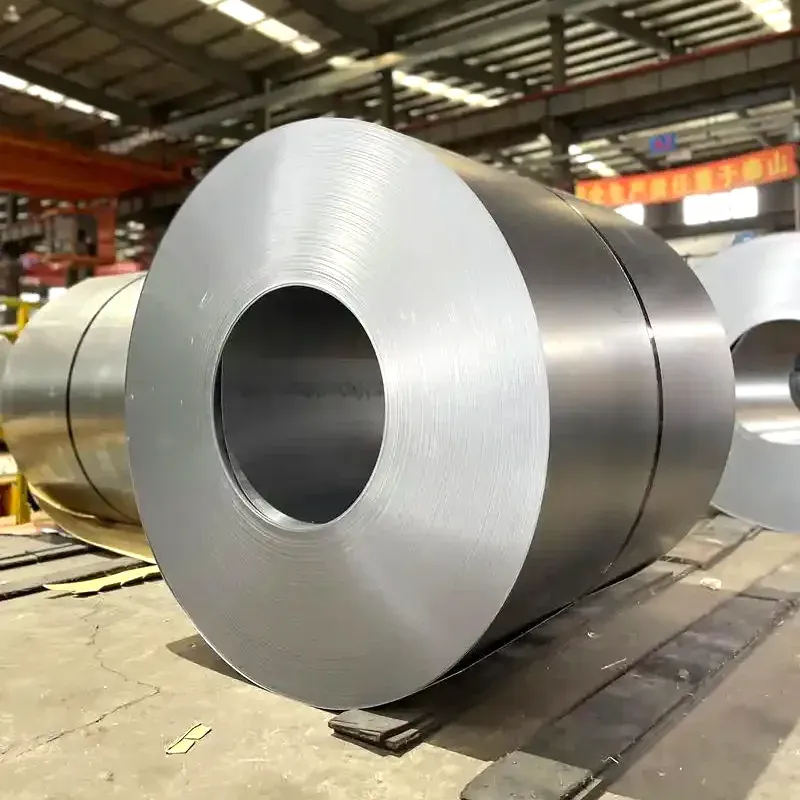
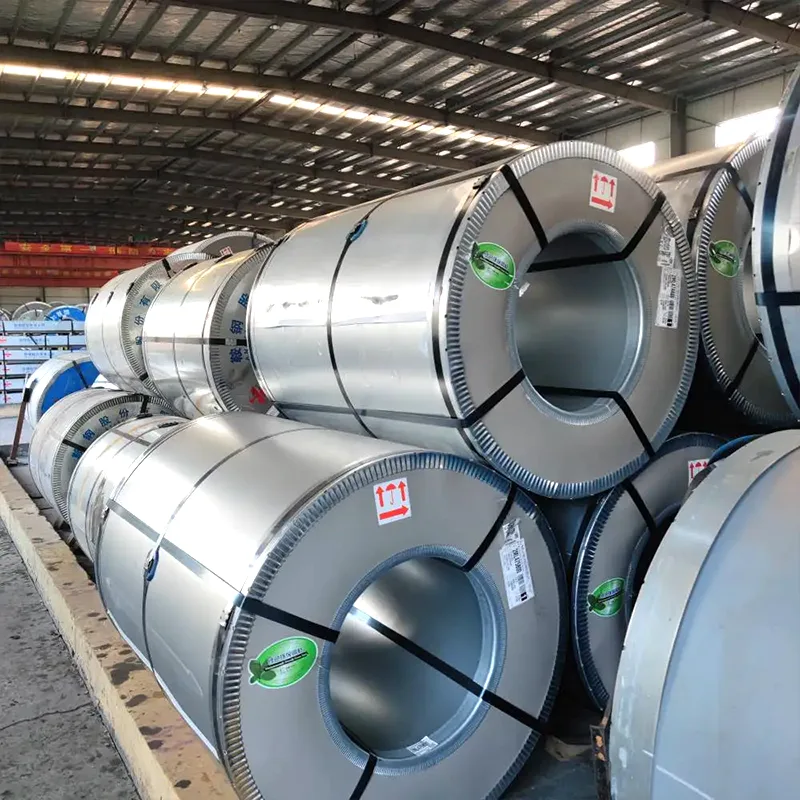
Original plates are directly rolled by the steel mill, resulting in uniform thickness, a flat surface, low internal stress, and less deformation. The material properties are more stable, making them suitable for load-bearing structures, precision machining, and high-standard projects. However, they are more expensive. Cut-out plates are made by cutting hot-rolled steel coils. They offer flexible specifications, high cost-effectiveness, and convenient sourcing, but the thickness tolerance is slightly larger, the flatness is slightly inferior, and they are more prone to slight deformation. For ordinary construction and general material cutting, flat plates are sufficient. For important load-bearing projects, original flat plates should be prioritized.
What anti-corrosion treatment is required for carbon steel plates used outdoors?
For carbon steel plates used outdoors, hot-dip galvanizing is recommended for corrosion protection, ensuring a long service life. Standard treatment includes sandblasting for rust removal + anti-rust primer + outdoor topcoat application. In humid environments or near seas with salt spray, enhanced anti-corrosion measures are necessary. Avoiding direct exposure of bare plates effectively prevents rust and aging, significantly extending the lifespan of the plates.
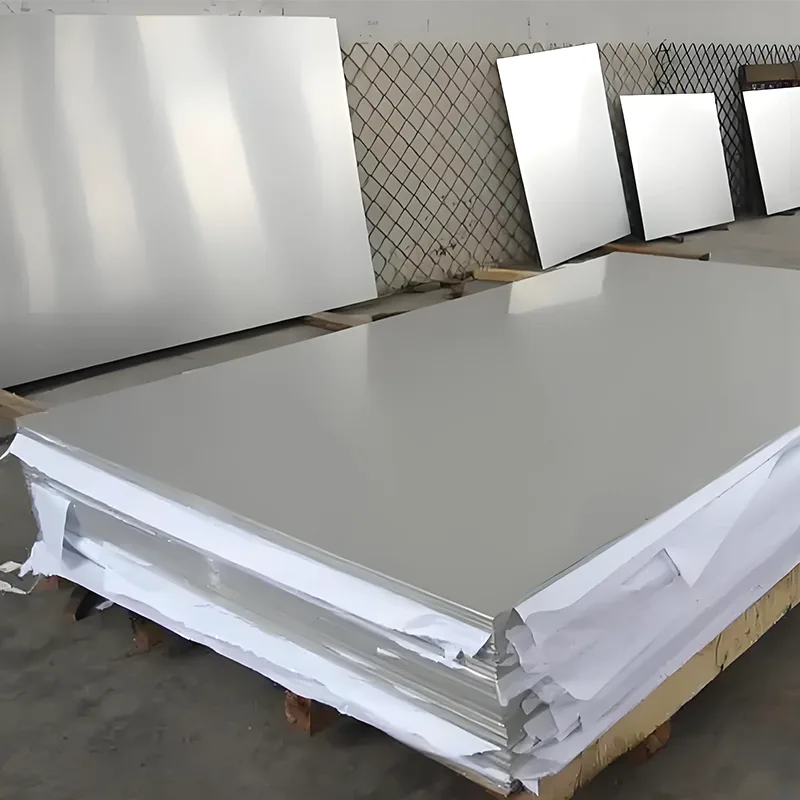
- View as
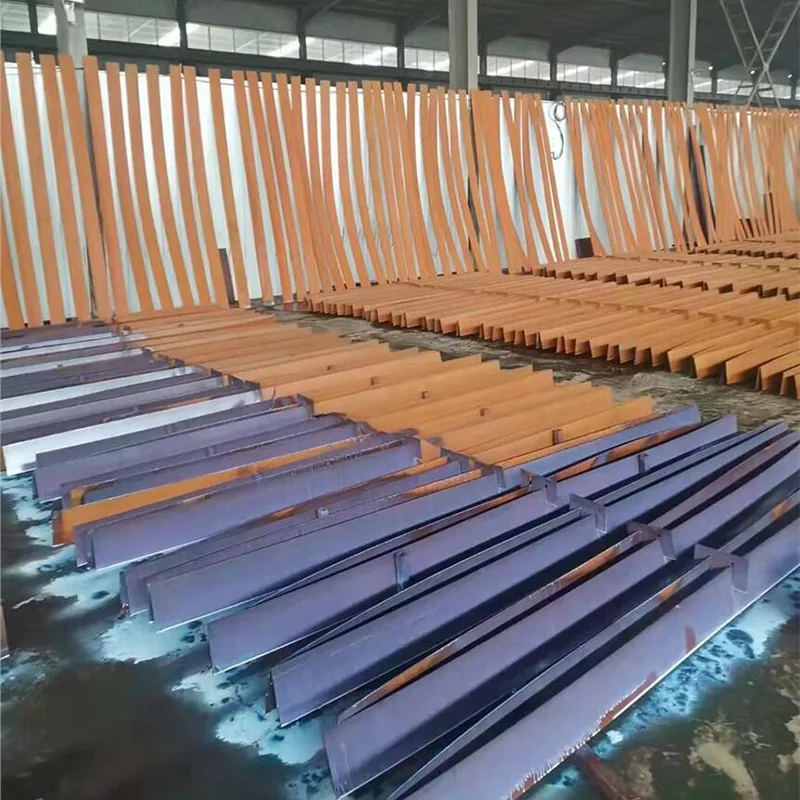
Weathering Steel Plate
Weathering Steel Plate, also known as atmospheric corrosion resistant steel, belongs to the low-alloy steel series and is a special steel material between ordinary carbon steel and stainless steel. It is produced by adding trace amounts of alloying elements such as copper, chromium, nickel, and phosphorus (usually ≤3.5% total) to ordinary carbon steel, forming a dense and stable rust layer in the natural environment, achieving self-protection without relying on external anti-corrosion measures such as painting or galvanizing. Professional weathering steel manufacturers in China provide one-stop processing services from basic cutting to finished product customization.
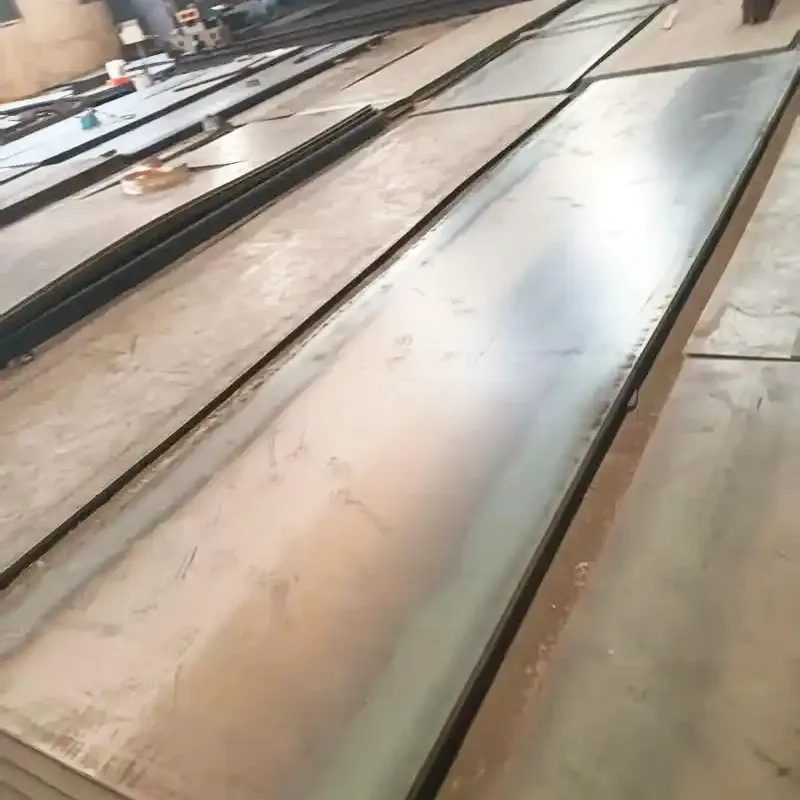
Nm360 Wear-Resistant Steel Plate
China NM360 wear-resistant steel plate manufacturers support customized rolling, irregular part processing, welding process guidance, laser/plasma cutting, and fixed-length leveling, with delivery within three days.
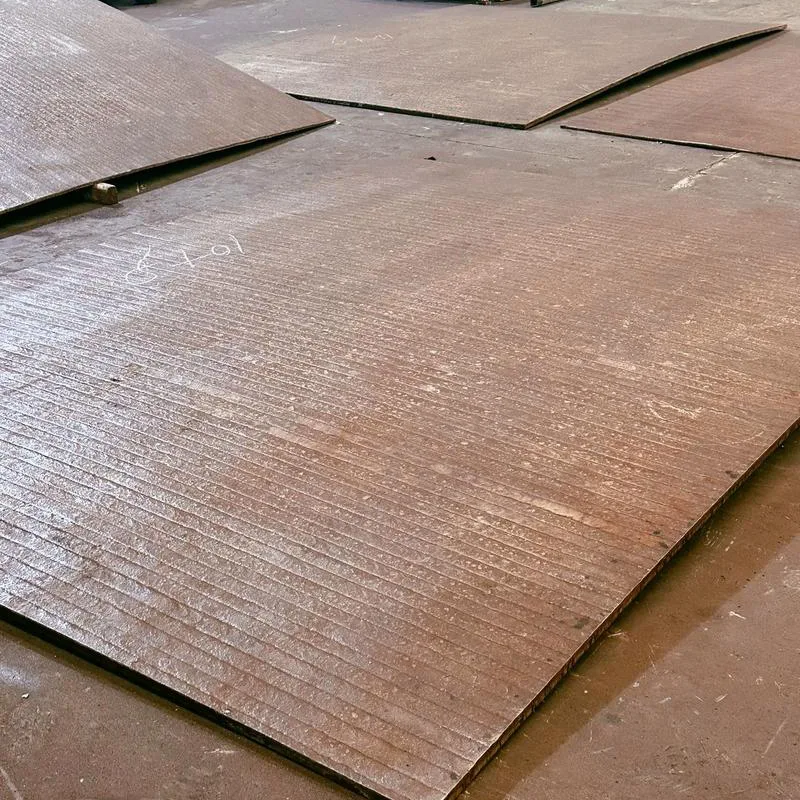
High Chromium Wear-Resistant Steel Plate
High chromium wear-resistant steel plates from China manufacturer include integral and bimetallic types. With over 20% chromium, the wear layer forms hard chromium carbides, providing excellent resistance to abrasion and impact. As a supplier of High chromium wear-resistant steel plates, Lingchuang offers durable and cost-effective solutions for mining and heavy industry.
Delivery time: Usually 7-15 days, or negotiable.
Our factory offers competitive prices and quality.
Price terms: EXW, FOB, CFR, CIF.
Payment methods: TT, L/C, etc.
Certifications: SGS, MTC, ISO9001, CE, SGS.
Delivery time: Usually 7-15 days, or negotiable.
Our factory offers competitive prices and quality.
Price terms: EXW, FOB, CFR, CIF.
Payment methods: TT, L/C, etc.
Certifications: SGS, MTC, ISO9001, CE, SGS.
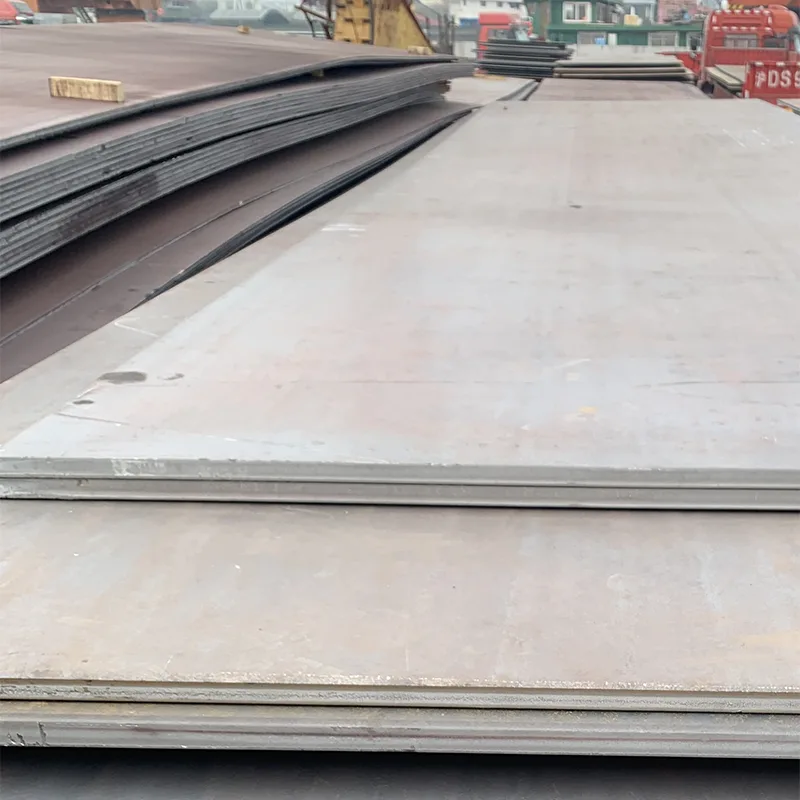
Manganese Plate High-Strength Wear-Resistant Steel Plate
Manganese Plate High-Strength Wear-Resistant Steel Plates are reinforced with manganese alloys, forming five mainstream systems: NM, HARDOX, XAR, Mn13, and 65Mn. Their performance covers a full range of scenarios, from "balanced wear resistance" to "extreme wear resistance," and from "light impact" to "strong impact." Selection requires precise matching based on wear intensity, impact load, and processing requirements. China suppliers can provide full-process processing and technical support to help reduce equipment costs and increase efficiency.
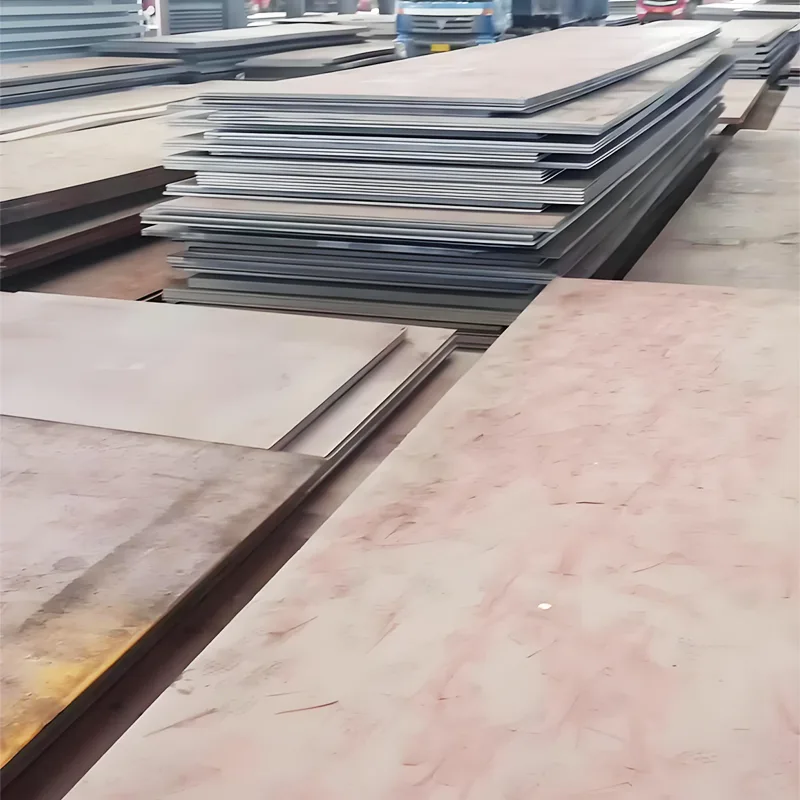
Bimetallic Composite Wear-Resistant Steel Plate
Bimetallic Composite Wear-Resistant Steel Plate from China manufacturer Lingchuang is produced under GB/T 24186-2022 with quenched and tempered low-alloy technology. It supports laser, plasma, and flame cutting, and can be processed into standard or custom shapes with bending and rolling according to drawings. Lingchuang provides durable and cost-effective solutions for mining, construction, and heavy industry use.
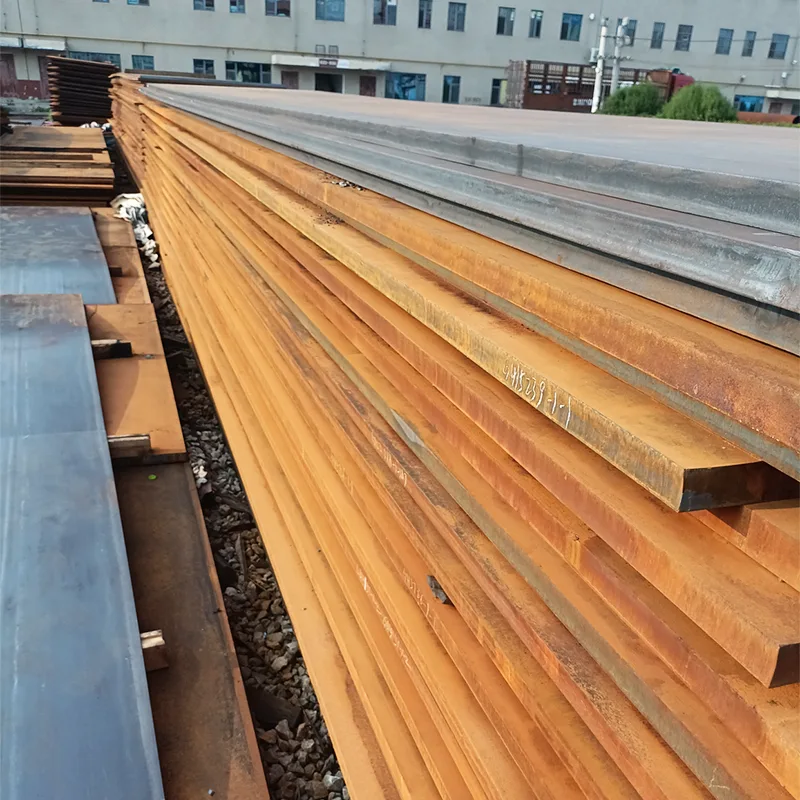
High Hardness Wear-Resistant Steel Plate
China manufacturer of High Hardness Wear-Resistant Steel Plates offer a one-stop service encompassing material selection, processing, delivery, and after-sales support, including customized processing.
Delivery time: Usually 7-15 days, or negotiable.
Our factory offers competitive prices and quality.
Price terms: EXW, FOB, CFR, CIF.
Payment methods: TT, L/C, etc.
Certifications: SGS, MTC, ISO9001, CE, SGS.
Delivery time: Usually 7-15 days, or negotiable.
Our factory offers competitive prices and quality.
Price terms: EXW, FOB, CFR, CIF.
Payment methods: TT, L/C, etc.
Certifications: SGS, MTC, ISO9001, CE, SGS.
Lingchuang is a professional Carbon Steel Plate manufacturer and supplier in China. Welcome to import quality products from our factory here.