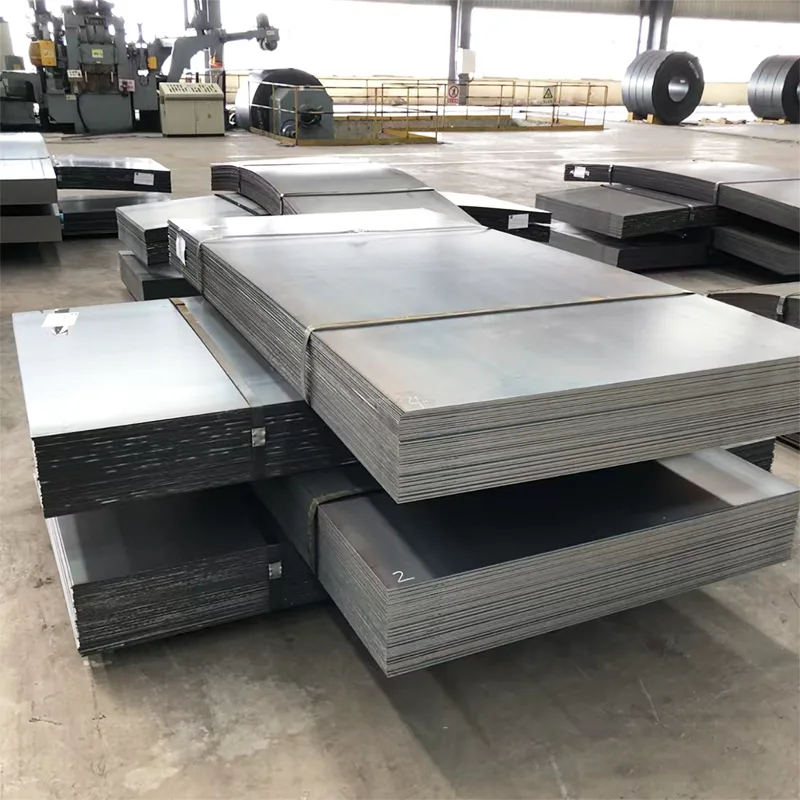
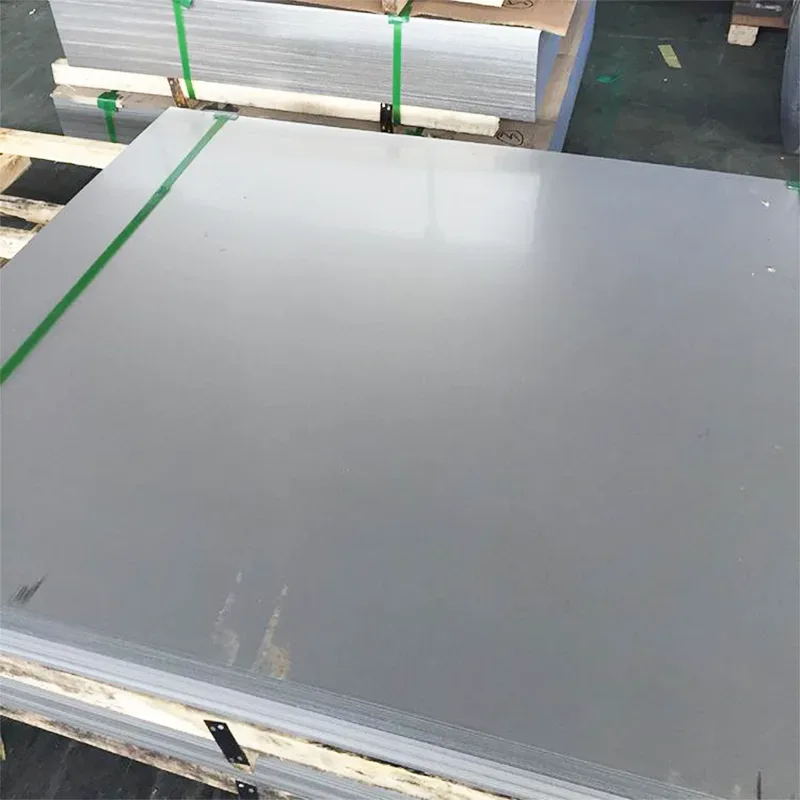
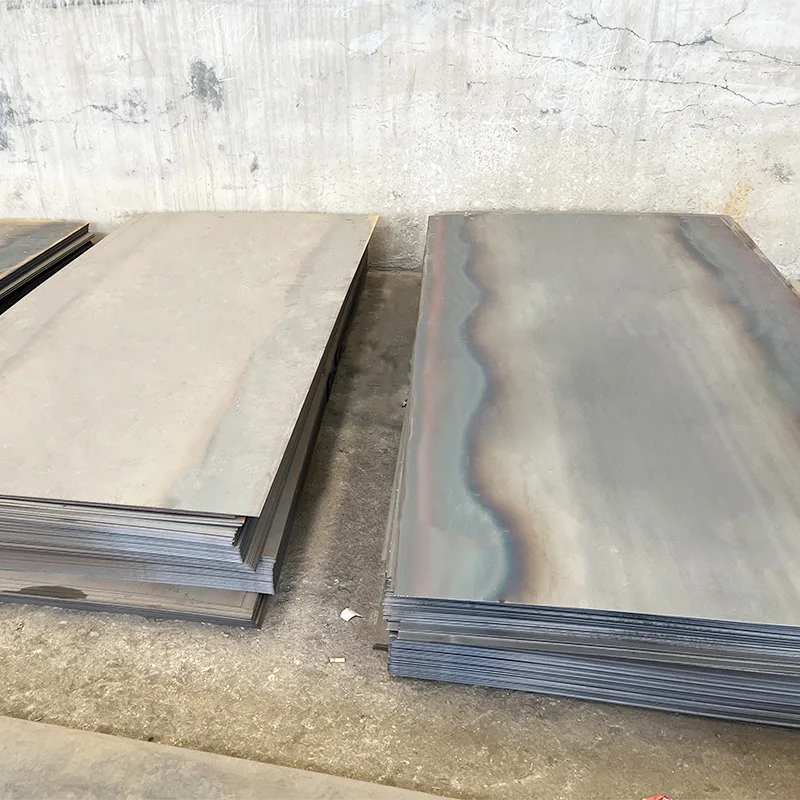
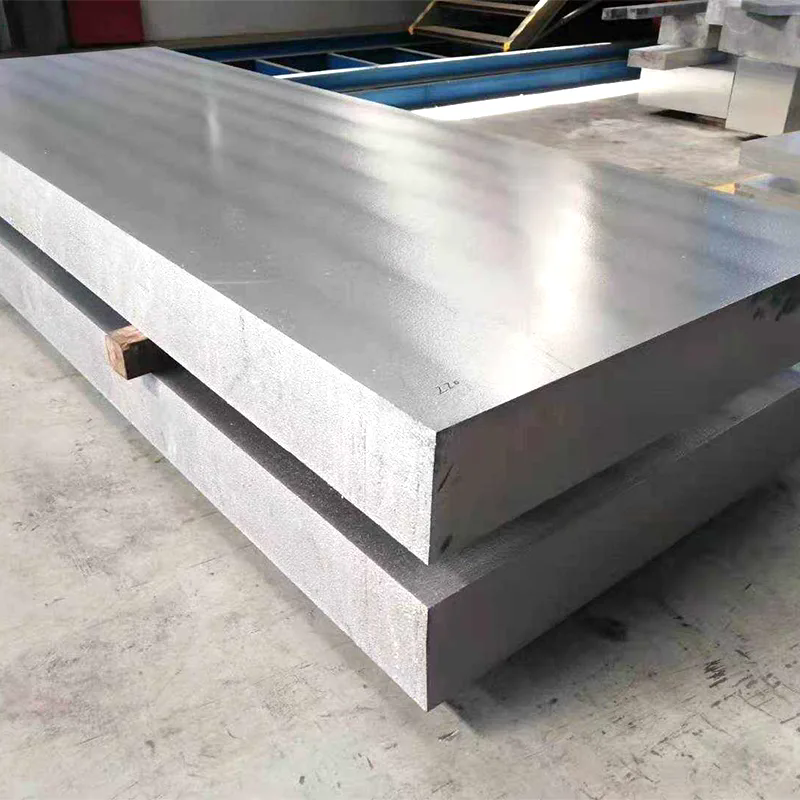
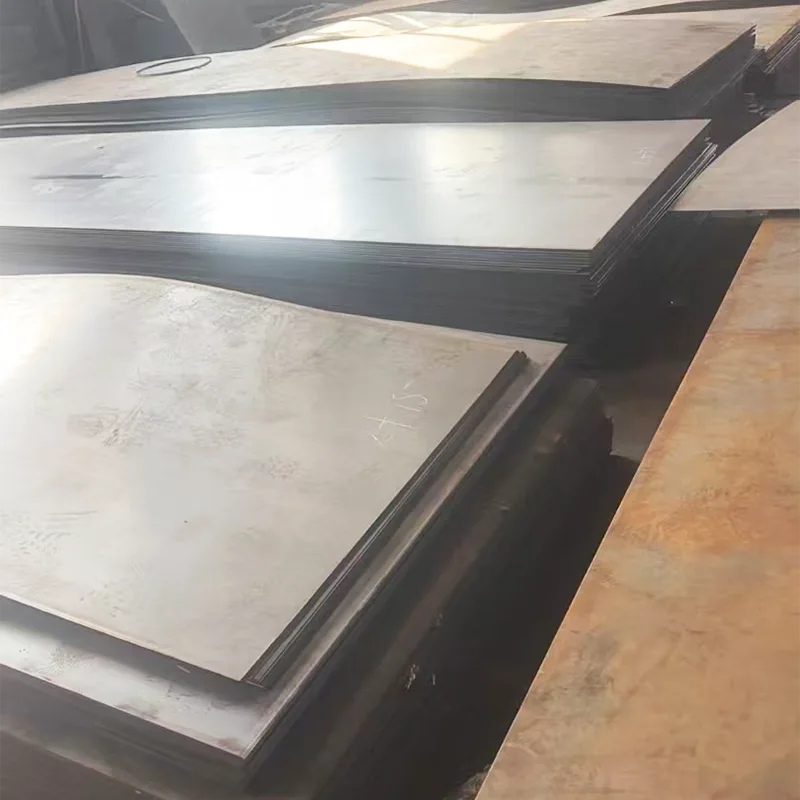
High strength wear-resistant steel plate has the characteristics of high hardness, excellent wear resistance, good toughness and strength matching, and strong impact resistance, designed specifically to cope with harsh wear conditions.
High hardness and excellent wear resistance
The surface Brinell hardness is usually between 360HB and 540HB (such as 360-450HB for NM400 and 470-540HB for NM500), and the wear resistance can reach 3-5 times that of ordinary carbon steel. Its alloy layer is mainly composed of chromium (Cr), forming high hardness carbides (such as Cr ₇ C ∝), with a microhardness exceeding HV1700, effectively resisting material erosion and friction wear.
Good matching of strength and resilience
Adopting the quenching and tempering process, the material has sufficient toughness while maintaining high hardness. For example, NM500 has a tensile strength of ≥ 1600MPa, a yield strength of ≥ 1400MPa, an elongation of ≥ 6%, and a low-temperature impact energy of up to 46J (-20 ℃), making it suitable for high impact environments.
Stable resistance to low and high temperatures
It can maintain toughness in extremely cold environments of -40 ℃, such as the NM400E-TL wear-resistant steel developed by Hegang.
Alloy carbides have good high-temperature stability and can maintain high hardness and oxidation resistance within 500 ℃.
Good welding and processing performance
The substrate is made of low carbon steel or low alloy steel, with good weldability, and can be connected through automatic welding, manual welding, and other methods. However, it is recommended to prioritize cold cutting (such as water jet or shearing) during cutting. Hot cutting requires preheating to 100 ℃ and slow cooling to prevent crack formation.
Reasonable structural design and long service life
Composed of low-carbon substrate and alloy wear-resistant layer, metallurgical bonding, the wear-resistant layer accounts for 1/3 to 1/2 of the total thickness. The substrate provides strength support, the wear-resistant layer resists wear, significantly extends equipment life, and reduces maintenance costs.
Widely used and standardized production
Implementing national standards such as GB/T 24186-2022, it is widely used for key wear-resistant components such as excavator buckets, crusher liners, medium speed coal mills, and mining conveying systems.
We use cookies to offer you a better browsing experience, analyze site traffic and personalize content. By using this site, you agree to our use of cookies. Privacy Policy