Wholesale Carbon Steel Coil from China Factory
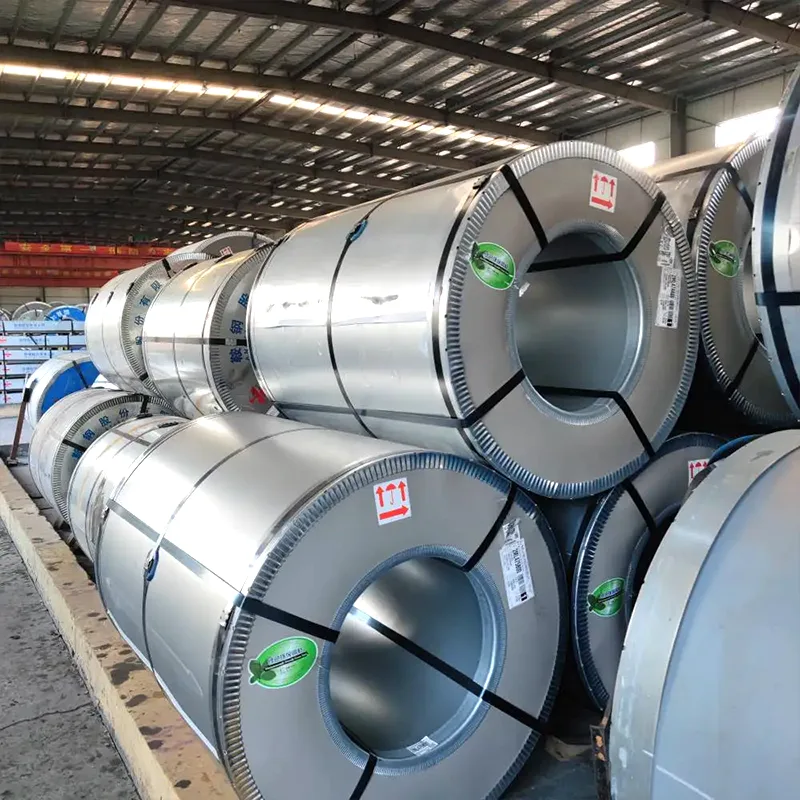
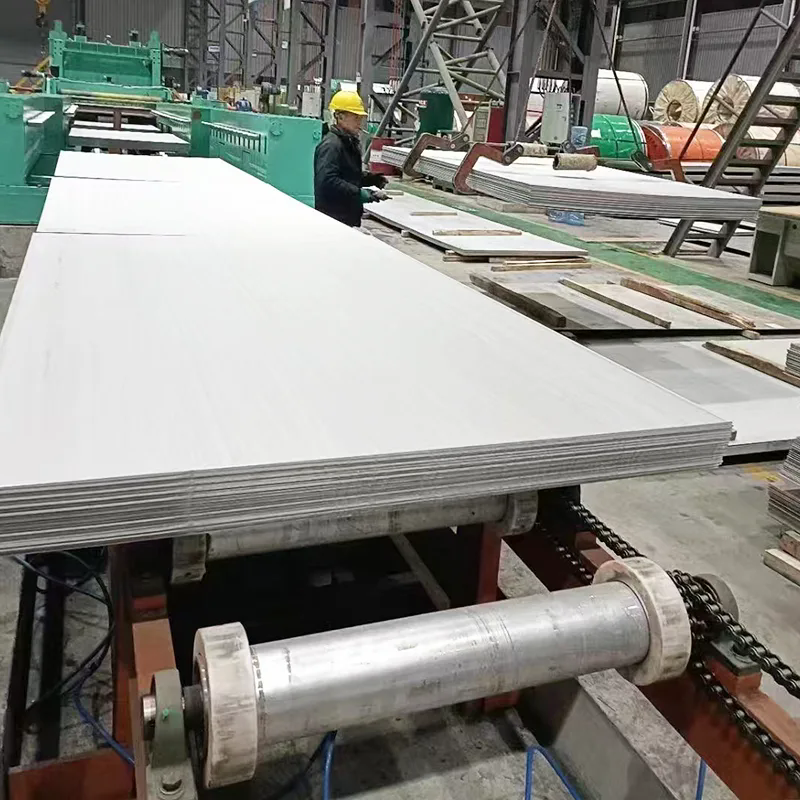
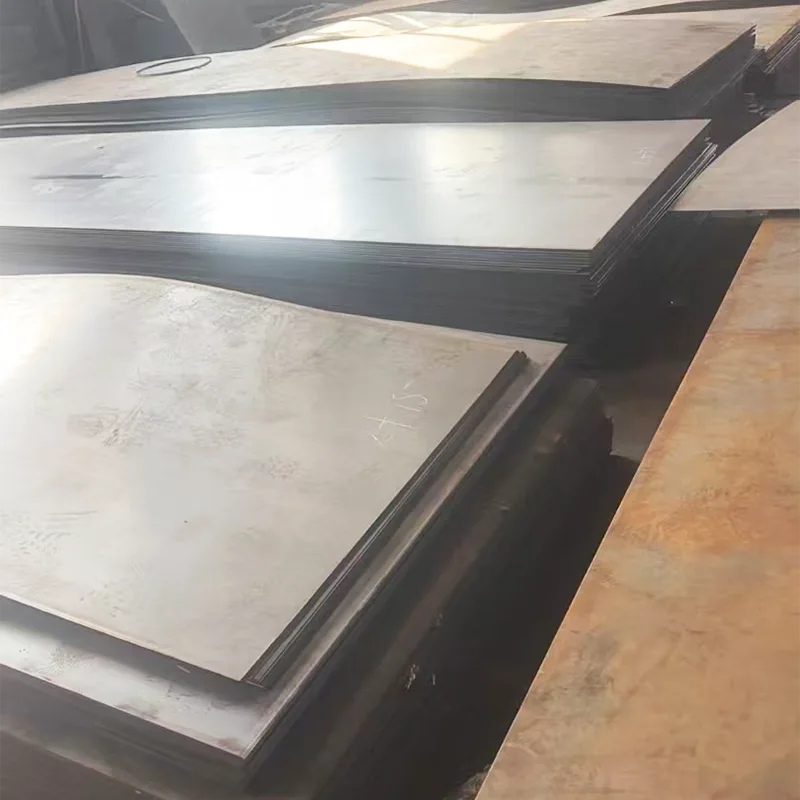
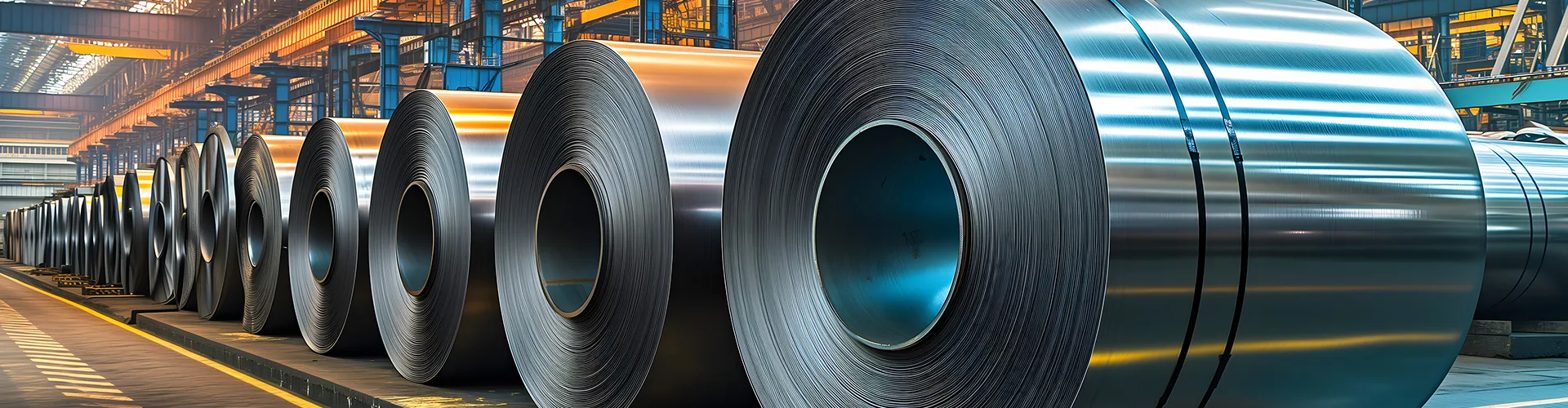
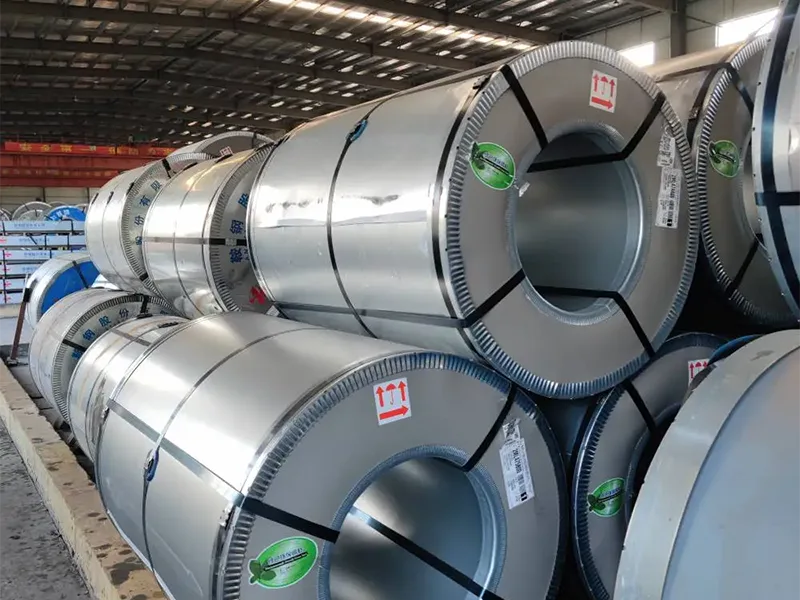
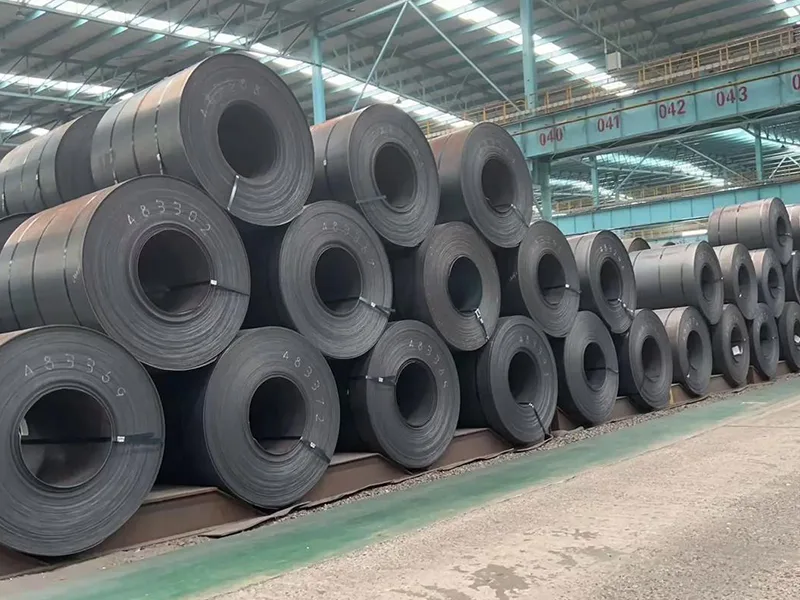
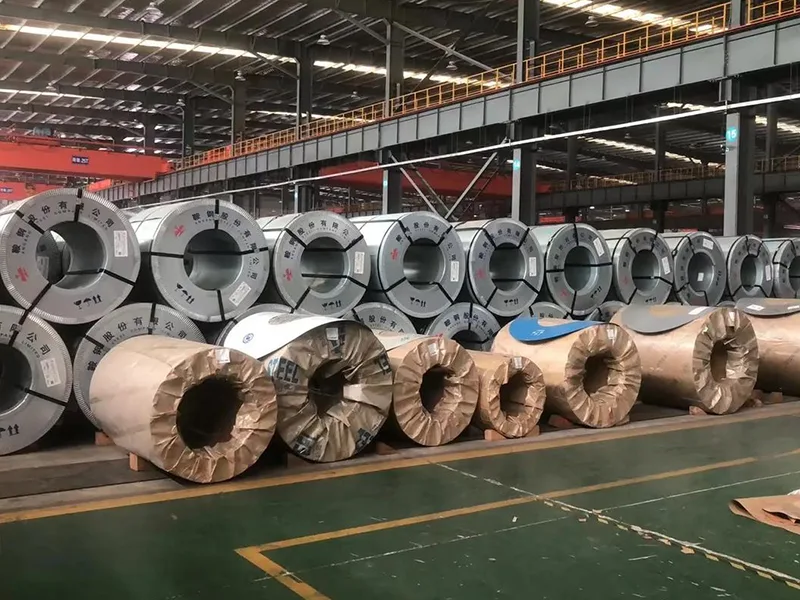
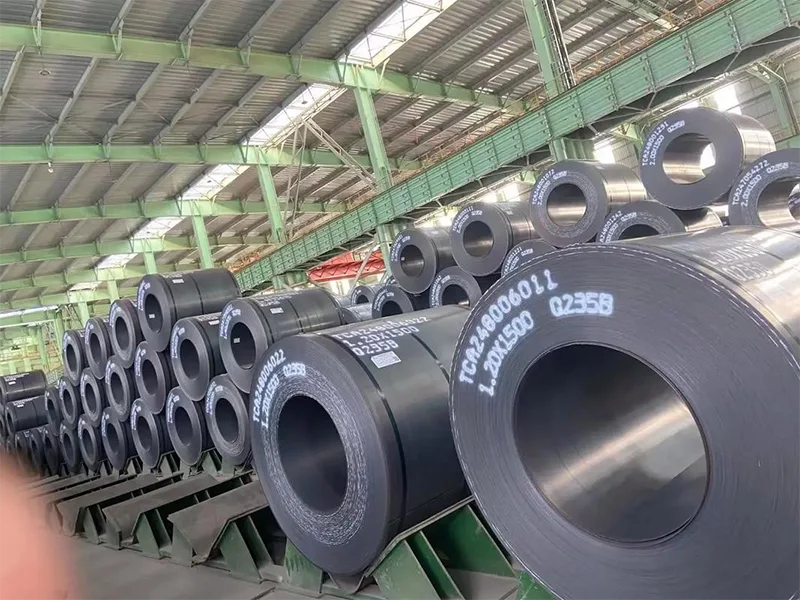
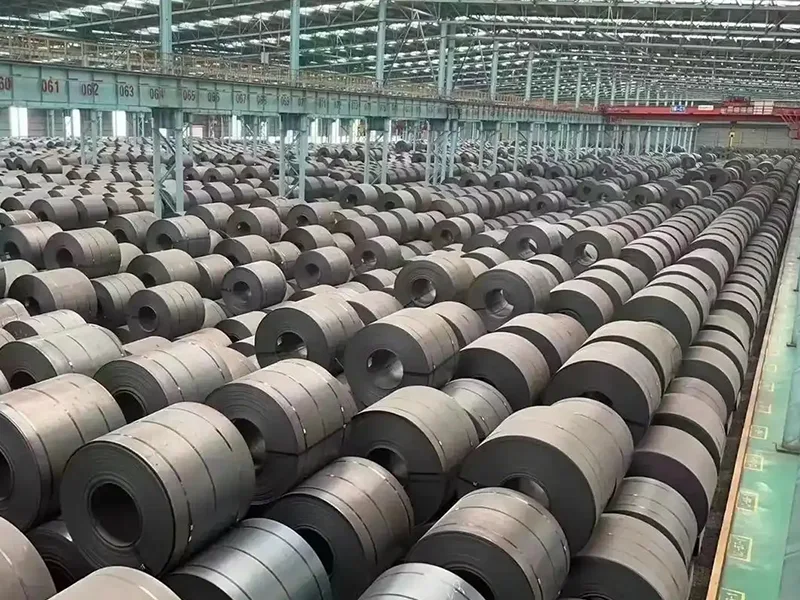
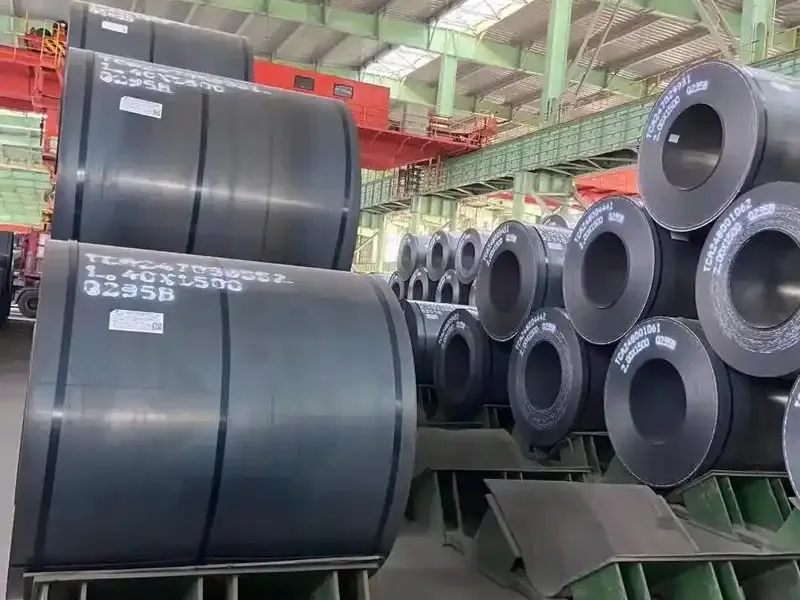
Lingchuang Carbon steel coils are mainly available in standard materials such as Q195, Q235B, Q355B, 20#, 45#, and 65Mn, as well as cold-rolled grades like SPCC and DC01, and low-alloy and weathering steel coils. China Leading Carbon Steel Coil Factory provides processing services including leveling, slitting, length cutting, coating, pickling, sandblasting, rust removal, painting/galvanizing for corrosion protection, and also supports coiling, trimming, punching, bending, welding, and customized sizes and delivery services to meet various material and finished product needs.
Carbon steel coils are a core raw material for basic industry, available in hot-rolled, cold-rolled, and pickled coils, with applications covering numerous industries. In the construction and infrastructure sector, it can be used for leveling and cutting steel structural components, embedded steel plates, construction site fences, and factory roofing and wall materials. In the hardware processing industry, it is slitting and stamping into shelves, chassis and cabinets, door and window accessories, and daily hardware. In the pipe manufacturing industry, it is a core raw material used to produce straight seam welded pipes, fire-fighting pipes, water supply and drainage pipes, and various fluid transport steel pipes. It is also widely used in the housings and structural components of engineering machinery and agricultural equipment. Cold-rolled coils are suitable for stamping automotive parts and home appliance housings. Further processing, bending, rolling, and anti-corrosion treatment are also possible, making it suitable for municipal engineering, warehousing equipment, and other applications. It is an indispensable raw material for manufacturing and infrastructure projects.
Carbon steel coil thickness tolerances are classified according to hot-rolled/cold-rolled grades, following national standards such as GB/T 709-2019 (hot-rolled) and GB/T 708-2006 (cold-rolled), and are divided into four precision categories: N/P/C/CC. The core data are as follows:
Hot-rolled thickness tolerance (GB/T 709-2019)
|
Nominal thickness (mm) |
Standard Accuracy (Class N) Tolerance (mm) |
Higher precision (Class P) tolerances (mm): |
|
1.2~2.0 |
±0.15 |
±0.12 |
|
2.0~3.0 |
±0.18 |
±0.15 |
|
3.0~4.0 |
±0.20 |
±0.17 |
|
4.0~5.0 |
±0.22 |
±0.19 |
|
5.0~6.0 |
±0.24 |
±0.21 |
|
6.0~8.0 |
±0.26 |
±0.23 |
|
8.0~10.0 |
±0.28 |
±0.25 |
|
>10~20 |
±0.30~±0.50 |
±0.27~±0.45 |
Cold-rolled thickness tolerance (GB/T 708-2006)
|
Nominal Thickness (mm) |
Standard accuracy tolerances (mm) |
High precision tolerance (mm) |
|
0.3~0.5 |
±0.05 |
±0.04 |
|
0.5~0.8 |
±0.06 |
±0.05 |
|
0.8~1.2 |
±0.07 |
±0.06 |
|
1.2~1.5 |
±0.08 |
±0.07 |
|
1.5~2.0 |
±0.09 |
±0.08 |
|
2.0~3.0 |
±0.10 |
±0.09 |
|
3.0~4.0 |
±0.11 |
±0.10 |
How to choose between Q235B and Q355B carbon steel coils?
Q235B offers high cost-effectiveness, is easy to weld and process, and is suitable for general blanking and pipe manufacturing; Q355B has higher strength and impact resistance, making it suitable for heavy-duty steel structures and load-bearing equipment.
Hot-rolled or cold-rolled coils for stamping parts?
Cold-rolled coils are chosen for precision stamping; hot-rolled or pickled coils are chosen for pipe manufacturing, general bending, and structural blanking, offering higher cost-effectiveness.
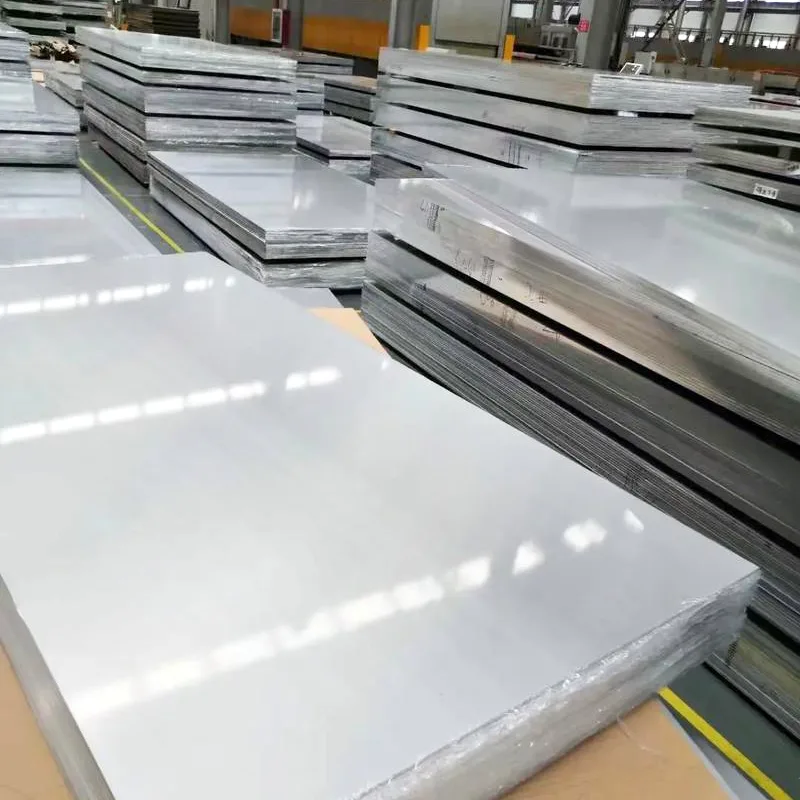
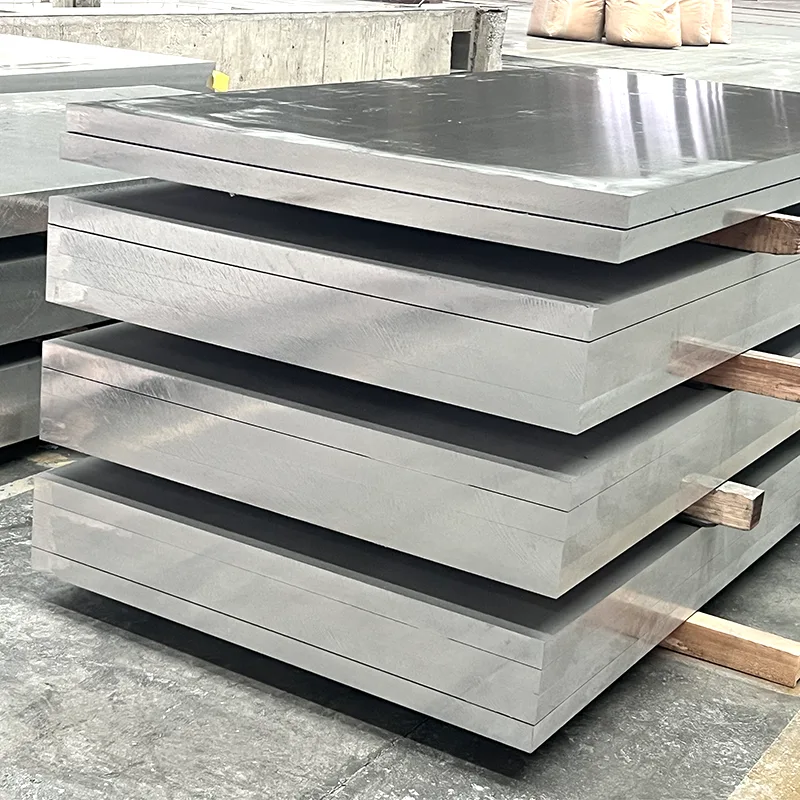
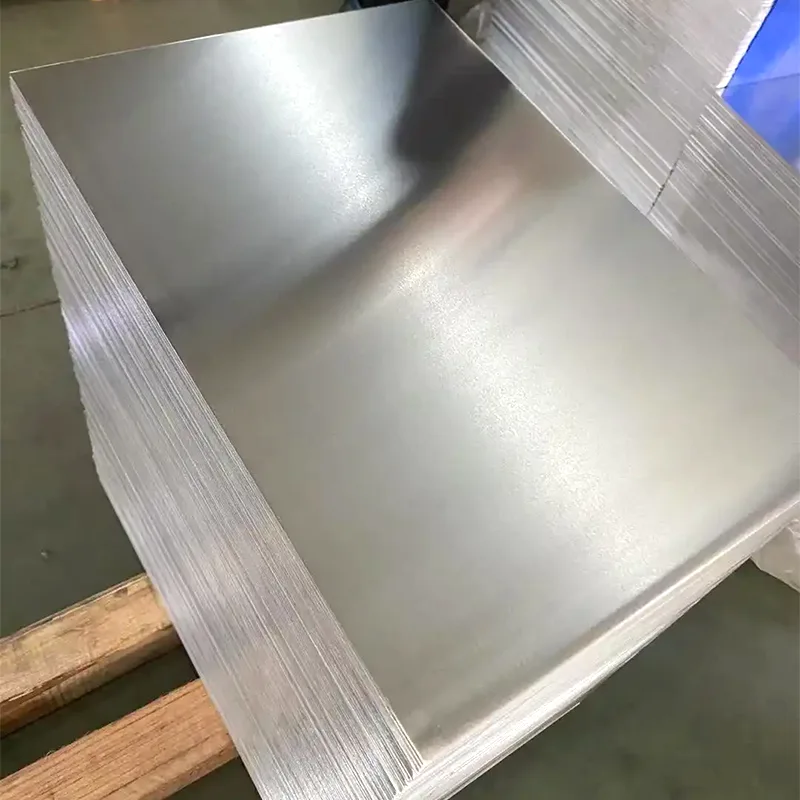
- View as
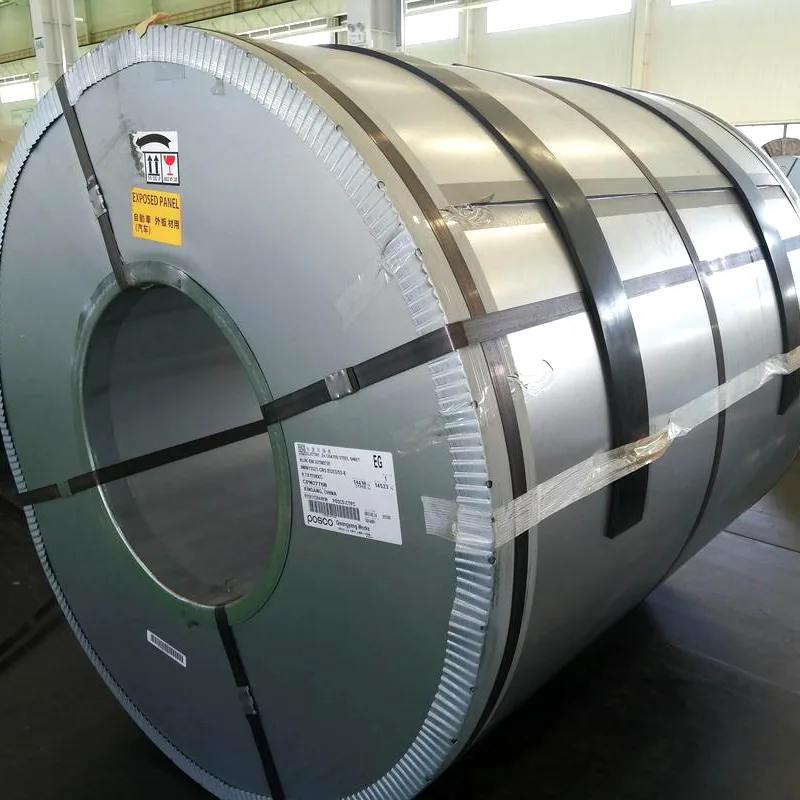
Pickled Carbon Steel Coils
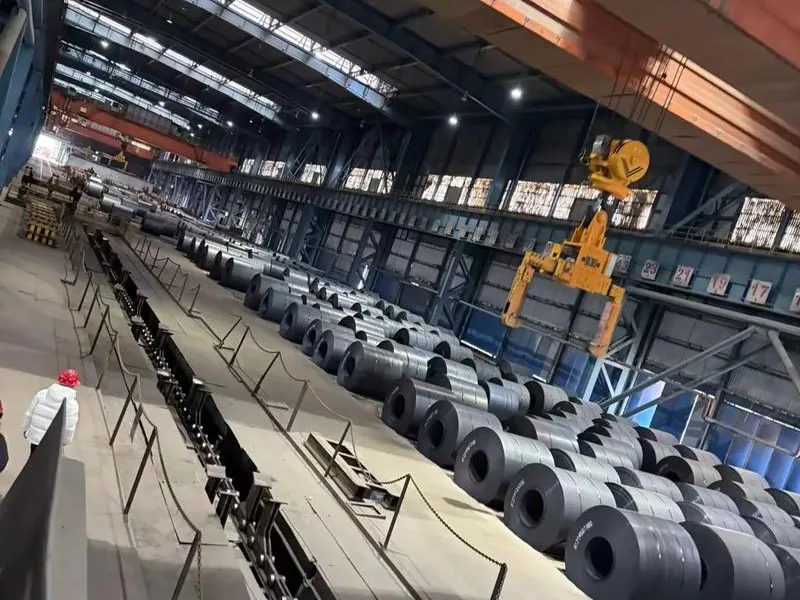
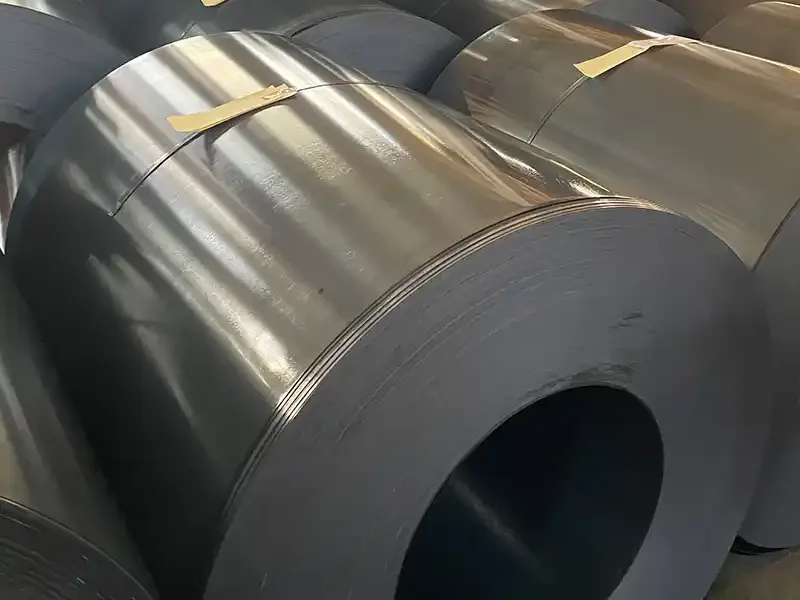
Pickled carbon steel coils use hot-rolled coils as the base material. After pickling to remove oxide scale and leveling, they offer excellent cost advantages and processing performance. The product surface is clean and smooth with low roughness, significantly improving coating and welding adhesion, making it suitable for direct use in high-end manufacturing.
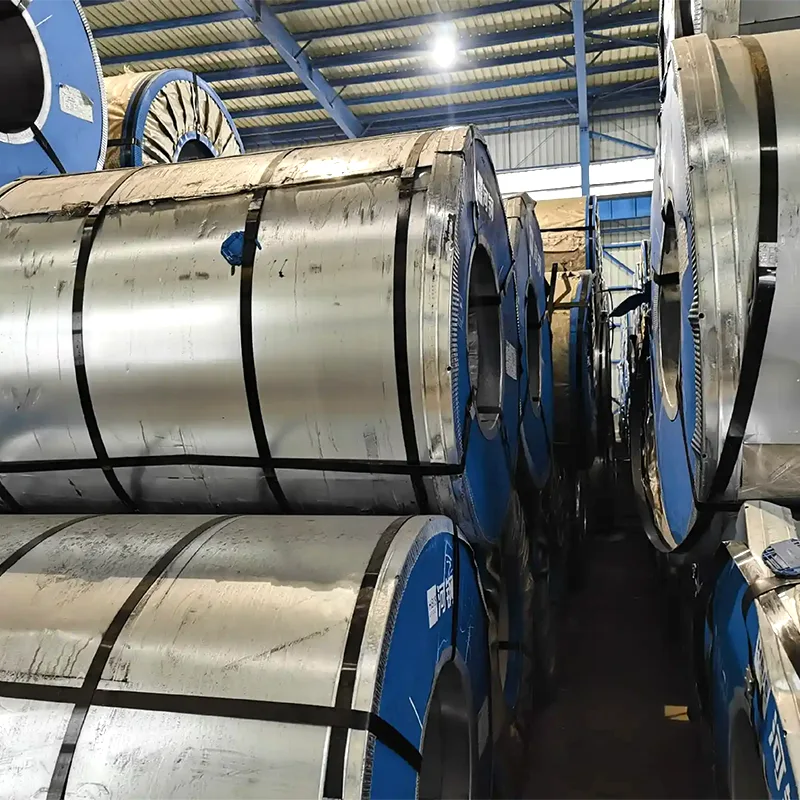
Cold-Rolled Carbon Steel Coils
China manufacturers typically offer cold-rolled carbon steel coils, primarily in general structural and deep-drawing grades, covering common standards such as Chinese national standards, European standards, and Japanese standards.
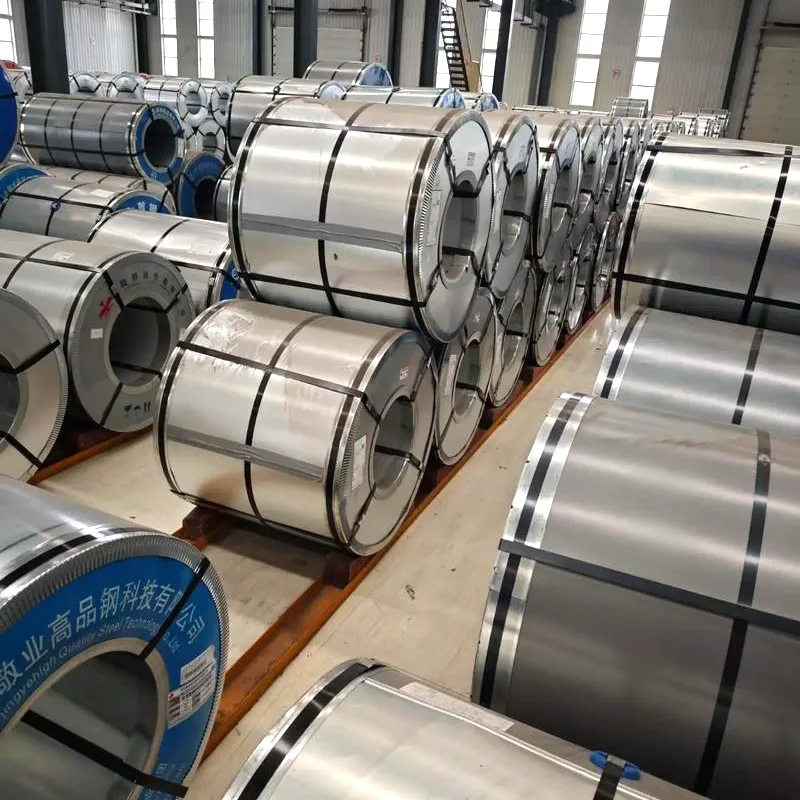
Carbon Structural Steel Coils
Delivery time for high-quality carbon structural steel coils: 7-10 days for regular orders, 48-hour delivery for urgent orders.
Technical support: One-on-one engineer service, providing material selection and processing optimization suggestions.
Customization service: Supports customization based on drawings/samples to meet special structural and performance requirements.
Technical support: One-on-one engineer service, providing material selection and processing optimization suggestions.
Customization service: Supports customization based on drawings/samples to meet special structural and performance requirements.
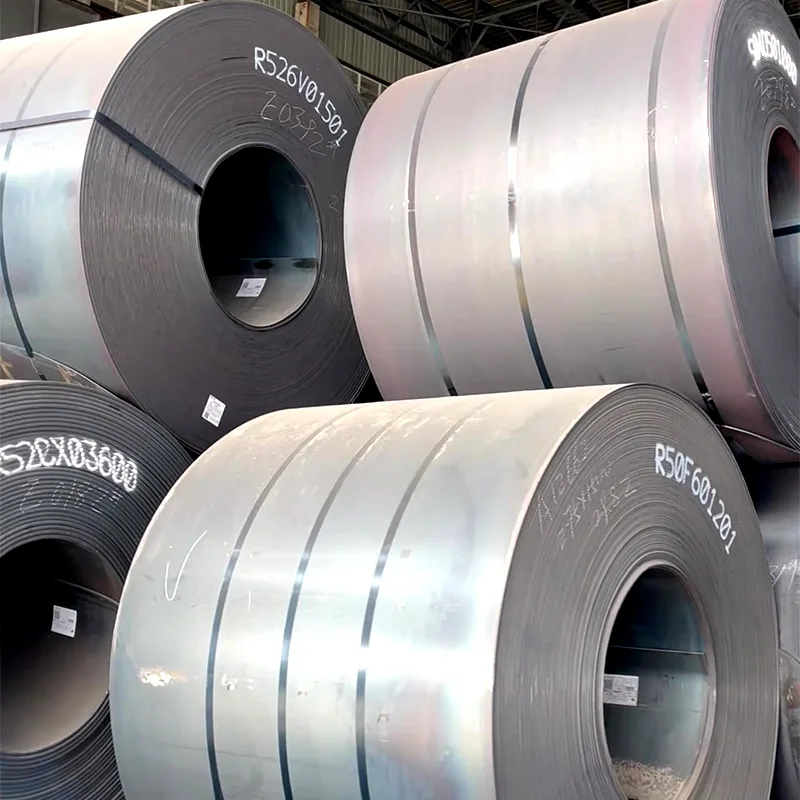
Ordinary Carbon Structural Steel Coils
The mainstream materials for ordinary carbon structural steel coils are Q195, Q215, Q235 (B/C/D), and Q275. They are graded according to yield strength, with quality differences reflected in low-temperature toughness and control of harmful elements. China manufacturers' processing and customization capabilities focus on specification adaptation, precision machining, quality traceability, and rapid delivery, supporting application needs across all scenarios.
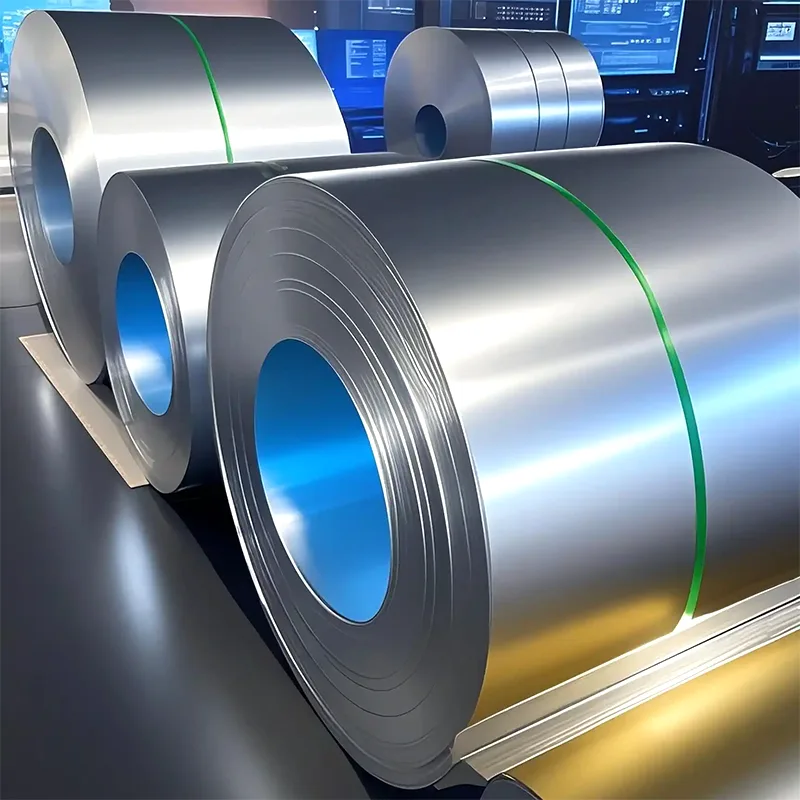
Electro-Galvanized Carbon Steel Coils
Electro-galvanized carbon steel coils boast a smooth, clean surface free of zinc blooms, exhibiting a refined and delicate appearance. The coating is uniform and ultra-thin, with high dimensional accuracy and a straight, even shape. China manufacturers offer customized services.
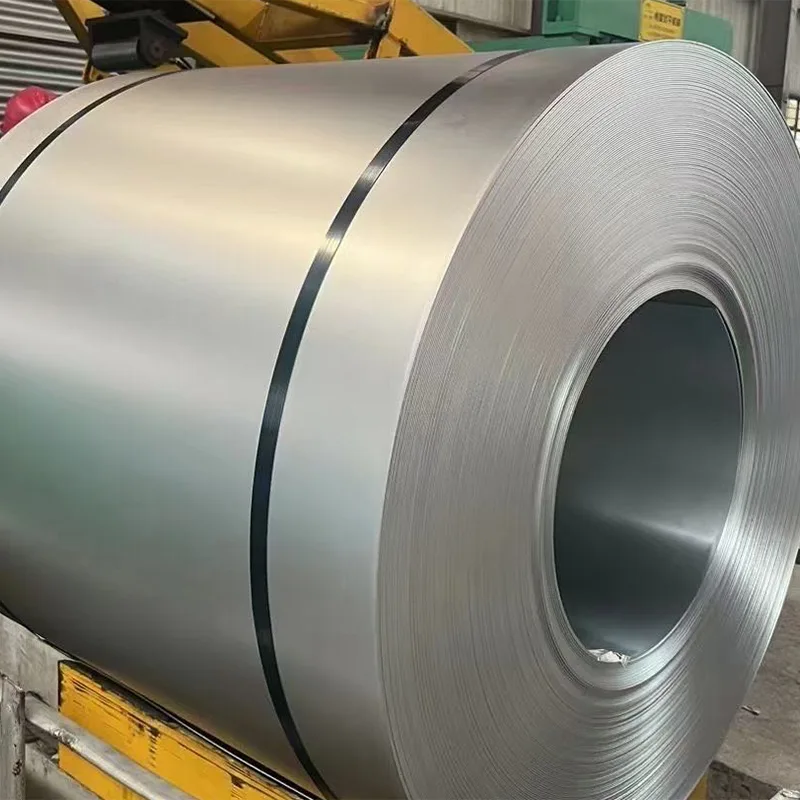
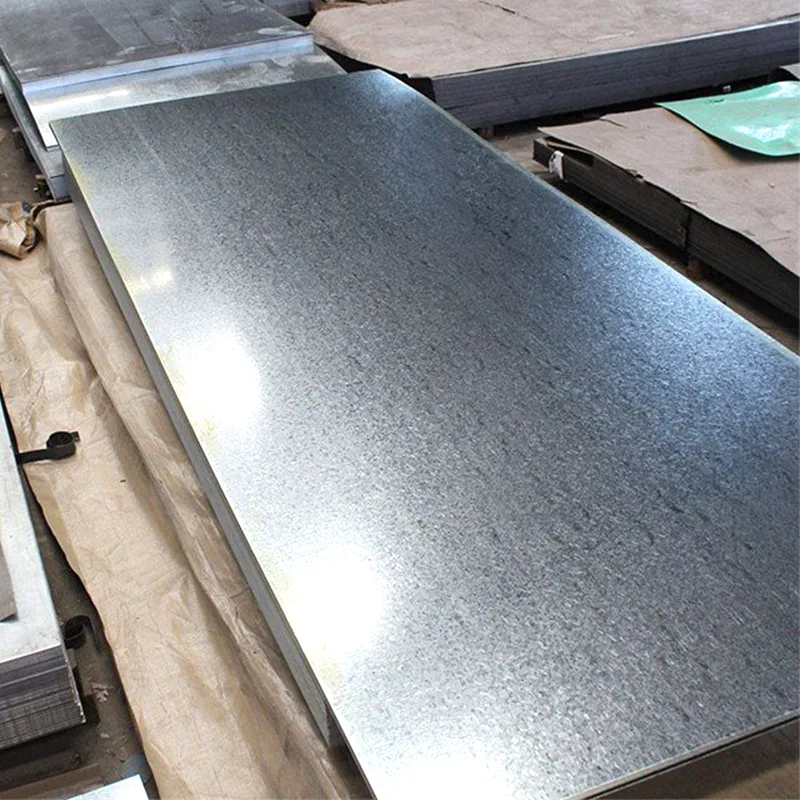
Hot-Dip Galvanized Carbon Steel Coils
China manufacturers of hot-dip galvanized carbon steel coils should be comprehensively evaluated across five dimensions: production scale, technology and processes, quality control, qualification certification, and service capabilities, to ensure product quality and supply stability.
Lingchuang is a professional Carbon Steel Coil manufacturer and supplier in China. Welcome to import quality products from our factory here.