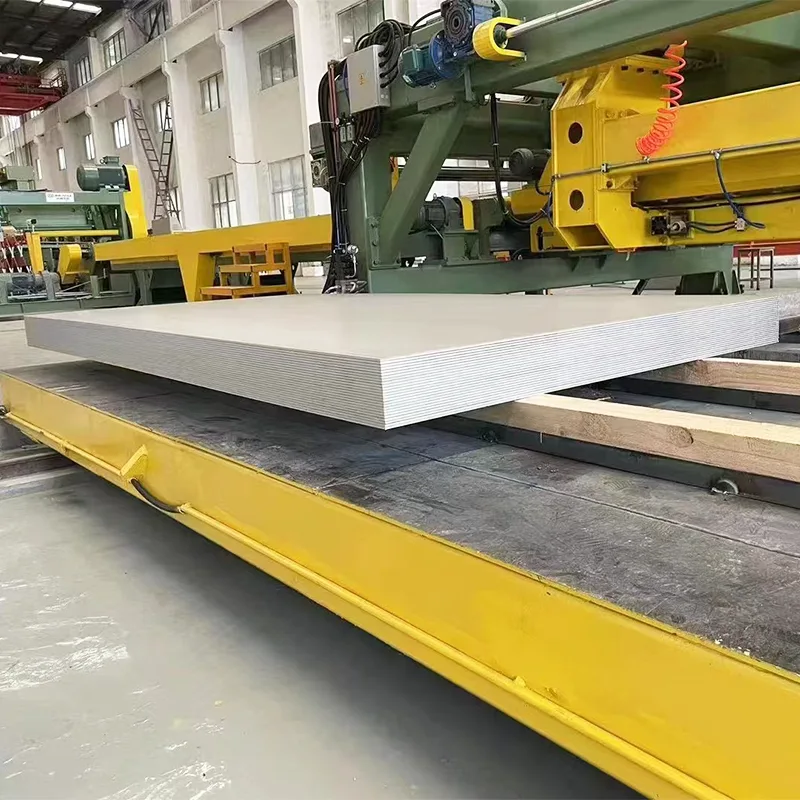
How Does Aluminum Alloy Sheet Perform in Modern Manufacturing?
Abstract: Aluminum alloy sheet has become a cornerstone material in modern engineering and manufacturing due to its exceptional balance of strength, weight, corrosion resistance, and formability. This article explores its core properties, production methods, industrial applications, selection criteria, and common customer concerns. It also provides practical guidance for procurement and usage, helping engineers, buyers, and manufacturers make informed decisions when selecting aluminum alloy sheet solutions.
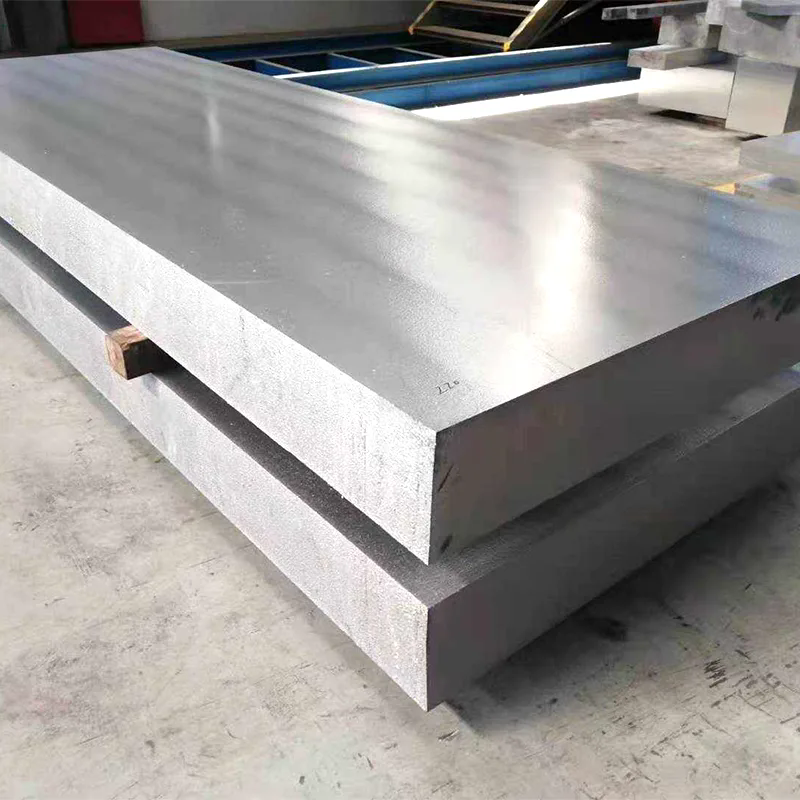
Table of Contents
- Article Outline
- Introduction
- What is Aluminum Alloy Sheet?
- Key Properties and Advantages
- Manufacturing Process
- Common Types and Grades
- Industrial Applications
- Performance Comparison Table
- Selection Guide and Common Challenges
- Maintenance and Handling
- Why Choose Lingchuang
- FAQ
- Conclusion
Article Outline
- Understanding aluminum alloy sheet fundamentals
- Mechanical and chemical properties overview
- Production workflow and quality control
- Industrial applications across sectors
- Comparative performance analysis
- Selection criteria and engineering considerations
- Supplier evaluation and sourcing insights
Introduction
In modern industrial ecosystems, material selection directly influences performance, cost efficiency, and product longevity. Among various engineering materials, aluminum alloy sheet stands out as a versatile and high-performance option. Its widespread adoption across aerospace, automotive, construction, electronics, and packaging industries reflects its unique combination of lightweight structure and mechanical durability.
However, many buyers and engineers still face challenges such as selecting the correct grade, understanding performance trade-offs, and ensuring consistent quality across suppliers. This article addresses these pain points in detail.
What is Aluminum Alloy Sheet?
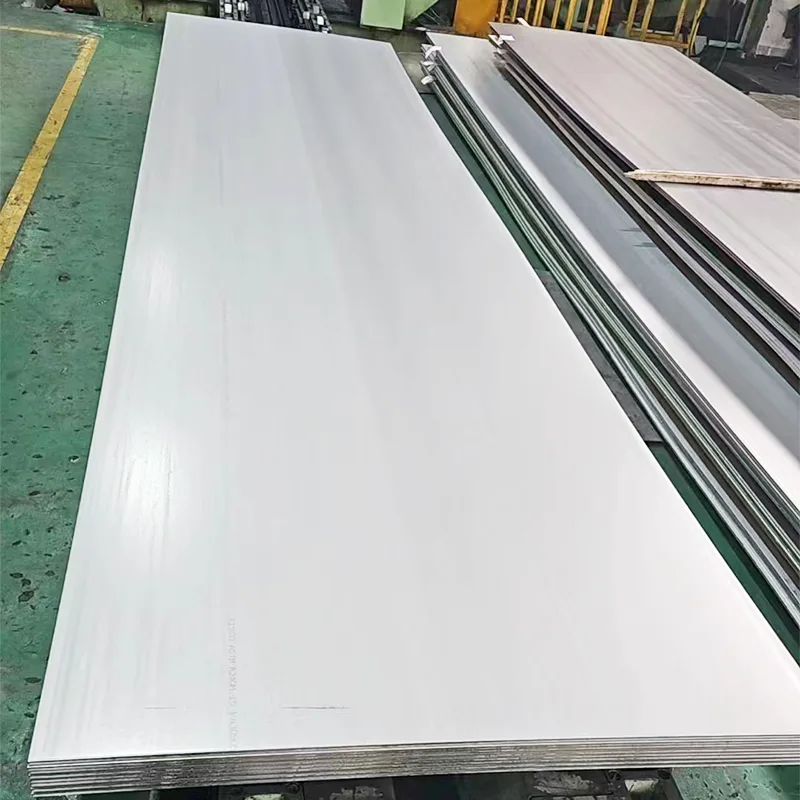
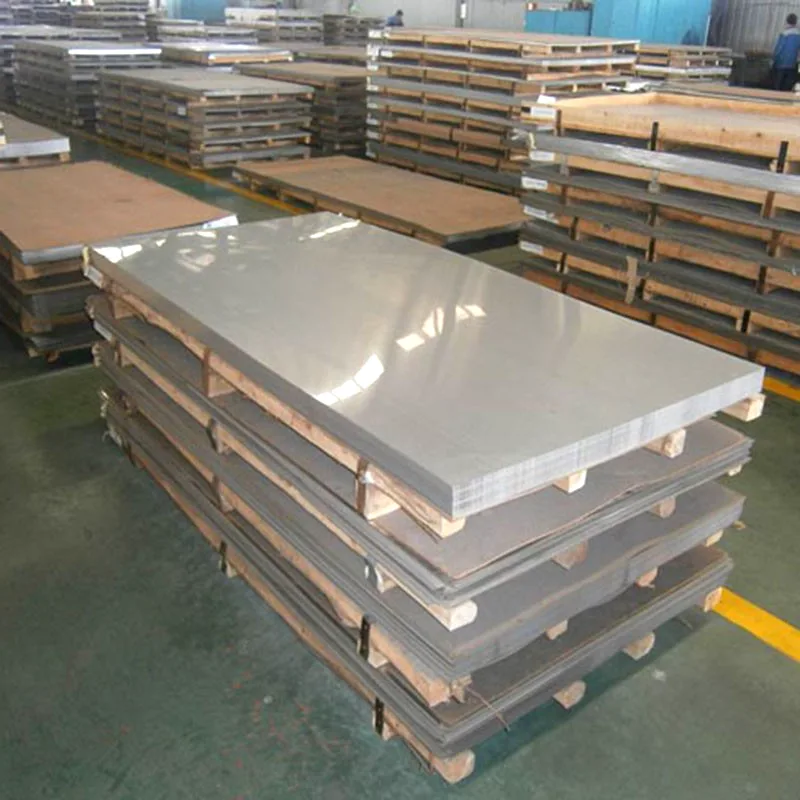
Aluminum alloy sheet is a flat-rolled product made by combining aluminum with elements such as magnesium, silicon, manganese, or zinc. These alloying elements significantly enhance mechanical strength, corrosion resistance, and thermal stability while preserving aluminum’s inherent lightweight nature.
Unlike pure aluminum, alloy sheets are engineered for structural applications where performance consistency is critical. Thickness typically ranges from thin foils to several millimeters depending on application requirements.
Key Properties and Advantages
Aluminum alloy sheet is widely selected due to its balanced performance characteristics:
- Lightweight: Reduces structural load and improves fuel efficiency in transportation.
- Corrosion resistance: Naturally forms a protective oxide layer.
- High strength-to-weight ratio: Suitable for structural applications.
- Excellent formability: Easy to cut, bend, and stamp.
- Thermal conductivity: Efficient heat dissipation in electronics and machinery.
- Recyclability: Supports sustainable manufacturing systems.
Manufacturing Process
The production of aluminum alloy sheet involves a series of controlled metallurgical and mechanical processes to ensure consistent quality.
- Melting and alloying: Raw aluminum is combined with alloying elements.
- Continuous casting: Forms slabs with uniform composition.
- Hot rolling: Reduces thickness and improves mechanical properties.
- Cold rolling: Enhances surface finish and dimensional accuracy.
- Heat treatment: Adjusts hardness and strength levels.
- Surface finishing: Improves corrosion resistance and aesthetics.
Quality control is integrated at every stage to ensure compliance with industrial standards.
Common Types and Grades
Different aluminum alloy sheet grades are designed for specific performance needs:
- 1000 series: High purity aluminum, excellent corrosion resistance, low strength.
- 3000 series: Manganese alloy, good formability and moderate strength.
- 5000 series: Magnesium alloy, high corrosion resistance, marine applications.
- 6000 series: Magnesium-silicon alloy, strong and versatile.
- 7000 series: Zinc-based alloy, extremely high strength for aerospace use.
Industrial Applications
Aluminum alloy sheet plays a critical role across multiple industries due to its adaptable properties.
- Aerospace structural components and panels
- Automotive body panels and chassis parts
- Building facades and roofing systems
- Electrical enclosures and heat sinks
- Packaging materials and container systems
- Marine structures and offshore platforms
Performance Comparison Table
| Material | Weight | Corrosion Resistance | Strength | Cost Efficiency |
|---|---|---|---|---|
| Aluminum Alloy Sheet | Low | High | Medium–High | High |
| Steel Sheet | High | Low–Medium | High | Medium |
| Stainless Steel | High | Very High | High | Low |
| Plastic Composite | Very Low | Medium | Low | High |
Selection Guide and Common Challenges
Selecting the right aluminum alloy sheet often depends on application-specific requirements. Common challenges include balancing cost and performance, identifying suitable alloy grades, and ensuring supply consistency.
Key selection criteria:
- Mechanical strength requirements
- Environmental exposure conditions
- Forming and processing needs
- Surface finish expectations
- Budget constraints
One common mistake is over-specifying high-strength alloys where standard grades would suffice, leading to unnecessary cost increases.
Maintenance and Handling
Although aluminum alloy sheet is highly durable, proper handling ensures maximum lifespan and performance.
- Avoid contact with strong alkaline substances
- Store in dry, ventilated environments
- Use protective coatings for marine environments
- Prevent surface scratching during processing
Why Choose Lingchuang
Lingchuang is committed to delivering high-quality aluminum alloy sheet solutions tailored to industrial demands. With advanced production systems, strict quality inspection protocols, and extensive material expertise, Lingchuang ensures consistent performance across all product categories.
Customers benefit from stable supply chains, customizable specifications, and technical support for material selection and application optimization.
FAQ
Q1: What makes aluminum alloy sheet different from pure aluminum?
A1: Alloy sheets contain additional elements that significantly improve strength, hardness, and corrosion resistance compared to pure aluminum.
Q2: Which industries use aluminum alloy sheet most?
A2: Aerospace, automotive, construction, electronics, and marine industries are the primary users.
Q3: Can aluminum alloy sheet be recycled?
A3: Yes, it is highly recyclable without significant loss of material properties.
Q4: How do I choose the right grade?
A4: Selection depends on required strength, environmental conditions, and processing methods.
Q5: Is aluminum alloy sheet cost-effective?
A5: Yes, especially when considering its durability, lightweight nature, and lifecycle efficiency.
Conclusion
Aluminum alloy sheet continues to play a vital role in modern manufacturing due to its adaptability, durability, and performance efficiency. Understanding its properties, grades, and application requirements helps industries optimize both cost and functionality.
Whether for structural engineering or precision manufacturing, selecting the right material partner is critical for long-term success. Lingchuang provides reliable aluminum alloy sheet solutions designed to meet evolving industrial needs.
For customized specifications, bulk supply, or technical consultation, contact us today and let Lingchuang support your next project with professional-grade aluminum alloy sheet solutions.
Related News
- How Does Carbon Steel Coil Support Efficient Industrial Manufacturing?
- How Does Galvanized Steel Plate Provide Long-Lasting Protection for Modern Construction?
- How Can Carbon Steel Plate Improve Strength, Performance, and Cost Efficiency in Industrial Projects?
- How Does Stainless Steel Plate Solve Common Industrial Challenges?
- How Do Stainless Steel Pipes Enhance Industrial Efficiency?
- How do High-Carbon Steel Pipes Improve Industrial Performance?
Leave me a message