Wholesale Durable and High-Performance Carbon Steel Pipe from China
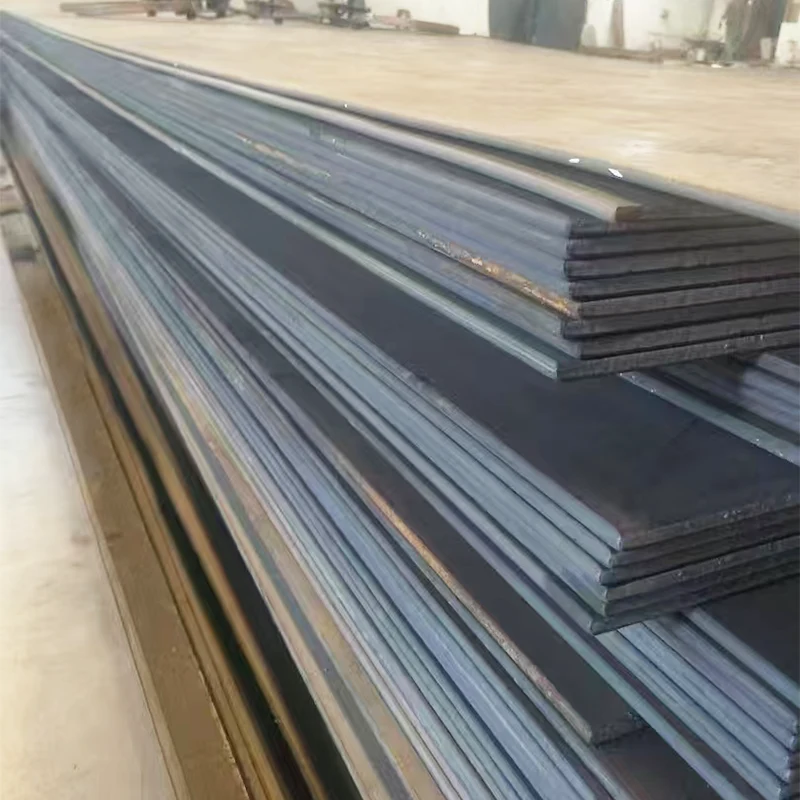
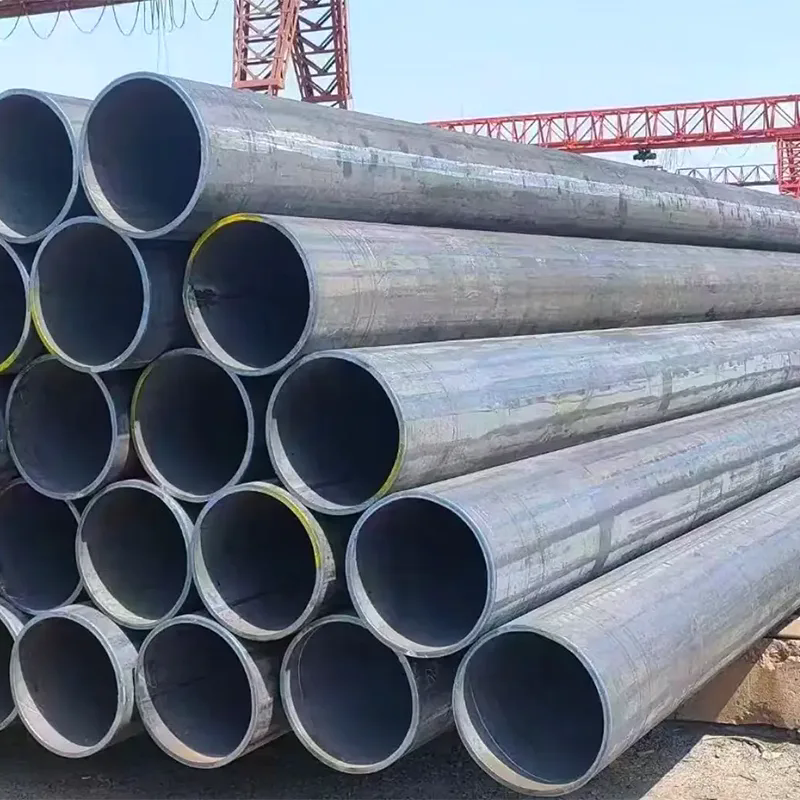
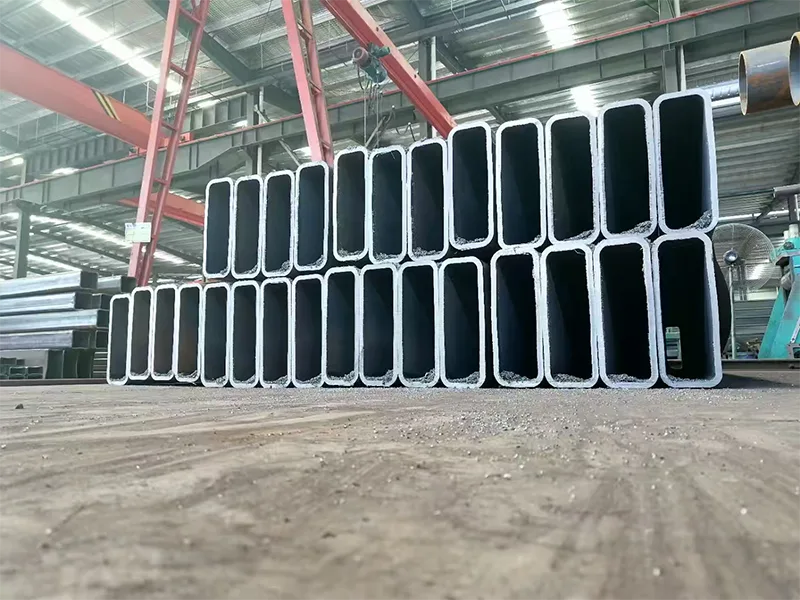
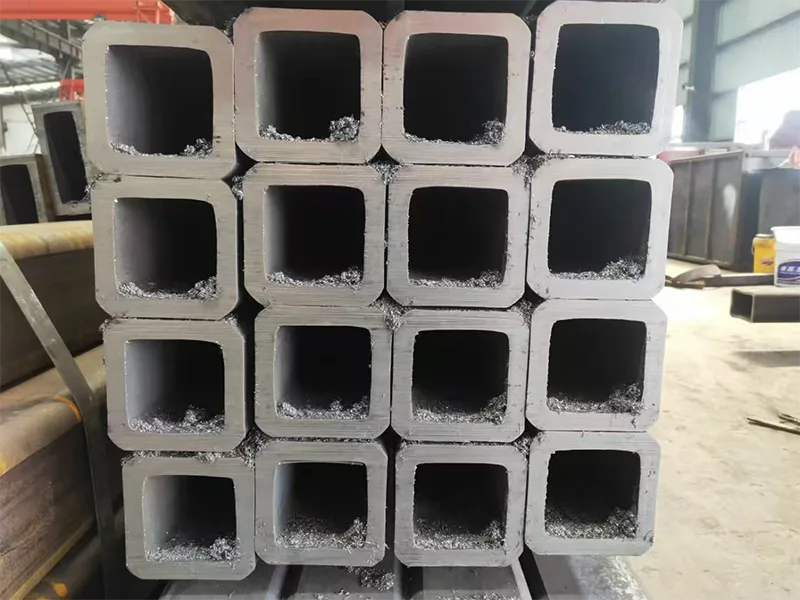
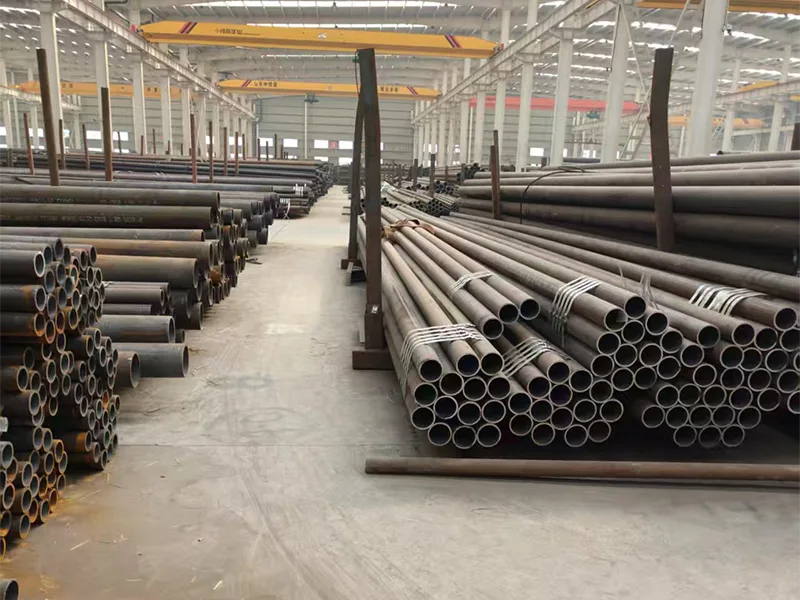
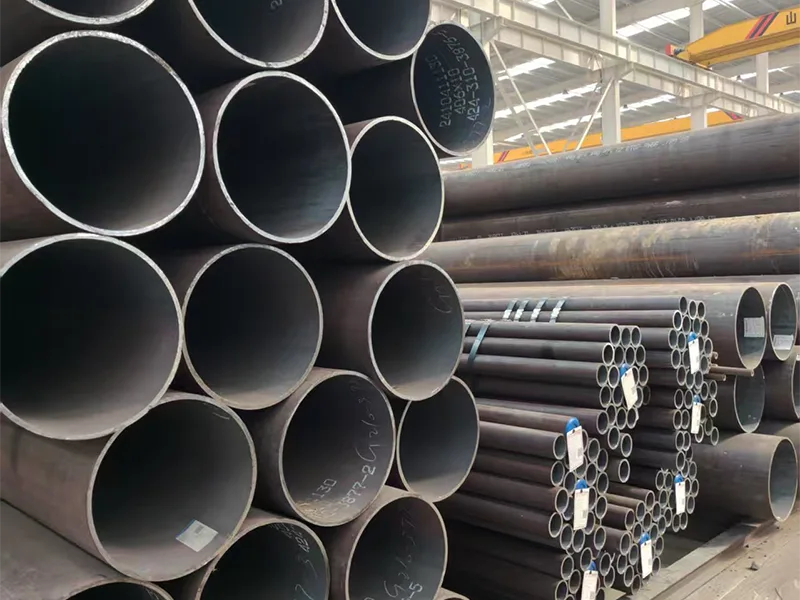
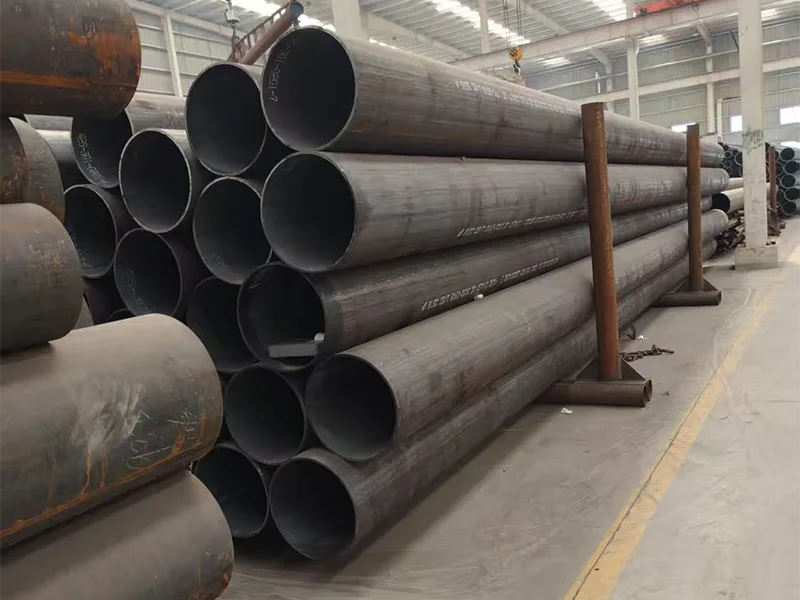
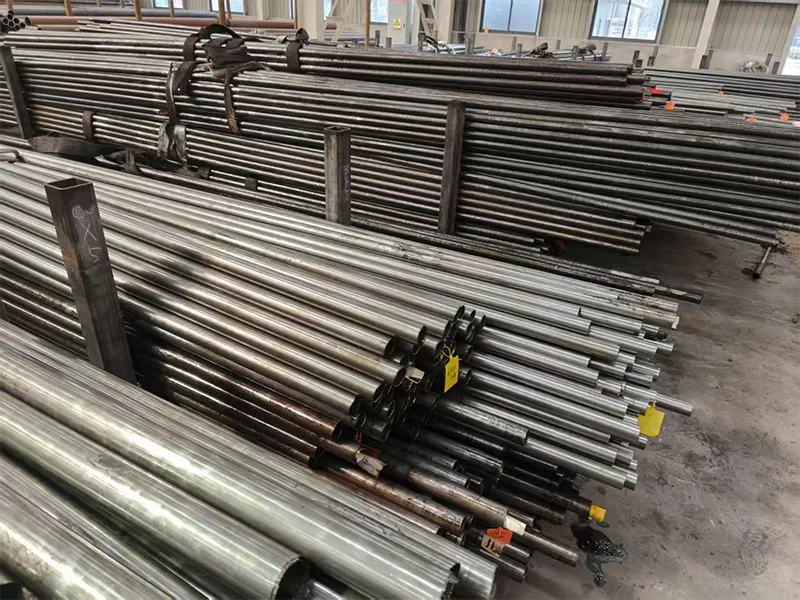
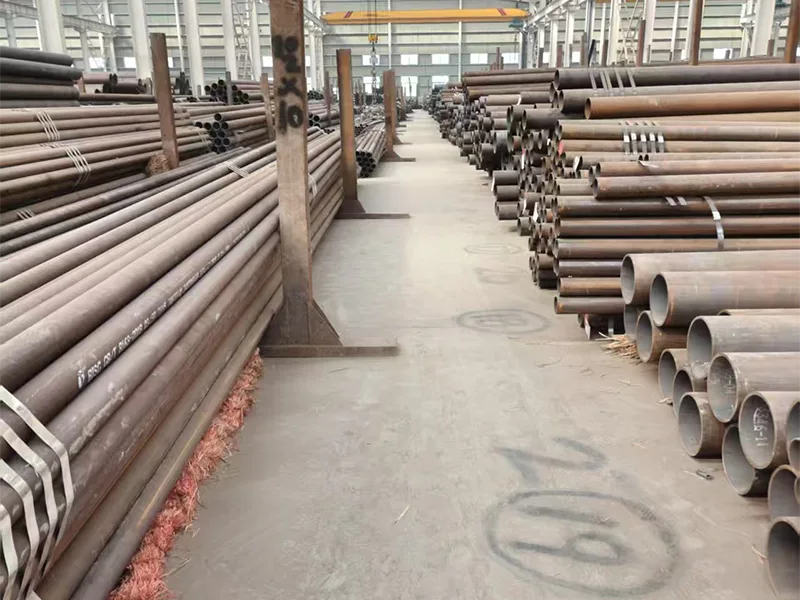
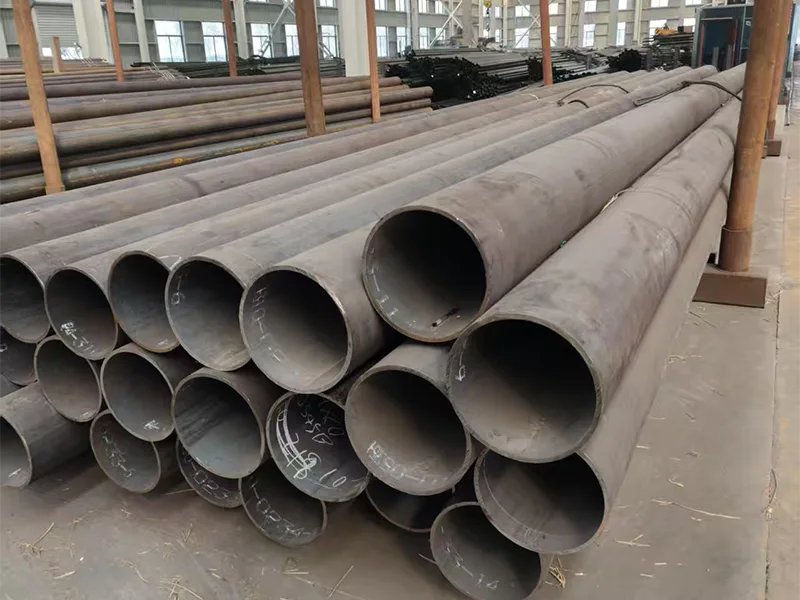
Carbon steel pipes are a core material used in municipal infrastructure, industrial manufacturing, and fluid transportation. They are mainly divided into two categories: welded steel pipes and seamless steel pipes, encompassing various materials and specifications to meet the pipeline application needs of different pressures and working conditions.
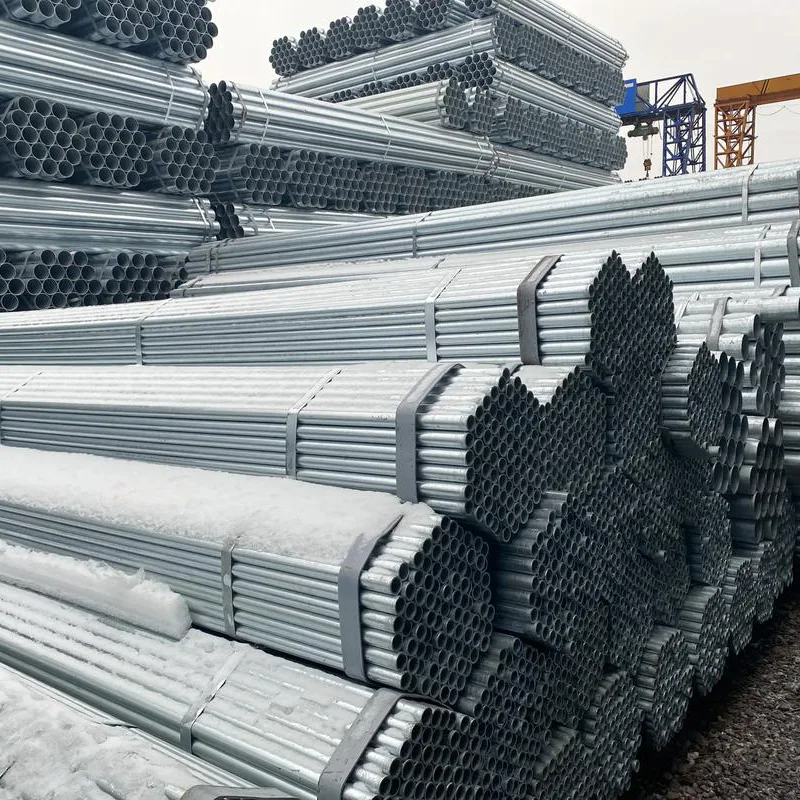
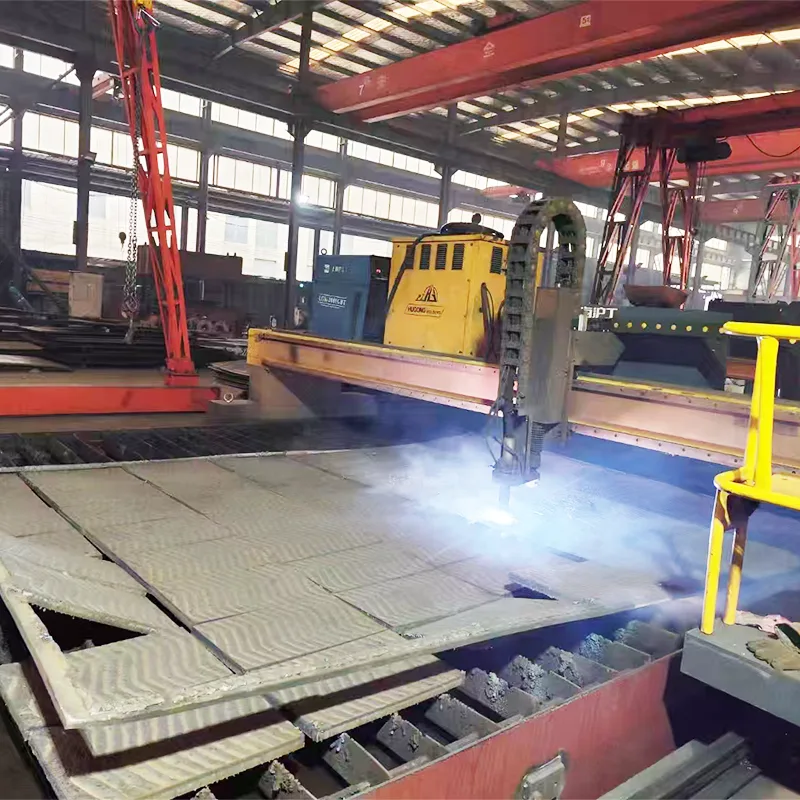
China Leading Carbon Steel Pipe Manufacturer called Lingchuang offers comprehensive processing services. We provide precision processing services such as pipe cutting to length, pipe beveling, threading, bending, shrinking and expanding, and drilling. We also undertake surface treatments such as hot-dip galvanizing, rust-proof painting, internal and external plastic coating, and 3PE underground anti-corrosion. We support non-standard specification customization, retail cutting, and bulk orders, with nationwide direct logistics, providing one-stop service to meet various processing and supply needs for engineering construction, mechanical parts, and pipeline laying.
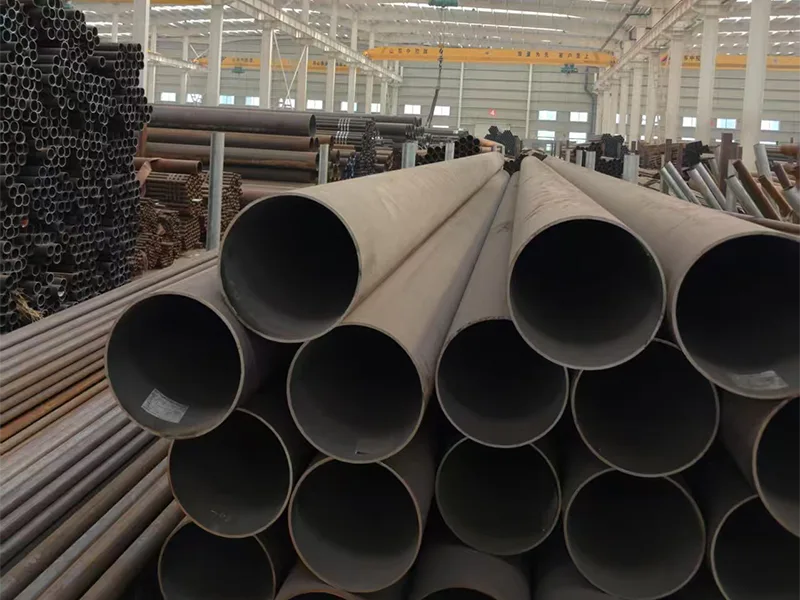
Commonly used materials include mainstream grades such as Q235B, Q355B, 20#, and 45#. Comprehensive specifications: outer diameter from 21mm to 630mm, wall thickness from 1.5mm to 20mm; welded pipes include straight seam welded pipes and spiral welded pipes, with standard lengths of 6 meters, 9 meters, and 12 meters; seamless steel pipes are available in a full range from small-diameter precision pipes to large-diameter industrial pipes, supporting customization of non-standard outer diameters and wall thicknesses to meet the selection needs of various projects and equipment.
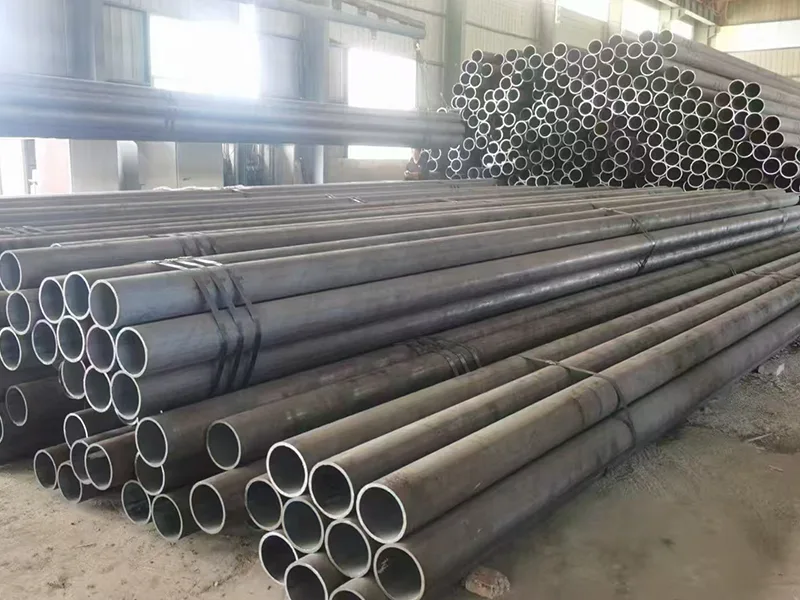
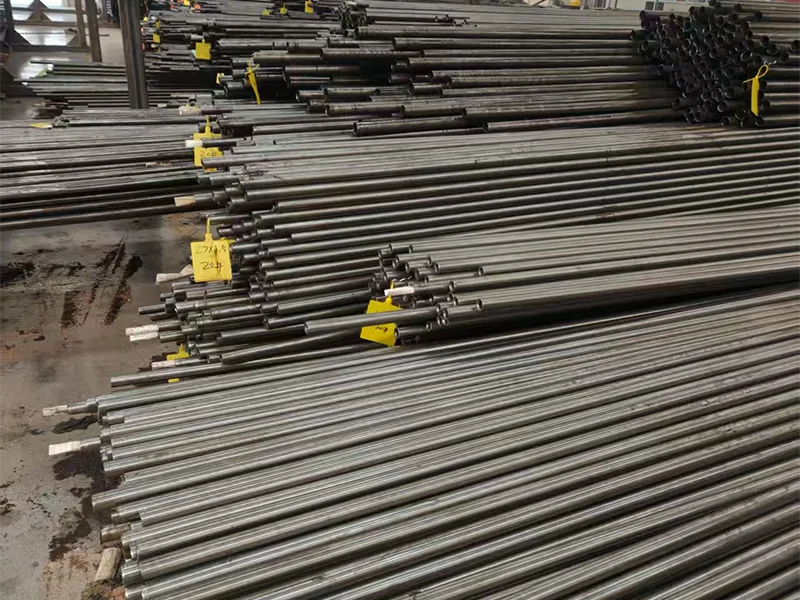
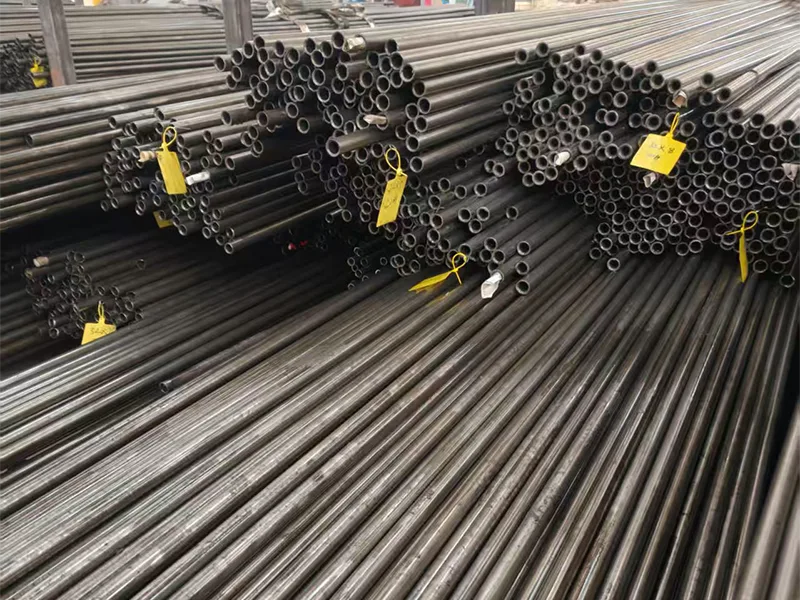
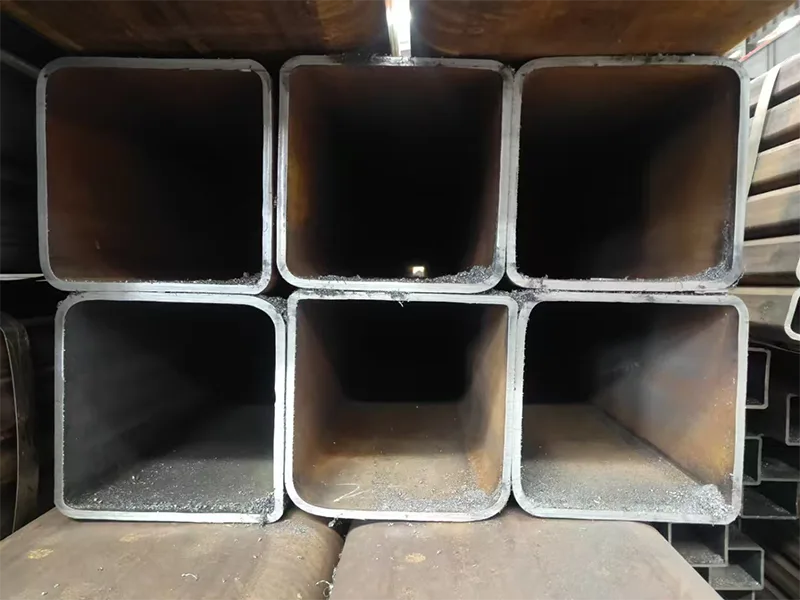
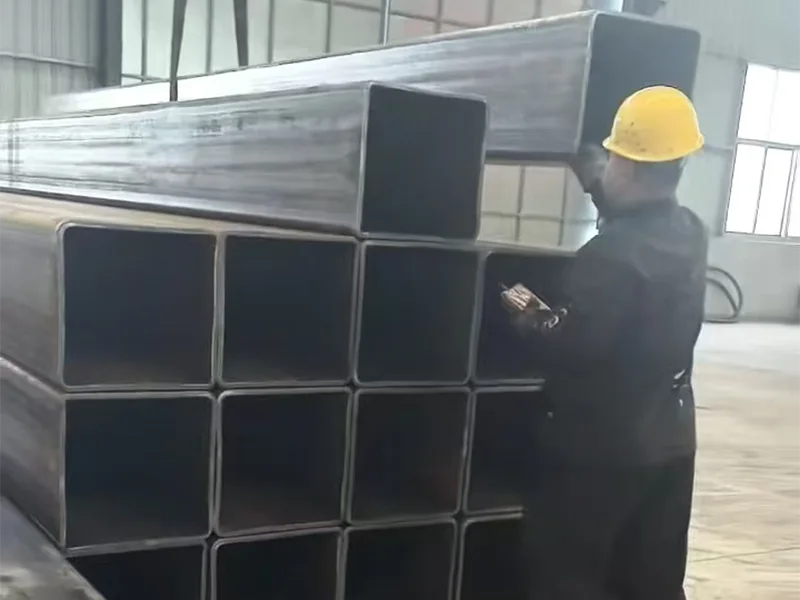
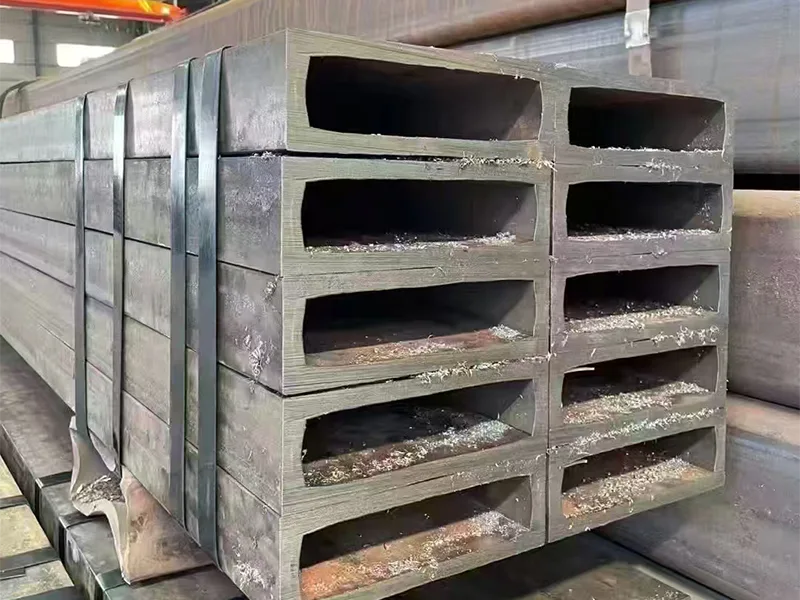
There are significant differences between welded and seamless carbon steel pipes:
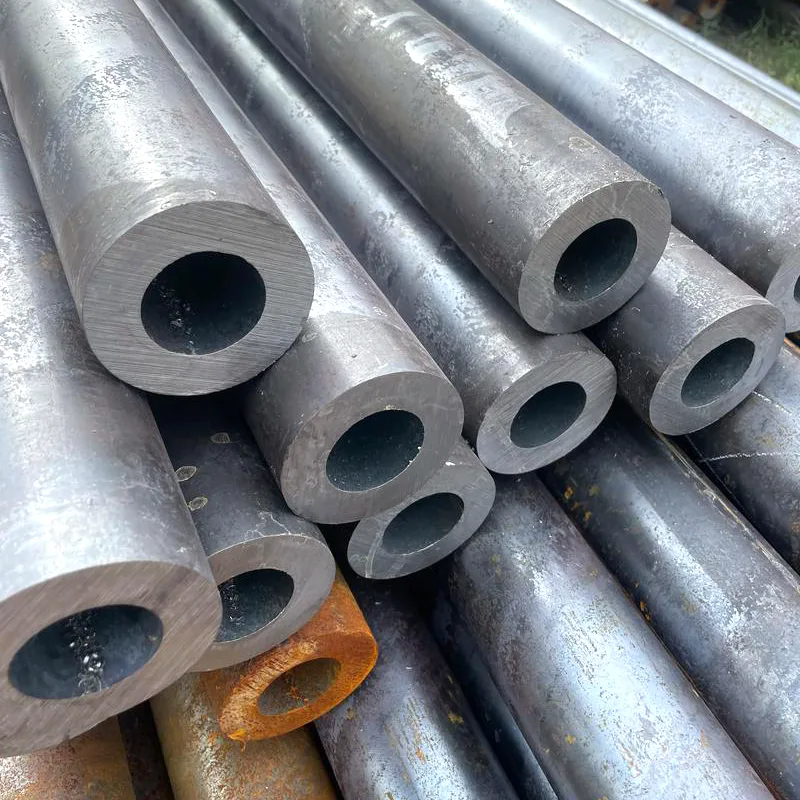
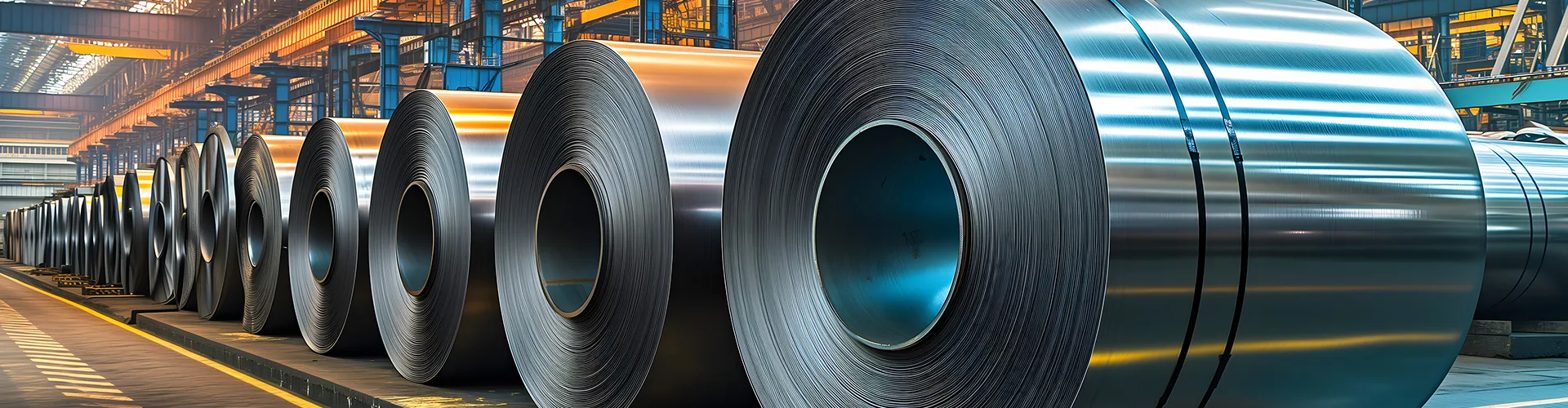
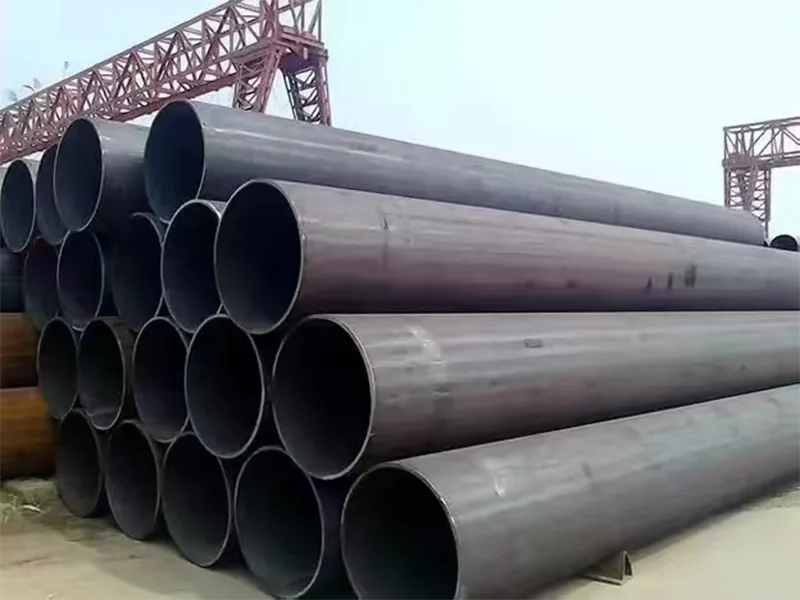
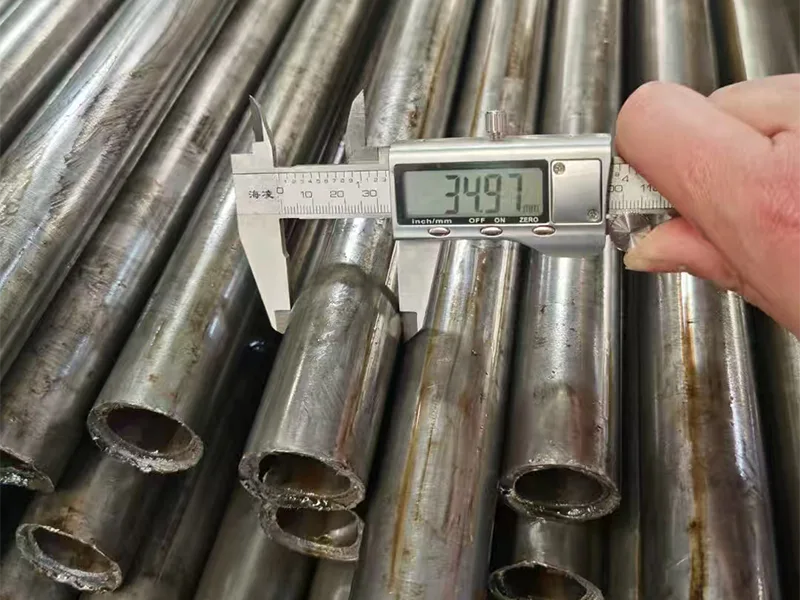
1. In terms of manufacturing process, welded steel pipes are made by rolling and welding carbon steel coils, with weld seams in the pipe body; seamless steel pipes use solid round steel as raw material, formed in one piece through hot rolling, piercing, and cold drawing, with no splicing gaps throughout the process.
2. In terms of performance, seamless steel pipes have a uniform material structure, are pressure-resistant and high-temperature resistant, impact-resistant, and leak-proof; welded steel pipes have stable performance and meet the requirements for medium and low pressure conventional use.
3. In terms of application and price, welded pipes offer better value for money and are widely used in municipal water supply and drainage, fire protection pipelines, and building wiring. Seamless pipes offer stronger overall performance and are suitable for high-standard and demanding scenarios such as boiler steam, chemical fluids, high-pressure hydraulics, and equipment piping.
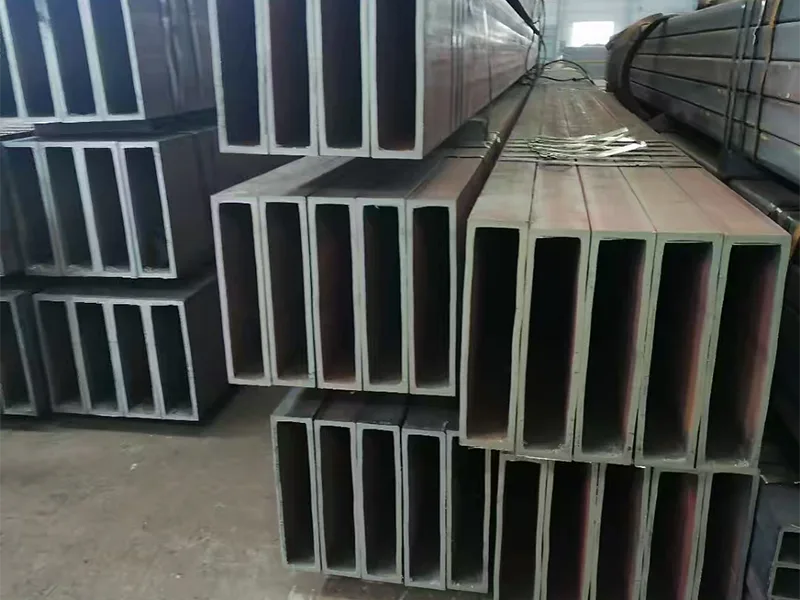
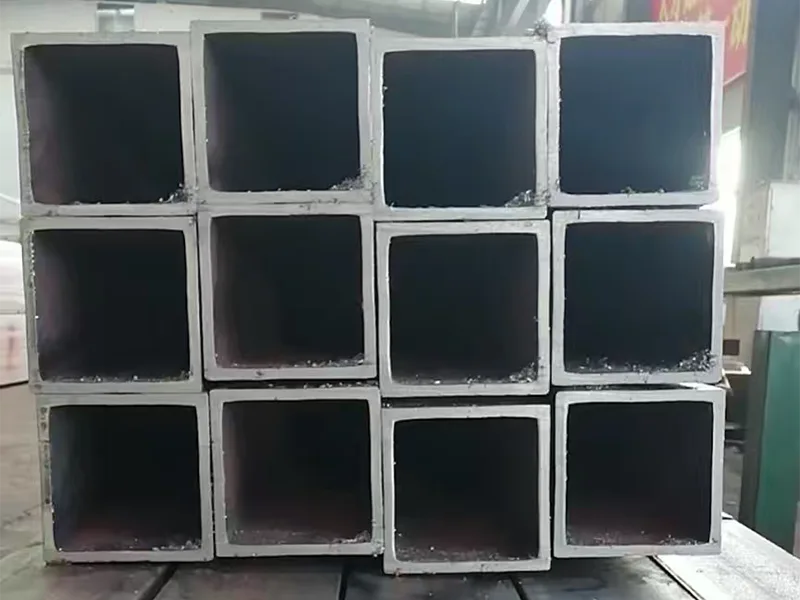
How to choose between welded and seamless pipes?
For everyday low-pressure applications, welded carbon steel pipes are the preferred choice due to their high cost-effectiveness, ample supply, and ease of welding. They are suitable for conventional projects such as municipal water supply and drainage, fire protection networks, building wiring, steel structure supports, and general ventilation ducts.
For high-pressure and high-temperature applications, chemical fluid transportation, boiler steam, hydraulic pipelines, and pressure-bearing pipelines for heavy equipment, seamless steel pipes are essential. Seamless pipes have no weld seams, uniform wall thickness, are pressure and high-temperature resistant, have stronger structural stability, and a higher safety factor, making them suitable for projects with harsh operating conditions and high pressure requirements.
Are carbon steel pipes prone to rusting when used outdoors? How many years can they be used?
Carbon steel pipes do not contain rust-resistant alloy materials and are particularly prone to rusting when exposed to wind and rain. If bare pipes are used directly in the open air, noticeable corrosion will appear within 1 to 2 years, and the pipe walls will gradually age and thin within 3 to 5 years, affecting their use. Applying ordinary anti-rust paint provides simple corrosion protection and can be used outdoors for 5 to 10 years; hot-dip galvanizing significantly improves corrosion resistance and durability, allowing for stable use for 20 to 30 years; if plastic coating or 3PE heavy-duty anti-corrosion process is applied, the resistance to rain and oxidation is extremely strong, and it can be used outdoors for more than 50 years. Anti-corrosion treatment is highly recommended for outdoor use.
- View as
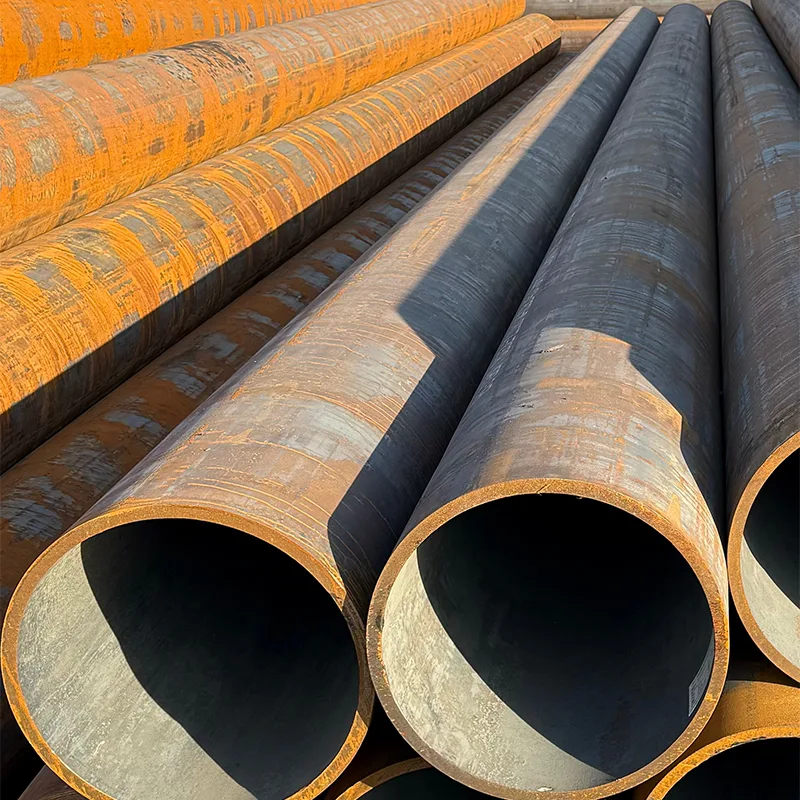
20mng Seamless Steel Pipe
20mng Seamless Steel Pipes belong to the category of alloy steel pipes for boilers, primarily used in the heating surface piping of high-temperature, high-pressure equipment. Their material systems are similar, both being carbon steel with added manganese for strengthening, improving the pipe's strength, toughness, and heat resistance. However, due to differences in carbon content, the two types of steel pipes differ in strength, plasticity, processing performance, and applicable environments.
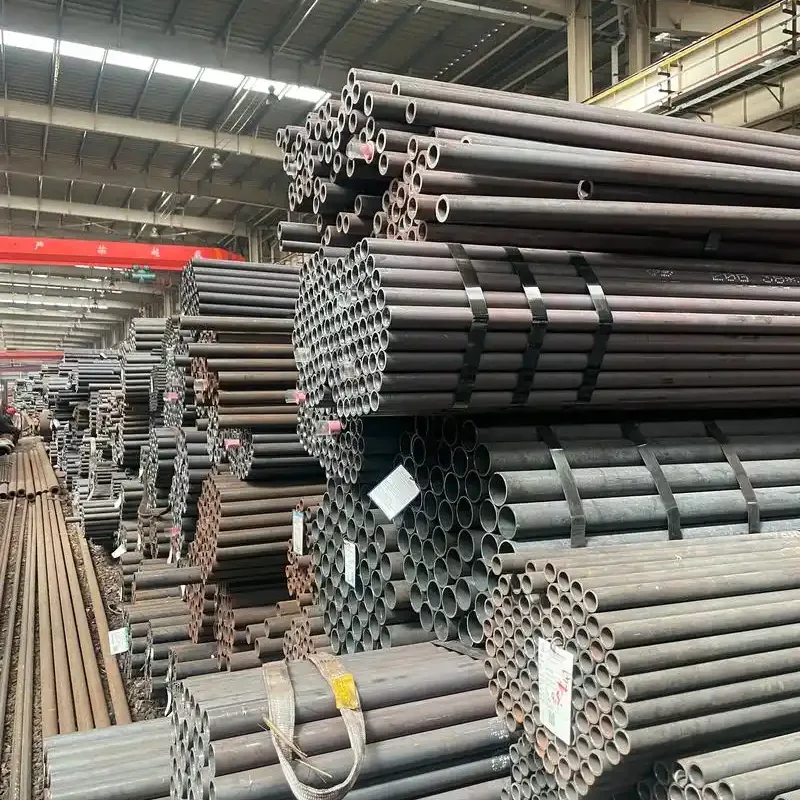
20g Seamless Steel Pipe
20G seamless steel pipes come in a wide range of specifications, and leading Chinese manufacturers can provide different outer diameters and wall thicknesses according to customer needs. Common outer diameters include φ25mm, φ32mm, φ38mm, φ42mm, φ51mm, φ57mm, φ60mm, φ76mm, φ89mm, φ108mm, φ133mm, φ159mm, and φ219mm, etc., while common wall thicknesses include 3mm, 4mm, 5mm, 6mm, 8mm, 10mm, 12mm, 14mm, 16mm, 20mm, and above. For example, commonly used specifications include 38×3mm, 51×5mm, 60×6mm, 76×8mm, 89×10mm, 108×8mm, and 159×10mm. As a professional source supplier, when making actual purchases, users need to select the appropriate specifications based on the equipment's working pressure, temperature, installation requirements, and applicable standards. We can also provide processing services such as length cutting, flaw detection, and performance testing according to project needs.
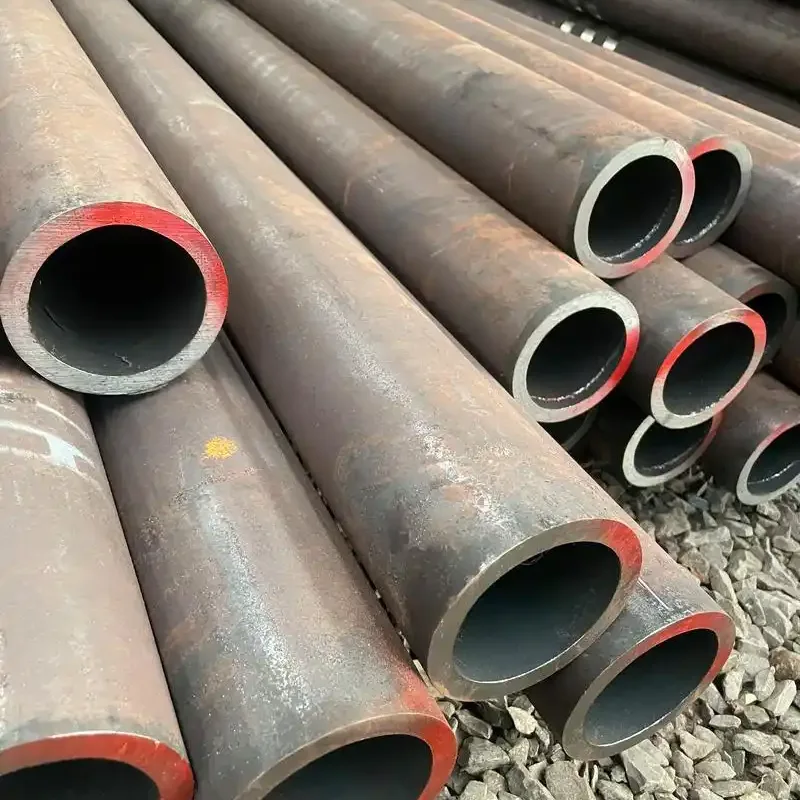
35crmov Seamless Steel Pipe
35CrMoV seamless steel pipe manufacturers offer a wide range of specifications and can customize production according to customer equipment requirements. Common outer diameter specifications include φ16mm, φ20mm, φ25mm, φ32mm, φ42mm, φ48mm, φ57mm, φ60mm, φ73mm, φ89mm, φ108mm, φ133mm, φ159mm, φ180mm, φ219mm, φ273mm, and φ325mm, etc. Some manufacturers can also produce larger diameter specifications. Wall thicknesses typically range from 2mm to over 50mm, with common specifications including φ42×5mm, φ60×8mm, φ89×10mm, φ108×12mm, φ159×16mm, and φ219×20mm.
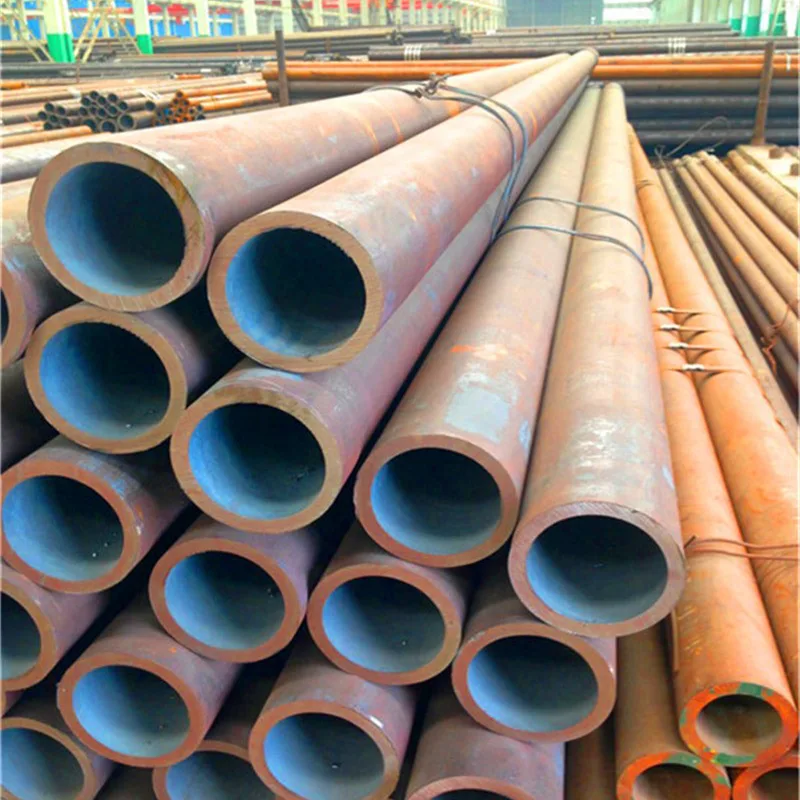
27simn Seamless Steel Pipe
27SiMn seamless steel pipe is a low-alloy, high-strength alloy steel pipe. It mainly improves the strength, toughness, and hardenability of the steel by adding alloying elements such as silicon and manganese. Compared to ordinary 20# seamless steel pipe, 27SiMn has a higher load-bearing capacity; compared to ordinary structural steel pipe, it exhibits greater stability under impact and repeated stress.
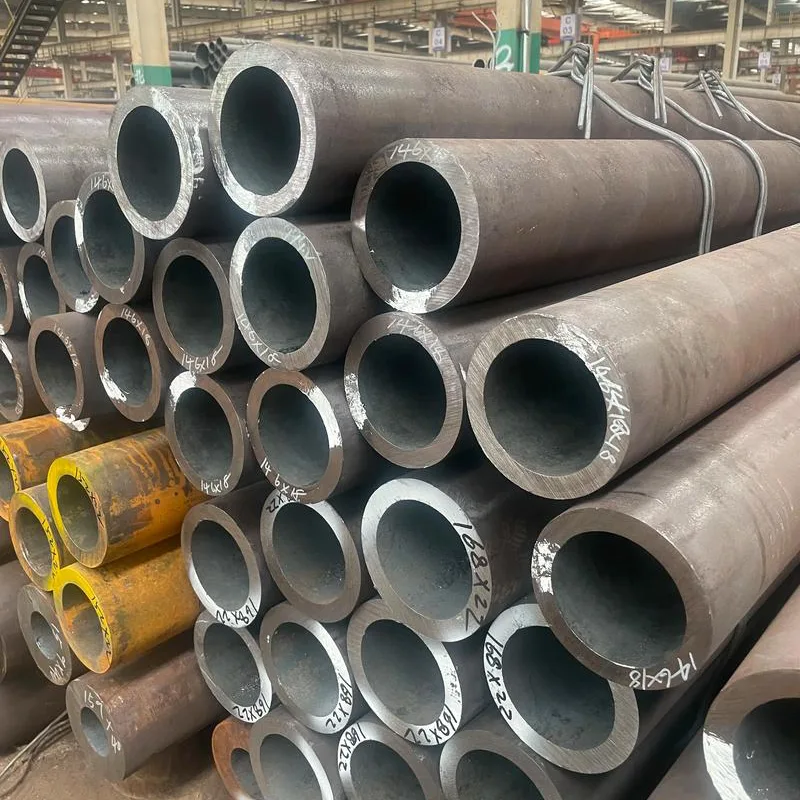
16mn Seamless Steel Pipe
Manufacturers of 16Mn seamless steel pipes offer a range of specifications from small diameters (φ25mm) to large diameters (φ426mm and above), with wall thicknesses covering 3mm to over 30mm. They are mainly used in engineering structures, machinery manufacturing, bridge construction, pressure equipment, and industrial transportation.
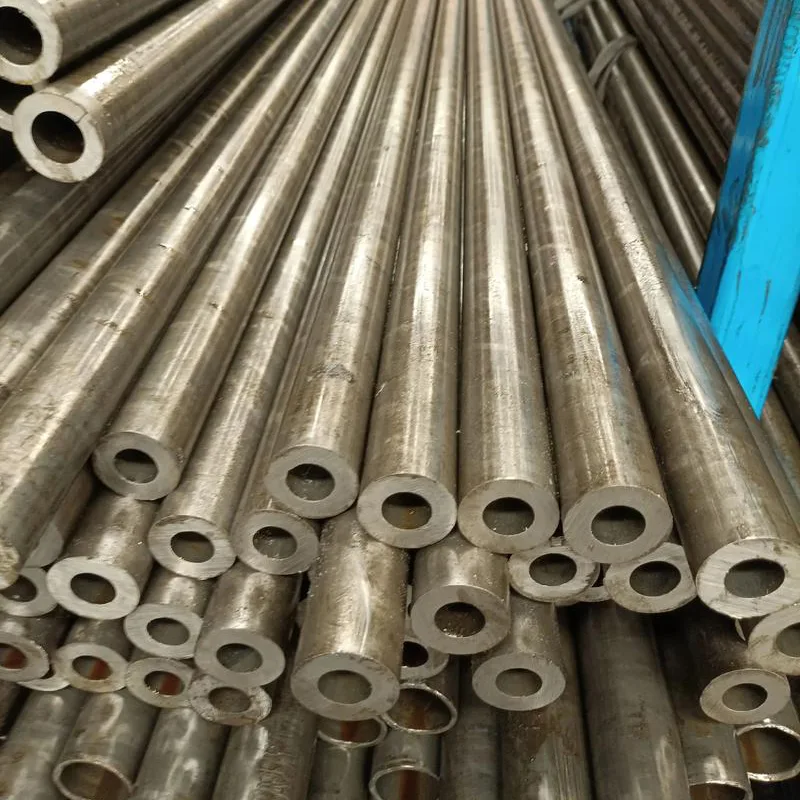
Cr9mo Seamless Steel Pipe
Cr9Mo seamless steel pipe is a common name, generally referring to two mainstream 9% chromium-based heat-resistant steels in industrial applications: one is the basic 12Cr9MoI (or 12Cr9MoNT), and the other is the higher-performance T91/P91 (10Cr9Mo1VNb). Due to their approximately 9% chromium content, they possess excellent high-temperature resistance and corrosion resistance, making them key materials for high-temperature and high-pressure applications.
Lingchuang is a professional Carbon Steel Pipe manufacturer and supplier in China. Welcome to import quality products from our factory here.