Wholesale Customized Galvanized Steel Plate from China Manufacturer
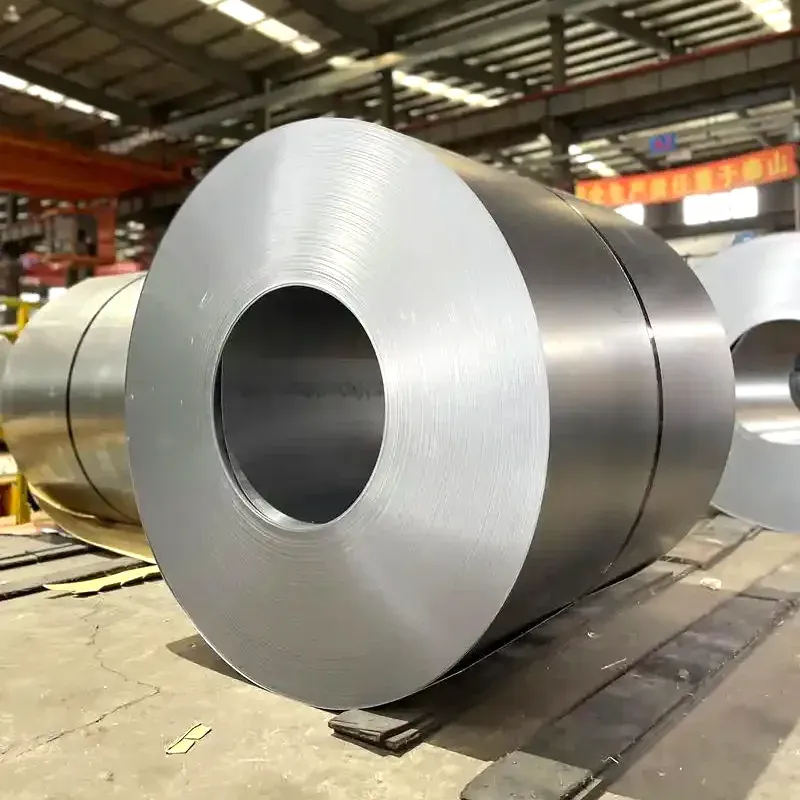
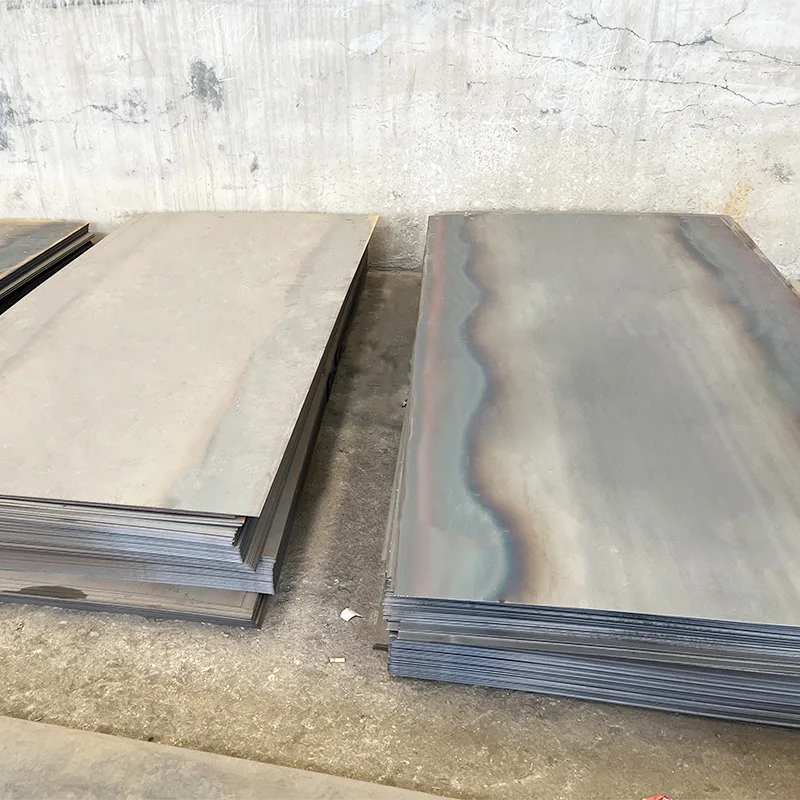
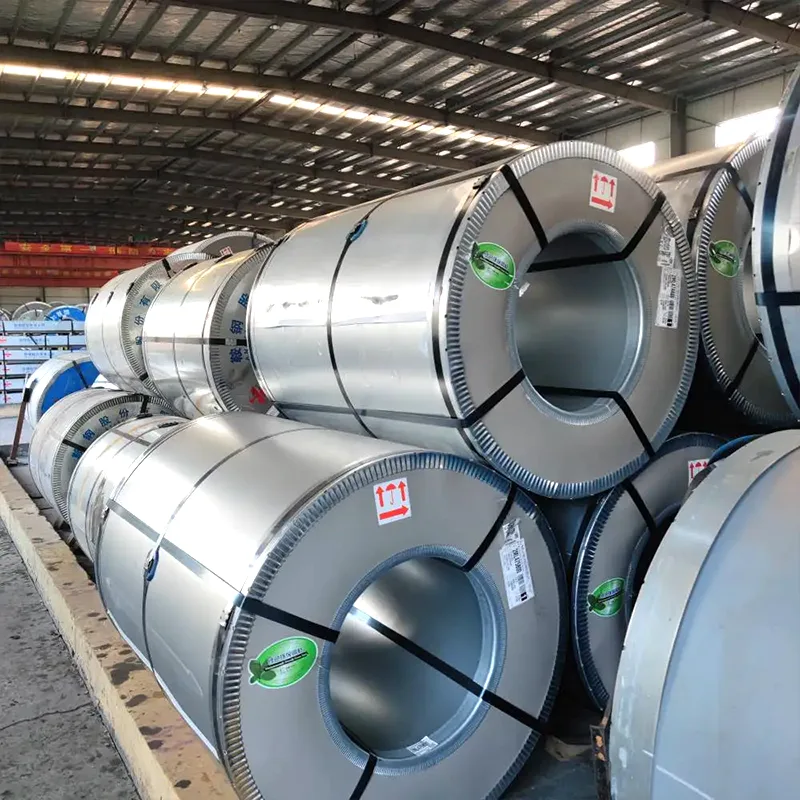
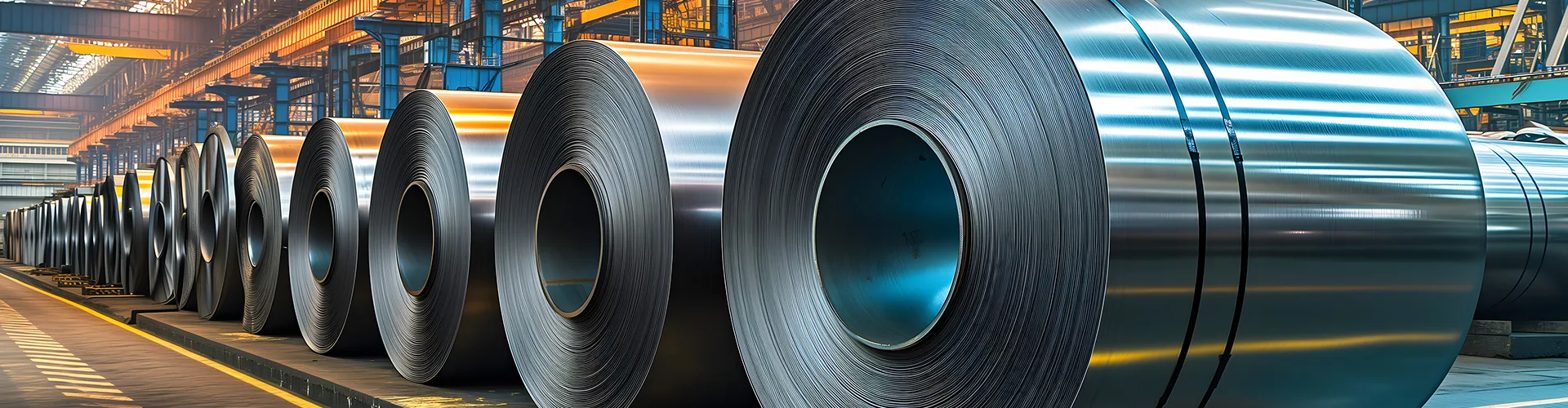
Galvanized steel plates come in a wide variety of types. Based on the manufacturing process, they can be broadly categorized into hot-dip galvanized steel sheets and cold-dip galvanized (electro-galvanized) steel sheets. Based on surface finish, they can be classified as patterned galvanized sheets, unpatterned galvanized sheets, fingerprint-resistant galvanized sheets, and passivated galvanized sheets. There are also special categories such as patterned galvanized sheets, aluminized zinc steel sheets, and zinc-aluminum-magnesium anti-corrosion steel sheets. Based on product form, they are available in galvanized steel coils, galvanized sheet sheets, and cut-to-length sheets. Commonly used materials include DX51D and SGCC, and they are widely applicable to various industries such as construction, home appliances, steel structures, and decoration.
Galvanized Steel Plate Weight Calculation Formula (Universal Formula)
Steel density is fixed at 7.85
1. Weight per square meter
Weight per square meter (kg) = Thickness (mm) × 7.85
2. Weight of the whole sheet
Weight of the whole sheet (kg) = Length (m) × Width (m) × Thickness (mm) × 7.85
3. Practical Example
Example: 1.2mm thick, 1.5m × 3.0m galvanized sheet
Weight per square meter: 1.2 × 7.85 = 9.42kg/㎡
Weight of the whole sheet: 1.5 × 3.0 × 1.2 × 7.85 = 42.39kg
Weight per ton per square meter: 1000 ÷ (1.2 × 7.85) ≈ 106.16㎡
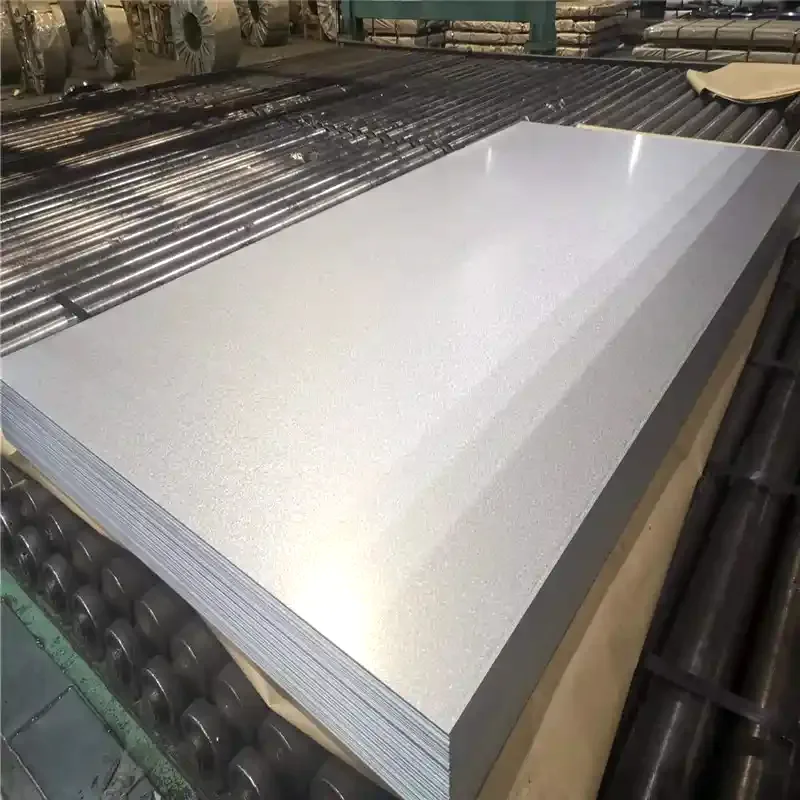
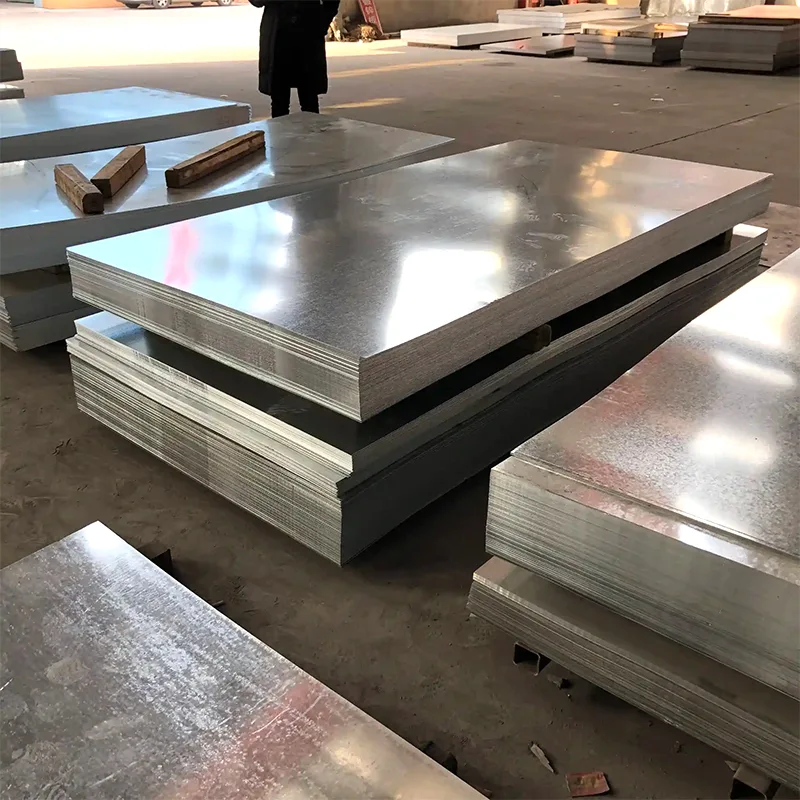
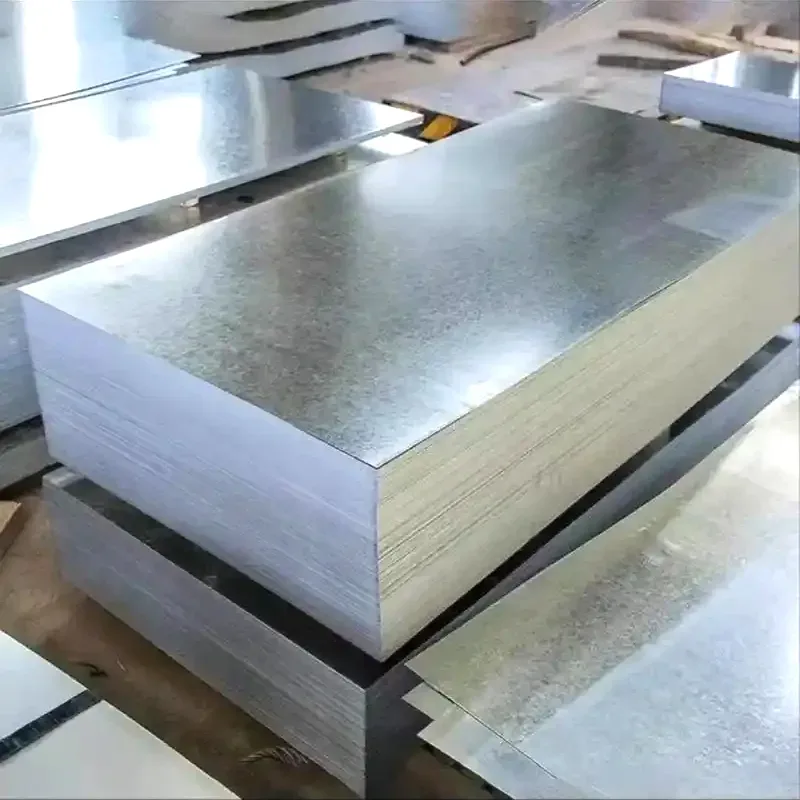
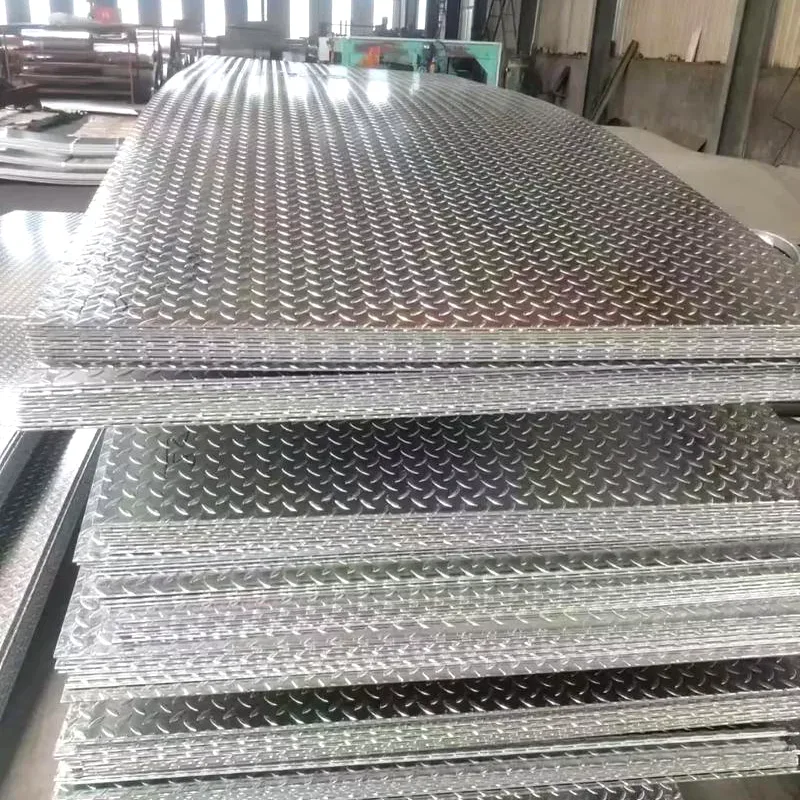
Difference between hot-dip galvanized steel sheet and cold-dip galvanized steel sheet
I. Different processes
Hot-dip galvanized steel sheet: High temperature Hot-dip galvanizing (around 450℃) involves immersing the entire steel sheet in molten zinc to form the coating. Cold-dip galvanizing: A room-temperature electroplating process where a thin layer of zinc is deposited on the steel sheet surface through electrolysis.
II. Zinc Layer Thickness
Hot-dip galvanizing: Thick zinc layer, typically 60-120μm, providing robust corrosion protection. Cold-dip galvanizing: Very thin zinc layer, only 5-20μm, resulting in a thin coating.
III. Corrosion Resistance and Lifespan
Hot-dip galvanizing: Extremely strong corrosion resistance, suitable for 15-30 years outdoors, ideal for humid, open-air, and coastal environments. Cold-dip galvanizing: Poor corrosion resistance, suitable for 3-5 years indoors, but rusts after six months outdoors.
IV. Surface Appearance
Hot-dip galvanizing: Surface has zinc bloom, slightly rough, with a strong industrial feel. Cold-dip galvanizing: Smooth and delicate surface, no zinc bloom, high aesthetic appeal and decorative properties.
V. Adhesion
Hot-dip galvanizing: Zinc forms a metallurgical alloy layer with the steel, resulting in strong adhesion, resistance to zinc peeling, and good bending and welding resistance. Cold galvanizing: Only the surface coating is applied; it's prone to peeling and flaking due to impacts or bending.
VI. Price and Uses
Hot-dip galvanizing: High cost; used for building steel structures, roofing and walls, engineering corrosion protection, and outdoor components.
Cold galvanizing: Inexpensive; only suitable for interior decoration, appliance interiors, and lightweight materials used in dry environments.
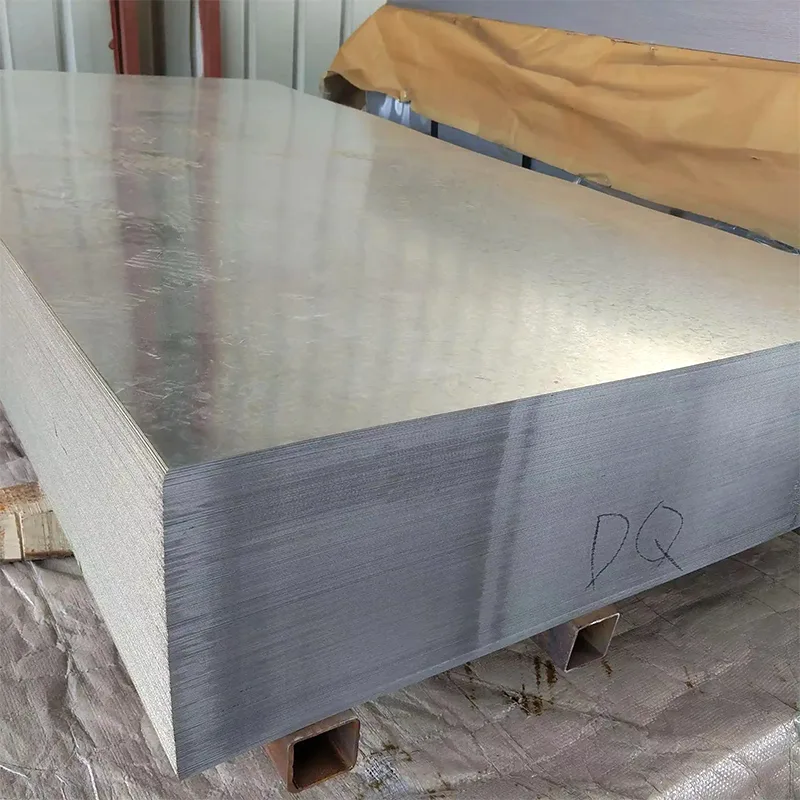
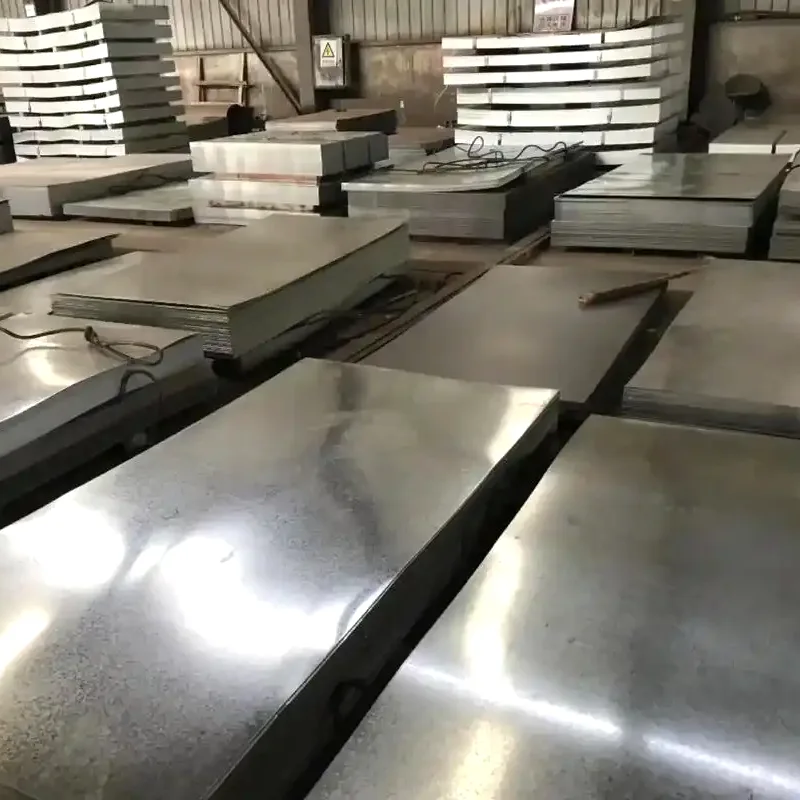
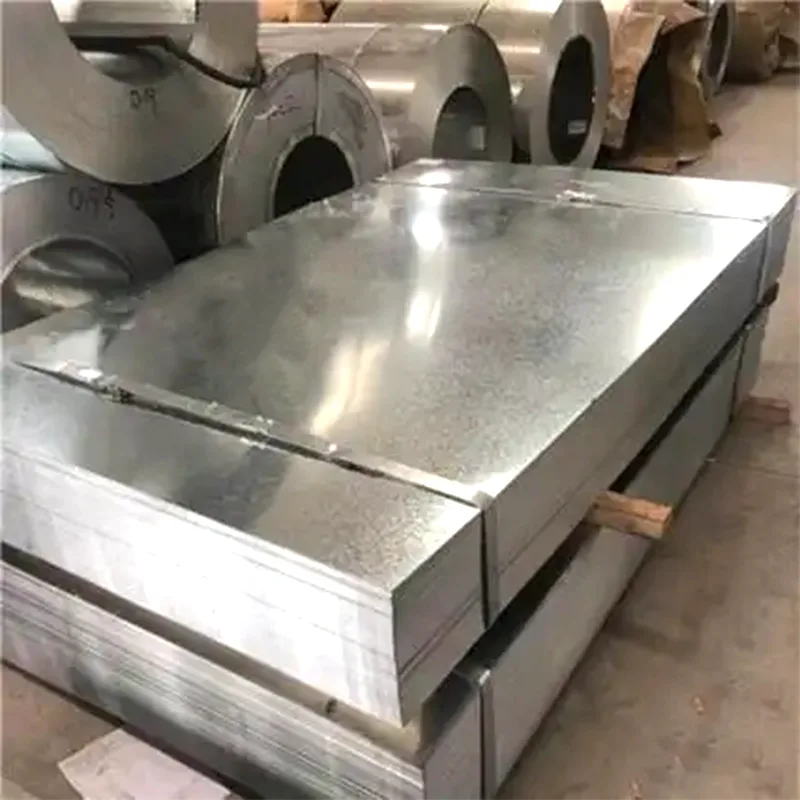
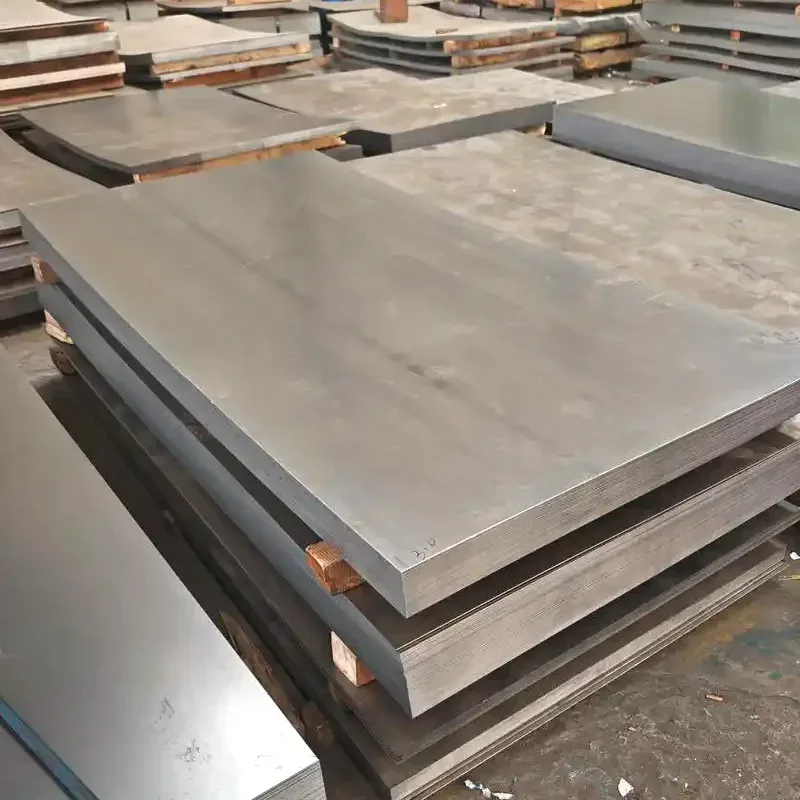
How long does galvanized steel remain rust-free before it rusts?
1. Cold-dip galvanized steel (electroplated zinc):
Indoor dry environment: Yellowing and slight rust spots appear after 3-8 years.
Outdoor open-air/humid environment: Rusting begins in just 6 months to 1 year.
Coastal salt spray/chemical plant area: Coating failure and rapid corrosion occur in 3-5 months.
2. Hot-dip galvanized steel (hot-dip zinc plating, national standard zinc layer):
Indoor dry environment: Virtually no rust for 25-30 years.
Ordinary outdoor open-air (sun and rain): 15-20 years, completely rust-free.
Damp construction site/basement/industrial area: Stable rust prevention for 8-12 years.
Coastal sea breeze/salt spray, light chemical environment: Rust gradually appears after 5-8 years.
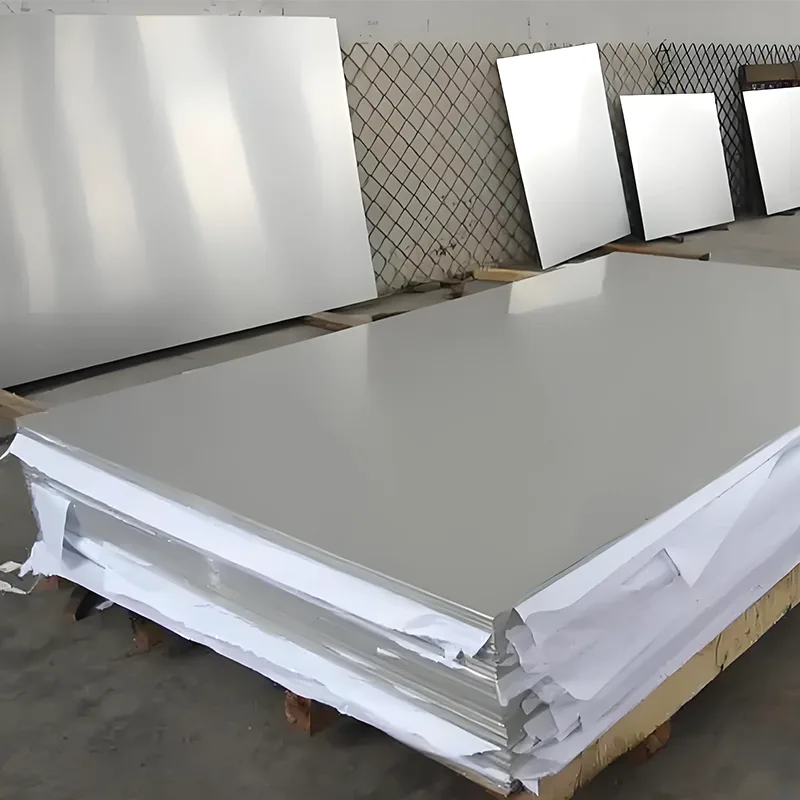
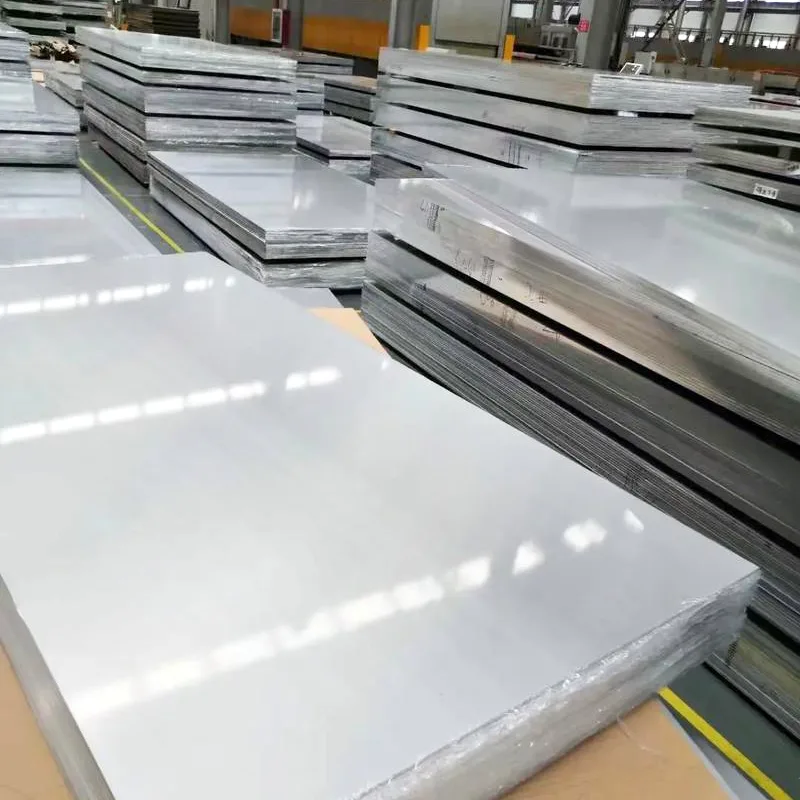
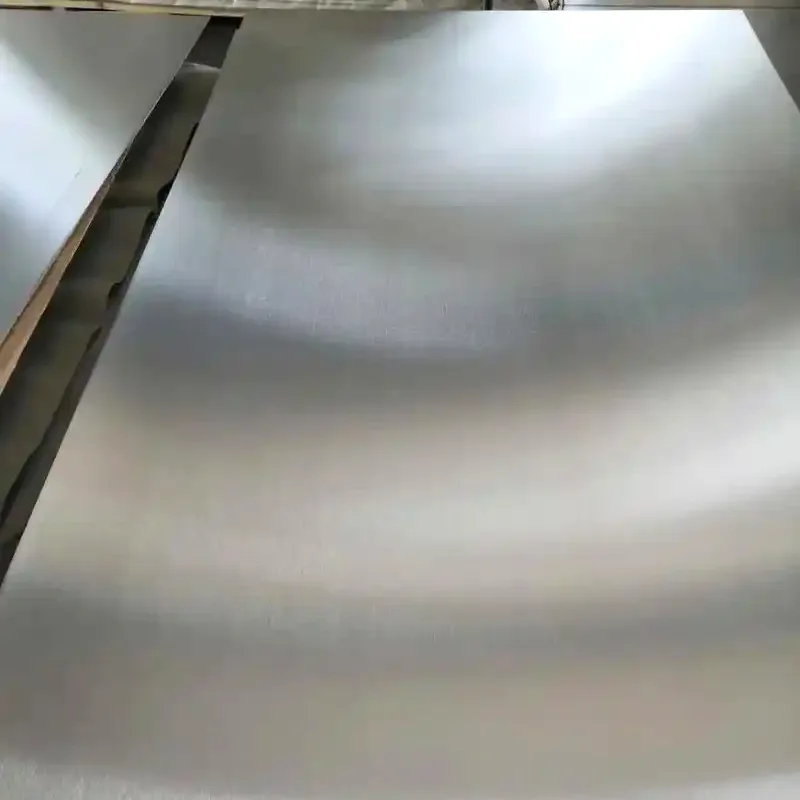
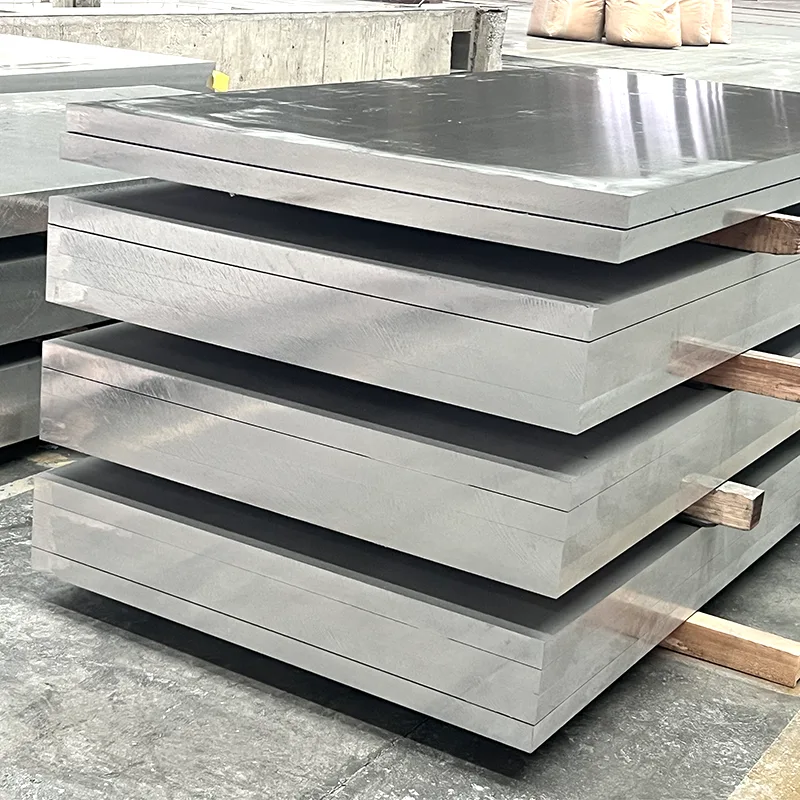
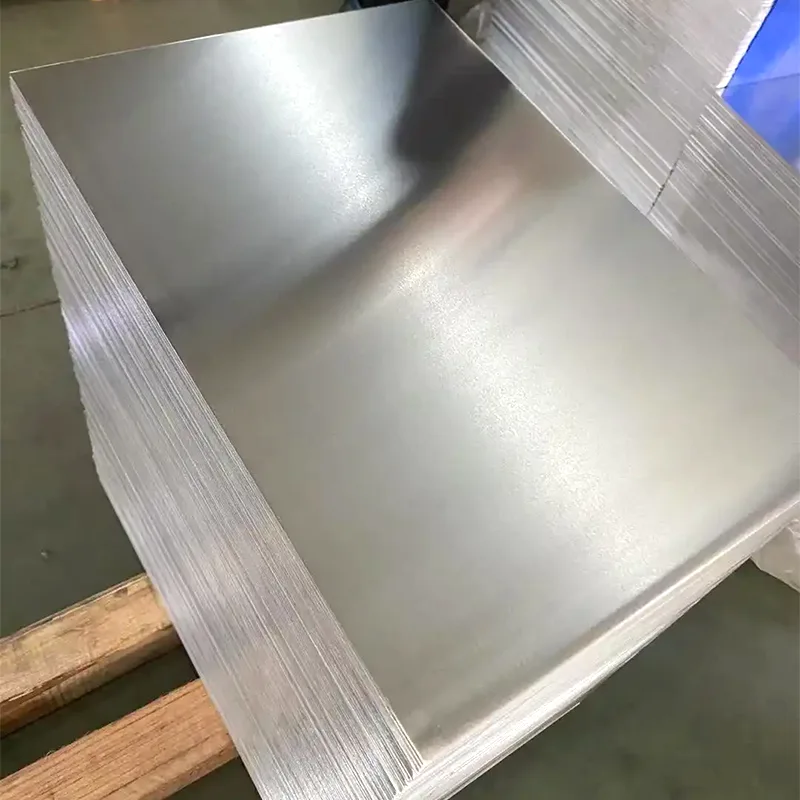
- View as
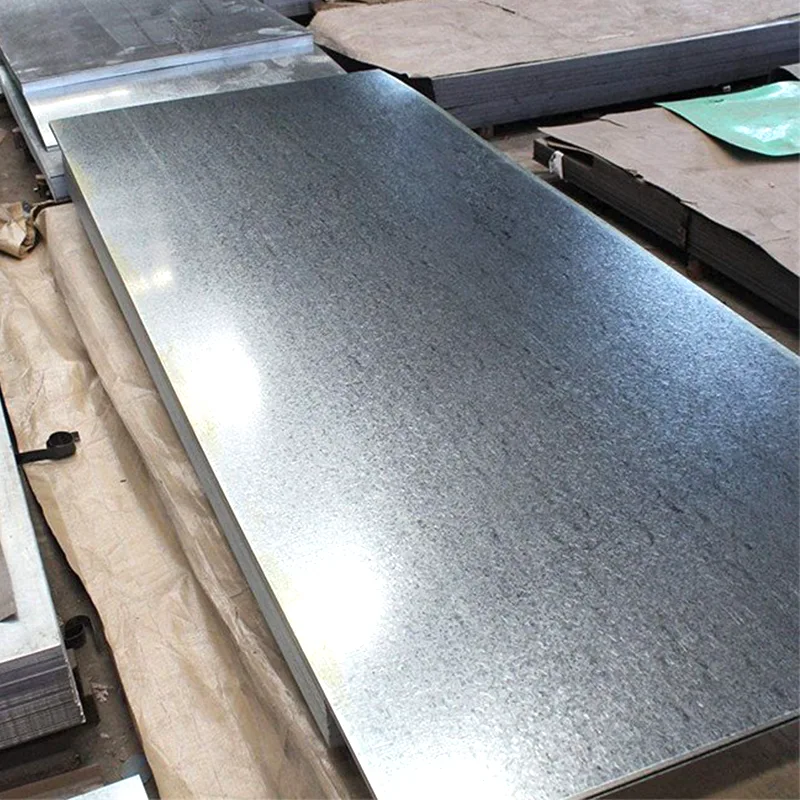
Cold-Dip Galvanized Steel Sheet
Cold-dip galvanized steel sheet, also known as electro-galvanized steel sheet, commonly uses high-quality cold-rolled steel as its base material. Manufacturers mainly offer standard forming grades, deep-drawing grades, and high-strength series. Commonly used materials according to national standards include DC01, DC02, and DC06.
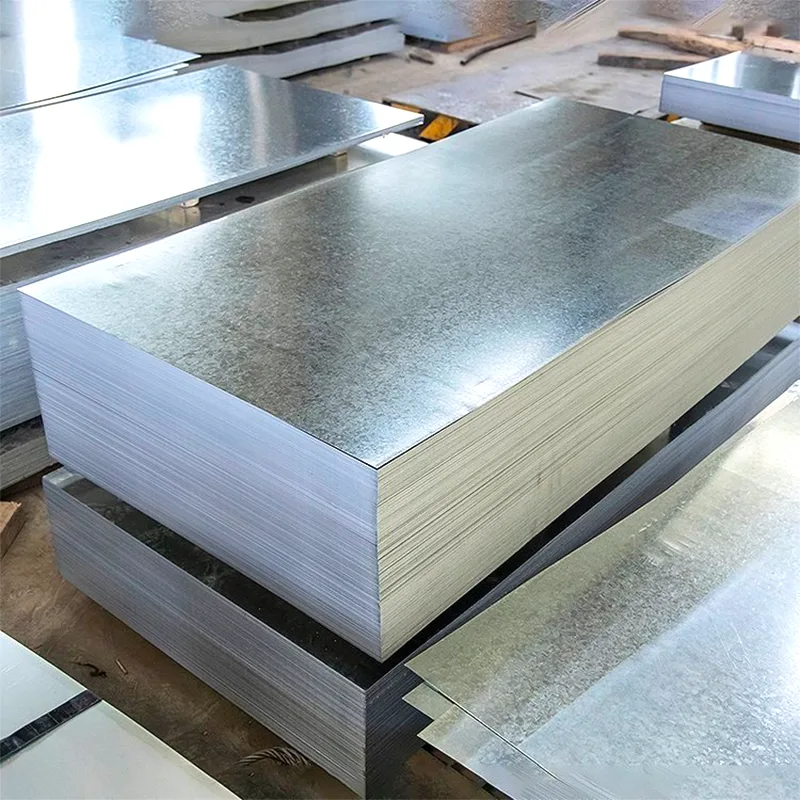
Hot-Dip Galvanized Steel Sheet
Hot-dip galvanized steel sheet China manufacturers offer: ordinary structural steel (Q195, Q215, Q235); high-strength steel (Q345, Q390, DP590); and special functional steel (BH series bake-hardening steel, weather-resistant steel substrate), etc.
Lingchuang is a professional Galvanized Steel Plate manufacturer and supplier in China. Welcome to import quality products from our factory here.