Article Summary
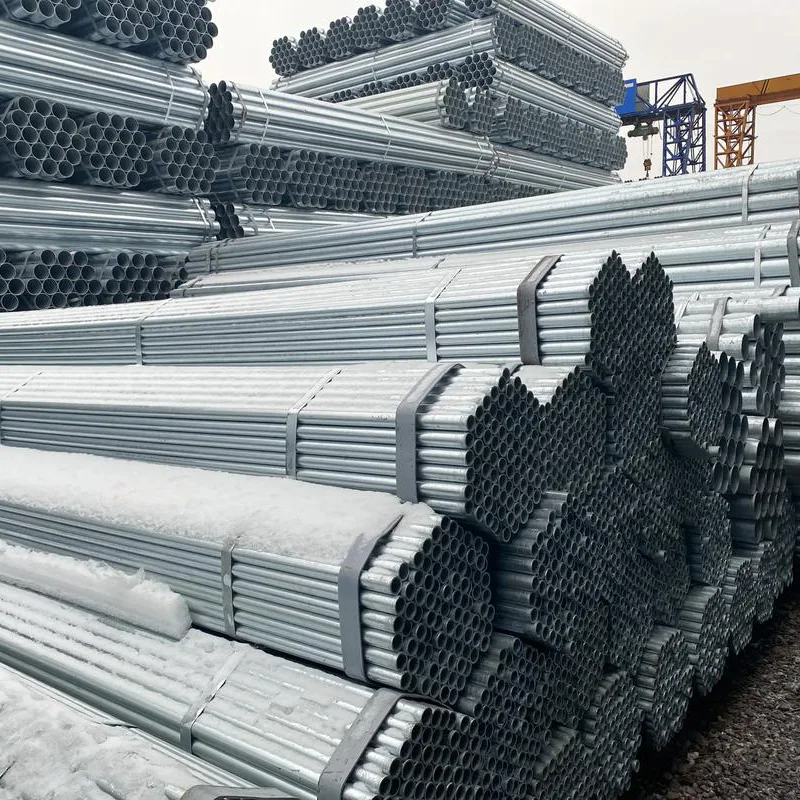
Carbon steel pipes are fundamental components in numerous industrial applications, ranging from construction to oil and gas pipelines. This article explores the types, advantages, applications, and selection criteria for carbon steel pipes, aiming to provide practical guidance for engineers, procurement managers, and industry professionals. With insights from Lingchuang, a leading supplier, readers will understand how to make informed decisions when sourcing and utilizing carbon steel pipes for their projects.
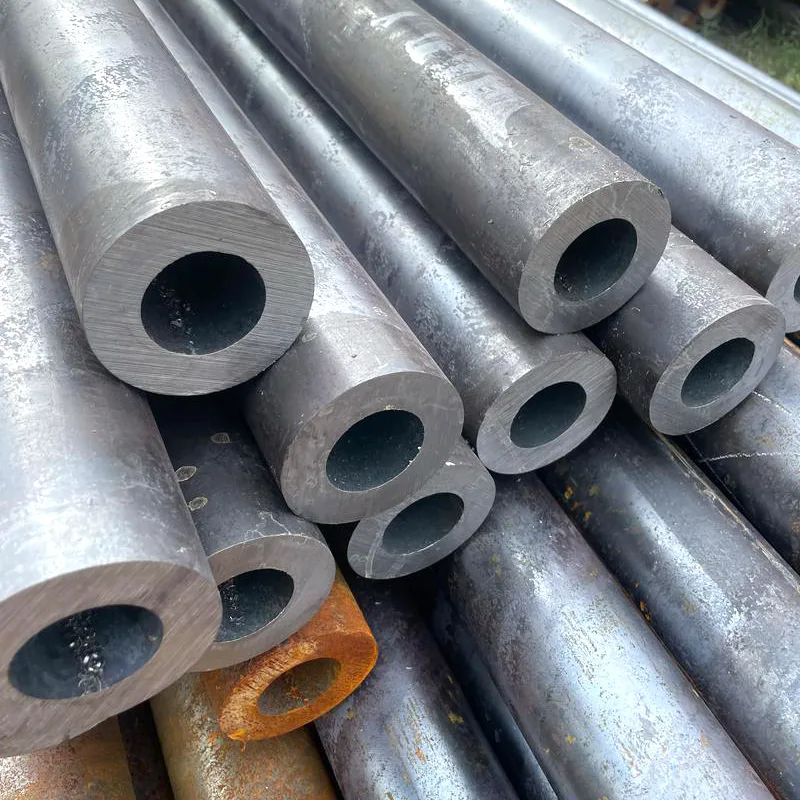
Table of Contents
1. Overview of Carbon Steel Pipes
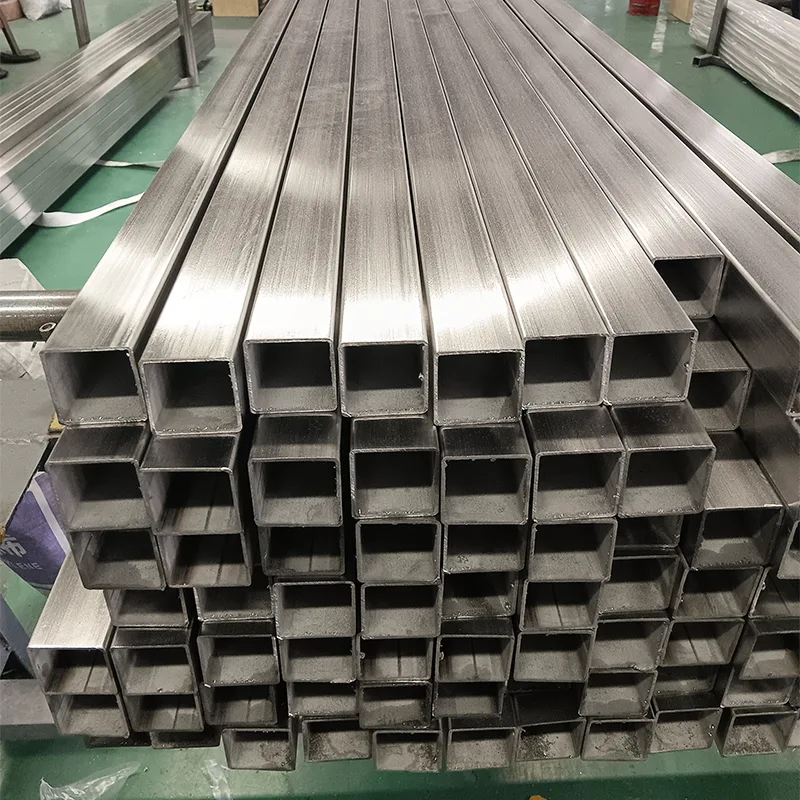
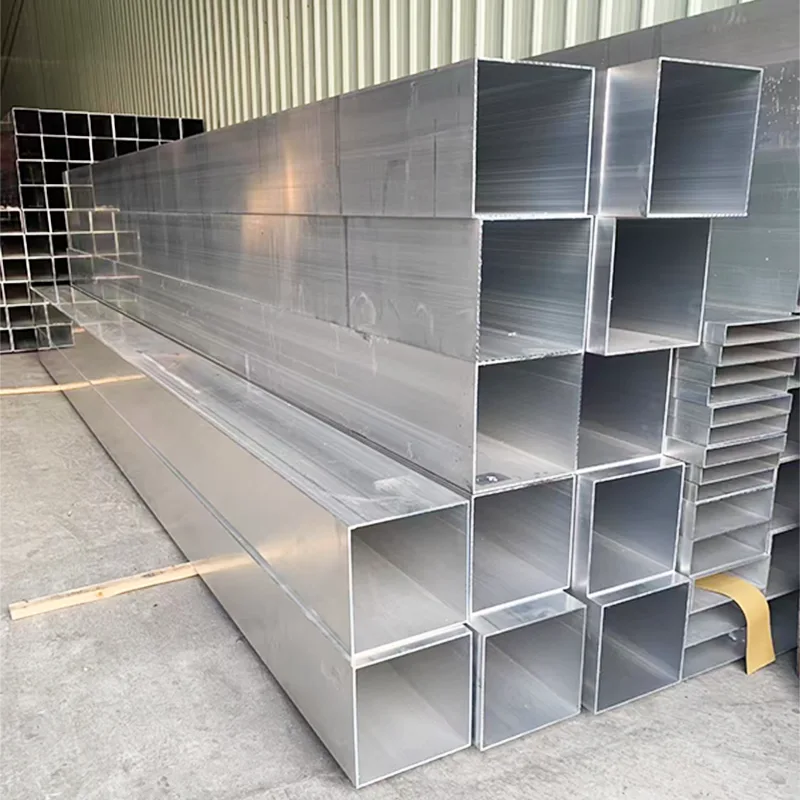
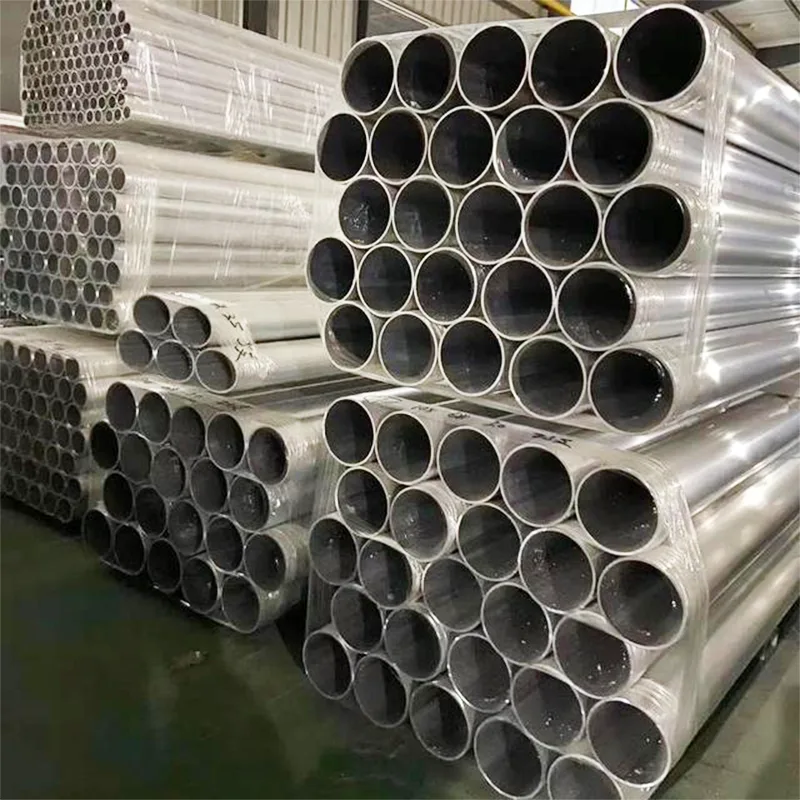
Carbon steel pipes are made primarily from iron and carbon, with small amounts of other elements. They are known for their strength, durability, and versatility, making them a staple in construction, manufacturing, and pipeline systems. Unlike stainless steel, carbon steel pipes offer a more cost-effective solution while maintaining high mechanical performance.
For more details on product specifications, visit Lingchuang Carbon Steel Pipe.
2. Types of Carbon Steel Pipes
Carbon steel pipes can be categorized based on manufacturing methods, wall thickness, and application standards. Below is a breakdown:
| Type | Description | Common Use |
|---|---|---|
| Seamless Pipe | Manufactured without a welded seam, offering higher pressure resistance. | Oil & Gas, High-Pressure Boilers |
| Welded Pipe | Formed by rolling steel plate or sheet and welding the seam. | Water Pipelines, Low-Pressure Applications |
| ERW Pipe | Electric Resistance Welded pipe, known for uniform strength. | Infrastructure & Structural Use |
3. Advantages of Using Carbon Steel Pipes
- High Strength: Can withstand high pressure and mechanical stress.
- Cost-Effective: Lower cost compared to stainless steel alternatives.
- Versatile: Suitable for water, gas, oil, and industrial fluids.
- Easy Fabrication: Can be welded, bent, and machined according to requirements.
- Long Service Life: Resistant to wear and tear when properly maintained.
4. Industrial Applications
Carbon steel pipes are widely used across various sectors due to their robustness and adaptability:
- Oil and Gas Pipelines: Transportation of crude oil, natural gas, and refined products.
- Construction: Structural frameworks, scaffolding, and support beams.
- Water and Sewage Systems: Durable piping for municipal water supply and drainage.
- Industrial Manufacturing: Conveying chemicals, steam, and compressed air.
- Automotive Industry: Used in chassis and exhaust systems.
5. How to Select the Right Carbon Steel Pipe
Choosing the appropriate carbon steel pipe requires evaluating several factors:
- Pressure Rating: Determine the maximum pressure the pipe will handle.
- Diameter & Wall Thickness: Ensure proper flow and structural integrity.
- Corrosion Resistance: Consider coatings or galvanization for harsh environments.
- Compliance with Standards: Verify ASTM, API, or ISO certifications.
- Supplier Reliability: Choose trusted manufacturers like Lingchuang for consistent quality.
6. Installation and Maintenance Tips
Proper installation and maintenance are critical to extend the service life of carbon steel pipes:
- Ensure pipe ends are clean and free from debris before joining.
- Use appropriate welding techniques for seamless or ERW pipes.
- Apply anti-corrosion coatings where necessary.
- Regularly inspect for signs of wear, rust, or pressure leaks.
- Replace damaged sections promptly to prevent system failure.
7. Frequently Asked Questions
Q1: Can carbon steel pipes handle high-temperature fluids?
A1: Yes, seamless carbon steel pipes can handle elevated temperatures, typically up to 400°C, depending on the grade.
Q2: What is the difference between carbon steel and stainless steel pipes?
A2: Carbon steel pipes are stronger and more cost-effective but are prone to corrosion without protective coatings. Stainless steel pipes offer superior corrosion resistance but are more expensive.
Q3: How long do carbon steel pipes last?
A3: With proper maintenance and protective measures, carbon steel pipes can last 20–50 years in most industrial environments.
Q4: Can Lingchuang supply customized carbon steel pipes?
A4: Yes, Lingchuang provides custom diameters, wall thicknesses, and lengths to meet client specifications.
8. Conclusion & Contact Information
Carbon steel pipes remain a cornerstone of modern industrial infrastructure due to their strength, durability, and versatility. Selecting the right pipe involves careful evaluation of pressure requirements, environmental conditions, and supplier credibility. Lingchuang offers a wide range of high-quality carbon steel pipes, designed to meet stringent industrial standards.
For inquiries or to discuss your project needs, contact us at Lingchuang to get expert guidance and premium products tailored for your industry.