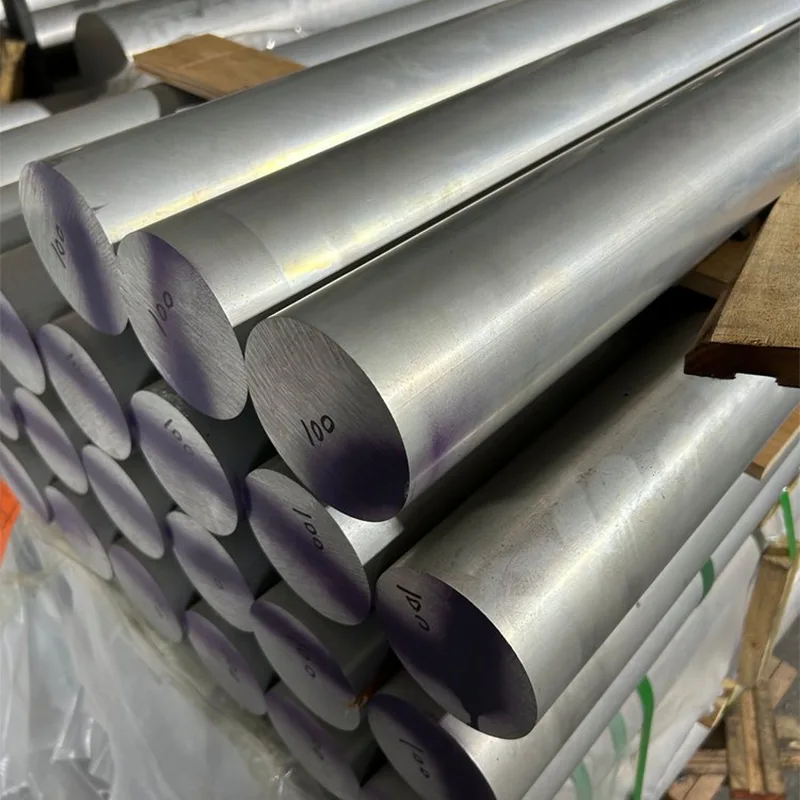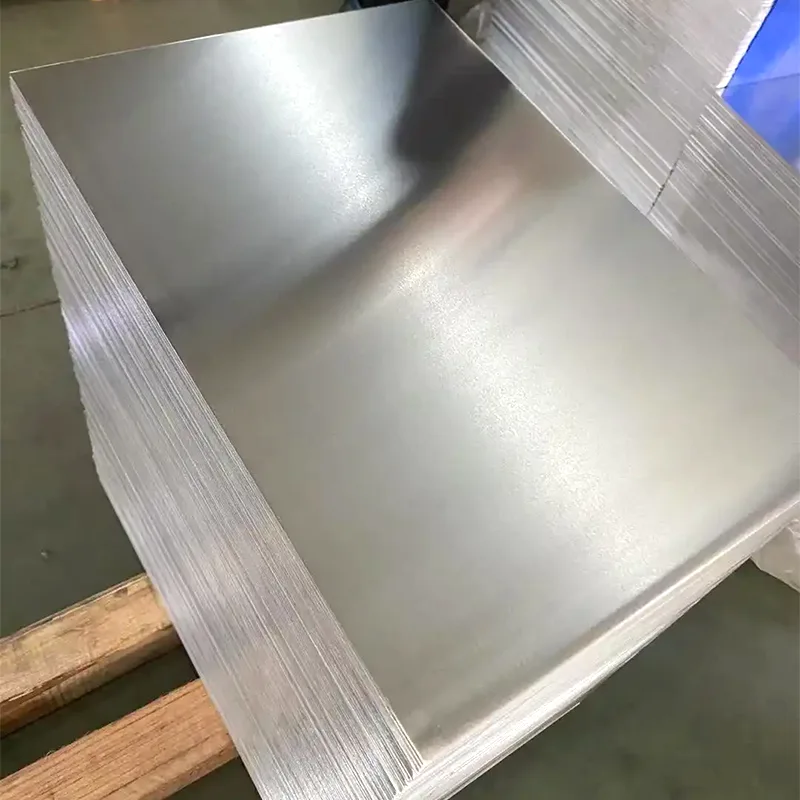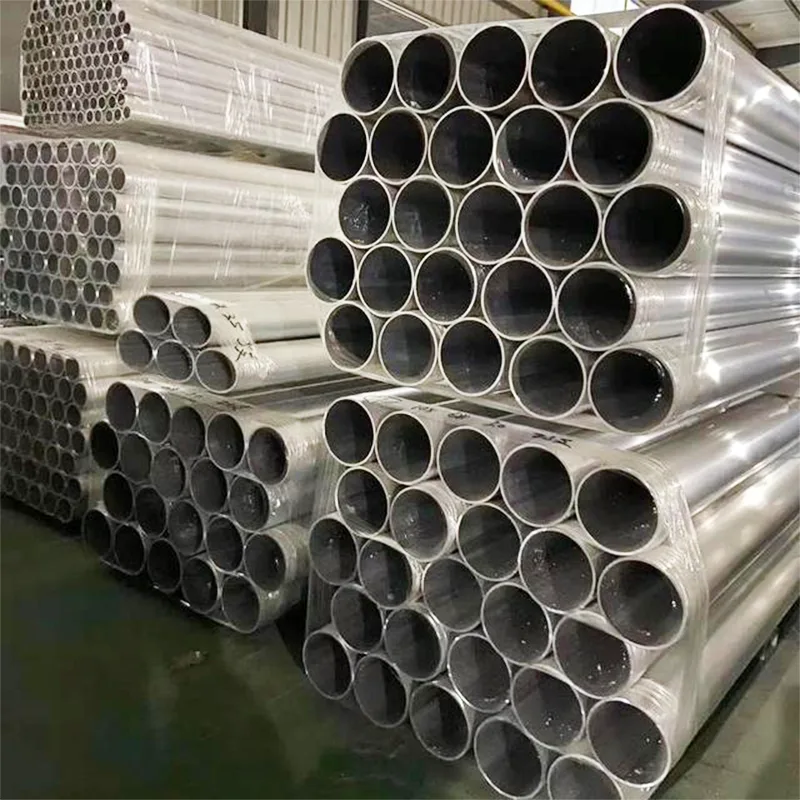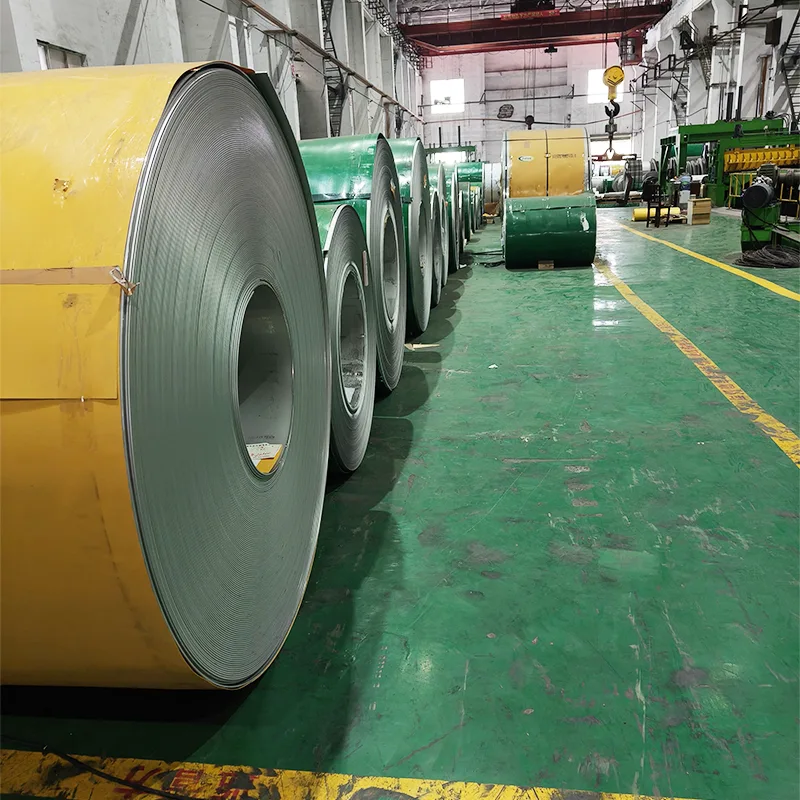
How Is Stainless Steel Transforming the Global Industrial and Construction Markets
Stainless Steel has emerged as one of the most versatile and widely used materials in modern industry and construction. Its unique combination of durability, corrosion resistance, and aesthetic appeal makes it indispensable for a wide range of applications, from architectural structures to industrial equipment, transportation systems, and consumer goods.Lingchuang Steel Group Co., Ltd., headquartered in Jinan, Shandong Province, China, leverages over 15 years of industry expertise to provide comprehensive stainless steel solutions. By integrating substantial inventory reserves with precision in-house processing capabilities, the company has positioned itself as a reliable global partner for customized, high-quality stainless steel products.
Understanding Stainless Steel
Properties and Advantages of Stainless Steel
Stainless steel is an alloy primarily composed of iron, chromium, and often nickel, with minor elements added to enhance specific properties. Its key characteristics include:
- Corrosion Resistance: Chromium content forms a protective oxide layer, preventing rust and extending product life.
- High Strength-to-Weight Ratio: Offers durability without excessive weight, crucial for construction and industrial applications.
- Aesthetic Versatility: Polished, brushed, or matte finishes suit both functional and decorative uses.
- Thermal and Chemical Resistance: Withstands high temperatures and exposure to chemicals, ideal for specialized industrial environments.
- Recyclability and Sustainability: Fully recyclable, contributing to environmentally responsible manufacturing practices.
These properties make stainless steel an ideal material for sectors ranging from infrastructure development to high-tech manufacturing.
Common Grades and Applications
| Grade | Composition | Typical Applications |
| 304 | Chromium 18%, Nickel 8% | Kitchen equipment, pipelines, architectural panels |
| 316 | Chromium 16%, Nickel 10%, Molybdenum 2% | Marine environments, chemical processing equipment |
| 430 | Chromium 16%, Nickel 0% | Automotive trim, household appliances |
| 201 | Chromium 16%, Nickel 4%, Manganese 5.5% | Cost-effective decorative panels, light structural elements |
Different stainless steel grades are selected based on environmental exposure, mechanical requirements, and cost considerations, ensuring optimal performance across applications.
Global Market Trends for Stainless Steel
Industrial Demand Drivers
The demand for stainless steel is increasing worldwide due to multiple factors:
- Infrastructure Growth: Expanding urbanization and construction projects in Asia, Africa, and South America drive demand for durable construction materials.
- Industrial Modernization: Upgrading manufacturing facilities and automation systems require high-performance stainless steel components.
- Sustainability Initiatives: Increasing focus on recyclable and long-lasting materials enhances stainless steel adoption in environmentally conscious markets.
- Technological Advancements: New stainless steel grades and surface treatments improve corrosion resistance, machinability, and aesthetic appeal
This combination of factors ensures that stainless steel continues to play a critical role in global industrial and commercial development.
Emerging Applications of Stainless Steel
| Application Sector | Example Uses |
| Construction & Architecture | Structural frameworks, roofing, cladding, decorative façades |
| Industrial Equipment | Tanks, piping systems, chemical processing units |
| Transportation | Automotive components, railway carriages, marine vessels |
| Consumer Products | Kitchen appliances, furniture, home décor |
The versatility of stainless steel enables it to satisfy diverse market requirements, making it a fundamental component in both traditional and emerging applications.
Innovations in Stainless Steel Production
Modern Manufacturing Techniques
Stainless steel production has advanced through the integration of cutting-edge technology, ensuring consistent quality and enhanced performance:
- Precision Rolling and Forming: Advanced machinery ensures dimensional accuracy and surface finish quality.
- Automated Welding and Fabrication: High-speed, precise processes improve structural integrity and reduce production time.
- Surface Treatment Technologies: Electro-polishing, passivation, and brushing techniques enhance corrosion resistance and aesthetics.
- Quality Assurance Systems: Continuous monitoring and rigorous testing maintain compliance with international standards.
These innovations enable companies like Lingchuang Steel Group Co., Ltd. to deliver high-performance stainless steel solutions that meet both global technical specifications and client-specific requirements.
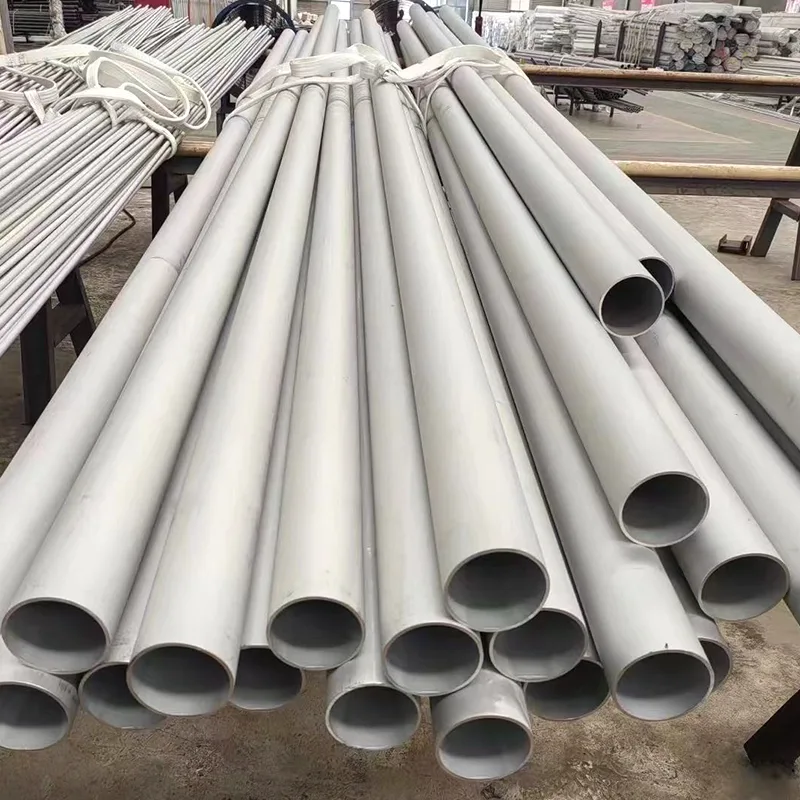
Customization and Value-Added Services
Customization has become a competitive advantage in the stainless steel industry. Services include:
- Tailored dimensions, thicknesses, and shapes to match project specifications.
- Specialized coatings or finishes for environmental exposure or design requirements.
- In-house processing capabilities for fabrication, bending, and assembly.
Such value-added services enable global partners to streamline their supply chains while obtaining precise, high-quality materials for complex projects.
Challenges and Considerations in the Stainless Steel Industry
While stainless steel remains a highly versatile material, producers and end-users must address key challenges:
- Price Volatility: Fluctuating raw material costs, including nickel and chromium, can affect overall pricing.
- Global Competition: International markets demand consistent quality and reliable supply.
- Sustainability Compliance: Meeting environmental and regulatory standards is essential for global distribution.
- Technological Integration: Ensuring that advanced grades are compatible with specific industrial processes requires careful selection and testing.
Companies that can navigate these challenges successfully are best positioned to maintain market leadership and long-term growth.
Future Outlook for Stainless Steel
Opportunities for Expansion
The future of stainless steel is driven by technological innovation, market diversification, and sustainable production practices:
- High-Performance Alloys: Continued development of corrosion-resistant and heat-tolerant grades expands industrial applications.
- Architectural Design Trends: Modern urban developments increasingly utilize stainless steel for both structural and aesthetic purposes.
- Circular Economy Practices: Emphasis on recycling and sustainable sourcing strengthens environmental responsibility.
- Global Supply Chain Integration: Efficient logistics and processing networks enhance timely delivery for complex international projects.
These developments ensure that stainless steel remains a material of choice for industries requiring strength, durability, and adaptability.
Lingchuang Steel Group Co., Ltd.’s Commitment to Excellence
Lingchuang Steel Group Co., Ltd. is at the forefront of the stainless steel industry, providing high-quality, customized Stainless Steel solutions to clients across more than 20 countries and regions. By combining extensive inventory, precision in-house processing, and advanced quality control systems, the company ensures consistent delivery of products that meet stringent technical and aesthetic requirements.With over 15 years of industry expertise, modern production facilities, and a global supply chain network, Lingchuang Steel Group Co., Ltd. is a trusted partner for industrial, construction, and architectural projects worldwide. Their dedication to innovation, reliability, and customer-focused solutions positions the company as a leading force in the stainless steel market.
Related News
- How Does Galvanized Steel Plate Provide Long-Lasting Protection for Modern Construction?
- How Can Carbon Steel Plate Improve Strength, Performance, and Cost Efficiency in Industrial Projects?
- How Does Stainless Steel Plate Solve Common Industrial Challenges?
- How Do Stainless Steel Pipes Enhance Industrial Efficiency?
- How do High-Carbon Steel Pipes Improve Industrial Performance?
- How to Choose the Right Galvanized Round Pipe for Industrial and Construction Projects
Leave me a message