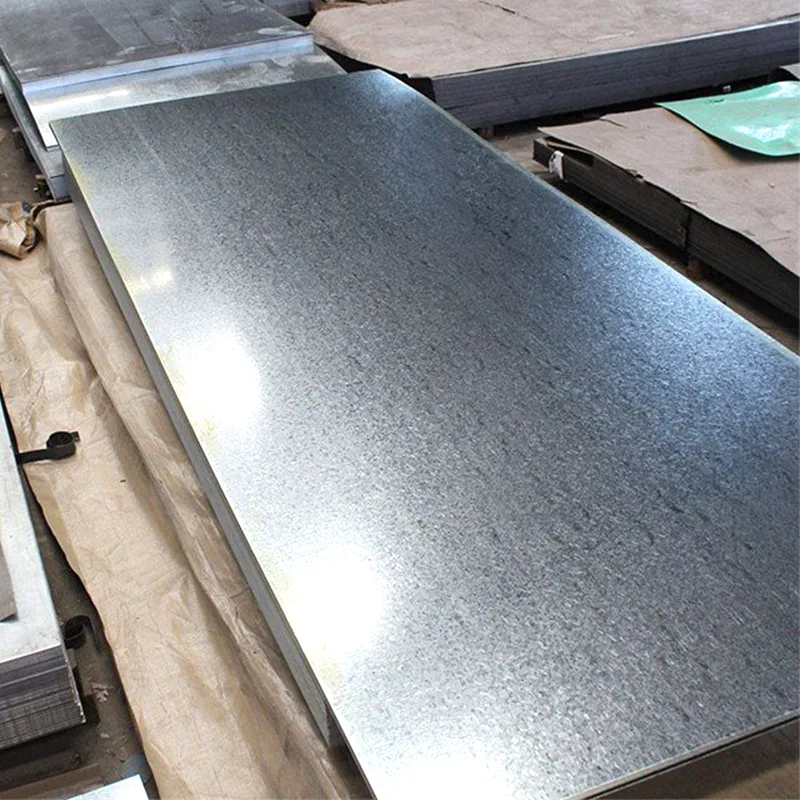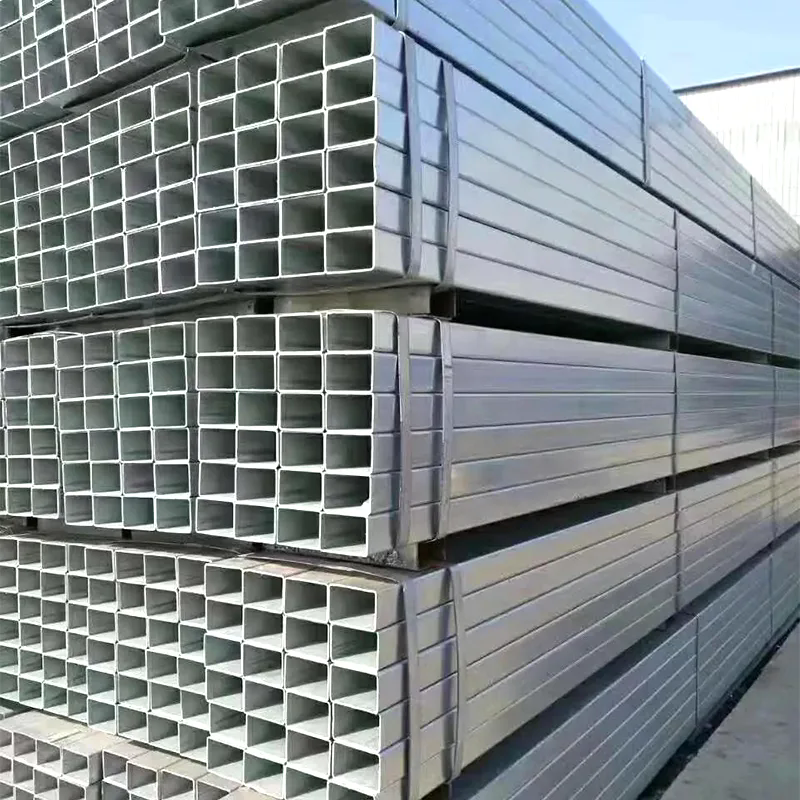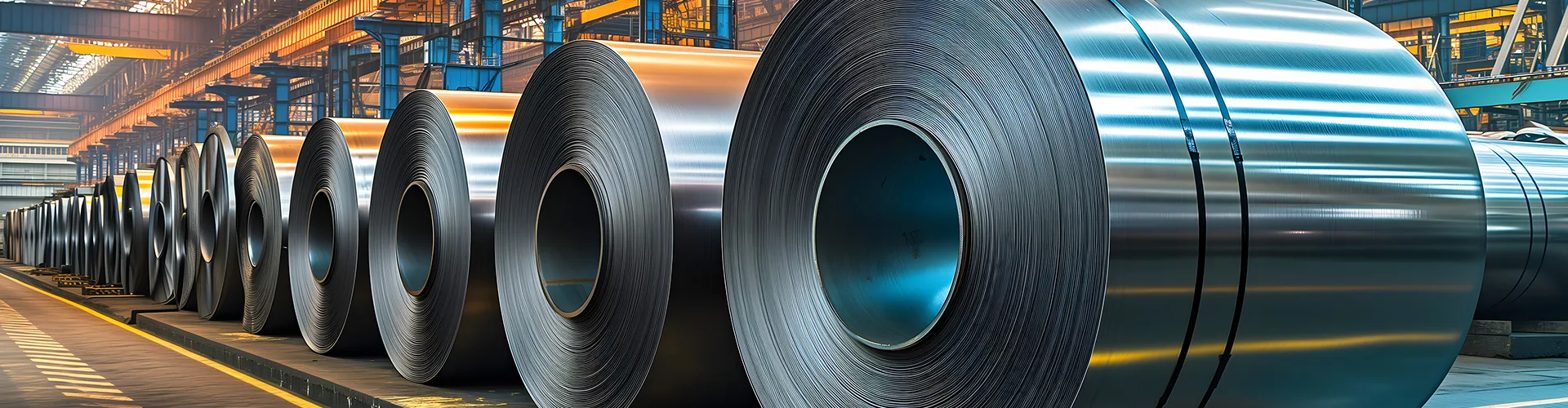
Wholesale Quality Aluminum Plate from China Factory
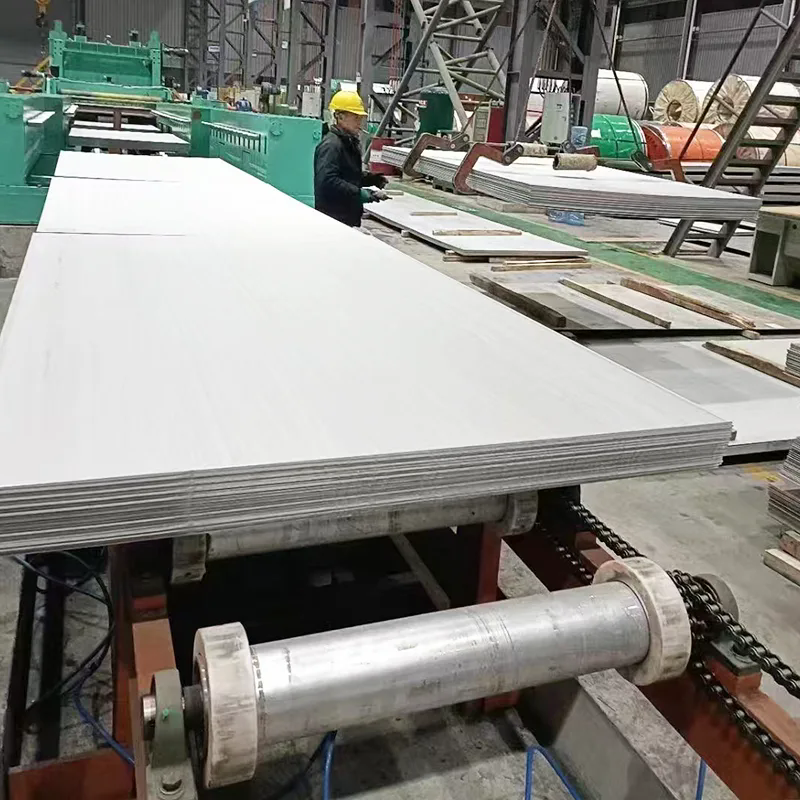
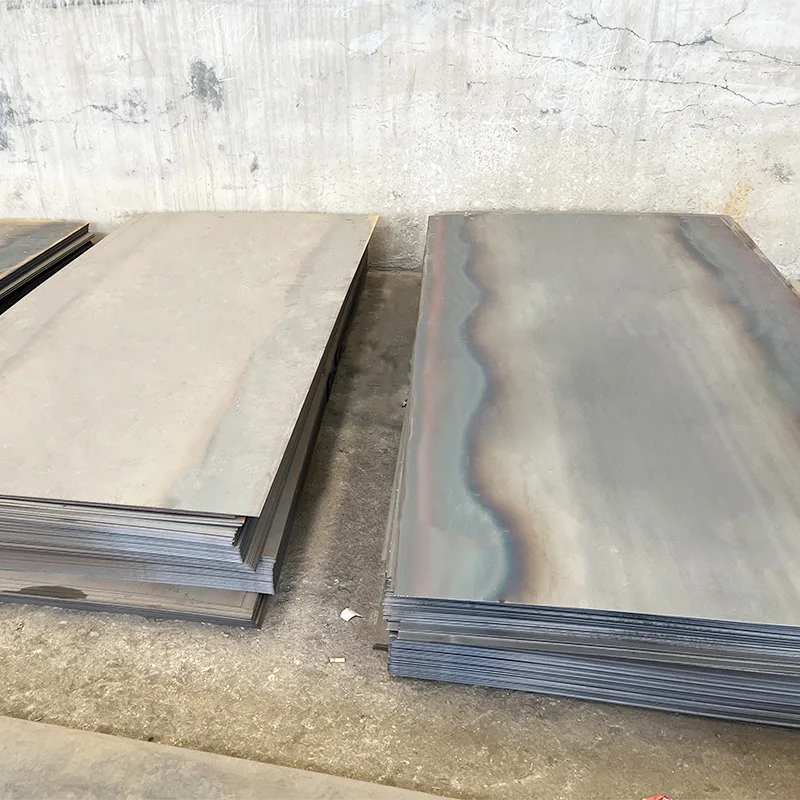
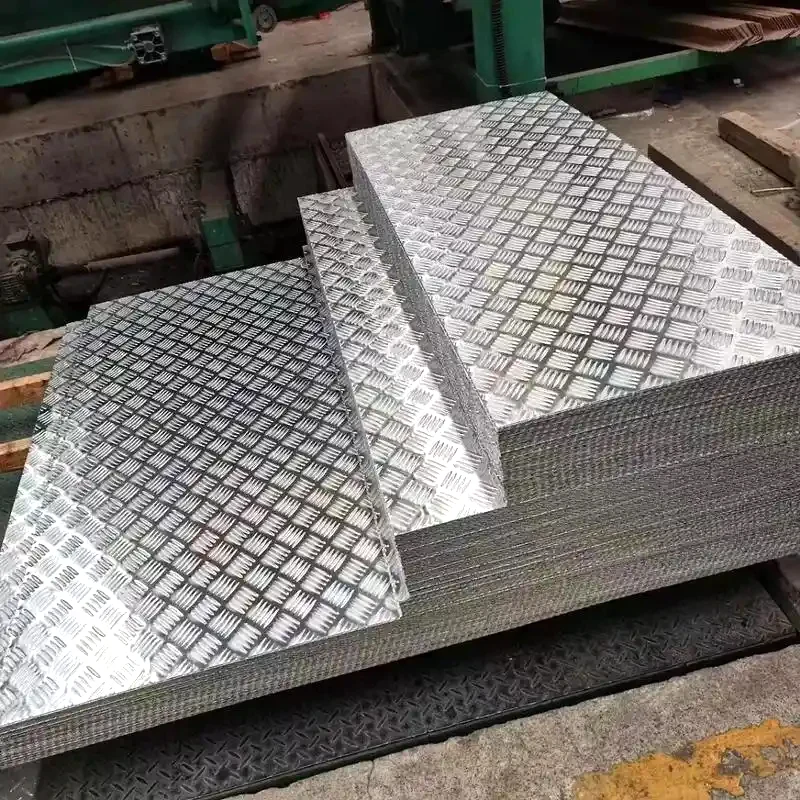
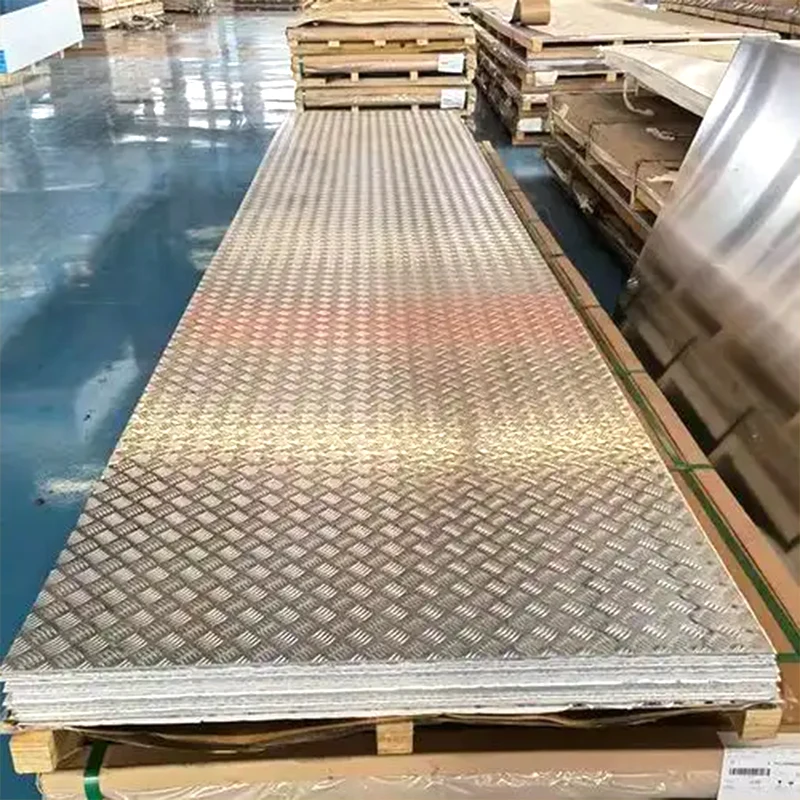
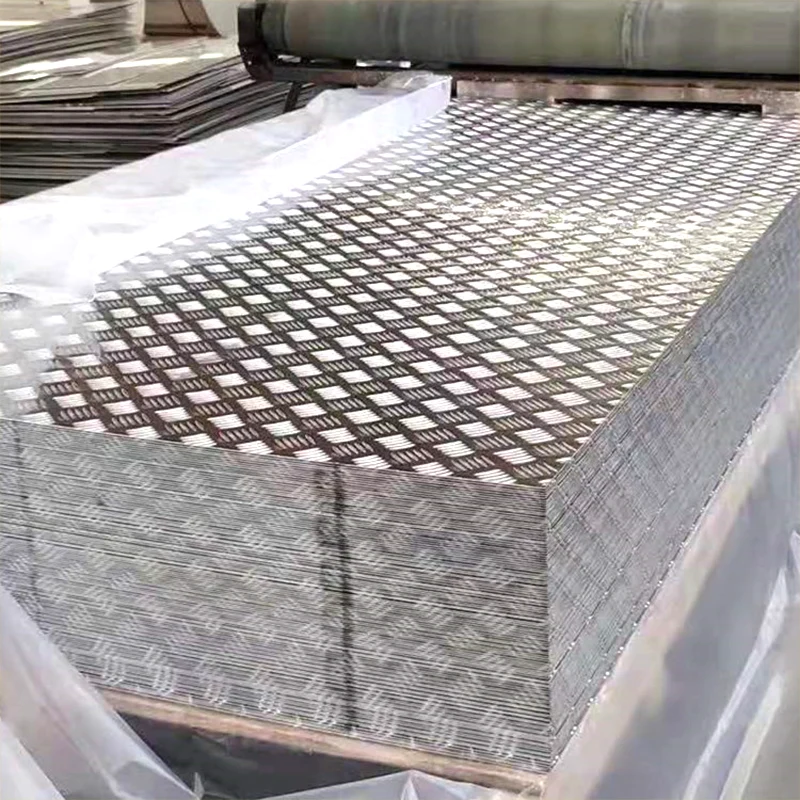
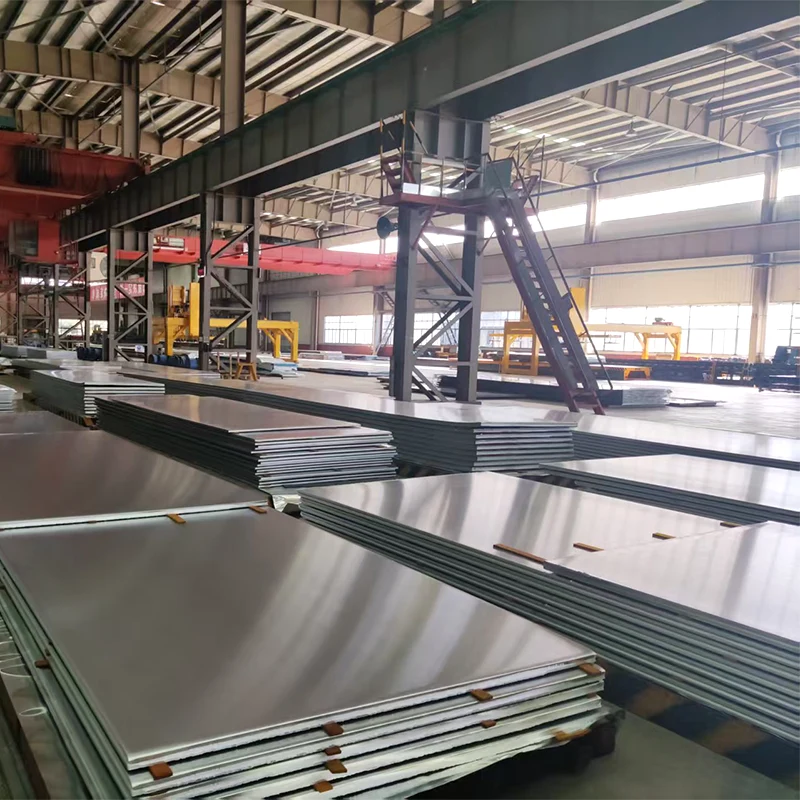
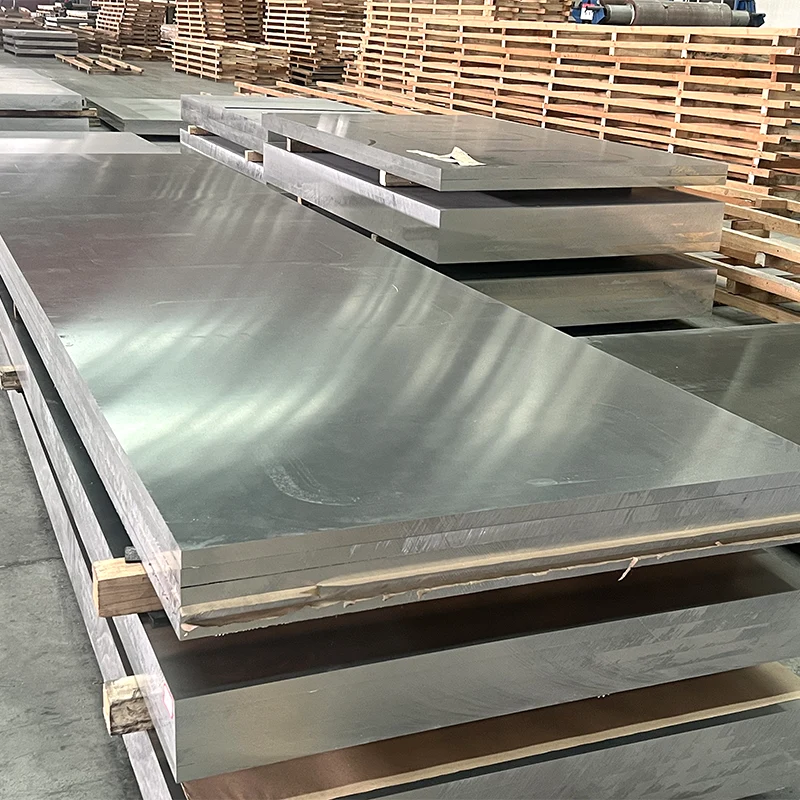
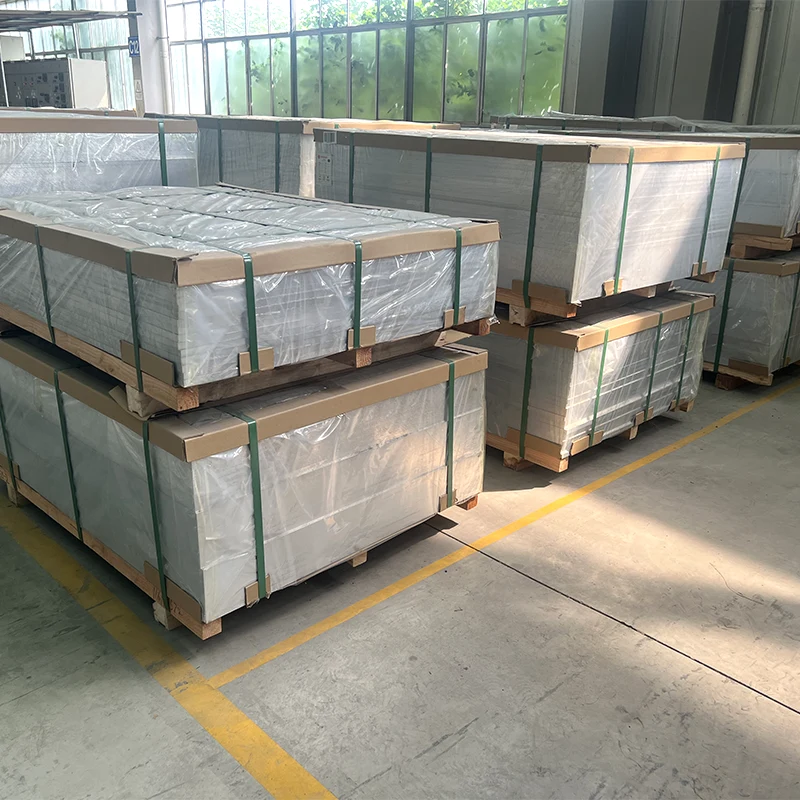
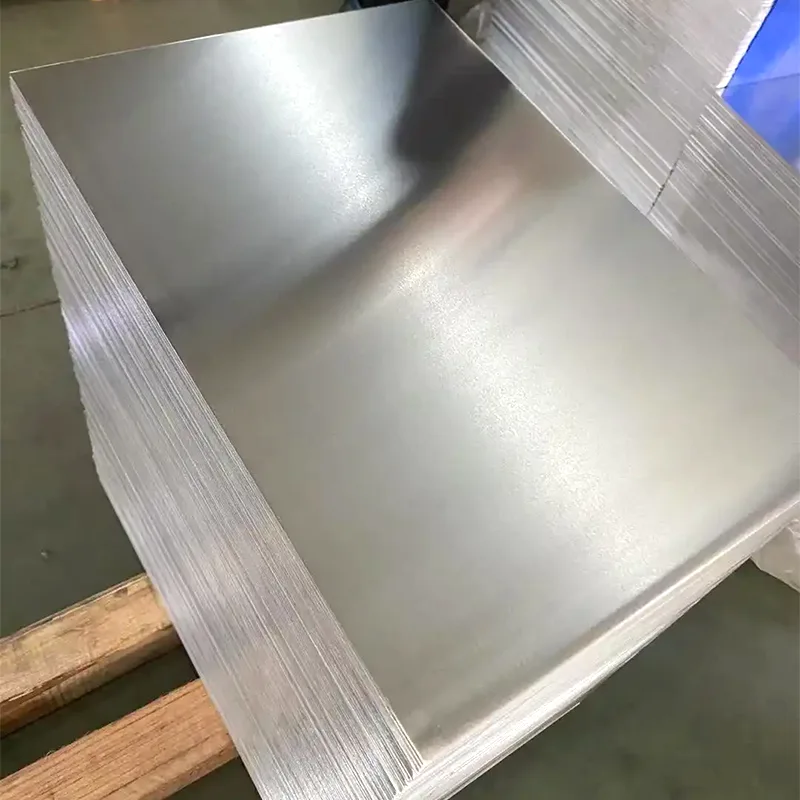
Aluminum plates are widely used in building curtain walls, decorative signage, shipbuilding and marine engineering, automotive sheet metal, rail transportation, mechanical structures, chassis enclosures, chemical storage tanks, thermal insulation and corrosion protection, and other fields. Chinese manufacturers stock a full range of mainstream grades, including 1060 pure aluminum sheets, 3003 rust-proof aluminum sheets, 5052/5754/5083 aluminum-magnesium rust-proof sheets, and 6061/6063 structural alloy sheets, covering various alloy states, complete specifications, custom cutting, and various deep processing services.
Alloy aluminum sheets include mainstream grades such as 3003, 5052, 5754, 5083, 6061, and 6063. Alloy aluminum sheets are lightweight, have high specific strength, and excellent resistance to rust and salt spray oxidation; they have good bending, stamping, and welding properties, and some grades can be heat-treated to improve strength. The surface is easy to anodize and spray-paint decoratively. It has good toughness and is not easily deformed, making it suitable for various fields such as construction, shipbuilding, automotive, machinery, and chemical industries. It comes in a full range of specifications and conditions, has a long service life, and offers excellent overall cost-effectiveness.
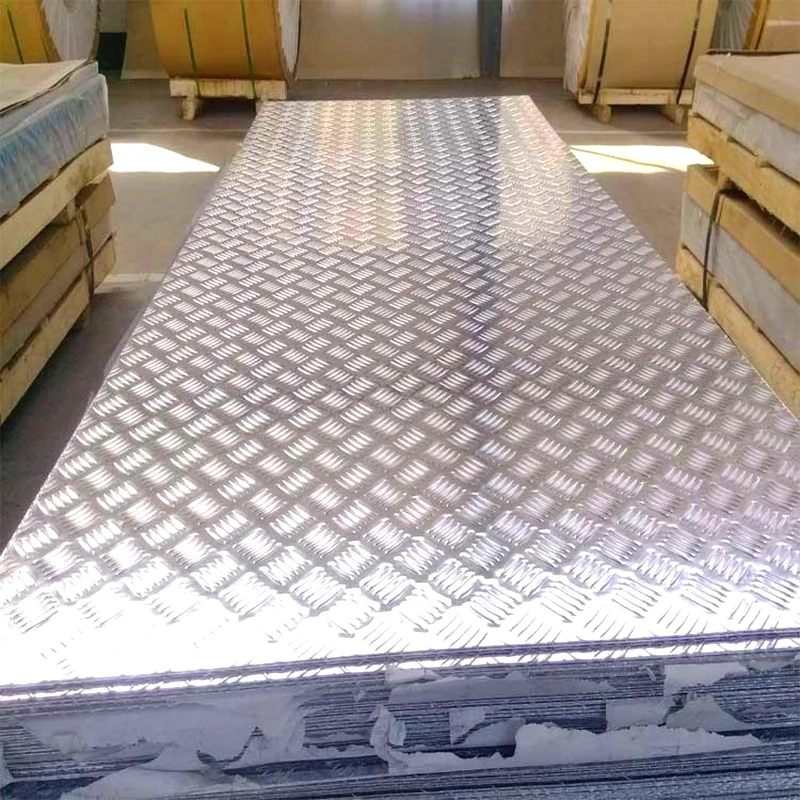
What is the difference between 6061 and 6063 aluminum plates?
|
Alloy grades: |
Alloy Series |
Corrosion resistance: |
Overall Strength |
Overall Strength |
Bending formability |
Welding performance: |
Welding performance: |
Surface finish |
Core Application Scenarios |
|
3003 |
3 Series Aluminum-Manganese Rust-Proof Aluminum |
Good |
Average |
Average |
Excellent |
Excellent |
Excellent |
Good |
Pipe insulation, ceilings, general decorative sheet metal, fuel tank linings |
|
5052 |
5 Series Aluminum-Magnesium Rust-Proof Aluminum |
Excellent |
Medium |
Medium |
Excellent |
Excellent |
Excellent |
Good |
Engineering chassis, automotive sheet metal, general outdoor rust-proof parts |
|
5754 |
5 Series High Magnesium Rust-Proof Aluminum |
Excellent |
Above Average |
Above Average |
Good |
Excellent |
Excellent |
Good |
Automotive chassis, body panels, components for mild salt spray environments |
|
5083 |
5 Series Ultra-High Magnesium Rust-Proof Aluminum |
Very good |
High |
High |
Average |
Excellent |
Excellent |
Medium |
Shipbuilding, marine engineering, pressure vessels, heavy-duty corrosion-resistant structures |
|
6061 |
6 Series Aluminum-Magnesium-Silicon Structural Aluminum |
Medium |
High |
High |
Average |
Good |
Good |
Medium |
Machinery frames, mold base plates, precision machined structural parts |
|
6063 |
6 Series Aluminum-Magnesium-Silicon Decorative Aluminum |
Good |
Medium |
Medium |
Good |
Good |
Good |
Excellent |
Doors, windows, curtain walls, photovoltaic frames, decorative profiles, exterior parts |
What is the difference between O-temper and H-temper aluminum sheets? How to choose?
The O-temper is the annealed soft state, the softest state of aluminum sheet. It has excellent plasticity and ductility, making it extremely easy to bend, stamp, deep draw, and stretch. It is not prone to cracking during processing and has low internal stress. The disadvantages are low hardness, poor rigidity, and easy deformation, making it unsuitable for load-bearing structures and structural components requiring support and shaping.
The H-temper is the work-hardened state, hardened by cold rolling. It has high overall hardness, sufficient rigidity, and is not easily deformed. It has stronger support and load-bearing capacity, making it suitable for shaped panels and structural components. The disadvantage is reduced plasticity; the higher the hardness, the more difficult it is to bend, and large-angle bending can easily cause cracking.
A simple selection method: For applications requiring bending, punching, deep drawing, or complex sheet metal forming, choose the O temper. For decorative panels, chassis shells, structural supports, where a flat, non-deformable surface is required and bending is unnecessary, choose H32 or H34. The larger the number after the H, the higher the hardness and the more difficult it is to bend. Furthermore, for the same grade, the corrosion resistance of the O and H tempers is essentially the same, so differences in rust prevention do not need to be considered.
- View as
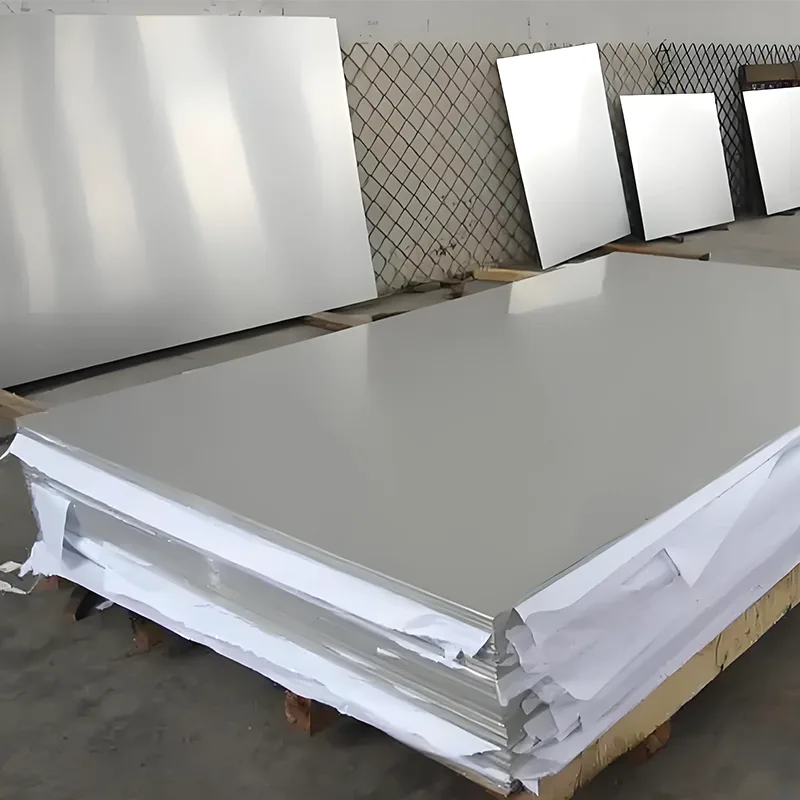
5754 Aluminum Alloy Sheet
5754 Aluminum Alloy Sheet is a high-magnesium, corrosion-resistant aluminum plate designed for marine, automotive, and chemical applications. As a reliable China manufacturer and supplier, Lingchuang offers factory-direct pricing and OEM/ODM services, with custom sizes and one-stop processing such as cutting, bending, welding, and surface treatment. This 5754 aluminum sheet features excellent seawater resistance, strong weldability, and higher strength than 5052, making it an ideal choice for bulk purchase and long-term supply.
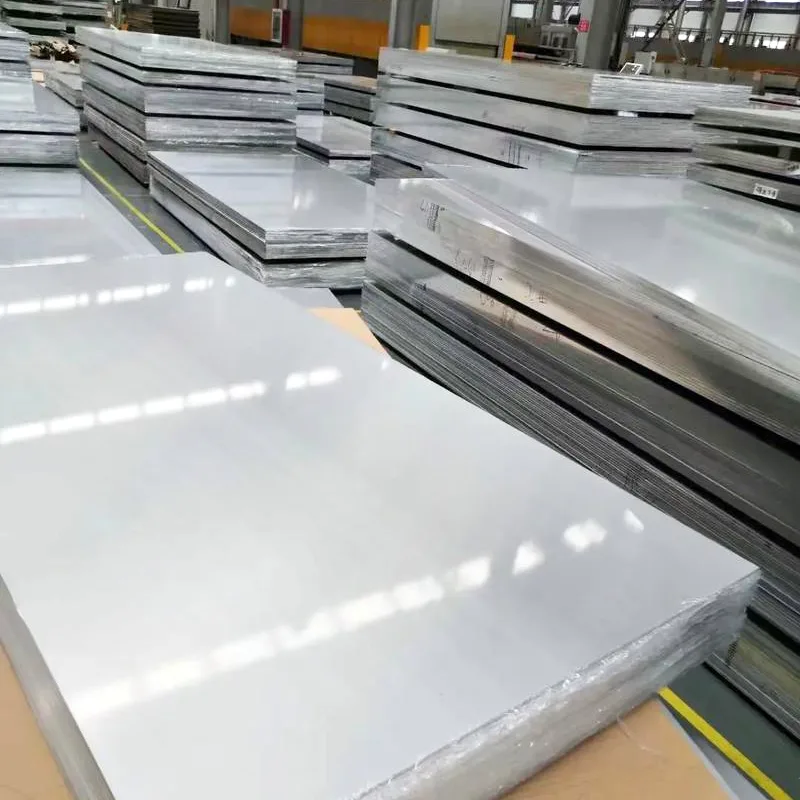
5052 Aluminum Alloy Sheet
5052 aluminum alloy sheet is an aluminum-magnesium alloy sheet primarily focused on rust prevention, while also considering formability and strength. Leading China manufacturers offer a one-stop service, from full-specification stock to customized processing, surface treatment, and technical support, suitable for the needs of various fields such as automotive, shipbuilding, and construction.
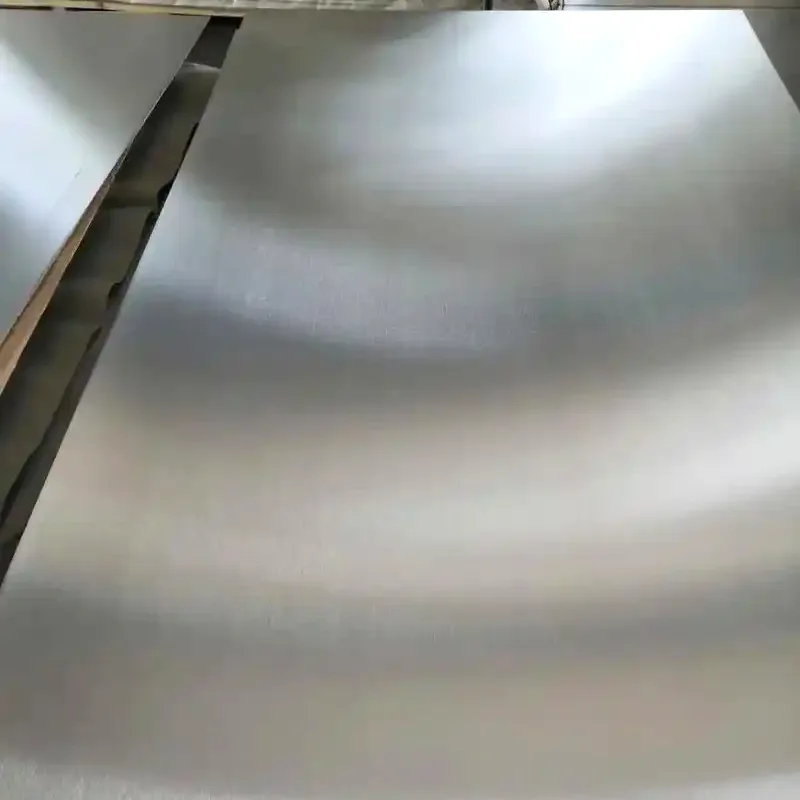
6061 Aluminum Alloy Sheet
6061 Aluminum Alloy Sheet from Lingchuang is a high-strength, corrosion-resistant aluminum plate with excellent weldability and machinability, ideal for structural, automotive, and industrial applications, offering stable quality, customizable sizes, and direct supply from a trusted China manufacturer, supplier, and factory—Lingchuang.
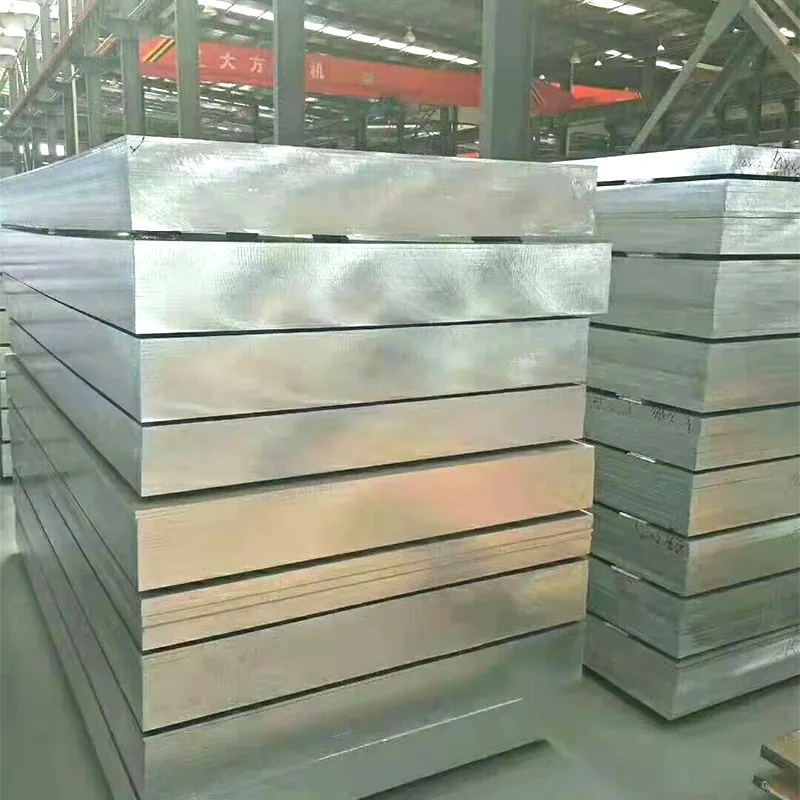
6063 Aluminum Alloy Sheet
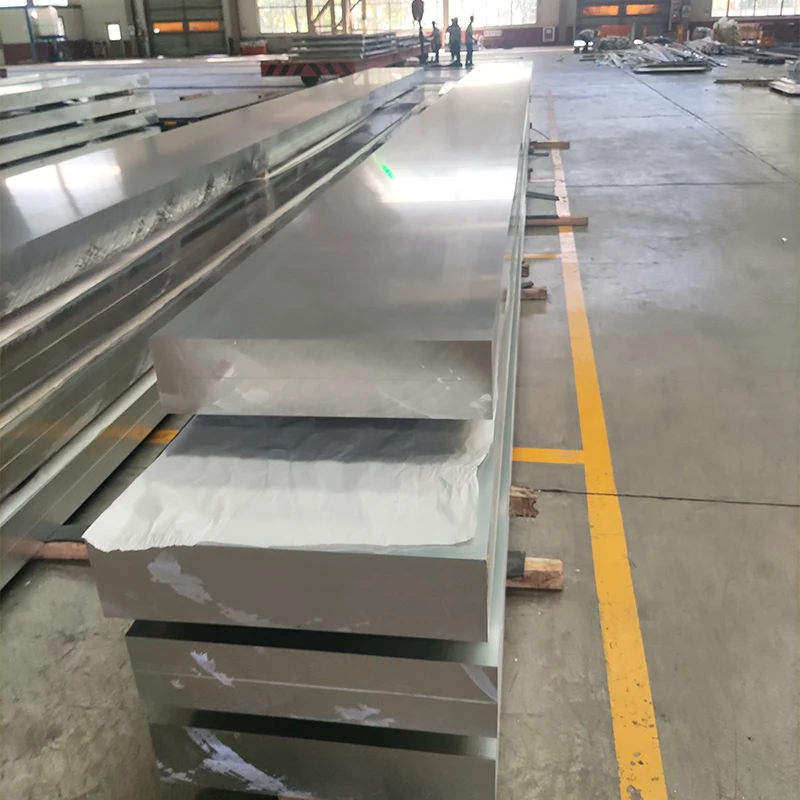
6063 Aluminum Alloy Sheet manufacturers offer sheets with thicknesses ranging from 0.3mm to 600mm, widths from 500-2650mm, and custom lengths available. Standard sizes include 1220×2440mm and 1500×3000mm. Leading China aluminum sheet manufacturers can supply O, T4, T6, T651, and H112 tempers, supporting lamination, leveling, slitting, and non-standard size processing, suitable for architectural decoration and industrial structural applications.
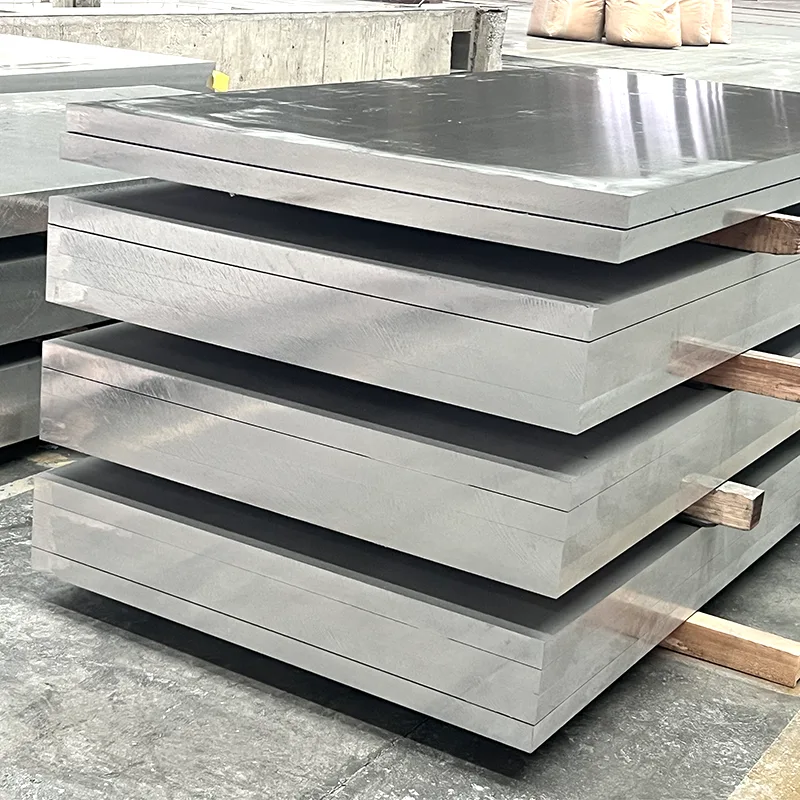
5083 Aluminum Alloy Sheet
Manufacturers of 5083 Aluminum Alloy Sheets can supply plates with thicknesses ranging from 0.15-500mm, widths from 20-2650mm, and lengths from 500-16000mm. Standard sizes are 1220×2440/1500×3000mm. Chinese suppliers offer O/H111/H112/H116/H321 tempers, supporting leveling, slitting, coating, precision cutting, and custom-made products to meet the corrosion-resistant welding needs of shipbuilding, pressure vessels, transportation, and other applications.
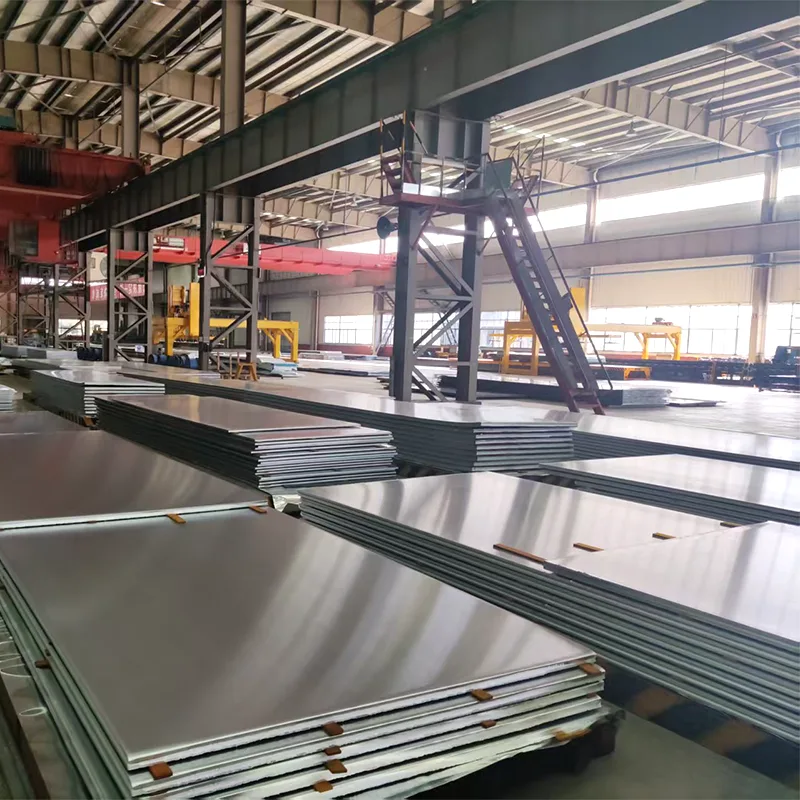
7075 Aluminum Alloy Sheet
Lingchuang 7075 Aluminum Alloy Sheet is a high-strength aerospace-grade material with zinc, magnesium, and copper as the main elements. After T6 heat treatment, it offers ultra-high strength, hardness, and fatigue resistance, ideal for aerospace parts, molds, and CNC machining. It has excellent cutting, milling, and drilling performance, suitable for wholesale and custom supply. However, weldability is poor and corrosion resistance is moderate, so surface protection is recommended. Lingchuang supports stable factory supply and bulk purchasing for global buyers.
Lingchuang is a professional Aluminum Plate manufacturer and supplier in China. Welcome to import quality products from our factory here.