Wholesale High-Quality Stainless Steel from China Factory
Stainless steel is an alloy steel made with chromium as the core alloying element, combined with metals such as nickel, molybdenum, manganese, and nitrogen. Relying on the dense passivation protective film formed by chromium on the surface, it isolates the steel from air, moisture, and acidic or alkaline media, resulting in characteristics such as rust resistance, corrosion resistance, high strength, good toughness, high temperature resistance, easy processing, and long service life.
Common mainstream materials:
201: Economical and general-purpose, mostly used in decoration and hardware;
304: National standard general-purpose, food-grade, industrial, and construction-grade;
316L: Acid and alkali resistant, salt spray resistant, used in coastal chemical plants;
309S/310S: High temperature and heat resistant, used in furnace bodies and high-temperature equipment;
2205/2507 Duplex Stainless Steel: High strength, strong corrosion resistance, suitable for harsh conditions in marine, desulfurization, and chemical industries;
904L/254SMO: Super corrosion resistant, suitable for extreme environments such as strong acids and seawater desalination.
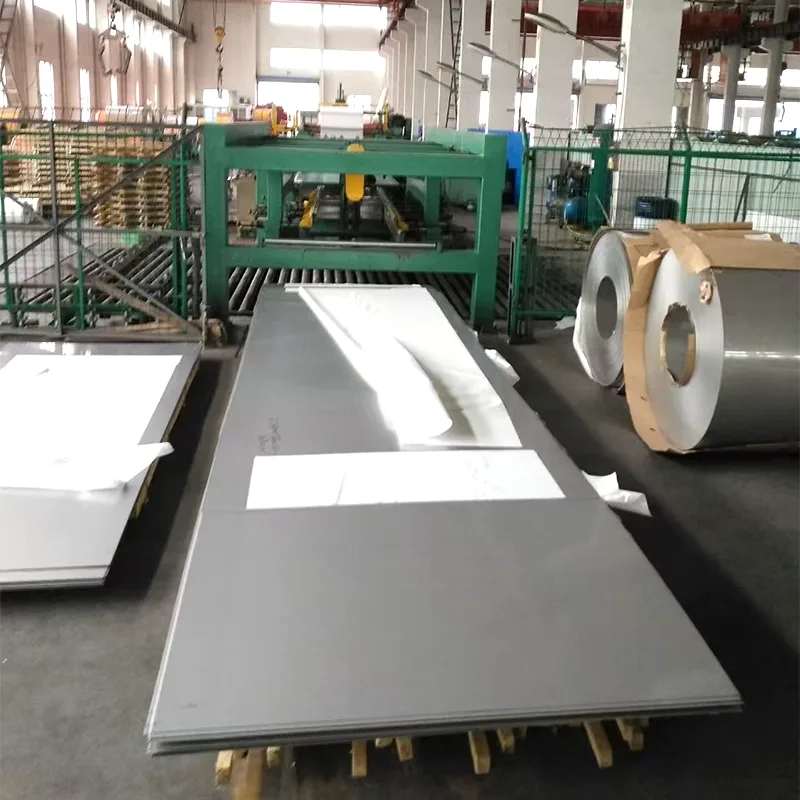
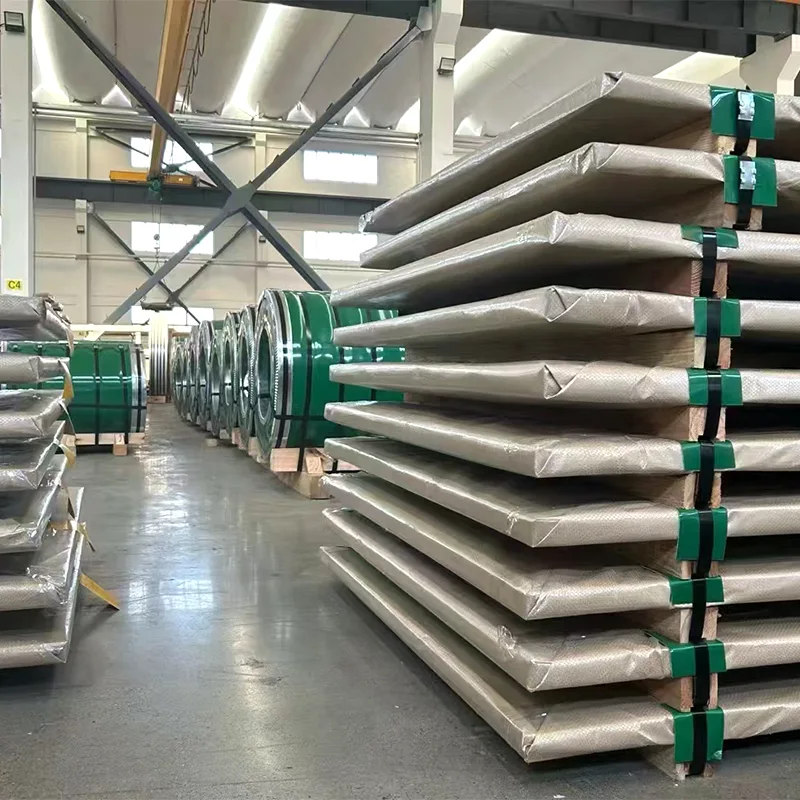
China's leading stainless steel manufacturer offers a full range of stainless steel products in stock: stainless steel coils, stainless steel plates, and stainless steel pipes.
1. Stainless steel coils:
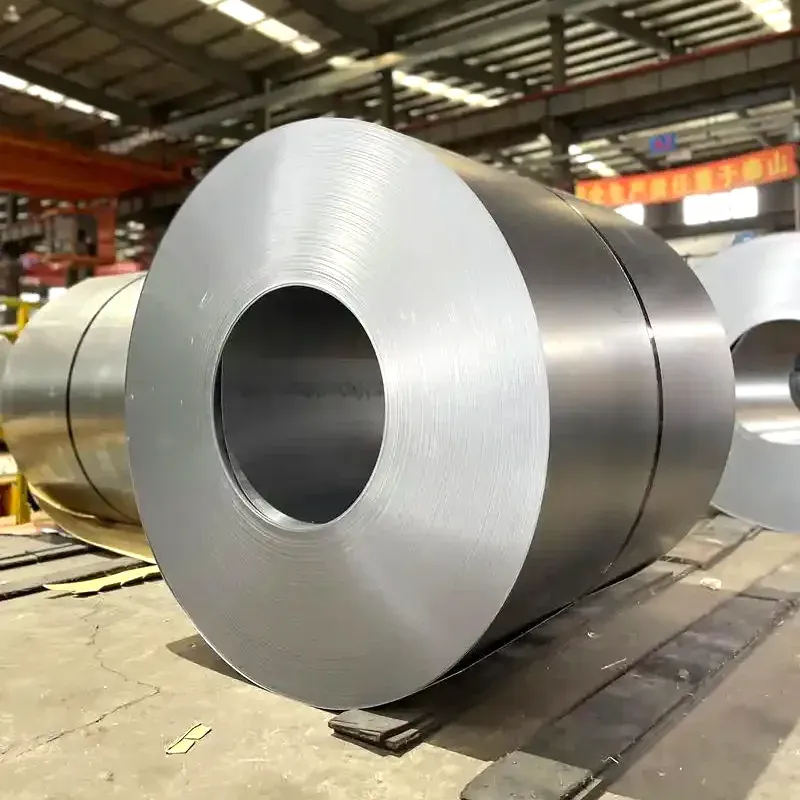
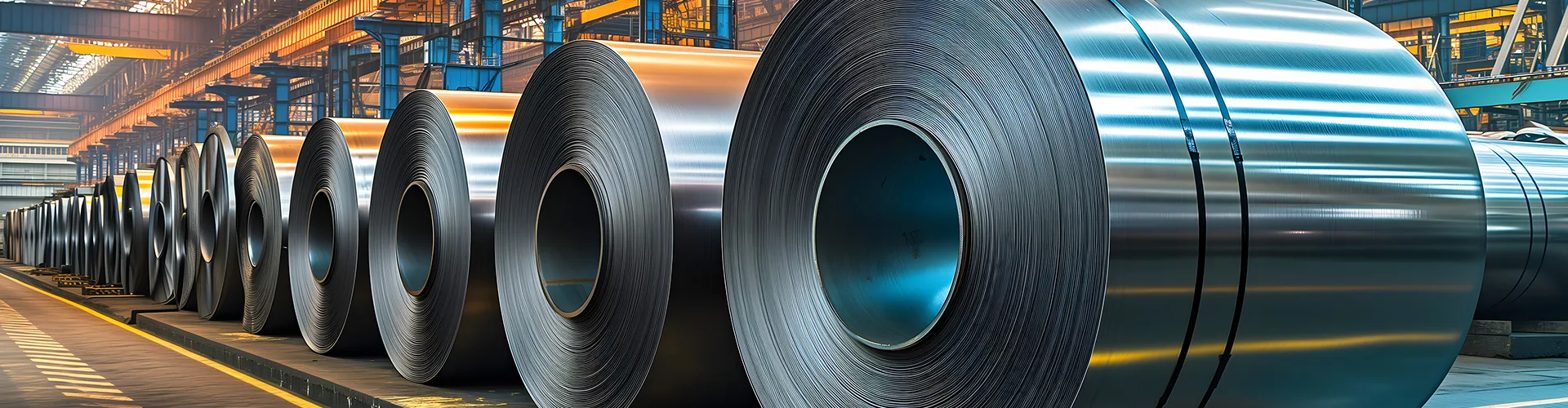
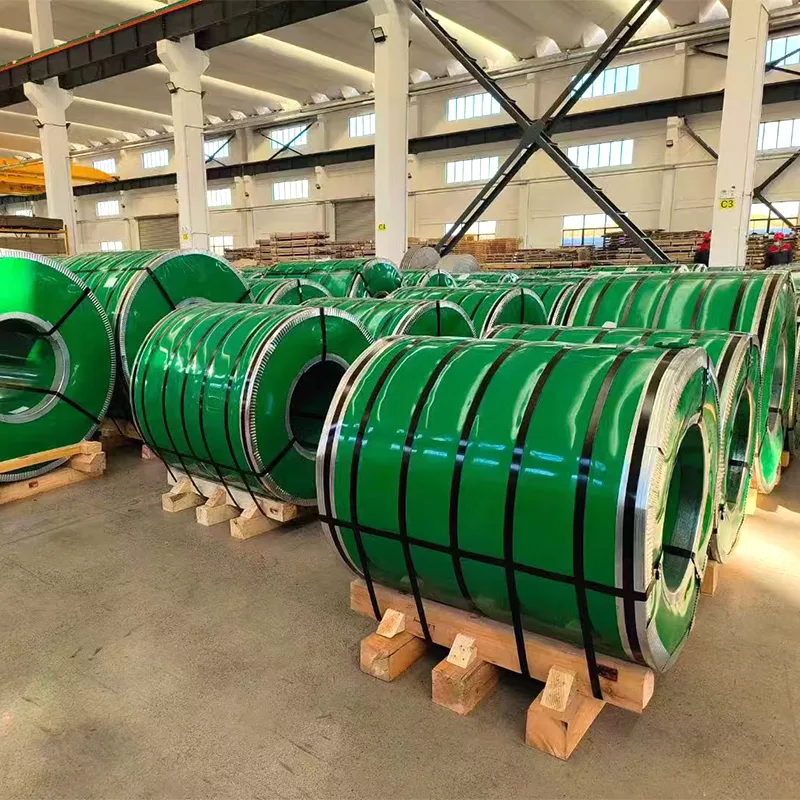
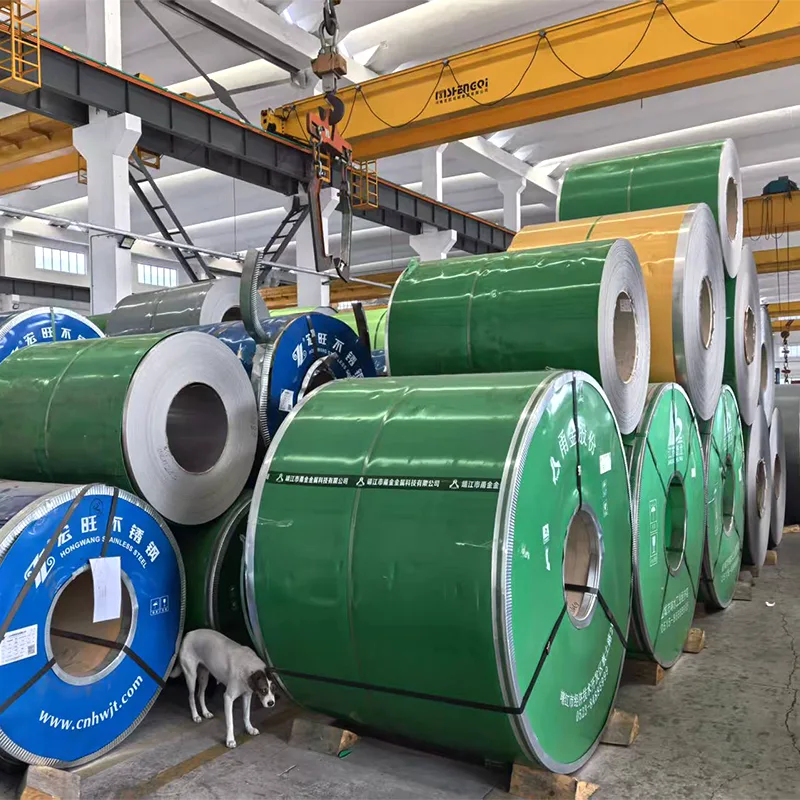
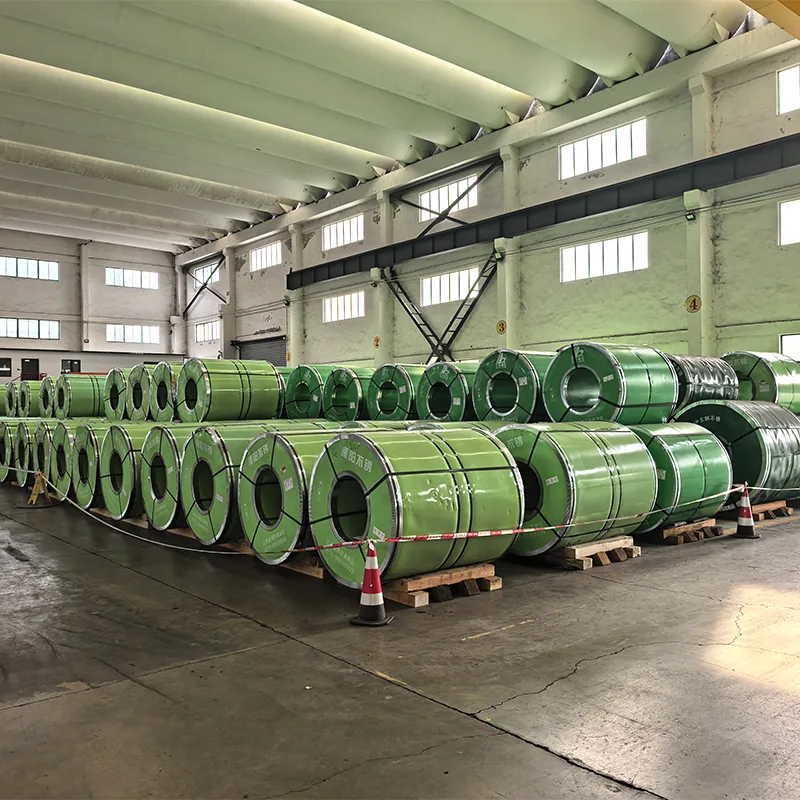
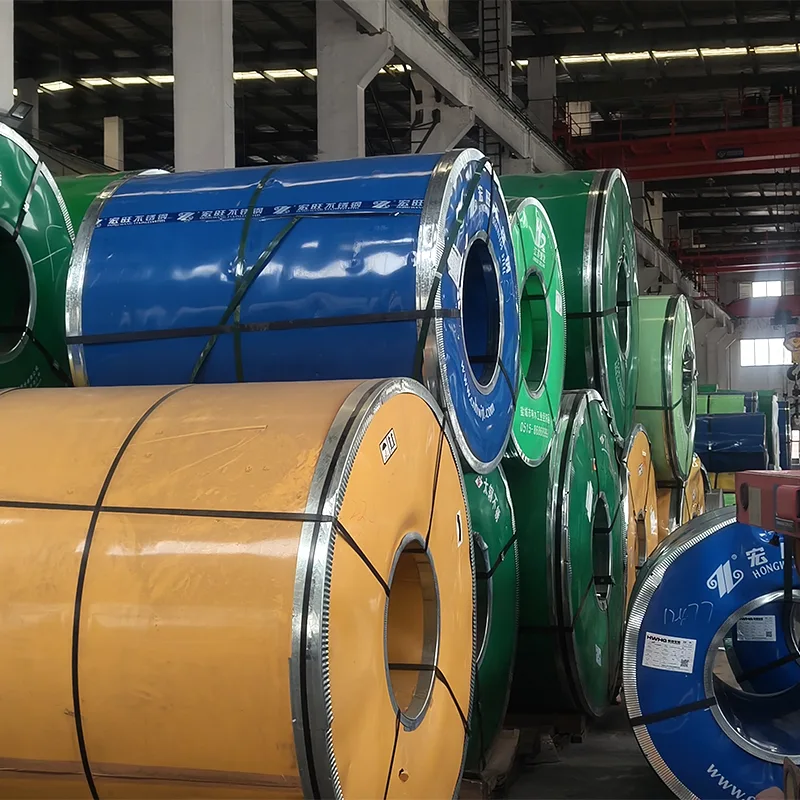
Covering cold-rolled coils and hot-rolled pickled coils, with a variety of materials and surface finishes, and complete specifications. Custom processing including slitting, leveling, coating, brushing, and polishing is available. Further processing is possible for sheet metal production, hardware products, curtain walls, tank bodies, etc.
2. Stainless steel plates:
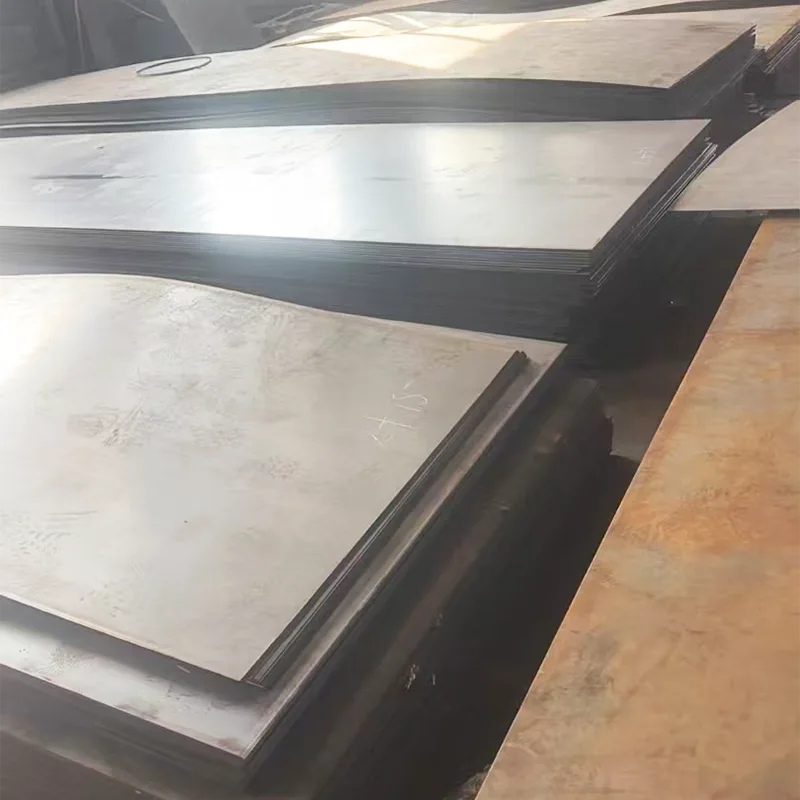
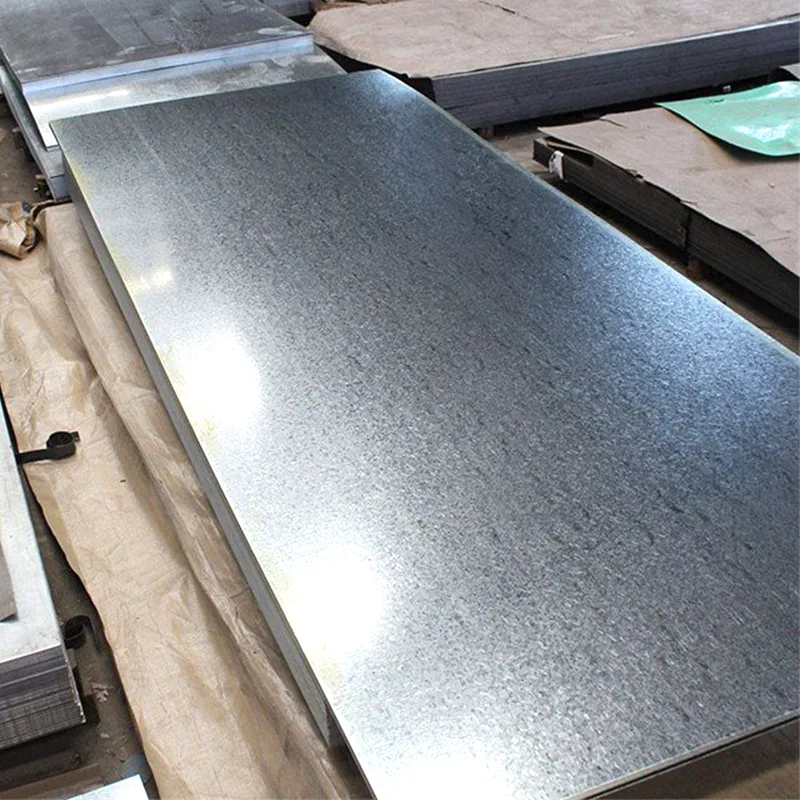
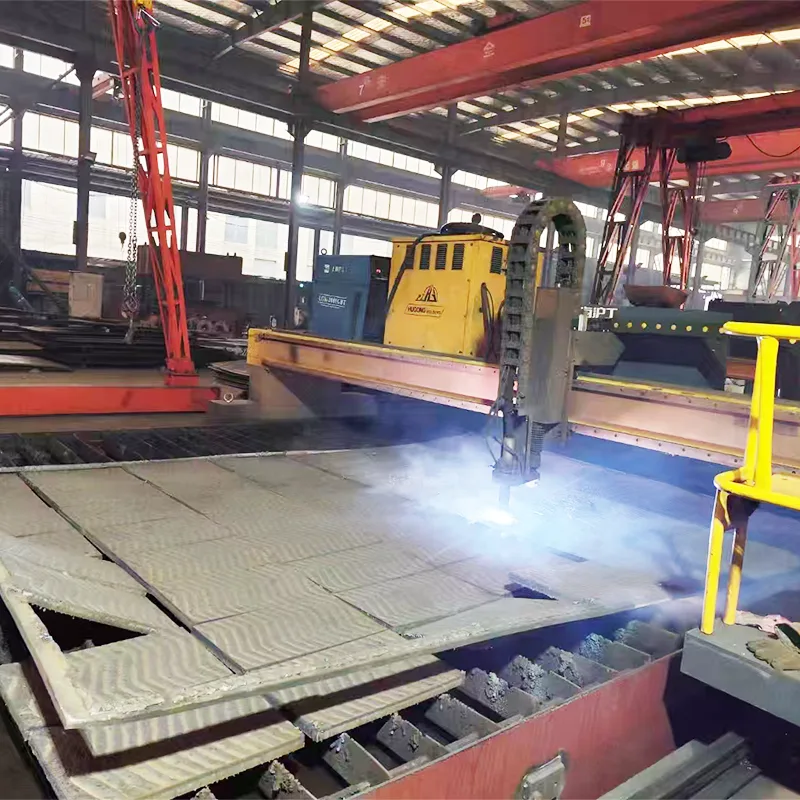
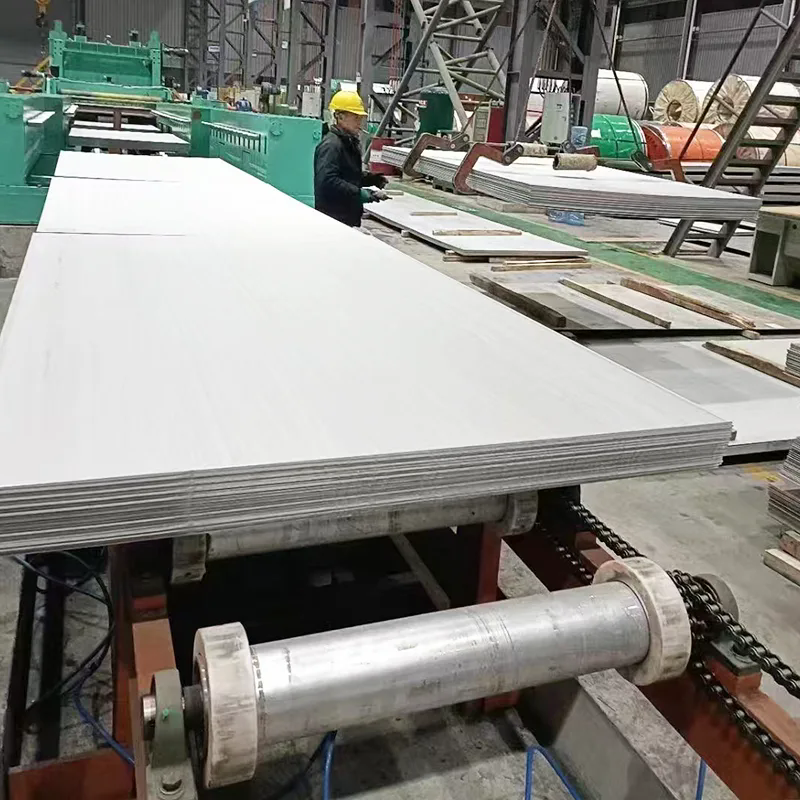
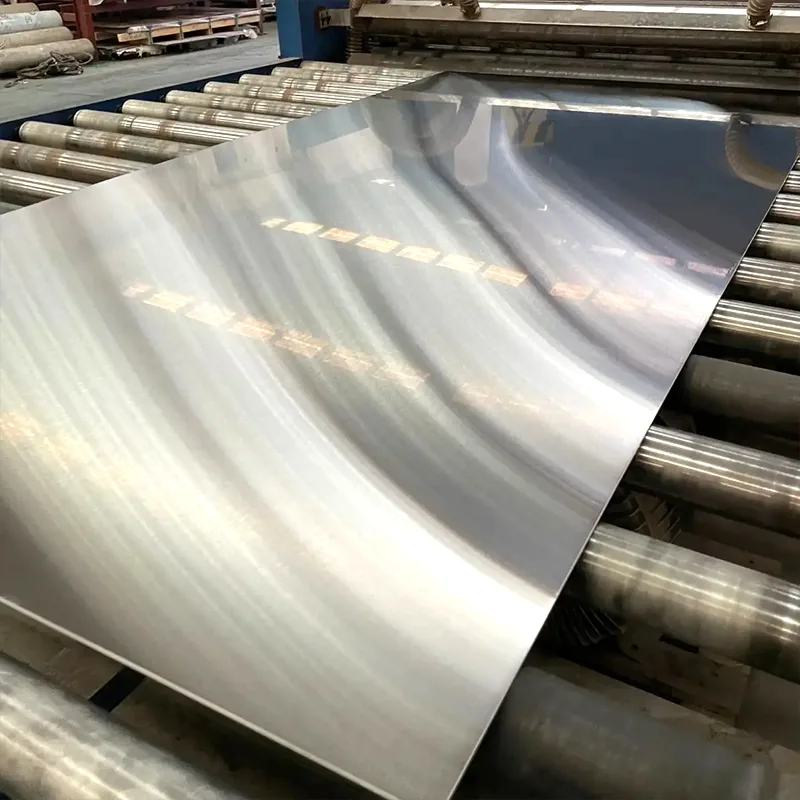
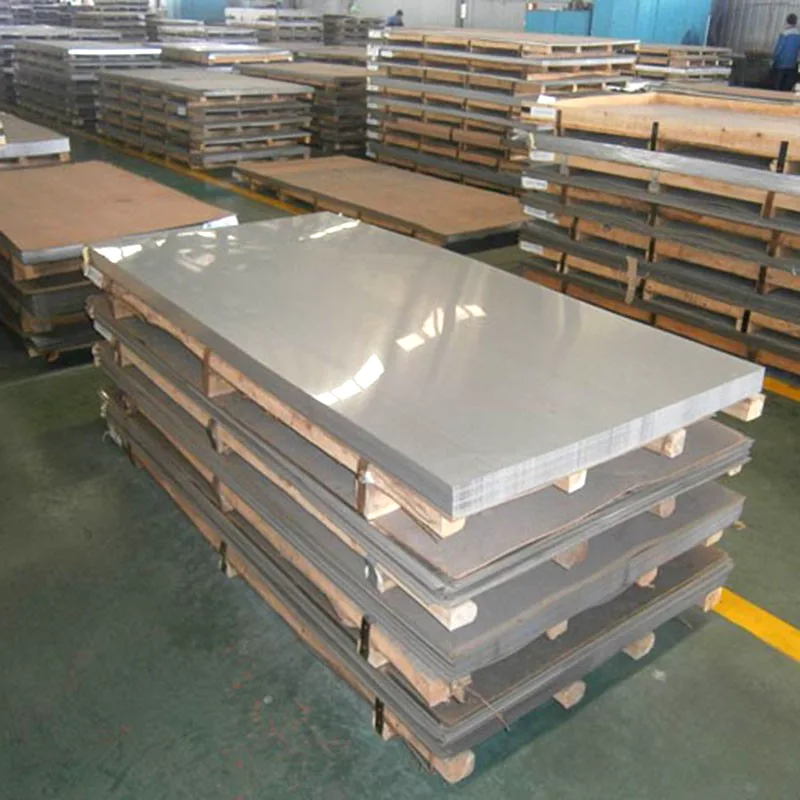
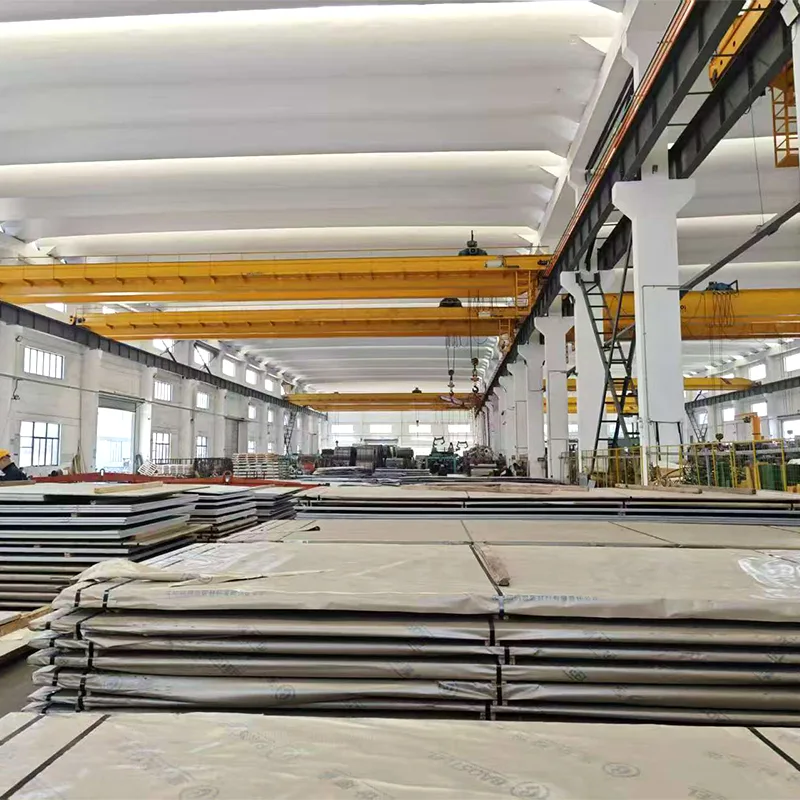
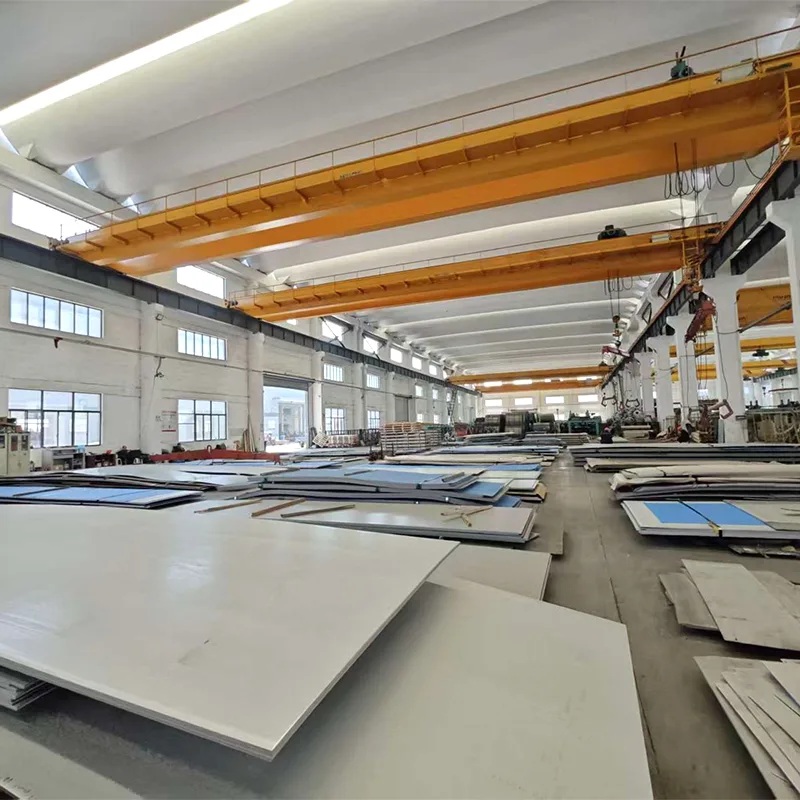
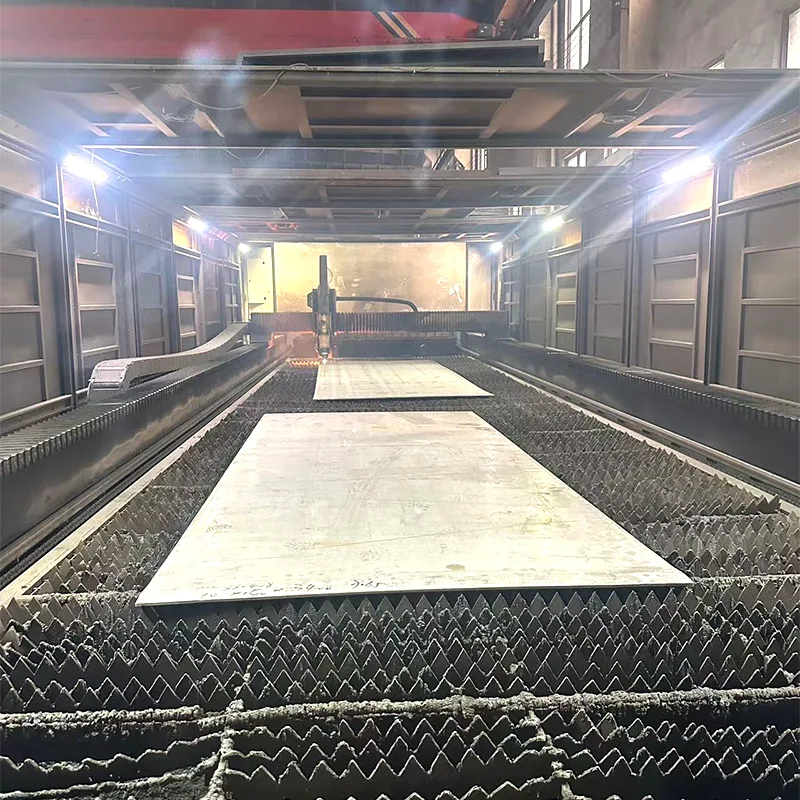
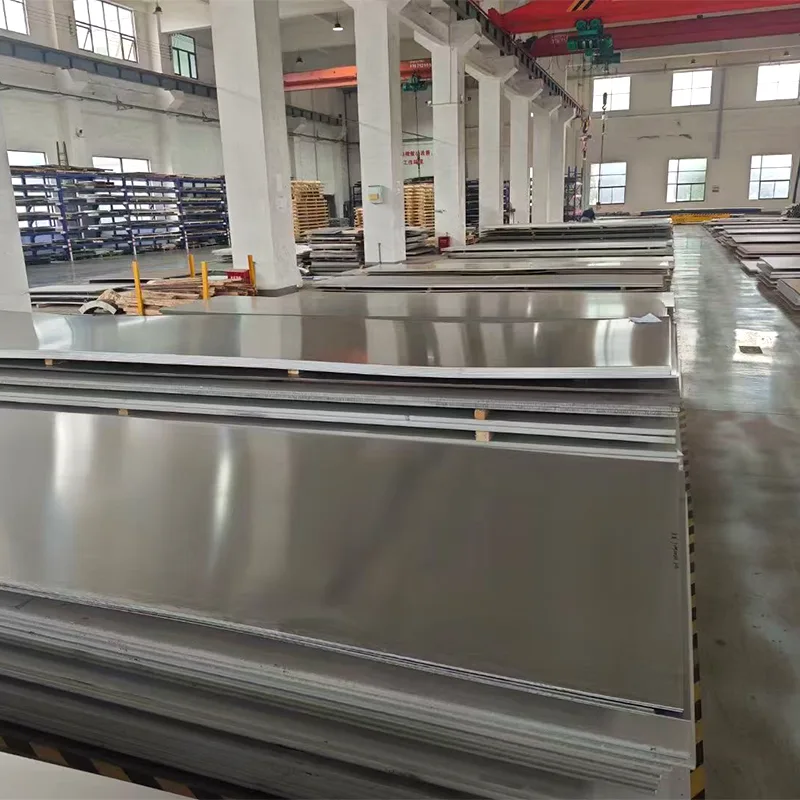
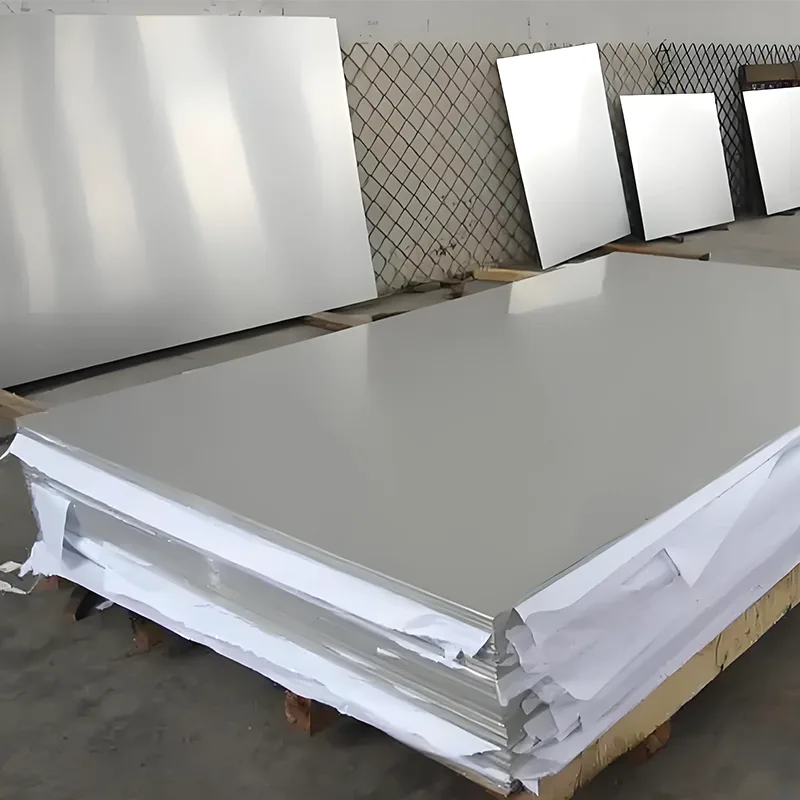
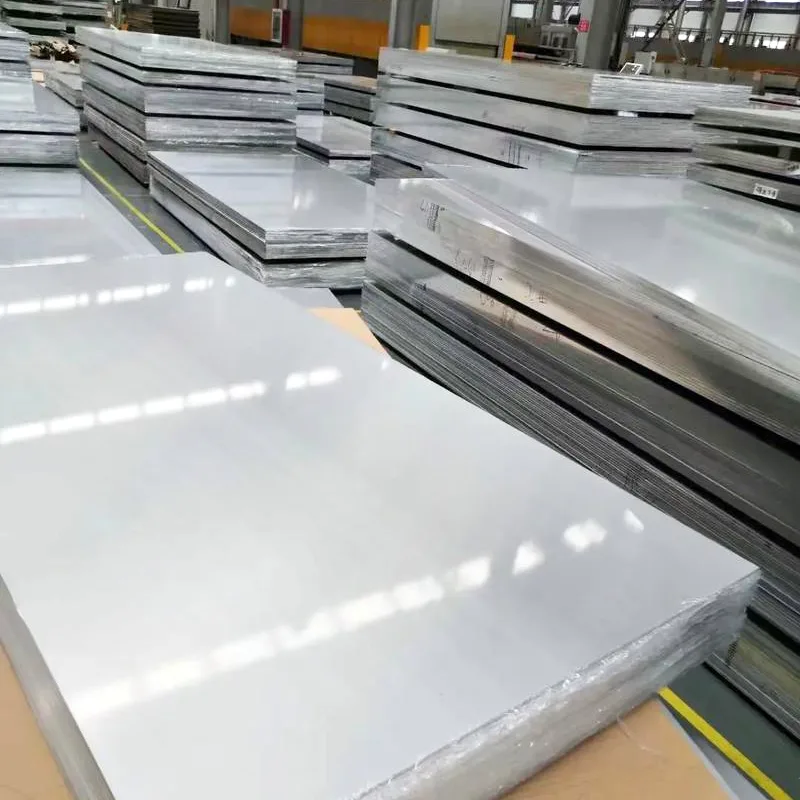
Including cold-rolled thin plates, hot-rolled medium-thick plates, heat-resistant plates, duplex stainless steel special plates, and patterned plates. Laser cutting, bending, and length processing are available. Widely used in chemical equipment, environmental desulfurization, marine engineering, building curtain walls, pressure vessels, etc.
3. Stainless steel pipes:
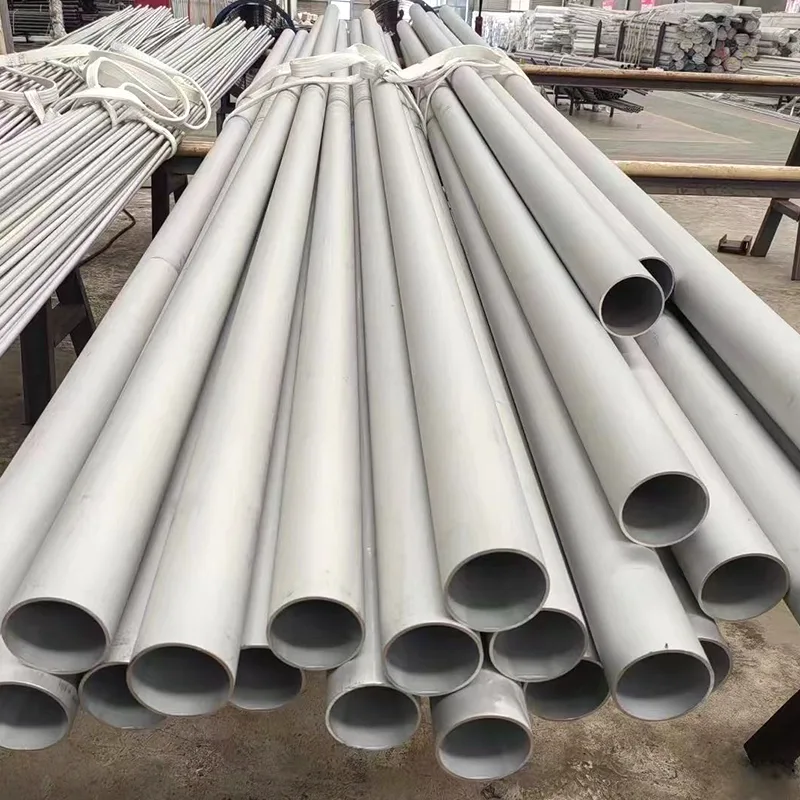
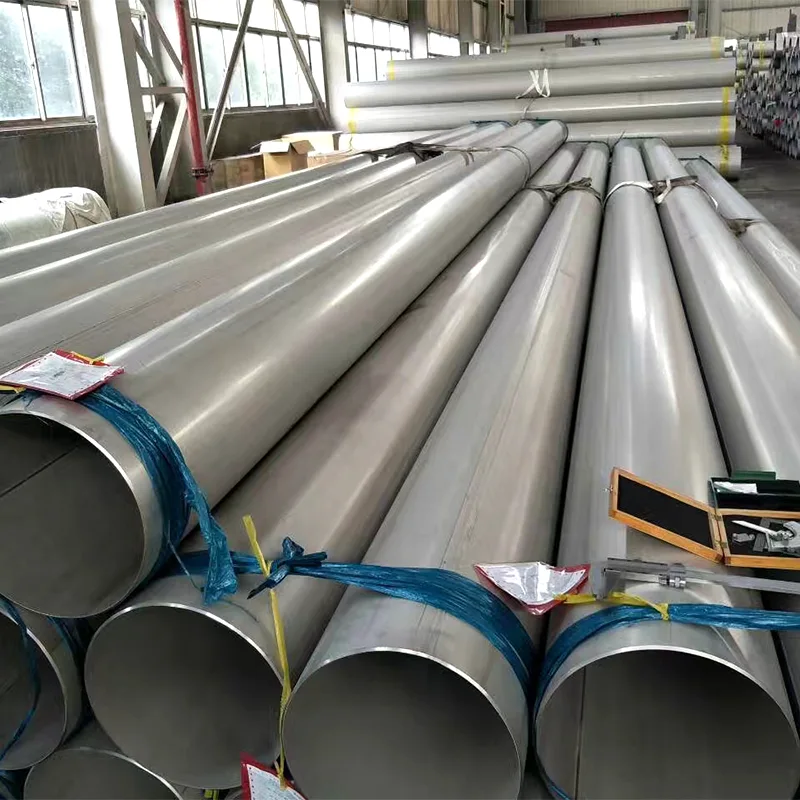
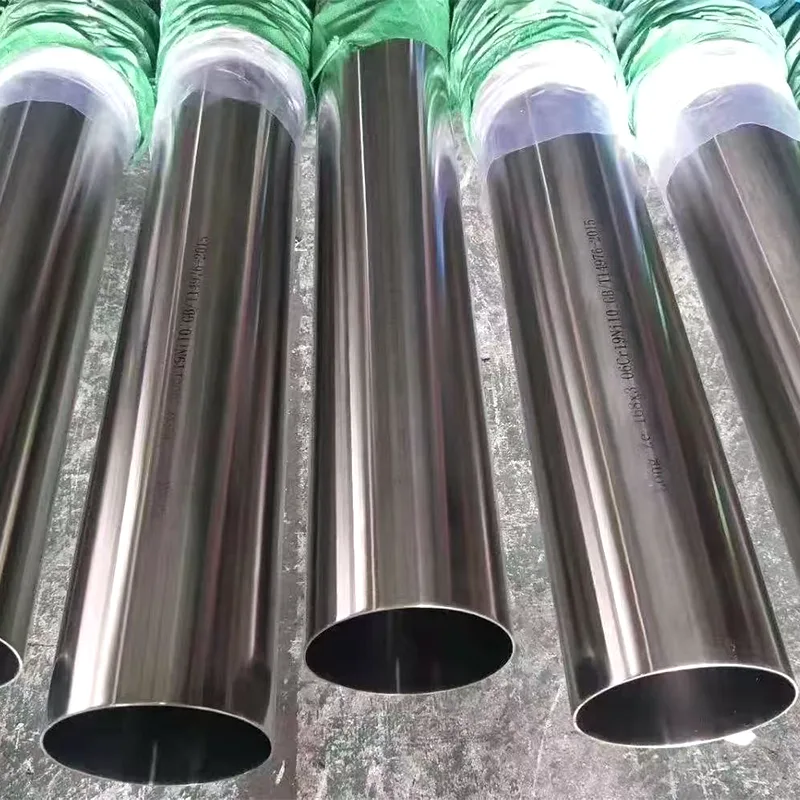
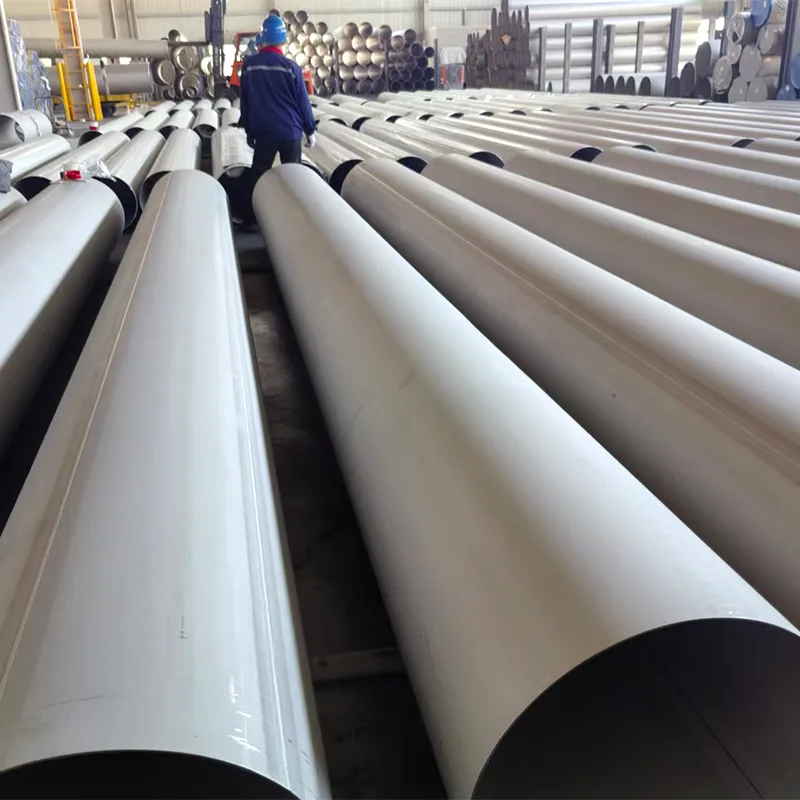
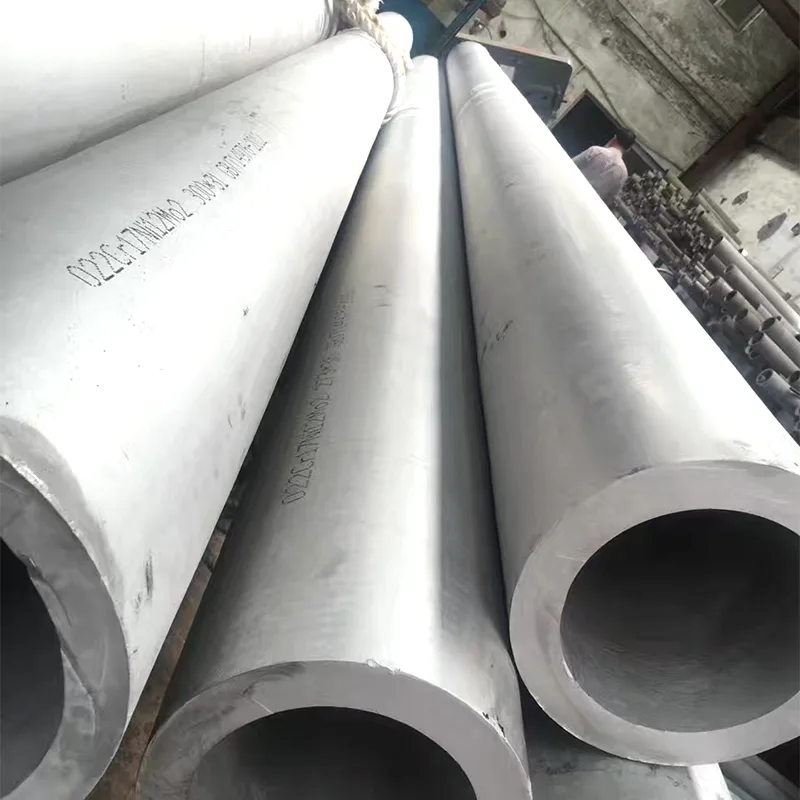
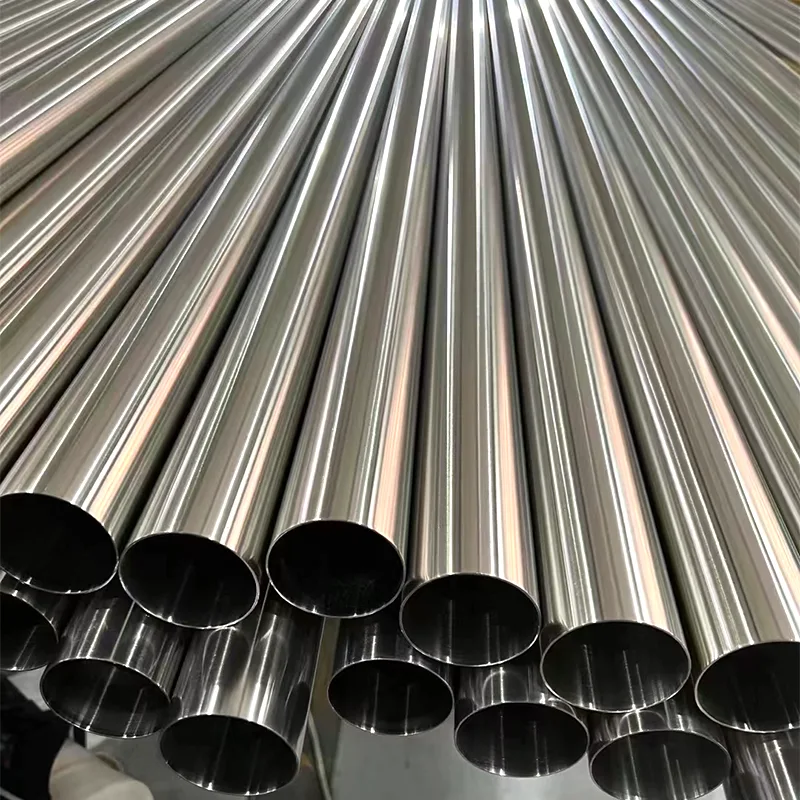
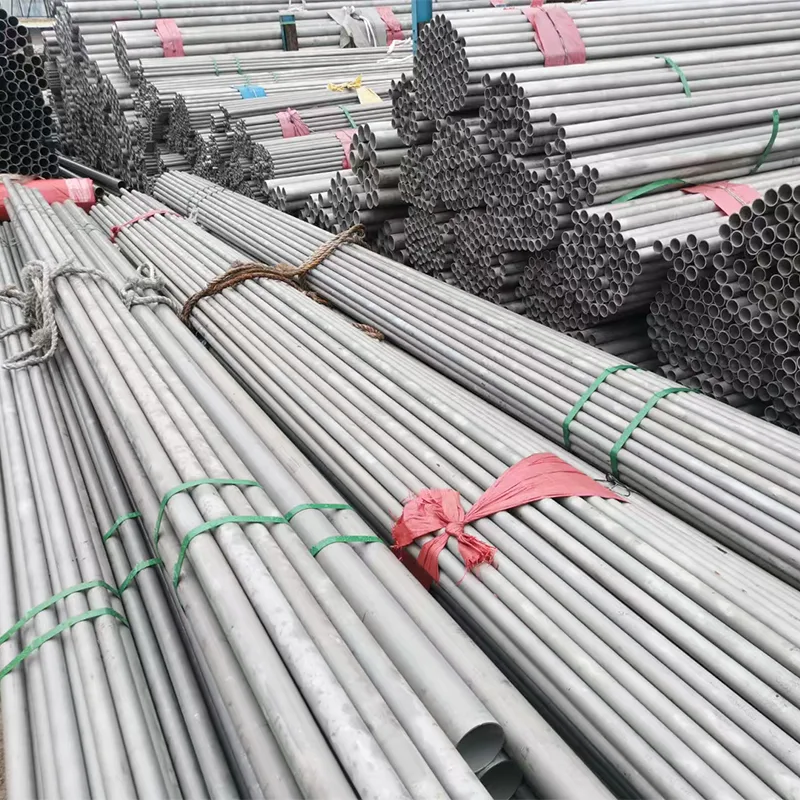
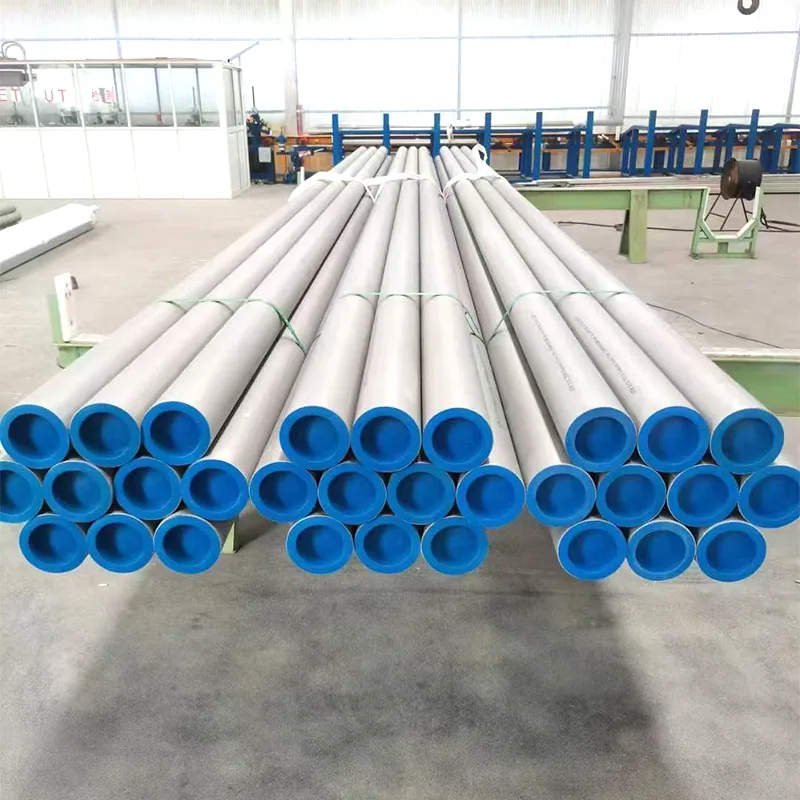
Divided into industrial seamless pipes, industrial welded pipes, and decorative round/square/rectangular pipes. Internal and external polishing, length cutting, and beveling are supported. Suitable for fluid transportation, boiler piping, water supply and drainage, steel structure decoration, and environmental protection equipment piping.
What are the essential differences between stainless steel and carbon steel?
I. Fundamentally Different Material Composition
Carbon Steel: Primarily composed of iron and carbon, containing almost no alloying elements such as chromium and nickel; it is simply ordinary carbon structural steel.
Stainless Steel: Based on iron, with a chromium content of ≥10.5%, and the addition of alloying elements such as nickel, molybdenum, manganese, and nitrogen; it belongs to high-alloy special steel.
II. Rust and Corrosion Prevention Principles (Biggest Fundamental Difference)
Carbon Steel: Upon contact with air, moisture, and rain, it directly oxidizes and rusts; rust is loose and porous, unable to protect the interior, and will continue to corrode and permeate.
Stainless Steel: Relies on chromium to automatically generate a dense, self-healing passivation protective film, sealing the steel surface, isolating it from air and corrosive media, making it less prone to rusting, resistant to acids and alkalis, and resistant to salt spray.
III. Performance Differences
Toughness and Machining: Carbon steel has high hardness, is easy to weld and cut; stainless steel has greater work hardening, making it more difficult to cut than carbon steel.
Service Life: Carbon steel rusts and becomes unusable after a few years outdoors; stainless steel can last for decades.
IV. Appearance and Uses
Carbon Steel: Prone to rust, often requires anti-corrosion spraying or painting; widely used in structural supports, factory steel structures, ordinary pipes, and machine bases.
Stainless Steel: Smooth and attractive surface, requires no painting; widely used in decoration, chemical equipment, environmental desulfurization, marine engineering, food equipment, and pipe and sheet materials.
V. Price and Cost
Carbon steel has inexpensive raw materials and a high cost-performance ratio; stainless steel contains rare alloys, making its cost significantly higher than carbon steel.
In short, carbon steel is ordinary iron-carbon steel, prone to rust, and relies on painting for corrosion prevention; stainless steel is a chromium alloy steel, with a built-in anti-corrosion layer and is rust-resistant throughout its lifespan.
Which is better, 304 or 316 stainless steel?
There is no absolute answer; choose the most suitable one based on your needs:
316 has better corrosion resistance. 316 contains molybdenum, making it far more resistant to salt spray, chloride ions, acids, alkalis, and seawater corrosion than 304; it is less prone to rusting in coastal, humid, chemical, and aquatic environments. 304 is only suitable for ordinary indoor, freshwater, and generally dry environments; it is prone to rusting in coastal outdoor environments.
Applicable Scenarios
Choose 304: Household kitchenware, interior decoration, general equipment, stair railings, and standard hardware. High cost-performance ratio, sufficient and economical.
Choose 316: Coastal outdoor use, seawater equipment, chemical pipelines, medical devices, pharmaceutical and food processing equipment, and hot spring/high humidity/salt spray environments.
Price
316 costs significantly more than 304. Use 304 if budget is limited and working conditions are ordinary; for harsh environments with severe corrosion, go for 316 for durability and peace of mind.
In short: 304 is sufficient and cost-effective for ordinary environments; 316 is better for coastal, seawater, acid/alkali, and specialized working conditions.
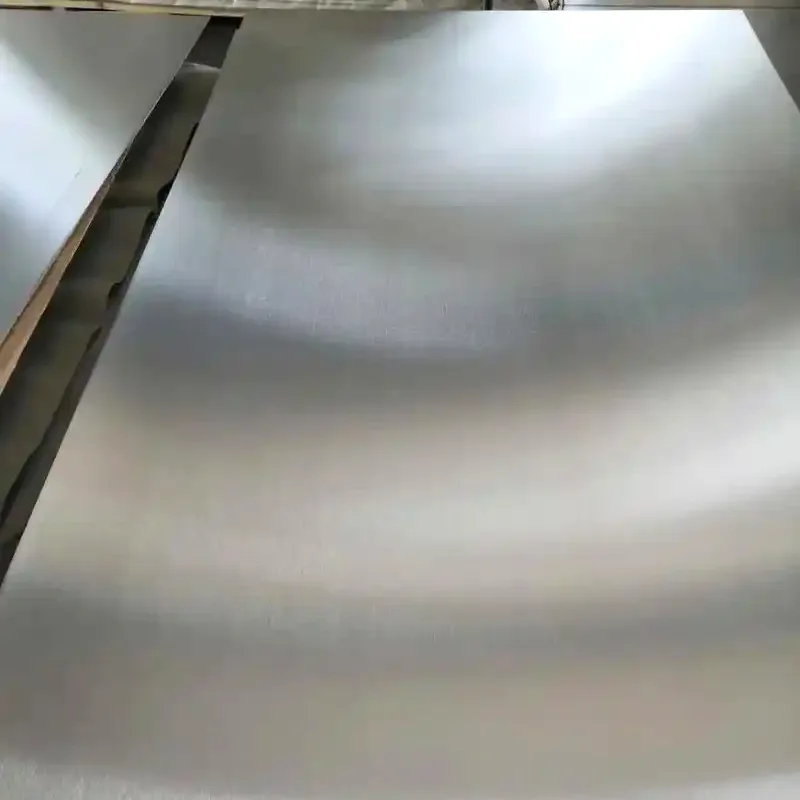
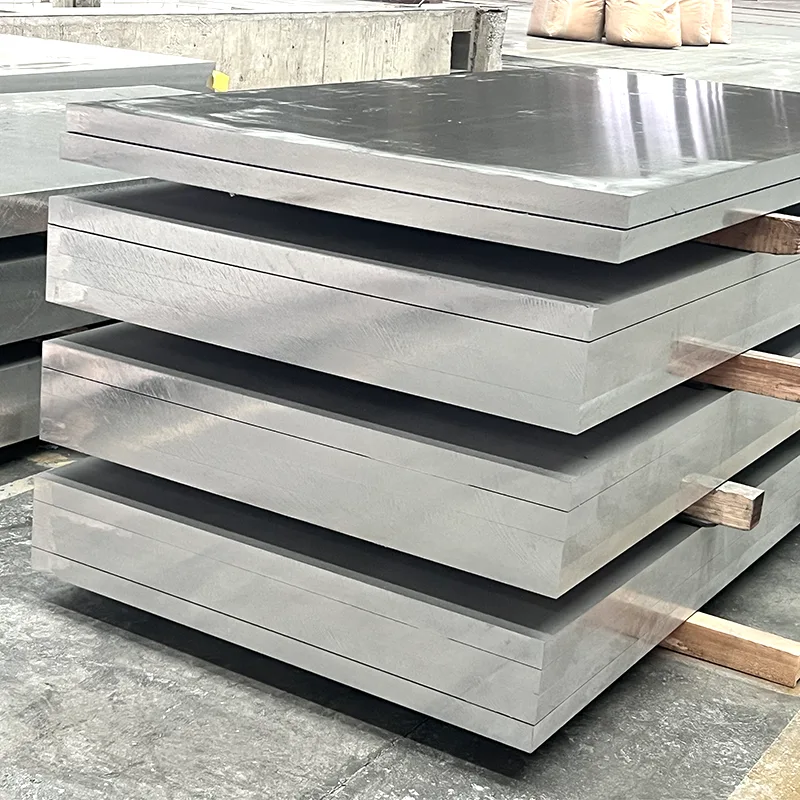
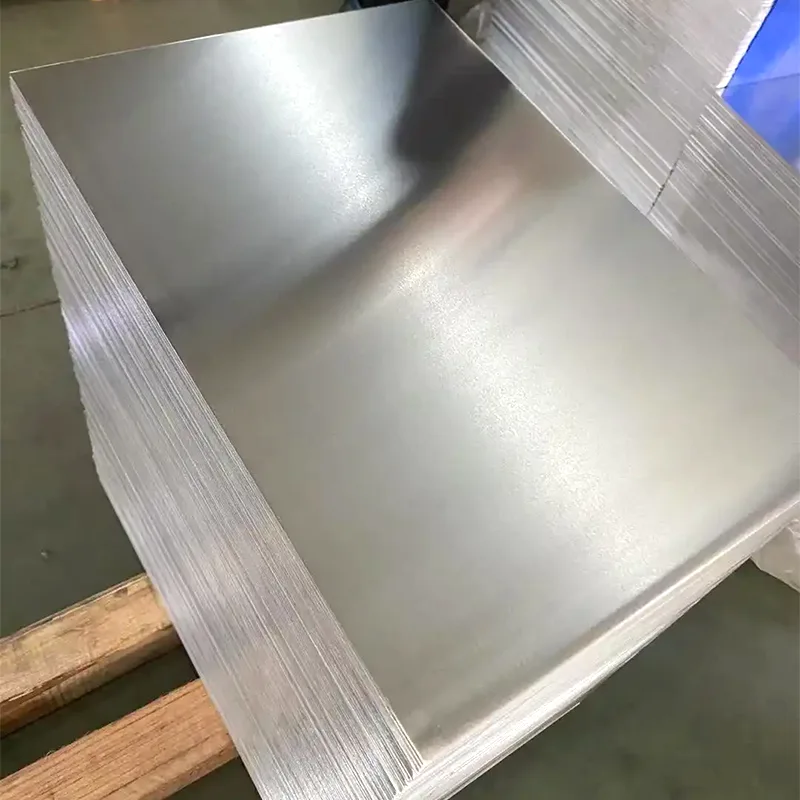
- View as
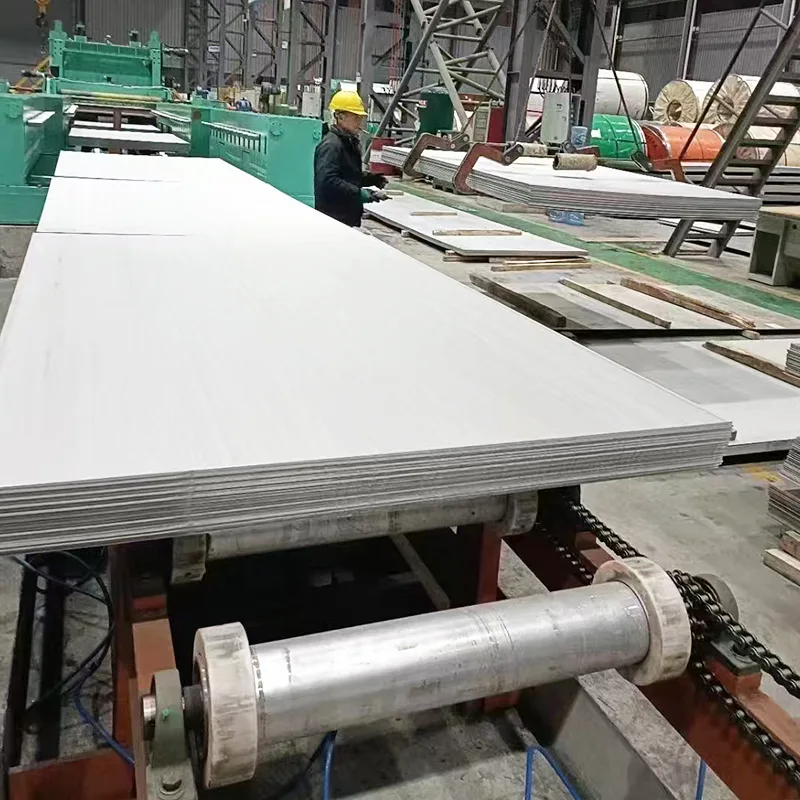
316L Cold-Rolled Stainless Steel Sheet
316L Cold-Rolled Stainless Steel Sheet is a low-carbon, molybdenum-containing austenitic stainless steel. Its resistance to acids, alkalis, and chloride ion corrosion is far superior to 304, making it a commonly used plate in highly corrosive environments. It is divided into two main categories based on rolling process: cold-rolled and hot-rolled plates.
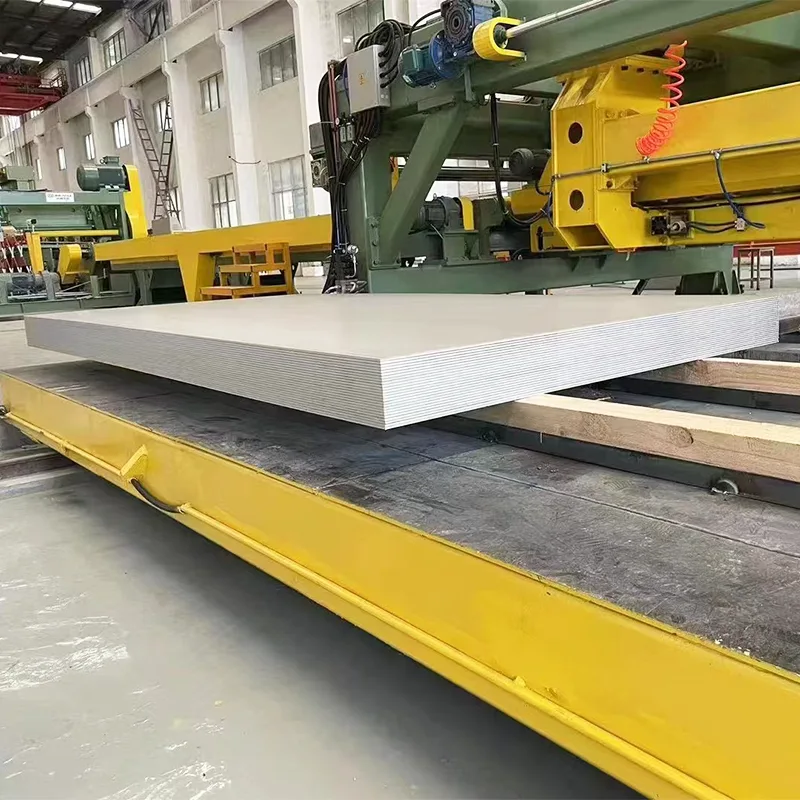
201 Cold-Rolled Stainless Steel Sheet
China's leading stainless steel sheet manufacturer directly supplies 201 cold-rolled and hot-rolled sheets. 201 Cold-Rolled Stainless Steel Sheets are primarily thin, with thicknesses ranging from 0.25 to 6.0 mm. Common widths are 1000, 1219, and 1500 mm, and lengths are mostly 2000, 2438, and 6000 mm. Hot-rolled sheets are mainly medium to heavy, with thicknesses ranging from 3.0 to 50 mm, and extra-thick sheets reaching 200 mm. Common widths are 1219, 1500, and 2000 mm, and lengths are mainly 6000 and 12000 mm. The specifications for the 3-6 mm range overlap between the two types of sheets.
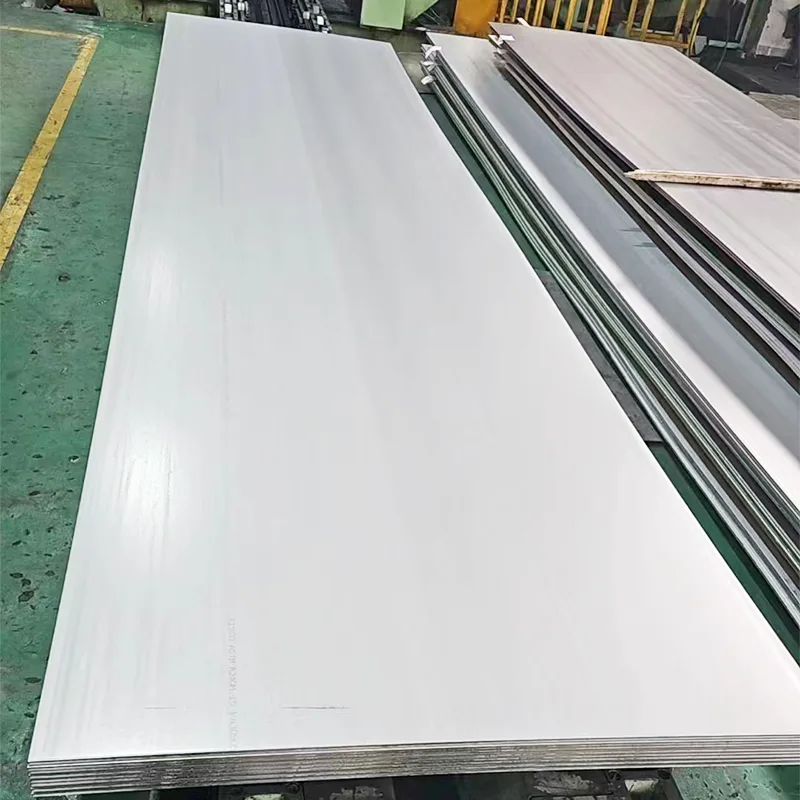
304 Cold-Rolled Stainless Steel Sheet
Leading Chinese supplier offers 304 Cold-Rolled Stainless Steel Sheets in a full range of specifications, with a large inventory readily available. We can also level, slit, and customize sizes to order. Sufficient supply and stable production capacity ensure short delivery times. All products come with original manufacturer material reports, and we maintain strict quality control, guaranteeing long-term, stable supply.
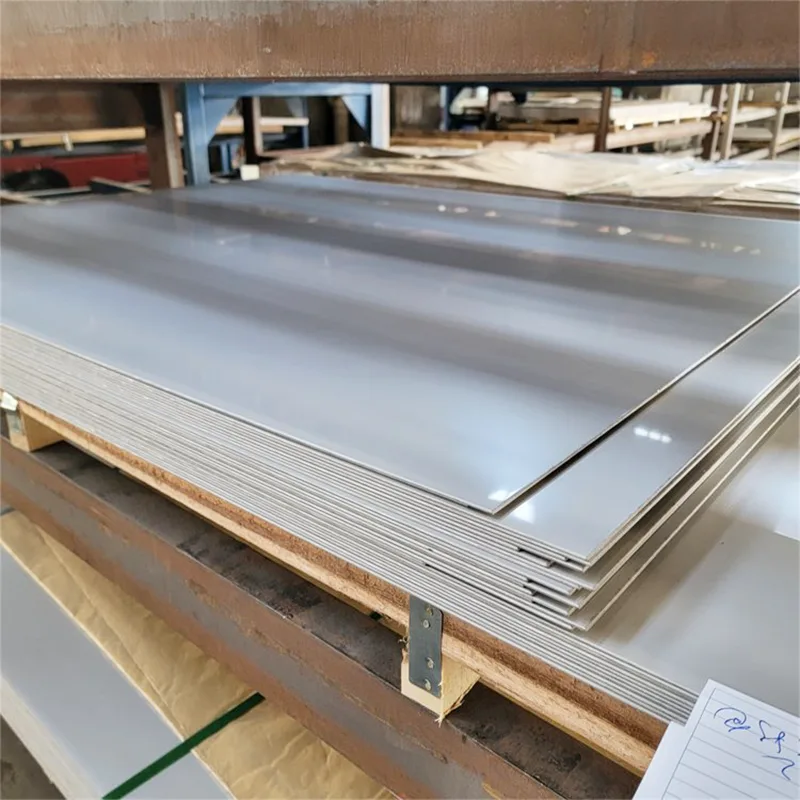
439 Stainless Steel Sheet
Lingchuang 439 Stainless Steel Sheet offers excellent corrosion resistance, heat resistance, weldability, and cost-effective performance, making it an ideal choice for global buyers seeking reliable automotive, industrial, and custom stainless steel sheet solutions.
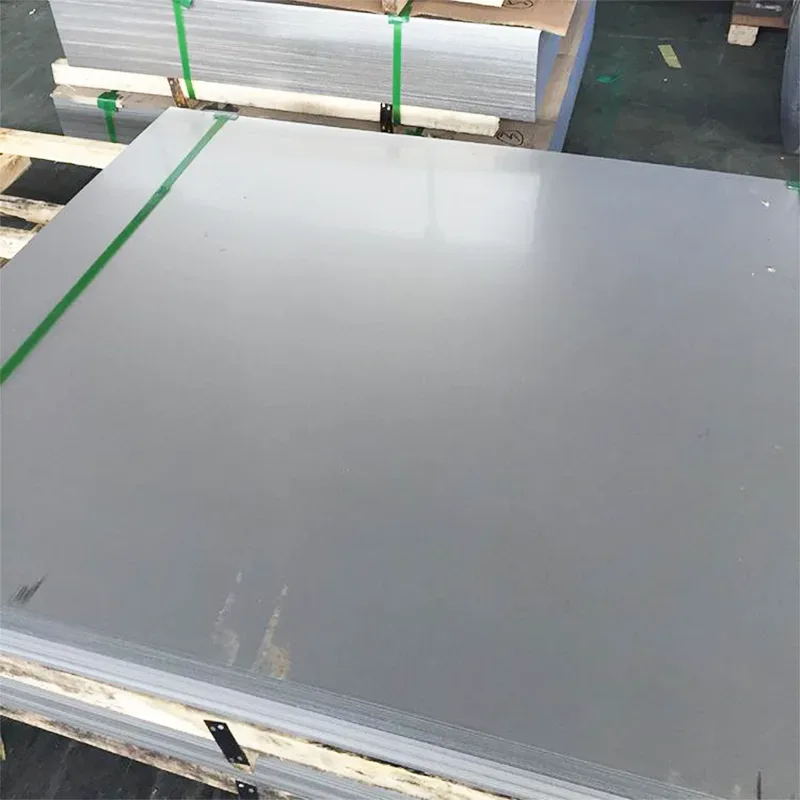
443 Stainless Steel Sheet
443 stainless steel sheet uses a nickel-free formulation, reducing costs (approximately 20-30% lower than 304). Its corrosion resistance and machinability are close to 304, and its resistance to intergranular corrosion after welding is significantly better than 430/439.
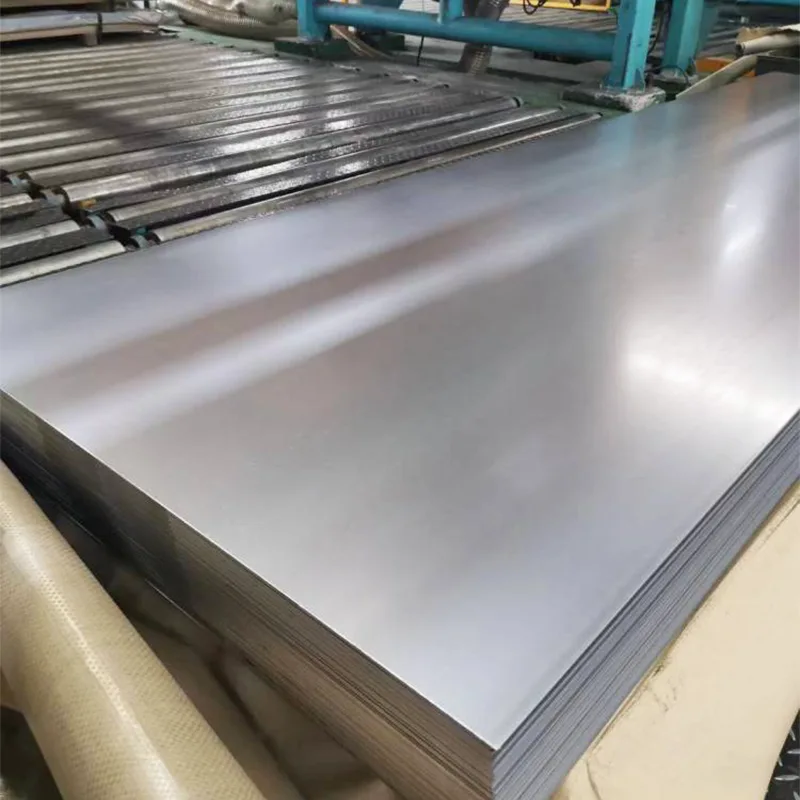
430 Stainless Steel Sheet
430 Stainless Steel Sheet is a common ferritic stainless steel, with the national standard designation 06Cr17. It is nickel-free and contains approximately 17% chromium.
It has better rust resistance than 439, is more economical, and has good cold stamping and bending forming properties; however, its resistance to intergranular corrosion is average, and it is prone to corrosion problems after welding. Its resistance to high temperatures, acids, alkalis, and chloride ion corrosion is relatively weak.
It has better rust resistance than 439, is more economical, and has good cold stamping and bending forming properties; however, its resistance to intergranular corrosion is average, and it is prone to corrosion problems after welding. Its resistance to high temperatures, acids, alkalis, and chloride ion corrosion is relatively weak.
Lingchuang is a professional Stainless Steel manufacturer and supplier in China. Welcome to import quality products from our factory here.