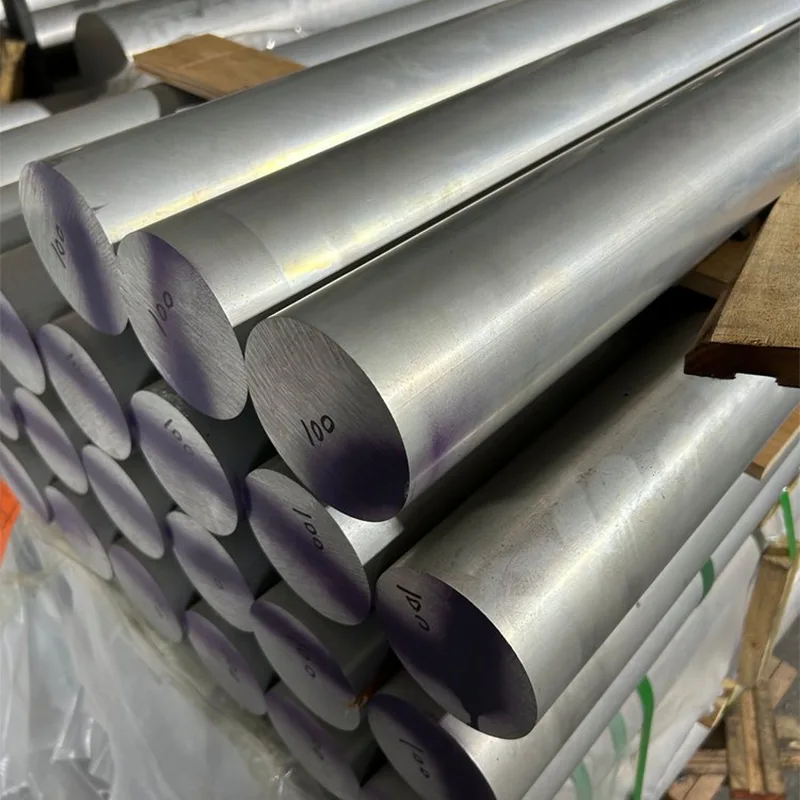
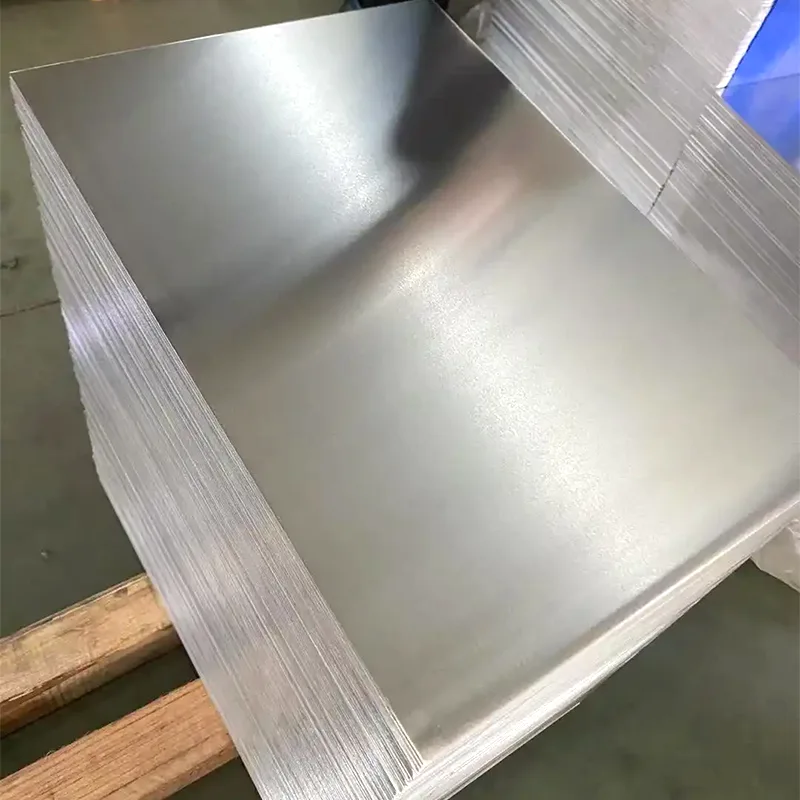
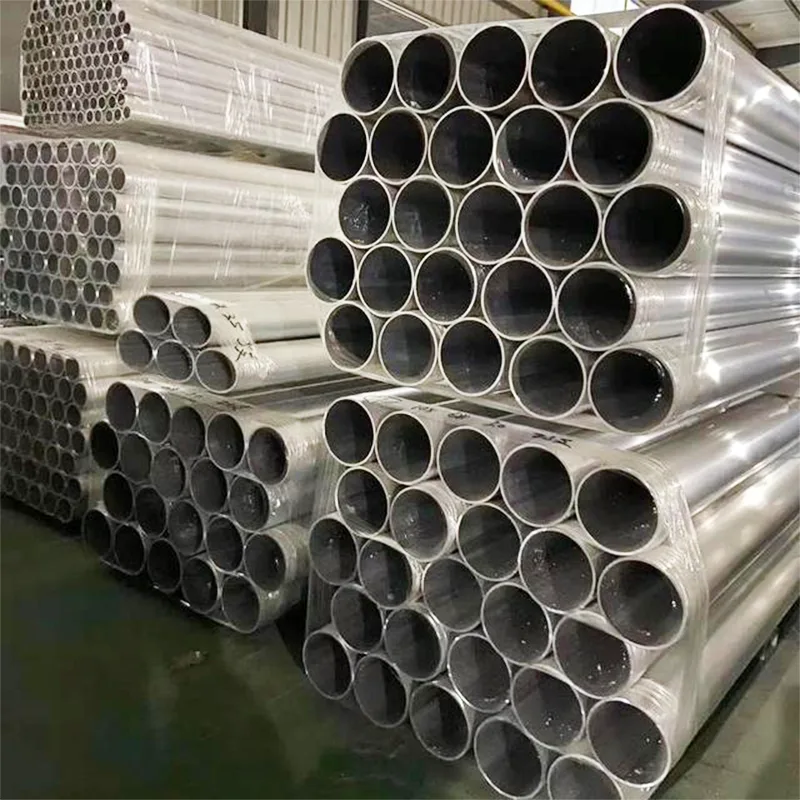
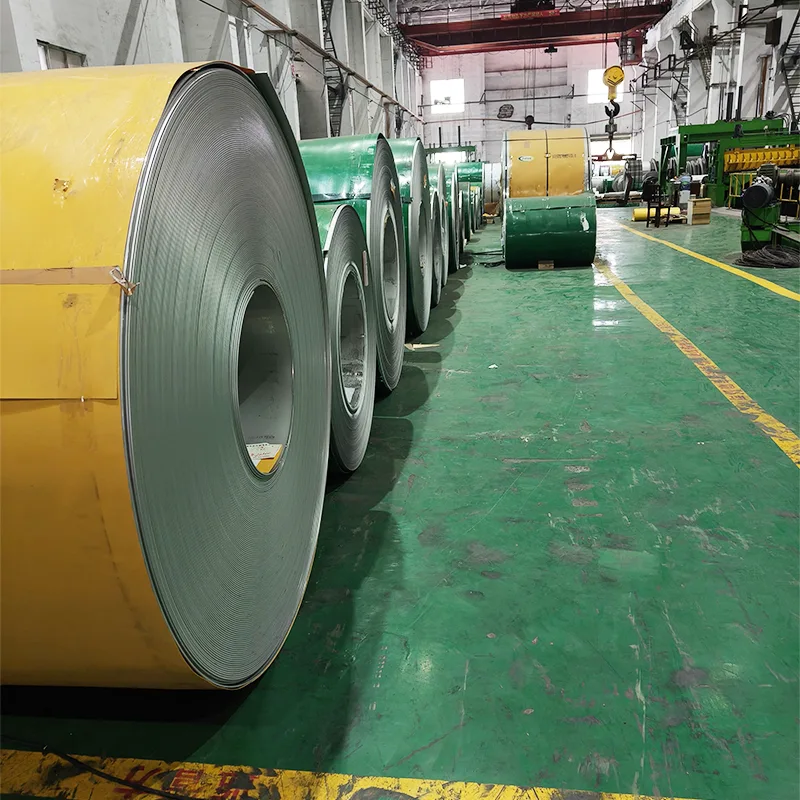
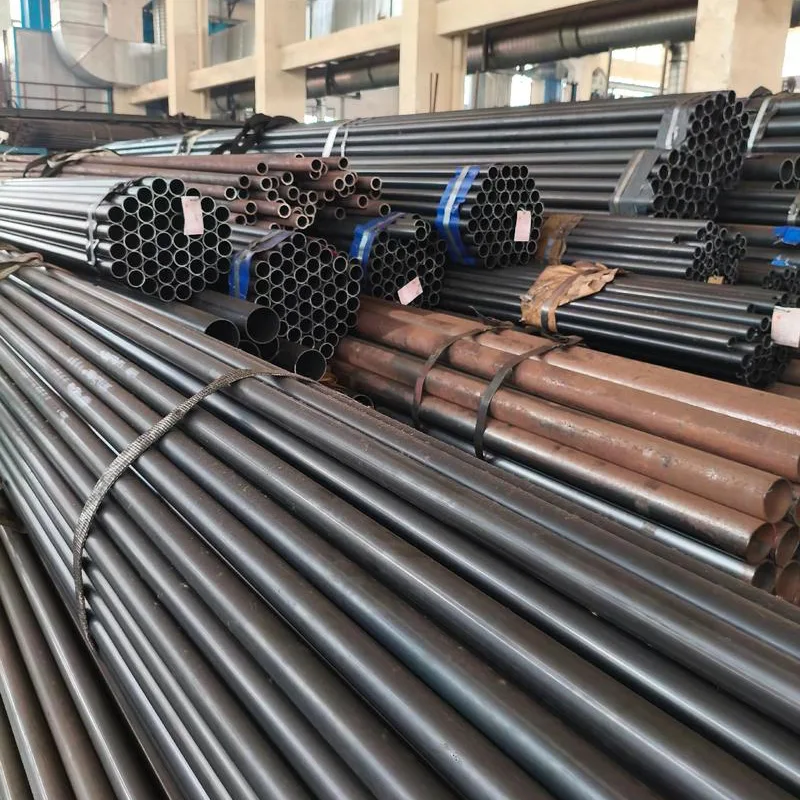
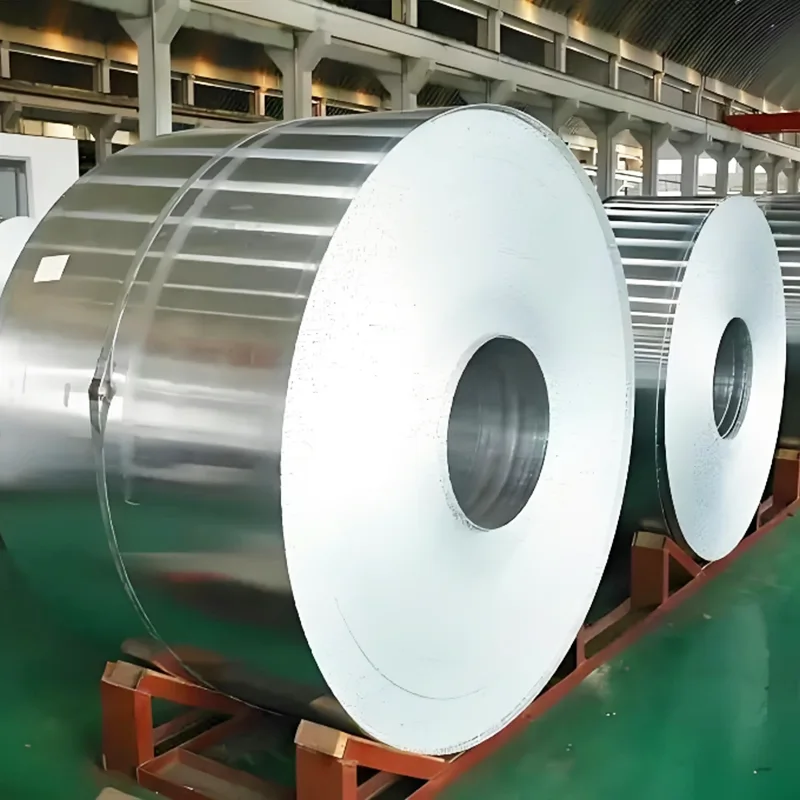
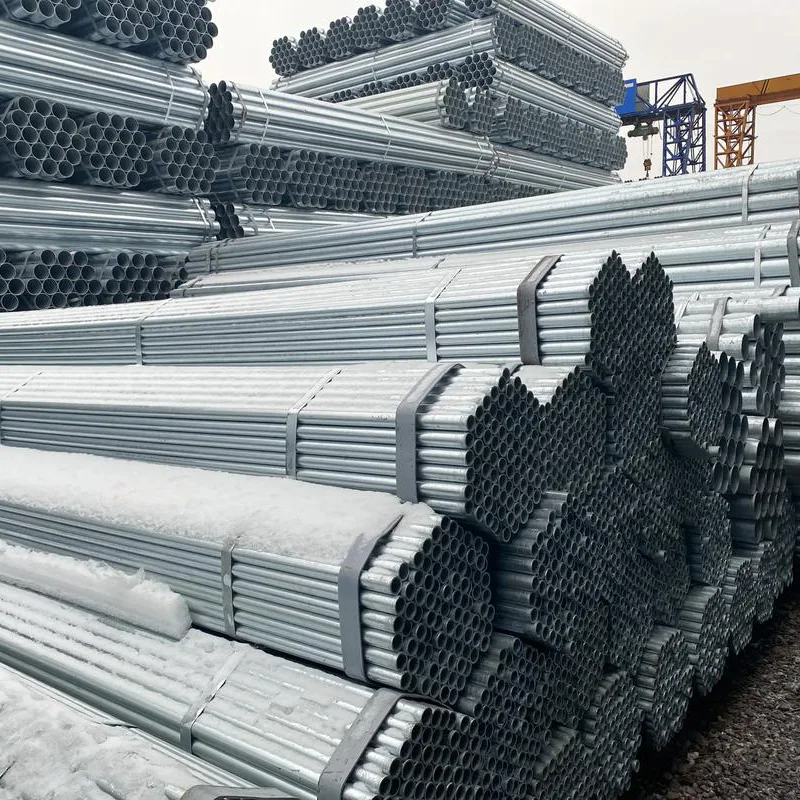
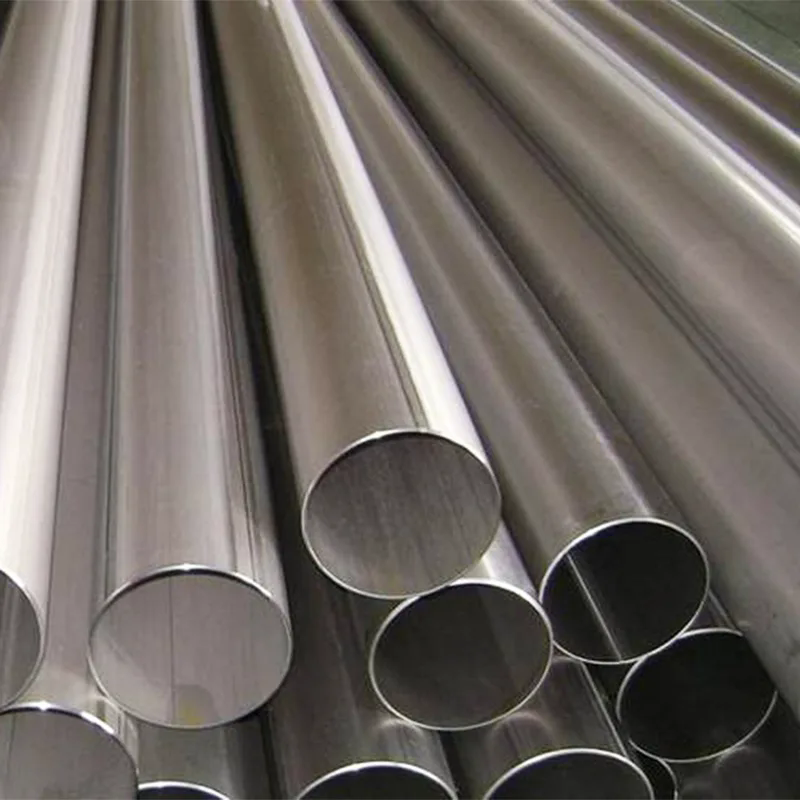
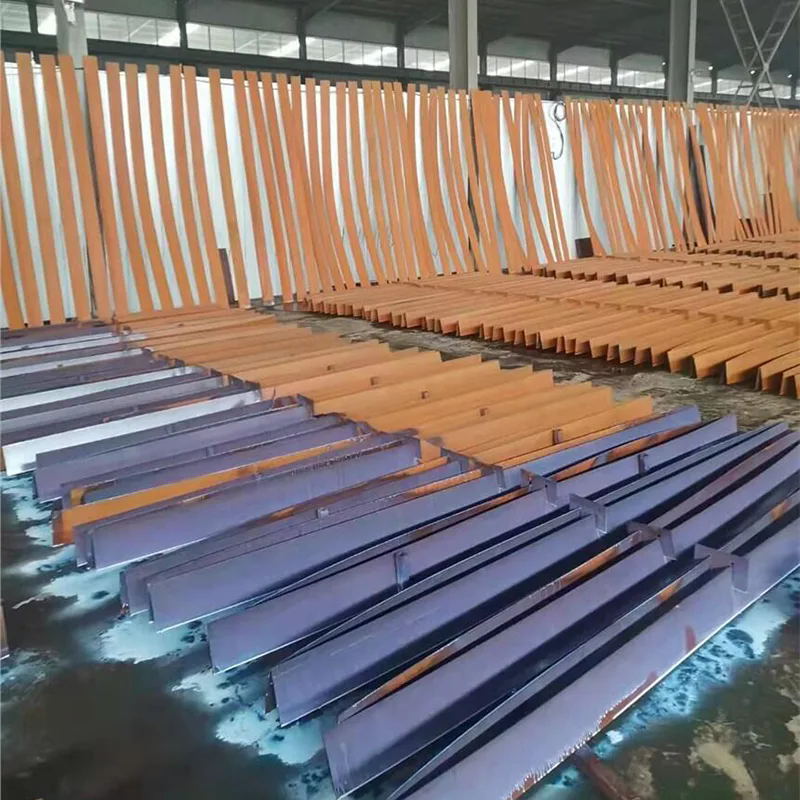
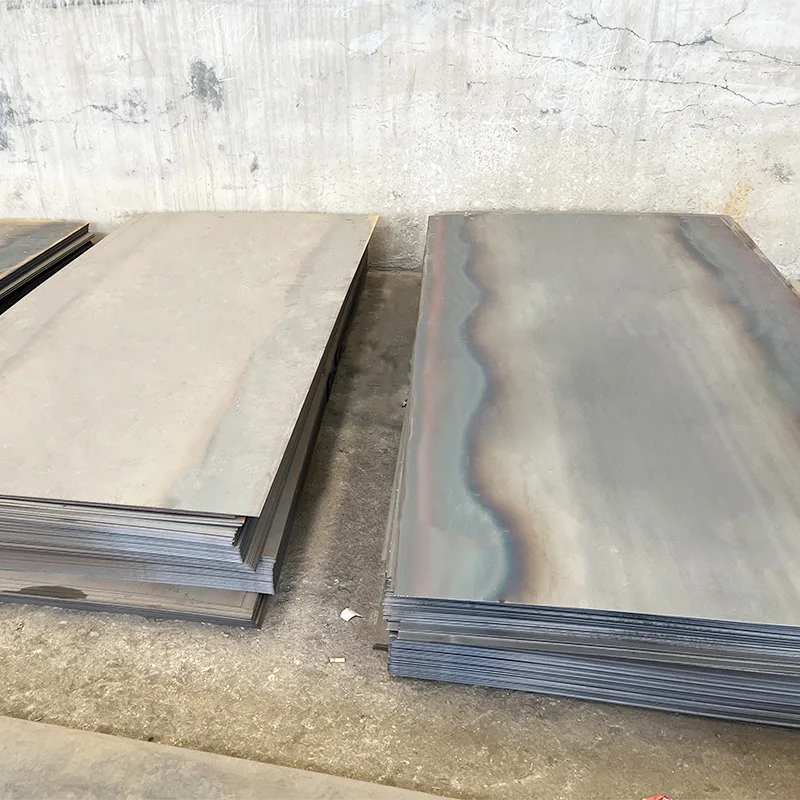
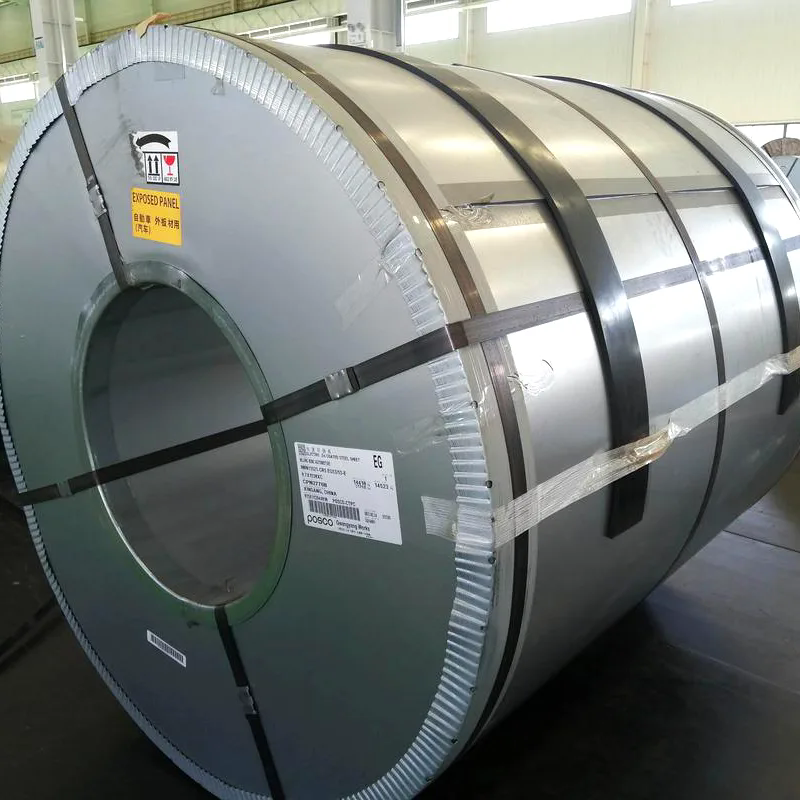
Low carbon steel plates have good plasticity, toughness, and weldability, and are widely used in fields such as automobiles, construction, and packaging. However, their low strength and susceptibility to corrosion limit their use in certain scenarios.
Advantage
Good plasticity and toughness: Low carbon steel plates have a low carbon content (usually less than 0.25%) and an annealed structure of ferrite with a small amount of pearlite. They have good cold forming properties and can be processed by curling, bending, stamping, etc. They are suitable for deep drawing products such as automotive shells and containers.
Excellent welding performance: The low carbon content makes it less prone to cracking during welding, and the heat affected zone has a small tendency to harden. It is suitable for various welding processes and widely used for connecting structural components.
Low processing cost: Ordinary low-carbon steel plates (such as Q235) have low prices, mature production processes, and are suitable for large-scale applications such as building components, boxes, furnaces, etc.
High surface quality (cold-rolled type): Cold rolled low-carbon steel plate has precise dimensions and a smooth surface, suitable for components with high appearance requirements, such as car body panels and home appliance casings.
Strengthening treatment: By adding microalloying elements such as manganese, vanadium, and titanium, the strength can be significantly improved, achieving a balance between high strength and good formability, such as the 2000MPa low-carbon hot formed steel developed by Ideal Automotive.
Shortcoming
Low strength and hardness: Untreated low-carbon steel plates have limited strength and are not suitable for high load-bearing structures, limiting their use.
Easy to corrode and rust: Steel itself does not have anti-corrosion ability, especially in humid environments, it is prone to oxidation and requires coating or plating protection. Products such as radiators and wardrobes are prone to water leakage or release of harmful gases if not handled properly.
Difficulty and cost issues in processing: Although the materials themselves are cheap, specialized tools are required for cutting, punching, and other processing, and the weight is large, making installation and movement difficult and increasing construction costs.
Time sensitivity: There is a tendency towards quenching aging and deformation aging, which may lead to unstable performance and affect the quality of stamping forming.
The welding quality is greatly affected by the process: if the welding parameters are not properly controlled, hot cracks may still occur, especially when the carbon and sulfur content is high, high-quality welding rods and preheating measures need to be used.
We use cookies to offer you a better browsing experience, analyze site traffic and personalize content. By using this site, you agree to our use of cookies.Privacy Policy