Durable and Affordable Carbon Steel from China Factory
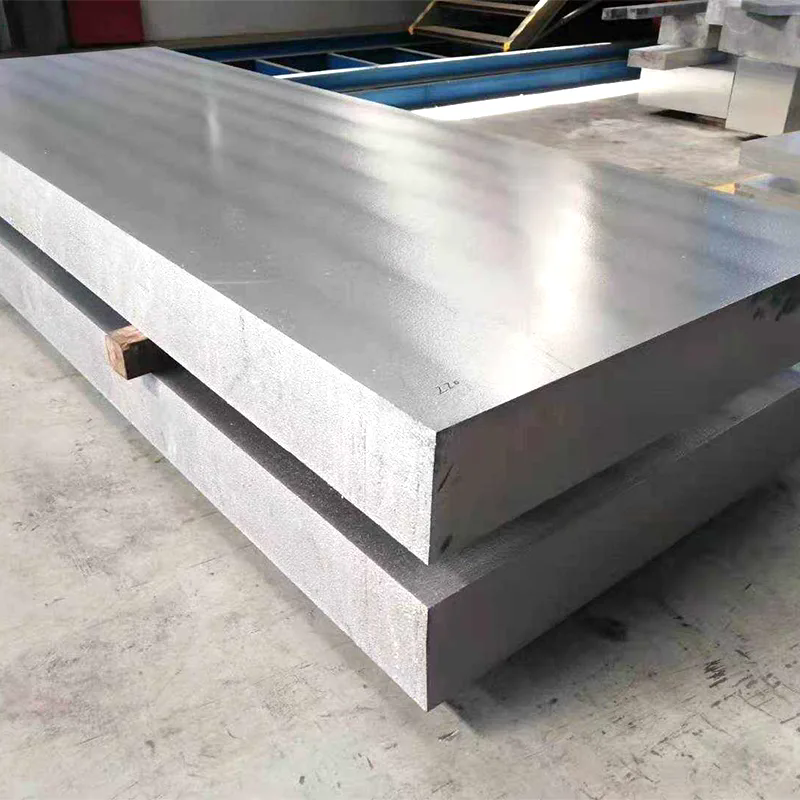
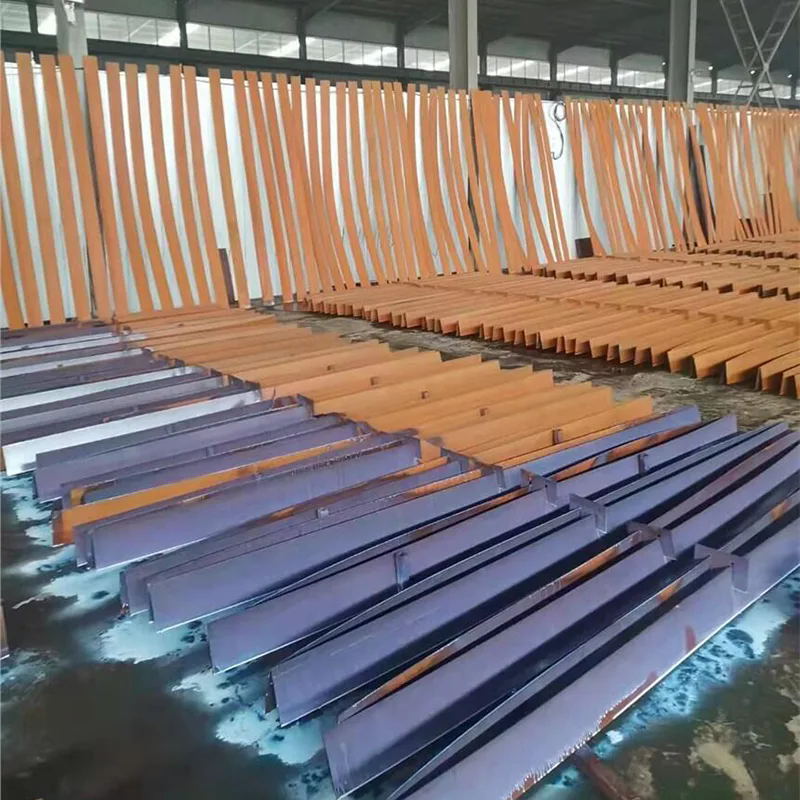
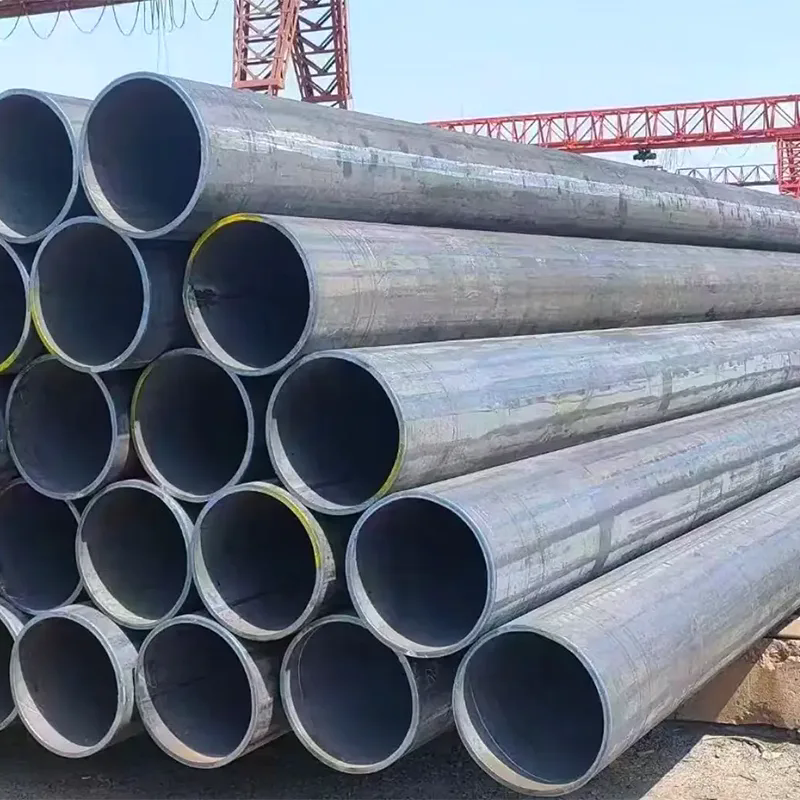
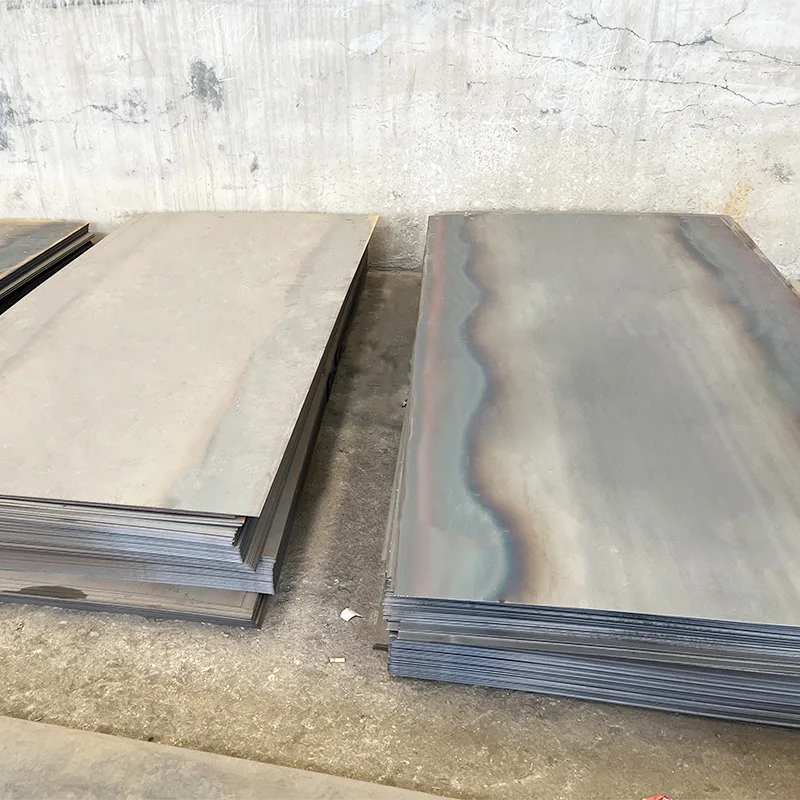
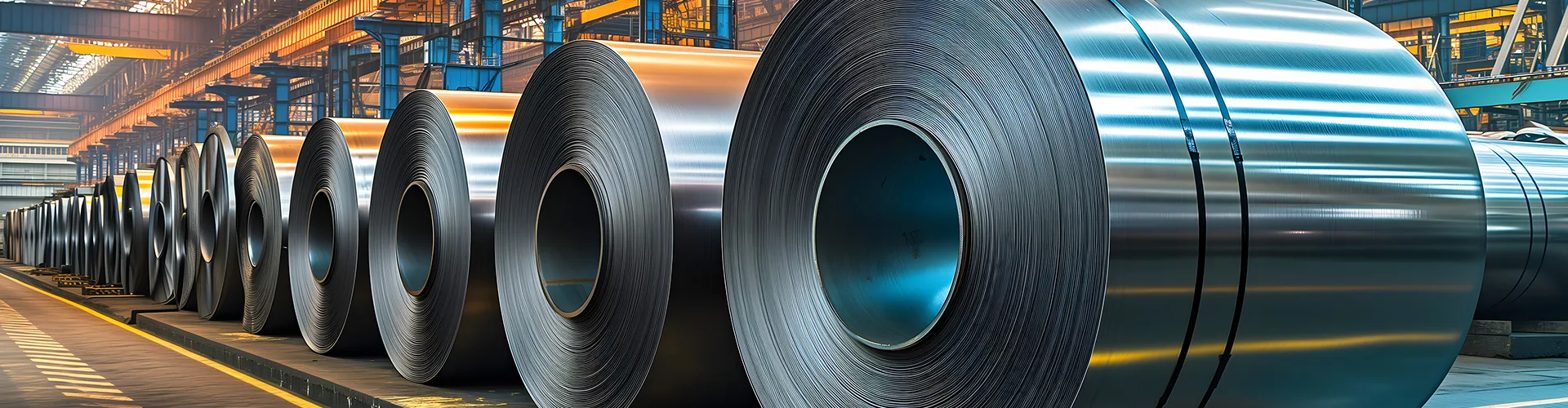
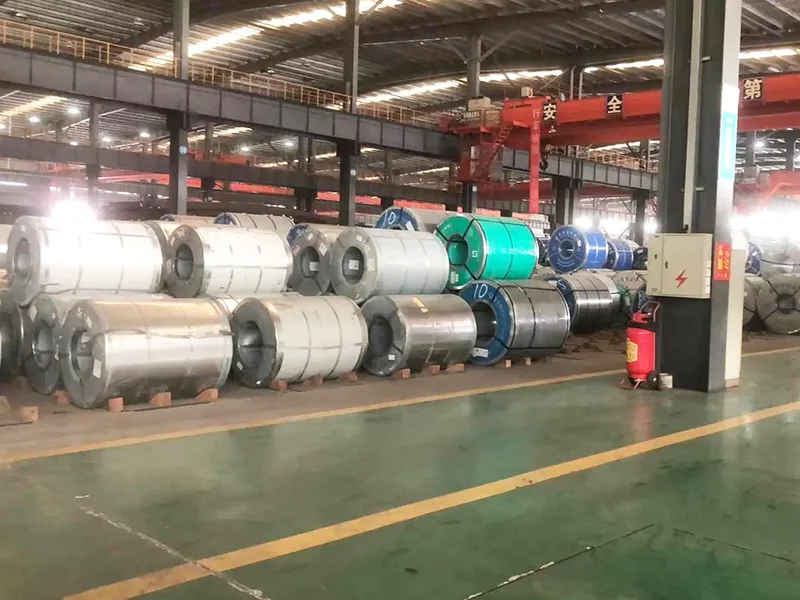
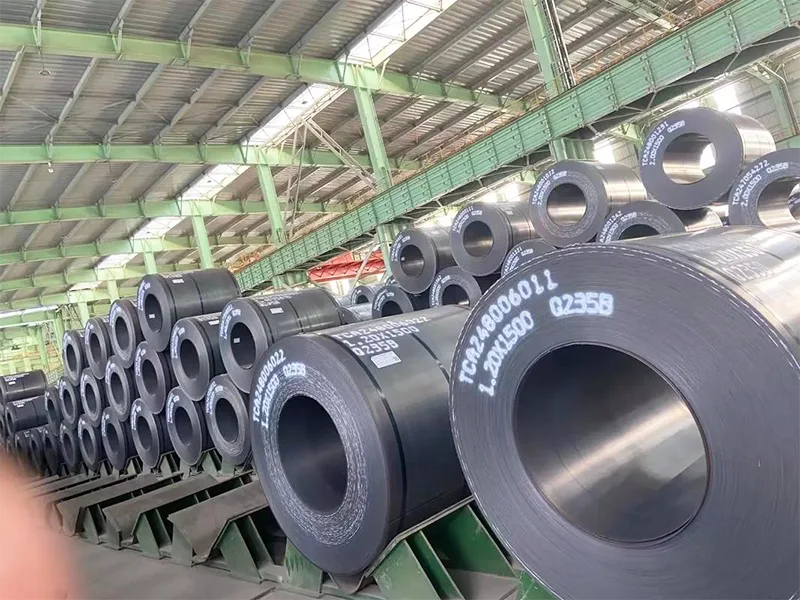
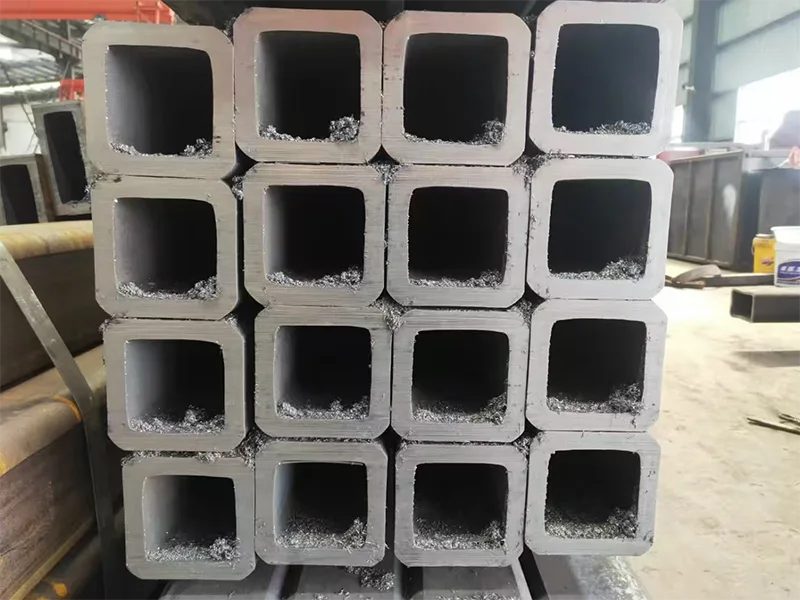
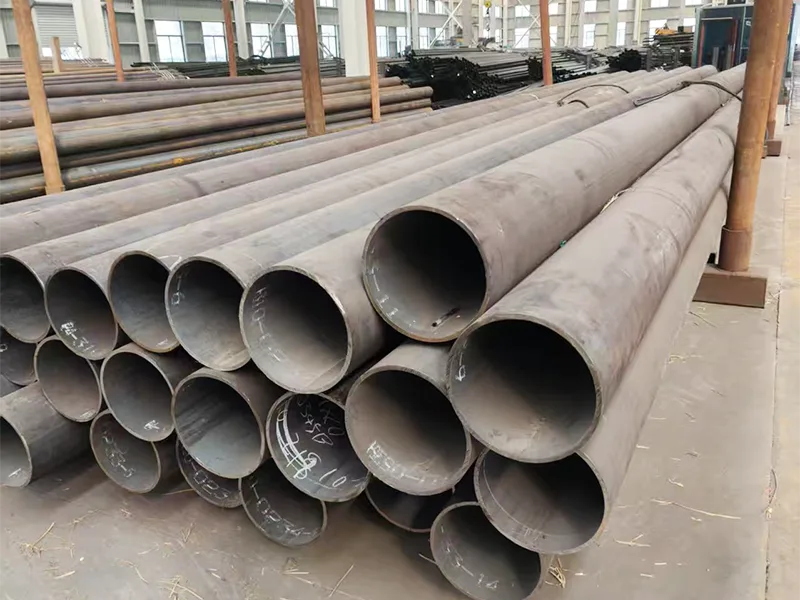
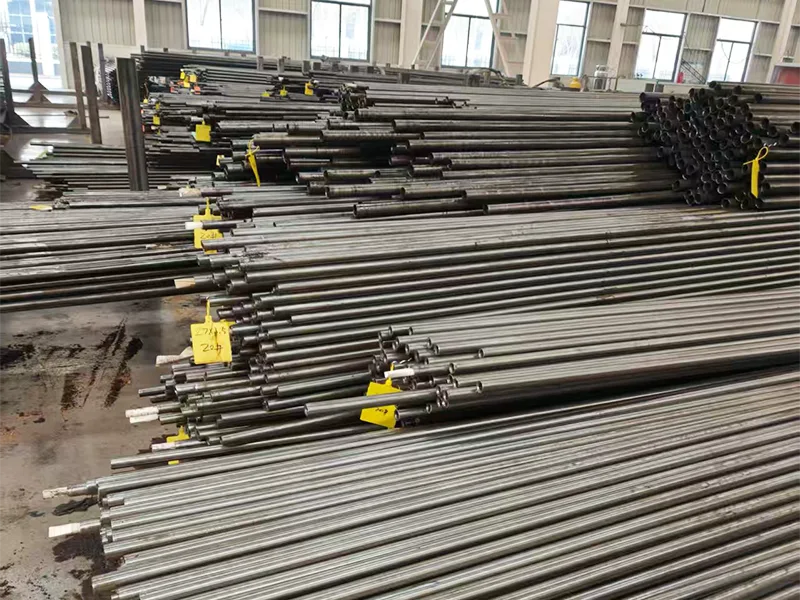
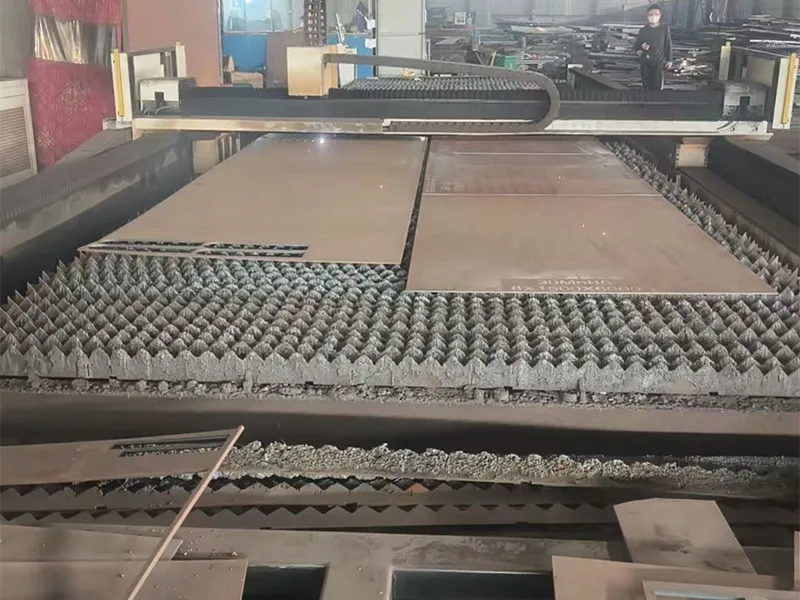
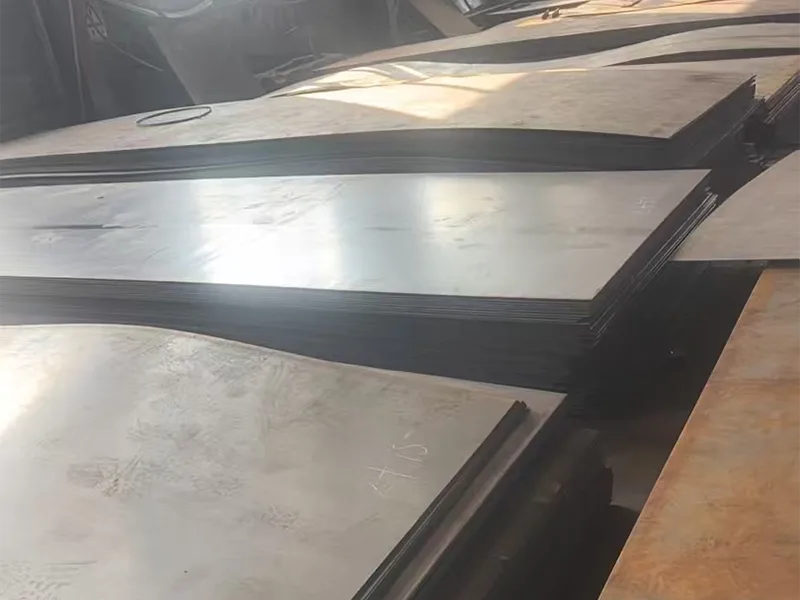
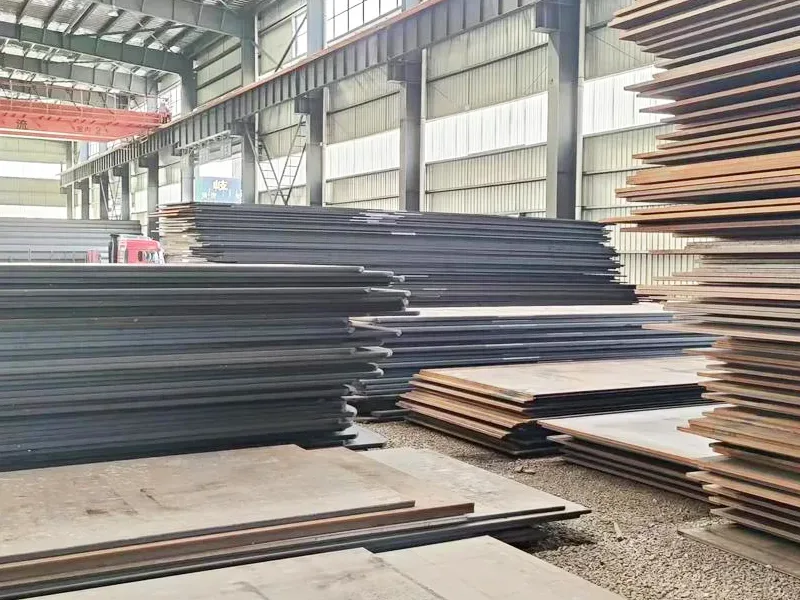
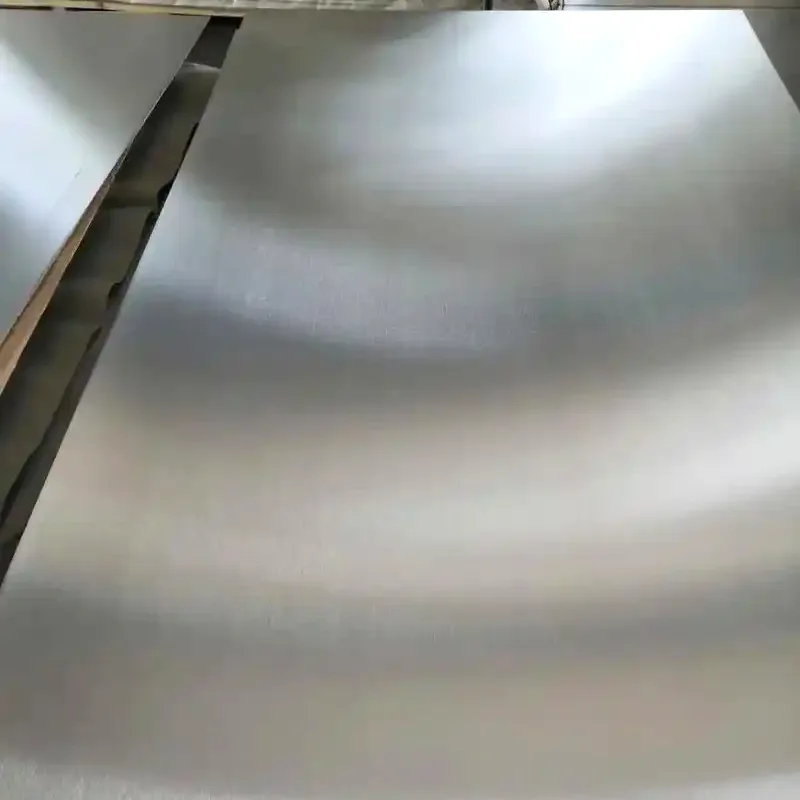
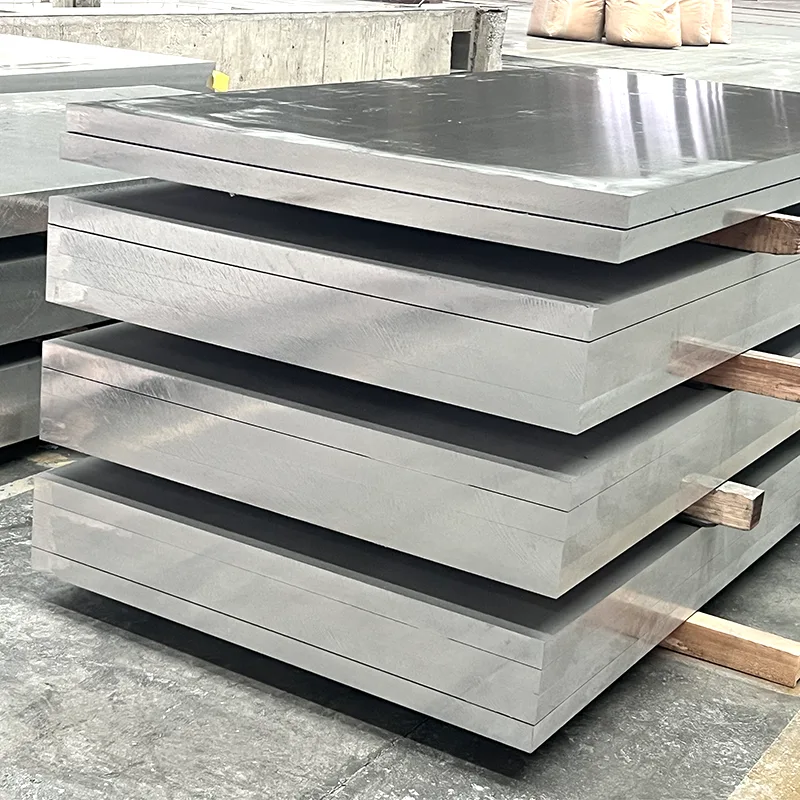
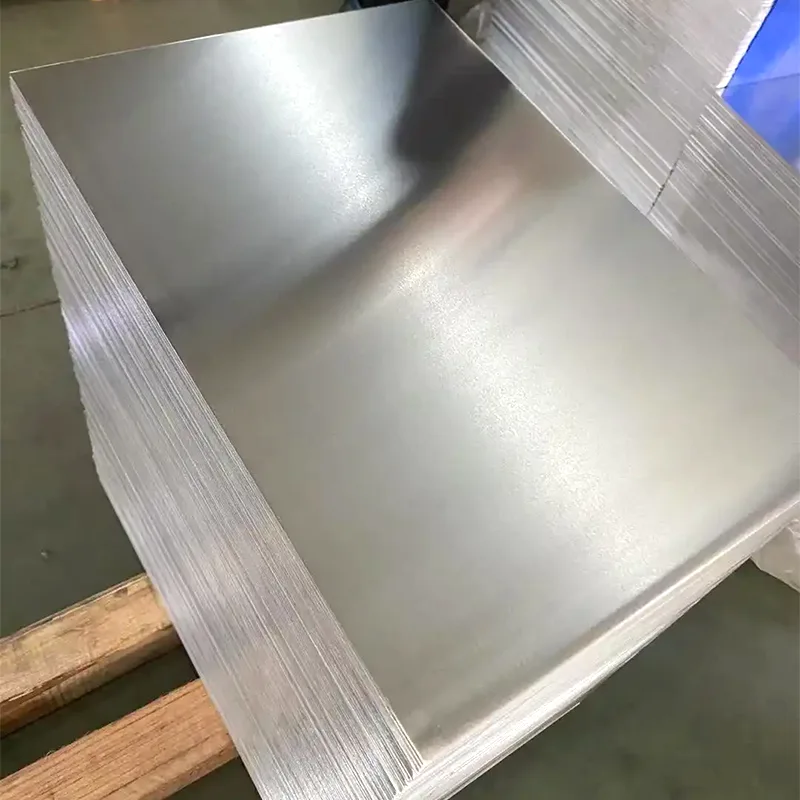
Carbon steel is the most widely used basic metal material in industrial infrastructure and machinery manufacturing. China carbon steel suppliers offer three main categories: carbon steel pipes, carbon steel coils, and carbon steel plates. These products are comprehensive, stable in performance, and offer excellent cost-effectiveness, suitable for various engineering and industrial production needs.
Key Features (Four Major Advantages + Suitable Scenarios)
1. Significant Cost Advantage:
Free of precious alloying elements, with mature production processes, its price is 40%-60% lower than stainless steel, making it the cost-effective first choice for large-scale projects.
2. Adjustable Performance Gradient:
Through carbon content control and heat treatment (quenching/tempering), performance can be transitioned from "soft and tough" to "hard and brittle," adapting to all scenarios from structural support to tool manufacturing.
3. Excellent Machining Performance:
Low-carbon steel has a weldability of over 95%, medium-carbon steel is easy to cut, and high-carbon steel has a 3-fold increase in wear resistance after heat treatment, adapting to the entire process chain including welding, turning, and forging.
4. Highly adaptable:
After galvanizing and painting for corrosion protection, it can meet the needs of over 90% of industrial sectors, including construction, energy, and machinery, making it a true "industrial MSG."
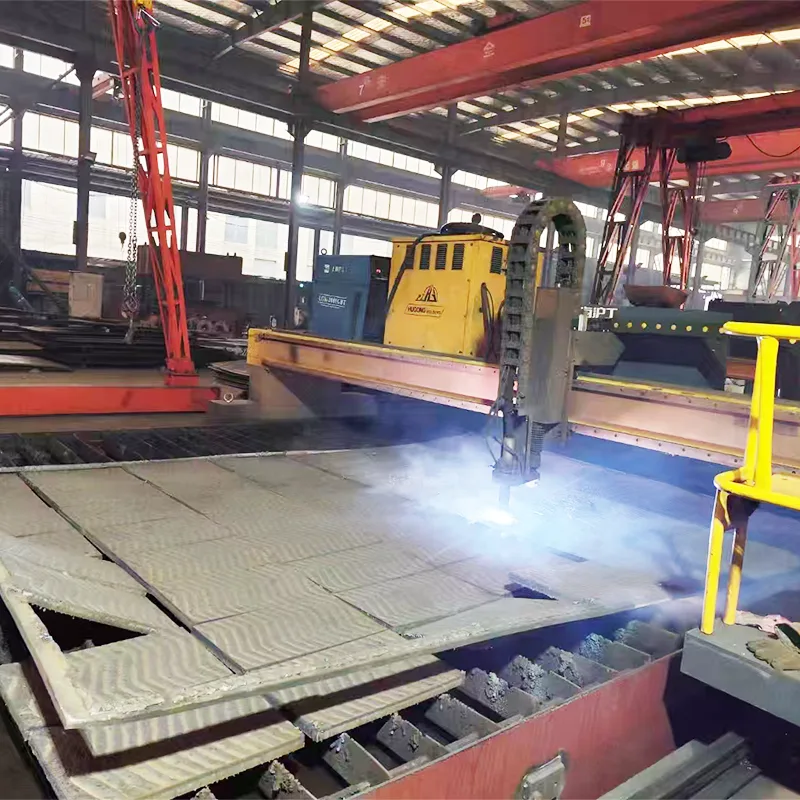
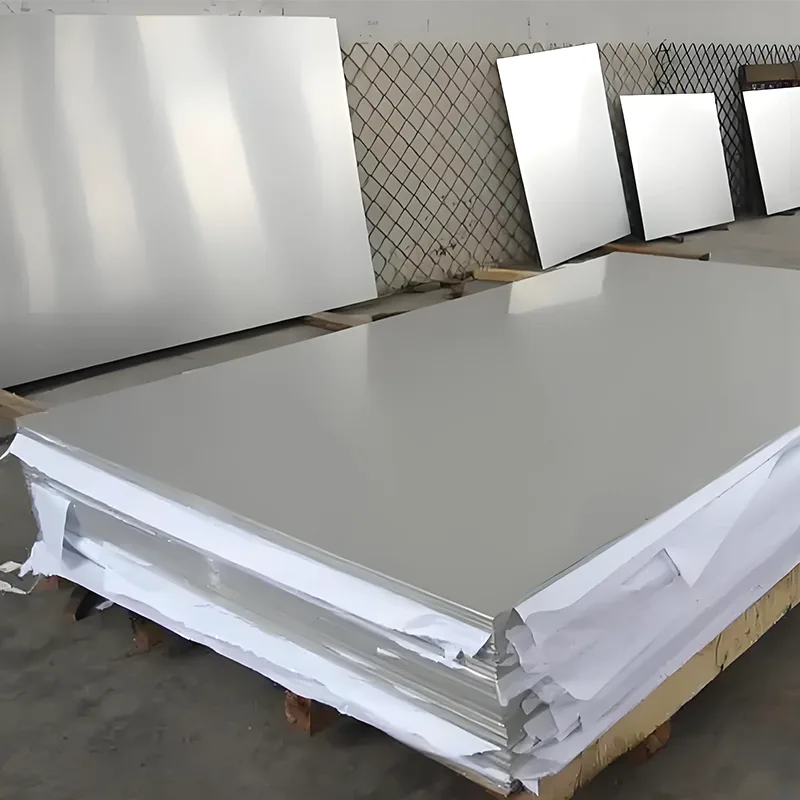
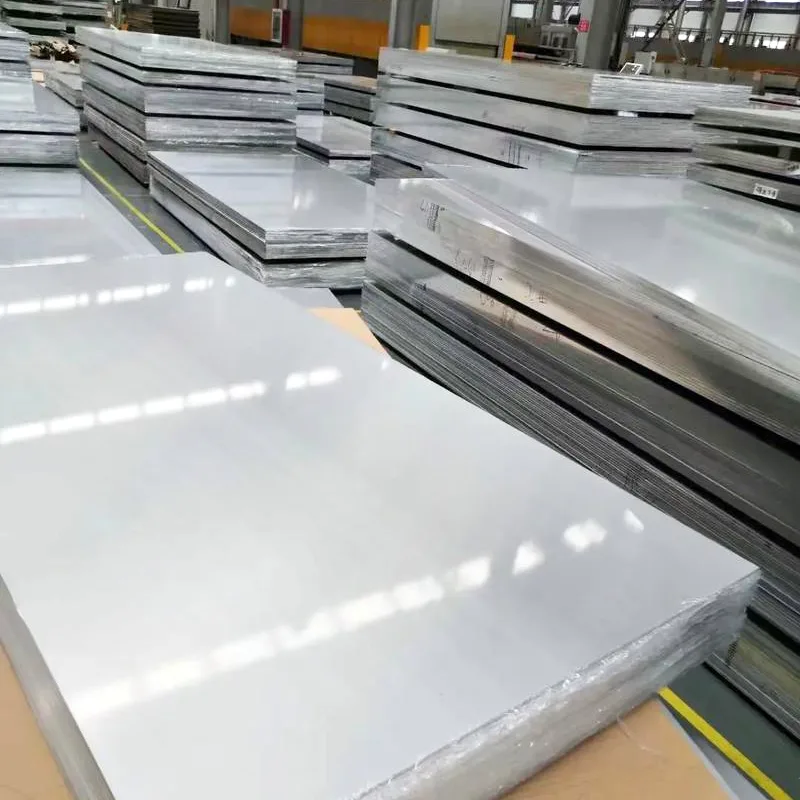
As a leading source carbon steel supplier in China, we maintain ample stock of pipes, coils, and plates in all specifications. We offer one-stop deep processing services including leveling and slitting, cutting, beveling, threading and welding, and anti-corrosion galvanizing. Materials strictly adhere to national standards, undergoing full-batch spectral testing and non-destructive testing, ensuring traceability of quality. We support non-standard customization and custom-made lengths, with short delivery cycles and nationwide direct shipping. Our professional team provides selection guidance and timely after-sales response, making us a reliable long-term partner for engineering procurement and factory processing.
What are the four types of carbon steel?
Based on carbon content and application, carbon steel is classified into four main categories: low-carbon steel, medium-carbon steel, high-carbon steel, and carbon tool steel.
1. Low-carbon steel:
With a carbon content less than 0.25%, it possesses excellent plasticity, toughness, and weldability; low hardness and easy processing. Representative materials include Q235B, 10#, and 20#. It is widely used in carbon steel pipes, coils, plates, building structures, scaffolding, and water supply and drainage pipes.
2. Medium-carbon steel:
With a carbon content of 0.25%–0.60%, it has moderate strength and hardness, good comprehensive mechanical properties, and can be heat-treated and tempered. Representative materials include 35# and 45#. It is widely used in mechanical shafts, flanges, high-pressure pipe fittings, equipment bases, and engineering machinery parts.
3. High-carbon steel:
Carbon content 0.60%–1.40%, high hardness, strong wear resistance, good elasticity, poor weldability; representative materials: 65#, 70#, 65Mn; mostly used for spring steel plates, wire ropes, wear-resistant parts, spring clips, and agricultural implements.
4. Carbon tool steel:
Carbon content 0.7%–1.3%, high hardness, high wear resistance, excellent quenching performance; representative materials: T8, T10, T12; mostly used for hand tools, molds, chisels, files, measuring tools, and other tooling and cutting tools.
Does carbon steel rust easily?
Carbon steel rusts very easily.
Reason: Carbon steel is mainly composed of iron and carbon, and contains almost no rust-preventing alloying elements such as chromium and nickel found in stainless steel, resulting in very poor corrosion resistance. It will quickly oxidize and form reddish-brown rust upon contact with air, rain, moisture, fog, or damp soil.
How long can carbon steel last?
The lifespan of carbon steel depends entirely on whether anti-corrosion measures are applied and the operating environment. Here are four scenarios:
1. No Anti-corrosion (Bare Carbon Steel):
Indoor Dry Warehouse: 3-5 years, only surface rust, not affecting structural use;
Outdoor Exposure to Wind and Rain: Noticeable rust within 1-2 years, essentially unusable after 5 years;
Buried in Damp Soil: Corrosion and perforation will occur within 6 months to 1 year.
2. Simple Anti-corrosion (Ordinary Anti-rust Paint, Spray Painting):
Indoor Use: 8-15 years
Outdoor Use: 5-10 years
3. Professional Anti-corrosion (Hot-dip Galvanizing, Heavy-duty Anti-corrosion):
Hot-dip galvanized carbon steel profiles and pipes: 20-30 years outdoors;
Plastic-coated carbon steel, 3PE anti-corrosion buried steel pipes: Over 50 years, meeting municipal and national standard long-term use standards.
4. Harsh Environments Halve Lifespan:
Seaside salt spray, chemical acids and alkalis, and sewage corrosive environments, regardless of the type of anti-corrosion treatment, will halve the lifespan.
- View as
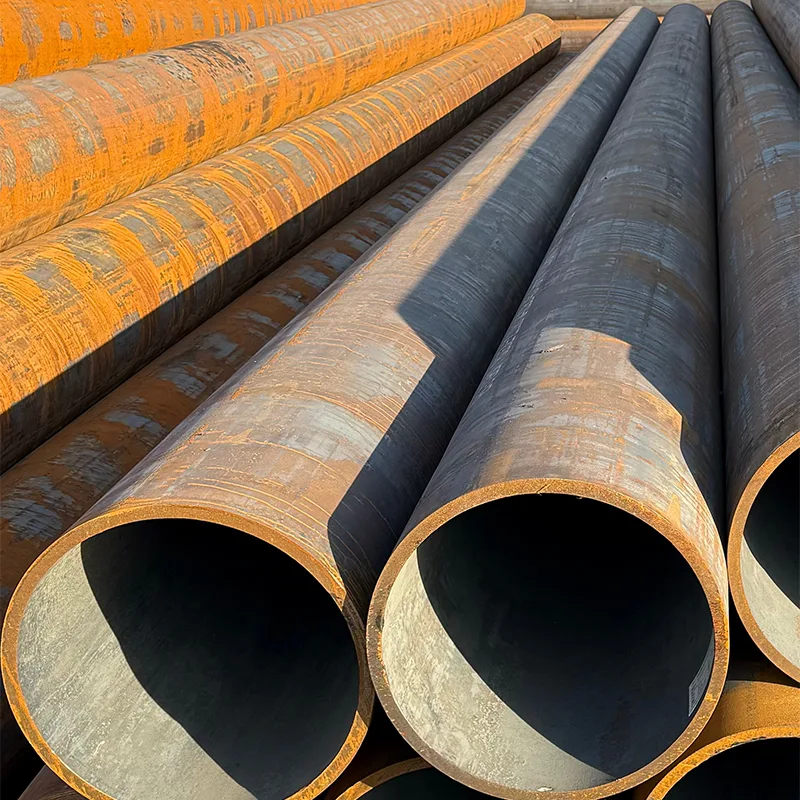
20mng Seamless Steel Pipe
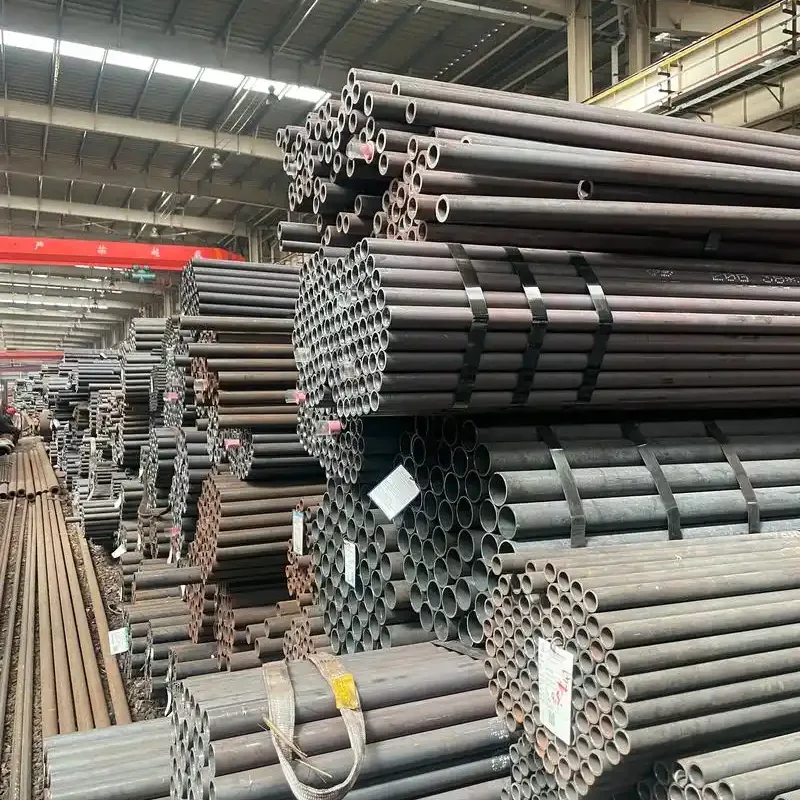
20mng Seamless Steel Pipes belong to the category of alloy steel pipes for boilers, primarily used in the heating surface piping of high-temperature, high-pressure equipment. Their material systems are similar, both being carbon steel with added manganese for strengthening, improving the pipe's strength, toughness, and heat resistance. However, due to differences in carbon content, the two types of steel pipes differ in strength, plasticity, processing performance, and applicable environments.
20g Seamless Steel Pipe
20G seamless steel pipes come in a wide range of specifications, and leading Chinese manufacturers can provide different outer diameters and wall thicknesses according to customer needs. Common outer diameters include φ25mm, φ32mm, φ38mm, φ42mm, φ51mm, φ57mm, φ60mm, φ76mm, φ89mm, φ108mm, φ133mm, φ159mm, and φ219mm, etc., while common wall thicknesses include 3mm, 4mm, 5mm, 6mm, 8mm, 10mm, 12mm, 14mm, 16mm, 20mm, and above. For example, commonly used specifications include 38×3mm, 51×5mm, 60×6mm, 76×8mm, 89×10mm, 108×8mm, and 159×10mm. As a professional source supplier, when making actual purchases, users need to select the appropriate specifications based on the equipment's working pressure, temperature, installation requirements, and applicable standards. We can also provide processing services such as length cutting, flaw detection, and performance testing according to project needs.
35crmov Seamless Steel Pipe
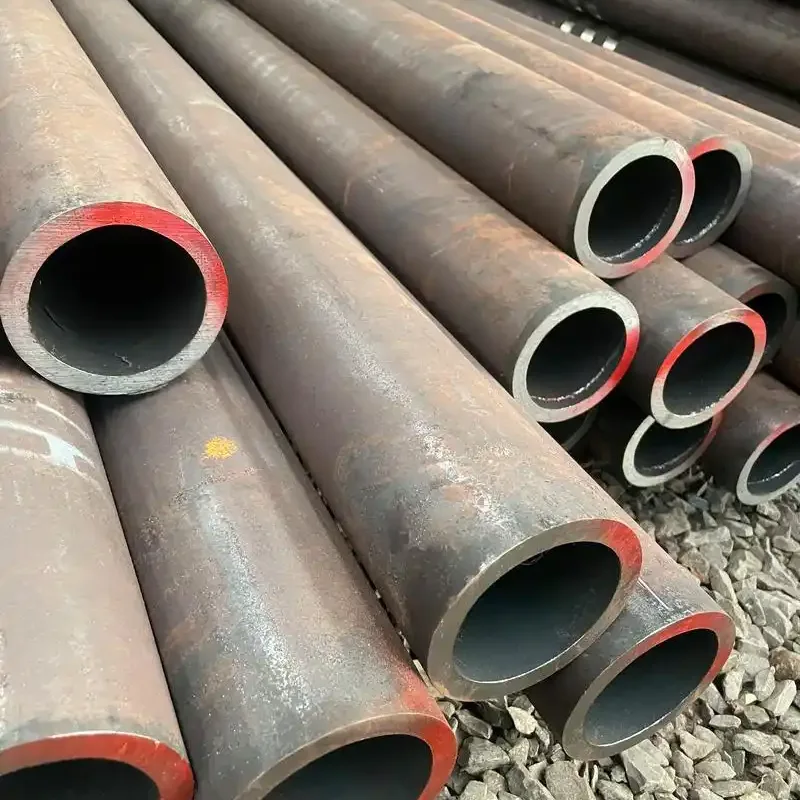
35CrMoV seamless steel pipe manufacturers offer a wide range of specifications and can customize production according to customer equipment requirements. Common outer diameter specifications include φ16mm, φ20mm, φ25mm, φ32mm, φ42mm, φ48mm, φ57mm, φ60mm, φ73mm, φ89mm, φ108mm, φ133mm, φ159mm, φ180mm, φ219mm, φ273mm, and φ325mm, etc. Some manufacturers can also produce larger diameter specifications. Wall thicknesses typically range from 2mm to over 50mm, with common specifications including φ42×5mm, φ60×8mm, φ89×10mm, φ108×12mm, φ159×16mm, and φ219×20mm.
27simn Seamless Steel Pipe
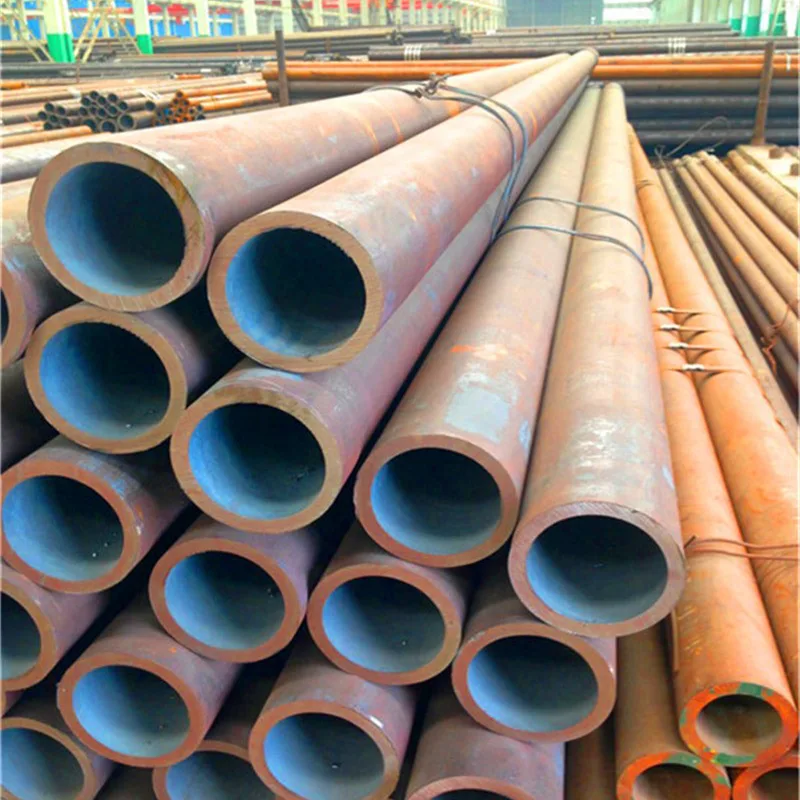
27SiMn seamless steel pipe is a low-alloy, high-strength alloy steel pipe. It mainly improves the strength, toughness, and hardenability of the steel by adding alloying elements such as silicon and manganese. Compared to ordinary 20# seamless steel pipe, 27SiMn has a higher load-bearing capacity; compared to ordinary structural steel pipe, it exhibits greater stability under impact and repeated stress.
16mn Seamless Steel Pipe
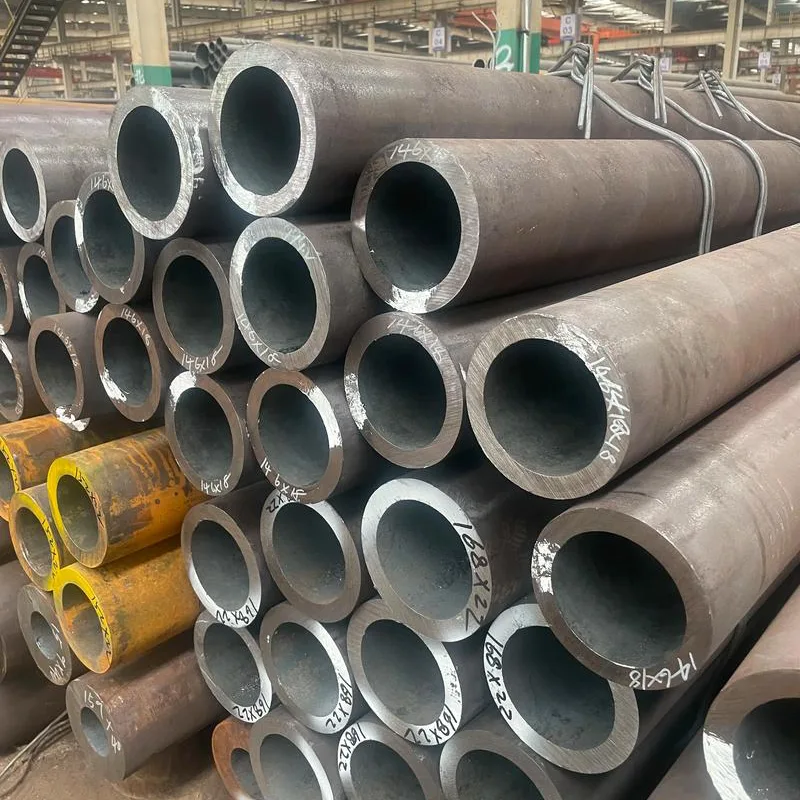
Manufacturers of 16Mn seamless steel pipes offer a range of specifications from small diameters (φ25mm) to large diameters (φ426mm and above), with wall thicknesses covering 3mm to over 30mm. They are mainly used in engineering structures, machinery manufacturing, bridge construction, pressure equipment, and industrial transportation.
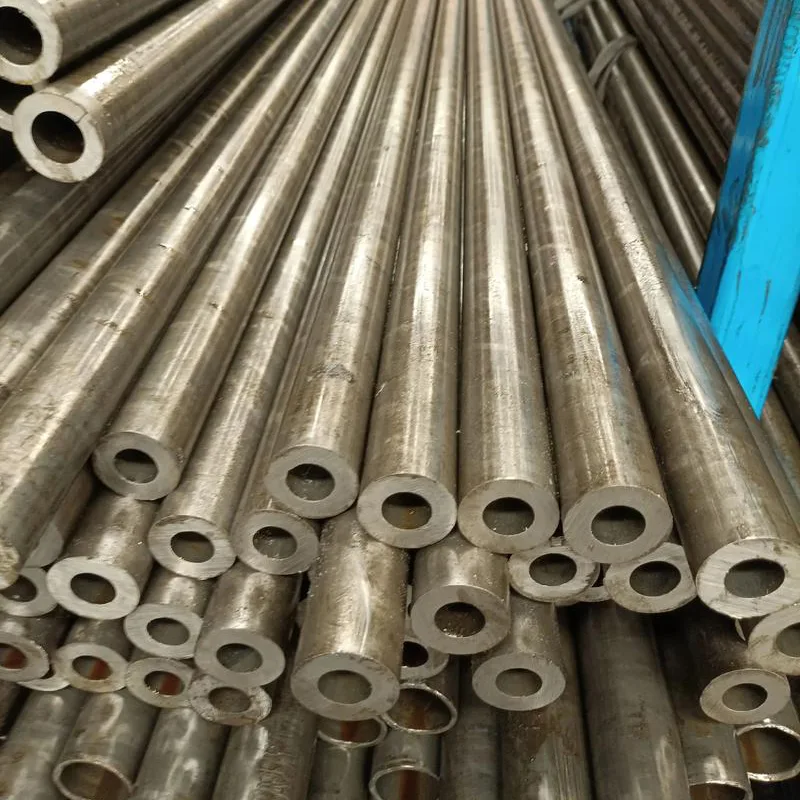
Cr9mo Seamless Steel Pipe
Cr9Mo seamless steel pipe is a common name, generally referring to two mainstream 9% chromium-based heat-resistant steels in industrial applications: one is the basic 12Cr9MoI (or 12Cr9MoNT), and the other is the higher-performance T91/P91 (10Cr9Mo1VNb). Due to their approximately 9% chromium content, they possess excellent high-temperature resistance and corrosion resistance, making them key materials for high-temperature and high-pressure applications.
Lingchuang is a professional Carbon Steel manufacturer and supplier in China. Welcome to import quality products from our factory here.