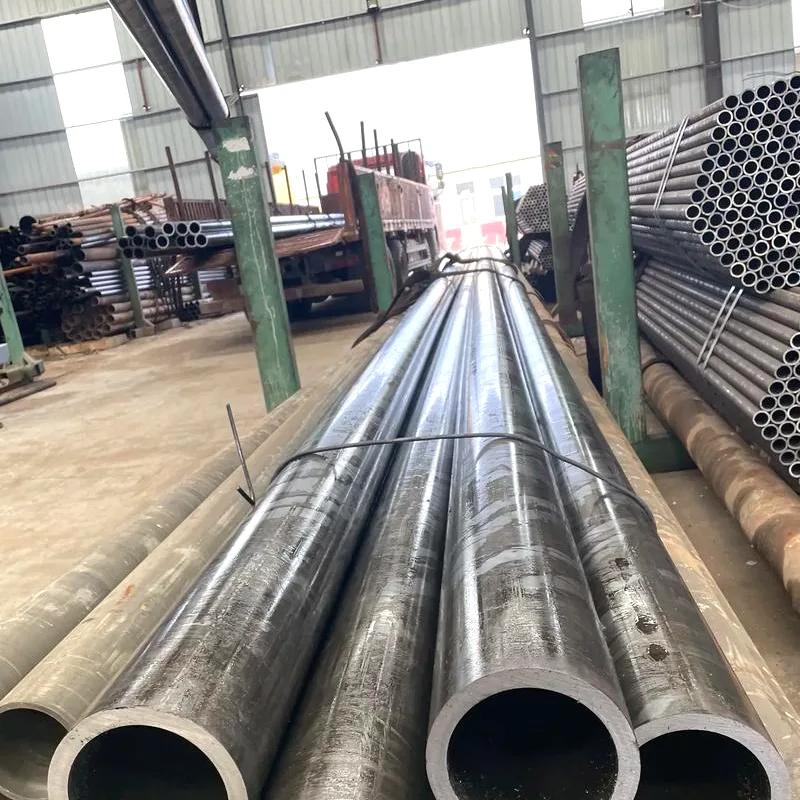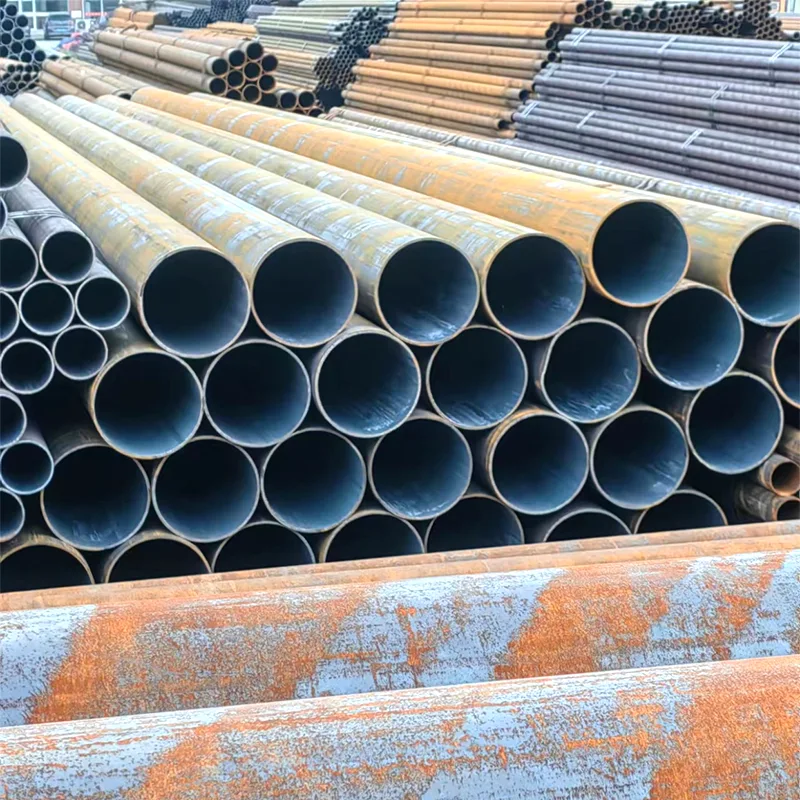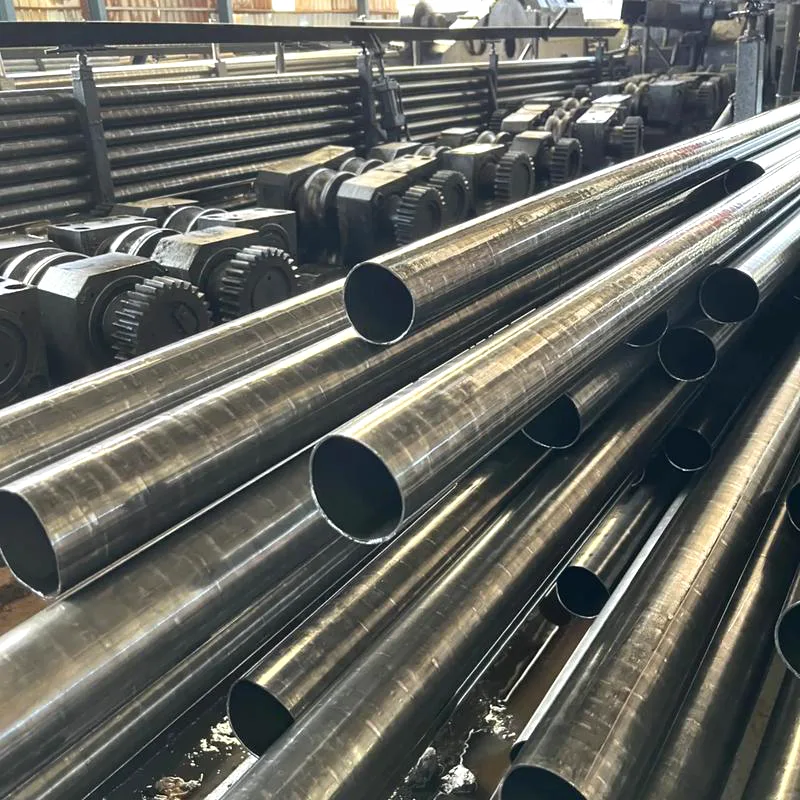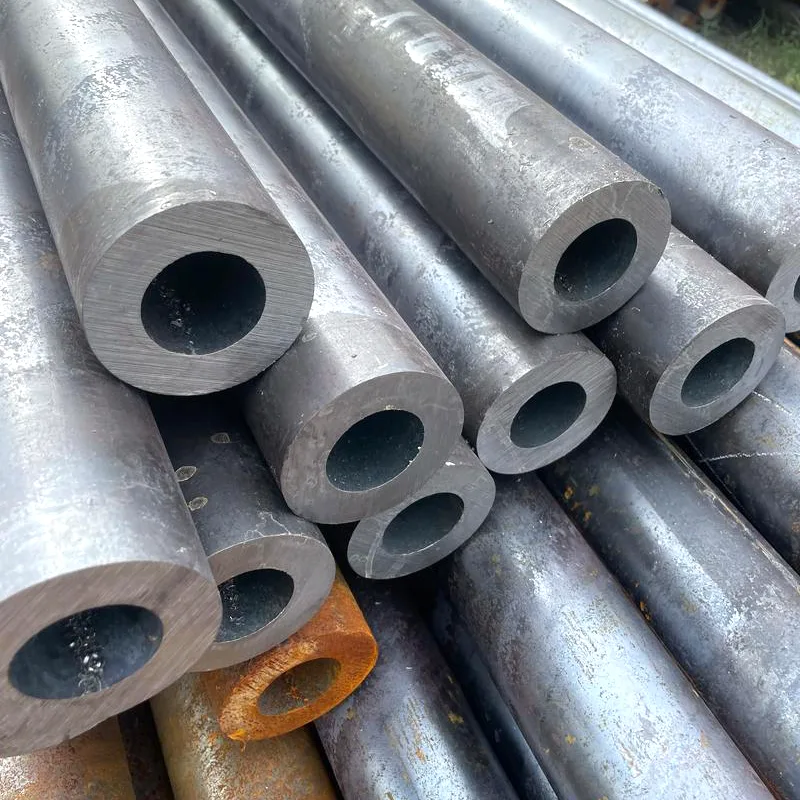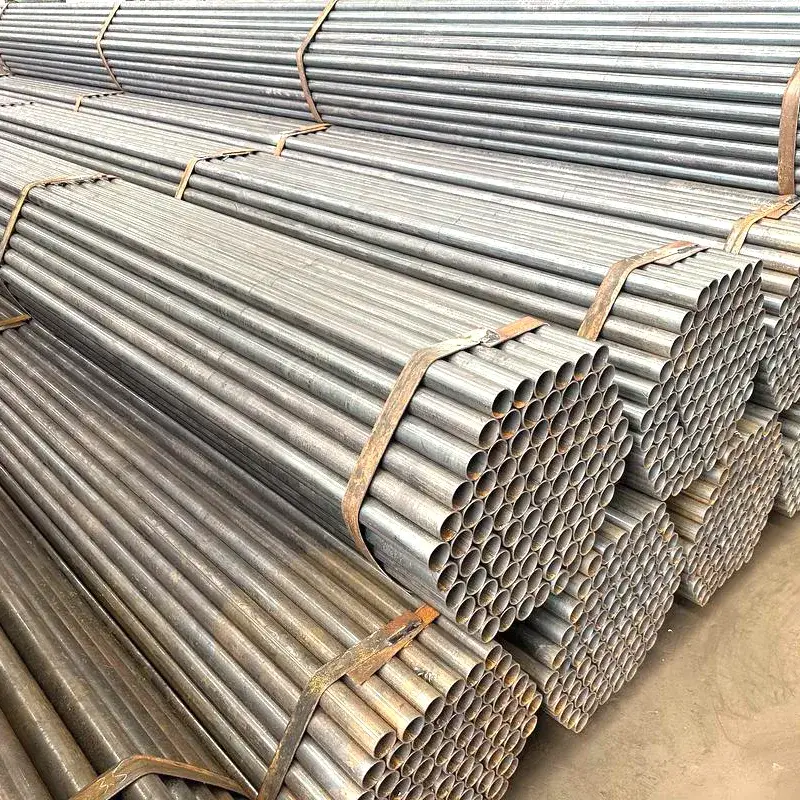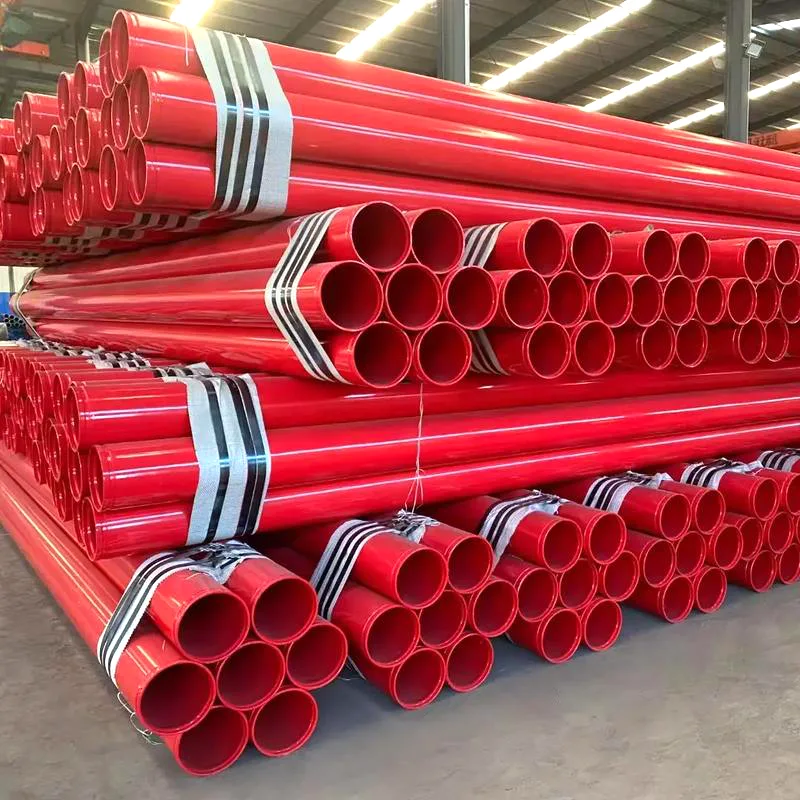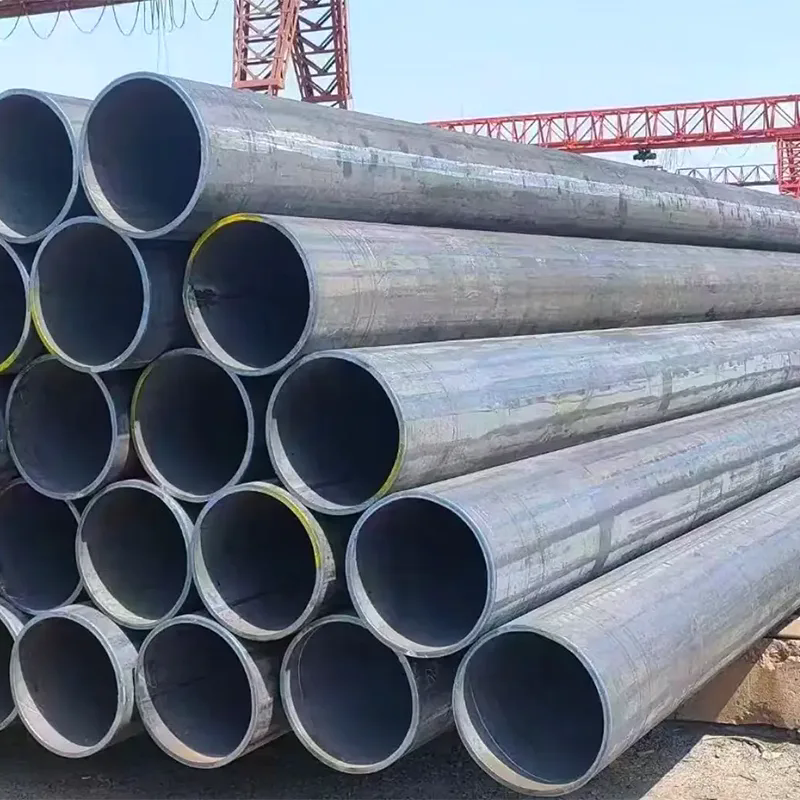
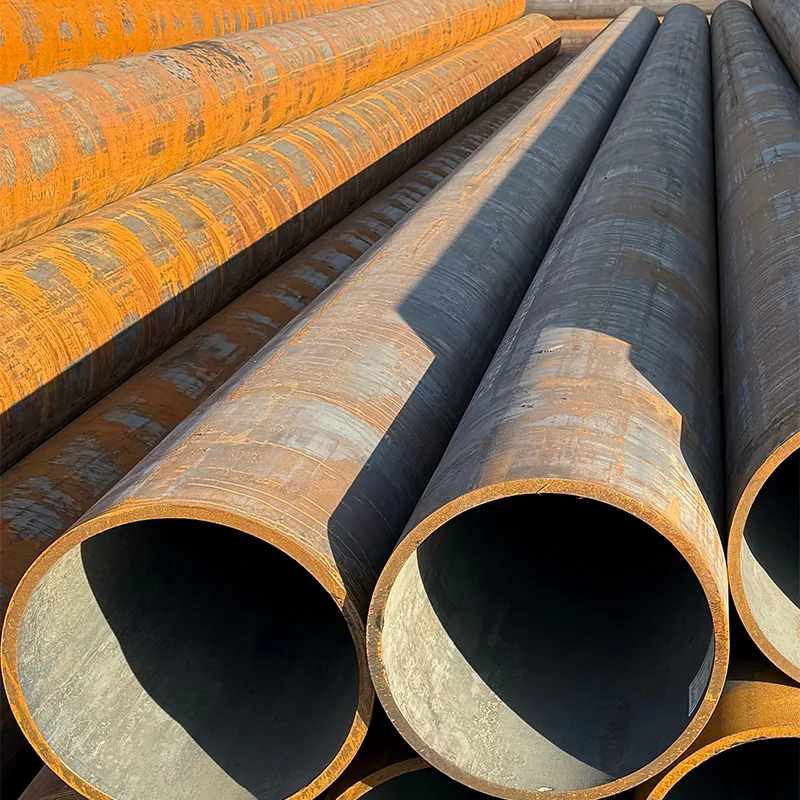
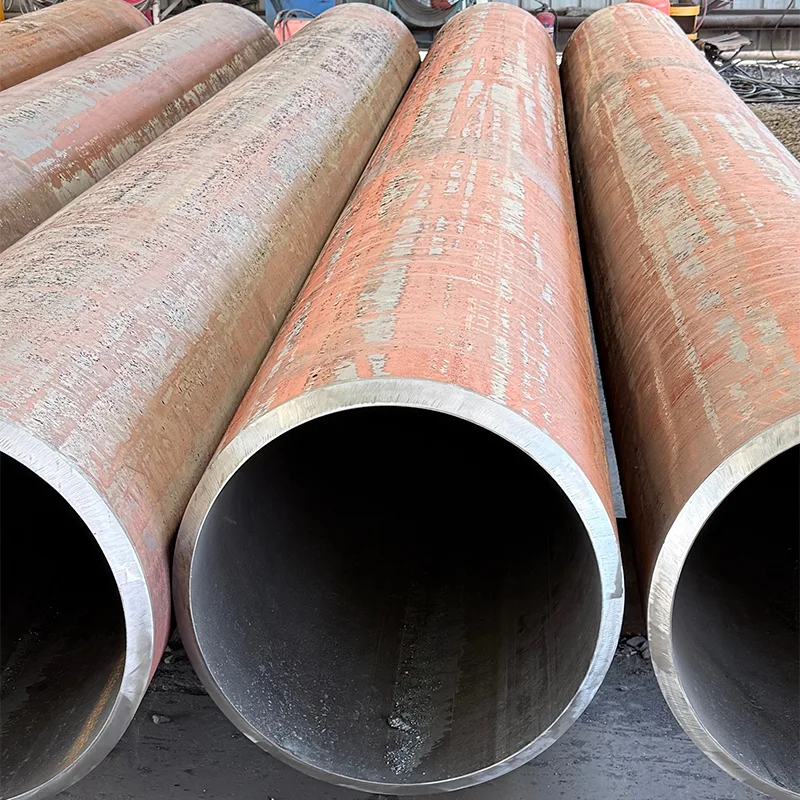
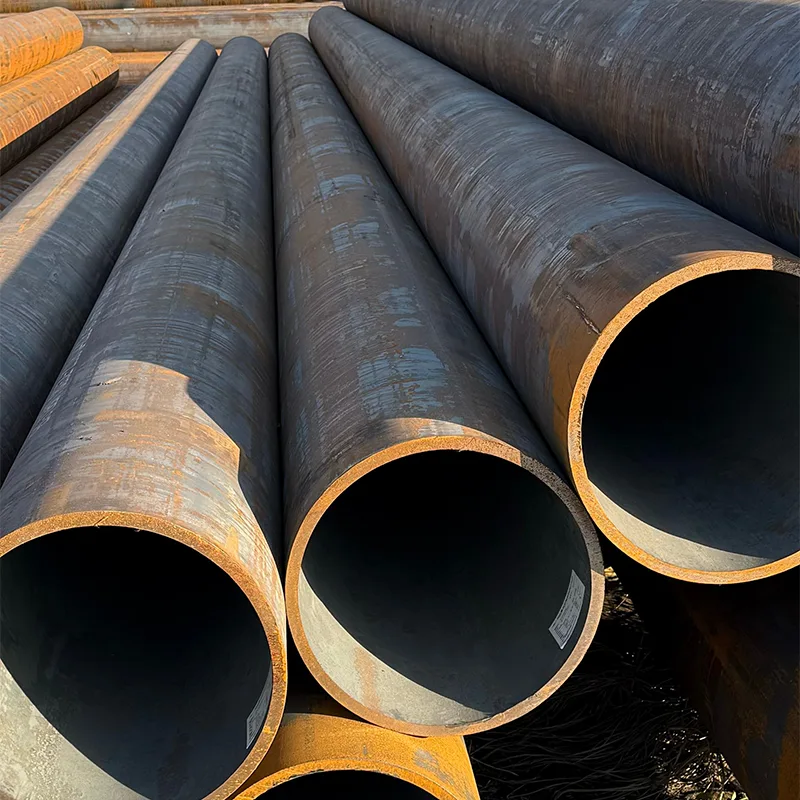
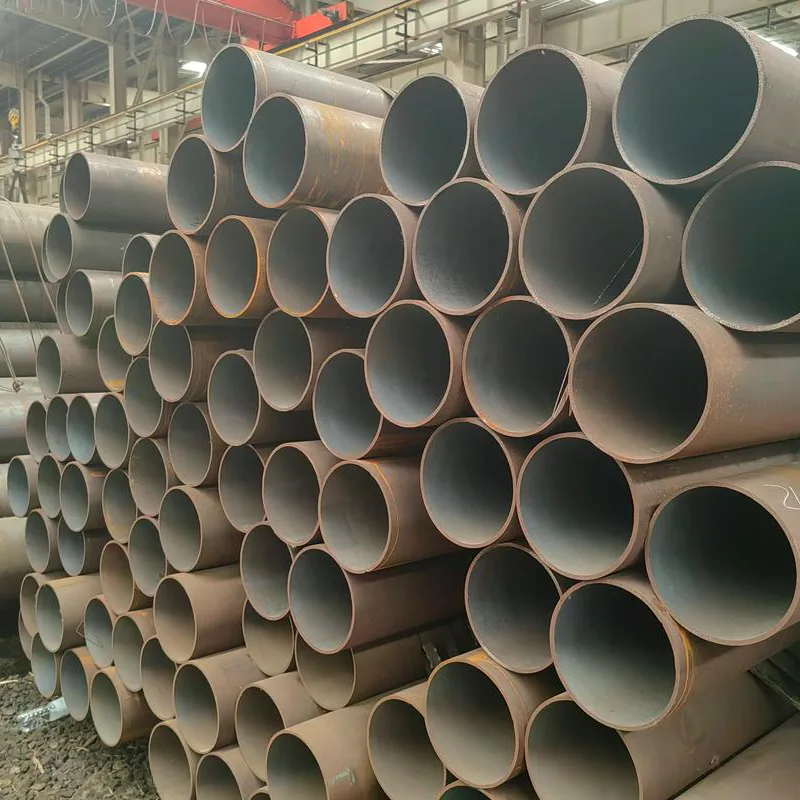
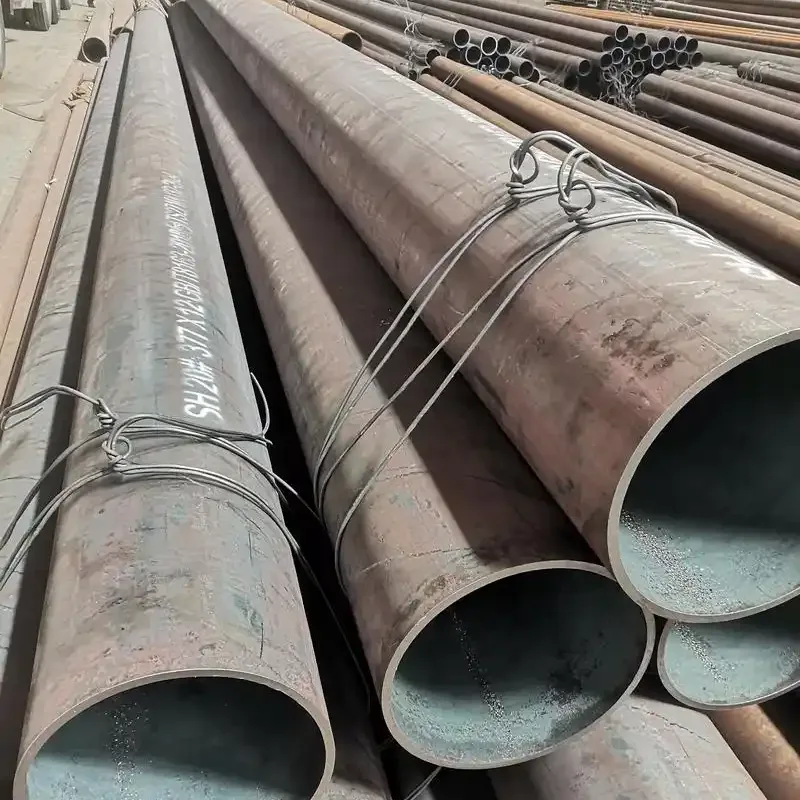
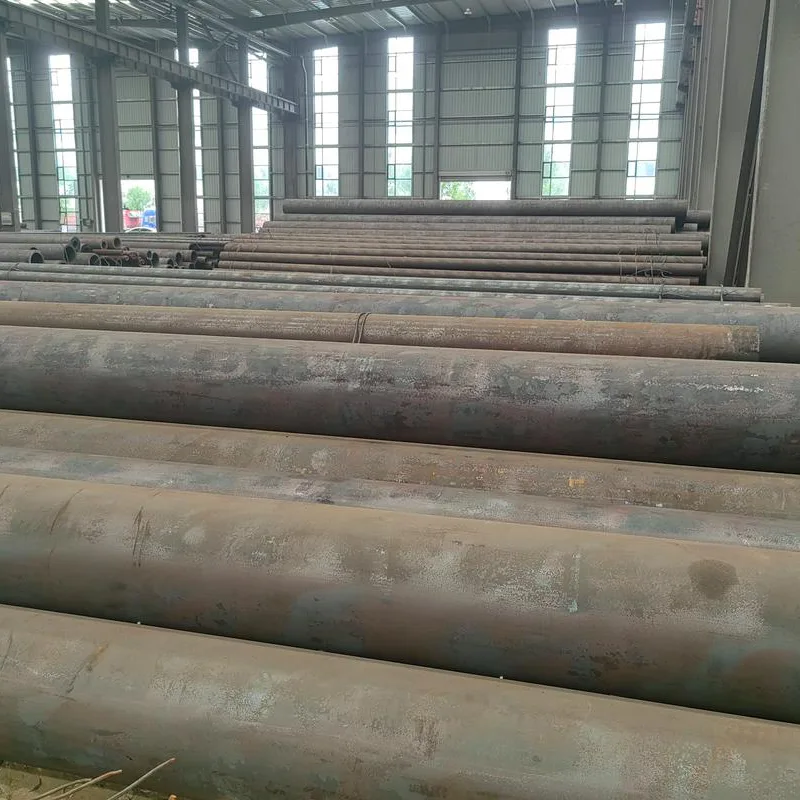
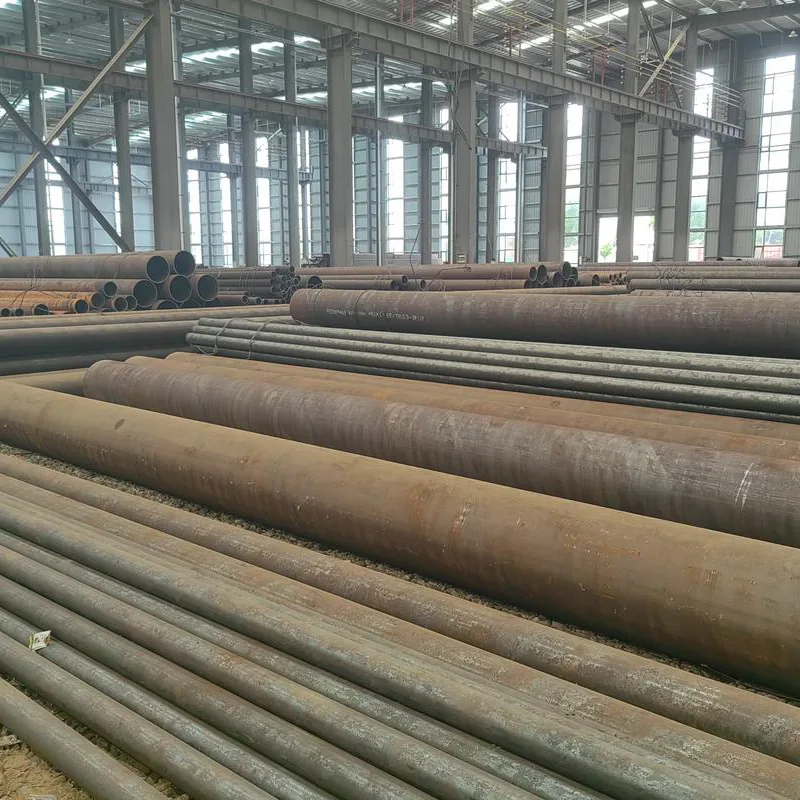
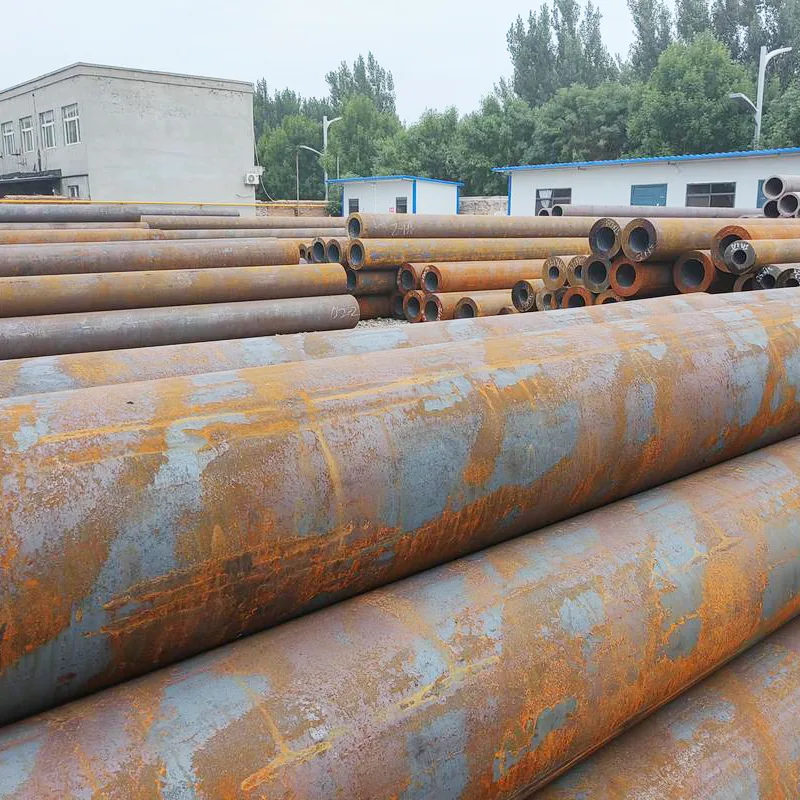
20mng Seamless Steel Pipe
Both 20MnG and 25MnG seamless steel pipes belong to the category of alloy steel pipes for boilers, primarily used in the heating surface piping of high-temperature, high-pressure equipment. Their material systems are similar, both being carbon steel with added manganese for strengthening, improving the pipe's strength, toughness, and heat resistance. However, due to differences in carbon content, the two types of steel pipes differ in strength, plasticity, processing performance, and applicable environments.
I. Differences in Material Composition
20MnG seamless steel pipe is a low-carbon manganese steel boiler tube, with an average carbon content of approximately 0.20%. Manganese is mainly used to improve material strength while maintaining good plasticity and weldability.
25MnG seamless steel pipe is a medium-low carbon manganese steel boiler tube, with an average carbon content of approximately 0.25%. Compared to 20MnG, the carbon content is slightly higher, resulting in improved material strength and hardness, but slightly reduced plasticity and weldability.
In short:
20MnG: Offers better overall performance and balance, with better plasticity and weldability;
25MnG: Has higher strength and is more suitable for environments with heavier loads.
II. Performance Differences
1. Strength Differences
Due to its higher carbon content, 25MnG exhibits higher strength and hardness after heat treatment, making it slightly superior to 20MnG in terms of pressure and mechanical load resistance. If the equipment operates at higher pressures and has stricter requirements for steel pipe strength, 25MnG has a certain advantage. While 20MnG has slightly lower strength, its overall performance is more stable, making it more widely used in conventional boilers and pressure equipment.
2. Plasticity and Weldability Differences
Due to its lower carbon content, 20MnG has better plasticity and weldability, making it easier to control during processing, bending, and welding.
While the increased carbon content of 25MnG enhances its strength, its weldability is slightly lower than that of 20MnG, requiring more stringent welding techniques.
3. Differences in High-Temperature Stability
Both are boiler steel pipes and possess a certain degree of high-temperature resistance, suitable for boiler heating surfaces and pressure piping. However, under long-term high-temperature and high-pressure environments, 25MnG, with its higher strength, can withstand greater workloads; 20MnG prioritizes stability and ease of processing. The actual selection should be based on boiler design parameters, rather than simply comparing which material is better.
Which is better, 20MnG or 25MnG?
There is no absolute better or worse; it depends on the operating environment. If weldability, processing performance, and overall stability are more important, 20MnG is more suitable; if the equipment operates at higher pressures and requires higher strength, 25MnG has an advantage.
What are the differences between 20MnG and 20G?
20G is a carbon boiler steel pipe, while 20MnG is a boiler steel pipe strengthened with manganese added to 20G. Compared to 20G, 20MnG has higher strength and better high-temperature performance, making it more suitable for boiler equipment with higher pressure requirements.
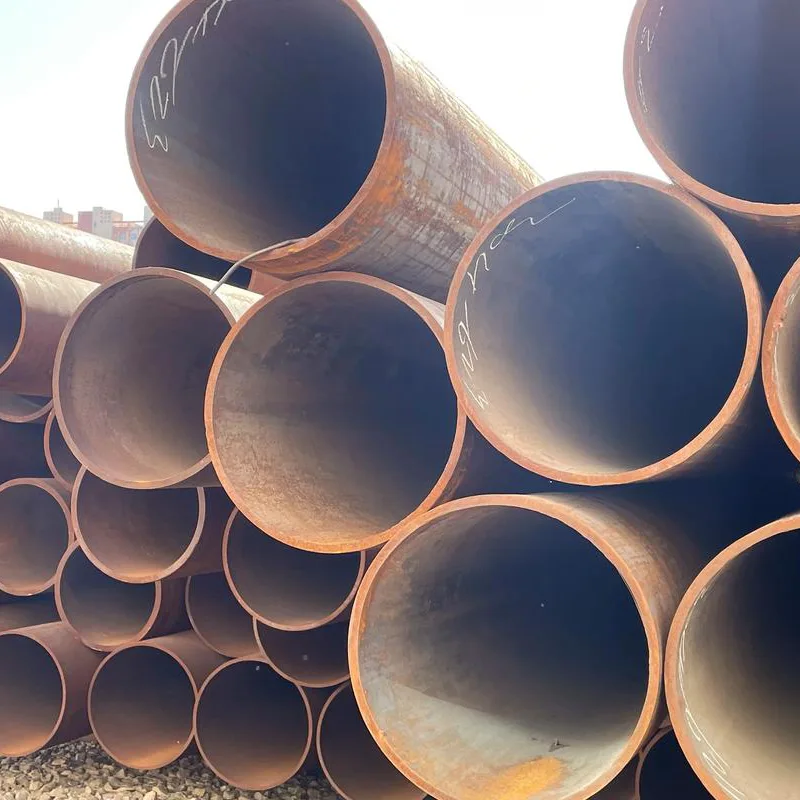
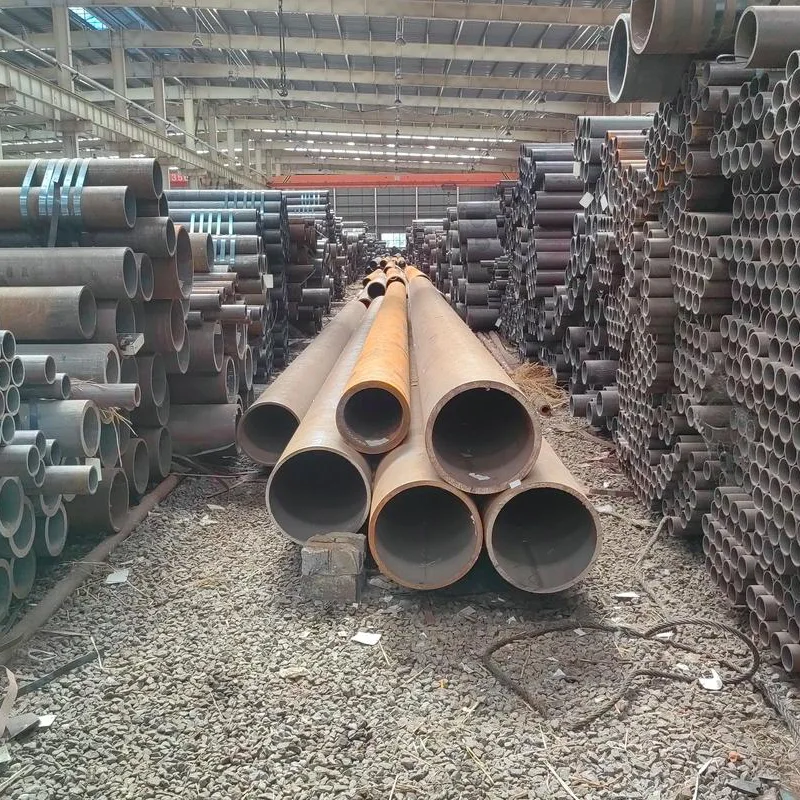
Hot Tags: 20mng Seamless Steel Pipe, China, Manufacturer, Supplier, Factory
Related Category
Send Inquiry
Contact Info
-
Address
Hanyu Jingu, High-tech Zone, Jinan City, Shandong Province, China
-
Tel
-
E-mail
For inquiries about Carbon Steel, Stainless Steel, Galvanized Steel or price list, please leave your email to us and we will be in touch within 24 hours.