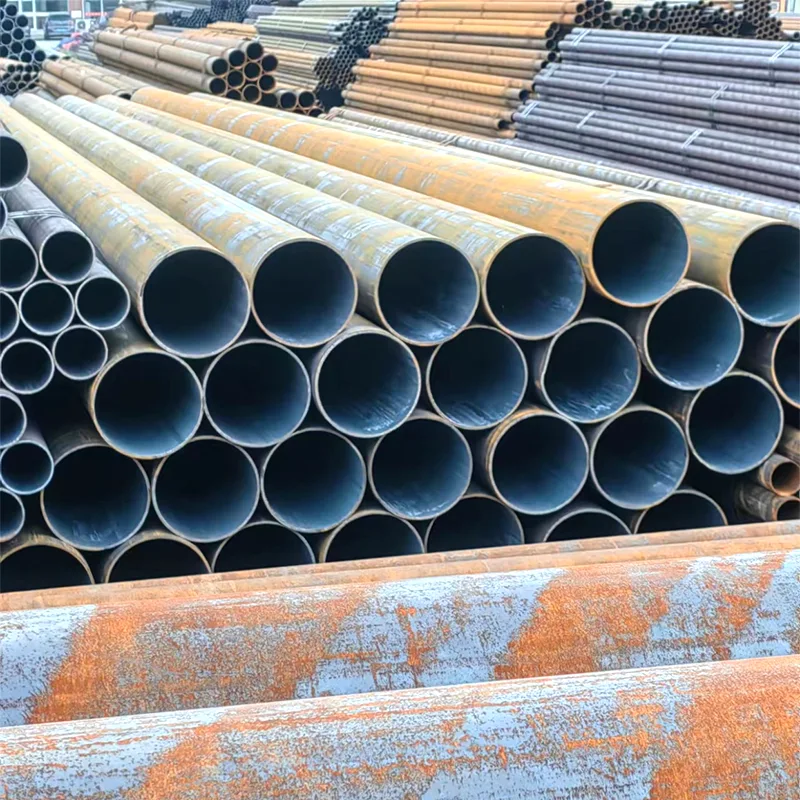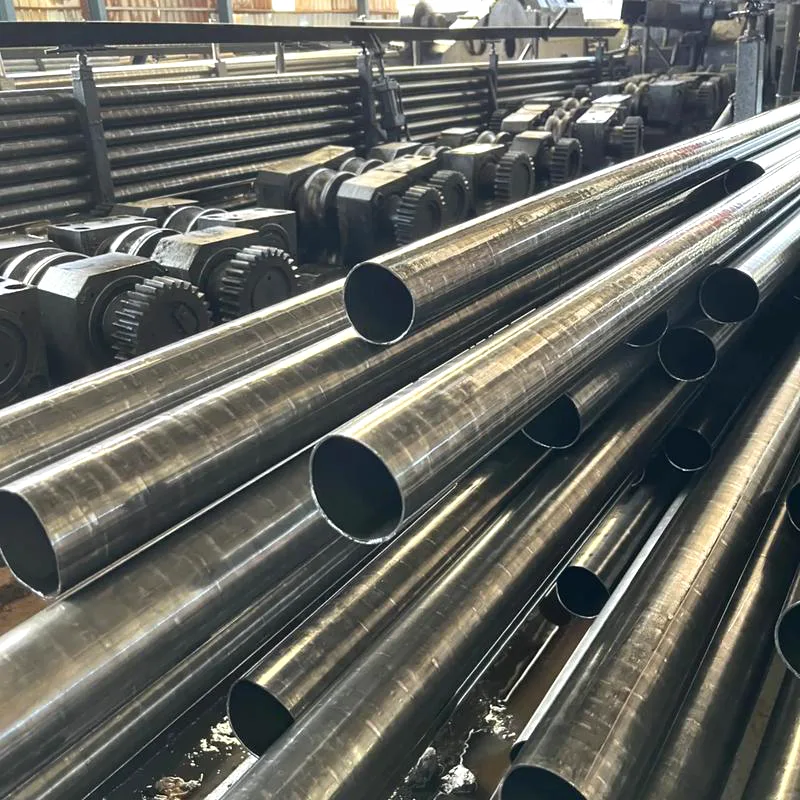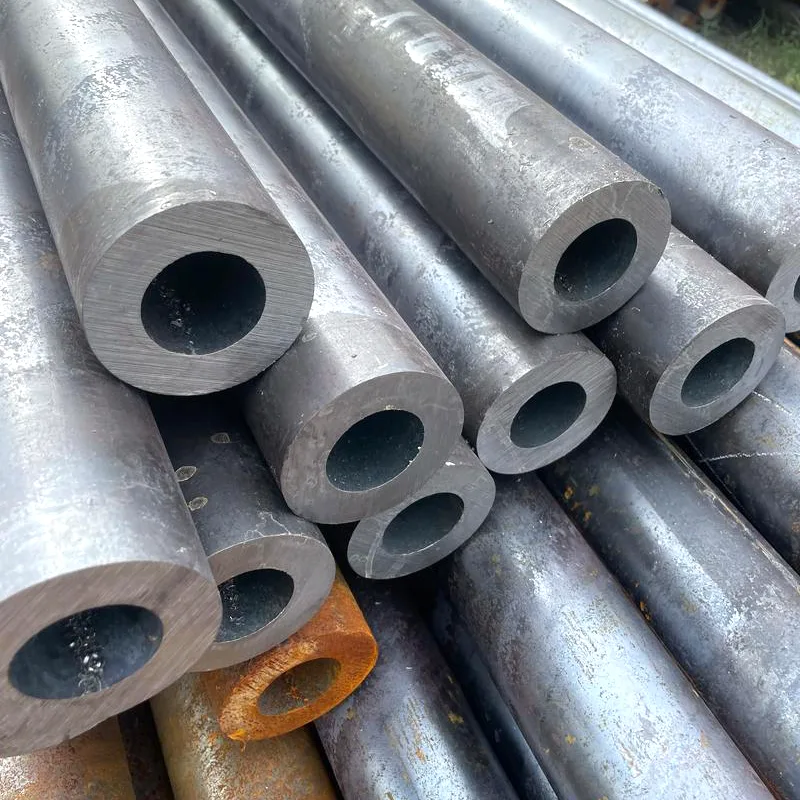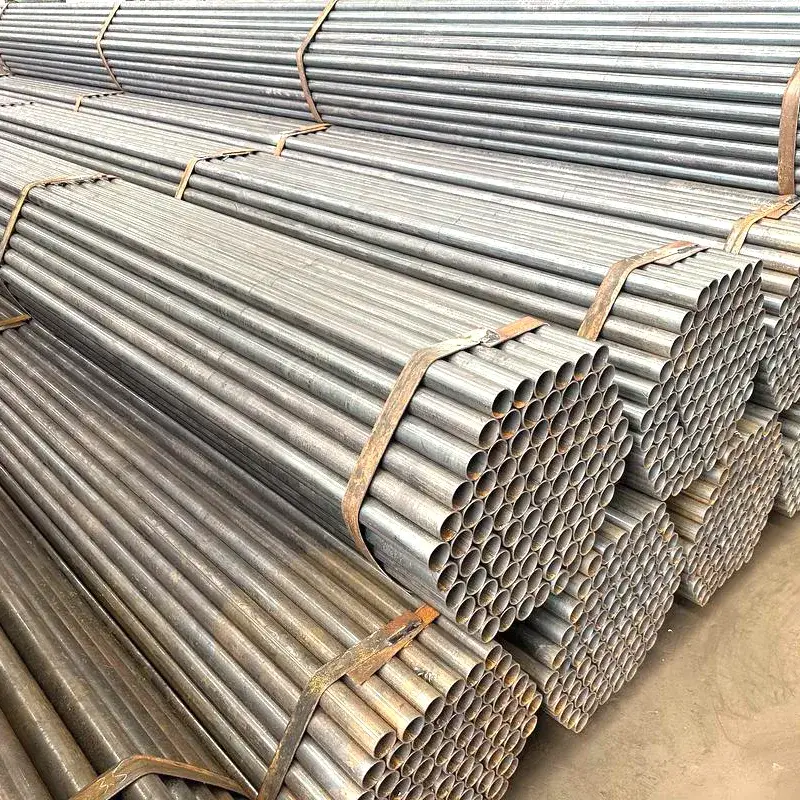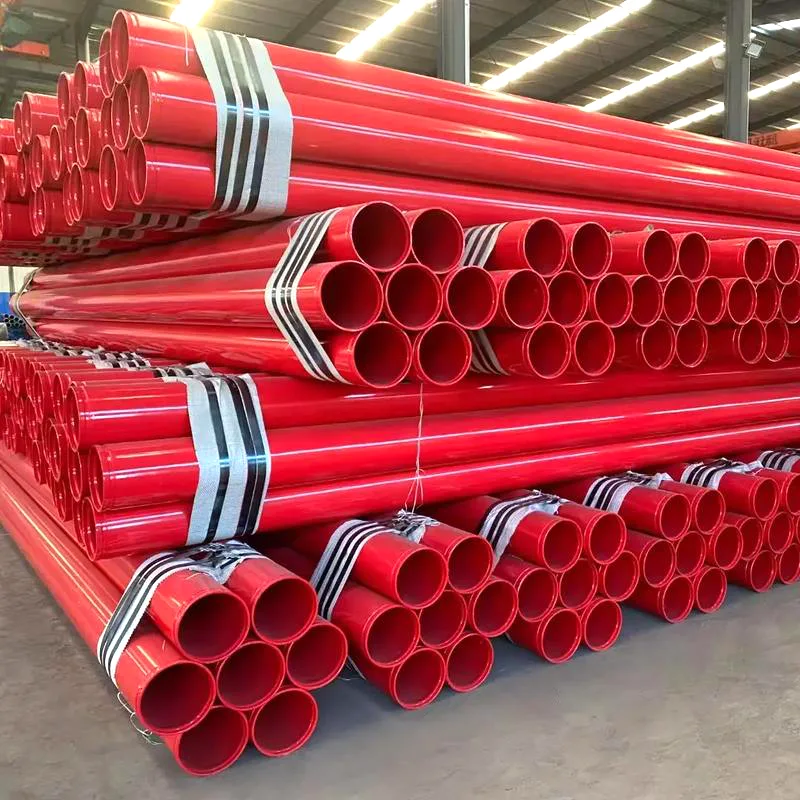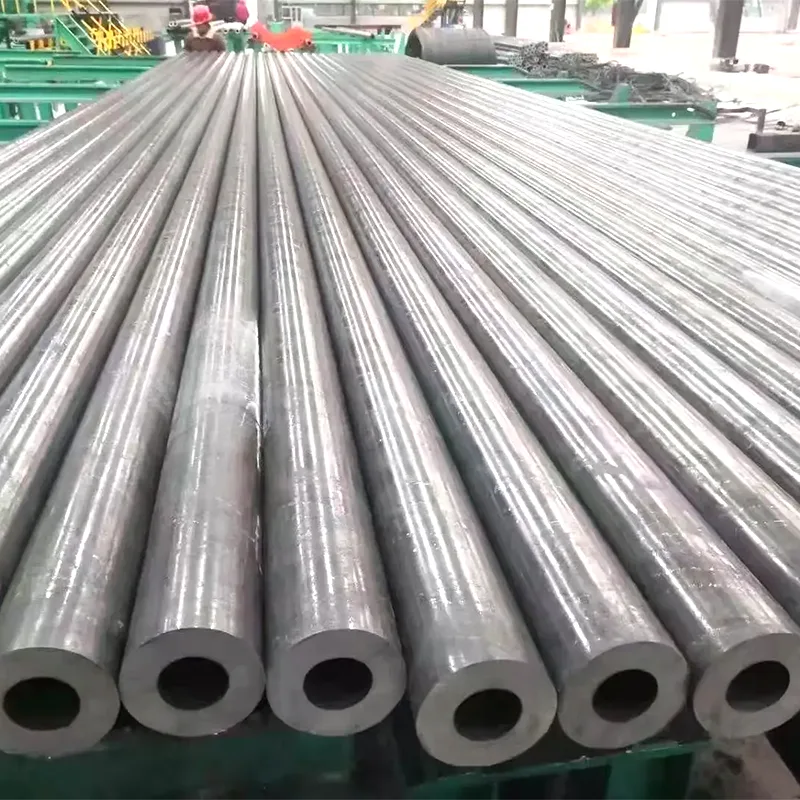
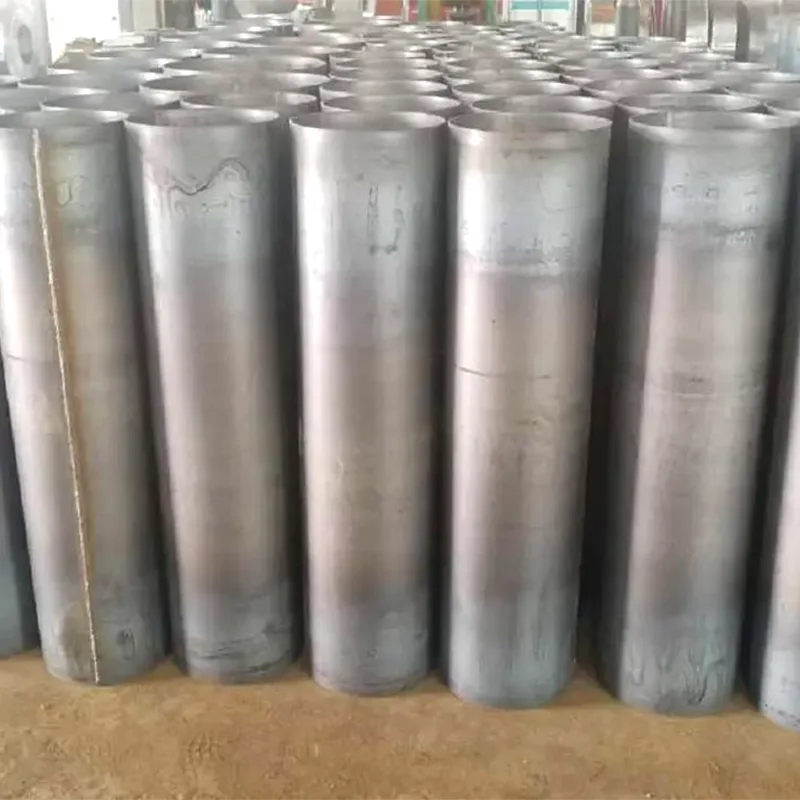
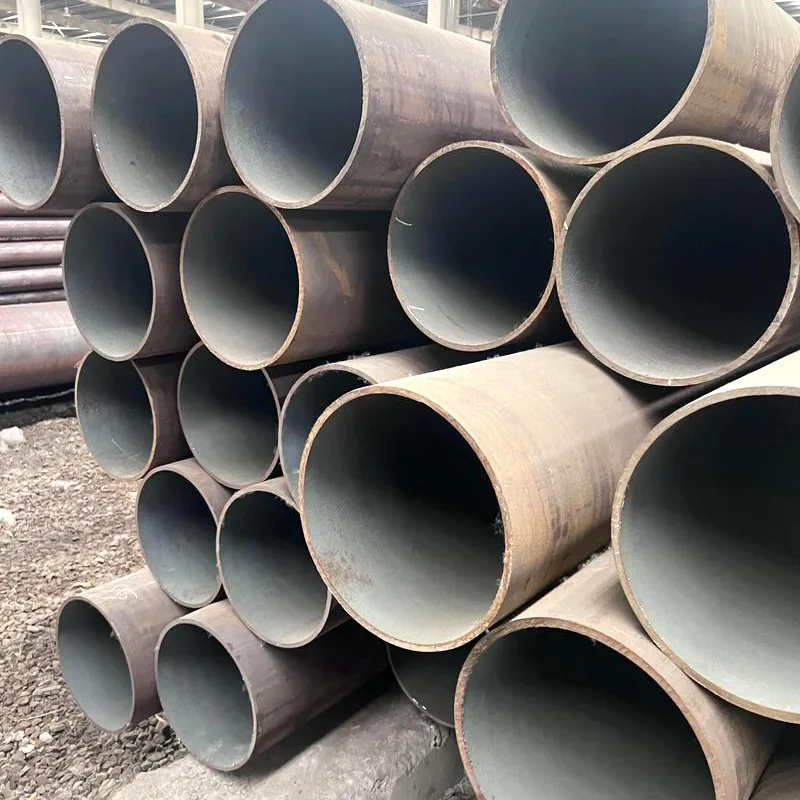
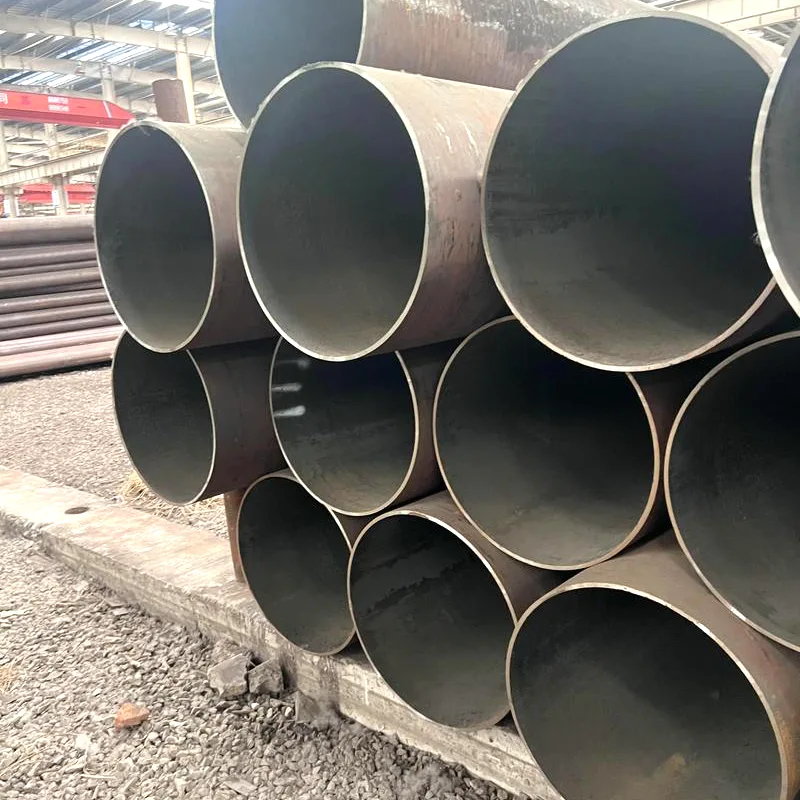
Carbon Steel Pipes
Carbon Steel Pipes factory employs a comprehensive quality control system: carefully selecting steel billets from leading steel mills such as Baowu and Hebei Iron & Steel, utilizing imported German forming equipment and a Lincoln automated welding system, achieving a welding qualification rate of over 99.9%. 100% ultrasonic testing, X-ray inspection, and hydrostatic testing (1.5 times the working pressure) ensure the absence of internal and external defects.
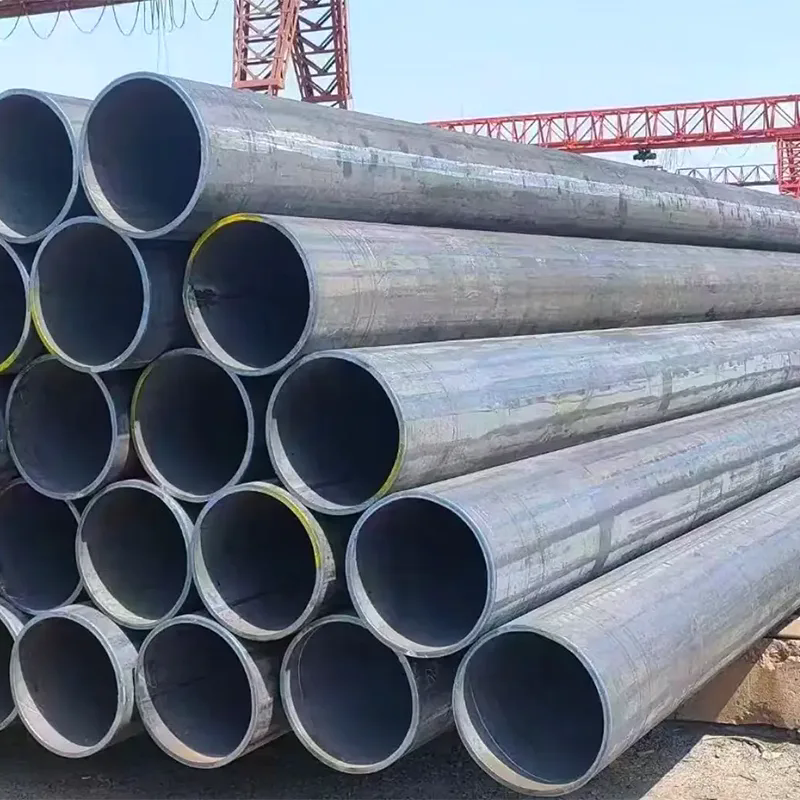
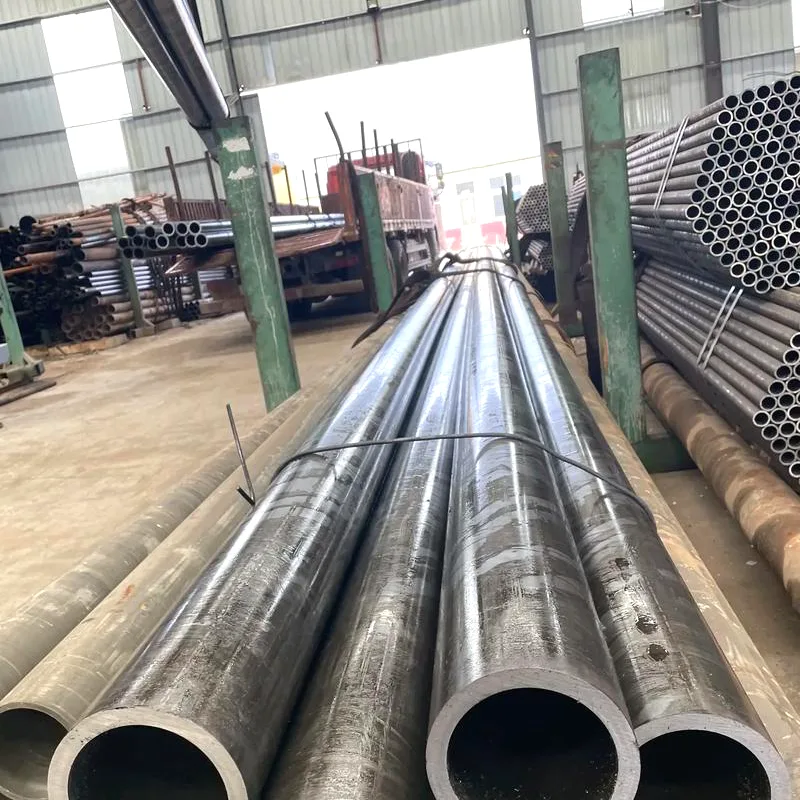
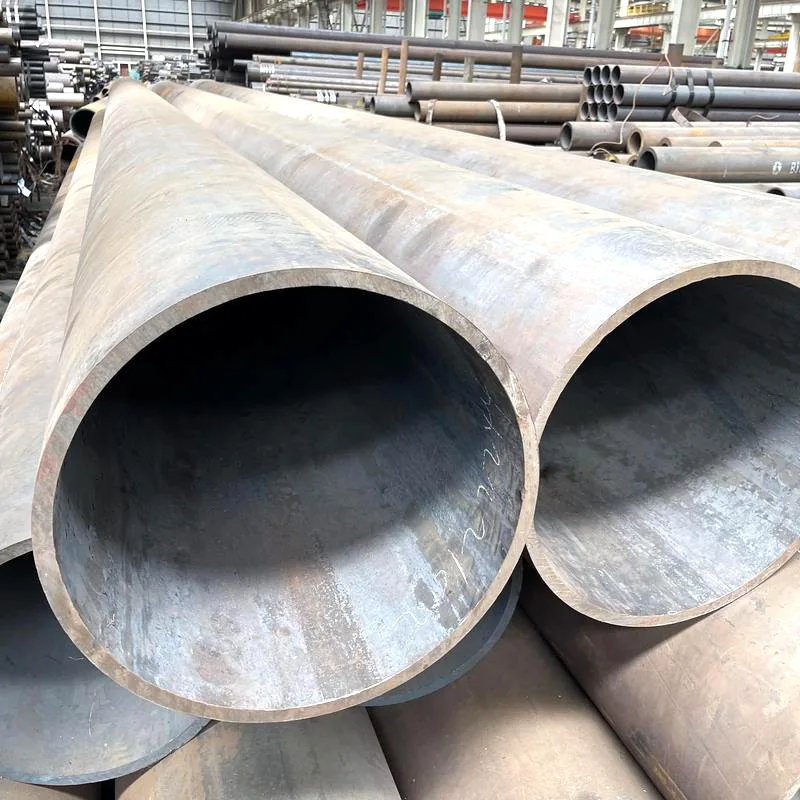
Carbon steel pipes are steel tubular products manufactured primarily from carbon steel, typically produced through either welding or seamless processes. Their primary constituents are iron and carbon, along with trace amounts of other elements such as manganese and silicon.
Carbon steel pipes possess high strength, excellent toughness, and superior pressure-bearing capabilities, making them suitable for use in a wide variety of industrial environments. Depending on the manufacturing method, they are classified into seamless carbon steel pipes and welded carbon steel pipes; these are widely utilized in sectors such as oil and natural gas transportation, structural construction, mechanical manufacturing, and the chemical industry.
Carbon steel pipes are steel pipe products based on iron-carbon alloys, categorized into three main types according to carbon content:
|
Categories |
Carbon content: |
Representative materials: |
Key Characteristics |
|
Low carbon steel |
≤0.25% |
10#, 20#, Q235B, SAE1006 |
Good plasticity, excellent weldability, low cost, and good toughness |
|
Medium carbon steel |
0.25%-0.6% |
35#, 45#, Q345B |
Moderate strength, balanced overall mechanical properties |
|
High carbon steel |
>0.6% |
60#, 65Mn |
High hardness, good wear resistance, and excellent elasticity |
Most commonly used materials: 20# steel (preferred for fluid transportation), Q235B (mainstay for structural pipes), and Q355B (low-alloy high-strength, suitable for high-pressure conditions).
According to the manufacturing process of carbon steel pipes, they can be divided into seamless steel pipes and welded pipes.
1. Seamless Steel Pipes: Integral forming, without weld defects.
Manufacturing Process: Solid round steel billet → heating (around 1200℃) → piercing (forming a hollow tube) → hot rolling/cold drawing → sizing → straightening → non-destructive testing → cutting → inspection and packaging.
Core Advantages: No weld seams, continuous and complete metal fibers, strong resistance to internal pressure, and burst strength 20-30% higher than welded pipes. Dense structure, suitable for high-pressure (>10MPa) and high-temperature (>350℃) conditions. Better corrosion resistance, no performance fluctuations caused by the weld heat-affected zone (HAZ).
Typical Applications: High-pressure steam pipelines, main oil and gas transmission pipelines, boiler superheaters, high-pressure oil pipes in hydraulic systems.
2. Welded Pipe: High-Efficiency Forming, Significant Cost Advantages
Welded pipes are divided into two categories: straight seam welded pipes and spiral welded pipes. The production processes are as follows:
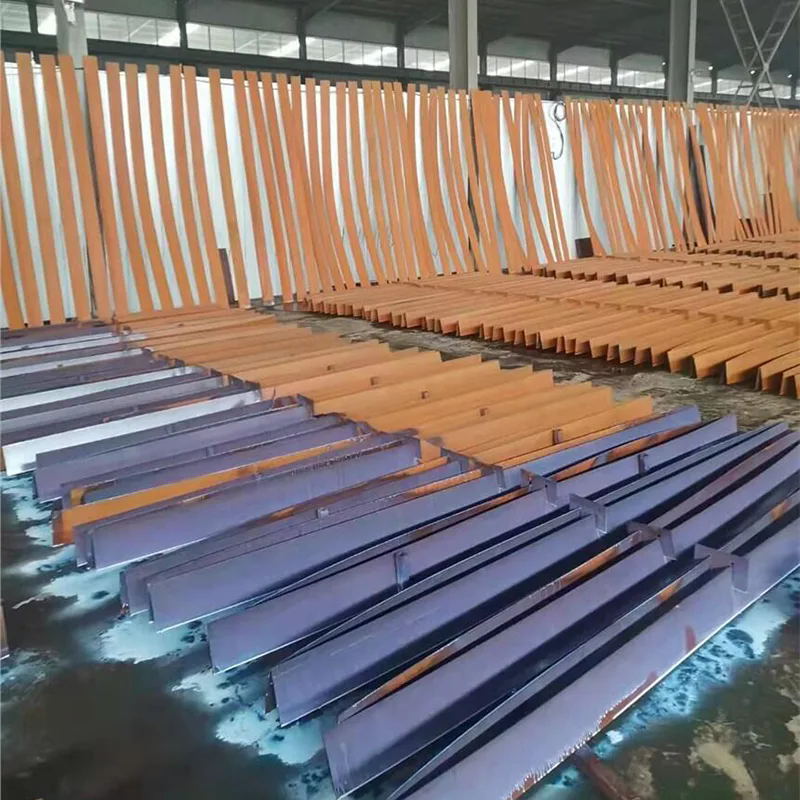
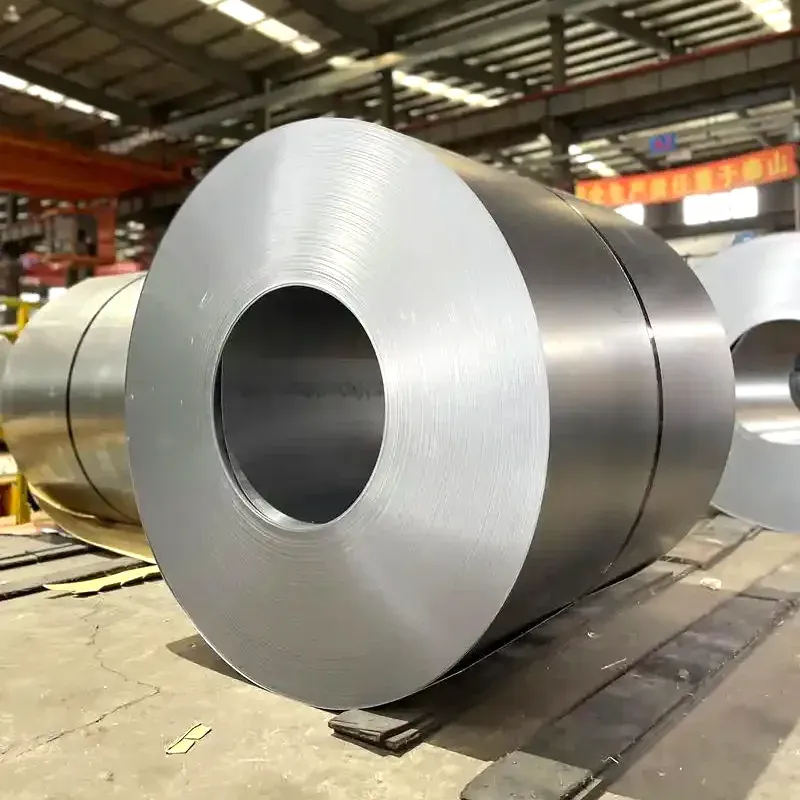
Straight Seam Welded Pipe: Steel strip → longitudinal shearing → forming → high-frequency welding → sizing → straightening → flaw detection → cutting
Spiral Welded Pipe: Steel strip → forming (spiral coiling) → submerged arc welding → sizing → straightening → inspection
Core Advantages
High production efficiency, cost is 30-50% lower than seamless pipes, especially advantageous for large-diameter pipes
Good wall thickness uniformity, particularly suitable for the production of large-diameter, thick-walled pipes
High flexibility in specifications, special lengths and wall thickness combinations can be customized as needed
Selection Guide
|
Selection Criteria |
Seamless steel pipe |
Welded pipe (straight seam/spiral) |
|
Pressure Rating |
High pressure (>10MPa), ultra-high pressure conditions |
Low pressure (≤4MPa), medium pressure applications |
|
Diameter Range |
Small and medium diameter (≤600mm) is more economical |
Significant advantages with large diameter (≥600mm) |
|
Cost Considerations |
Higher cost, suitable for critical components |
Significant cost advantage, suitable for large-scale projects |
|
Special Operating Conditions |
High temperature, corrosive, and high vibration environments |
Ambient temperature, normal pressure, general structural applications |
Full-cycle After-sales Service Guarantee
Technical Support: Professional engineering team providing pipe selection, installation guidance, and welding process parameter optimization
Delivery Guarantee: Annual production capacity of 500,000 tons+, overseas order delivery cycle ≤30 days, urgent orders can be delivered within 15 days
After-sales Response: 7×24-hour global service hotline, on-site technical support for overseas projects, 18-month warranty period
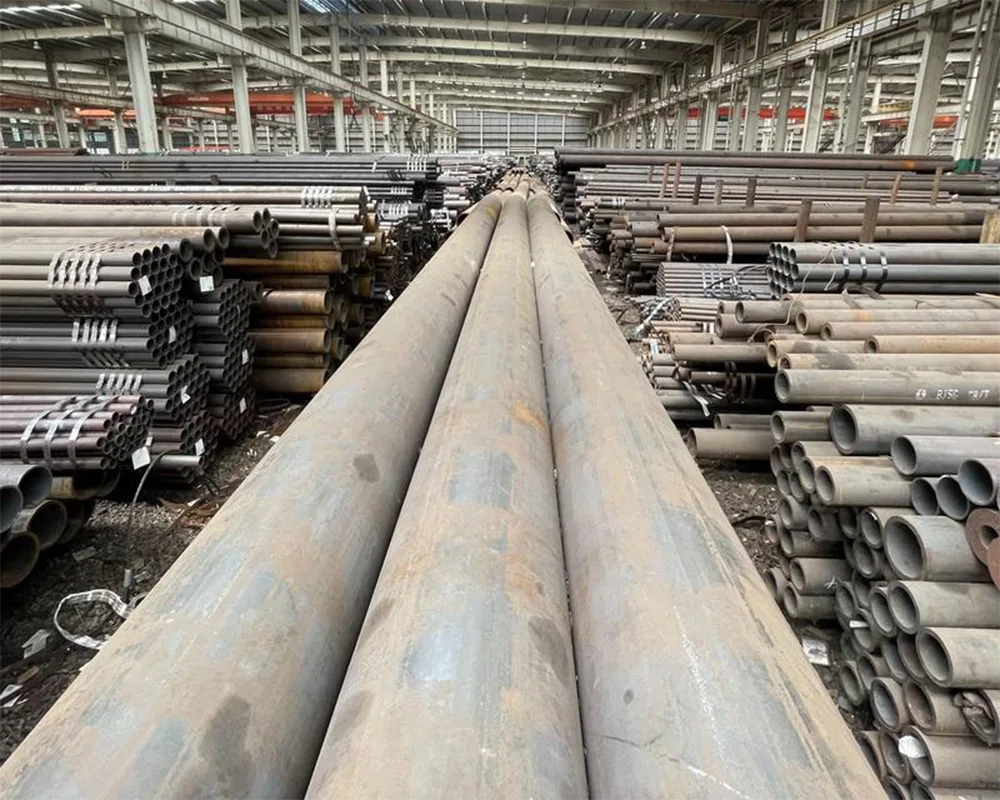
Hot Tags: Carbon Steel Pipes Manufacturer, Custom, Affordable, Wholesale
Related Category
Send Inquiry
Contact Info
-
Address
Hanyu Jingu, High-tech Zone, Jinan City, Shandong Province, China
-
Tel
-
E-mail
For inquiries about Carbon Steel, Stainless Steel, Galvanized Steel or price list, please leave your email to us and we will be in touch within 24 hours.