Wholesale Aluminum Bar: High-Quality Extrusions from China Factory Direct for Durable Construction
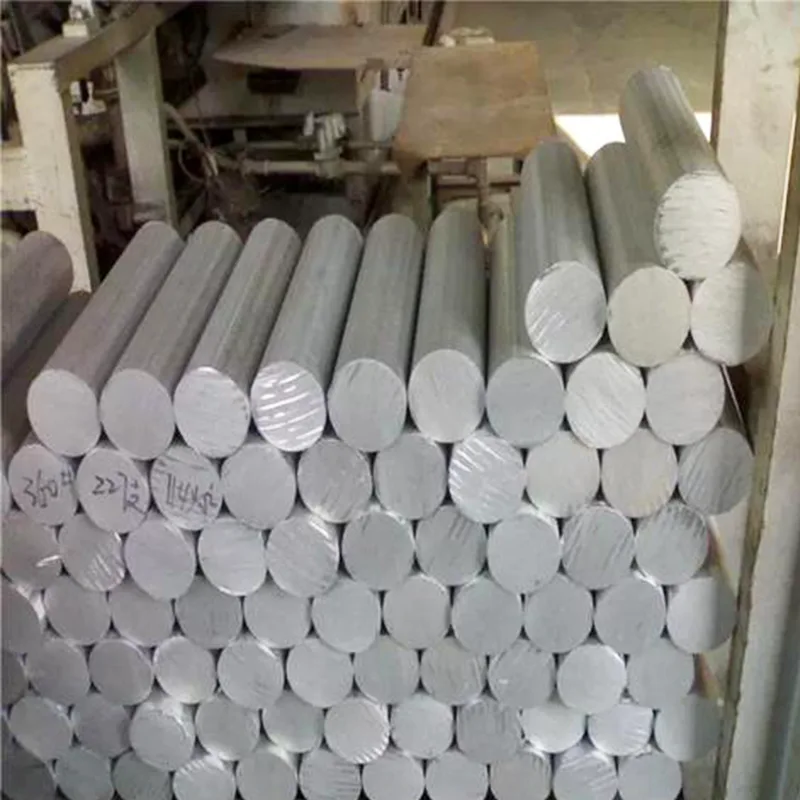
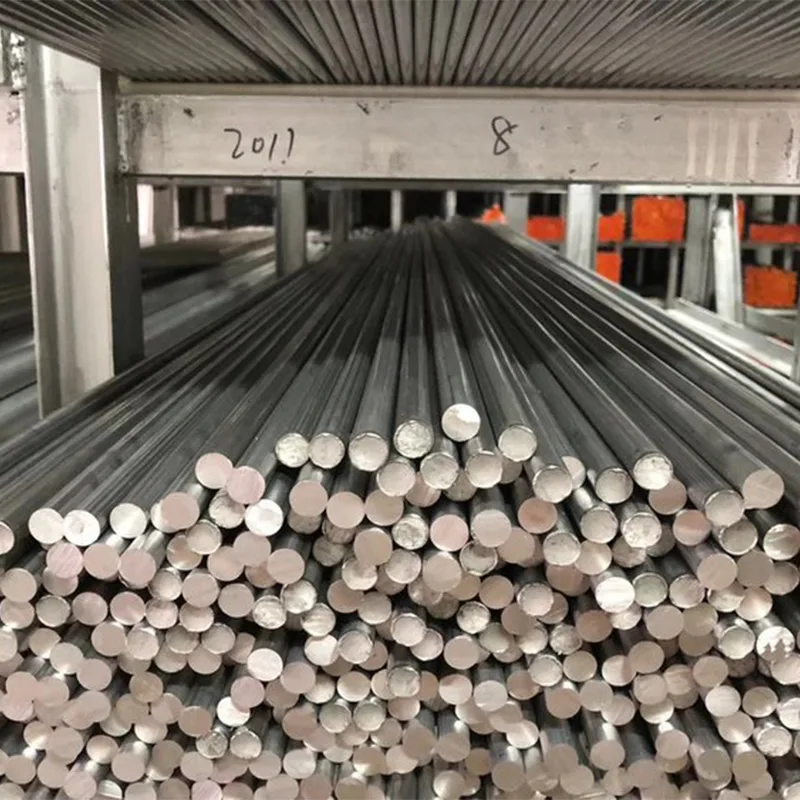
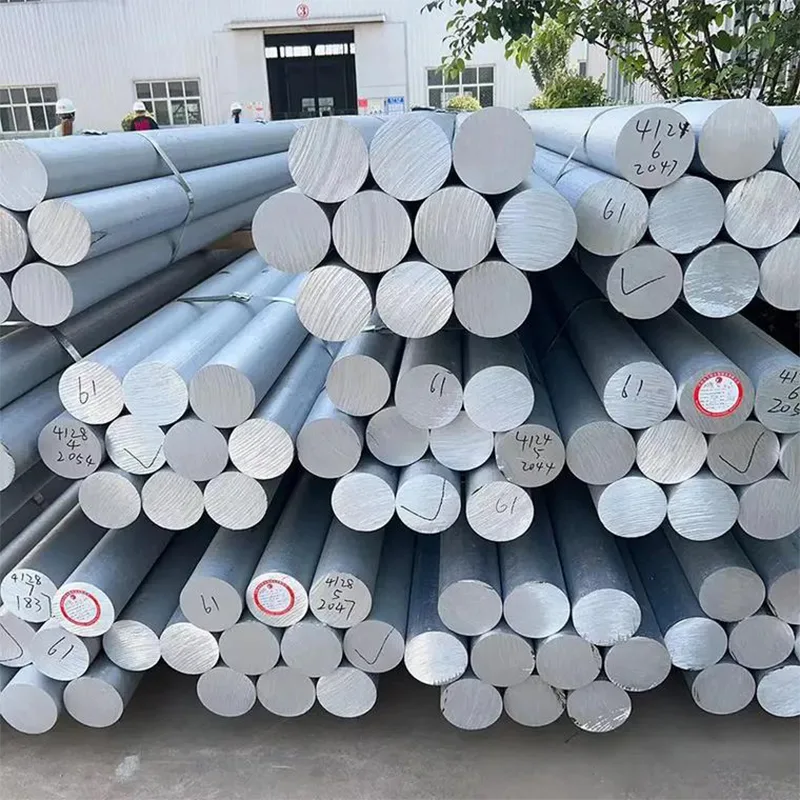
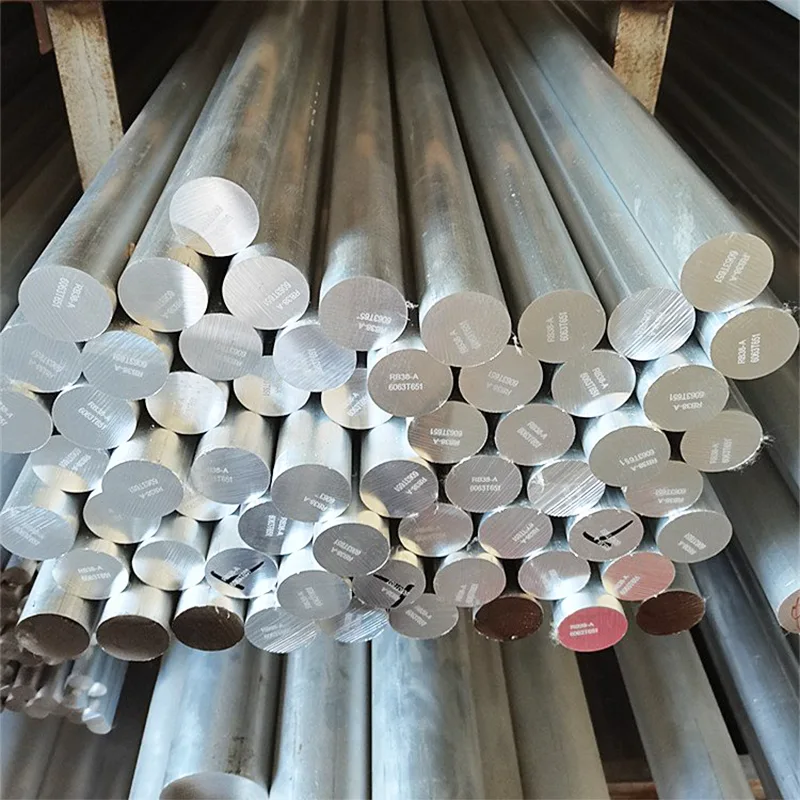
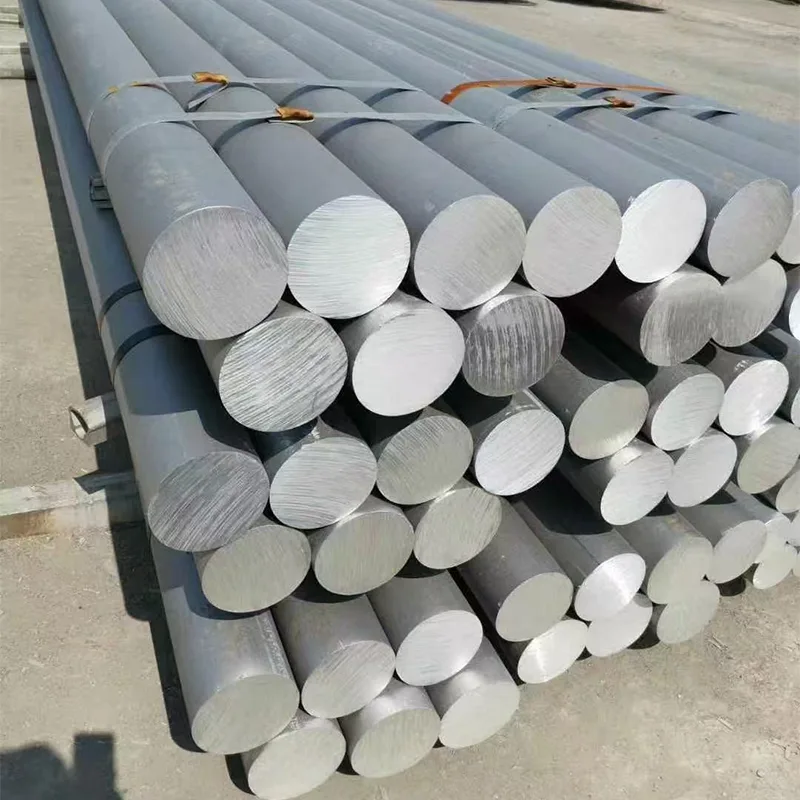
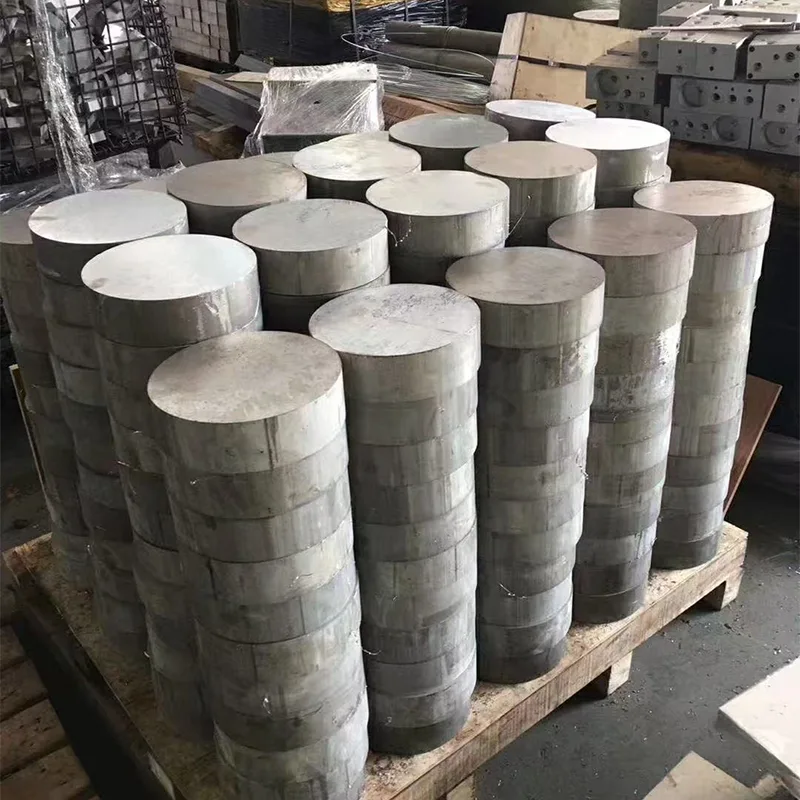
Our aluminum rod manufacturer produces various types of 1100/5052/5083/6082 aluminum rods, offering a complete range of materials and specifications to meet the needs of different industries such as machining, engineering structures, power hardware, marine equipment, and rail transportation. 1100 industrial pure aluminum rods boast excellent electrical and thermal conductivity and strong corrosion resistance; 2A12 high-strength hard aluminum rods offer outstanding mechanical properties, suitable for heavy-duty load-bearing components; 5052, 5754, and 5A06 series rust-proof aluminum rods are resistant to salt spray and moisture corrosion, suitable for coastal and chemical environments; we also supply 6061, 6063, and 6082 aluminum-magnesium-silicon alloy rods, offering balanced comprehensive performance and making them the preferred material for general structural components.
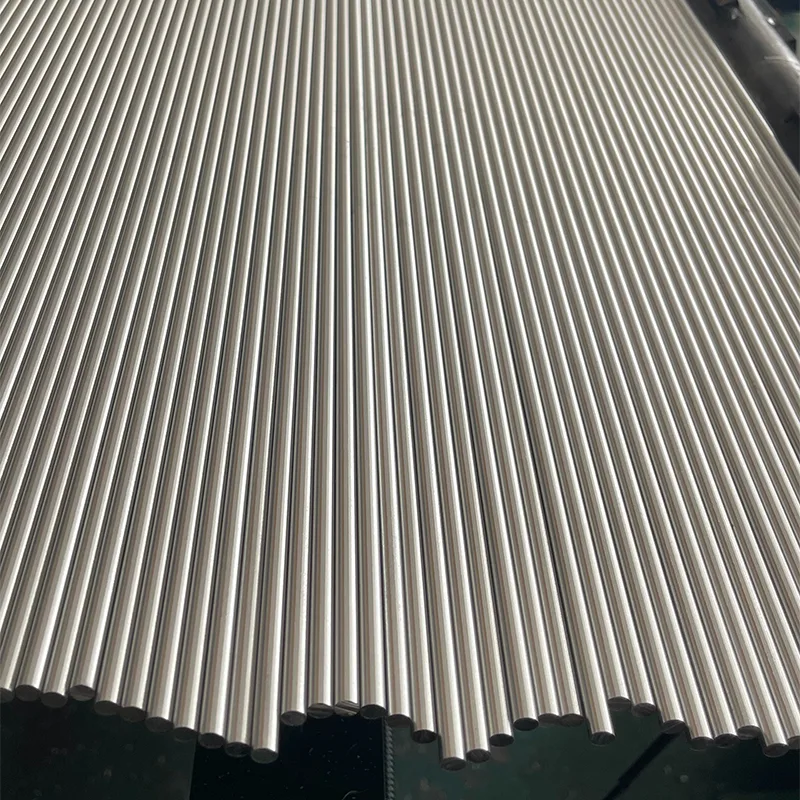
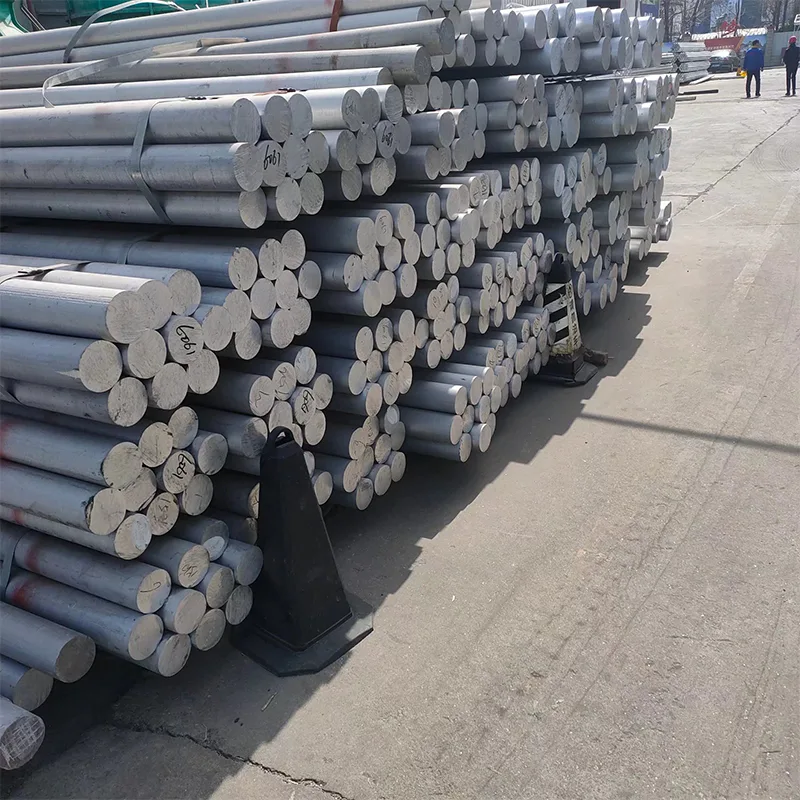
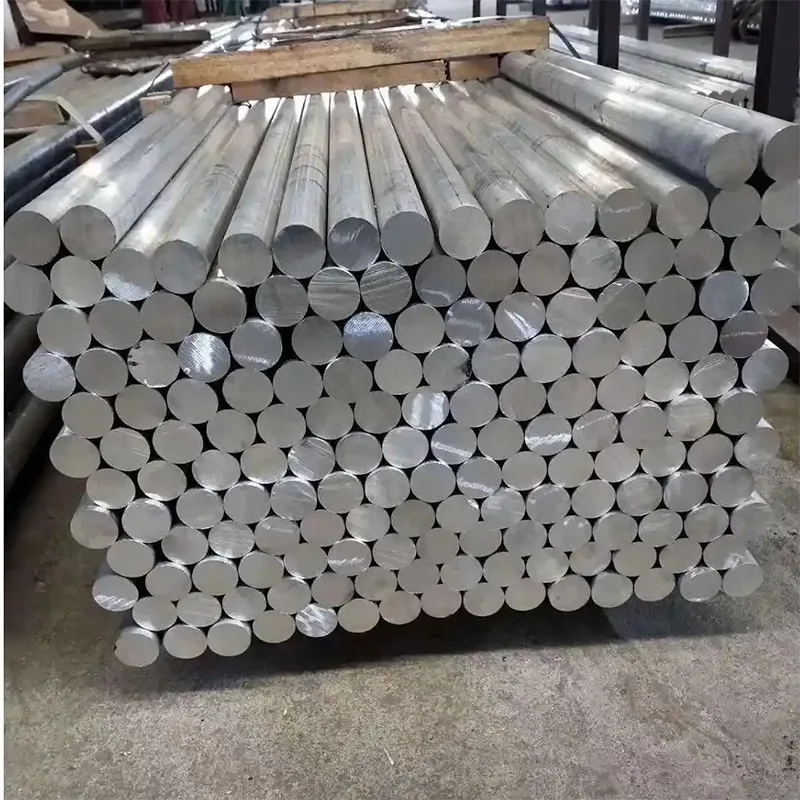
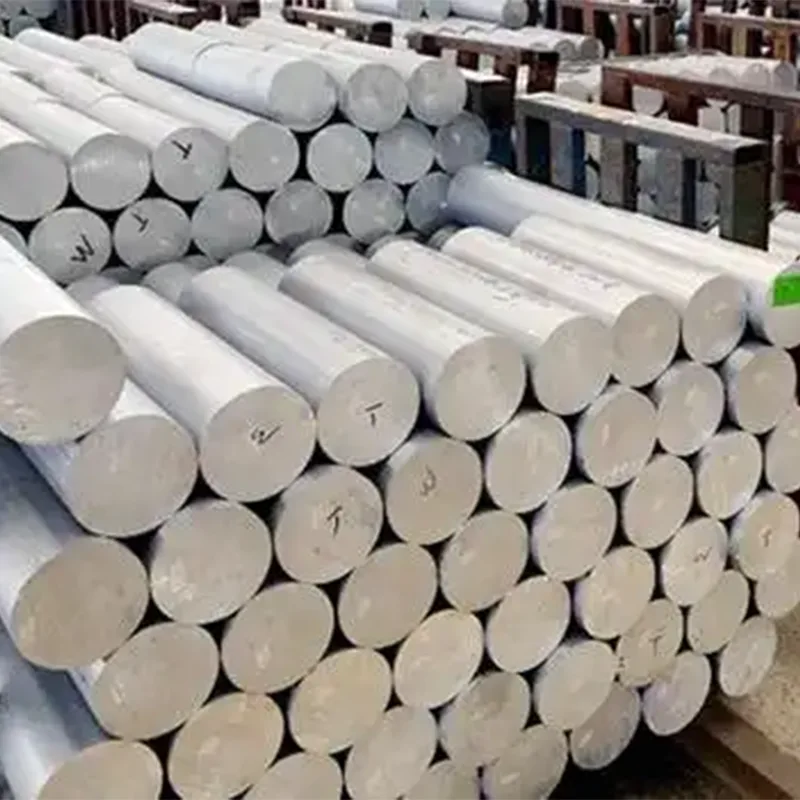
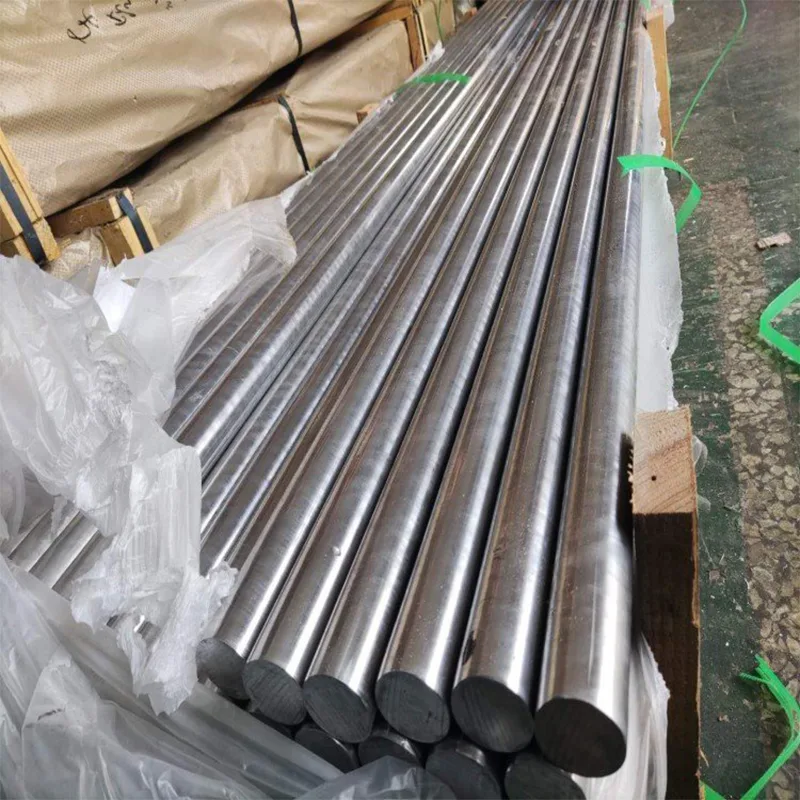
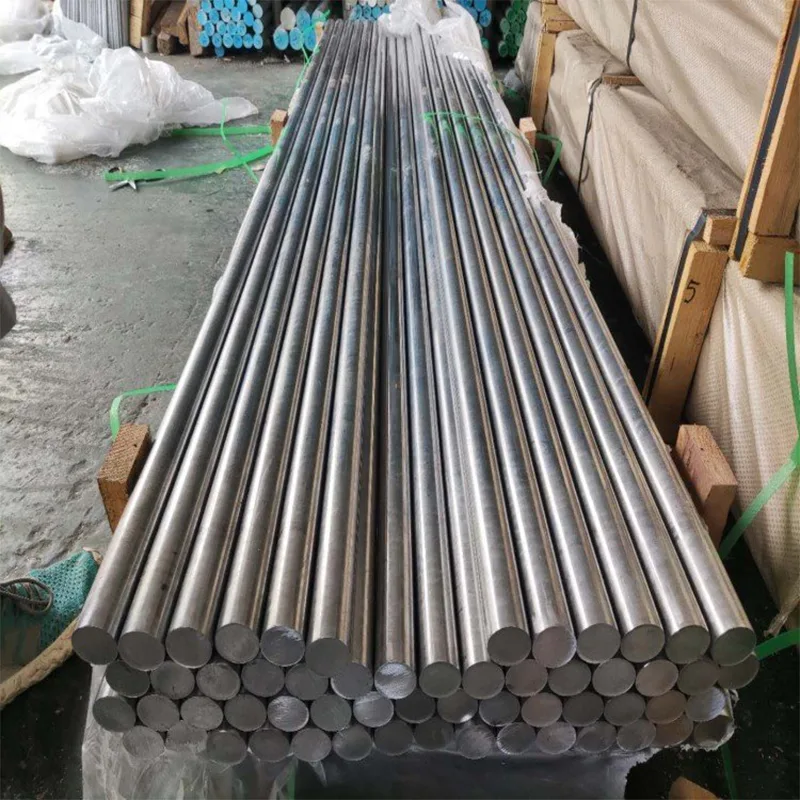
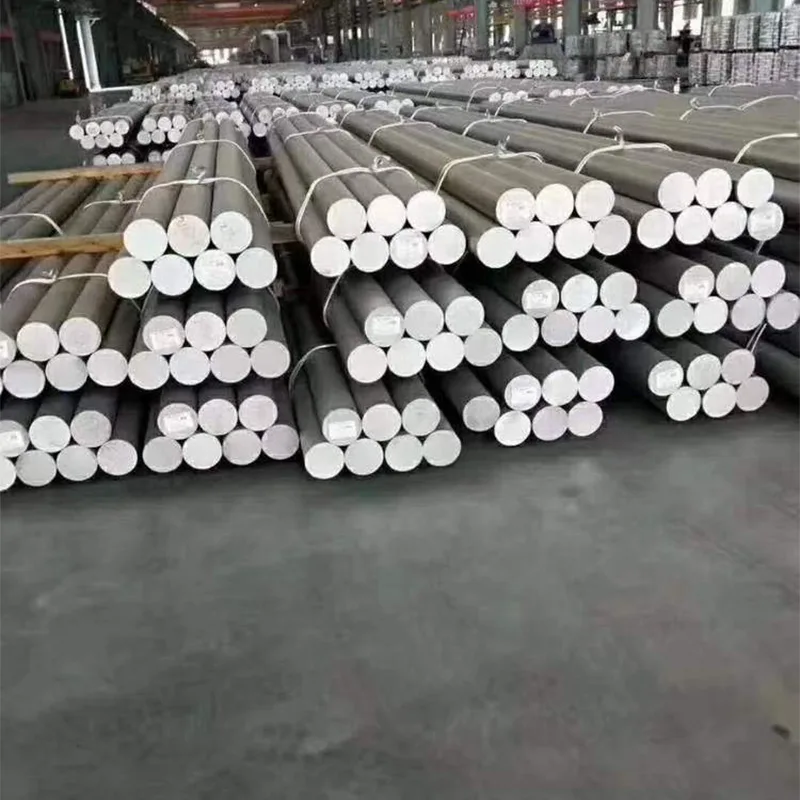
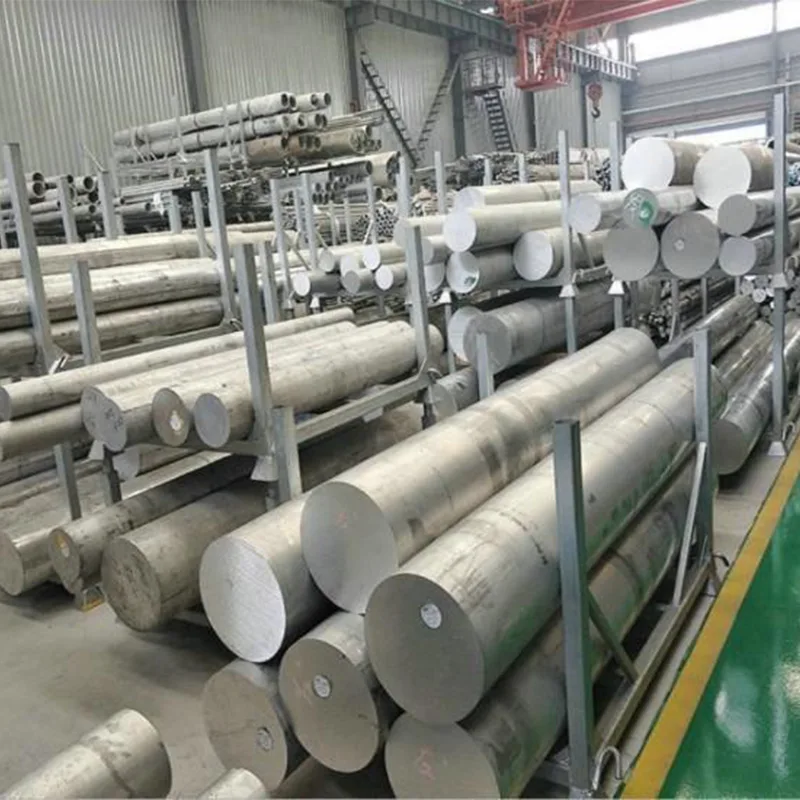
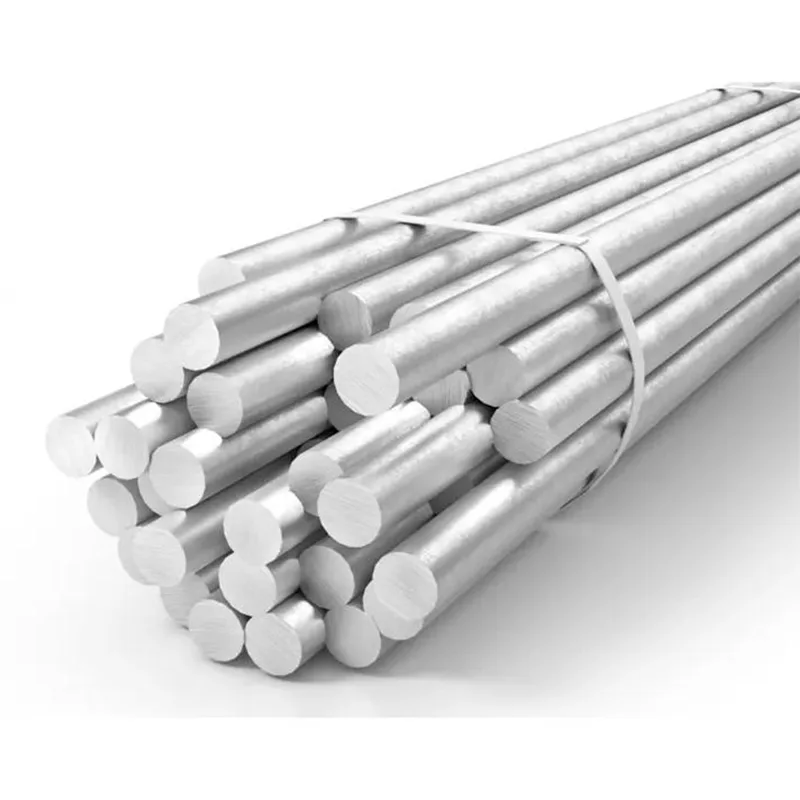
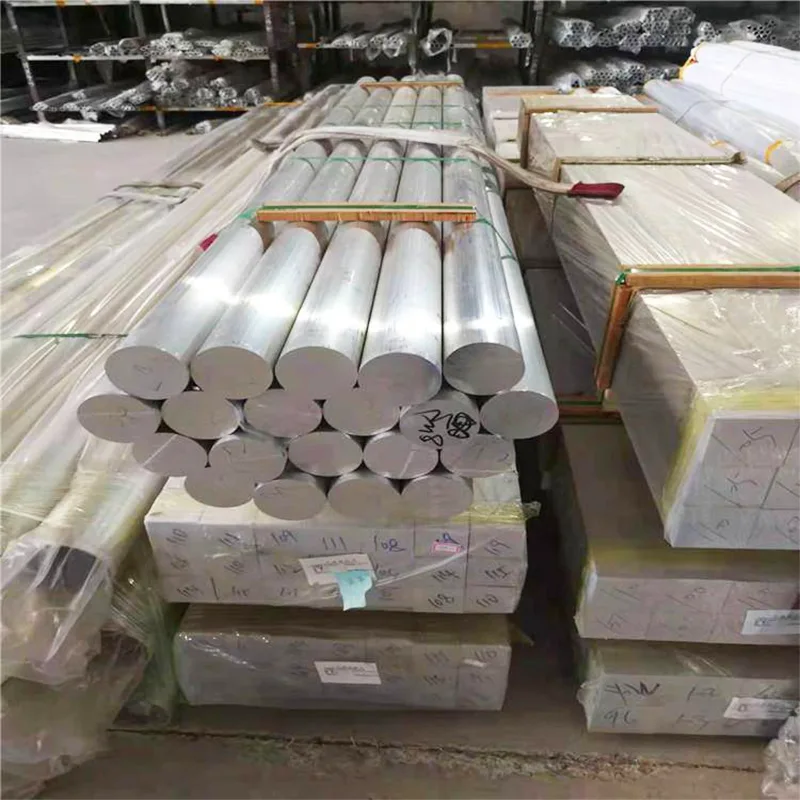
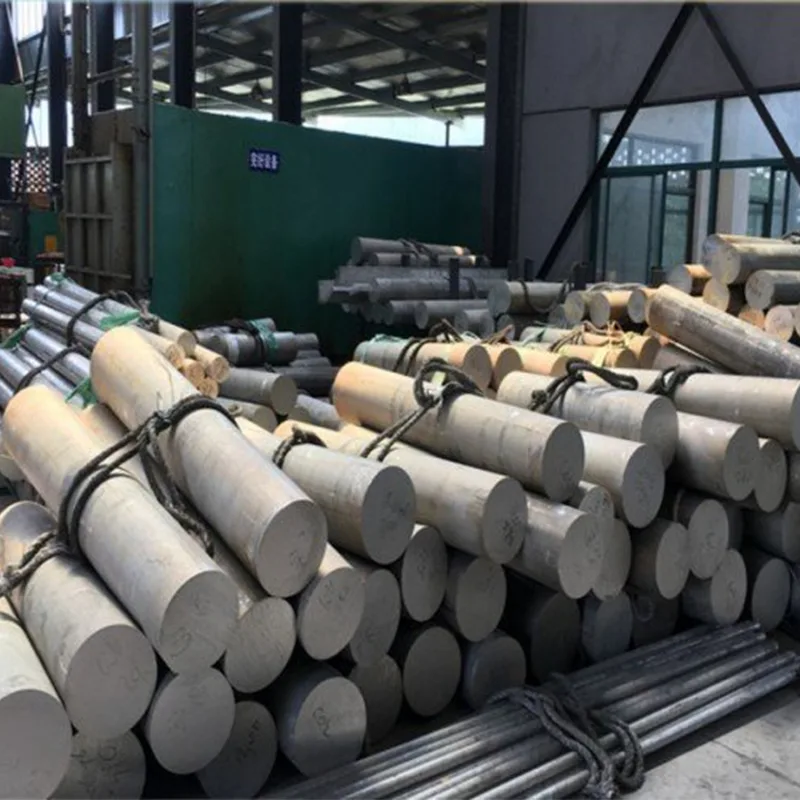
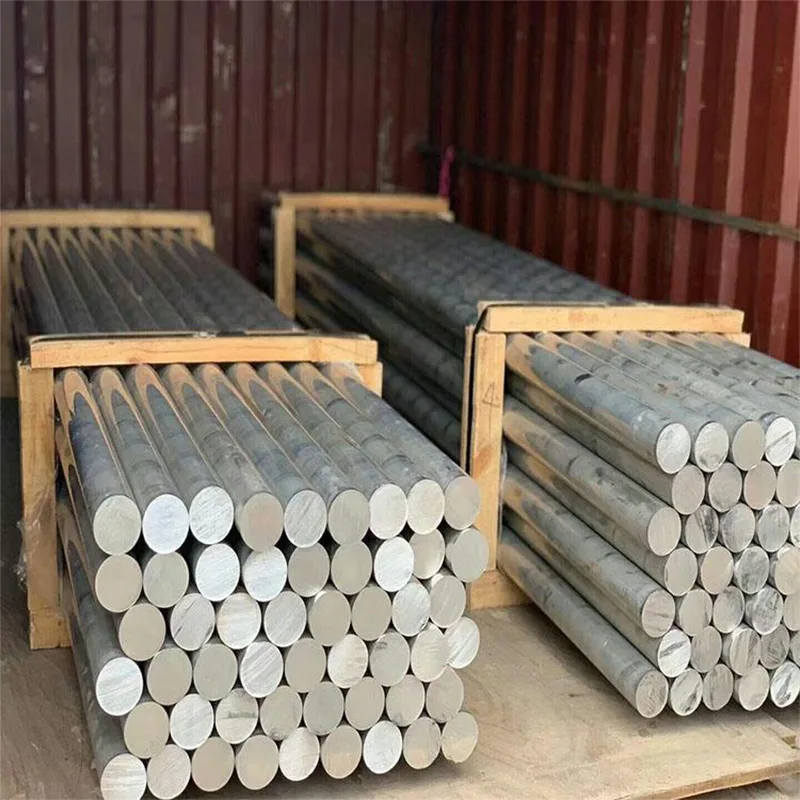
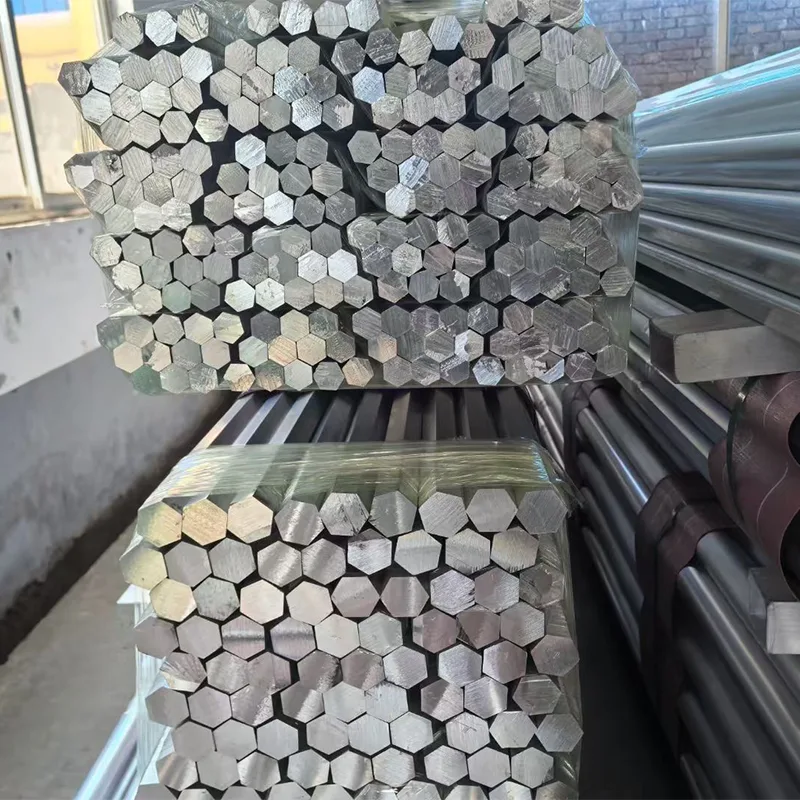
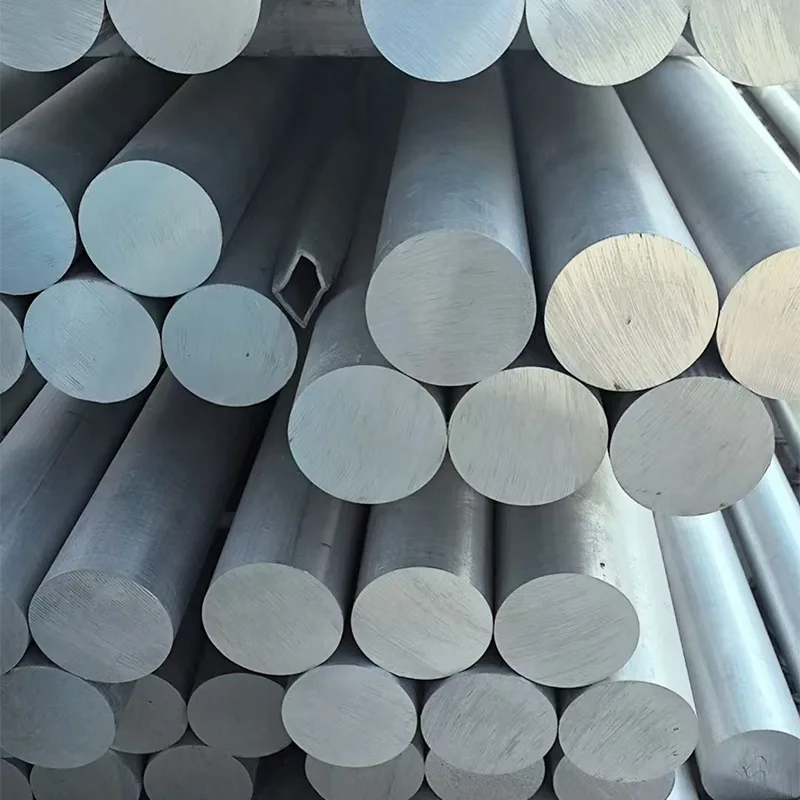
Our aluminum rod products include round, square, hexagonal, and irregularly shaped rods. Round rod diameters range from φ3mm to φ500mm, with a full range of sizes available. The standard factory length is 6 meters, but we also support custom length and cutting to order. We offer a wide range of supply conditions, covering O soft state, H hardened state, and T4 and T6 heat-treated strengthened states.
All products are manufactured strictly according to national and international standards. We support non-standard mold customization and can provide material testing reports. Sufficient stock and stable delivery times ensure a one-stop solution for all your material selection, customization, and processing needs.
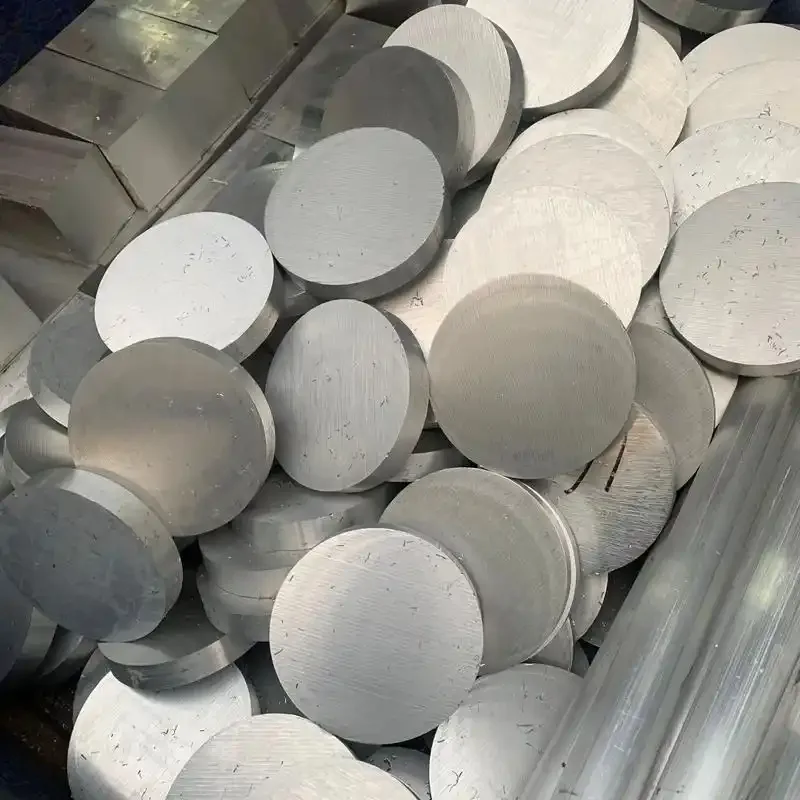
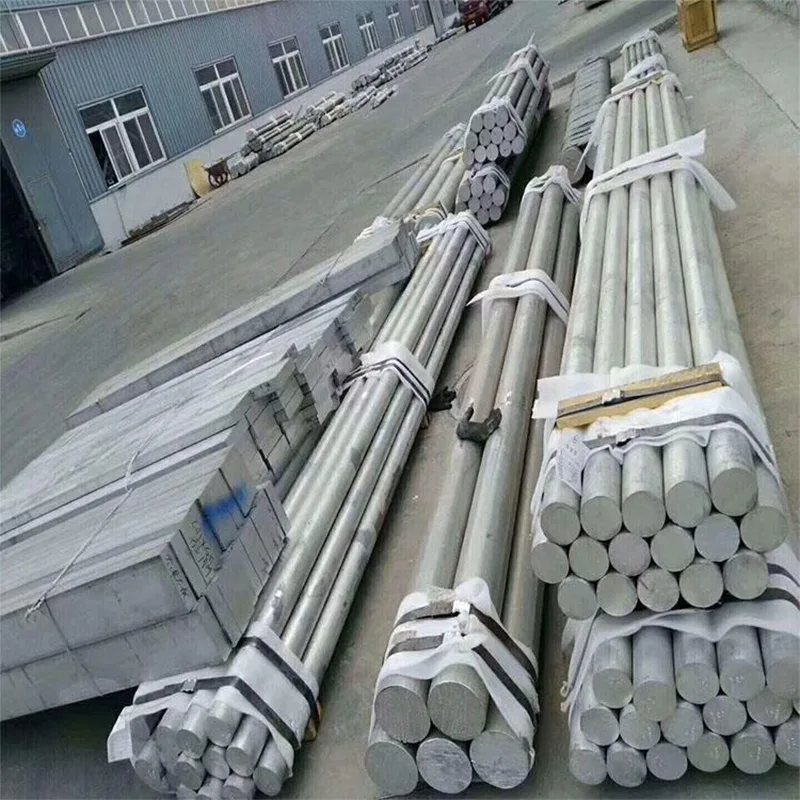
What is the relationship between the specifications and performance parameters of aluminum bars?
For aluminum bars of the same material, specifications and performance are closely related. Larger cross-sectional dimensions result in stronger load-bearing capacity, while thinner bars are easier to bend and process. Bar length affects overall structural stability. The supply condition has the greatest impact on performance; different conditions directly alter the material's strength, hardness, and ductility. Round and square bar shapes are only suitable for different installation scenarios and do not change the material's inherent corrosion resistance, electrical conductivity, or other properties. Dimensional tolerances also affect assembly accuracy and service life; selection must be based on a comprehensive matching of operating conditions.
- View as
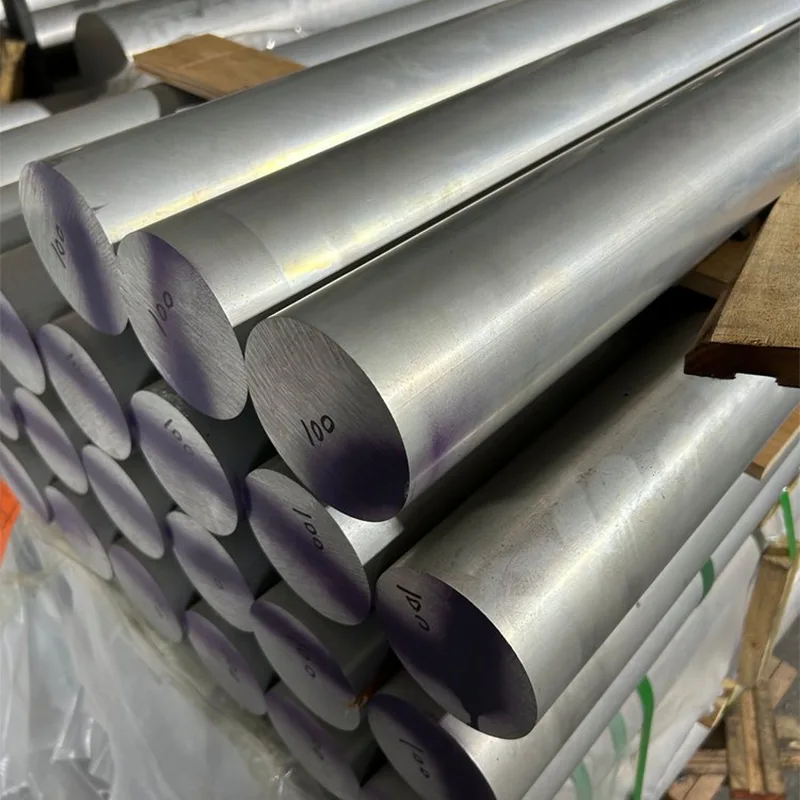
5A06 Aluminum Rod
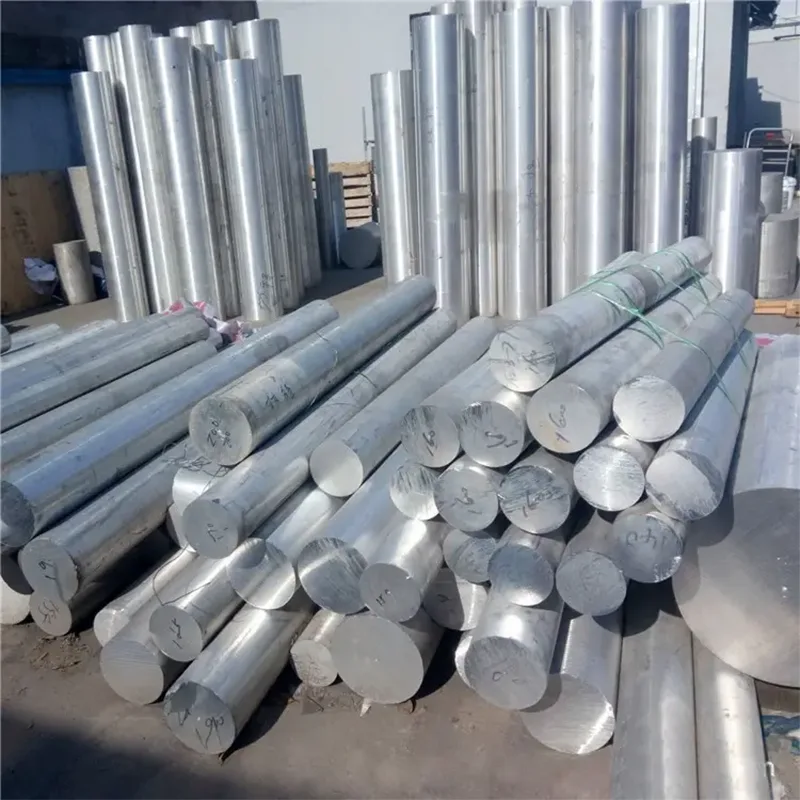
5A06 aluminum rod is a 5-series Al-Mg series high-magnesium rust-resistant aluminum alloy, corresponding to the international grade AlMg6. It cannot be strengthened by heat treatment; its strength is improved through cold working and natural aging. Its core advantages are high corrosion resistance, excellent weldability, and superior low-temperature toughness. Magnesium content of 5.8%-6.8% is the key strengthening element, manganese of 0.5%-0.8% refines the grain, and copper content is extremely low (≤0.10%) to ensure corrosion resistance.
2A12 Aluminum Rod
2A12 Aluminum Rods can have their strength significantly improved through heat treatment, resulting in high specific strength, excellent lightweight properties, and superior heat resistance and fatigue resistance. Leading Chinese factories cover four core stages: machining, forming, heat treatment, and surface treatment, meeting the precision manufacturing needs of aerospace, rail transportation, and heavy-duty machinery industries.
6082 Aluminum Rod
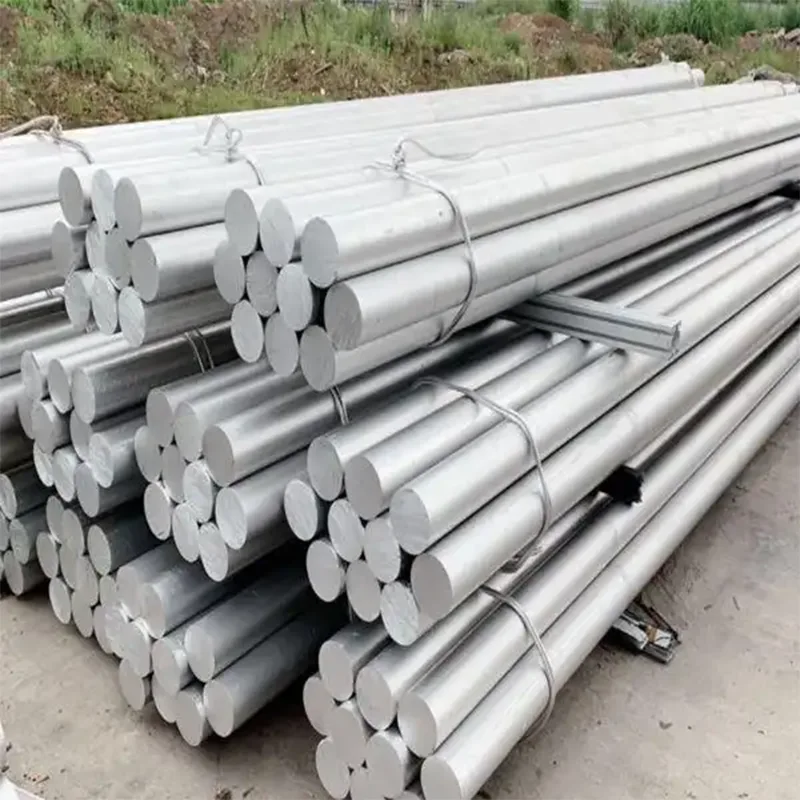
6082 Aluminum Rod is an aluminum-magnesium-silicon alloy that can be heat-treatable and strengthened. It is generally of medium to high strength, with significantly better mechanical properties than 6061 aluminum rods, making it a common choice for heavy-duty structural components. However, its performance varies considerably depending on the heat treatment state.
5754 Aluminum Rod
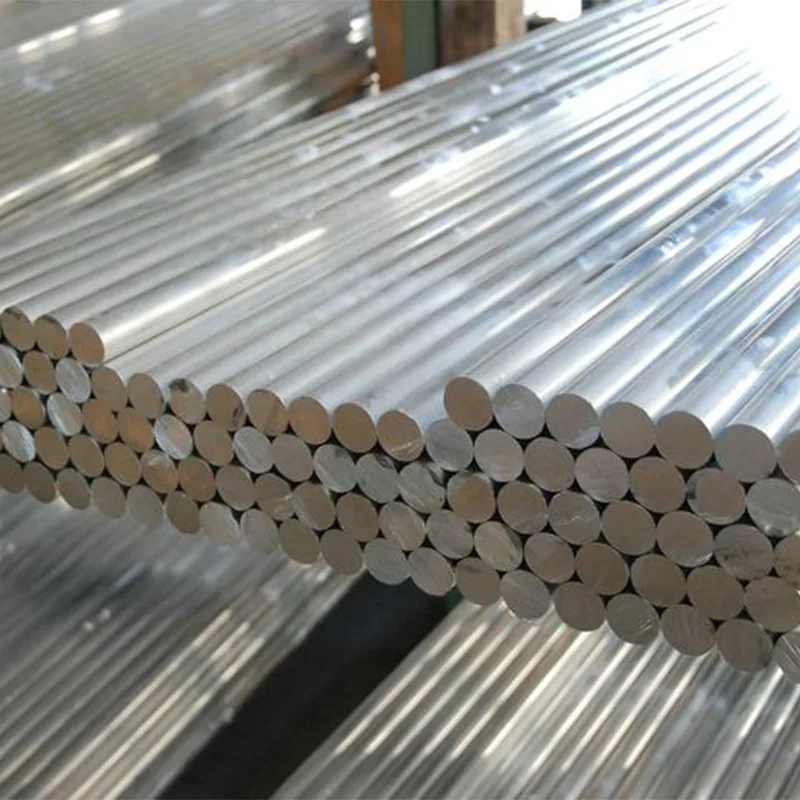
5754 aluminum rods exhibit excellent welding performance with minimal post-weld performance degradation, good low-temperature toughness and fatigue resistance, and are suitable for bending, cutting, and other processing. Leading Chinese manufacturers support customized processing, including cutting and welding.
5052 Aluminum Rod
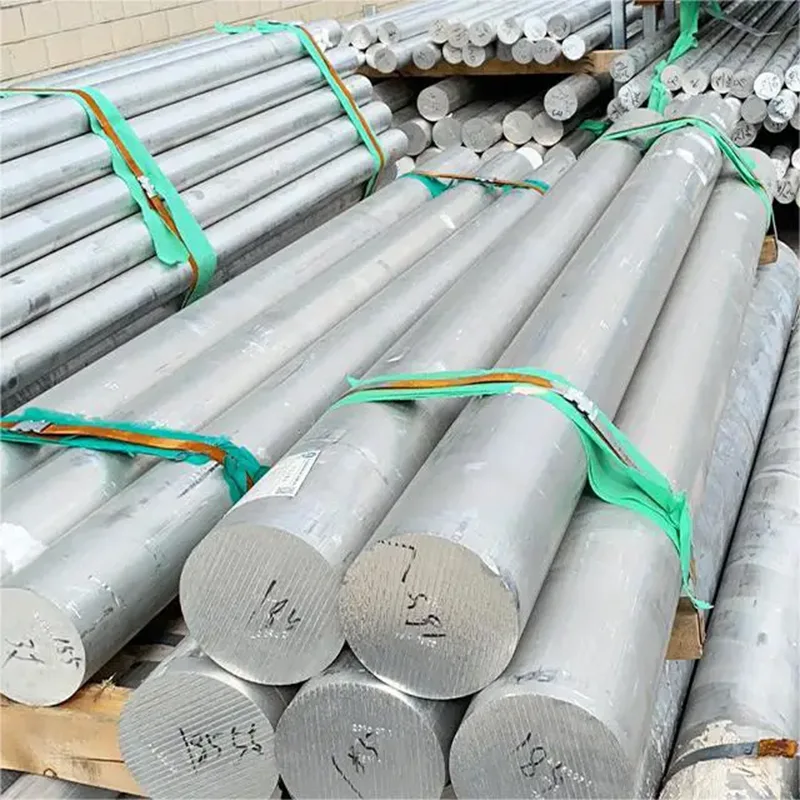
5052 Aluminum Rod belongs to the 5-series aluminum-magnesium rust-resistant aluminum alloy. It cannot be strengthened by heat treatment; its strength is controlled by cold work hardening. Overall, it has medium strength, significantly better than pure aluminum/aluminum-manganese alloys such as 1060 and 3003. Its strength in the conventionally hardened state is close to that of 6061-T6.
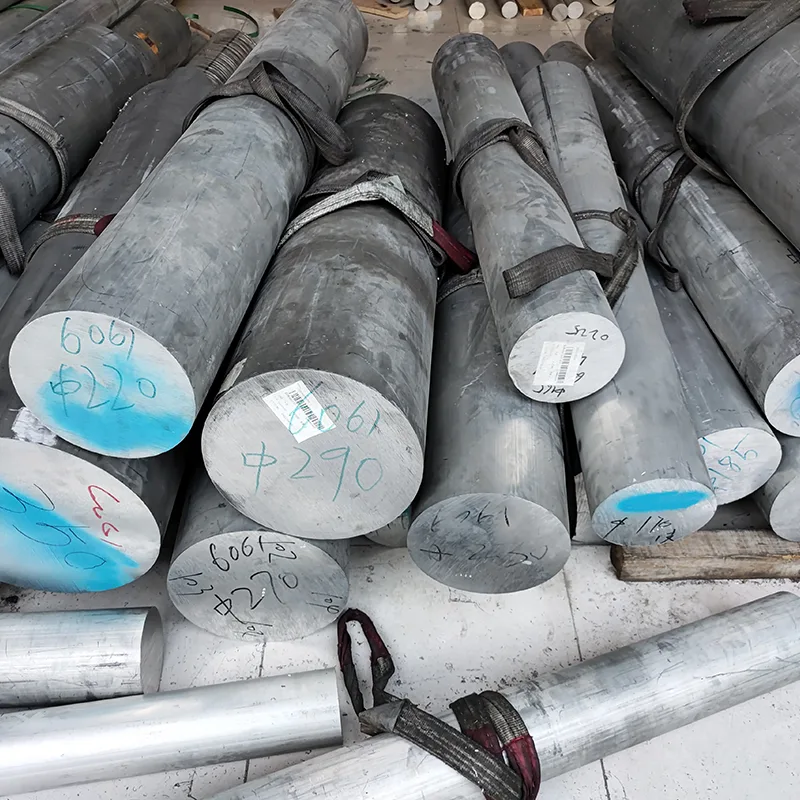
6061 Aluminum Rod
6061 aluminum rod manufacturers offer a full range of specifications and support customization.
Lingchuang is a professional Aluminum Bar manufacturer and supplier in China. Welcome to import quality products from our factory here.