Article Summary: Carbon steel coil is one of the most versatile steel materials used across construction, machinery, transportation, pipe manufacturing, fabrication, and general industrial production. Its value comes from the combination of strength, formability, weldability, processing flexibility, and cost efficiency. However, choosing the wrong grade, surface condition, thickness, or processing route can lead to excessive material waste, forming problems, premature corrosion, and unnecessary production costs. This guide explains how carbon steel coil works within modern manufacturing, how to choose between hot rolled and cold rolled products, which factors affect performance, and how buyers can select a suitable specification for their actual application.
For manufacturers, distributors, fabricators, and project contractors, the challenge is rarely finding steel in general. The real challenge is selecting a carbon steel coil that matches the required mechanical properties, dimensions, surface condition, processing method, production volume, and final application. A technically suitable coil can improve production consistency while reducing secondary processing and material losses.
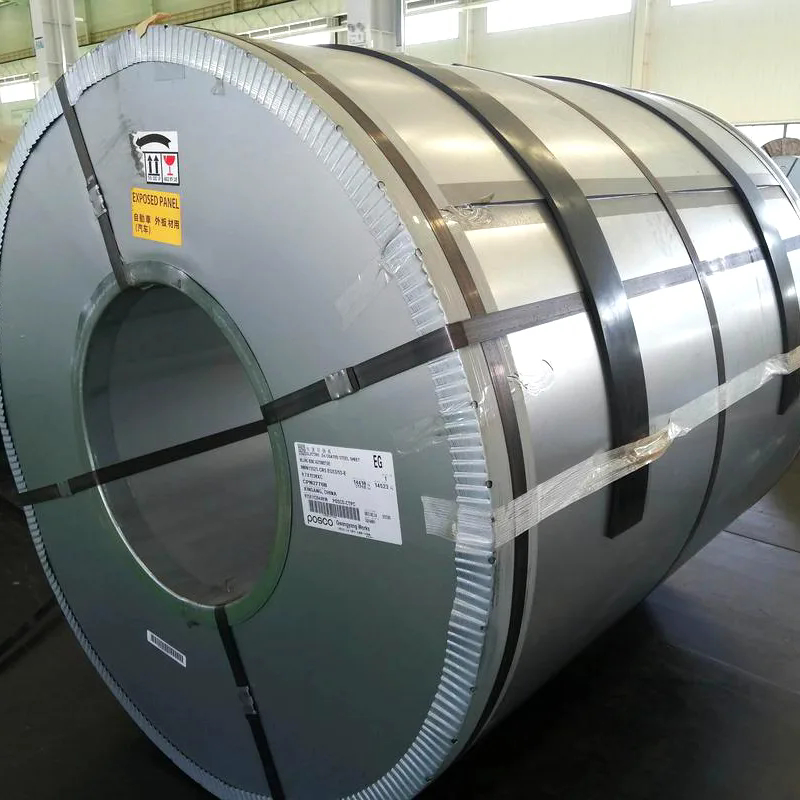
Table of Contents
- What Is Carbon Steel Coil?
- How Is Carbon Steel Coil Manufactured?
- What Are the Main Types of Carbon Steel Coil?
- How Should You Select the Right Carbon Steel Coil?
- Which Carbon Steel Coil Grades Are Commonly Used?
- Where Is Carbon Steel Coil Used?
- What Processing Options Can Improve Production Efficiency?
- How Can Buyers Control Carbon Steel Coil Quality?
- What Common Problems Should Buyers Avoid?
- Why Consider Lingchuang for Carbon Steel Coil?
- Frequently Asked Questions
- Conclusion
Article Outline
- Material fundamentals: Understand the composition, form, and basic characteristics of carbon steel coil.
- Production process: Learn how rolling and surface treatment influence the final product.
- Product selection: Compare hot rolled, pickled and oiled, and cold rolled coil.
- Grade selection: Match strength, ductility, weldability, and forming requirements with the correct grade.
- Industrial applications: Identify where different carbon steel coil products deliver the greatest value.
- Quality control: Review the dimensions, surface, mechanical properties, packaging, and documentation that matter before purchase.
- Supplier evaluation: Understand how technical support, customization, consistency, and delivery affect the total purchasing result.
What Is Carbon Steel Coil?
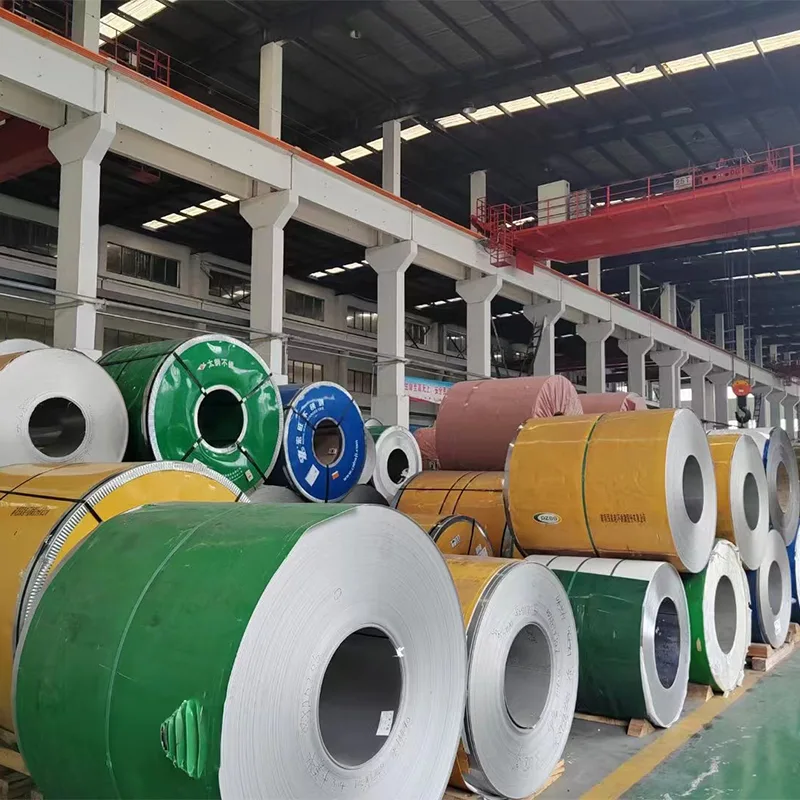
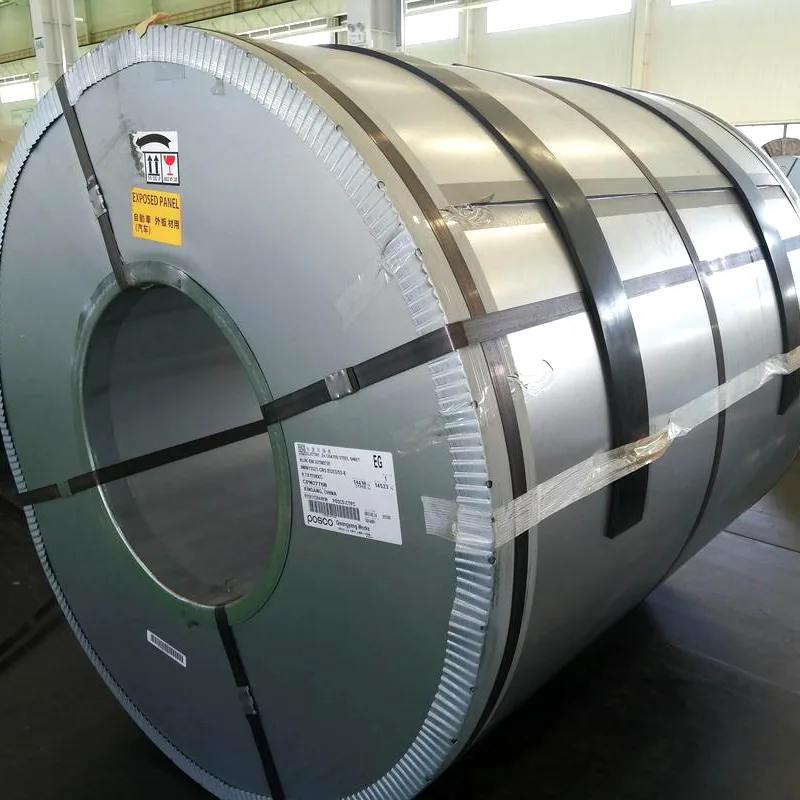
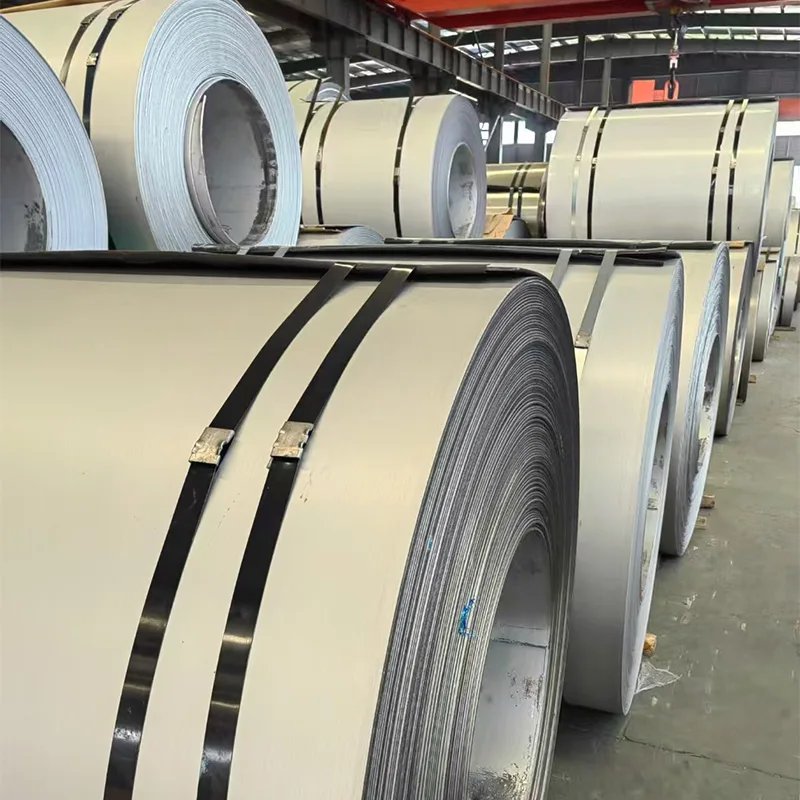
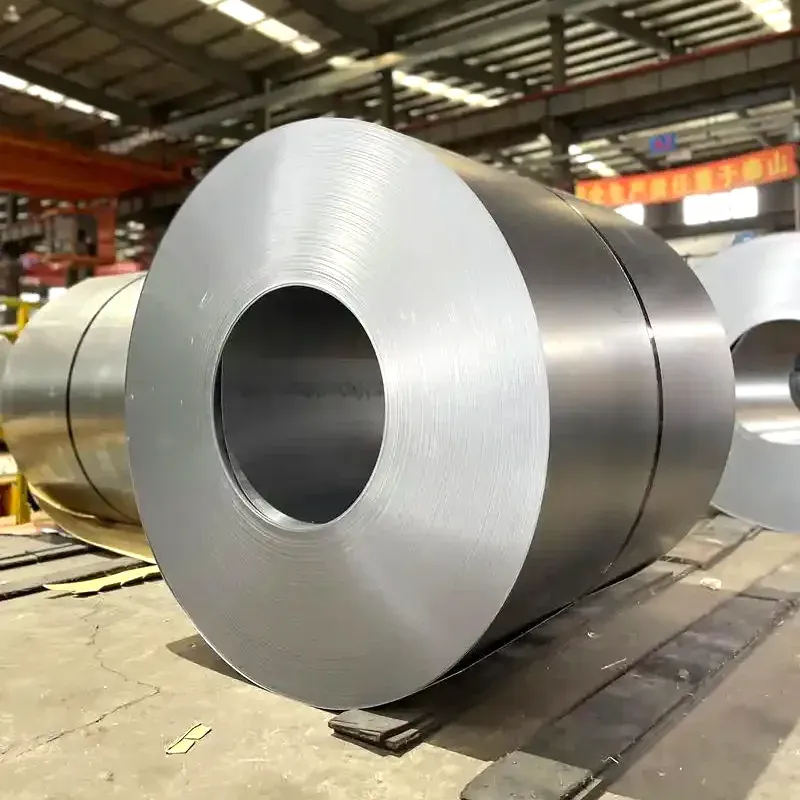
Carbon steel coil is steel manufactured and supplied in a continuous rolled form rather than as individual flat sheets or plates. The coil format allows manufacturers to feed material directly into equipment such as slitting lines, leveling machines, stamping presses, roll forming systems, pipe mills, and automated fabrication lines.
Carbon steel is primarily an iron-based material in which carbon is an important alloying element. Depending on the grade and production route, the material can provide different combinations of strength, hardness, ductility, machinability, and weldability.
The major advantage of coil supply is production efficiency. Instead of repeatedly loading individual sheets into a processing machine, manufacturers can continuously unwind a coil and process long lengths of material. This can reduce handling operations and support automated production.
However, “carbon steel coil” is not a single specification. A buyer must consider the steel grade, production method, thickness, width, edge condition, surface condition, coil weight, dimensional tolerances, and intended downstream process.
Key factors include:
- Steel grade and chemical composition
- Hot rolled or cold rolled condition
- Thickness and width
- Mechanical properties
- Surface condition
- Mill edge or slit edge
- Coil inner diameter and outer diameter
- Forming, stamping, bending, or welding requirements
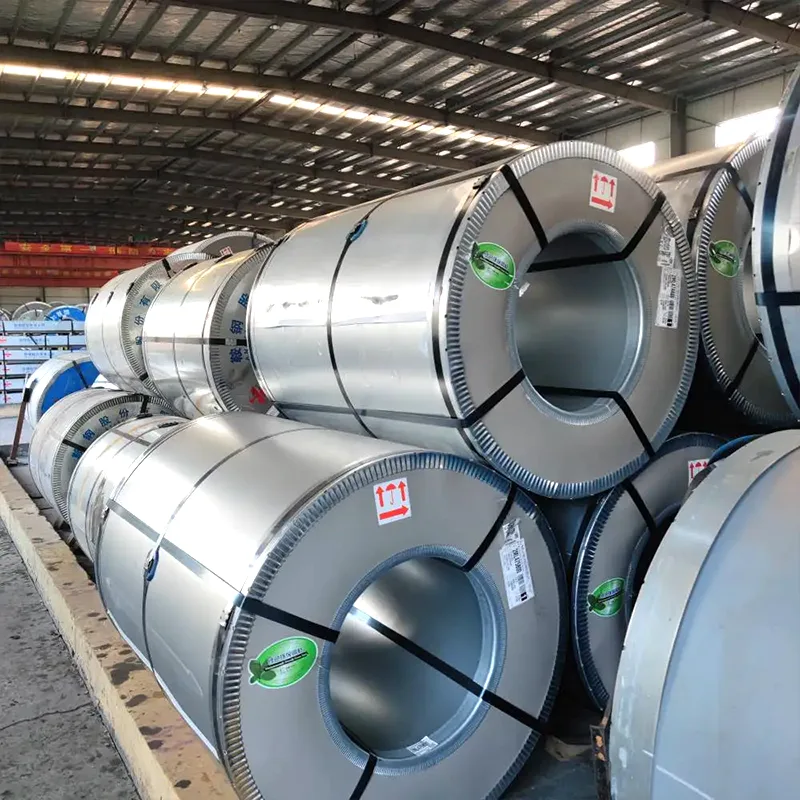
- Packaging and transportation conditions
How Is Carbon Steel Coil Manufactured?
The manufacturing route has a direct effect on the characteristics of the finished coil. In simplified terms, steelmaking establishes the chemical composition, while rolling and subsequent treatment determine much of the dimensional and surface condition.
Raw Material and Steelmaking
Steel is produced and refined to achieve the required chemical composition. Control of carbon and other elements is important because composition affects strength, hardness, weldability, and forming behavior.
Hot Rolling
In hot rolling, steel is processed at elevated temperatures and reduced through rolling equipment until the desired dimensions are reached. Hot rolled coil is widely selected for structural fabrication, general manufacturing, pipe production, and applications where extremely smooth surfaces or very tight dimensional tolerances are not the primary requirement.
Pickling and Surface Treatment
Hot rolled material can retain mill scale from the rolling process. Pickling removes this scale and produces a cleaner surface. When oil is subsequently applied, the resulting pickled-and-oiled coil can offer a more suitable surface for certain forming, painting, and downstream processing operations.
Cold Rolling
Cold rolling further reduces steel thickness and improves dimensional control and surface quality. Cold rolled carbon steel coil is often selected when manufacturers require a cleaner appearance, tighter tolerances, or more controlled forming characteristics.
The appropriate production route therefore depends on what happens after the coil arrives at the customer's facility. Selecting a more expensive material does not automatically create a better result. The objective is to select the product that fits the actual production process.
What Are the Main Types of Carbon Steel Coil?
For most industrial purchasing decisions, carbon steel coil can be broadly divided according to its rolling and surface condition.
| Type | Main Characteristics | Typical Applications | Main Purchasing Consideration |
|---|---|---|---|
| Hot Rolled Coil | Economical, strong, suitable for general fabrication | Structures, pipes, machinery, construction components | Strength, thickness, surface scale, dimensional tolerance |
| Pickled and Oiled Coil | Cleaner surface after scale removal | Forming, painting, fabrication, downstream processing | Surface cleanliness and corrosion protection during storage |
| Cold Rolled Coil | Smoother surface and tighter dimensional control | Automotive parts, appliances, enclosures, precision fabrication | Surface quality, tolerance, formability, finish |
The correct choice should be based on the manufacturing objective. If a component will be welded into a structural frame and surface appearance is secondary, hot rolled coil may be the most practical option. If the material will undergo visible stamping or precision forming, cold rolled coil may provide greater process control.
How Should You Select the Right Carbon Steel Coil?
The most common purchasing mistake is starting with price instead of application. A lower purchase price can become expensive if the coil causes excessive scrap, additional machining, poor forming, surface defects, or production downtime.
1. Start With the Final Product
Define what the steel will become. A structural beam, welded pipe, automotive component, equipment enclosure, stamped bracket, and agricultural machinery component do not have identical material requirements.
2. Determine the Required Strength
Strength requirements should be established before choosing a grade. Load-bearing applications may require higher yield strength, while forming applications may place greater emphasis on ductility.
3. Evaluate Formability
If the coil will be stamped, bent, deep drawn, or roll formed, the forming behavior becomes critical. Excessively hard material can increase springback, cracking, tooling wear, and production rejection.
4. Define Thickness and Width
Thickness affects structural performance, weight, forming force, and material cost. Width must match the processing equipment and final component dimensions. Ordering an unnecessarily wide coil can increase slitting requirements and material waste.
5. Consider Surface Requirements
A black hot rolled surface may be adequate for structural fabrication, while a cleaner cold rolled or pickled surface may be more appropriate for visible parts or subsequent coating.
6. Match the Material to the Processing Equipment
Check whether the coil will run through a decoiler, straightener, slitter, stamping press, roll forming machine, or pipe mill. Coil dimensions and mechanical properties should be compatible with the equipment.
7. Confirm the Applicable Standard
International projects may require specifications based on GB, ASTM, EN, JIS, or other recognized standards. The purchase specification should clearly identify the required standard and grade rather than relying only on a generic material name.
Which Carbon Steel Coil Grades Are Commonly Used?
Different markets use different grade designation systems. Some commonly encountered carbon steel coil grades include Q195, Q235B, Q355B, 20#, 45#, 65Mn, SPCC, and DC01. Equivalent or comparable grades may also be specified under ASTM, EN, JIS, or other systems, but equivalence should always be verified against the actual chemical and mechanical requirements rather than assumed from similar grade names.
| Grade Family | General Characteristics | Potential Uses |
|---|---|---|
| Q195 | Lower-strength carbon structural steel | Light structures, general fabrication, formed products |
| Q235B | General-purpose structural steel with good weldability | Construction, machinery, fabrication, pipes |
| Q355B | Higher-strength structural material | Load-bearing structures and heavier equipment |
| 20# | Low-carbon engineering steel | Machined and general mechanical components |
| 45# | Medium-carbon steel with higher strength potential | Shafts, mechanical components, engineering parts |
| 65Mn | Higher-carbon manganese steel | Spring-related and wear-resistant applications |
| SPCC / DC01 | Cold rolled steel intended for forming and general fabrication | Enclosures, panels, appliances, stamped components |
The table is a practical starting point rather than a substitute for a technical specification. The final grade should be confirmed according to the customer's required standard, chemical composition, mechanical properties, forming operation, and end-use conditions.
Where Is Carbon Steel Coil Used?
The broad range of grades and processing conditions makes carbon steel coil suitable for many industrial applications.
- Construction: Used for structural components, brackets, supports, roofing-related components, frames, and fabricated steel systems.
- Pipe manufacturing: Coil can be slit and formed into welded pipes for industrial and infrastructure applications.
- Automotive manufacturing: Suitable cold rolled grades can be used for selected panels, brackets, reinforcements, and other formed components.
- Machinery manufacturing: Used for machine housings, structural parts, guards, frames, and fabricated assemblies.
- Agricultural equipment: Carbon steel coil can be processed into frames, covers, brackets, equipment components, and other fabricated parts.
- Electrical enclosures: Cold rolled material is often suitable when a clean surface and controlled dimensions are important.
- Metal furniture: Shelving, cabinets, frames, supports, and hardware components can be produced from suitable coil products.
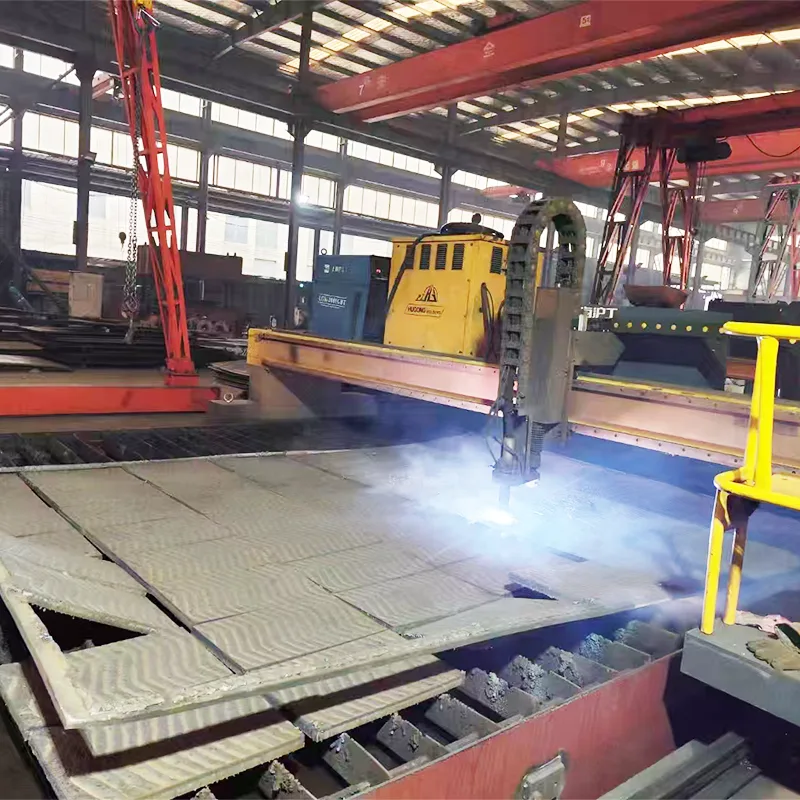
- General metal fabrication: Slitting, cutting, bending, stamping, punching, and welding can transform coil into a wide range of finished products.
One major advantage is the ability to integrate coil processing into continuous production. This is especially valuable when a manufacturer produces large quantities of repeated components.
What Processing Options Can Improve Production Efficiency?
The value of carbon steel coil extends beyond the basic steel specification. Proper downstream processing can make the material easier to use and reduce the amount of preparation required at the customer's facility.
| Processing Service | Purpose | Potential Benefit |
|---|---|---|
| Slitting | Divides wide master coil into narrower strips | Matches production-line width and reduces preparation work |
| Cut-to-Length | Converts coil into specified sheet lengths | Simplifies material handling and production planning |
| Leveling | Improves flatness after decoiling | Supports consistent cutting and forming |
| Pickling | Removes mill scale | Creates a cleaner surface for selected downstream operations |
| Oil Coating | Adds temporary surface protection | Helps reduce corrosion risk during suitable storage and transport |
| Surface Treatment | Prepares the material for subsequent use | Can improve coating or fabrication preparation |
For high-volume customers, receiving material in a near-production-ready condition can be more valuable than simply receiving a lower-priced master coil. The right processing configuration should therefore be evaluated together with the material grade.
How Can Buyers Control Carbon Steel Coil Quality?
Quality control should begin before the material is shipped. A strong purchasing specification gives both buyer and supplier a clear definition of what constitutes an acceptable coil.
- Verify the grade: Confirm that the supplied material matches the purchase order and required standard.
- Check chemical composition: Review available material documentation when composition is critical to performance.
- Check mechanical properties: Yield strength, tensile strength, elongation, hardness, and other relevant values should match the required specification.
- Measure thickness: Thickness consistency is particularly important for stamping, roll forming, precision fabrication, and automated production.
- Inspect width: Verify that the actual width and edge condition are suitable for the downstream process.
- Inspect the surface: Look for excessive rust, scale, dents, scratches, edge damage, and other defects that could interfere with processing.
- Check coil condition: Coil winding, telescoping, edge alignment, and packaging should be evaluated before long-distance transportation.
- Review documentation: Appropriate inspection and material documentation helps establish traceability and supports project quality control.
For demanding applications, buyers should also clarify inspection procedures before production begins. It is much easier to resolve specification questions before the coil enters production than after hundreds of finished components have been manufactured.
What Common Problems Should Buyers Avoid?
Choosing Only by Price
The cheapest coil may not provide the lowest total cost. Poor flatness, inconsistent thickness, unsuitable mechanical properties, or surface defects can increase scrap and labor expenses.
Using the Wrong Grade
A material that is strong enough for a structural application may still be unsuitable for severe forming. Conversely, selecting a highly formable material where higher strength is required can compromise the finished component.
Ignoring Surface Condition
Mill scale, oxidation, oil, scratches, or other surface characteristics can influence painting, welding, forming, and appearance. Surface requirements should be defined before ordering.
Ordering Incorrect Dimensions
Small differences in thickness or width can affect tooling, forming force, cutting plans, and material yield. Always match the coil dimensions with actual equipment requirements.
Failing to Consider Transportation
Steel is heavy and can be exposed to moisture during storage and shipping. Proper packaging and protection are important, particularly for international transportation and humid environments.
Not Clarifying Custom Requirements
Special width, slitting, cut-to-length, surface treatment, packaging, or documentation requirements should be communicated before production. Early clarification helps avoid costly changes later.
Why Consider Lingchuang for Carbon Steel Coil?
For buyers looking for a reliable carbon steel coil supply partner, Lingchuang focuses on providing carbon steel coil solutions for different industrial applications. Its product offering can cover commonly requested grades and different processing conditions, allowing customers to select material according to application rather than relying on a single standard coil specification.
Lingchuang can support requirements involving different carbon steel coil categories, including hot rolled and cold rolled products, as well as additional processing options according to project requirements. This flexibility is particularly useful for manufacturers that need specific dimensions, surface conditions, or preparation before the material reaches the production line.
For international buyers, technical communication is also an important part of supplier evaluation. A good supplier should be able to discuss the intended application, required grade, dimensions, processing route, packaging requirements, and documentation before confirming an order.
When evaluating Lingchuang or any carbon steel coil supplier, buyers should provide as much technical information as possible, including:
- Required carbon steel grade
- Applicable material standard
- Coil thickness
- Coil width
- Required quantity and estimated order frequency
- Surface condition
- Edge requirements
- Downstream processing method
- Packaging requirements
- Inspection and documentation requirements
- Destination and transportation conditions
Providing these details allows the supplier to evaluate the application more accurately and recommend a practical specification instead of simply quoting a generic carbon steel coil.
Frequently Asked Questions
1. What is carbon steel coil mainly used for?
Carbon steel coil is widely used in construction, machinery manufacturing, pipe production, automotive components, agricultural equipment, metal furniture, electrical enclosures, and general fabrication. The appropriate grade and rolling condition depend on the specific application.
2. What is the difference between hot rolled and cold rolled carbon steel coil?
Hot rolled coil is processed at elevated temperatures and is commonly selected for structural and general fabrication applications. Cold rolled coil undergoes additional reduction and generally provides a smoother surface and tighter dimensional control, making it suitable for precision fabrication and selected forming applications.
3. Is carbon steel coil suitable for welding?
Many low-carbon grades have good weldability, but weldability depends on chemical composition, thickness, joint design, welding method, and preheating or post-weld requirements. The specific grade should be checked before establishing a welding procedure.
4. How do I choose between Q235B and Q355B?
The decision depends primarily on the required strength and application. Q235B is commonly selected for general structural and fabrication work where moderate strength and good weldability are appropriate. Q355B provides higher strength and can be considered for applications where greater load-bearing capability is required.
5. Why is coil thickness important?
Thickness affects component strength, weight, forming behavior, cutting performance, welding conditions, and material consumption. A suitable thickness should be selected according to engineering requirements rather than simply choosing the thickest available material.
6. Can carbon steel coil be customized?
Depending on supplier capabilities and production conditions, coil can be supplied with customized dimensions, slitting, leveling, cut-to-length processing, surface treatment, packaging, and other requirements. Custom specifications should be confirmed before production.
7. How should carbon steel coil be stored?
Coils should be stored in a dry, stable environment with appropriate protection from water and excessive humidity. The storage method should also prevent mechanical damage and allow safe lifting and handling.
8. What information should I provide when requesting a quotation?
Provide the material grade, applicable standard, thickness, width, quantity, surface condition, edge requirement, processing requirements, packaging requirements, destination, and any required inspection documentation. The more complete the specification, the more accurate the quotation can be.
9. Can carbon steel coil be used for stamping?
Yes, suitable carbon steel coil can be used for stamping. However, the grade, thickness, temper or delivery condition, surface quality, and forming characteristics must match the stamping depth and geometry. More demanding forming operations require careful material selection.
10. What should I check before accepting a shipment?
Check the coil identification, grade, dimensions, quantity, surface condition, packaging, edge condition, and accompanying quality documentation. For critical projects, inspection should be performed according to the agreed purchase specification.
Conclusion
Carbon steel coil remains an important material for modern manufacturing because it combines practical mechanical performance with flexible processing and competitive cost. Its coil form also supports continuous production, making it valuable for manufacturers that rely on slitting, stamping, roll forming, pipe production, cutting, bending, and other automated processes.
The key to achieving a successful result is not simply purchasing carbon steel coil. The material must be matched to the application. Grade, thickness, width, surface condition, dimensional tolerance, forming requirements, processing route, packaging, and documentation all influence the final production outcome.
For buyers, a clear technical specification can prevent many common problems, including unsuitable material selection, excessive scrap, poor forming performance, surface defects, production interruptions, and unnecessary secondary processing. Working with a supplier that understands both the material and the customer's manufacturing process can further simplify procurement.
Lingchuang provides carbon steel coil solutions for a range of industrial requirements and can support customers in evaluating suitable material and processing options. If you are planning a new project or looking to improve your current steel supply, contact us with your required grade, dimensions, quantity, application, and processing requirements to discuss a suitable carbon steel coil solution.