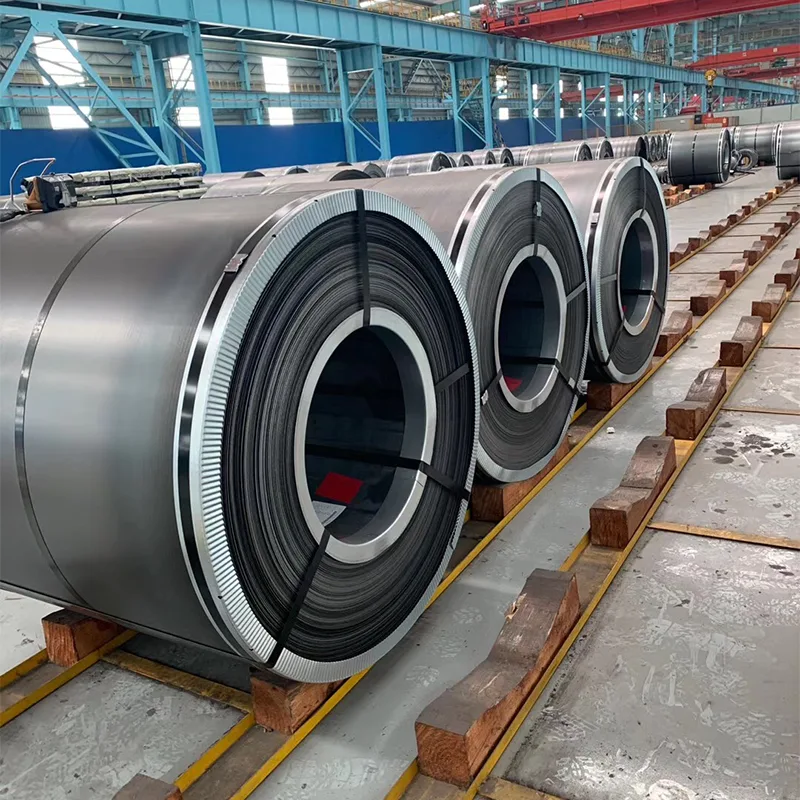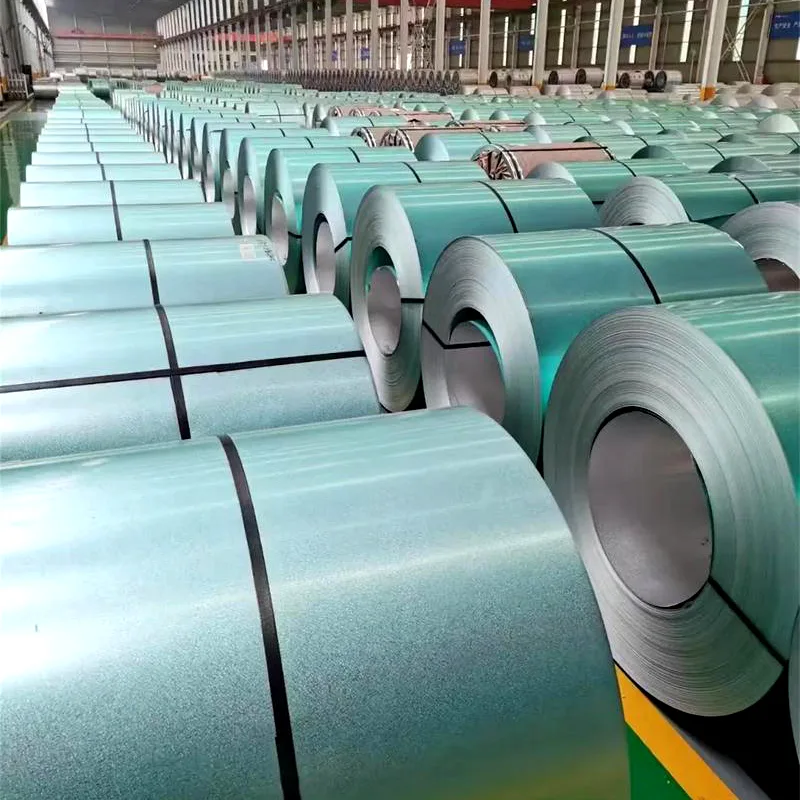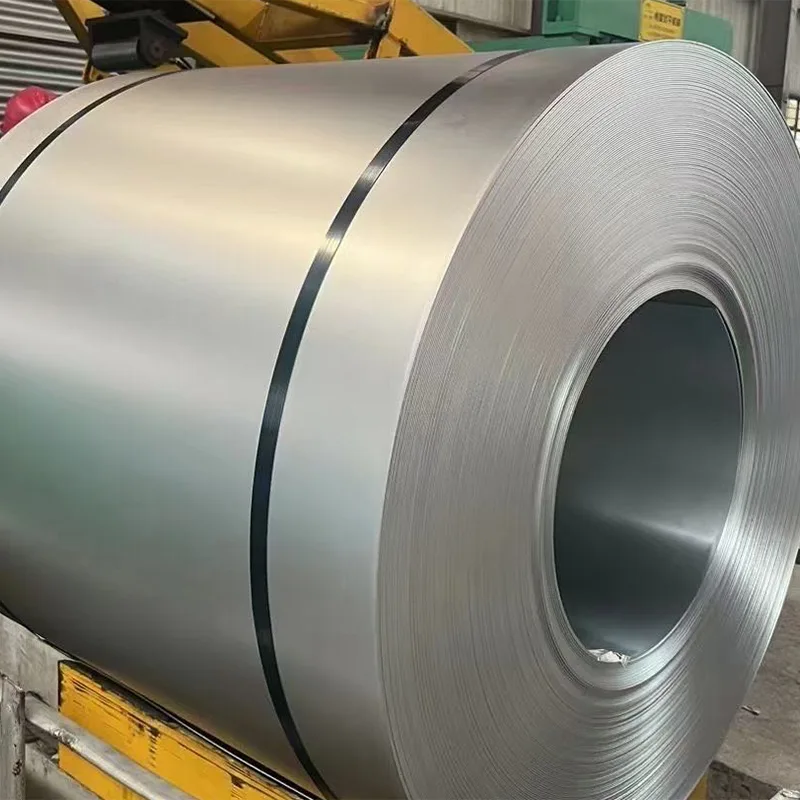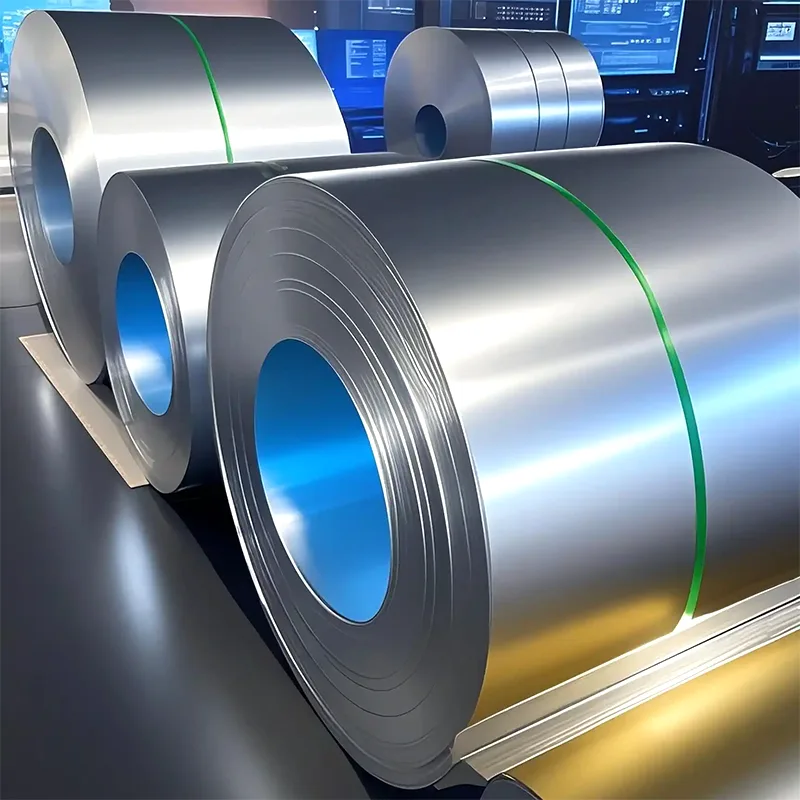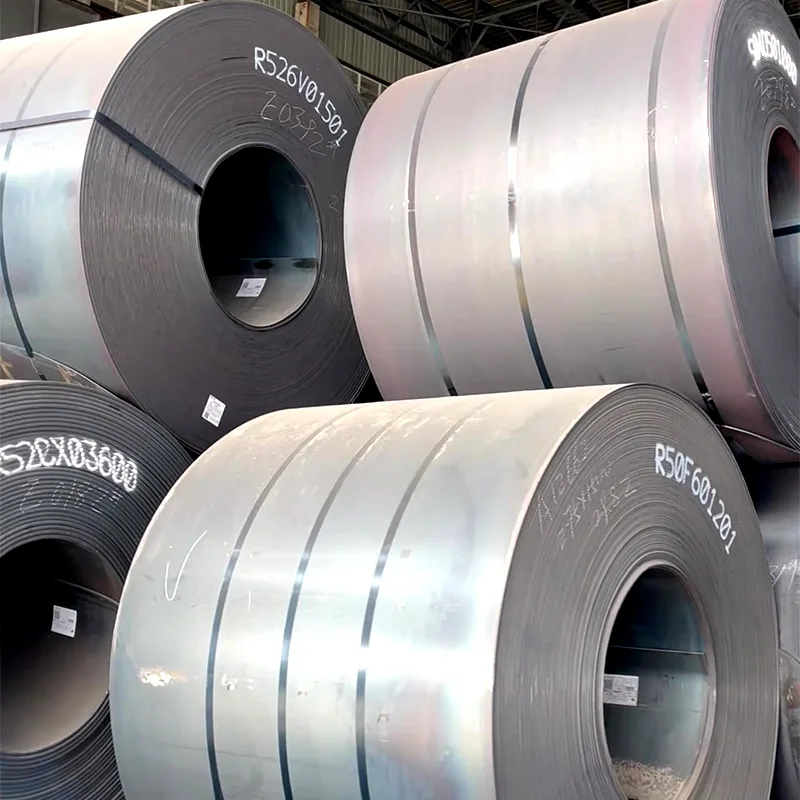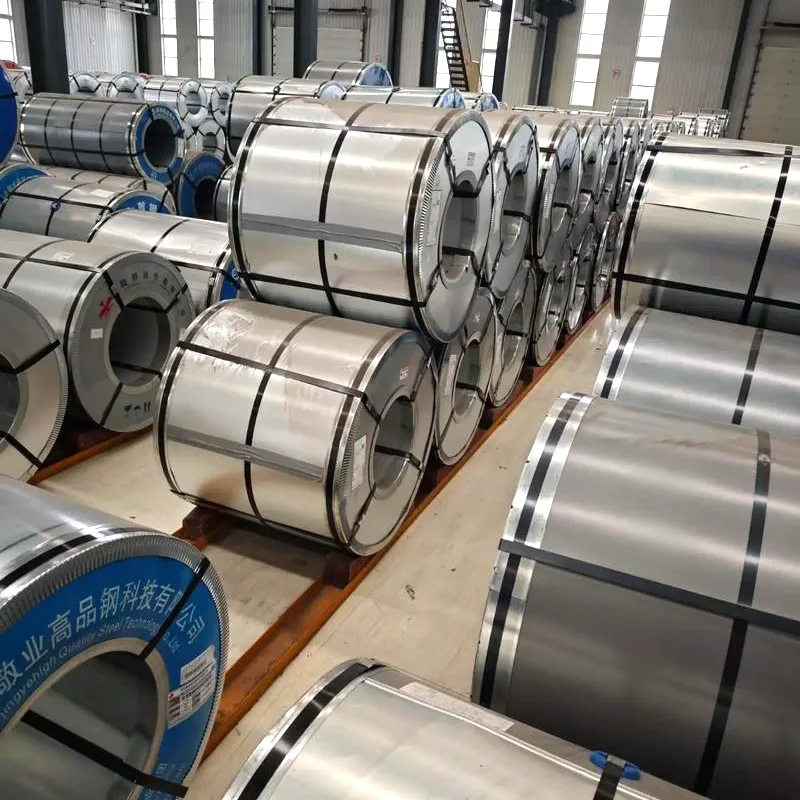
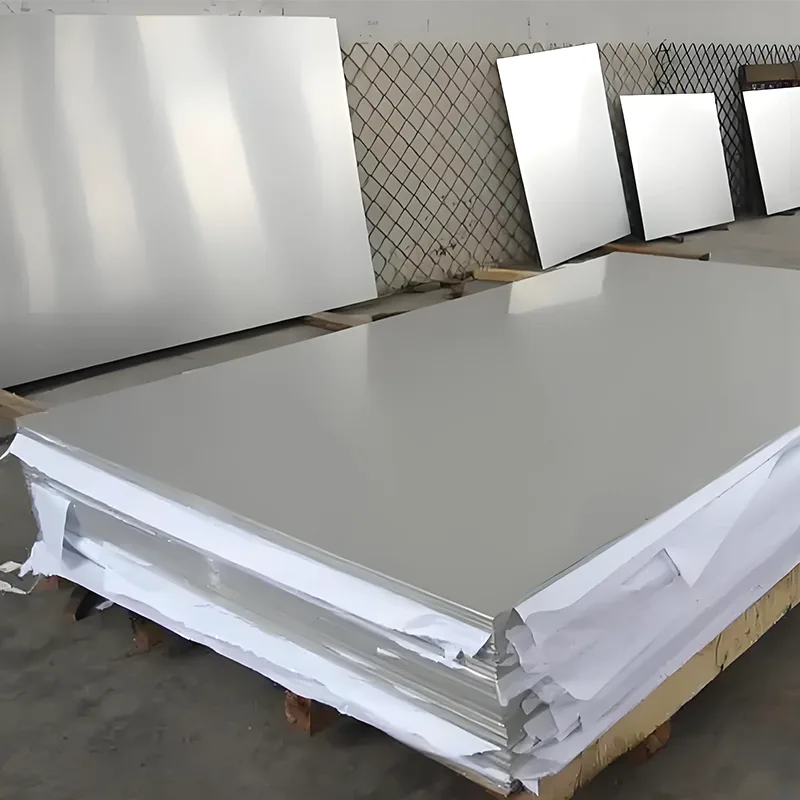
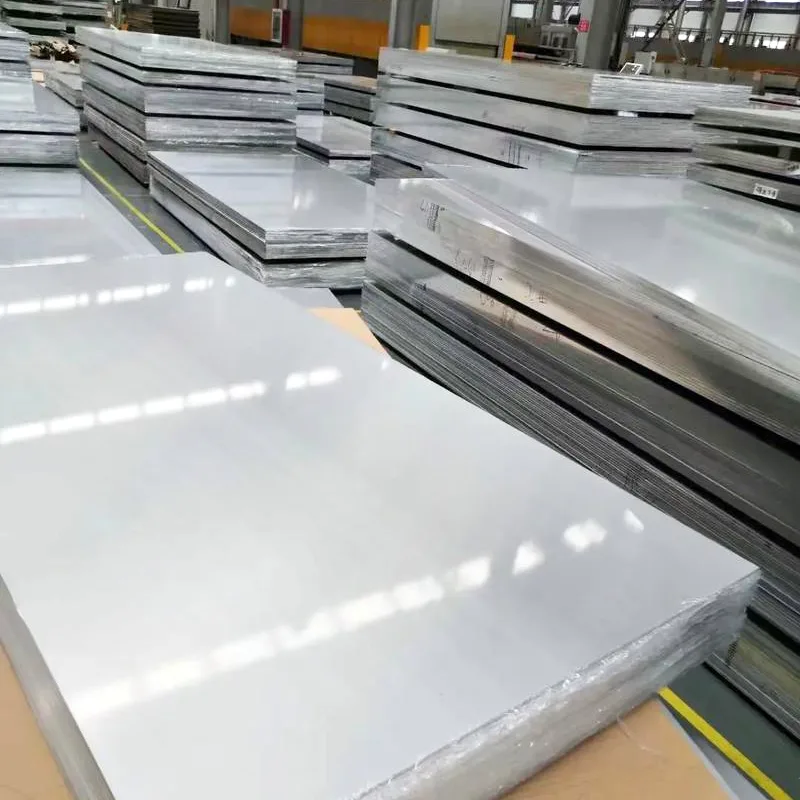
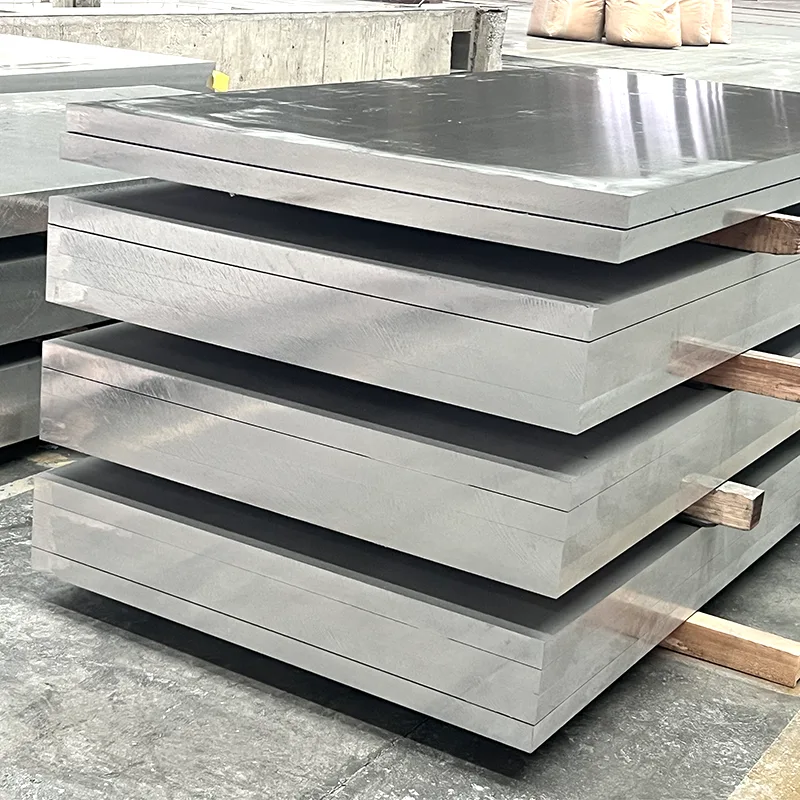
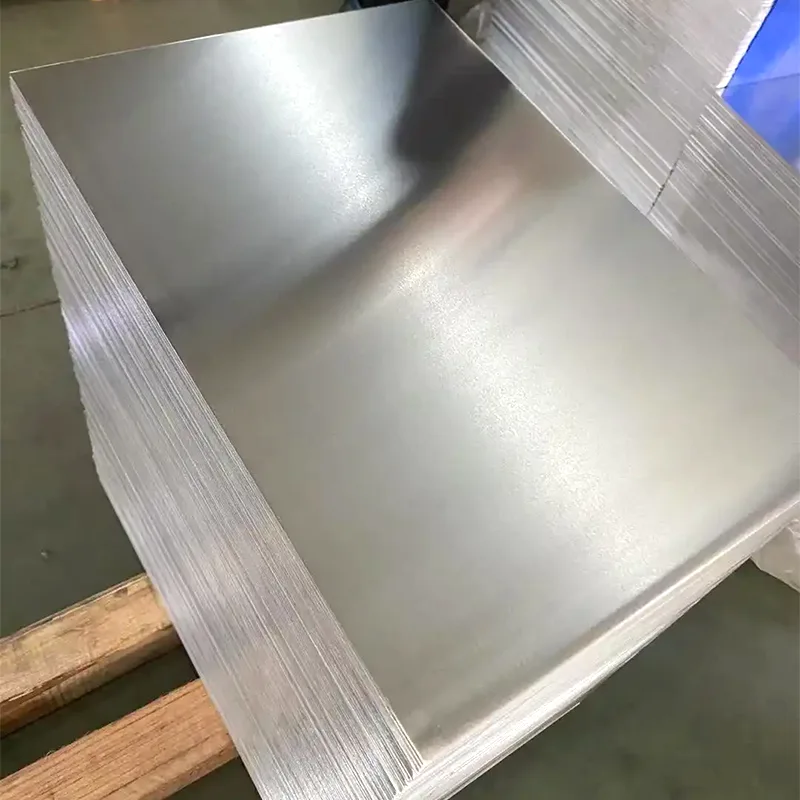
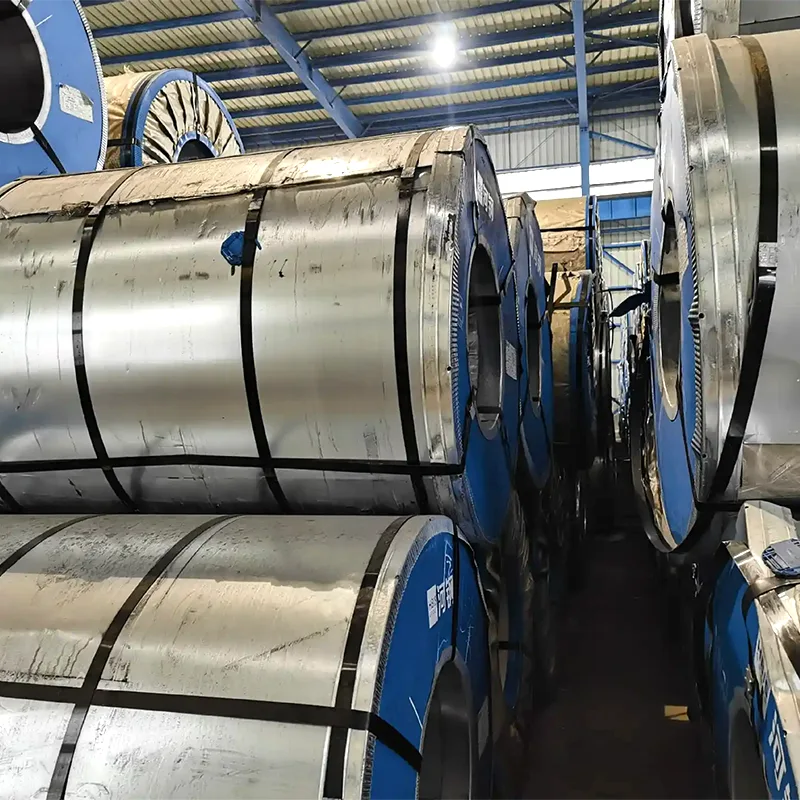
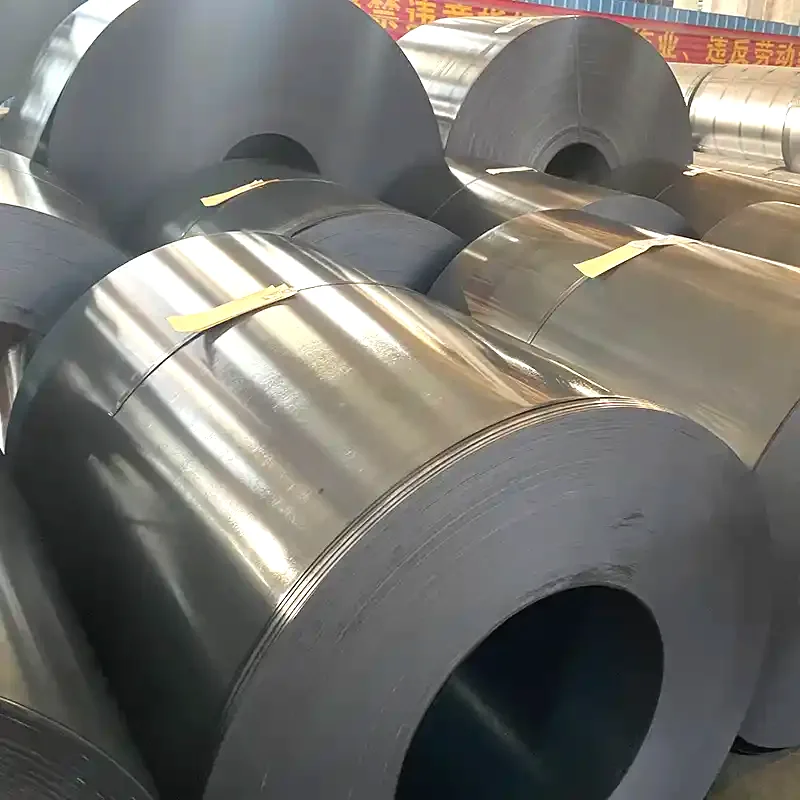
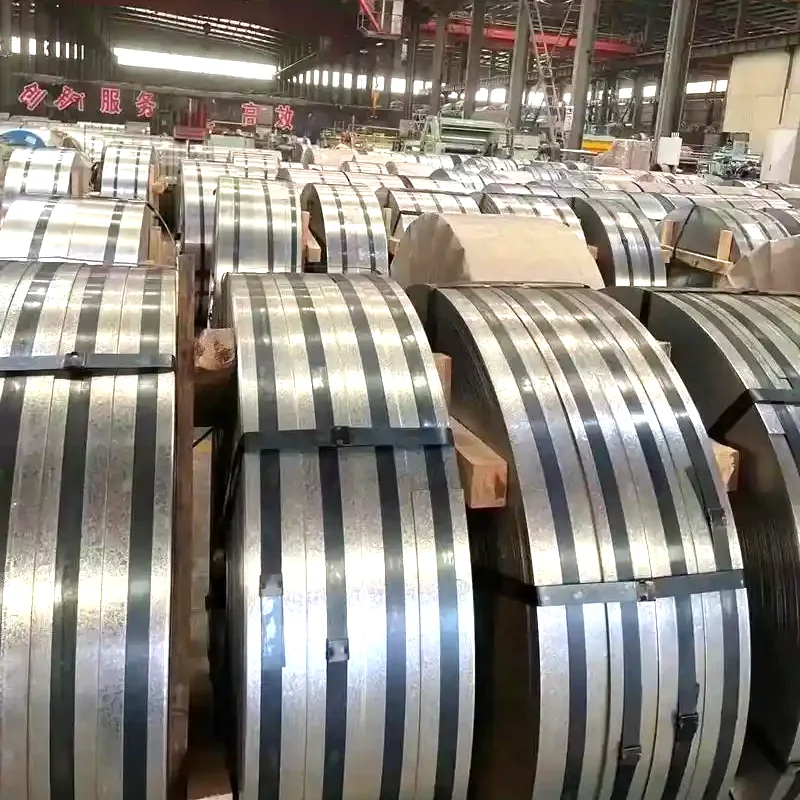
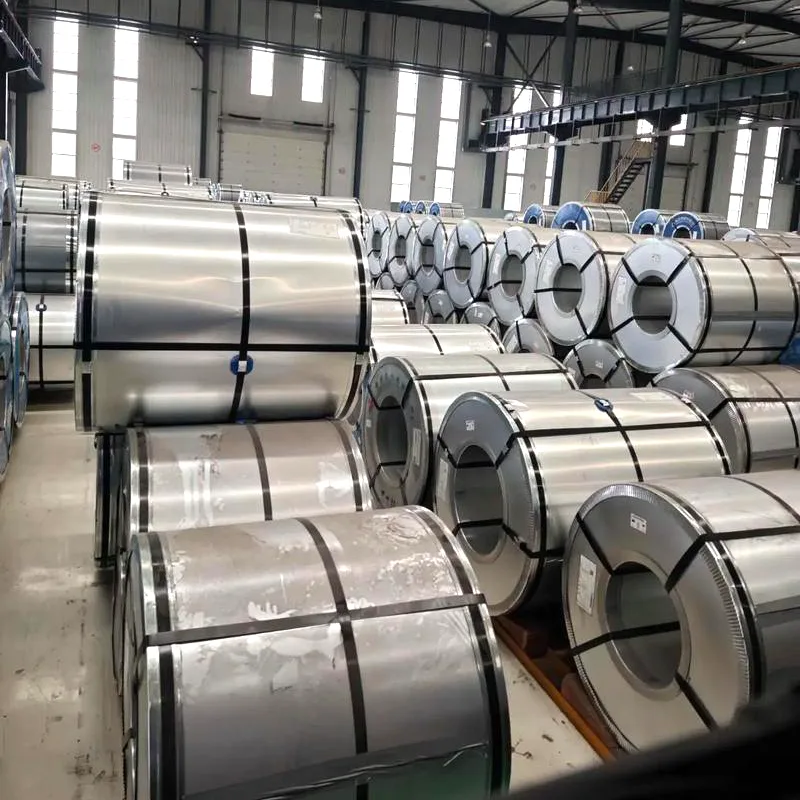
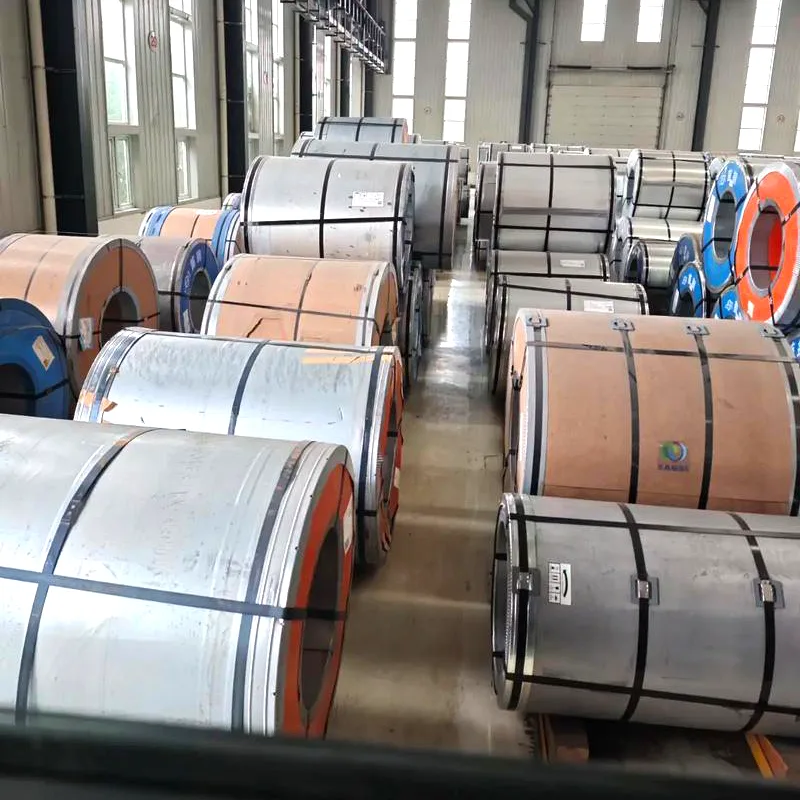
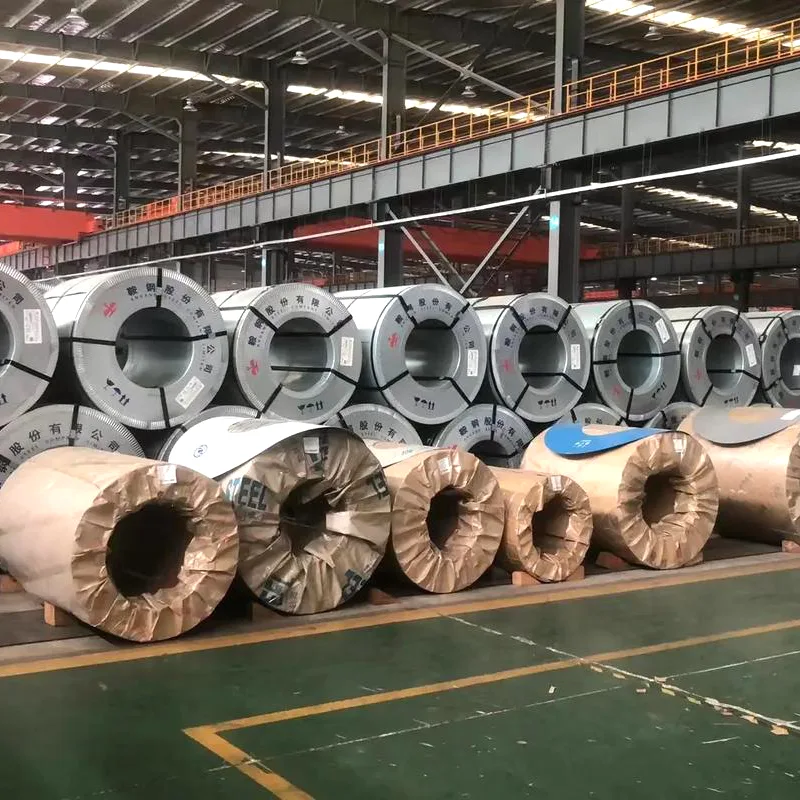
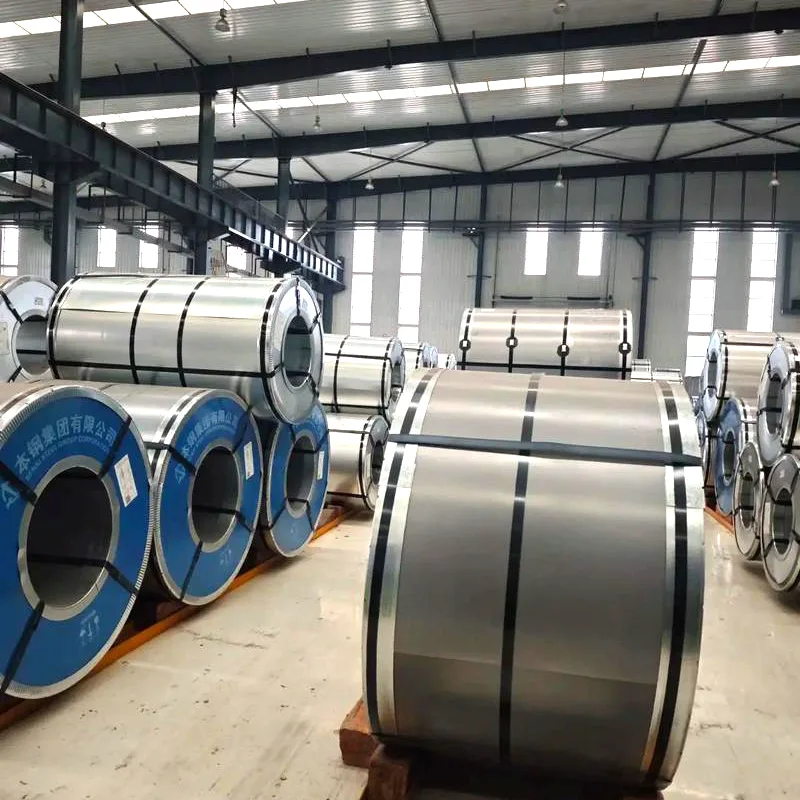
Cold-Rolled Carbon Steel Coils
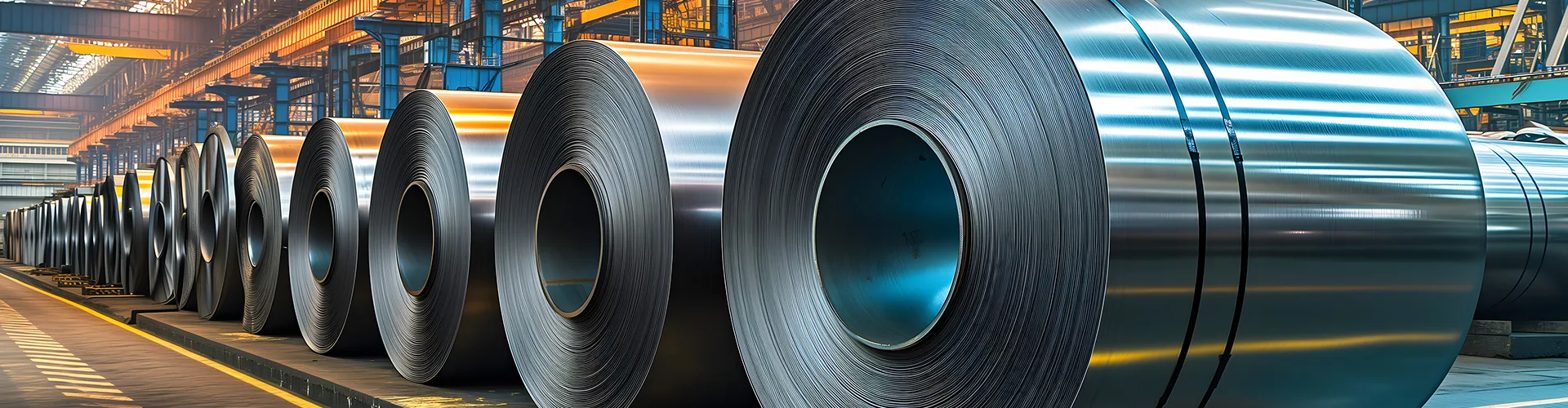
China manufacturers typically offer cold-rolled carbon steel coils, primarily in general structural and deep-drawing grades, covering common standards such as Chinese national standards, European standards, and Japanese standards.
The most common basic cold-rolled carbon steel coils are DC01, corresponding to Japanese standard SPCC and German standard ST12, which is also the most widely used ordinary cold-rolled material on the market. For applications requiring stamping and bending, DC03 and DC04 are used, corresponding to ST13, ST14, and SPCD. High-plasticity materials for deep drawing, home appliances, and automotive parts include DC05 and DC06, corresponding to ST15, ST16, and SPCE. Additionally, there are high-quality carbon cold-rolled steels, such as 08Al, 08F, No. 10 steel, and No. 20 steel, mostly used for precision tube manufacturing and hardware forming. Some manufacturers can also produce Q195 and Q235B cold-rolled carbon steel coils, and Q355 cold-rolled material can be provided for a small number of high-strength applications.
Differences between Cold-Rolled and Hot-Rolled Carbon Steel Coils:
1. Different Manufacturing Processes:
Hot-rolled steel is produced by direct rolling at high temperatures, a simpler process. Cold-rolled steel uses hot-rolled coils as raw material, first pickling to remove oxide scale, then rolling at room temperature, followed by annealing, leveling, and other post-processing, making the process more complex.
2. Significant Differences in Surface Quality:
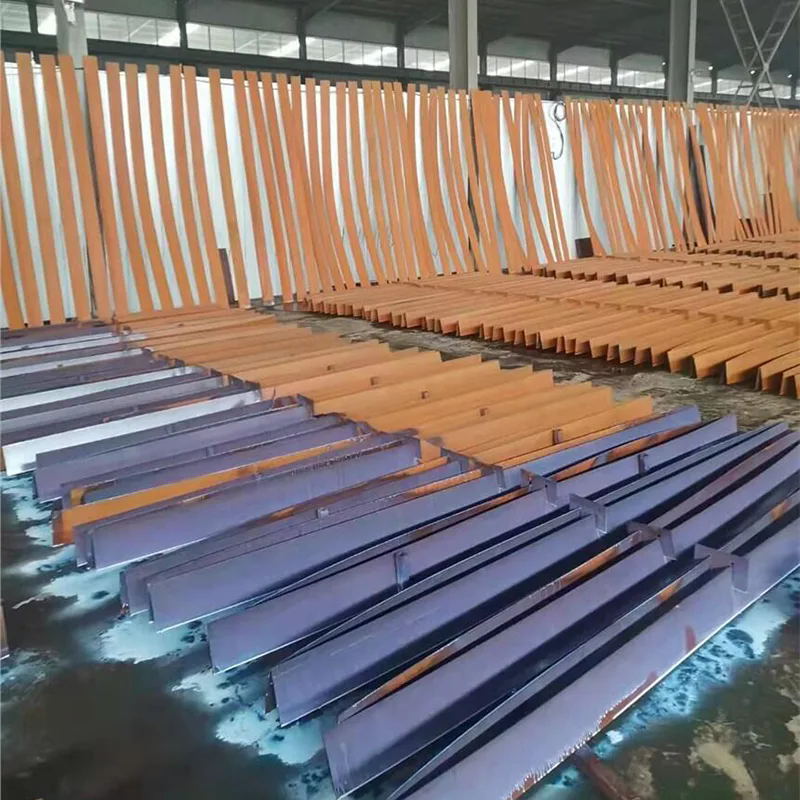
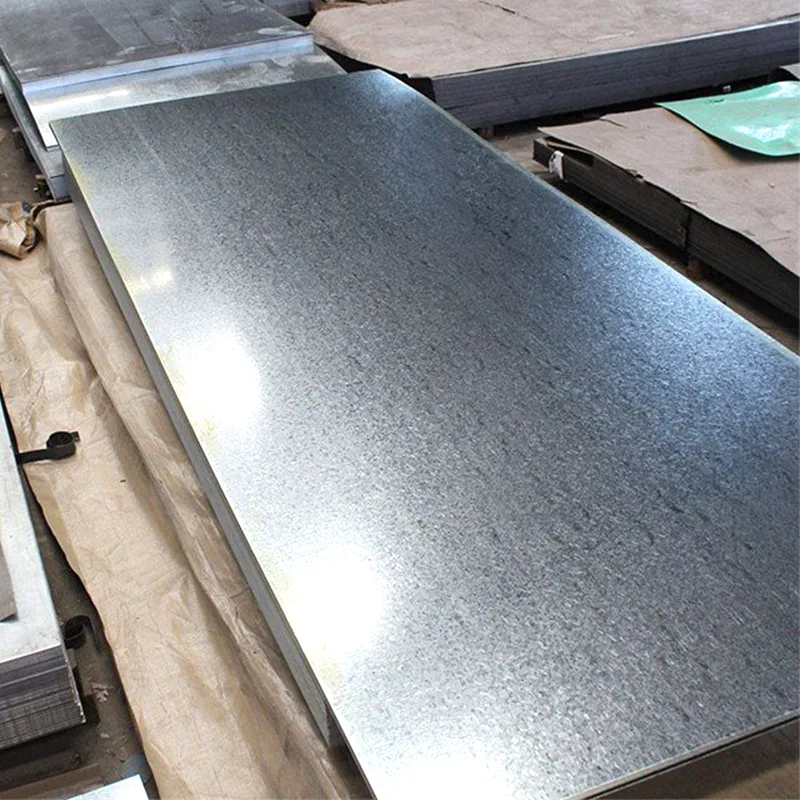
Cold-rolled steel sheets have a smooth, clean, and flat surface, free of iron oxide scale, with a uniform and attractive appearance, suitable for direct use on exterior parts. Hot-rolled steel sheets have a rough surface, an oxide layer, a darker color, and poorer flatness, generally not used for exposed exterior products.
3. Different Dimensional Accuracy:
Cold-rolled steel has extremely small thickness tolerances, a straight shape, and precise dimensions. Hot-rolled steel has relatively larger thickness deviations, and its shape and edge regularity are not as good as cold-rolled steel, resulting in lower accuracy.
4. Different Thickness Ranges:
Cold-rolled steel typically ranges in thickness from 0.15mm to 3.0mm, with a maximum thickness of 4mm; hot-rolled steel is thicker, commonly ranging from 1.5mm to 25mm, and can be produced in even thicker specifications, suitable for heavy-duty structures.
5. Different Strength and Plasticity:
Cold-rolled steel has higher strength and hardness due to work hardening, but slightly lower plasticity; hot-rolled steel has a more uniform internal structure, better plasticity and toughness, and is easier to bend, roll, and weld.
6. Internal Stress and Deformation Tendency:
Cold-rolled steel has internal stress, making it prone to deformation during later cutting and welding; hot-rolled steel has less internal stress, resulting in a more stable structure and less susceptibility to deformation.
7. Different Application Scenarios:
Cold-Rolled Carbon Steel Coils are mostly used for products with high surface finish and precision requirements, such as appliance housings, automotive sheet metal, chassis and cabinets, hardware accessories, and precision products; hot-rolled steel is mostly used for structural components with less stringent appearance requirements, such as building steel structures, mechanical frames, welded pipes, heavy components, engineering machinery, and wear-resistant steel plates. 8. Price and cost differences: Cold rolling involves more processes, higher energy consumption, and lower yield, resulting in a significantly higher price than hot rolling; hot rolling has a simpler process, lower cost, and better cost-effectiveness, making it suitable for mass production of structural materials.
Product Advantages
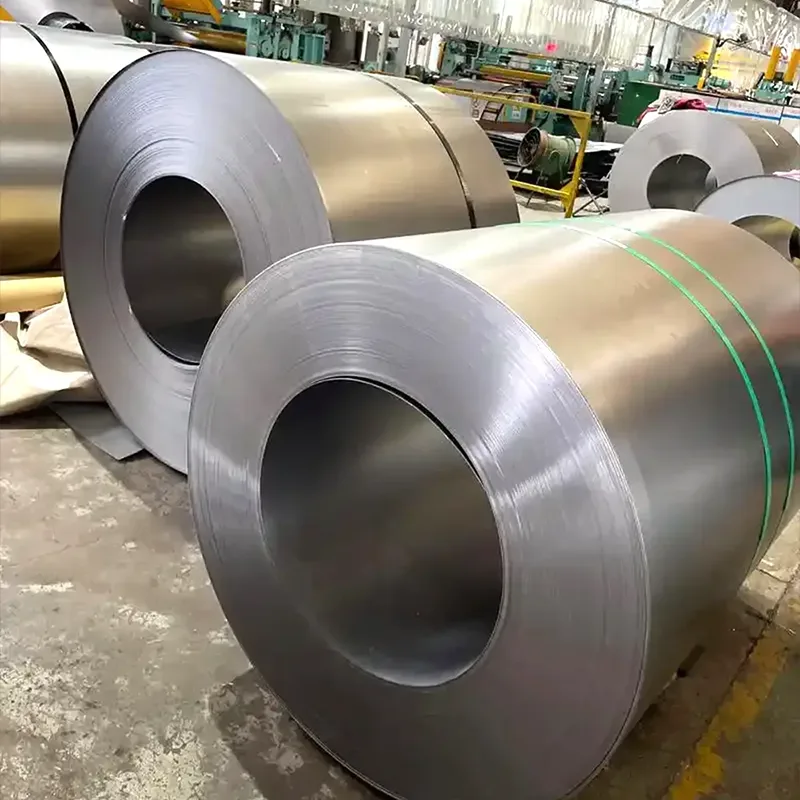
Cold-Rolled Carbon Steel Coils have several key advantages that make them widely used in automotive, construction, appliances, and manufacturing industries:
1. High Dimensional Accuracy
Cold rolling is performed at room temperature, which allows tight thickness tolerances and consistent coil dimensions, improving machining and assembly precision.
2. Excellent Surface Quality
The surface is smooth, clean, and free from scale, making it ideal for painting, coating, electroplating, and other surface finishing processes.
3. Improved Mechanical Properties
Compared with hot-rolled steel, cold-rolled coils offer higher strength and hardness due to work hardening, while still maintaining good formability.
4. Better Formability and Processing Performance
Despite increased strength, the material retains good ductility, allowing stamping, bending, and deep drawing for complex parts.
5. Uniform Thickness and Flatness
Cold rolling improves flatness and reduces thickness variation, ensuring stable performance in precision applications.
6. Wide Application Range
Suitable for automotive body panels, home appliances, steel furniture, electrical enclosures, and industrial components.
Hot Tags: cold-rolled carbon steel coils, high-quality steel coils, durable steel coils wholesale
Related Category
Send Inquiry
Contact Info
-
Address
Hanyu Jingu, High-tech Zone, Jinan City, Shandong Province, China
-
Tel
-
Email
For inquiries about Carbon Steel, Stainless Steel, Galvanized Steel or price list, please leave your email to us and we will be in touch within 24 hours.