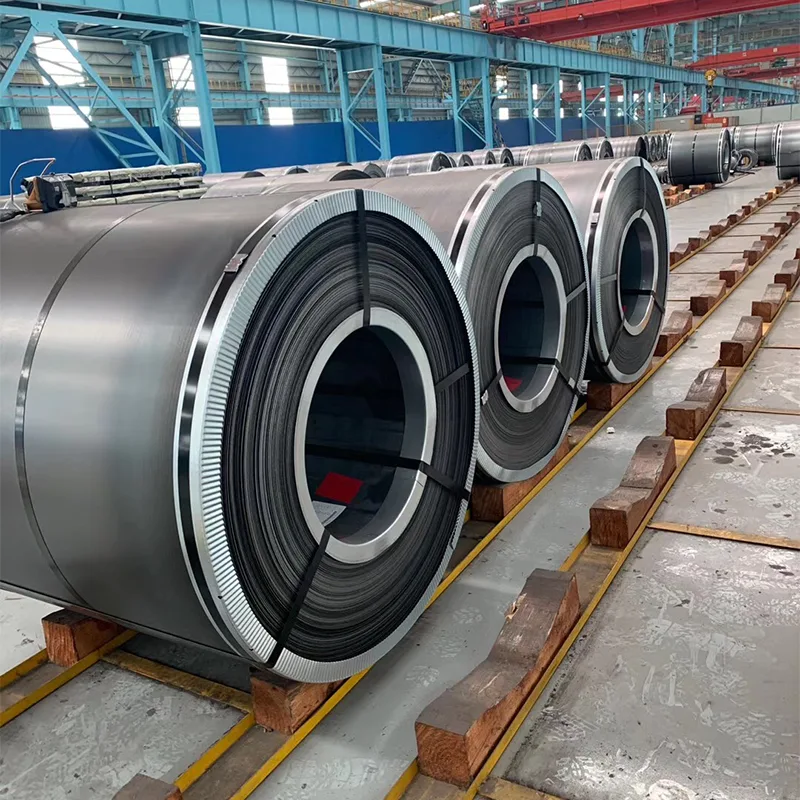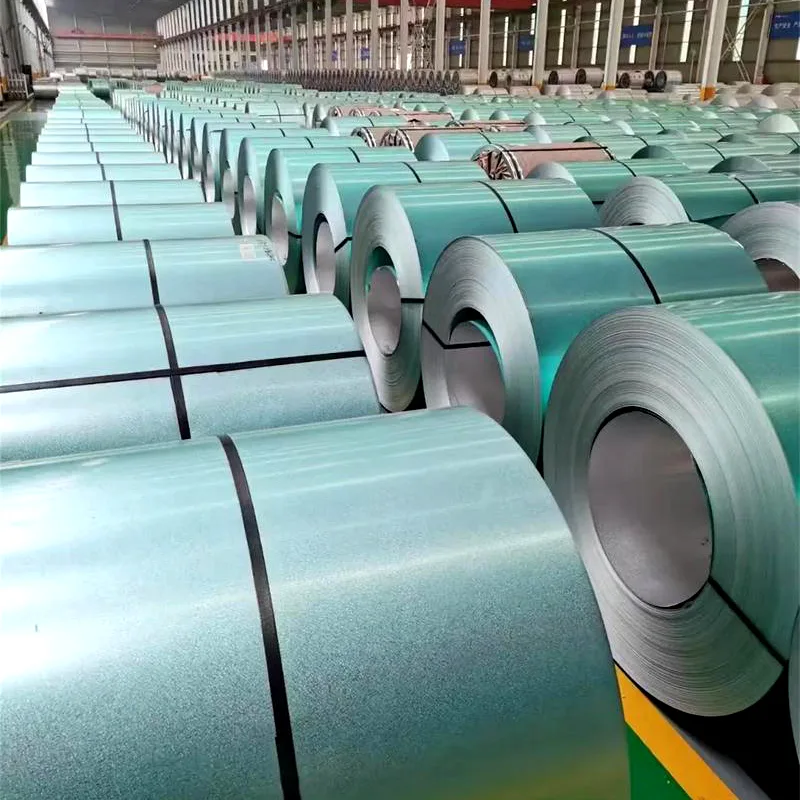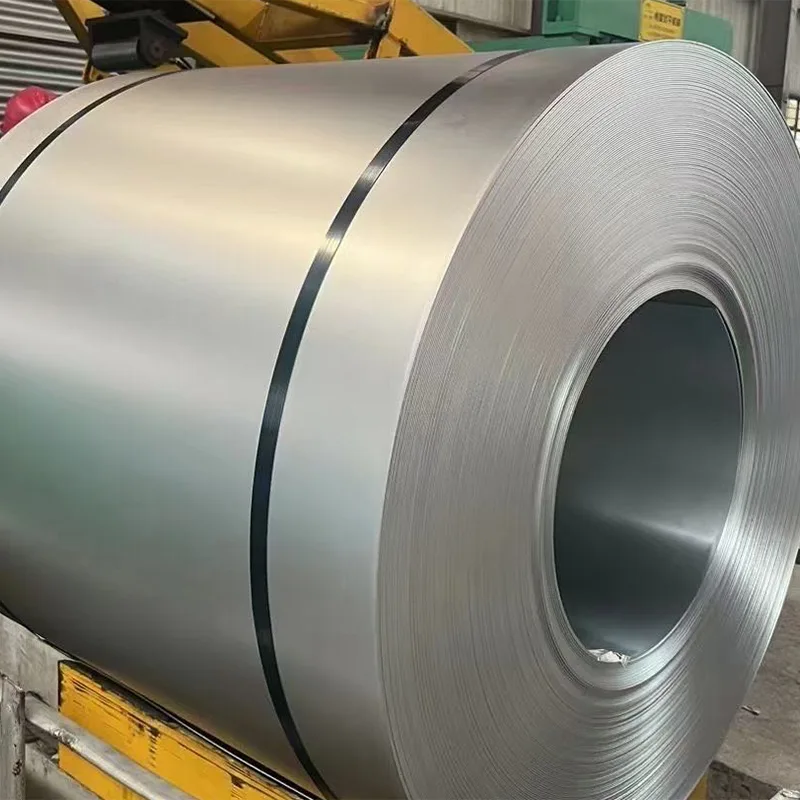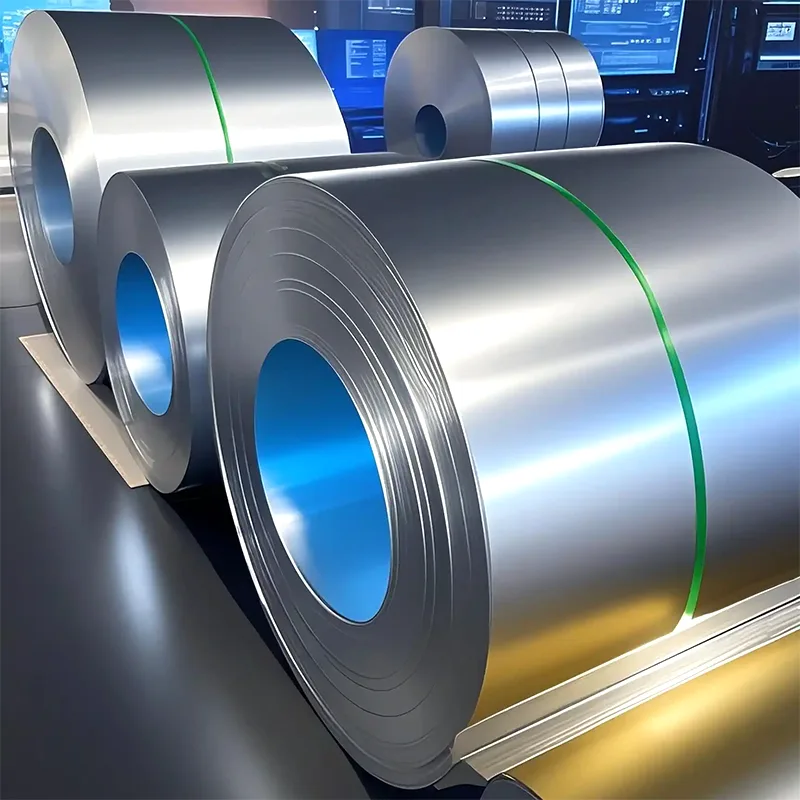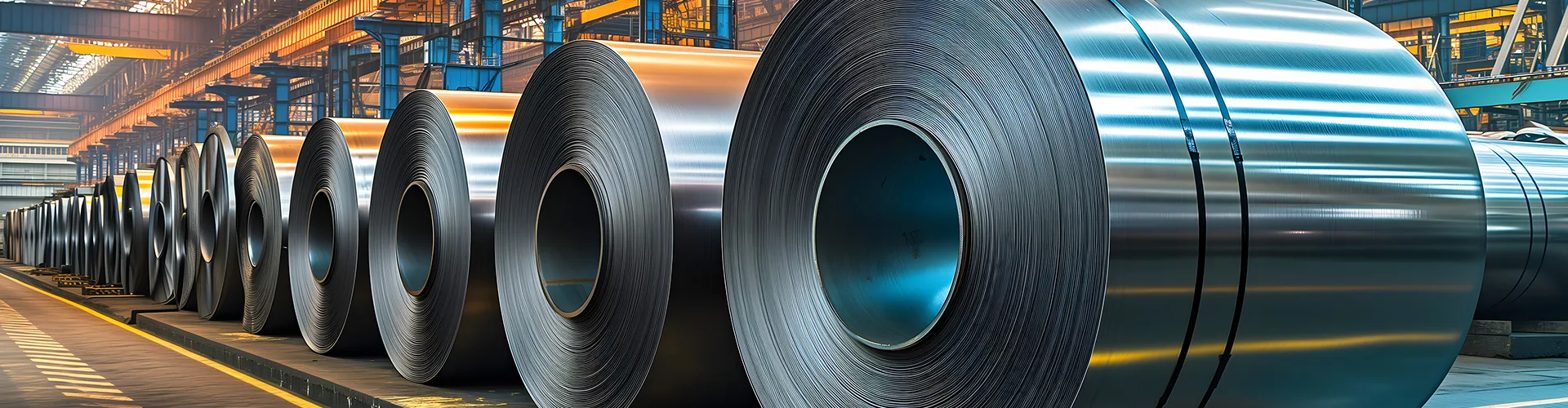
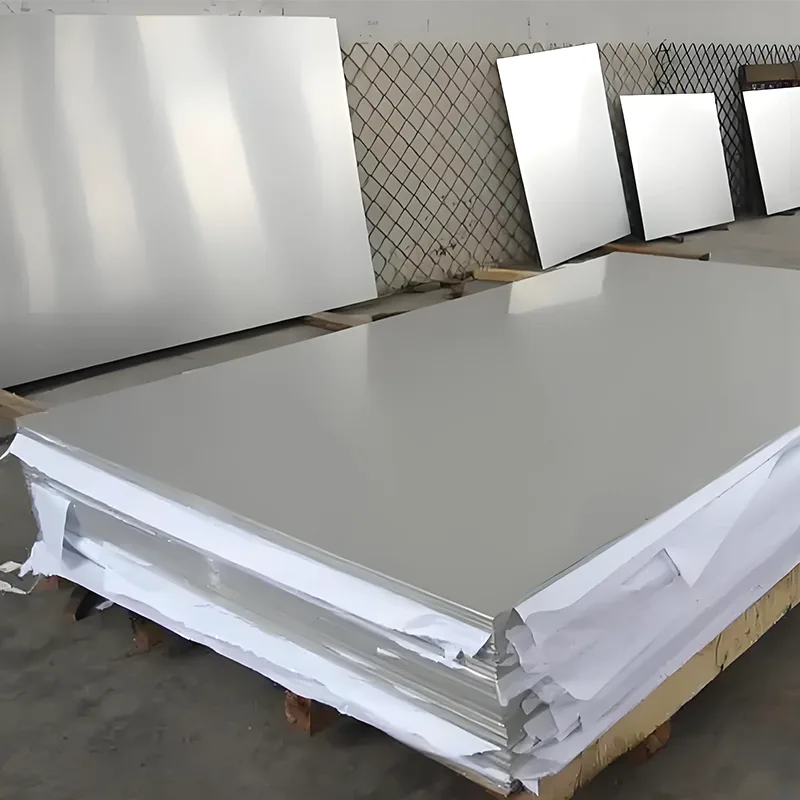
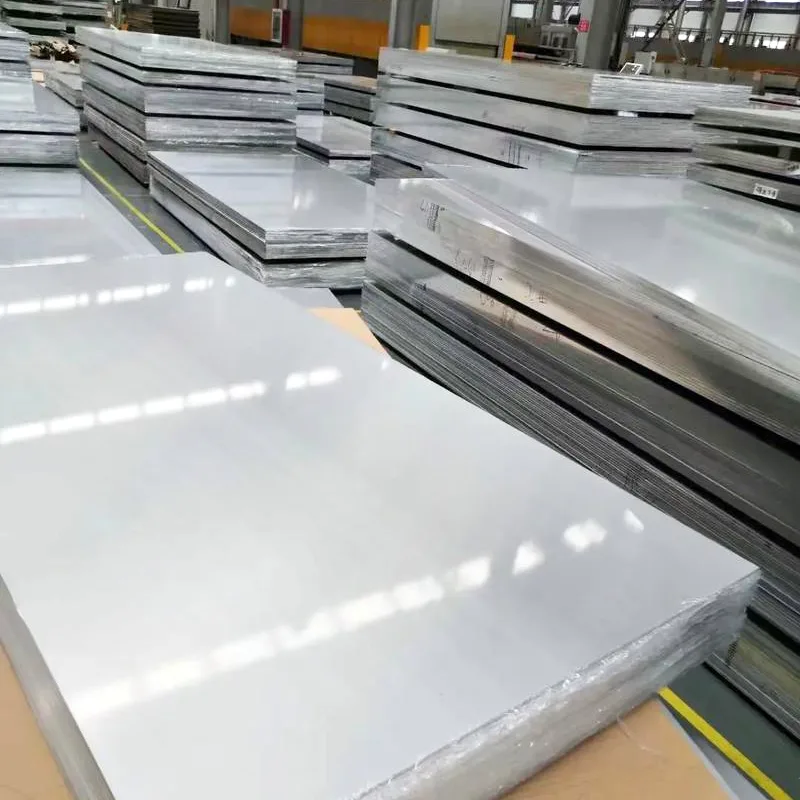
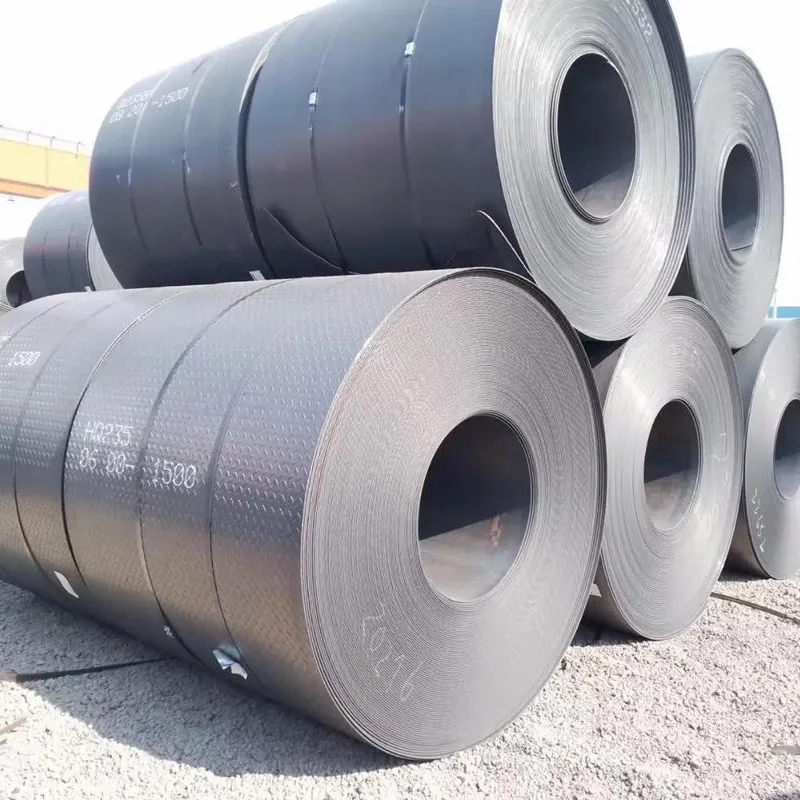
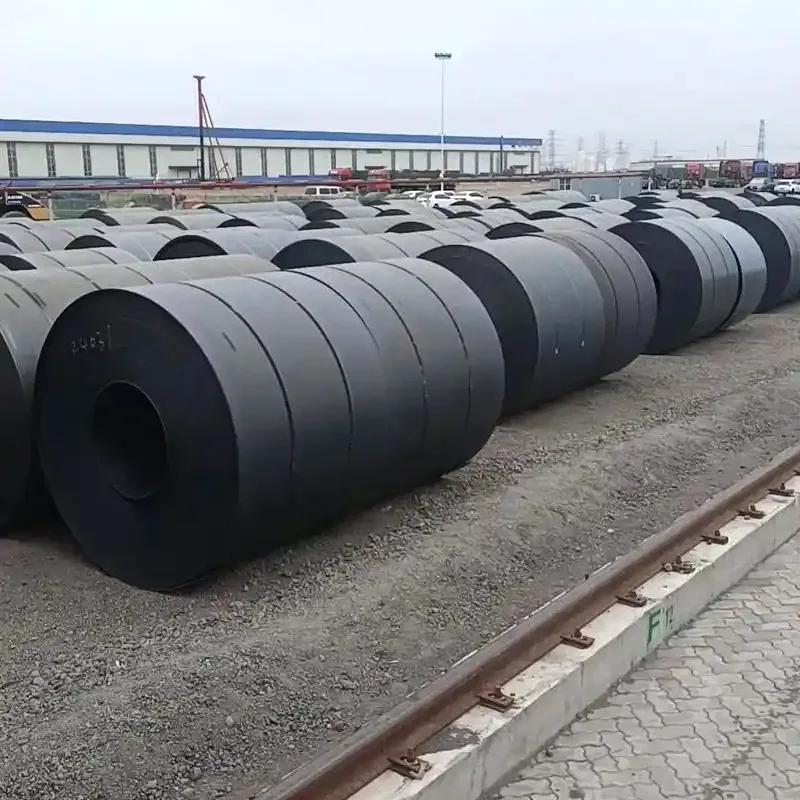
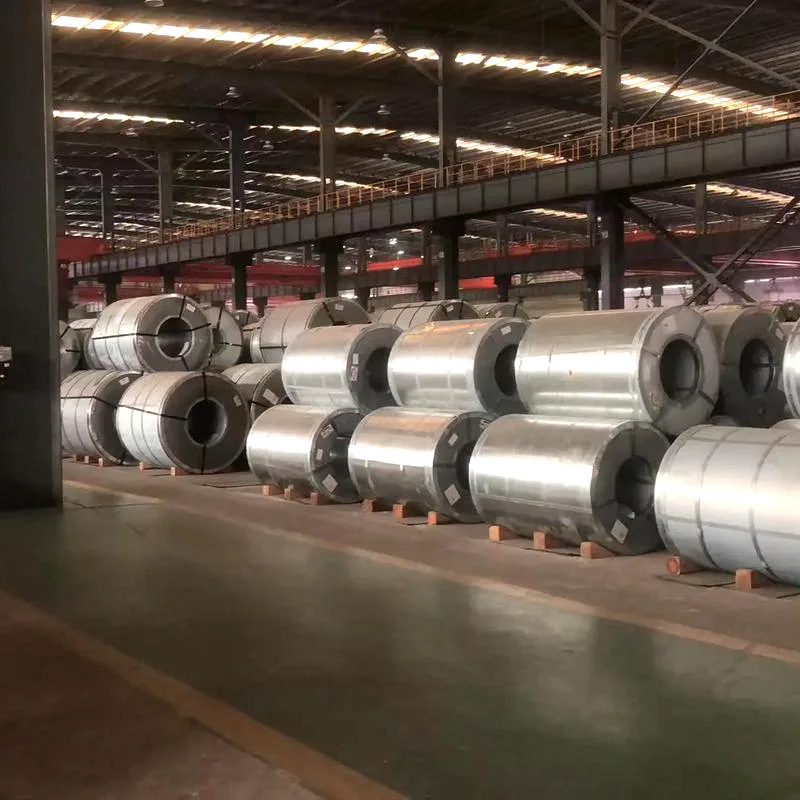
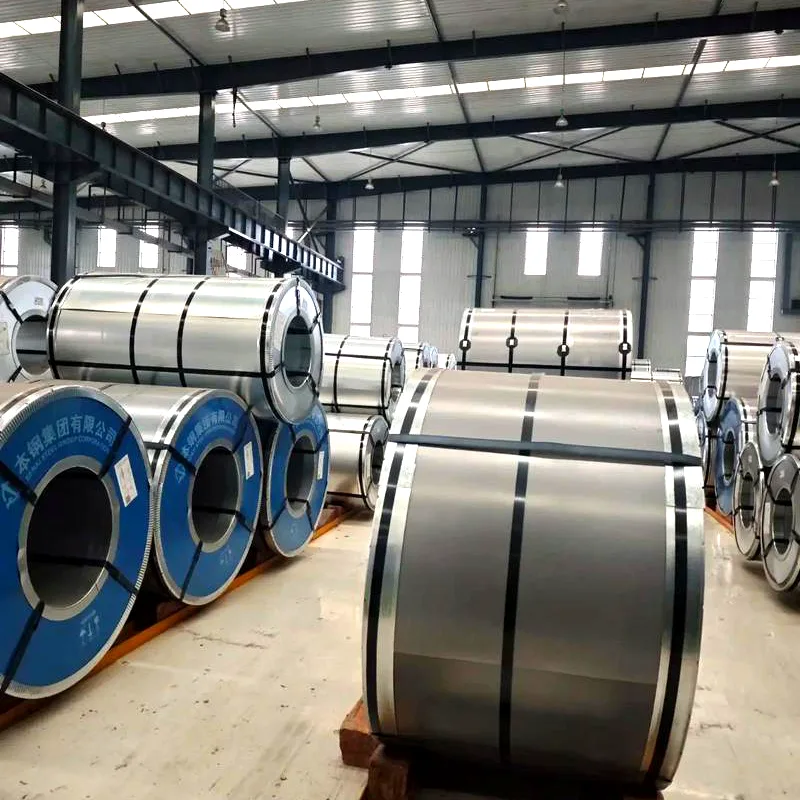
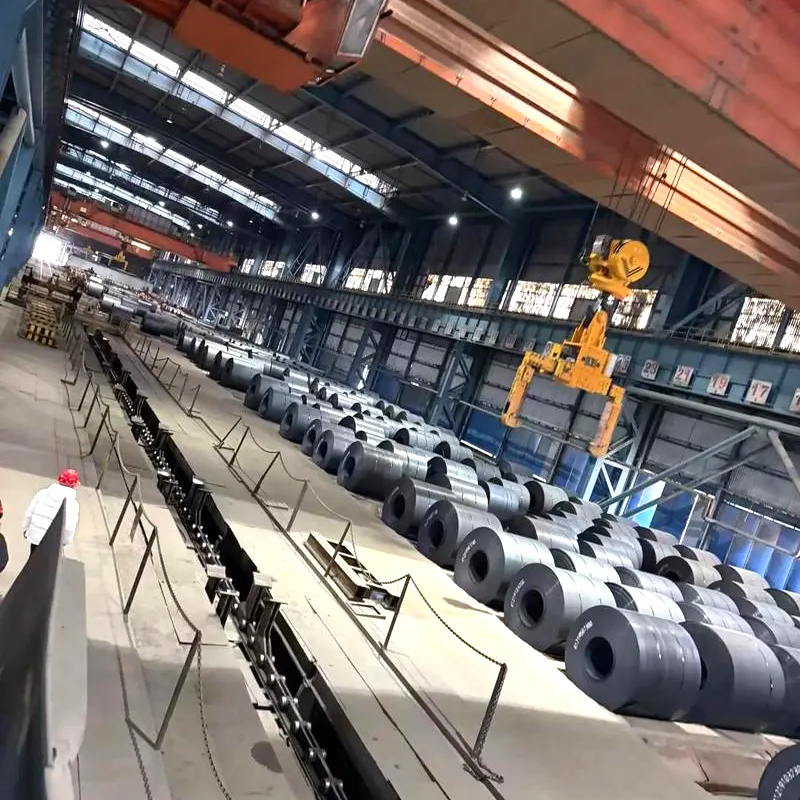
Carbon Structural Steel Coils
Delivery time for high-quality carbon structural steel coils: 7-10 days for regular orders, 48-hour delivery for urgent orders.
Technical support: One-on-one engineer service, providing material selection and processing optimization suggestions.
Customization service: Supports customization based on drawings/samples to meet special structural and performance requirements.
Technical support: One-on-one engineer service, providing material selection and processing optimization suggestions.
Customization service: Supports customization based on drawings/samples to meet special structural and performance requirements.
High-quality carbon structural steel coils are divided into three categories according to carbon content: low carbon, medium carbon, and high carbon. Mainstream materials include low-carbon steels (08F, 08, 10, 15, 20), medium-carbon steels (25, 30, 35, 40, 45), and high-carbon steels (50, 60, 65Mn). Steel, in various materials, exhibits significant differences in performance and application scenarios due to variations in composition.
Detailed Comparison
1. Low-carbon high-quality carbon steel (08F, 08, 10, 15, 20#):
Carbon content ≤0.25%. Its core advantages are extremely high plasticity and toughness, excellent cold stamping, bending, and welding performance, high steel purity, uniform structure, no temper brittleness, and extremely low processing difficulty. Mainly used for cold-rolled substrates, appliance housings, deep-drawn automotive parts, precision sheet metal, welded pipe fittings, and thin-walled parts for light machinery. Suitable for low-load components requiring deep cold forming.
2. Medium-carbon high-quality carbon steel (25, 30, 35, 40, 45#):
Carbon content 0.25%~0.60%. Strength and hardness gradually increase with carbon content. Excellent machinability; after quenching and tempering, a good balance between strength and toughness can be achieved. Wear resistance is superior to low-carbon steel. Of these, 45# is the most widely used, primarily for gears, shafts, key pins, and machine tool parts; 25-35# is suitable for bushings, bolts, and medium-sized mechanical structural parts; and 40# is used for crankshafts, connecting rods, and other medium-load-bearing components.
3. High-carbon high-quality carbon steel (50, 60, 65Mn)
With a carbon content ≥0.60%, it boasts high hardness, outstanding wear resistance, and excellent elastic properties. The addition of manganese to 65Mn significantly improves its hardenability and elastic limit, resulting in stronger fatigue resistance. 50 and 60# are used for spring washers, clutch plates, and wear-resistant gaskets; 65Mn, as spring steel, is widely used in leaf springs, coil springs, shock absorbers, clamps, and agricultural machinery spring teeth, suitable for components requiring high elasticity and high wear resistance.
Precision Machining Processes from China Manufacturers
Leveling/Slitting: Equipped with high-speed slitting/cross-slitting units, leveling accuracy ±0.5mm, burr-free edges, and non-flaking plating.
Forming Processes: Supports bending (minimum radius 0.5 times plate thickness), laser cutting, punching, welding, etc., suitable for complex structural parts.
Surface Treatment: Provides passivation, rust prevention oiling, color coating, and other post-treatments; surface roughness Ra≤0.5μm, adhesion reaches 5B level.
Custom Length Service: Provides precise lengths according to customer requirements, reducing secondary processing waste.
FAQ
1. What is Carbon Structural Steel Coils?
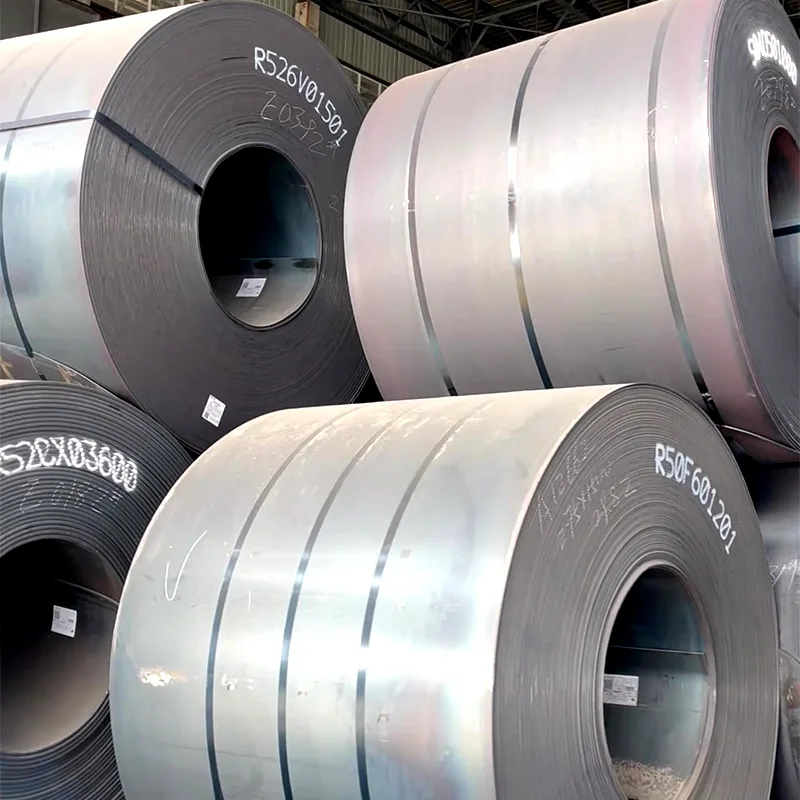
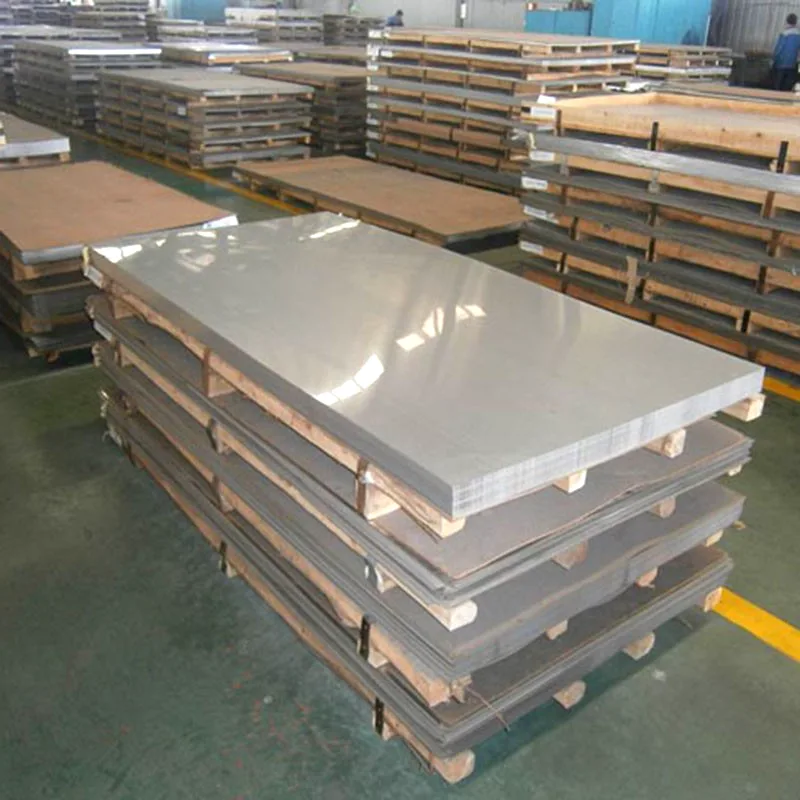
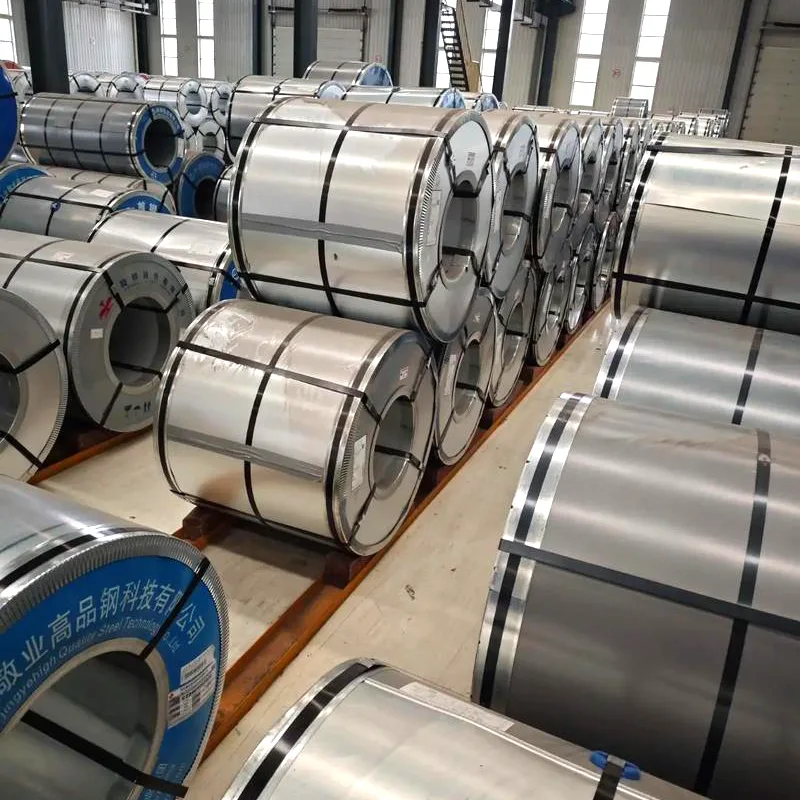
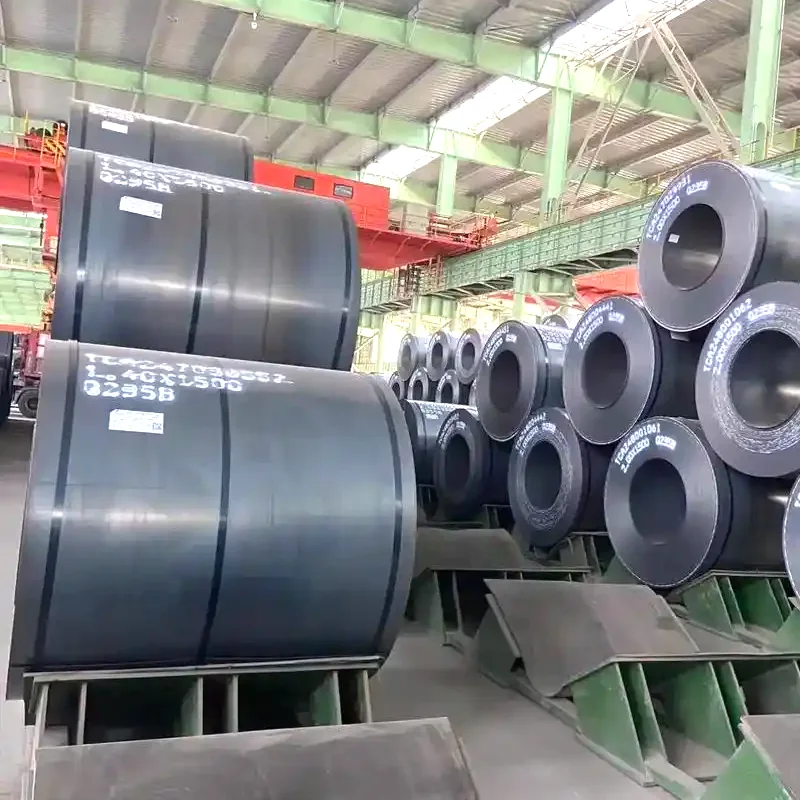
Carbon structural steel coil is a flat-rolled steel product with controlled carbon content, supplied in coil form for further processing such as cutting, stamping, bending, or forming. It is widely used in construction and structural manufacturing due to its strength and versatility.
2. What is carbon structural steel used for?
It is mainly used in:
●Building structures and bridges
●Machinery parts and frames
●Automotive components
●Roofing sheets and decking systems
●General fabrication and industrial equipment
3. What are the common grades of carbon structural steel coils?
Typical grades include:
●ASTM A36
●ASTM A283
●Q235 / Q345 (GB standard)
●S235JR / S355JR (EN standard)
These grades differ in strength, weldability, and application suitability.
4. What are the types of carbon steel coils?
Carbon steel coils are generally classified as:
●Hot rolled carbon steel coil (HR)
●Cold rolled carbon steel coil (CR)
●Galvanized carbon steel coil (coated for corrosion resistance)
5. What are the advantages of carbon structural steel coils?
Key advantages include:
●High strength and load-bearing capacity
●Good weldability and machinability
●Cost-effective compared to alloy steels
●Suitable for large-scale industrial production
●Wide availability in different grades and sizes
6. What is the difference between carbon structural steel and stainless steel?
●Carbon steel: iron + carbon, stronger and cheaper, but less corrosion resistant
●Stainless steel: contains chromium (≥10.5%), highly corrosion resistant but more expensive
7. What carbon content is used in structural steel coils?
Structural carbon steel typically contains:
●Low carbon: < 0.25% (most common for forming and welding)
●Medium carbon: 0.25% – 0.60% (higher strength applications)
●Higher carbon increases hardness but reduces ductility.
8. Can carbon steel coils be welded easily?
Yes. Low-carbon structural steel coils are highly weldable and do not usually require preheating, making them suitable for fabrication and construction applications.
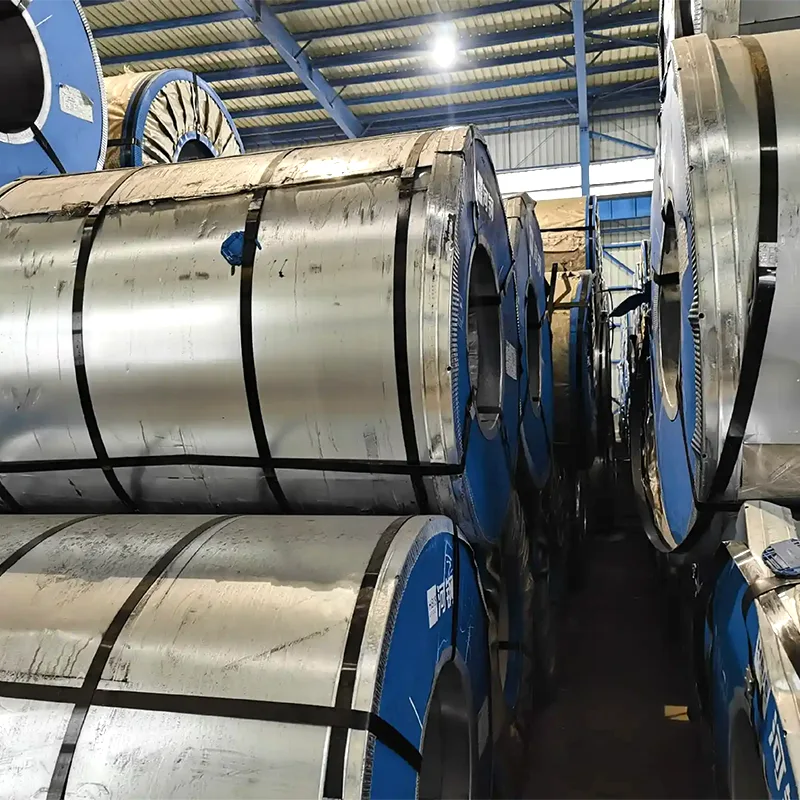
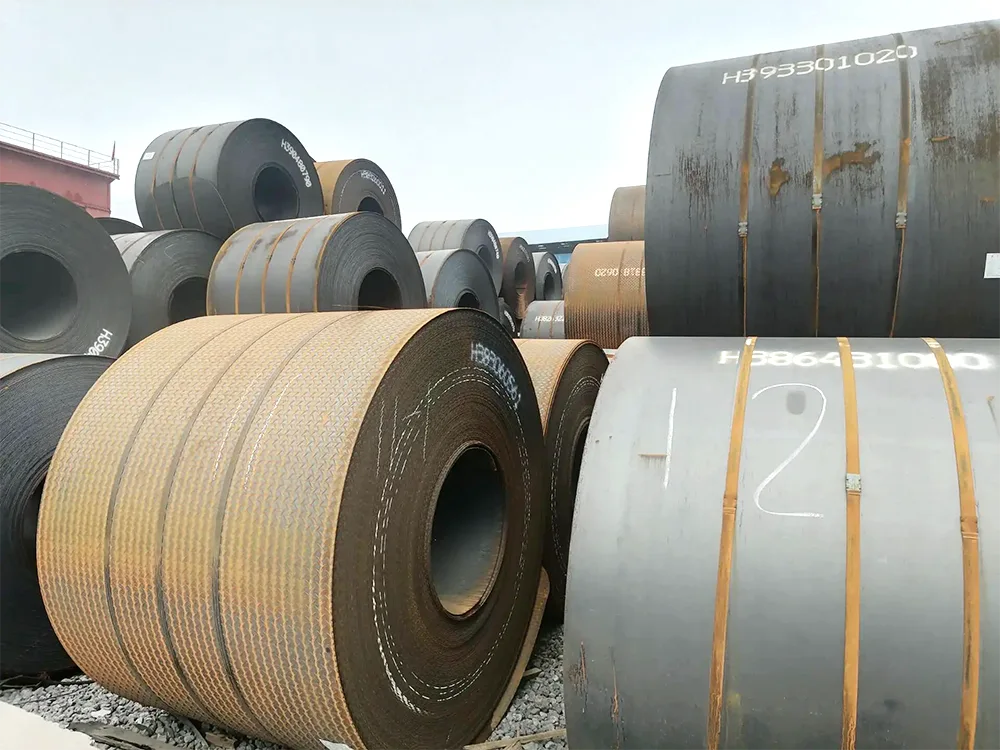
9. How should carbon steel coils be stored?
Proper storage requires:
●Dry, ventilated warehouse
●Protection from moisture and rain
●Use of oiling or coating if needed
●Avoiding direct ground contact to prevent rust
10. What industries use carbon structural steel coils?
Major industries include:
●Construction
●Automotive manufacturing
●Shipbuilding
●Heavy machinery
●Metal fabrication and infrastructure
Hot Tags: Carbon structural steel coils, Carbon steel coils supplier, High quality steel coils
Related Category
Send Inquiry
Contact Info
-
Address
Hanyu Jingu, High-tech Zone, Jinan City, Shandong Province, China
-
Tel
-
E-mail
For inquiries about Carbon Steel, Stainless Steel, Galvanized Steel or price list, please leave your email to us and we will be in touch within 24 hours.