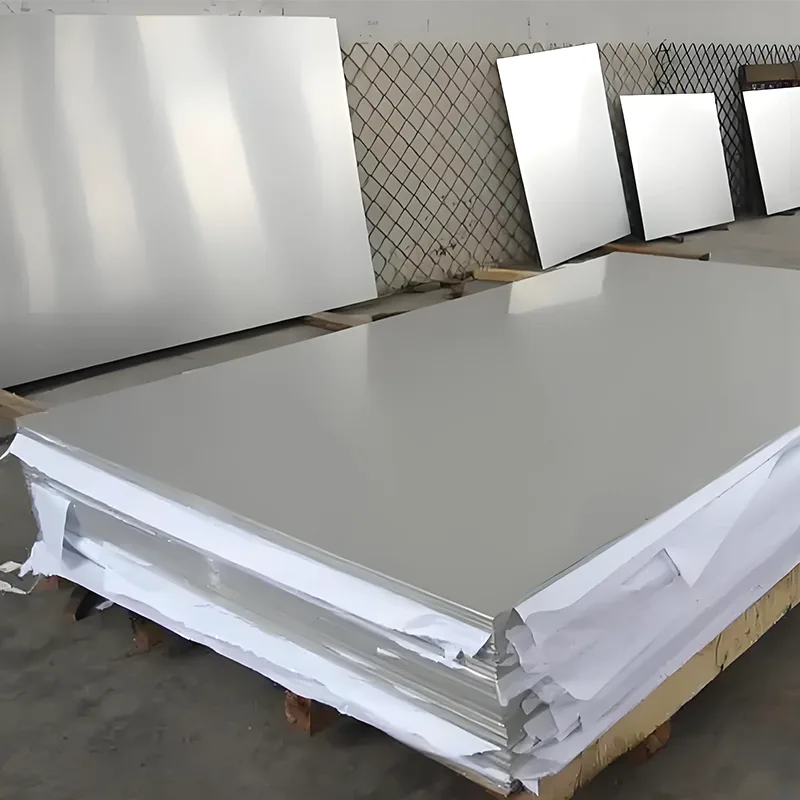
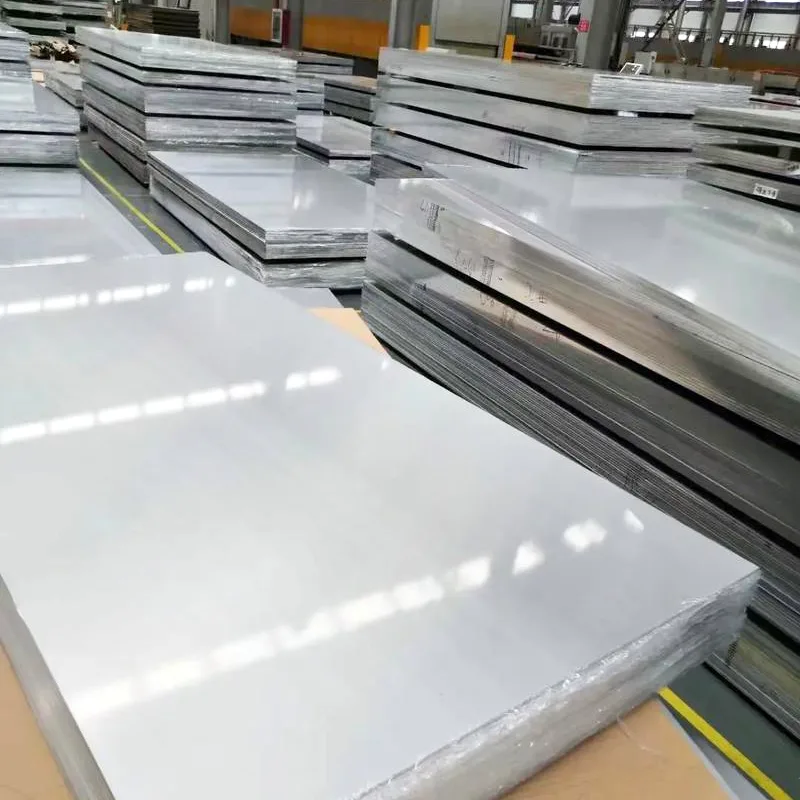
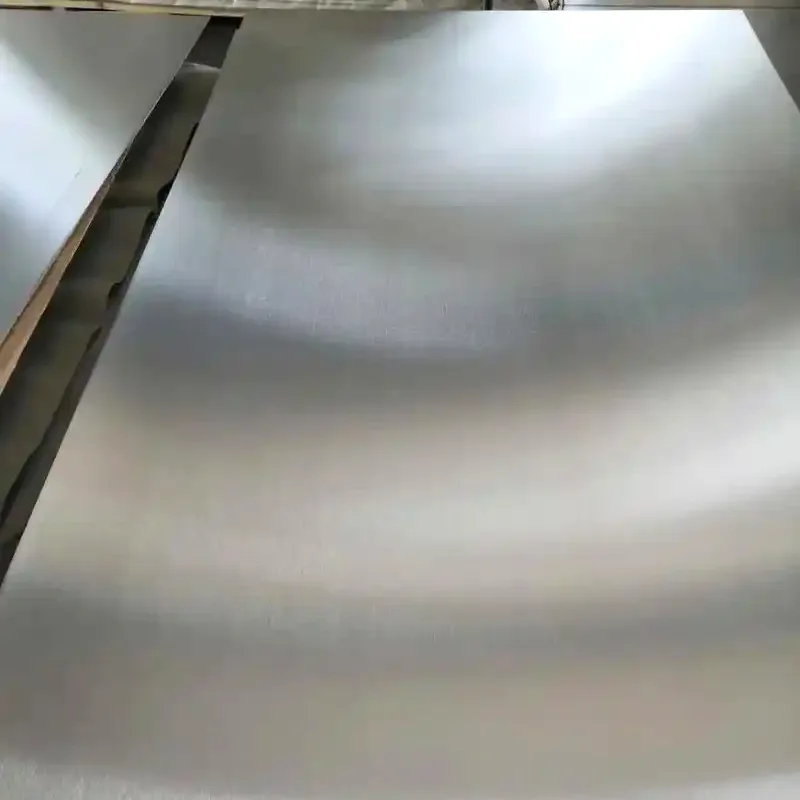
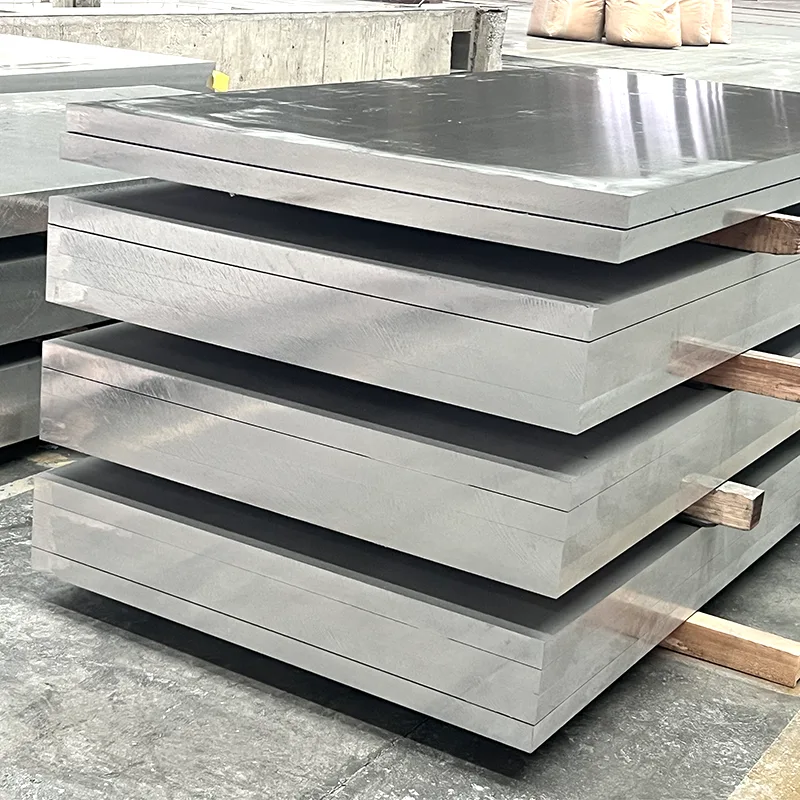
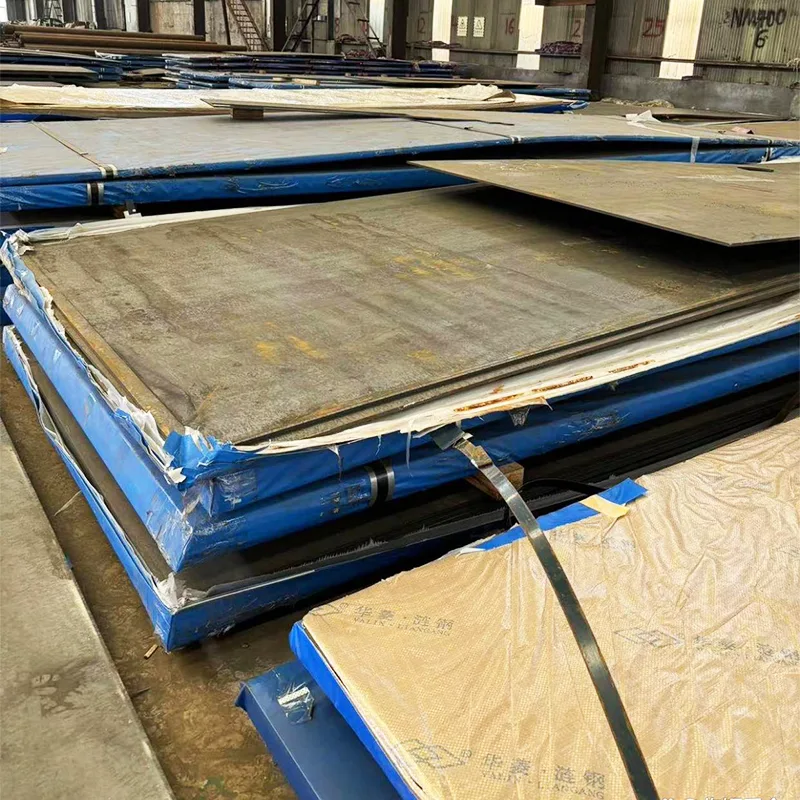
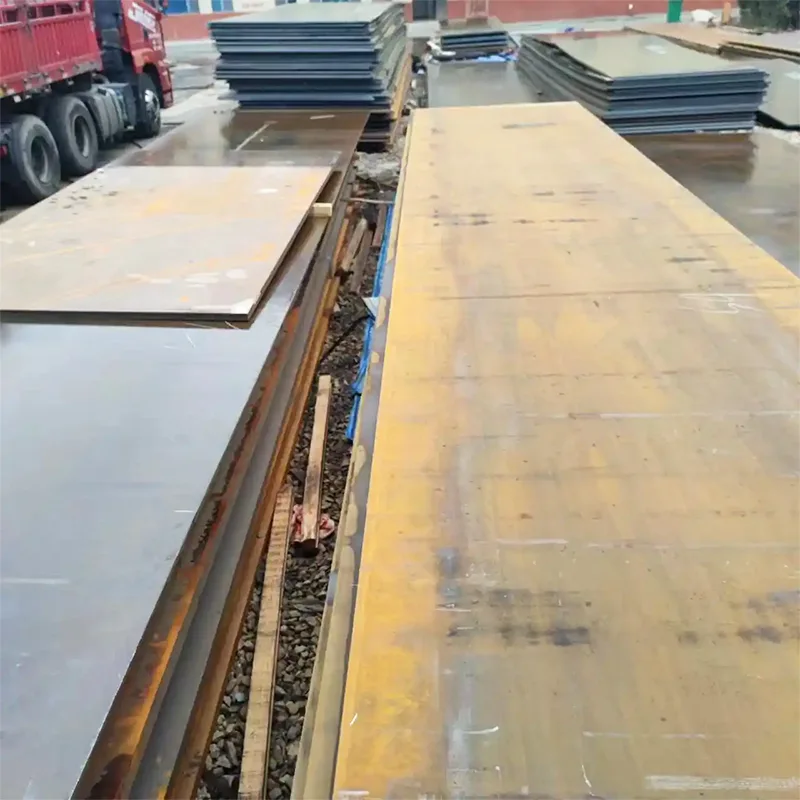
Bimetallic Composite Wear-Resistant Steel Plate
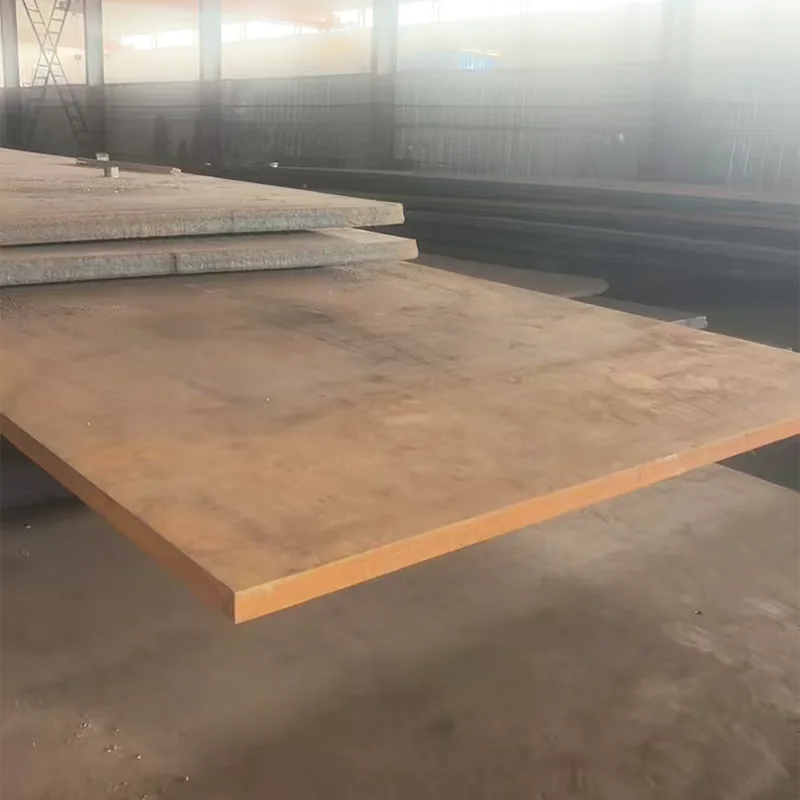
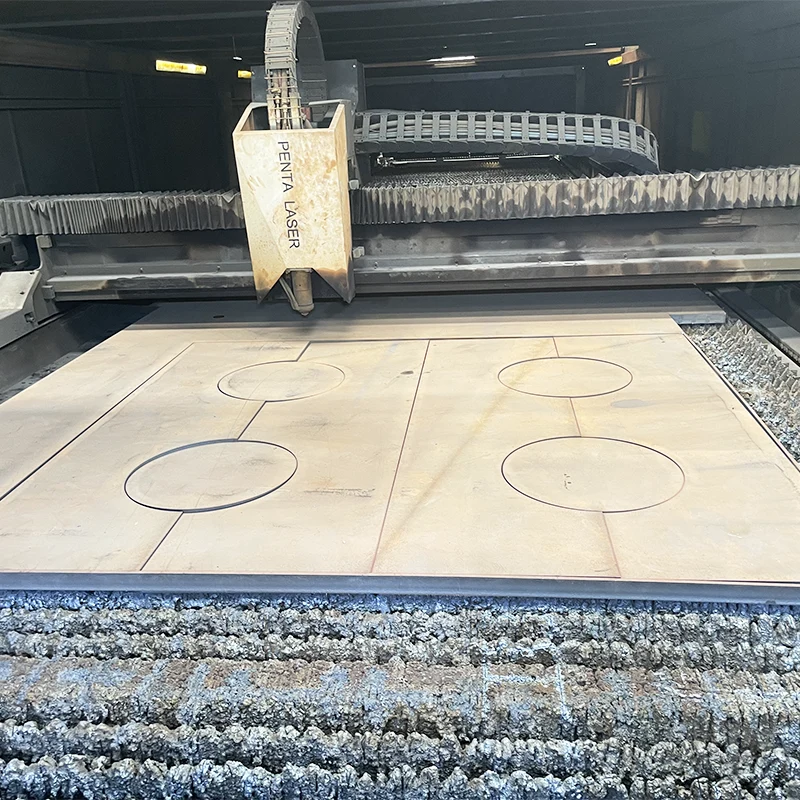
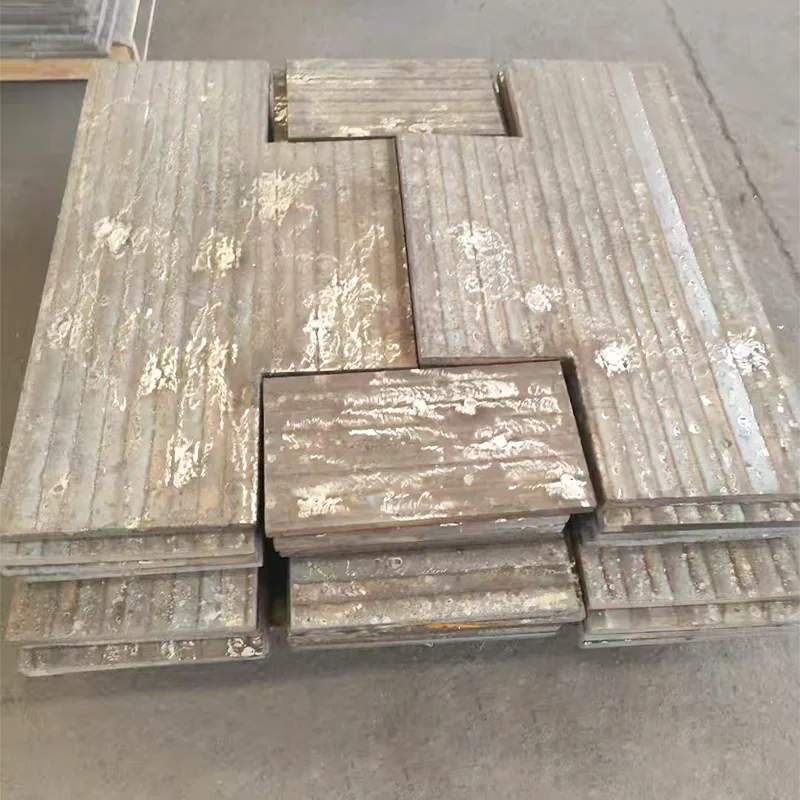
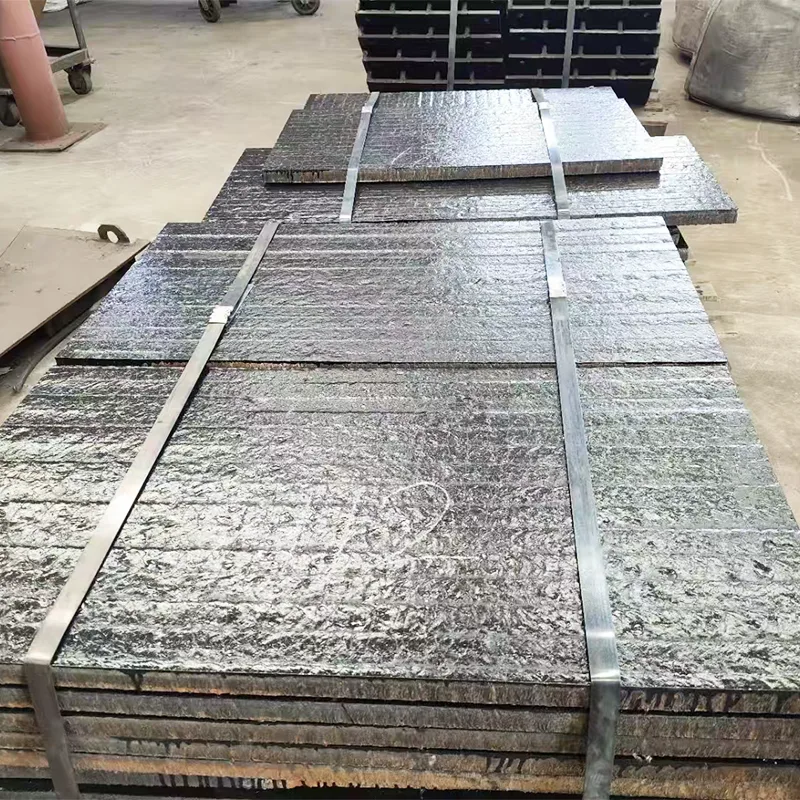
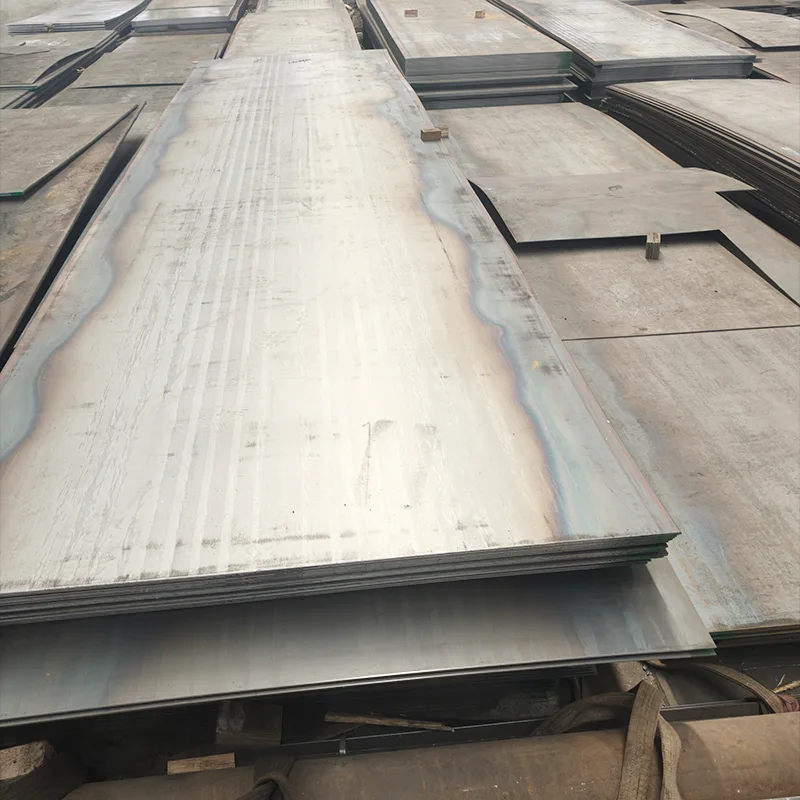
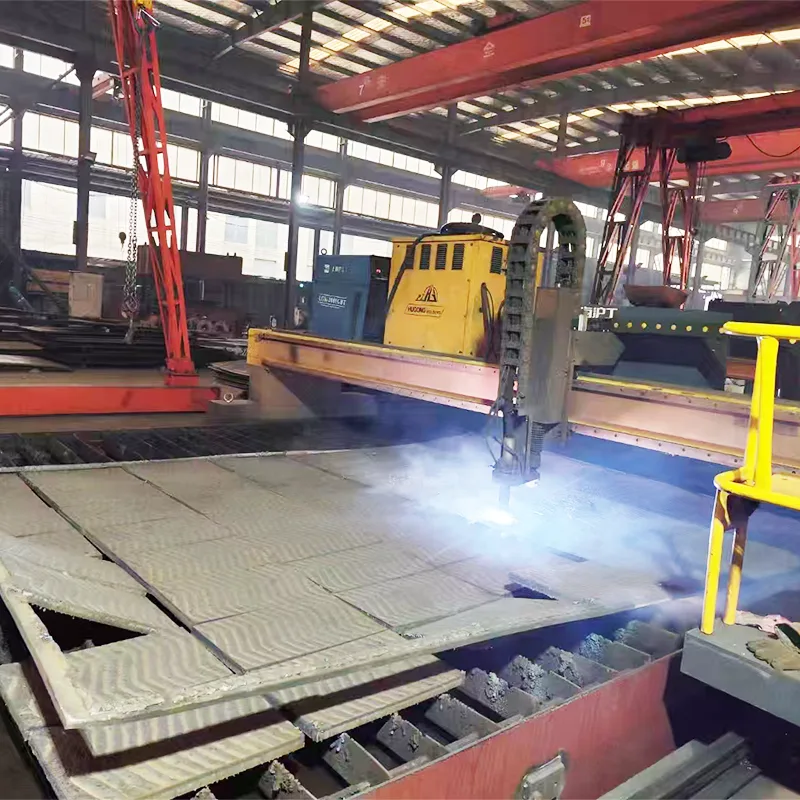
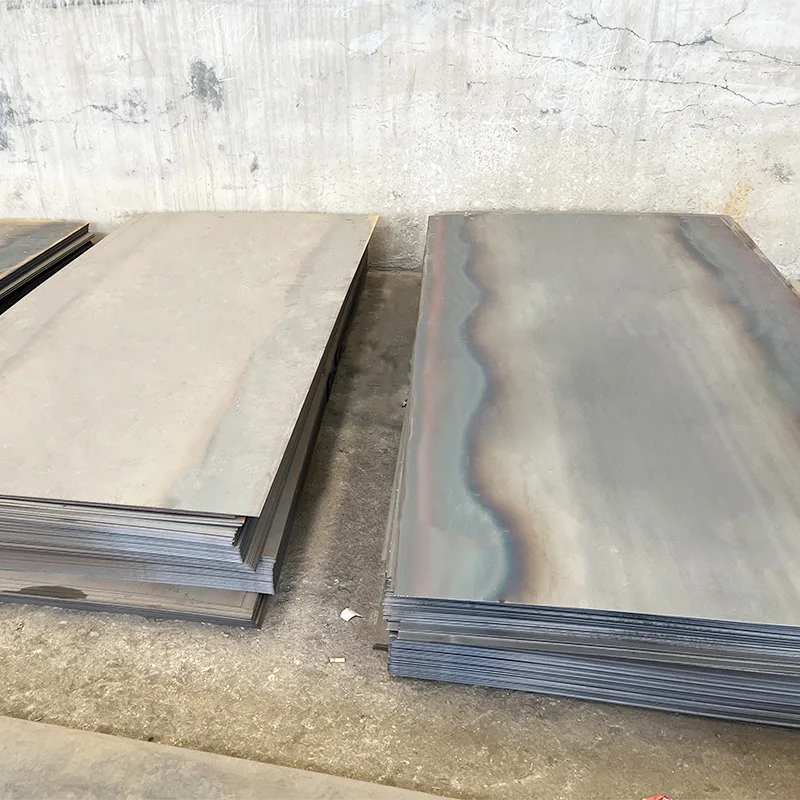
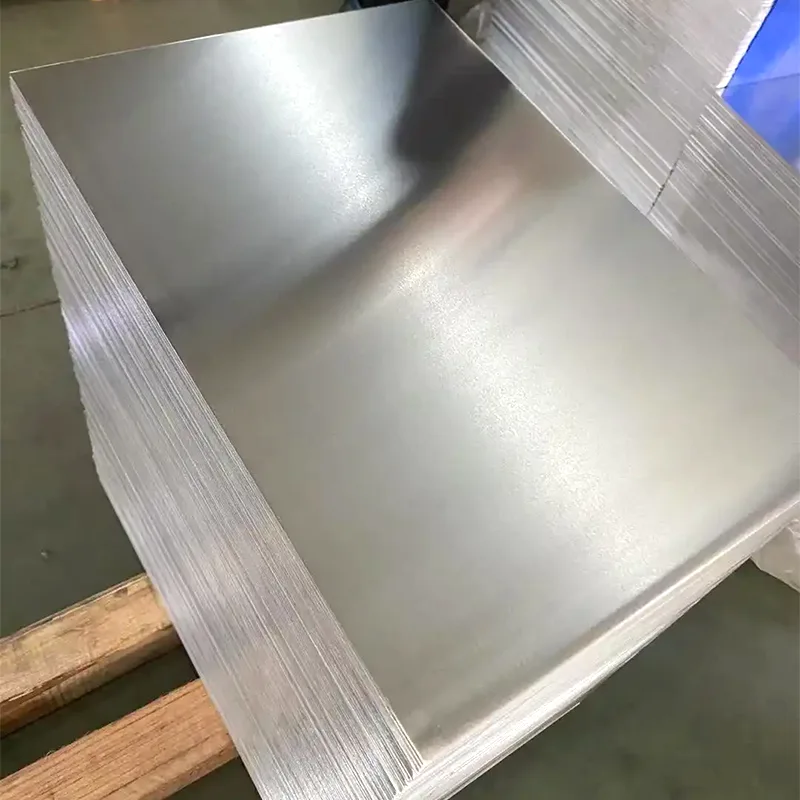
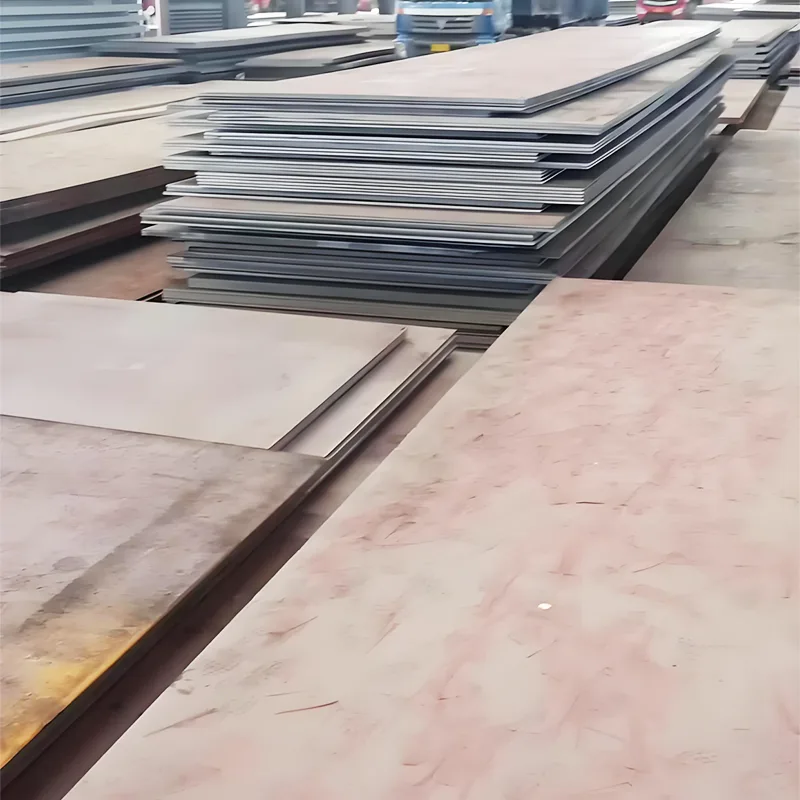
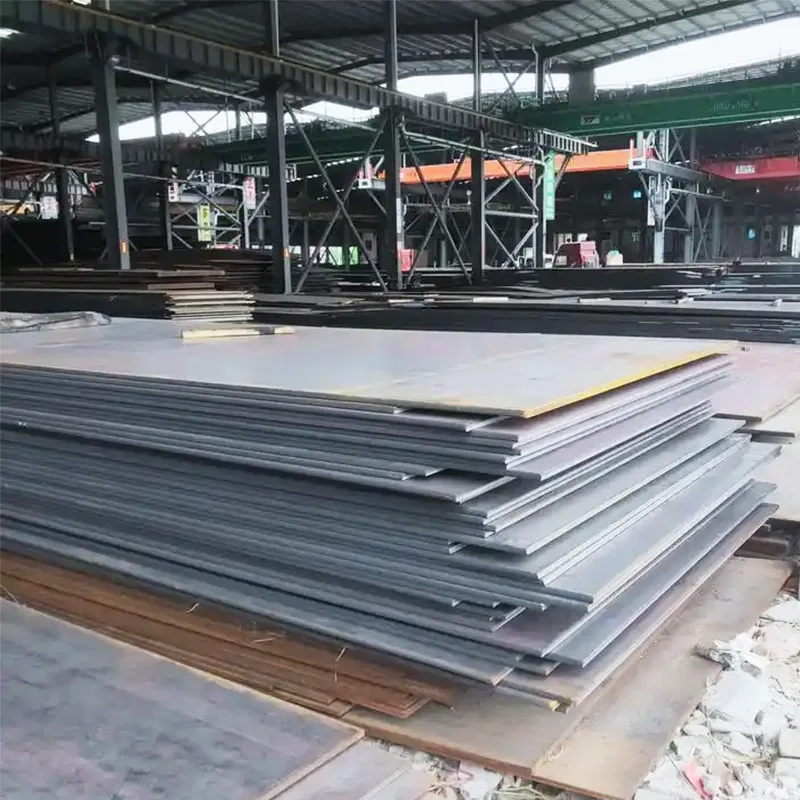
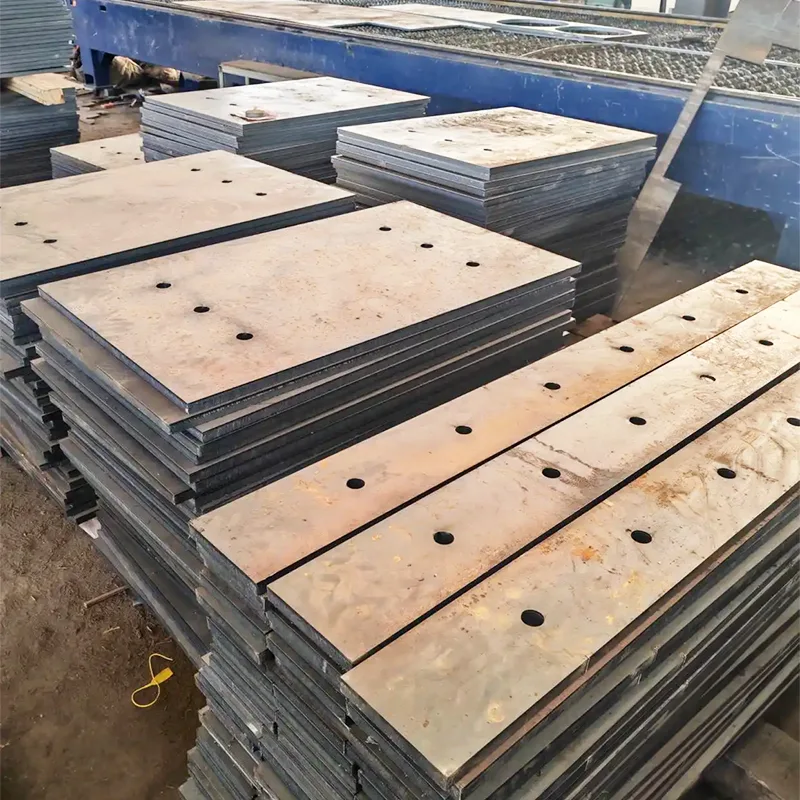
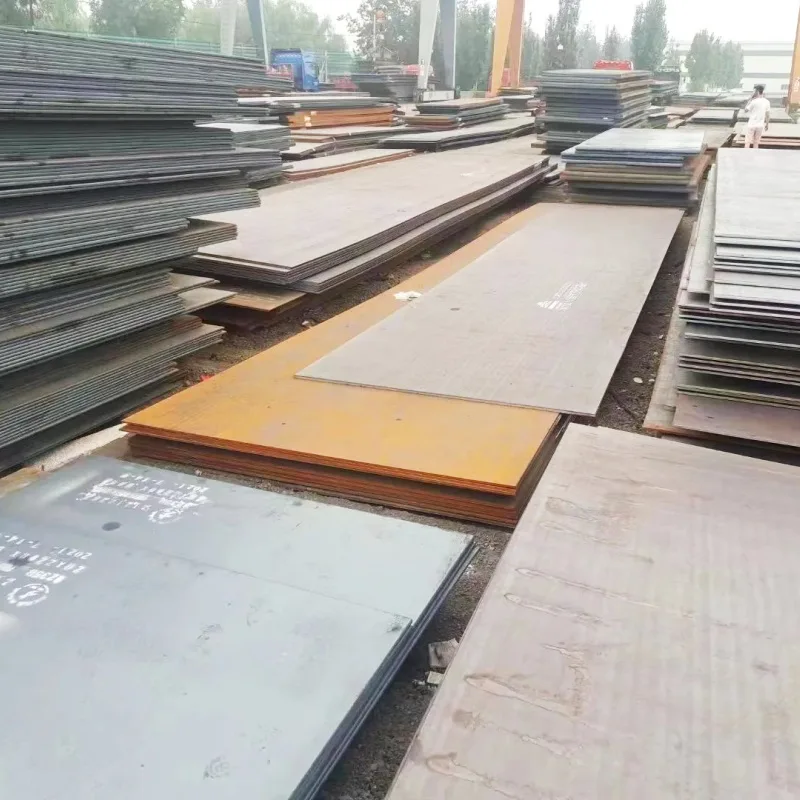
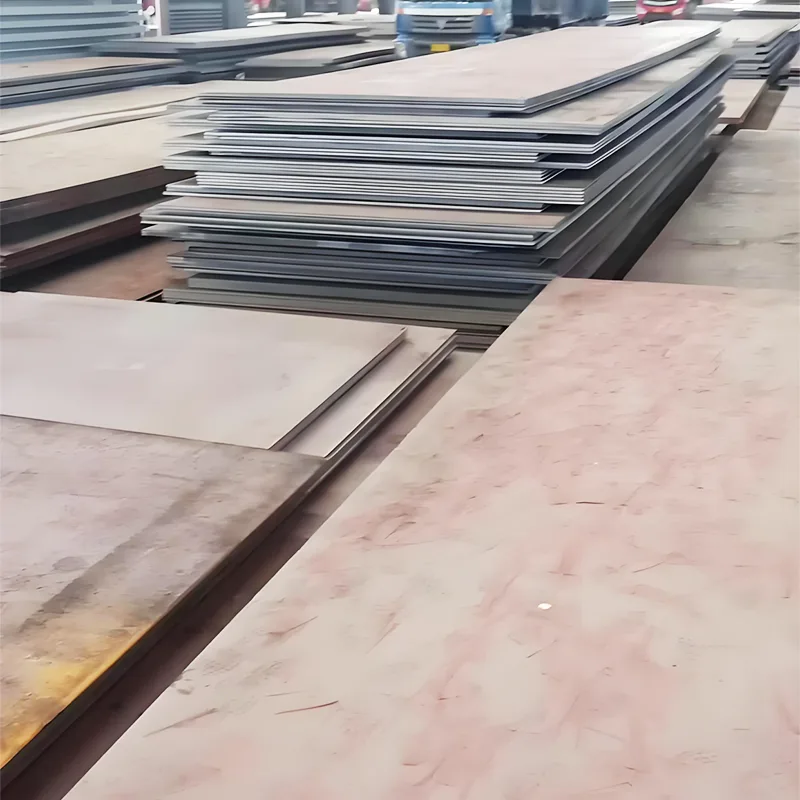
Bimetallic Composite Wear-Resistant Steel Plate from China manufacturer Lingchuang is produced under GB/T 24186-2022 with quenched and tempered low-alloy technology. It supports laser, plasma, and flame cutting, and can be processed into standard or custom shapes with bending and rolling according to drawings. Lingchuang provides durable and cost-effective solutions for mining, construction, and heavy industry use.
Bimetallic Composite Wear-Resistant Steel Plates have a Brinell hardness range of HB370-430, yield strength ≥1000MPa, tensile strength ≥1250MPa, and low-temperature impact energy at -20℃ ≥24J. The steel incorporates alloying elements such as manganese, chromium, and molybdenum, with carefully controlled carbon equivalent, resulting in a uniform and dense microstructure that maintains adequate toughness while ensuring hardness.
Core Advantages
Balanced performance characteristics, balancing wear resistance and impact resistance, capable of handling moderate material wear and impact, and less prone to brittleness.
Excellent processing and welding performance; compared to high-hardness models such as NM500 and NM600, welding preheating requirements are lower, facilitating on-site construction.
Outstanding cost-effectiveness; priced lower than imported wear-resistant steel plates, with a service life more than 5 times that of ordinary carbon steel.
Comprehensive specifications; various thickness and width options to suit the fabrication of components for various equipment.
Application Environment
Suitable for ambient temperature conditions with moderate abrasive wear and moderate impact loads; widely used in mining, construction machinery, building materials, power, and port handling industries; not suitable for extreme impact crushing scenarios.
Application Cases
Construction Machinery: Used to manufacture excavator bucket liners and loader bucket walls. After application by a heavy industry company, the service life of components increased by 4-5 times.
Mining Machinery: Processed into dump truck bed plates and mine conveyor guards to resist continuous erosion from ore and gravel.
Cement Industry: Manufactured into cement clinker conveying chutes and screw conveyor blades to reduce wear caused by clinker abrasion.
Power Industry: Used as coal chutes and hopper liners in thermal power plant coal conveying systems to withstand long-term friction from pulverized coal.
Port Equipment: Applied to ship unloader baffles and grab bucket liners, suitable for coal and ore loading and unloading operations.
FAQ
Q1: What is Bimetallic Composite Wear-Resistant Steel Plate?
A: It is a dual-layer steel plate combining a tough base layer and a high-hardness wear-resistant layer for extended service life.
Q2: What are the main advantages of bimetallic wear-resistant steel plates?
A: It offers excellent wear resistance, strong impact toughness, and a longer lifespan compared to single-material steel plates.
Q3: Where is Bimetallic Composite Wear-Resistant Steel Plate commonly used?
A: It is widely used in mining equipment, cement plants, steel mills, construction machinery, and material handling systems.
Q4: Can it be processed and fabricated?
A: Yes, it supports cutting, welding, bending, and forming according to engineering requirements.
Q5: What cutting methods are suitable for bimetallic wear-resistant steel plates?
A: Laser cutting, plasma cutting, and flame cutting are commonly used methods.
Q6: What thickness range is available for this steel plate?
A: It is available in various thicknesses and can be customized based on application needs.
Hot Tags: Bimetallic Composite Wear-Resistant Steel Plate supplier, composite wear resistant steel plate factory
Related Category
Send Inquiry
Contact Info
-
Address
Hanyu Jingu, High-tech Zone, Jinan City, Shandong Province, China
-
Tel
-
E-mail
For inquiries about Carbon Steel, Stainless Steel, Galvanized Steel or price list, please leave your email to us and we will be in touch within 24 hours.