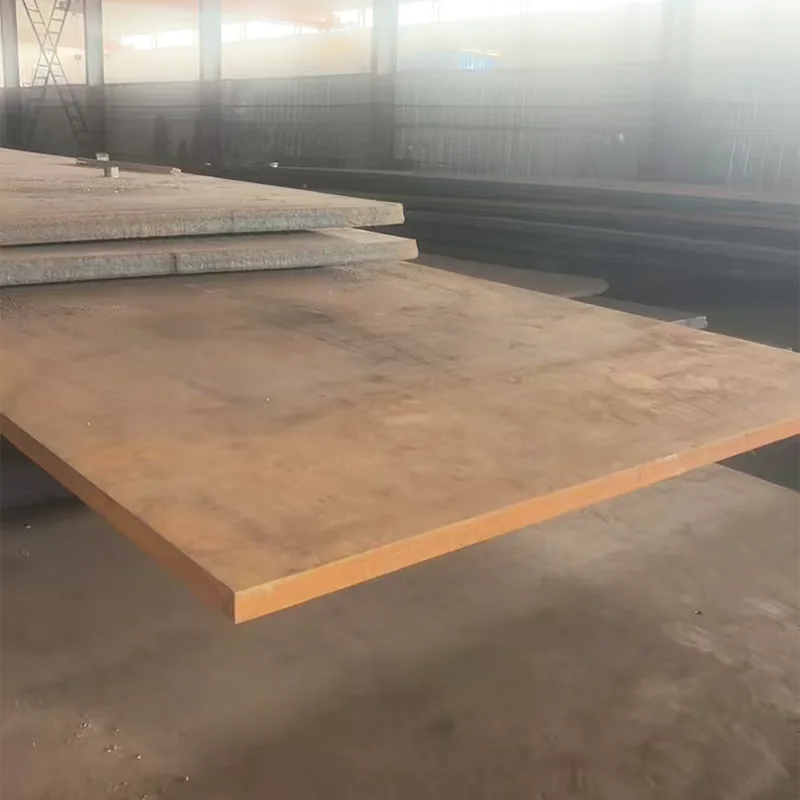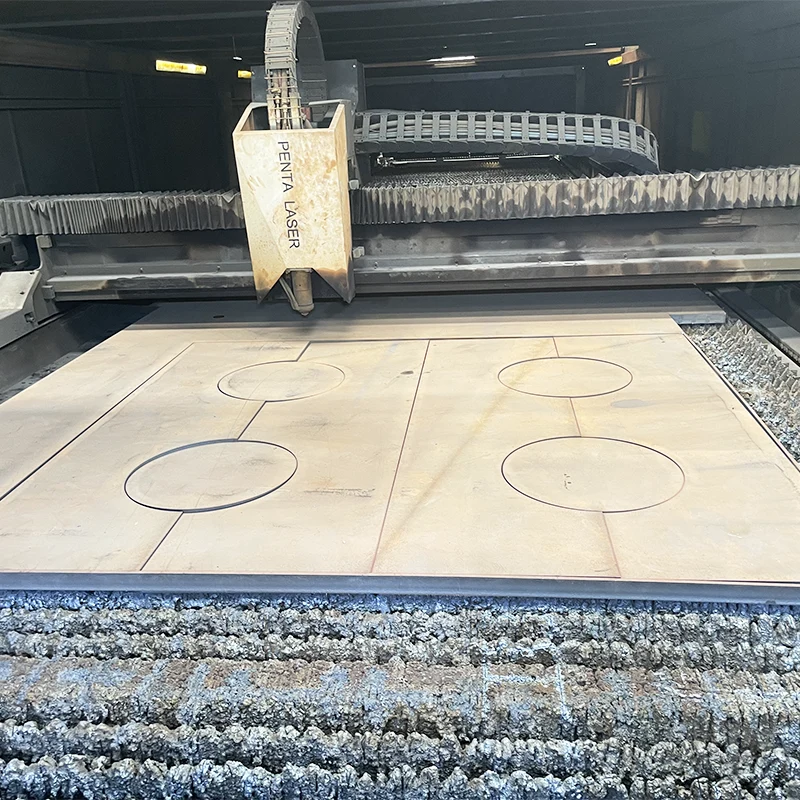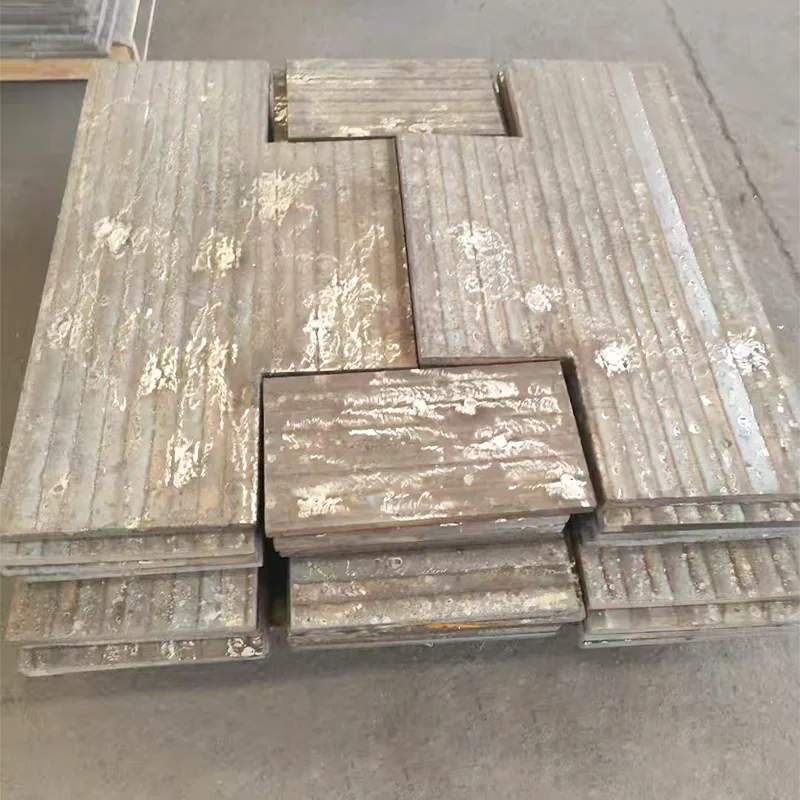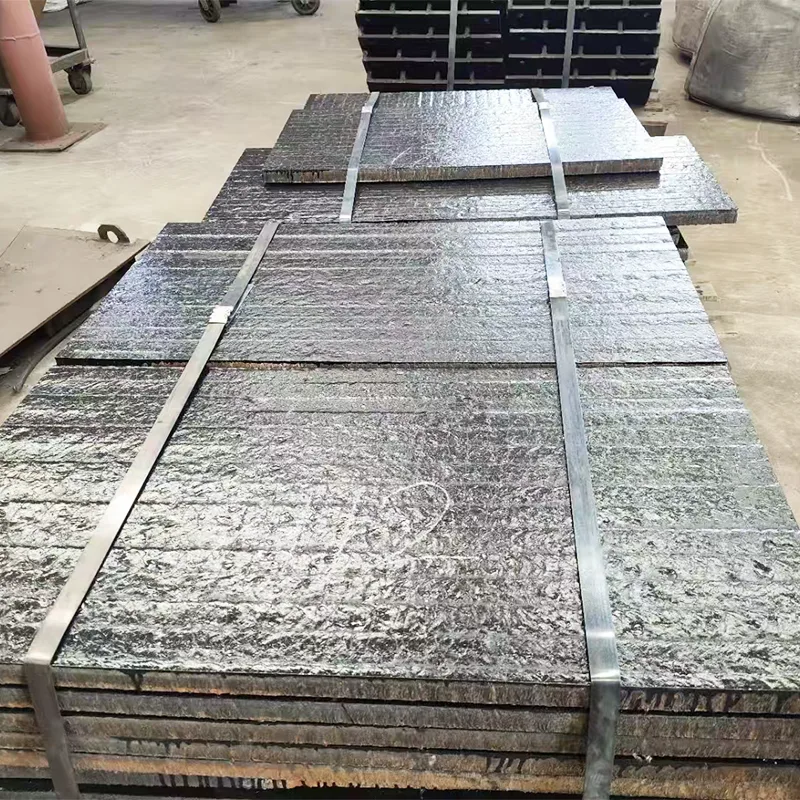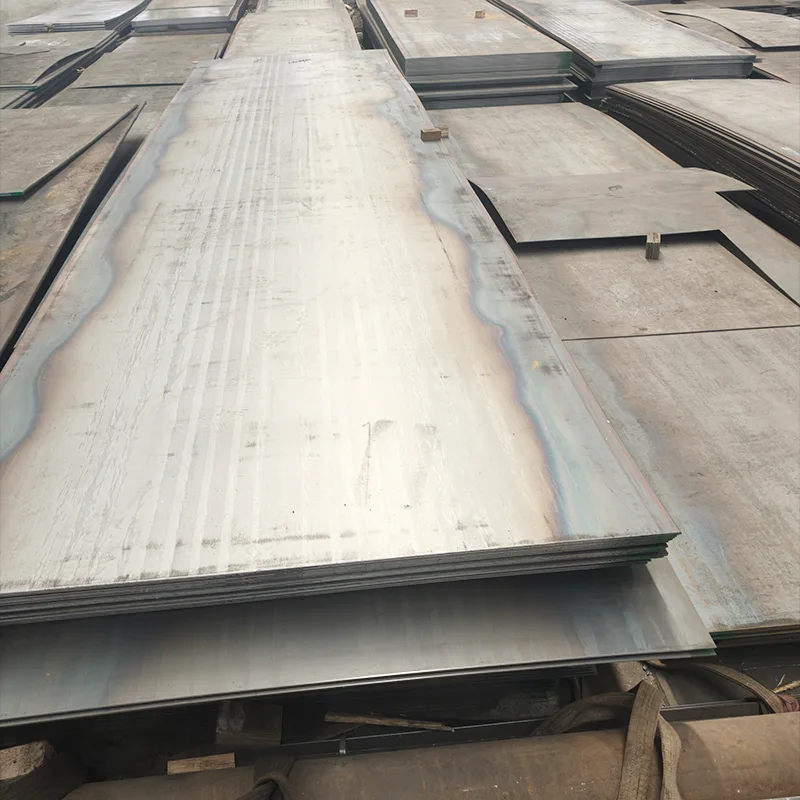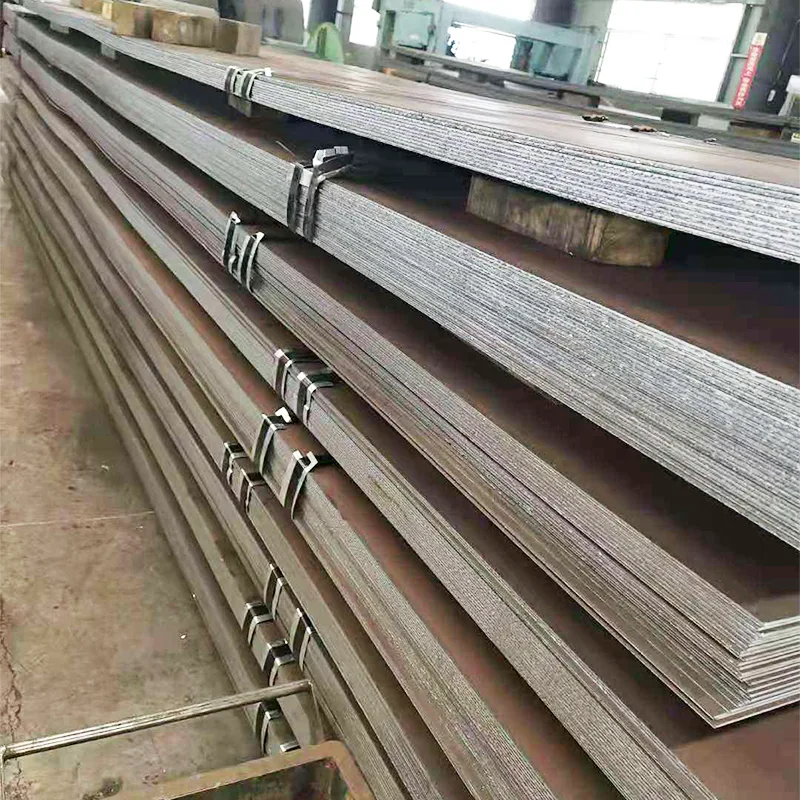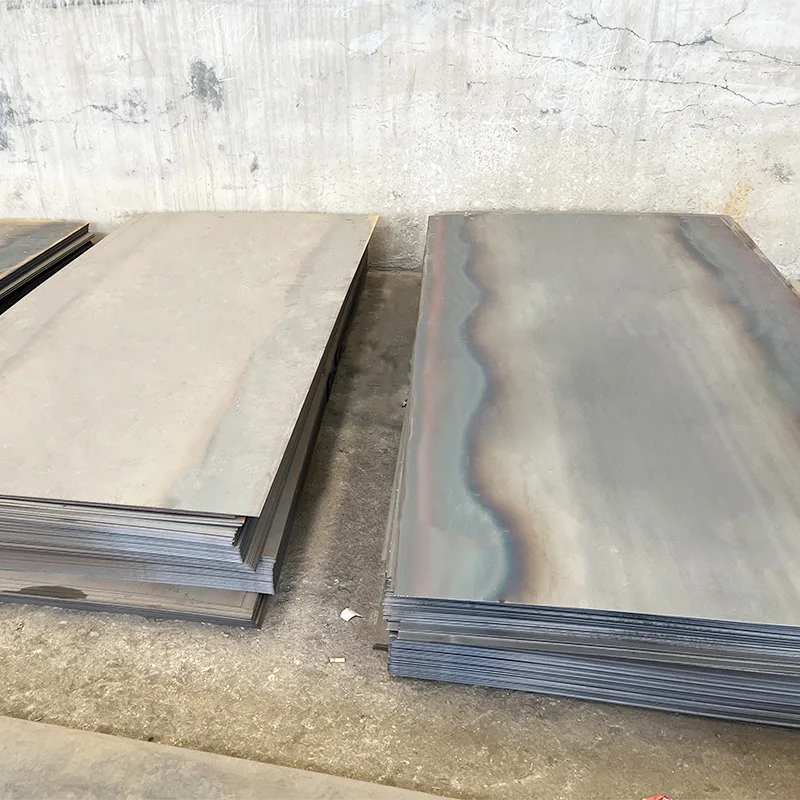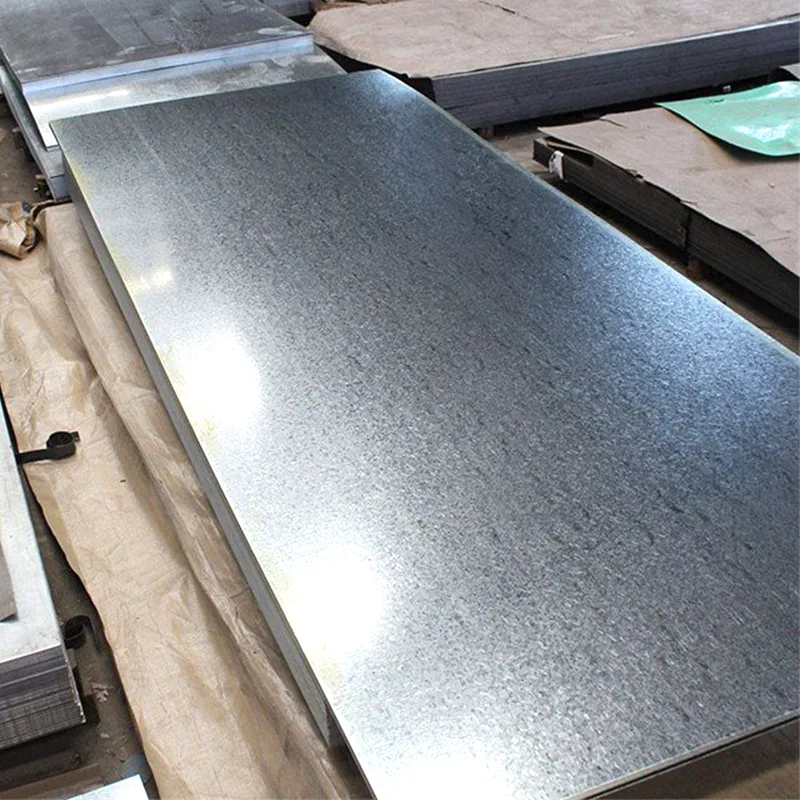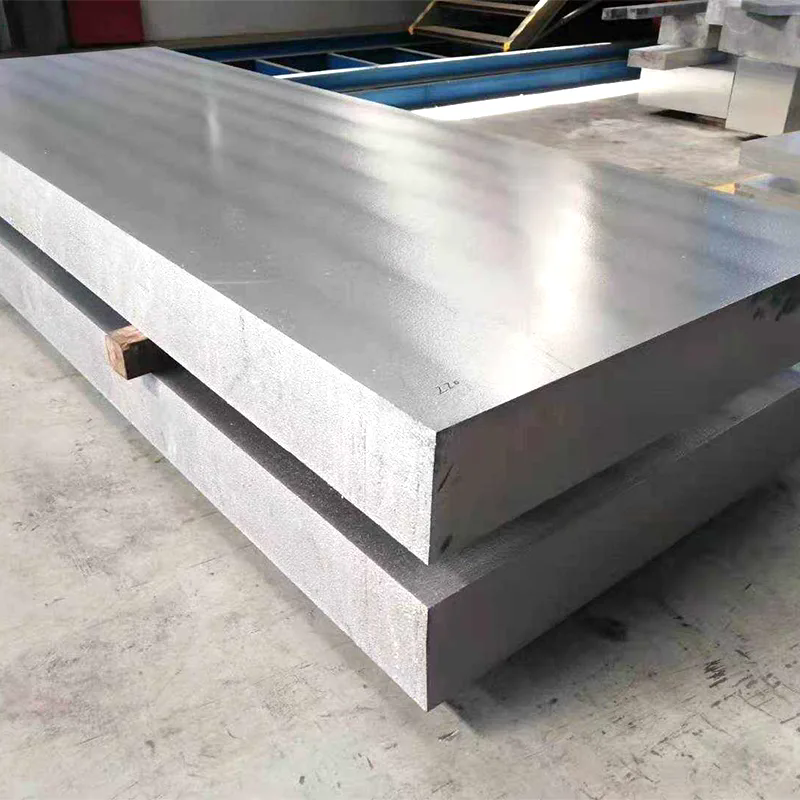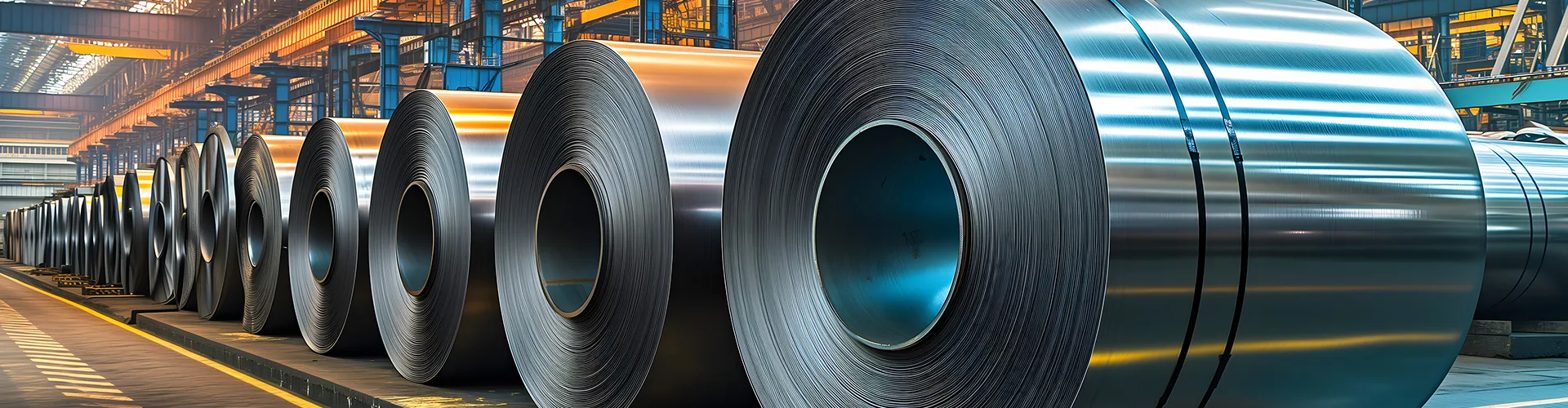
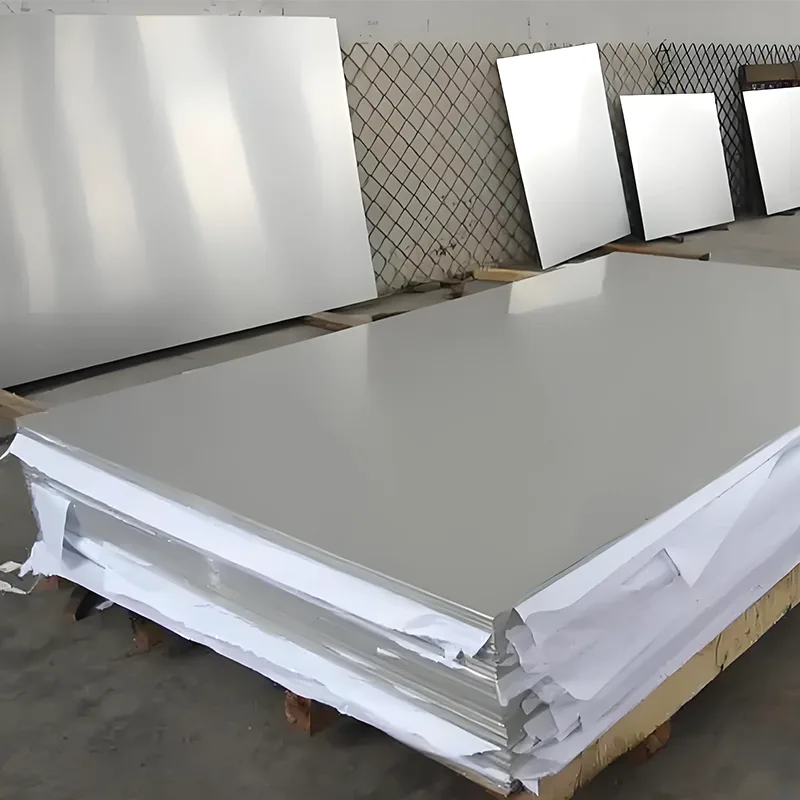
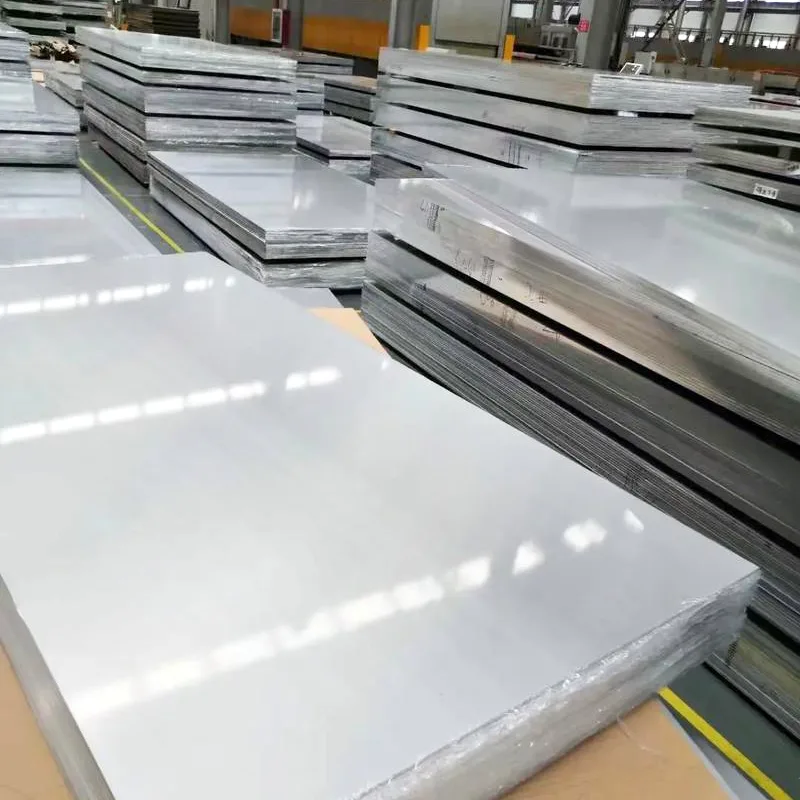
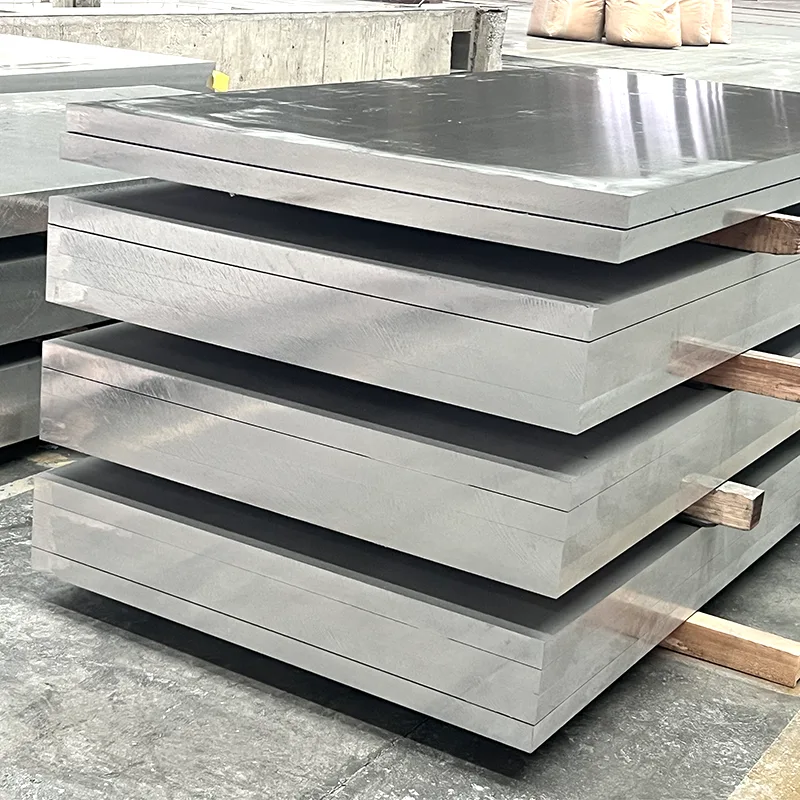
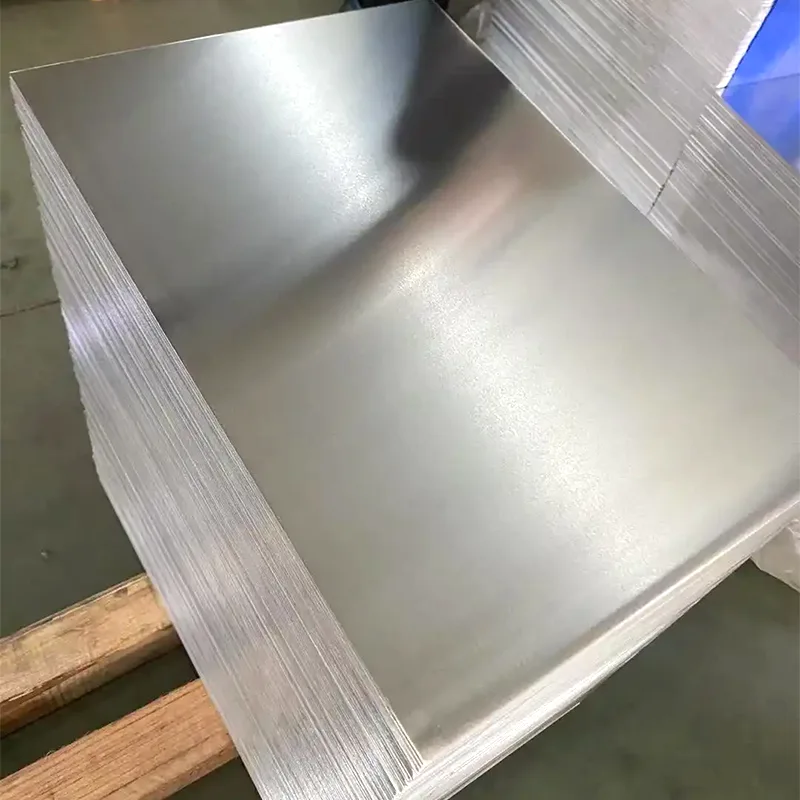
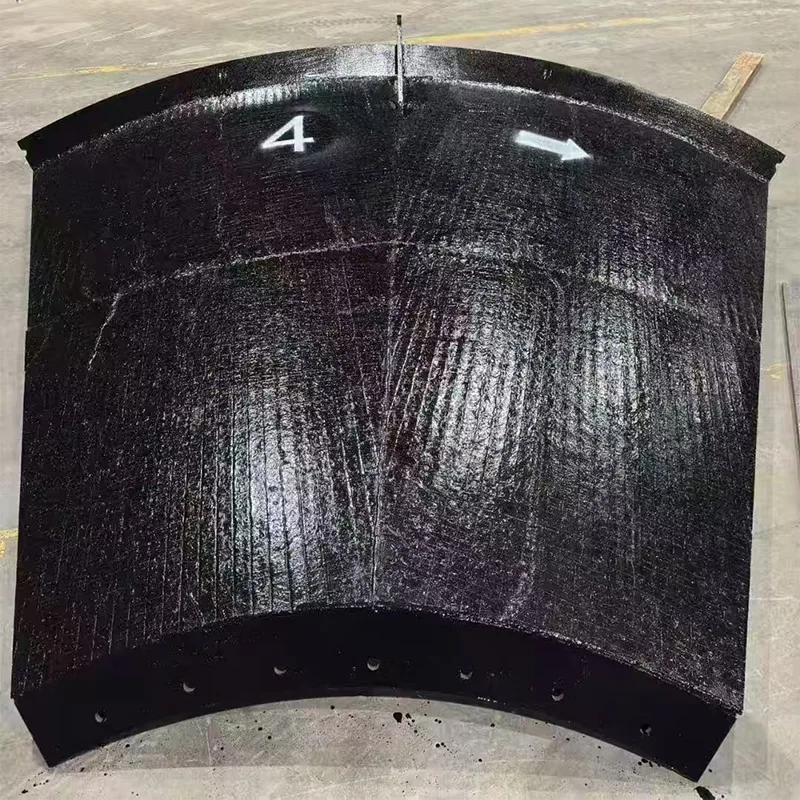
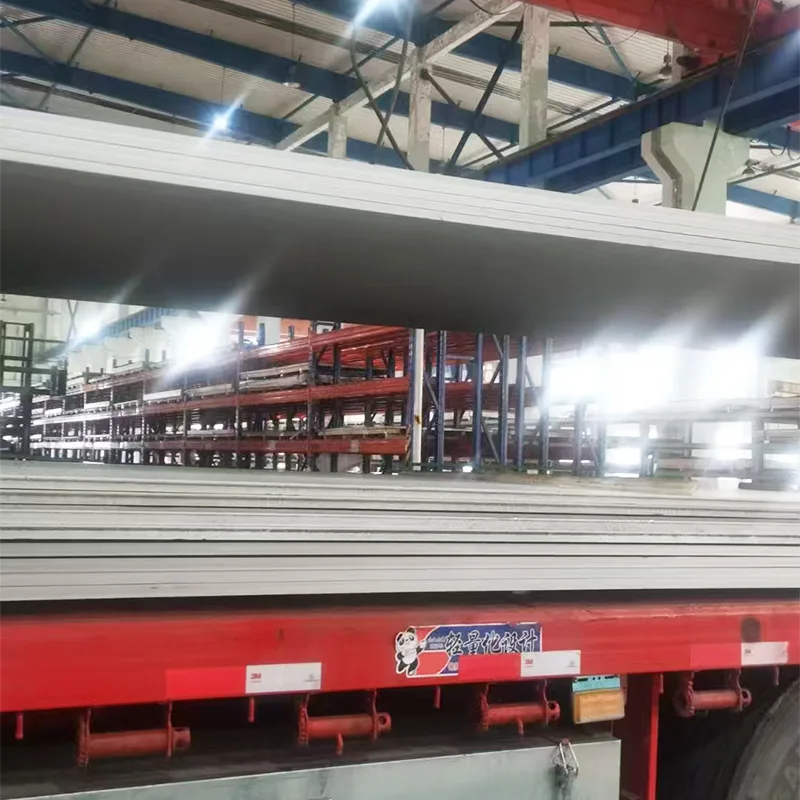
Welded Wear-Resistant Steel Plate
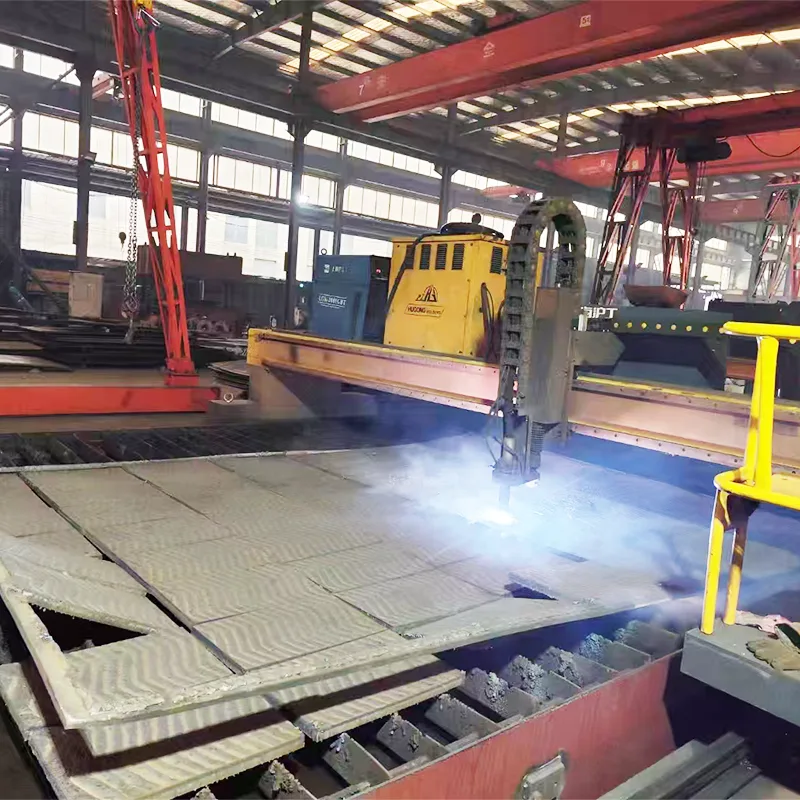
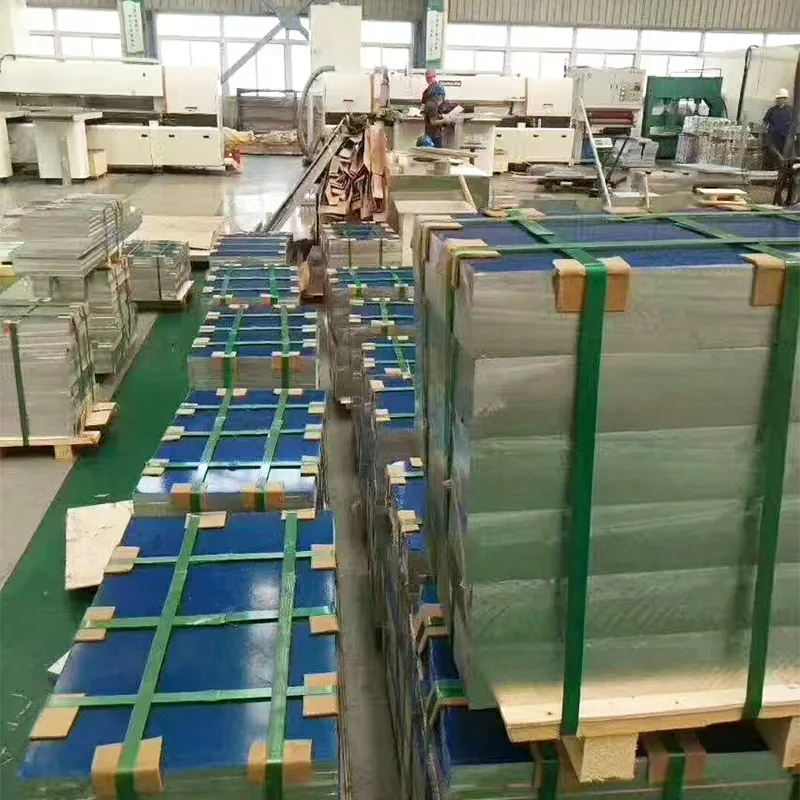
Welded Wear-Resistant Steel Plates, also known as bimetallic overlay composite wear-resistant steel plates, are high-performance composite plates widely used in industrial wear-resistant applications. Services offered by Chinese manufacturers include: customized thickness, size, and irregular shape processing; deep processing such as laser/flame cutting, bending, beveling, and drilling; drawing optimization, welding process guidance, and on-site technical support; direct shipping from stock, nationwide logistics delivery, and expedited production for bulk orders; quality assurance certificates and test reports, with after-sales guarantee for quality issues.
Welded Wear-Resistant Steel Plates are a type of composite wear-resistant steel plate. Using low-carbon steel plates such as Q235 and Q345 as the base material, a high-chromium alloy wear-resistant layer is fused onto the plate surface through open arc welding or submerged arc welding processes, forming a double-layer structure of "tough base material + high-hardness wear-resistant layer." This results in a plate that is both impact-resistant and highly wear-resistant, with hardness and service life far exceeding that of ordinary wear-resistant plates. The wear resistance of weld overlay wear-resistant steel plates is 2-3 times that of NM450 and NM500 wear-resistant plates, and 15-20 times that of ordinary carbon steel. This significantly extends the replacement cycle of easily worn parts in equipment, reducing downtime, labor costs, and replacement material expenses. In the long run, its cost-effectiveness far surpasses that of ordinary wear-resistant materials.
Classification by Thickness Combination Specifications
The industry standard is base plate thickness + wear-resistant layer thickness (unit: mm). Common specifications include: 3+3, 4+4, 5+5, 6+4, 6+6, 8+4, 8+6, 8+8, 10+6, 10+8, 10+10, 12+6, 12+8, 12+10, etc. Non-standard thickness combinations can also be customized according to requirements, with the wear-resistant layer thickness adjustable between 2 and 12 mm.
According to surface structure
Weld overlay plates are classified into flat weld overlay plates, mesh weld overlay plates, and corrugated weld overlay plates. Mesh structures offer stronger impact resistance and are often used in high-impact applications such as mining hoppers and ship unloader liners.
China Welded Wear-Resistant Steel Plates suppliers provide material certificates, hardness test reports, and bond strength test reports for each batch of products, supporting re-inspection by authoritative third-party institutions. In case of quality issues such as delamination, substandard hardness, or processing defects, the manufacturer provides unconditional returns, exchanges, and free replacements with rapid response. Long-term cooperation and dedicated services are offered to large enterprises and long-term purchasing clients, providing dedicated production scheduling, priority production, and bulk stocking services, with long-term supply agreements to ensure a stable and continuous supply.
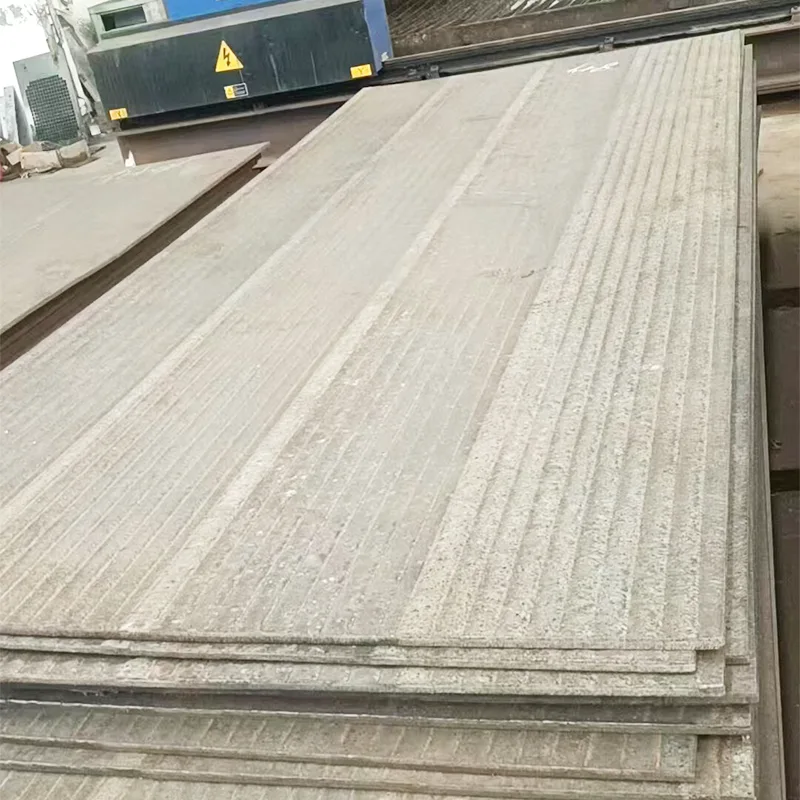
Product Advantages
Welded Wear-Resistant Steel Plate offers excellent abrasion resistance combined with strong weldability, allowing easy fabrication, assembly, and on-site installation while maintaining high durability in heavy wear environments such as mining, construction machinery, and material handling systems. It helps reduce processing time, improve structural flexibility, and lower overall maintenance and replacement costs.
FAQ
Q1: What is Welded Wear-Resistant Steel Plate?
A: It is a composite steel plate made by welding a hard wear-resistant layer onto a base plate to improve durability in abrasive conditions.
Q2: What are its main advantages?
A: It provides high wear resistance, good impact toughness, and cost-effective performance for heavy-duty applications.
Q3: Where is it commonly used?
A: It is widely used in mining, cement, steel, and construction machinery industries.
Q4: Can it be processed and fabricated?
A: Yes, it can be cut, welded, bent, and formed according to engineering requirements.
Q5: What cutting methods are suitable?
A: Laser cutting, plasma cutting, and flame cutting are commonly used.
Q6: What is the difference compared to other wear-resistant plates?
A: Compared with integral types, Welded Wear-Resistant Steel Plate is more flexible in structure and often more cost-efficient.
Hot Tags: Welded Wear-Resistant Steel Plate, China, Manufacturer, Supplier, Factory
Related Category
Send Inquiry
Contact Info
-
Address
Hanyu Jingu, High-tech Zone, Jinan City, Shandong Province, China
-
Tel
-
E-mail
For inquiries about Carbon Steel, Stainless Steel, Galvanized Steel or price list, please leave your email to us and we will be in touch within 24 hours.