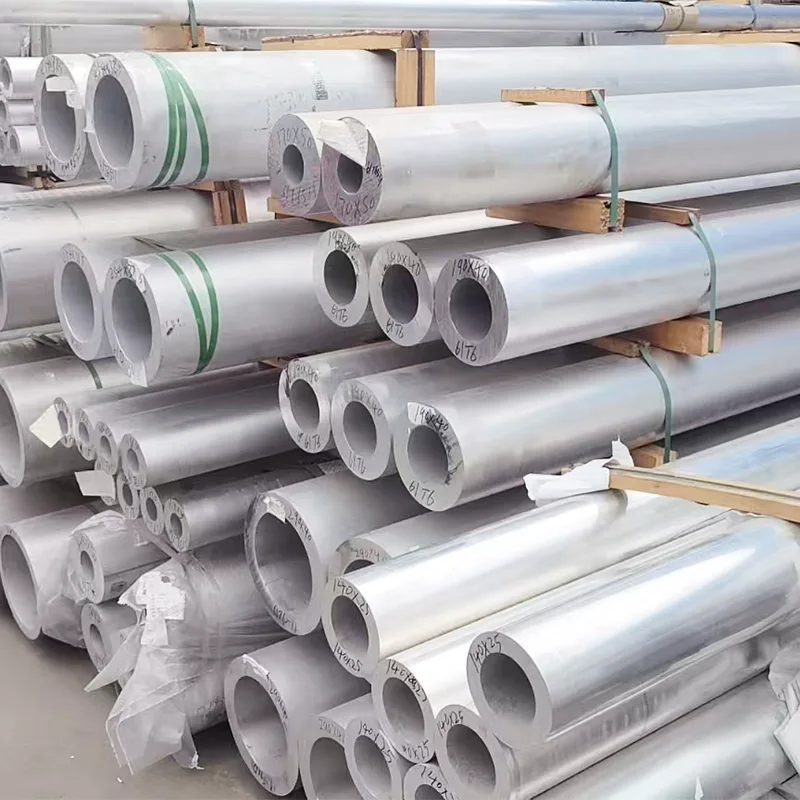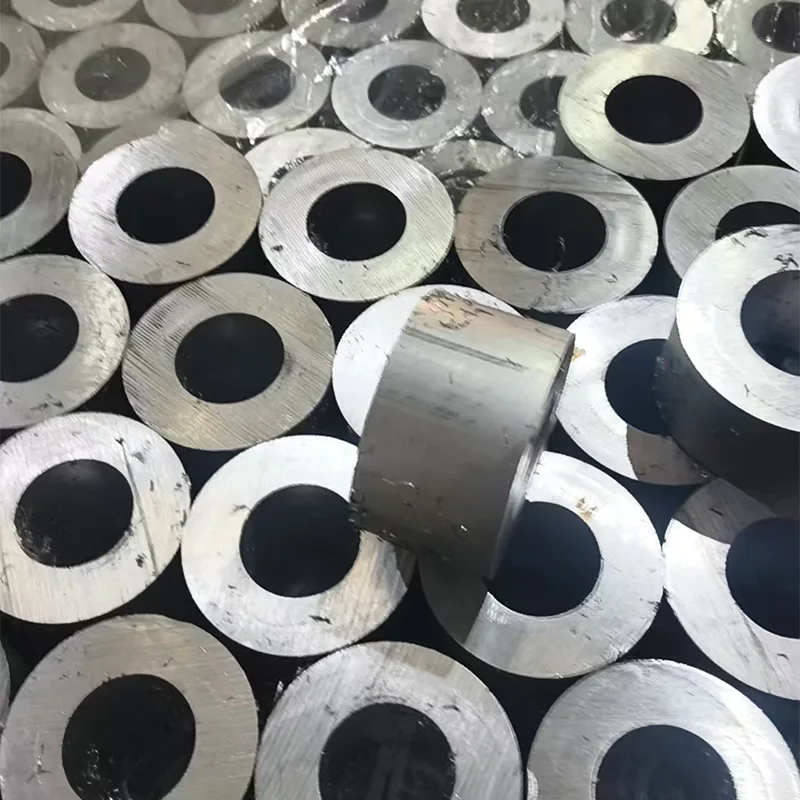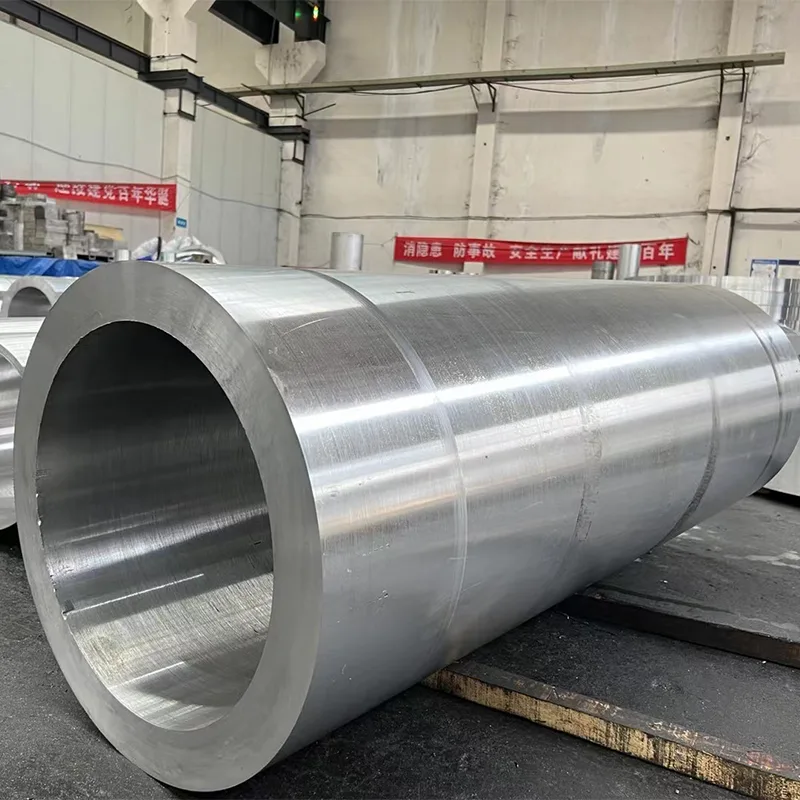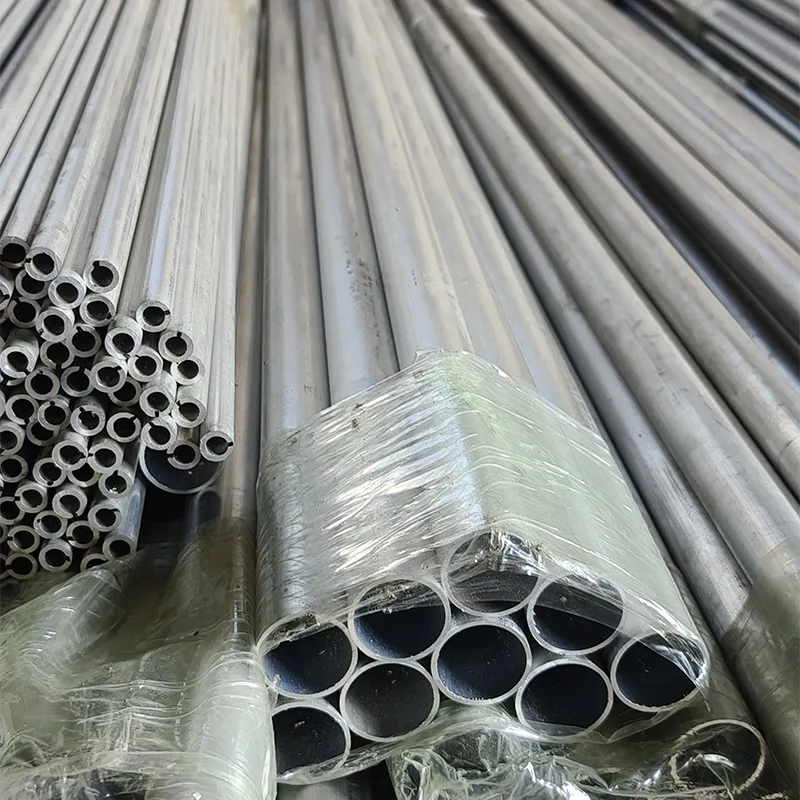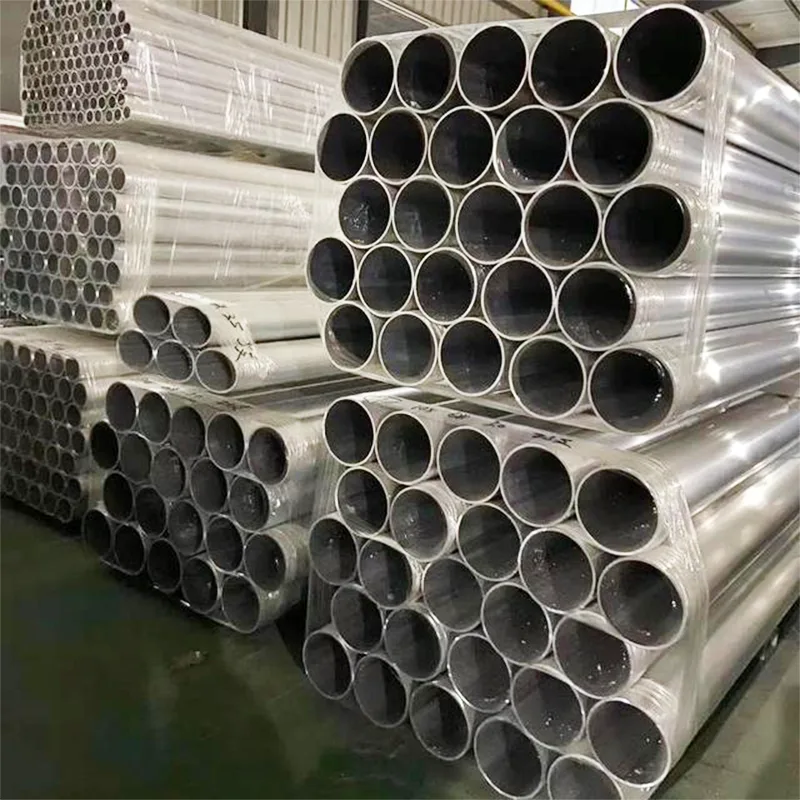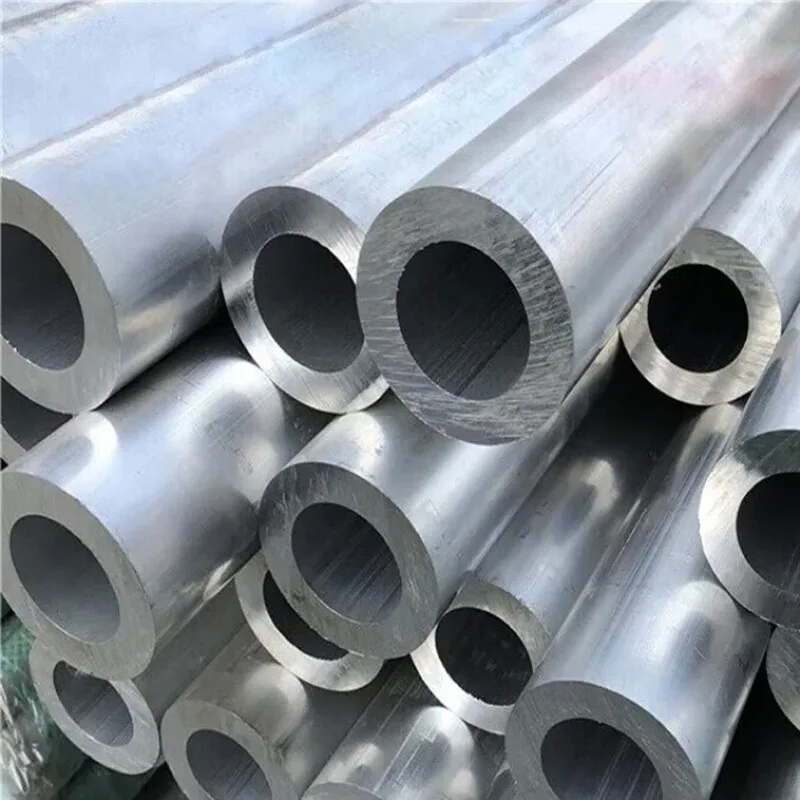
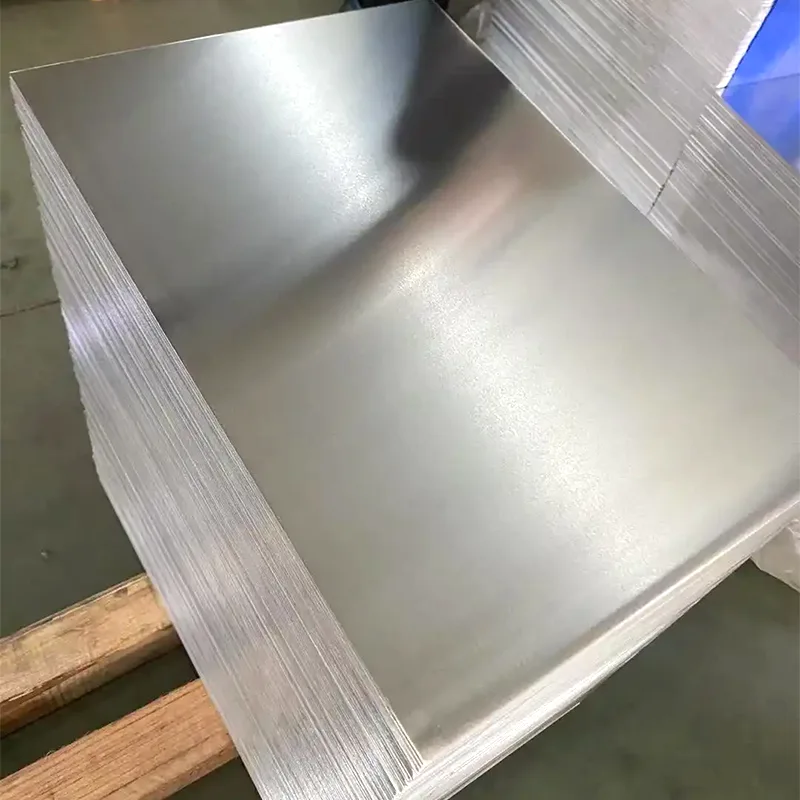
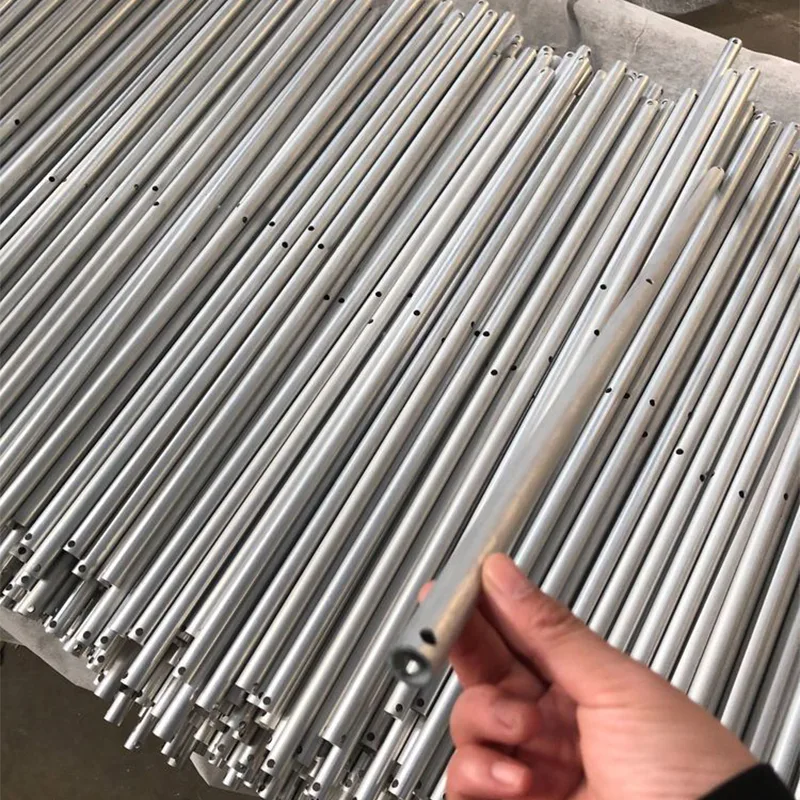
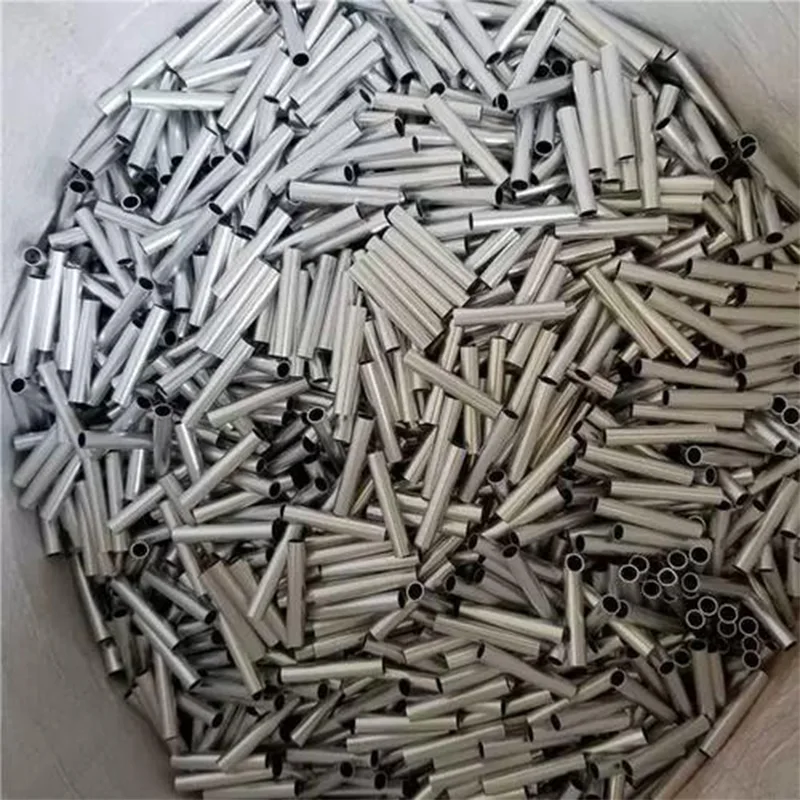
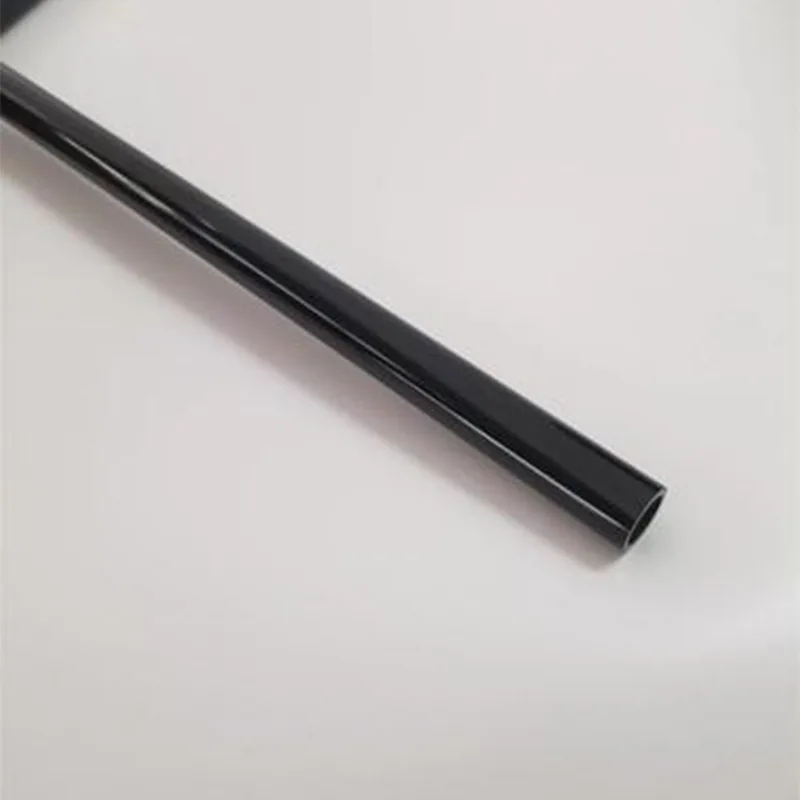
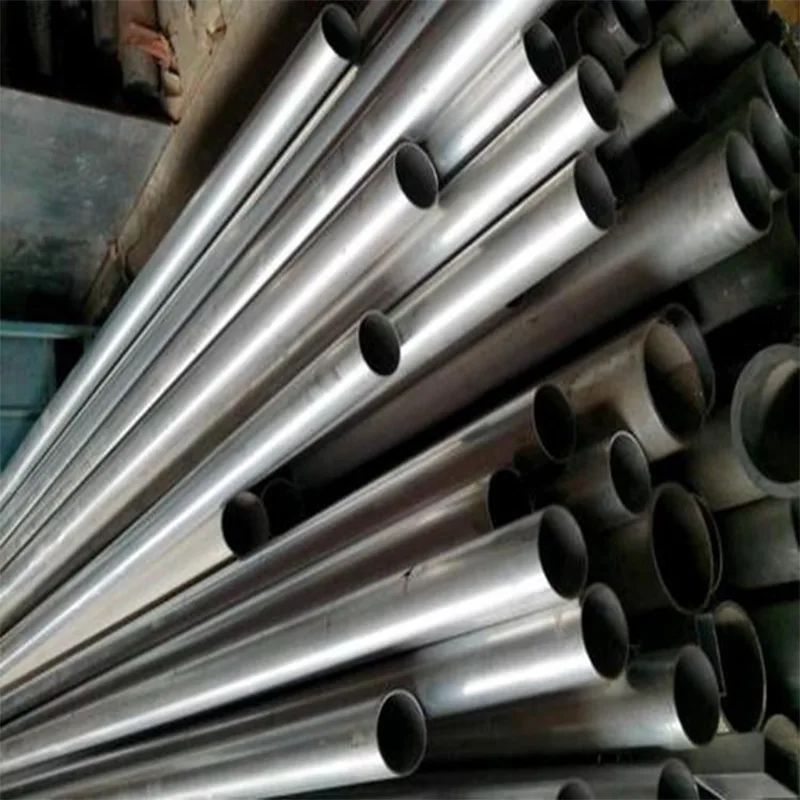
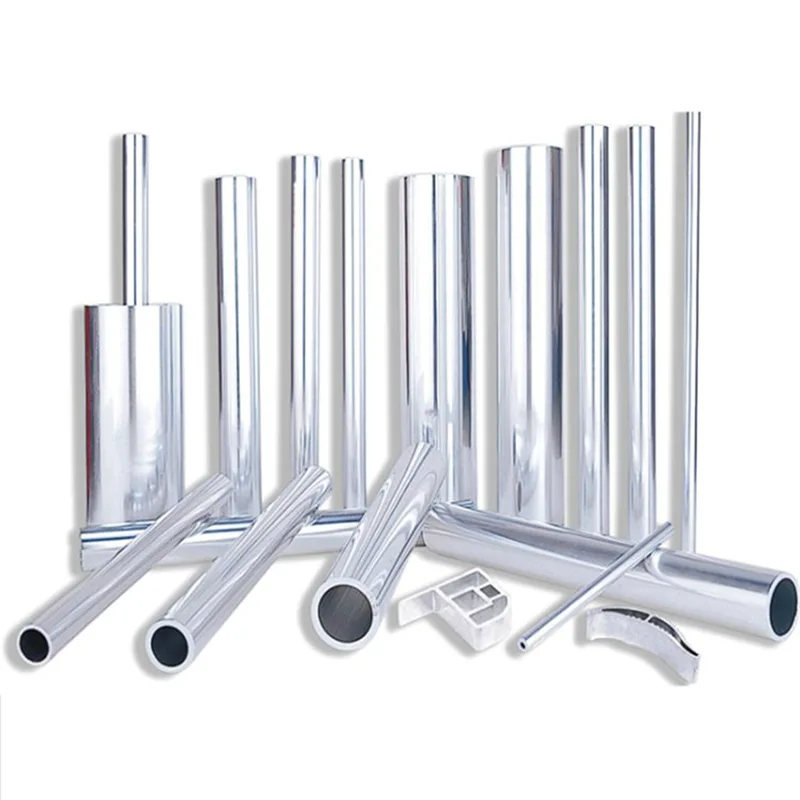
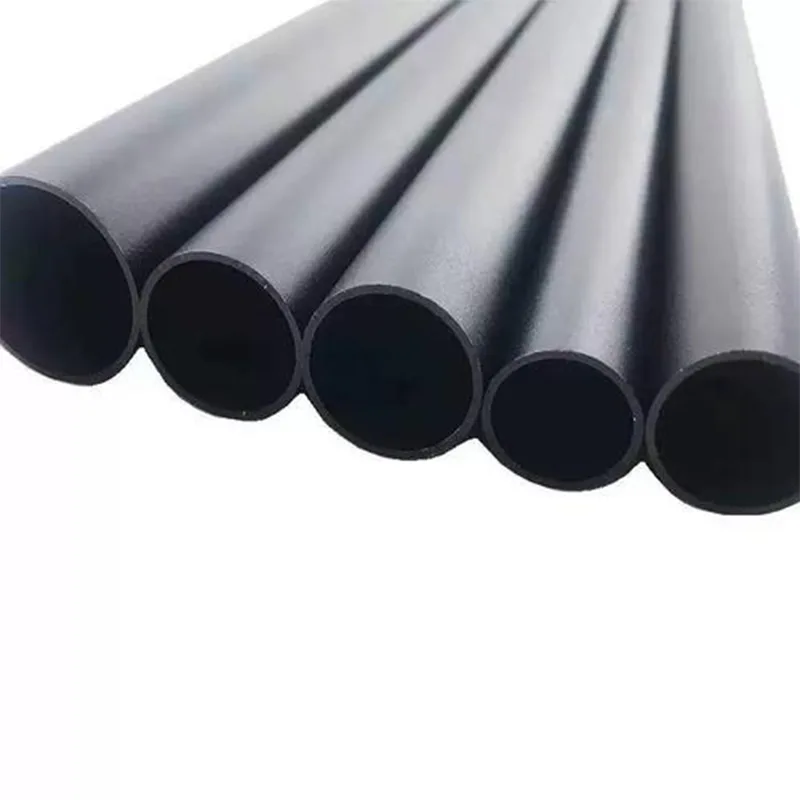
Anodized Aluminum Tube
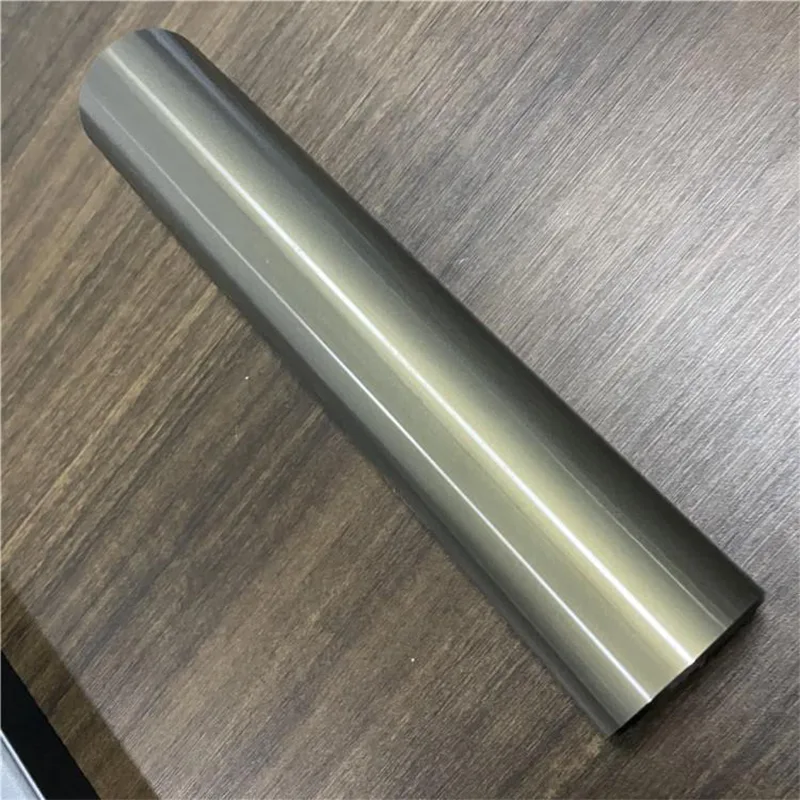
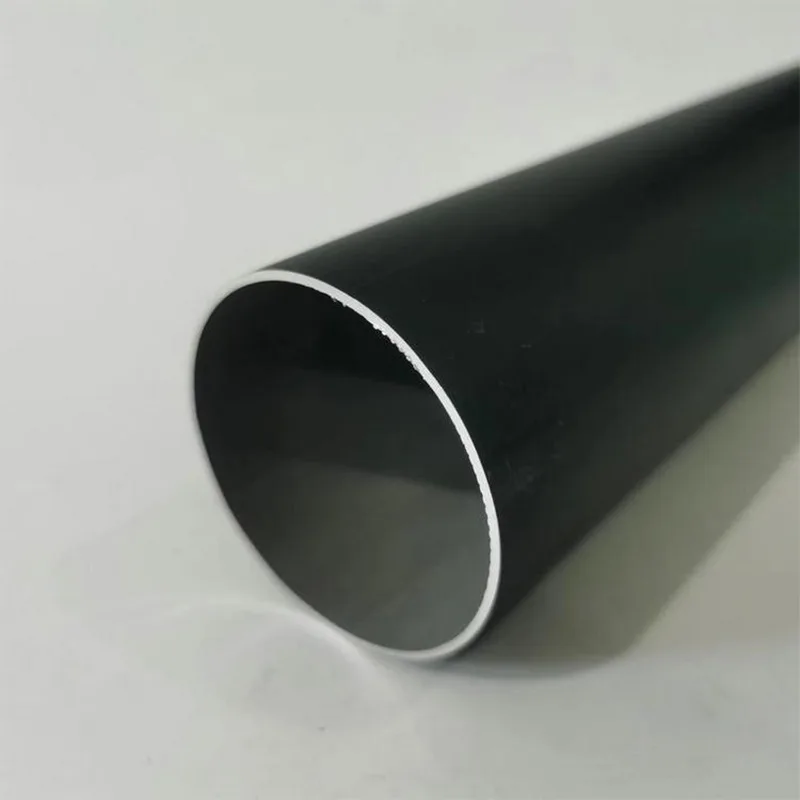
Anodized Aluminum Tube is a commonly used aluminum tube product with excellent surface protection and decorative performance. The anodizing process uses the aluminum tube as the anode and places it in a sulfuric acid electrolyte, applying direct current to form a dense aluminum oxide layer on the surface. Compared with painting or electrophoresis, the oxide film of this product is integrally bonded with the aluminum substrate and will not peel off, providing stable corrosion resistance and durability.
The complete process consists of three steps: pretreatment, anodizing, and sealing. First, degreasing and alkaline washing remove oil, oxide scale, and extrusion marks from the tube surface. Then, the tube is placed in an electrolytic tank for oxidation, with the film thickness controlled as needed. Ordinary decorative oxide films are 8–12 μm thick, while hard anodizing can reach over 30 μm. Finally, warm water sealing blocks the micropores in the film, improving protective performance. Coloring can also be done during the oxidation stage to create various appearances such as silver-gray, bronze, and black.
1. Pretreatment: Clean the aluminum tube surface to remove oil, oxides, and other impurities, ensuring a pure substrate. This may include mechanical treatment (such as sandblasting) to enhance surface adhesion.
2. Anodizing: An aluminum tube is immersed in an acidic electrolyte (such as sulfuric acid solution) as the anode. When electricity is applied, aluminum ions react with oxygen ions to form an alumina film on the surface. The film thickness can be controlled by current density and time.
3. Dyeing (Optional): Utilizing the porosity of the oxide film, it can be immersed in dye or metal salt solutions to achieve decorative color and enhance aesthetics.
4. Sealing Treatment: The pores of the oxide film are blocked by hot water sealing or chemical sealing, enhancing corrosion resistance and stability.
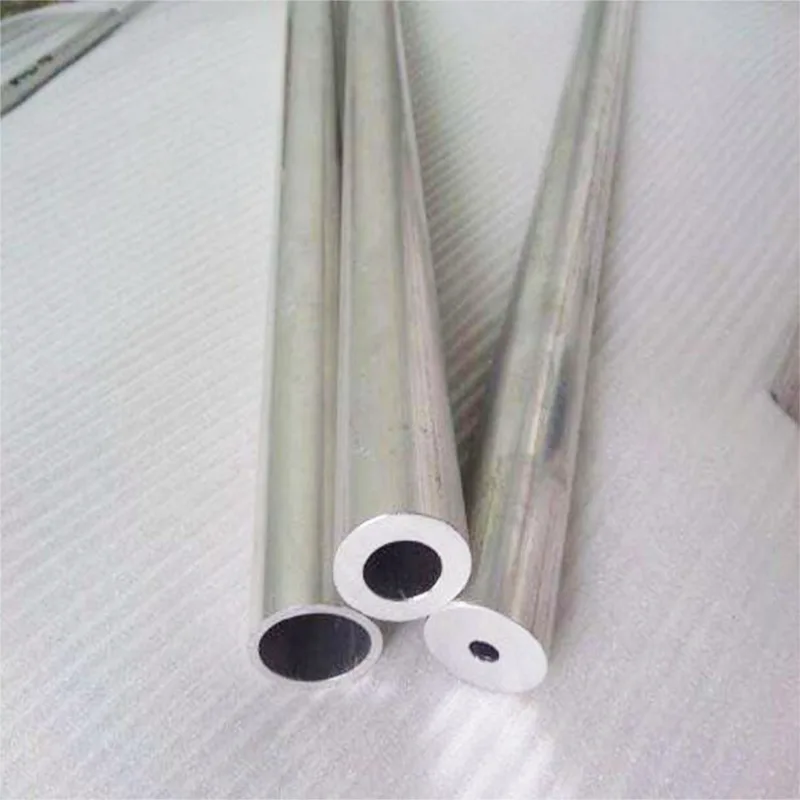
Significant Advantages After Treatment:
1. Superior Corrosion Resistance: The dense and hard oxide film isolates corrosive media, making it suitable for harsh environments (such as seawater and chemical media).
2. High Hardness and Wear Resistance: The alumina film has a hardness approaching that of gemstones, and its wear resistance far exceeds that of ordinary aluminum, extending its service life.
3. Decorative and Design Freedom: It can be dyed in various colors or retain its metallic texture to meet personalized needs, combining functionality and aesthetics.
4. Insulation and Heat Resistance: The oxide film has good insulation and high temperature resistance (up to 1200℃), making it suitable for high-requirement scenarios such as electronics and electrical engineering.
5. Environmentally Friendly and Durable: The oxide film is non-toxic, does not peel off, requires no additional coating maintenance, meets environmental standards, and remains stable over the long term.
6. Functional Expandability: Film performance can be optimized by adjusting process parameters (e.g., microporous structure for adsorption, lubrication, etc.).
Wide Applications: Aerospace, medical machinery, precision instruments, architectural decoration, and other fields, especially suitable for structural components requiring a balance of strength, corrosion resistance, and aesthetics.
Anodizing imparts superior comprehensive performance to aluminum tubes and is a core processing method for enhancing the added value and reliability of aluminum materials.
Hot Tags: Anodized Aluminum Tube, China, Manufacturer, Supplier, Factory
Send Inquiry
Contact Info
-
Address
Hanyu Jingu, High-tech Zone, Jinan City, Shandong Province, China
-
Tel
-
E-mail
For inquiries about Carbon Steel, Stainless Steel, Galvanized Steel or price list, please leave your email to us and we will be in touch within 24 hours.