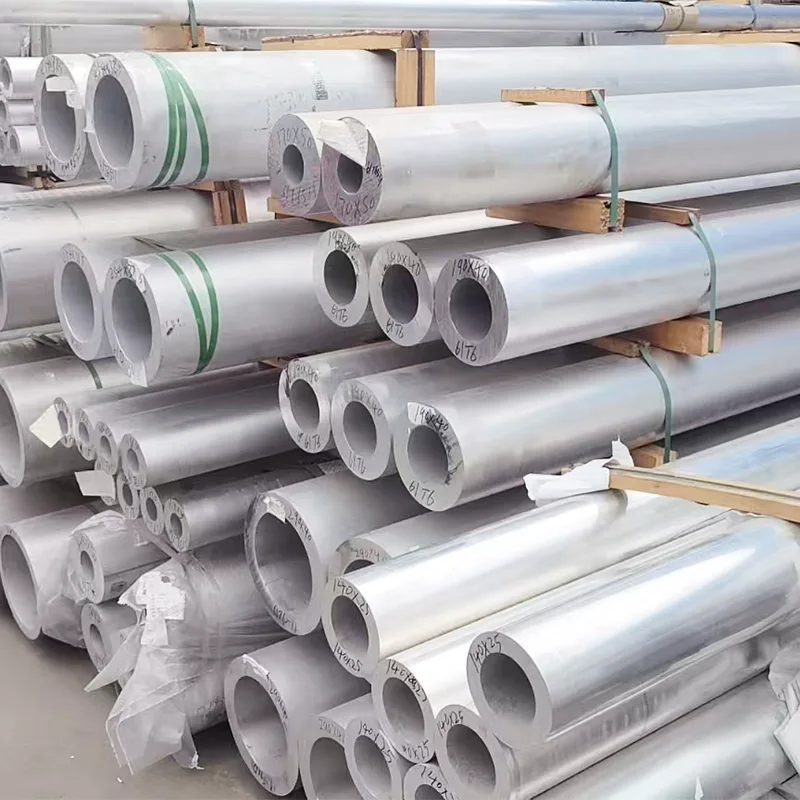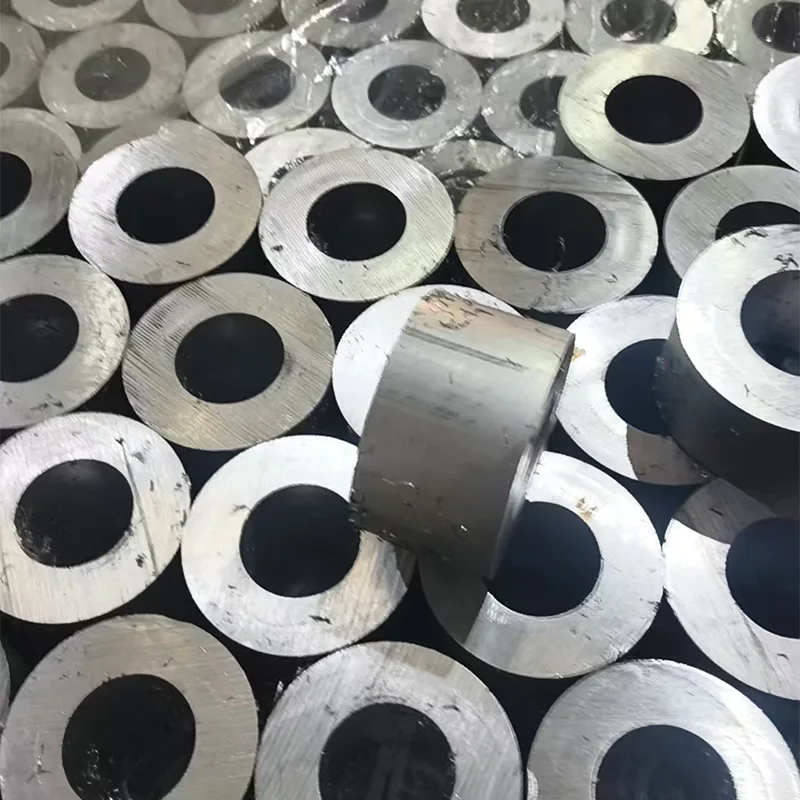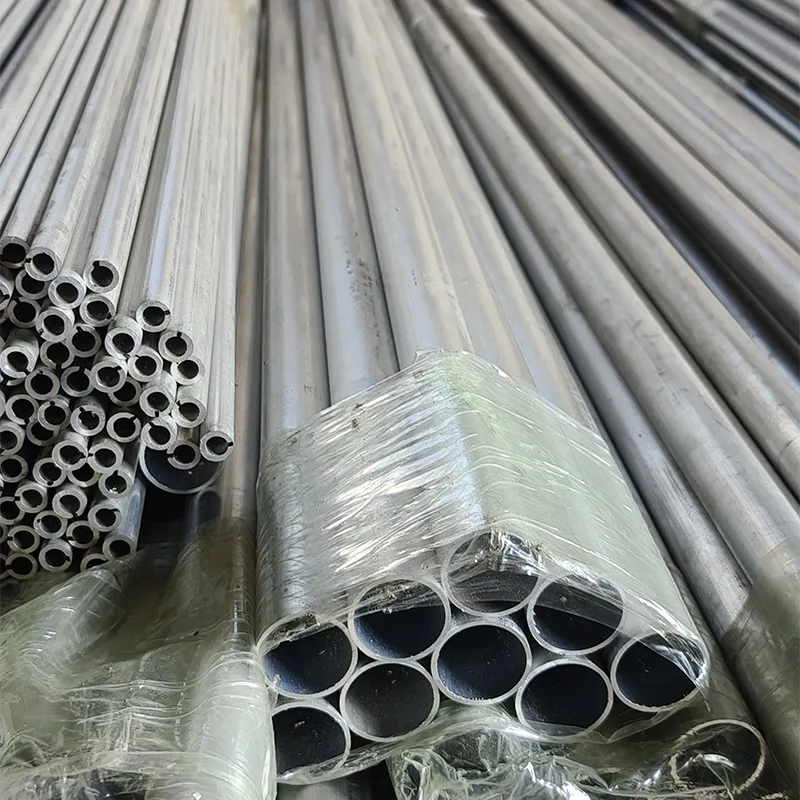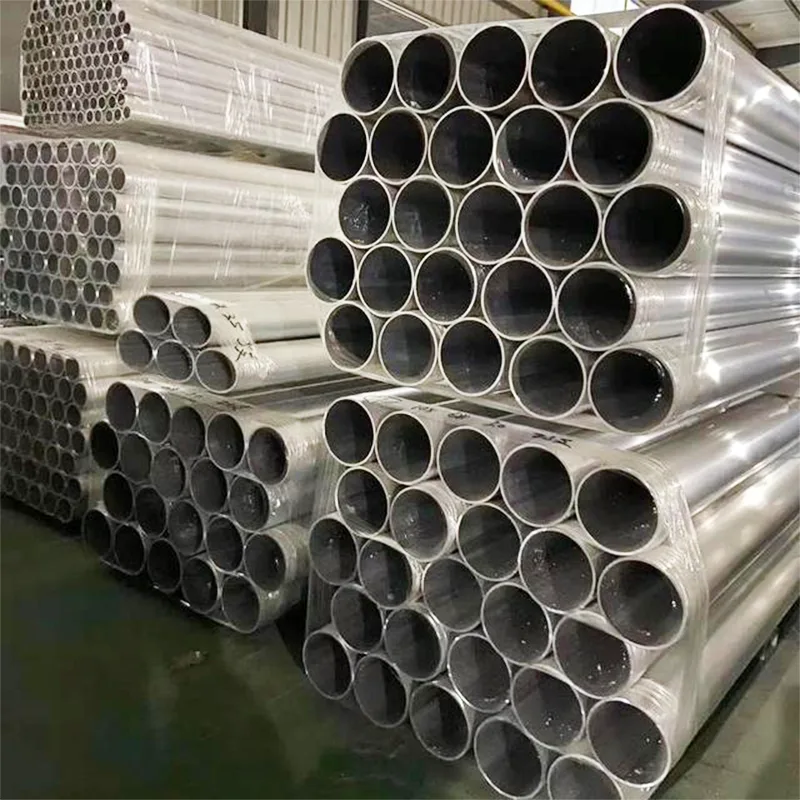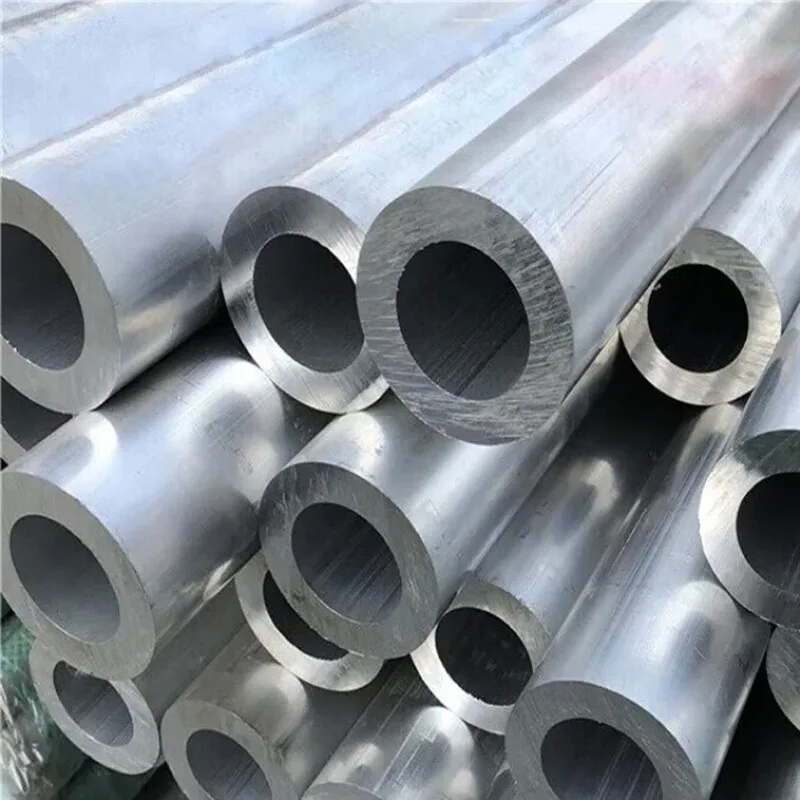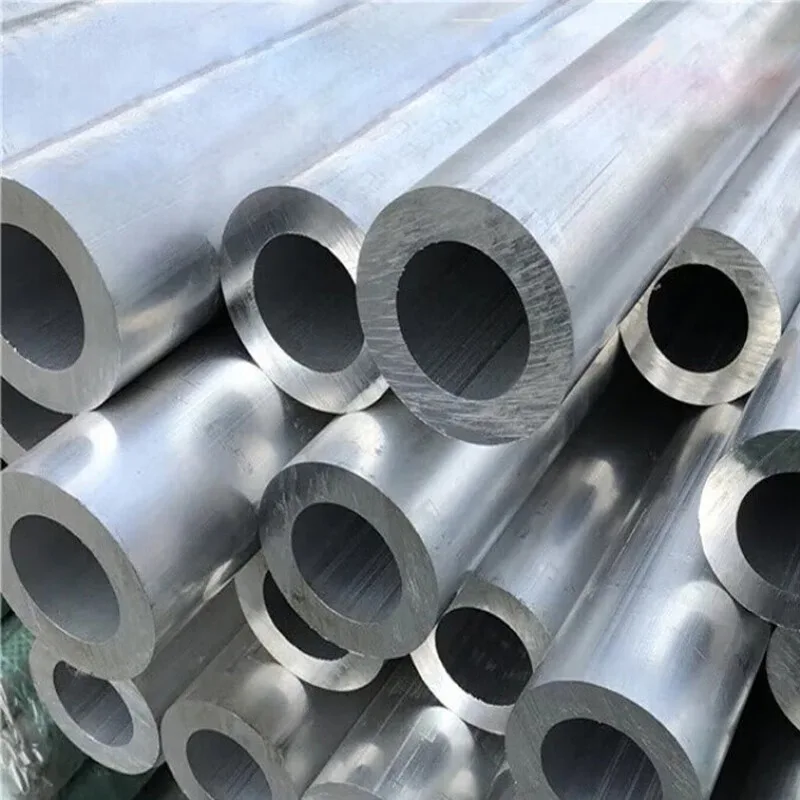
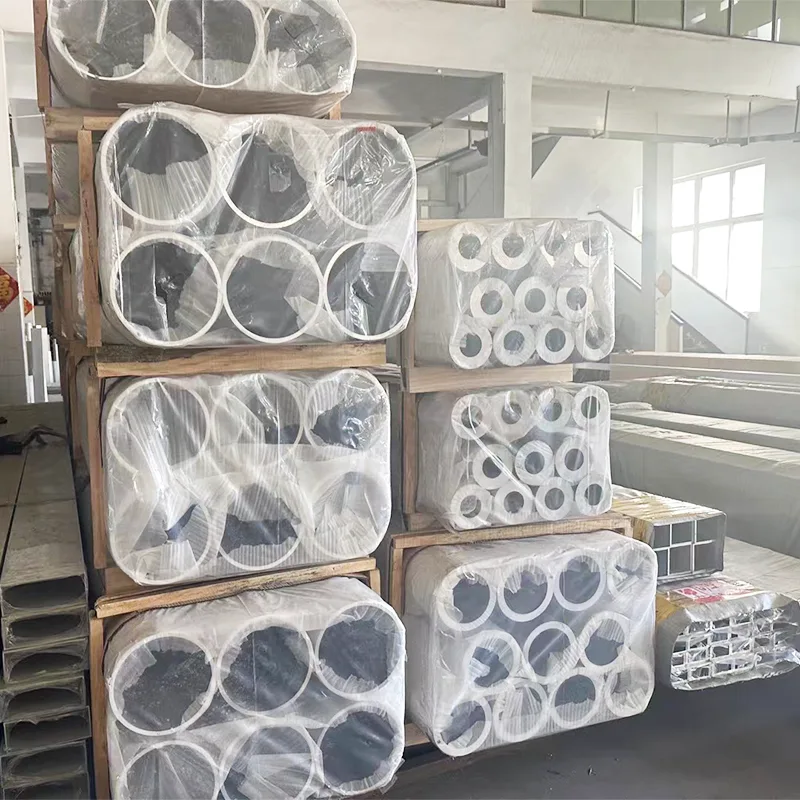
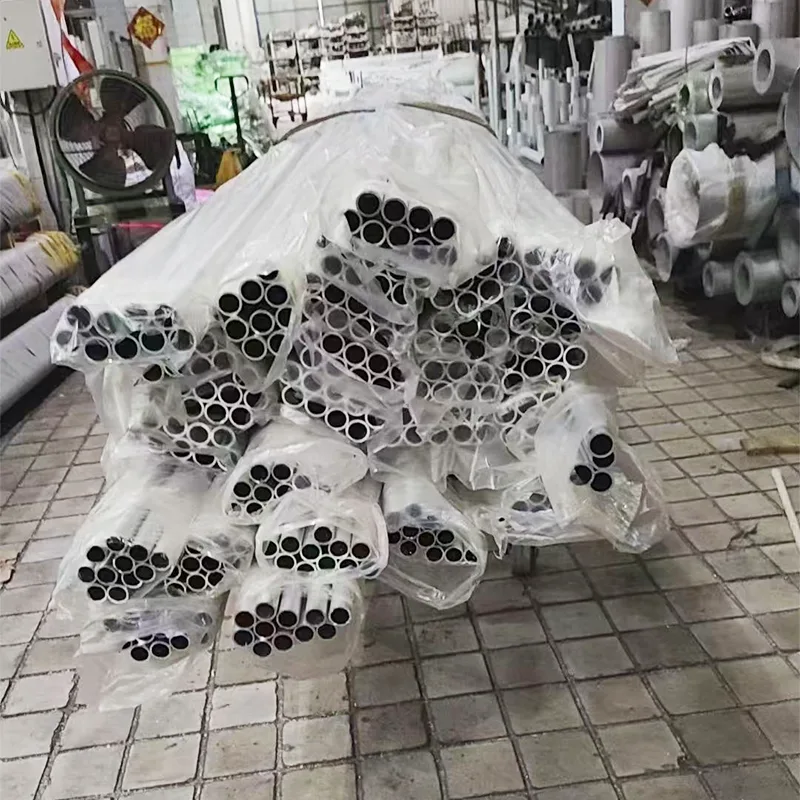
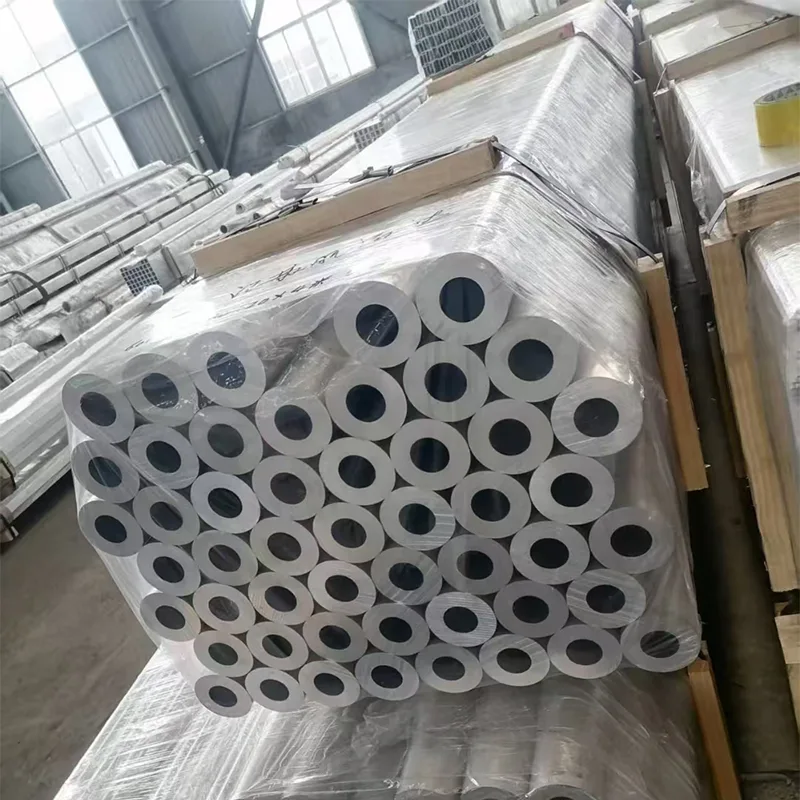
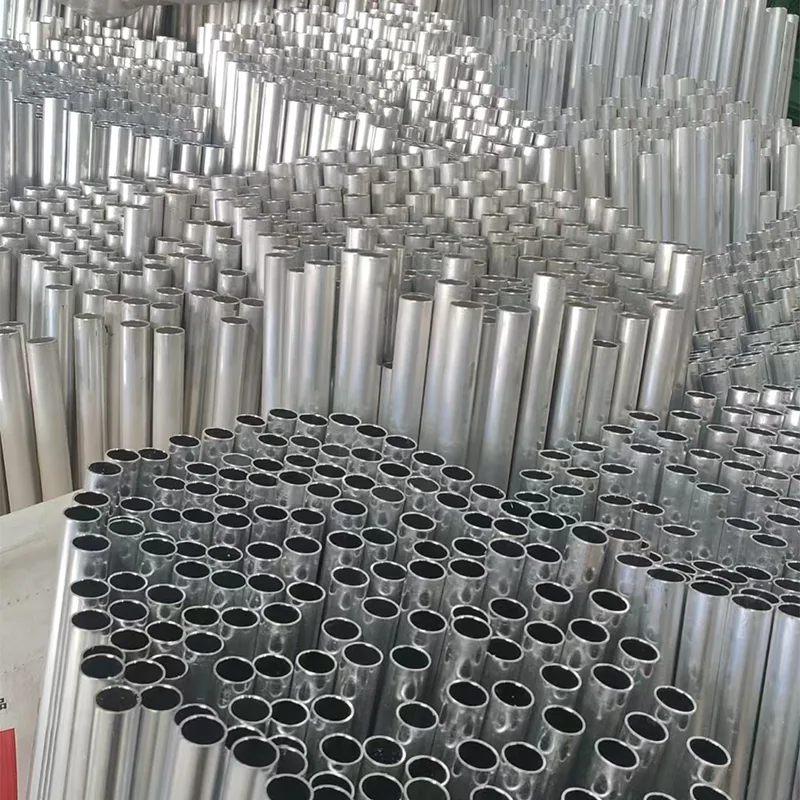
3003 Aluminum Tube
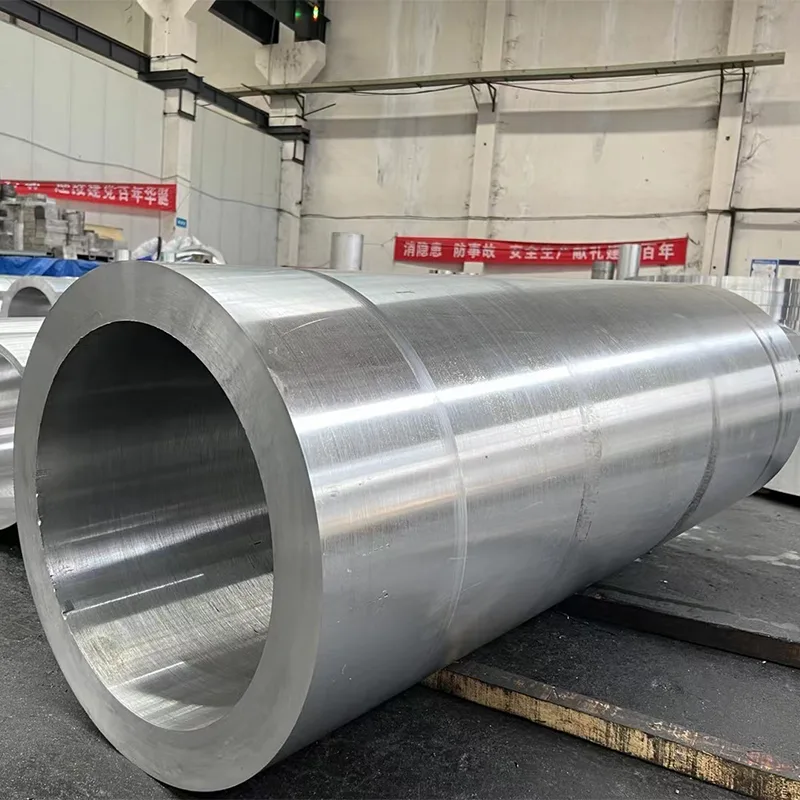
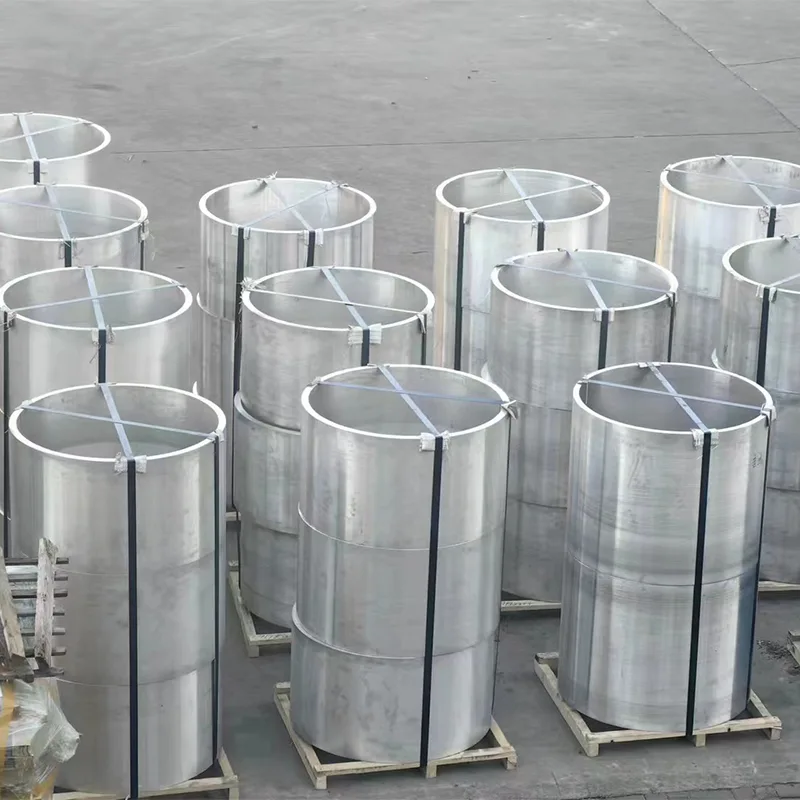
3003 Aluminum Tube is an aluminum-manganese alloy with superior strength compared to 1-series pure aluminum. It exhibits excellent resistance to moisture and atmospheric corrosion, good plasticity for easy bending and forming, and good weldability. It is widely applicable in refrigeration piping, decorative profiles, and light industrial containers.
3003 Aluminum Tube is a widely used aluminum-manganese alloy tubing product designed for applications requiring good corrosion resistance, moderate strength, and excellent forming performance. As a representative 3-series aluminum alloy material, it provides a reliable balance between durability, machinability, and cost efficiency, making it widely used in refrigeration systems, heat exchangers, decoration, and light industrial equipment.
The alloy mainly uses manganese as the strengthening element. Compared with pure aluminum tubing, 3003 aluminum alloy tube offers improved mechanical strength while maintaining excellent corrosion resistance and formability. It is especially suitable for applications requiring stable performance in humid environments, atmospheric conditions, and long-term industrial service.
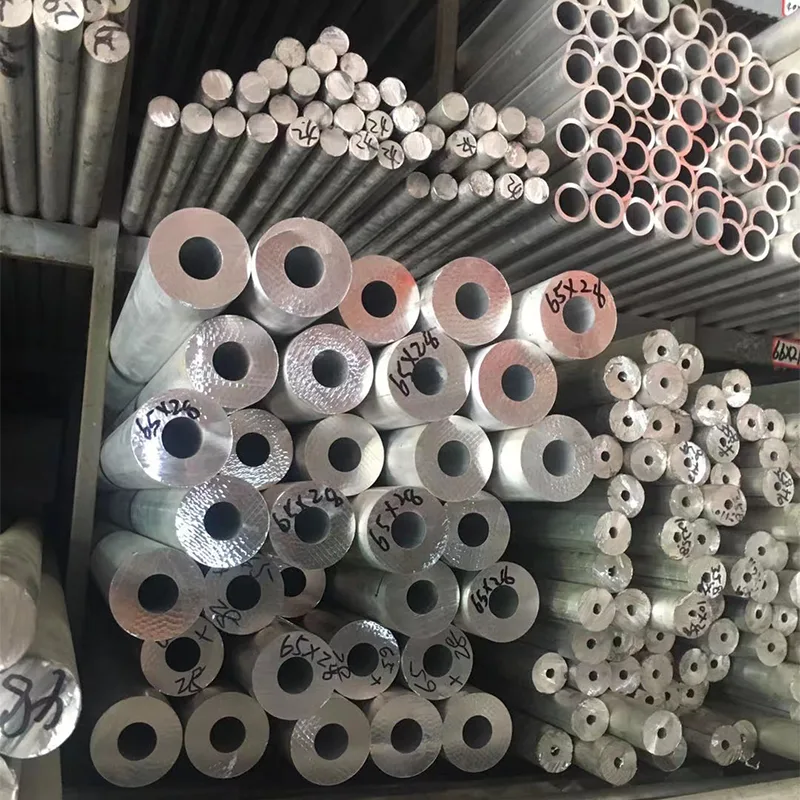
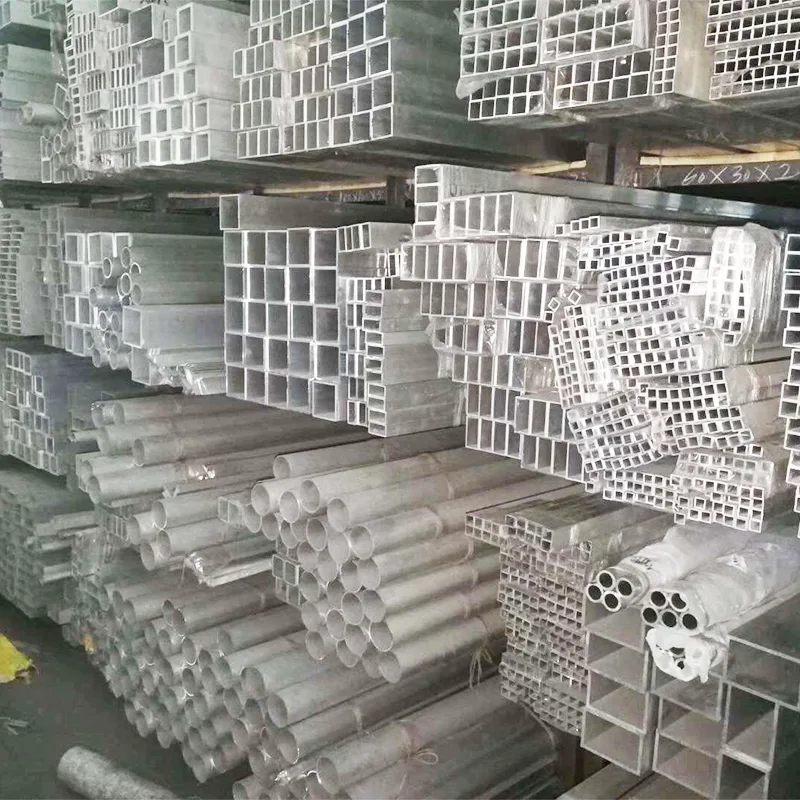
Is the Corrosion Resistance of 3003 Aluminum Tube Better Than 1060 Aluminum Tube?
In most common environments, including atmospheric conditions, humid air, freshwater exposure, and refrigeration applications, the corrosion resistance of 3003 Aluminum Tube is comparable to 1060 aluminum tube, with slightly better resistance against pitting corrosion and localized corrosion.
The main reason is that 3003 aluminum alloy contains approximately 1.0%~1.5% manganese, which improves grain structure, increases material stability, and reduces the influence of impurities such as iron and silicon. As a result, it provides better resistance to erosion corrosion and uneven surface corrosion compared with pure aluminum tubing in many industrial environments.
However, in highly specialized chemical environments such as strong oxidizing acids, 1060 pure aluminum may demonstrate better chemical stability due to its higher aluminum purity. For severe salt spray, seawater, or strong alkaline environments, neither 3003 nor 1060 aluminum tubing is considered the optimal choice, and 5-series aluminum-magnesium alloys are usually recommended.
Core Performance Advantages
1. Excellent Corrosion Resistance for General Industrial Use
3003 aluminum tubing naturally forms a protective oxide film on its surface, providing reliable resistance against atmospheric corrosion, moisture, and freshwater exposure. This makes it a preferred aluminum material for refrigeration systems, air conditioning components, and general industrial applications.
2. Improved Strength Compared with Pure Aluminum
Compared with 1060 pure aluminum tubing, 3003 alloy provides higher mechanical strength while maintaining good ductility. The balanced mechanical properties allow it to withstand moderate structural loads while remaining easy to process and manufacture.
3. Excellent Formability and Processing Performance
The material offers outstanding plasticity and can be processed through bending, flaring, expanding, cutting, welding, and other conventional fabrication methods. Its excellent forming capability reduces cracking risks during production, making it suitable for complex tube structures.
4. Reliable Welding Performance
3003 aluminum tube has good compatibility with common welding methods, including TIG welding, MIG welding, and brazing. Its stable welding performance makes it widely used in heat exchangers, refrigeration pipelines, and welded aluminum assemblies.
5. Flexible Surface Treatment Options
To improve appearance and enhance environmental resistance, various surface treatments can be applied, including anodizing, powder coating, electrophoretic coating, sandblasting, wire drawing, and mechanical polishing. These treatments improve corrosion protection, decorative performance, and service life.
Typical Applications
Refrigeration and HVAC Industry: Widely used in air conditioning pipes, refrigeration system components, heat exchanger tubes, and moisture-resistant equipment parts due to its excellent corrosion resistance and thermal conductivity.
Light Industrial Equipment: Suitable for pipelines, protective structures, equipment frames, and components requiring lightweight construction and reliable corrosion resistance.
Architectural and Decorative Applications: Used for decorative structures, handrails, lightweight frames, and aluminum products requiring good surface appearance and weather resistance.
Food and Chemical Equipment: Applied in equipment components where moderate corrosion resistance, cleanliness, and easy fabrication are required.
Manufacturing Process and Customization Options
3003 aluminum tube can be manufactured through seamless extrusion, precision drawing, and other aluminum forming processes to achieve stable dimensions, smooth surfaces, and consistent mechanical properties.
According to different project requirements, manufacturers can provide customized solutions including outer diameter, wall thickness, tube length, alloy temper, surface finishing, and secondary processing. Additional services such as cutting, bending, flaring, drilling, and CNC machining are available for OEM applications.
Specifications and Material Selection Guide
Typical 3003 aluminum tubing is available in various diameters and wall thicknesses to meet different industrial requirements. Common tempers include O state, H14, H24, and other cold-worked conditions, allowing customers to select suitable combinations of strength and formability.
When choosing aluminum tubing materials, 3003 provides an excellent balance between performance and cost. If 1060 aluminum offers insufficient strength and 5-series aluminum alloys exceed budget requirements, 3003 aluminum alloy tubing is often a practical solution for corrosion-resistant industrial applications.
Cost Factors and Supply Considerations
The price of 3003 aluminum tube is mainly influenced by raw aluminum ingot costs, alloy market fluctuations, tube specifications, manufacturing processes, and additional processing requirements. Precision-drawn seamless tubes, thin-wall tubing, special dimensions, and customized surface treatments usually involve higher processing costs.
For large-scale industrial procurement, factors such as production capacity, quality control, delivery capability, and customization support are equally important when selecting an aluminum tube supplier.
With excellent corrosion resistance, good formability, reliable welding performance, and competitive cost advantages, 3003 Aluminum Tube remains one of the most versatile aluminum tubing solutions for refrigeration, industrial, and architectural applications.
Hot Tags: 3003 Aluminum Tube, China, Manufacturer, Supplier, Factory
Send Inquiry
Contact Info
-
Address
Hanyu Jingu, High-tech Zone, Jinan City, Shandong Province, China
-
Tel
-
E-mail
For inquiries about Carbon Steel, Stainless Steel, Galvanized Steel or price list, please leave your email to us and we will be in touch within 24 hours.