6061 Aluminum Tube
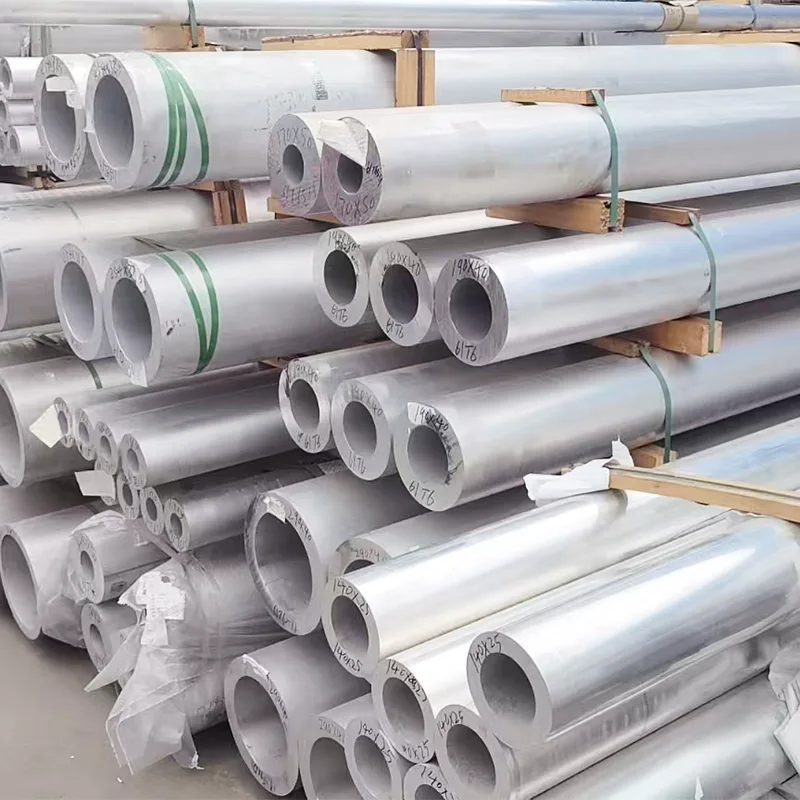
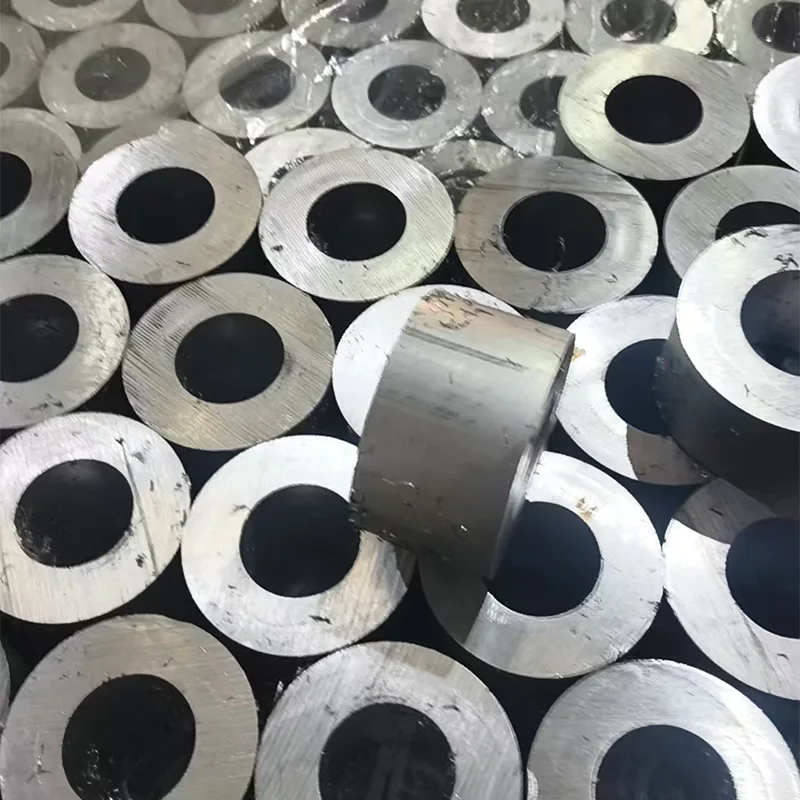
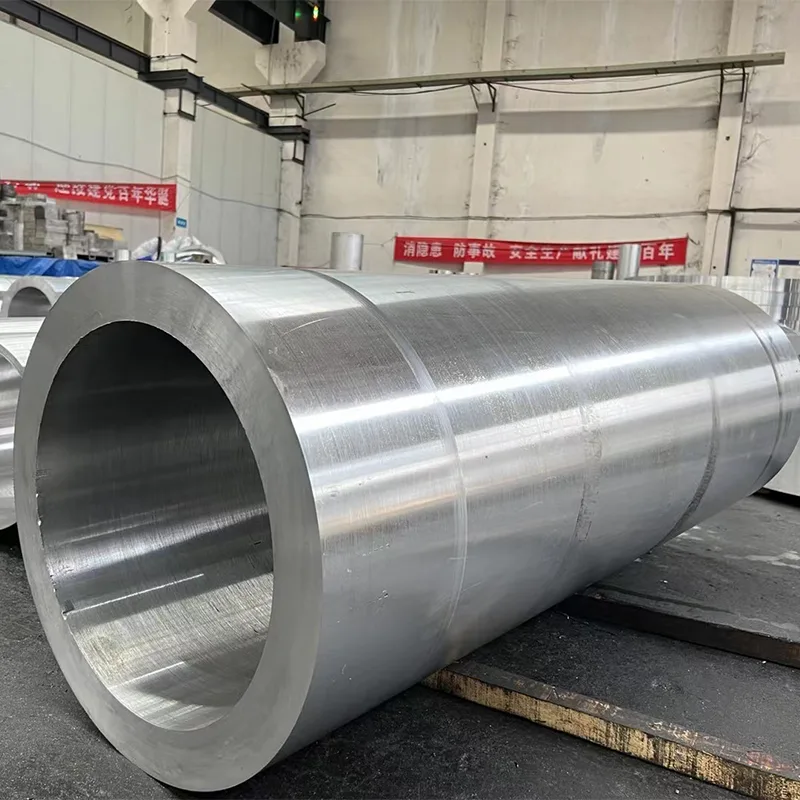
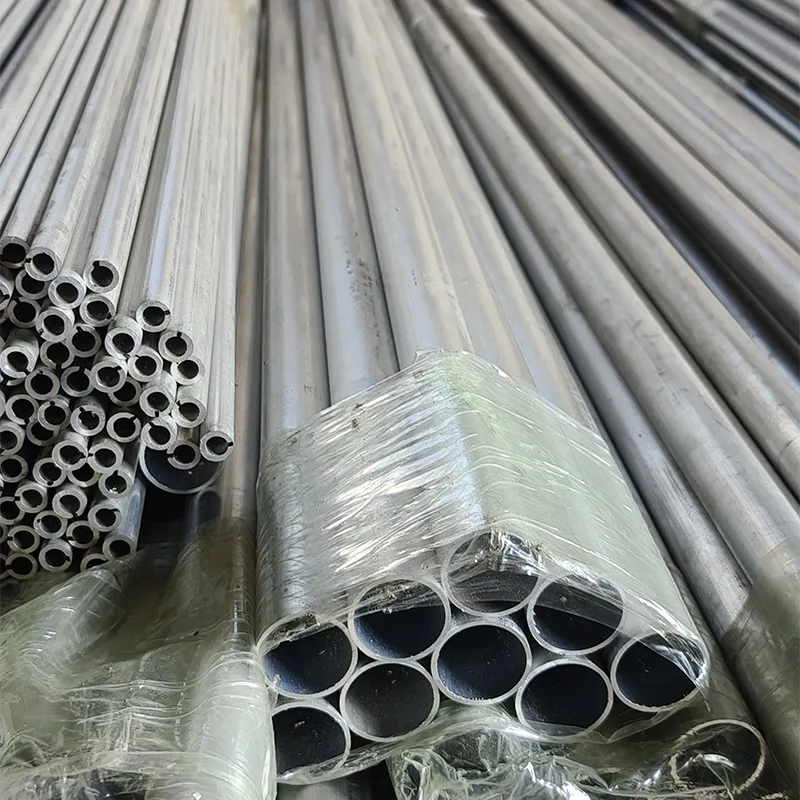
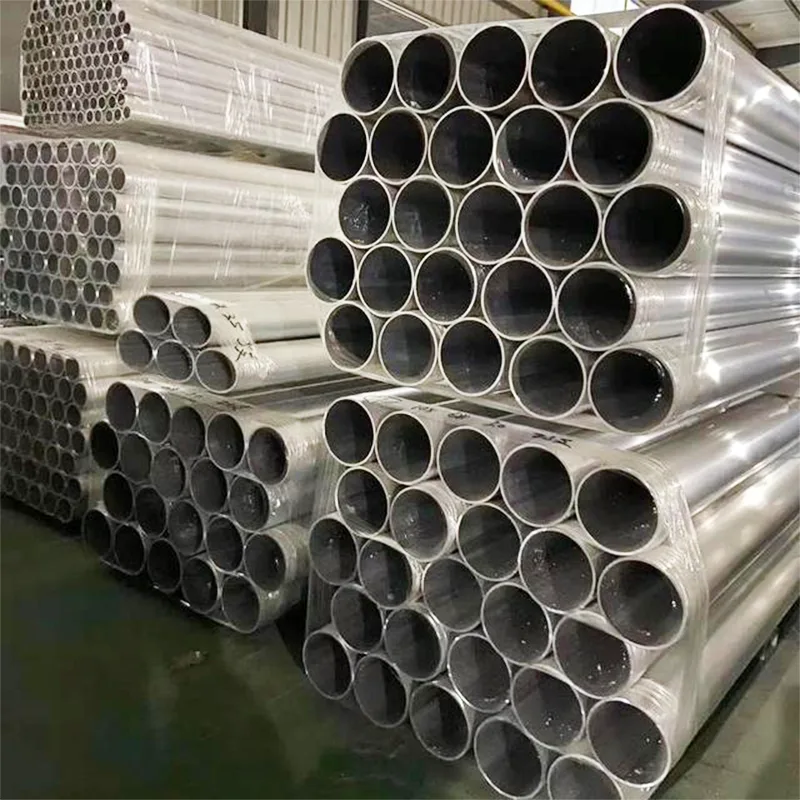
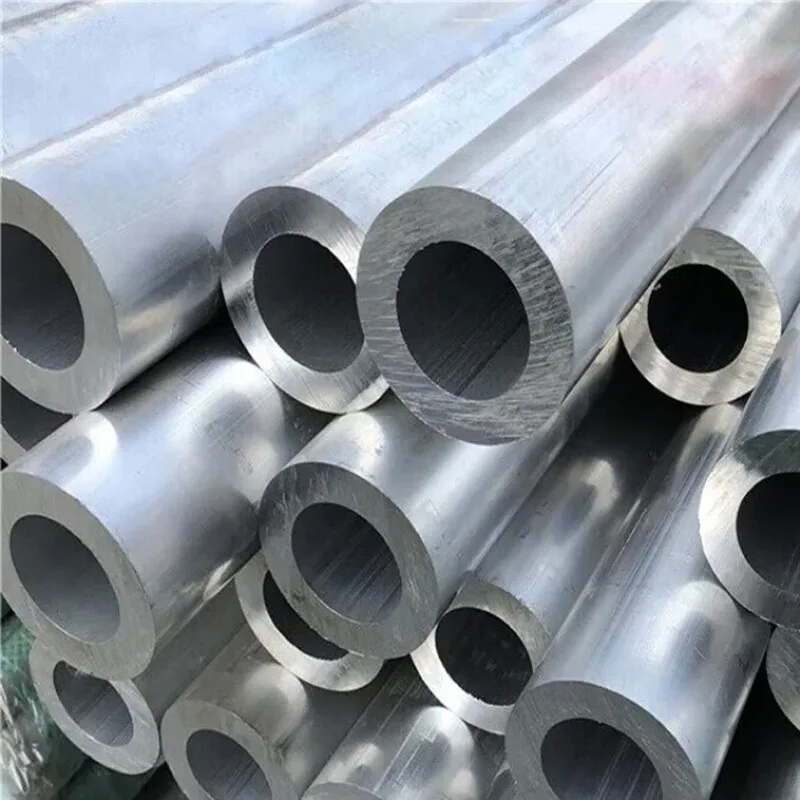
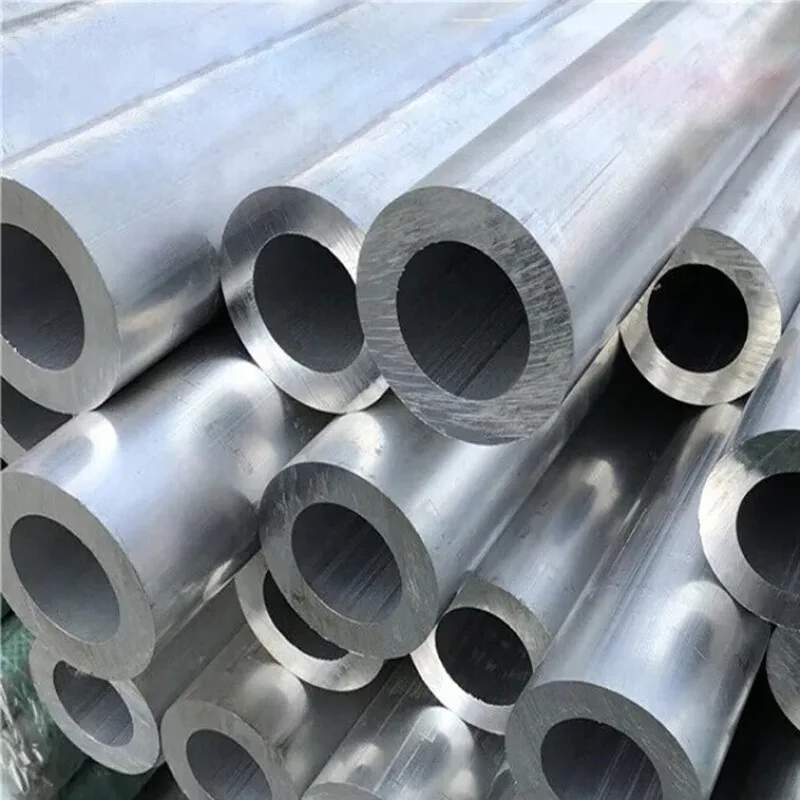
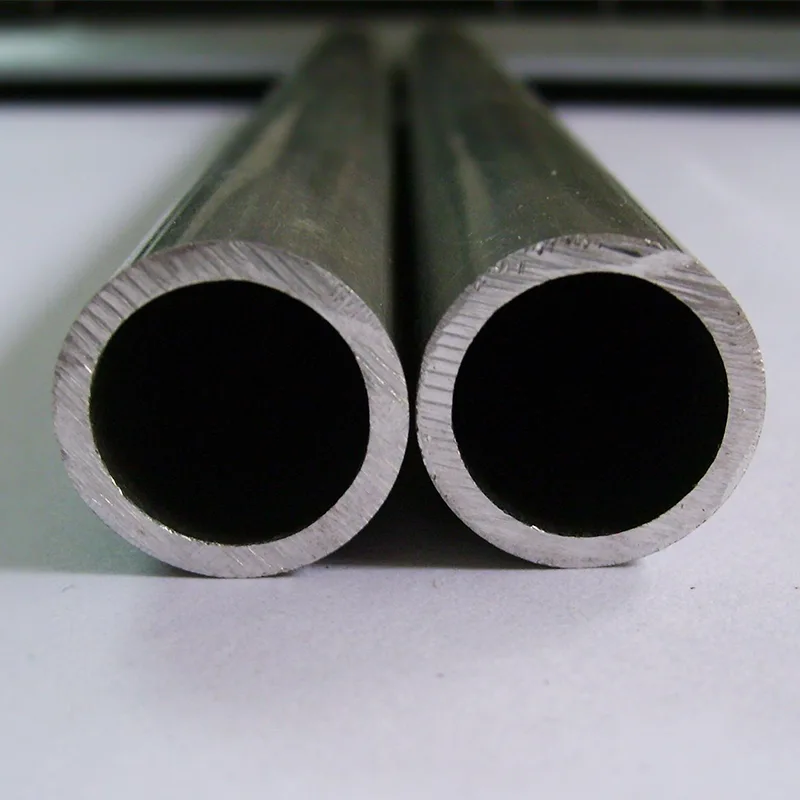
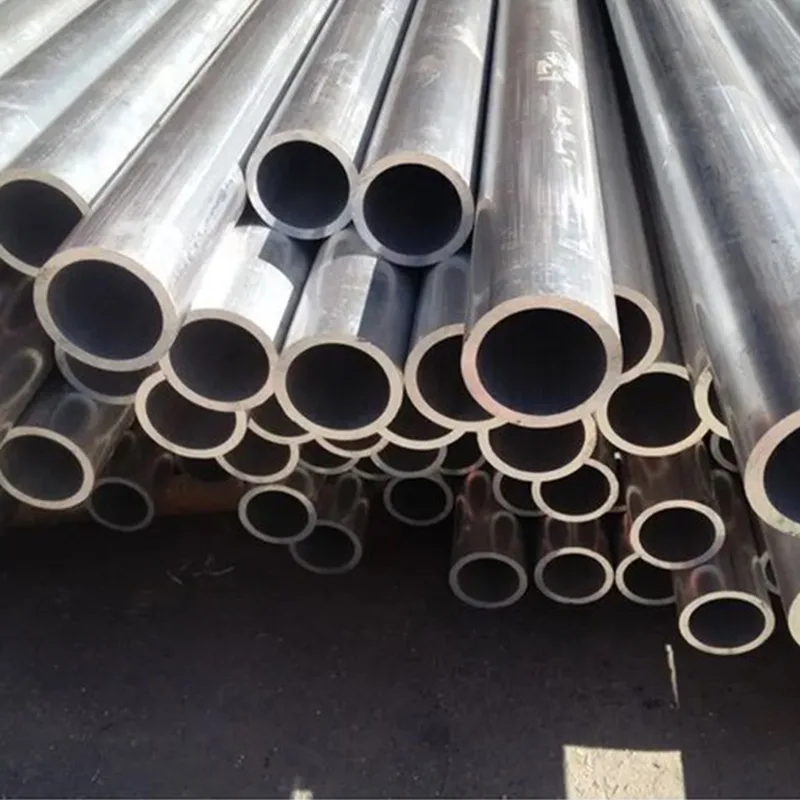
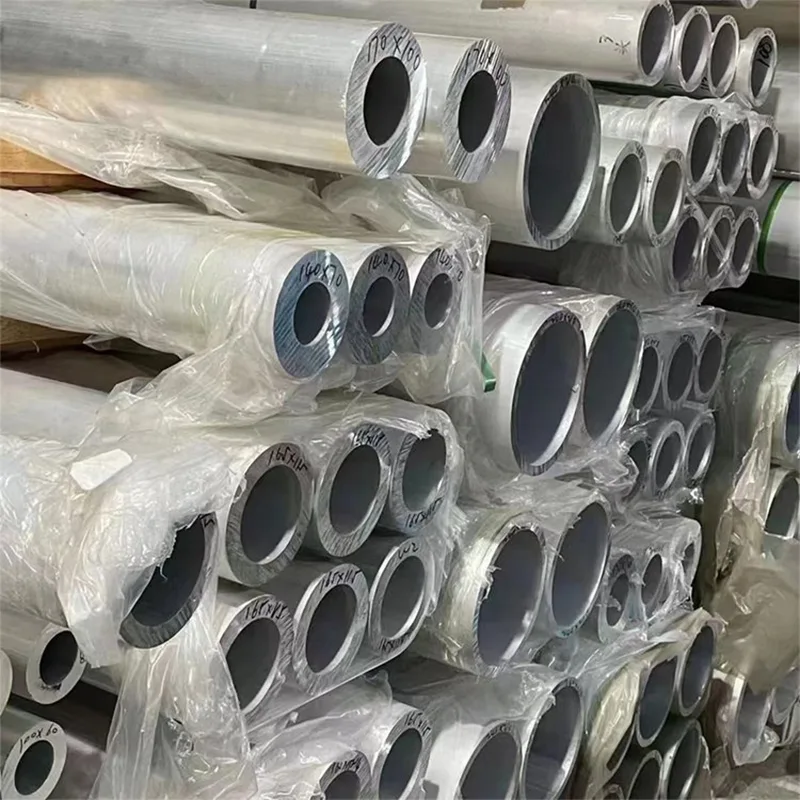
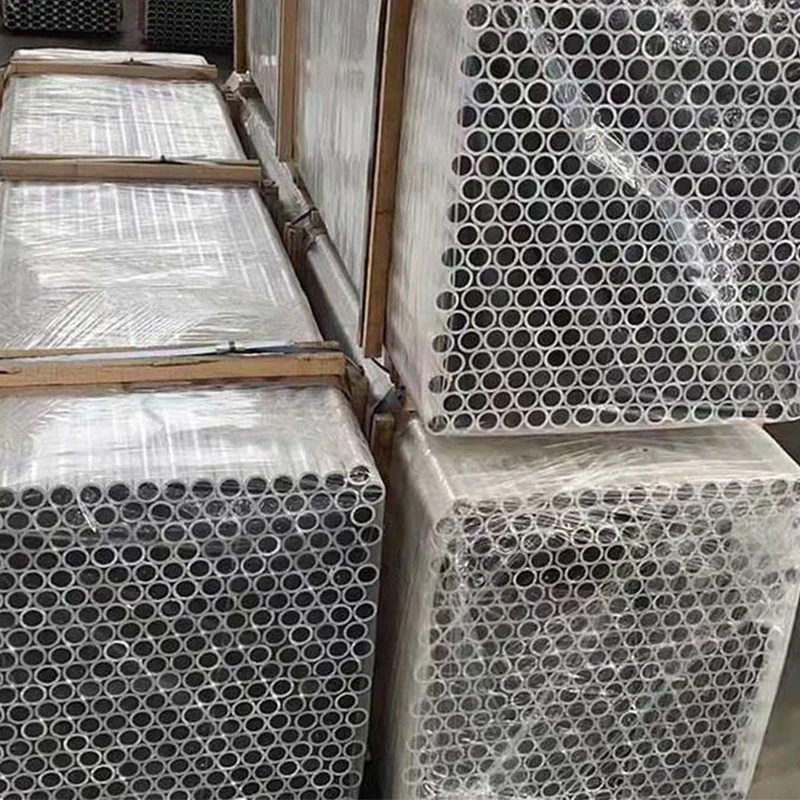
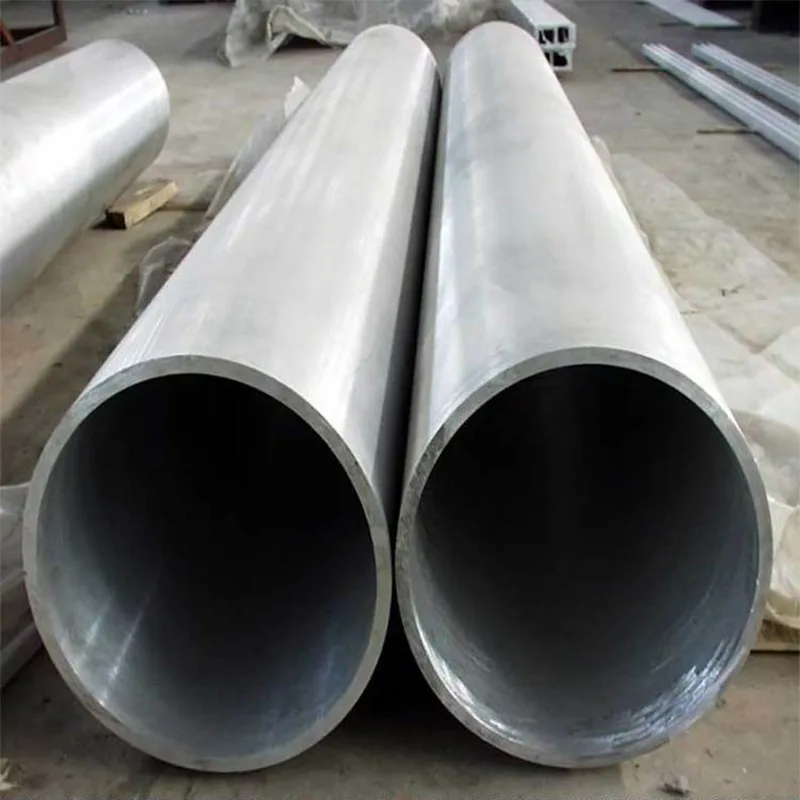
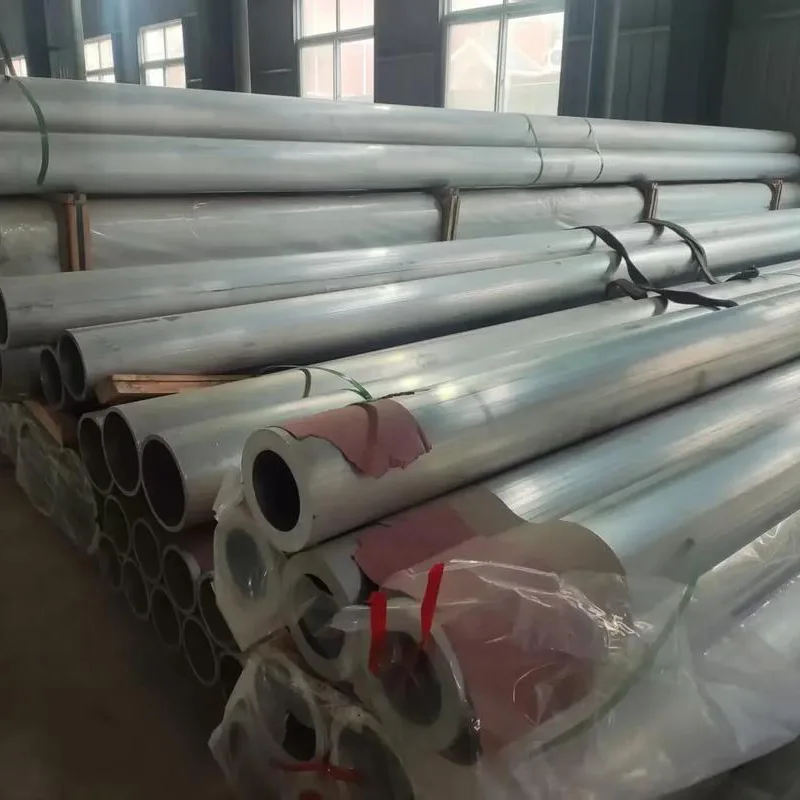
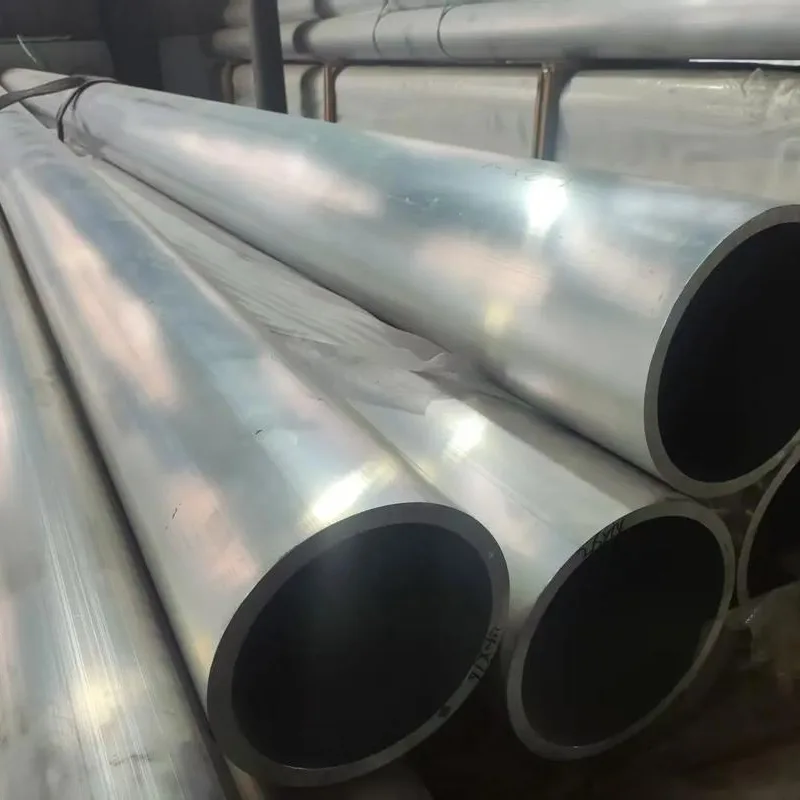
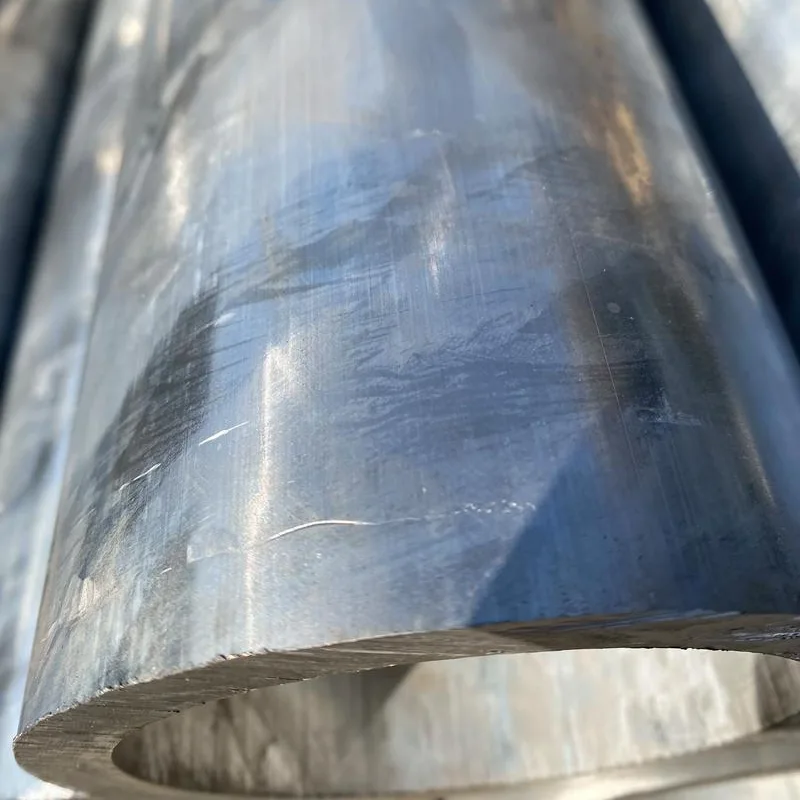
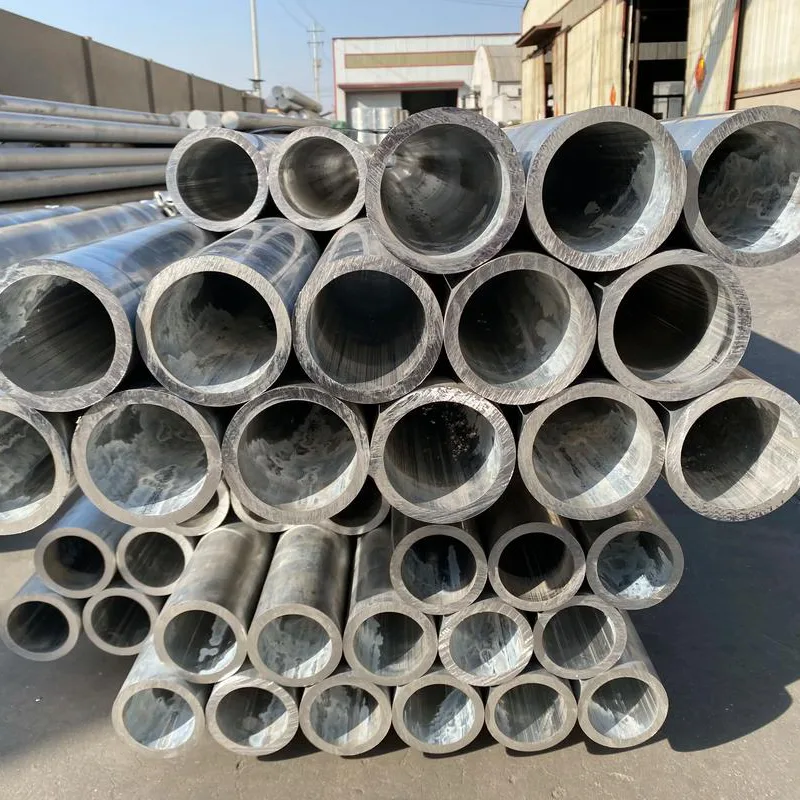
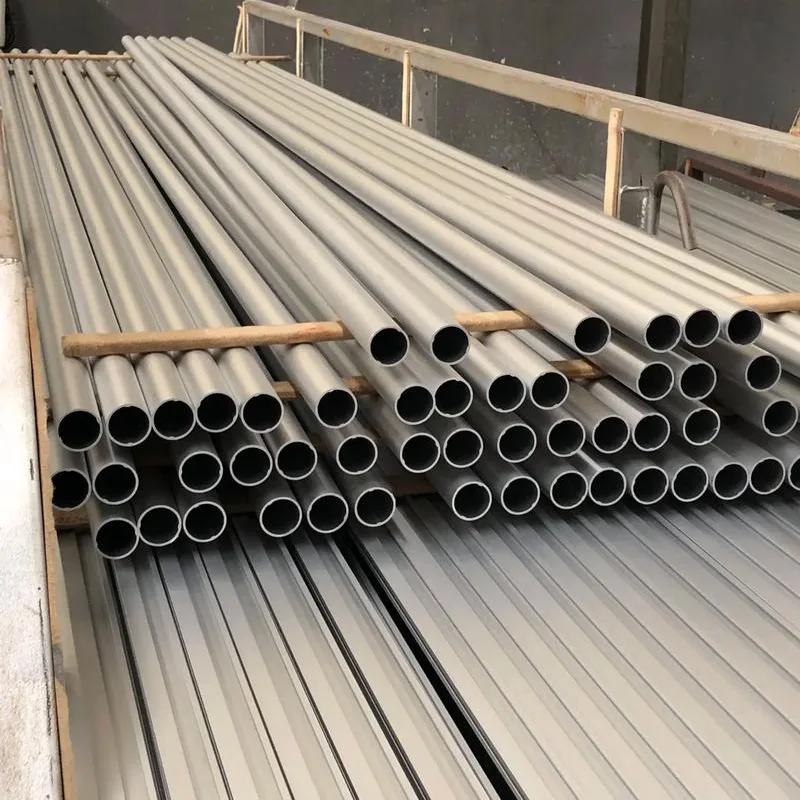
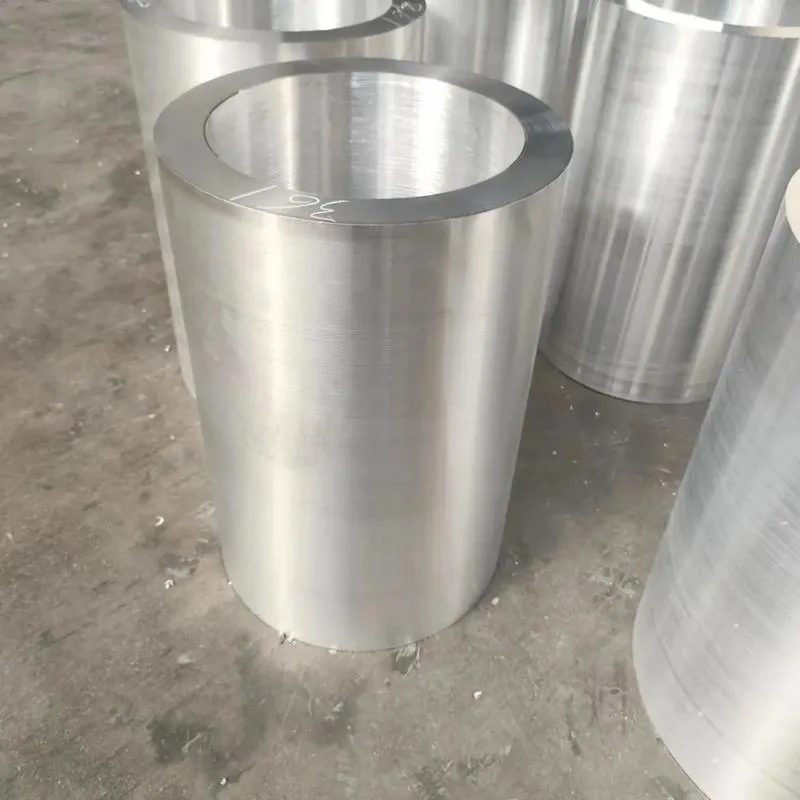
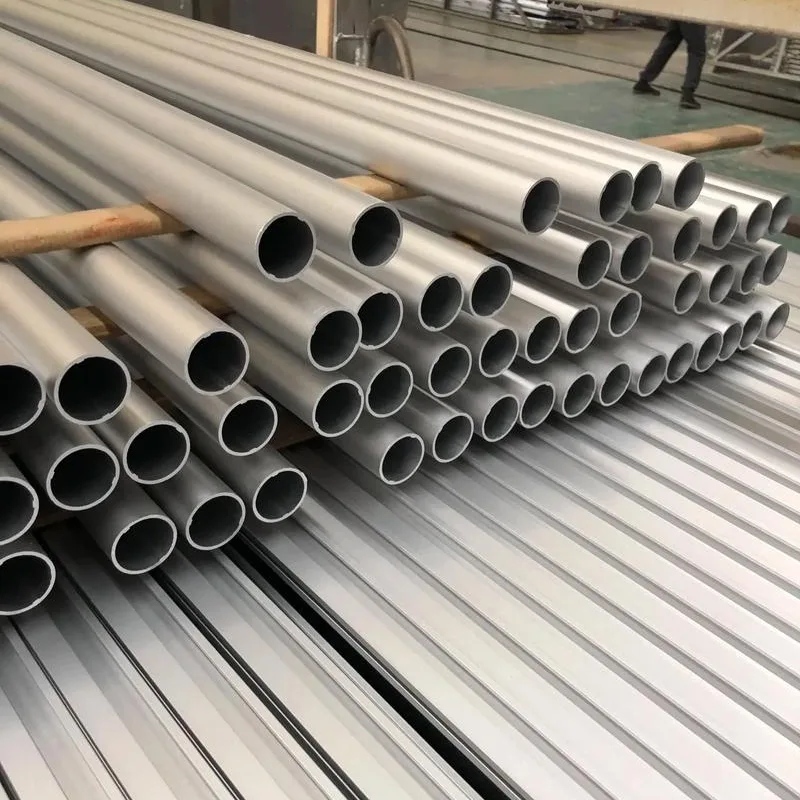
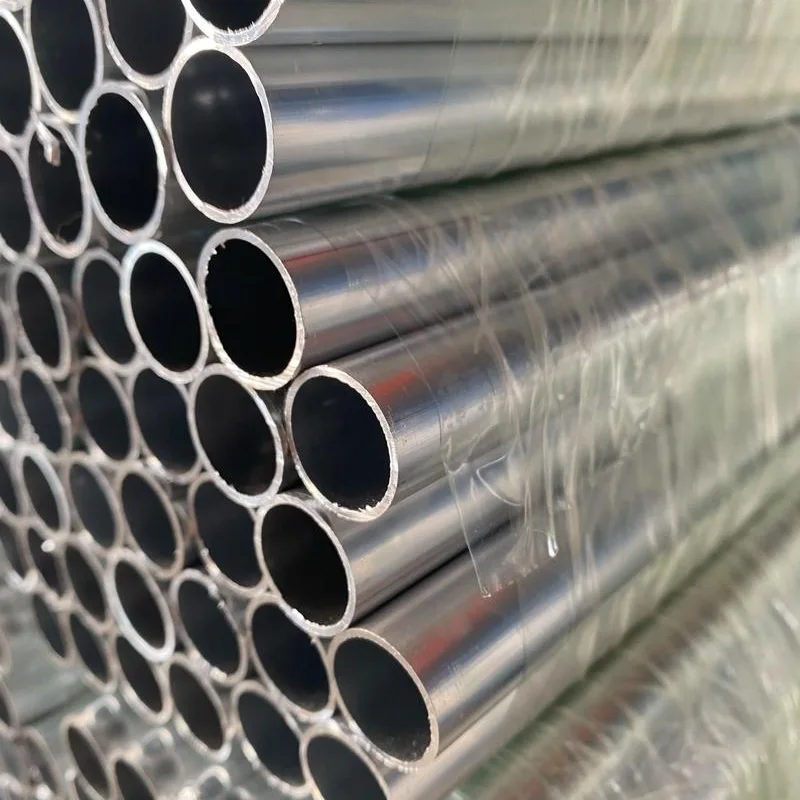
Manufacturers of 6061 aluminum tubes cover round, square, and rectangular tubes. Round tubes have an outer diameter of φ6–φ250mm and a wall thickness of 1–25mm. The mainstream supply grades are T6 and T651, with a standard length of 6 meters. Custom cutting to length and non-standard specifications are also supported.
Differences between 6061 and 6063 aluminum tubes:
6061 and 6063 both belong to the aluminum-magnesium-silicon series of heat-treatable aluminum alloys and are the two most widely used 6-series aluminum tubes in industrial and civil applications. Due to differences in alloy composition, 6061 and 6063 aluminum tubes exhibit clear differences in strength, formability, surface finish, and positioning, respectively suited for structural load-bearing and decorative light-load applications. The core differences are as follows:
|
Comparison Dimensions: |
6061 Aluminum Tube |
6063 Aluminum Tube |
|
Alloy Composition |
Higher magnesium and silicon content (magnesium 0.8%-1.2%, silicon 0.4%-0.8%), with added copper and chromium to improve strength and hardenability, resulting in a higher total alloy element content. |
Lower magnesium and silicon content (magnesium 0.45%-0.9%, silicon 0.2%-0.6%), strict control of impurities, and low total alloy element content. |
|
Mechanical Properties (T6 Temper) |
Higher strength: tensile strength ≥260MPa, yield strength ≥240MPa, outstanding hardness, deformation resistance, and load-bearing capacity. |
Medium strength, tensile strength ≥205MPa, yield strength ≥170MPa, superior plasticity, and higher elongation. |
|
Extrusion Formability |
High alloy deformation resistance, slower extrusion speed, higher die wear, more suitable for conventional cross-sections and medium-thick-walled tubes; complex cross-sections are more difficult to form. |
Low deformation resistance, high extrusion smoothness, and high yield; suitable for producing thin-walled and complex cross-section tubes; inherently superior surface finish. |
|
Surface Treatment Performance |
Due to the presence of copper and chromium, the anodized film tends to be darker, and the color uniformity is generally average; it prioritizes functional corrosion resistance. |
Excellent anodizing and coloring performance; dense and bright oxide film, uniform and stable coloring, and excellent decorative effect. |
|
Processing Compatibility |
Excellent machinability, good dimensional stability, suitable for precision machining, tapping, honing, etc.; moderate cold bending plasticity. |
Excellent plasticity; good cold forming effects such as bending, flaring, and necking; moderate machinability, more suitable for simple forming processes. |
|
Core Application Scenarios |
Suitable for medium-to-heavy-duty structural applications: equipment frames, mechanical structural components, automotive lightweight structures, tooling fixtures, precision parts. |
Decorative and light-load applications: building doors, windows, curtain walls, railings, decorative frames, heat dissipation profiles, and light-load equipment covers. |
|
Cost Positioning |
Higher raw material and processing costs; unit price is typically 10%-20% higher than 6063. |
High production efficiency, high yield, and outstanding cost-effectiveness; it is a relatively low-cost general-purpose grade in the 6-series. |
Which has stronger corrosion resistance, 6061 or 6063 aluminum tubes?
Overall, 6063 aluminum tubes have slightly better corrosion resistance than 6061 aluminum tubes. The difference is minimal under normal indoor and atmospheric conditions, but becomes more pronounced under harsh environments such as coastal salt spray and prolonged outdoor humidity. Neither is a dedicated high-corrosion-resistance aluminum material; for highly corrosive applications, 5-series aluminum-magnesium alloys should be prioritized.
Reasons for Differences and Performance in Different Scenarios
1.Substantial Composition Differences
6061 alloy has a more complex composition, containing copper and chromium in addition to magnesium and silicon. Copper-containing intermetallic compounds easily precipitate at grain boundaries, creating a potential difference with the aluminum matrix, increasing the risk of micro-cell corrosion and making it more prone to pitting corrosion.
6063 has lower total magnesium and silicon content, fewer impurities, better matrix uniformity, and a denser, more uniform oxide film formed naturally on the surface, resulting in a lower risk of localized corrosion.
2.Conventional Atmospheric/Indoor/Freshwater Scenarios
The difference in corrosion resistance between the two is minimal. Both can be used stably for a long time without significant rust. The difference is virtually imperceptible in everyday civilian use, ordinary equipment frames, and ordinary pipelines.
3.Coastal Salt Spray/High Humidity Outdoor Scenarios
6063 has a more significant advantage. Due to its copper content, 6061 experiences faster pitting corrosion in chloride ion and high salt spray environments, making it prone to localized rust spots and faster appearance degradation with long-term use. 6063 has stronger resistance to chloride ion corrosion, resulting in better service life and appearance retention in coastal atmospheric environments.
4.Anti-corrosion effect after anodizing
6063 anodized film is brighter, denser, and more uniform, with better color consistency, offering superior dual effects of corrosion protection and decoration; 6061 anodized film tends to be darker and grayish, with slightly poorer uniformity, and its corrosion protection performance is also slightly inferior.
Supplementary Notes: If both are subjected to full-coverage surface protection such as powder coating or electrophoresis, the inherent differences in corrosion resistance of the substrates will be significantly weakened, and the service life will mainly depend on the coating quality. When selecting, prioritize outdoor weather resistance and aesthetic corrosion protection; for those prioritizing structural strength and indoor use, the corrosion resistance of 6061 is perfectly adequate.
Hot Tags: 6061 Aluminum Tube, China, Manufacturer, Supplier, Factory
Send Inquiry
Contact Info
-
Address
Hanyu Jingu, High-tech Zone, Jinan City, Shandong Province, China
-
Tel
-
E-mail
For inquiries about Carbon Steel, Stainless Steel, Galvanized Steel or price list, please leave your email to us and we will be in touch within 24 hours.