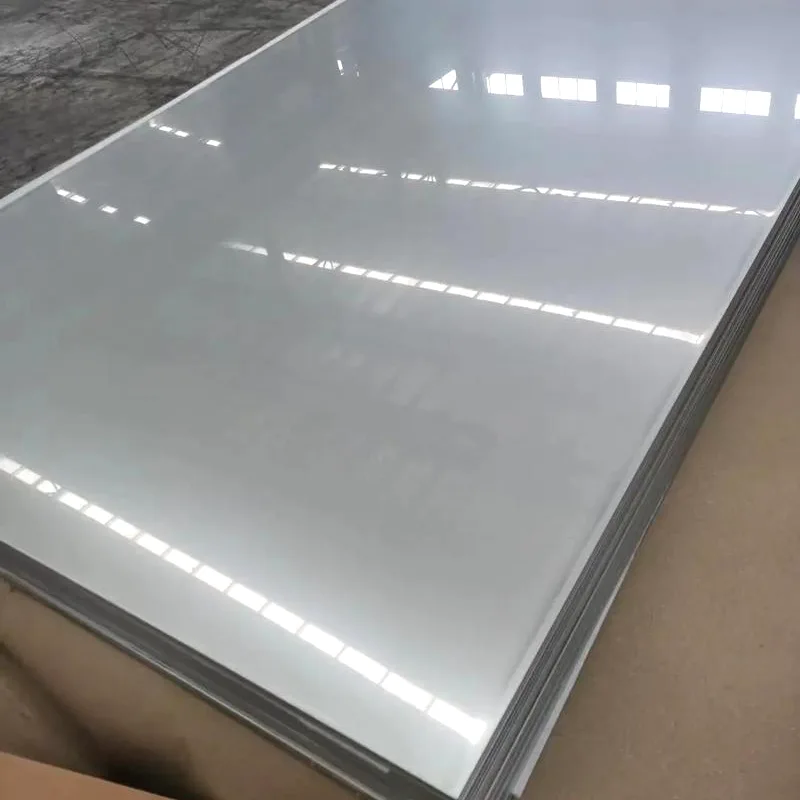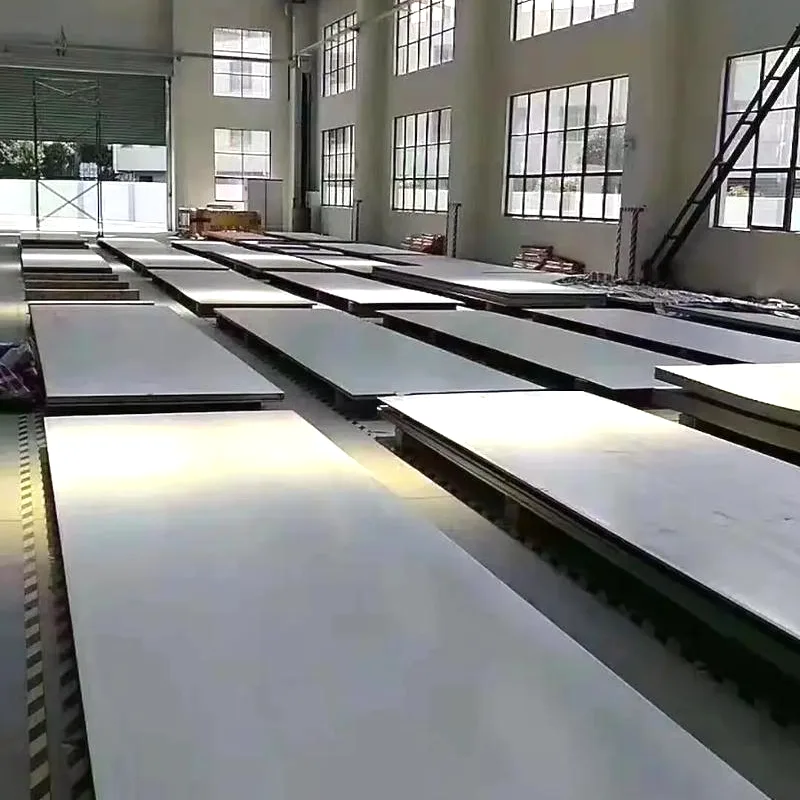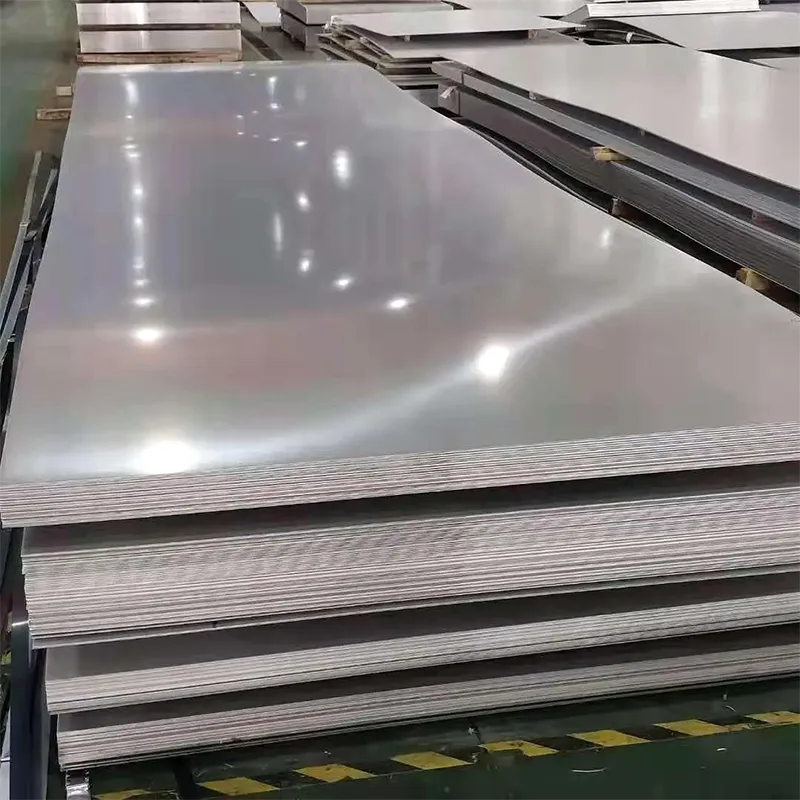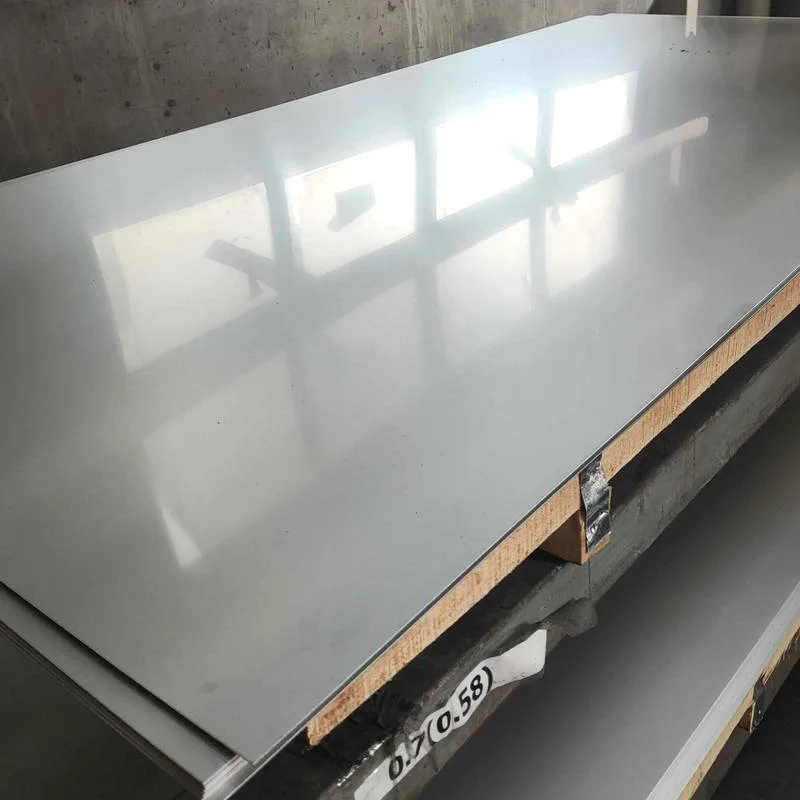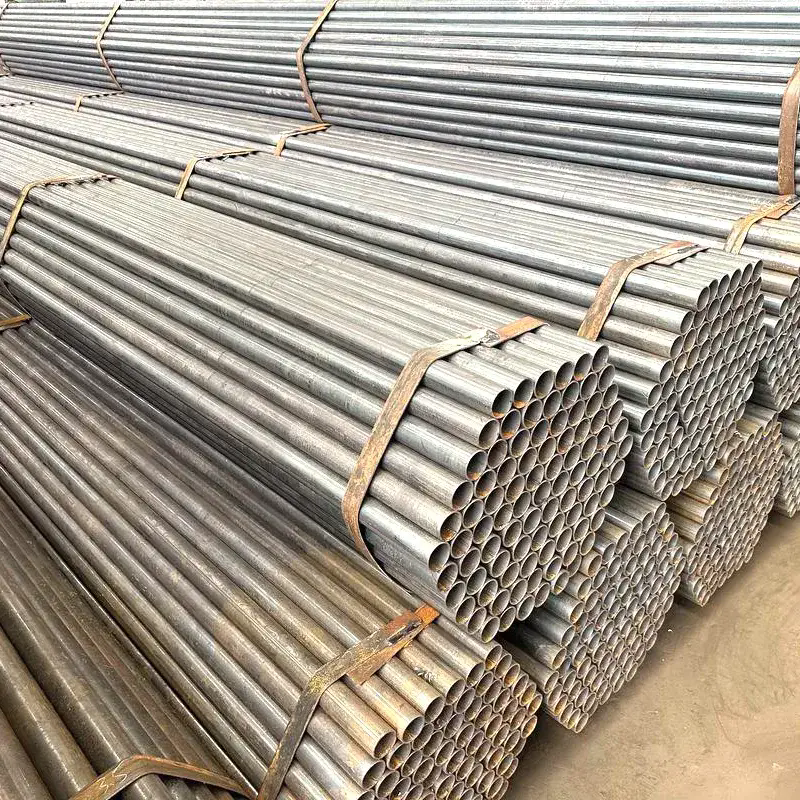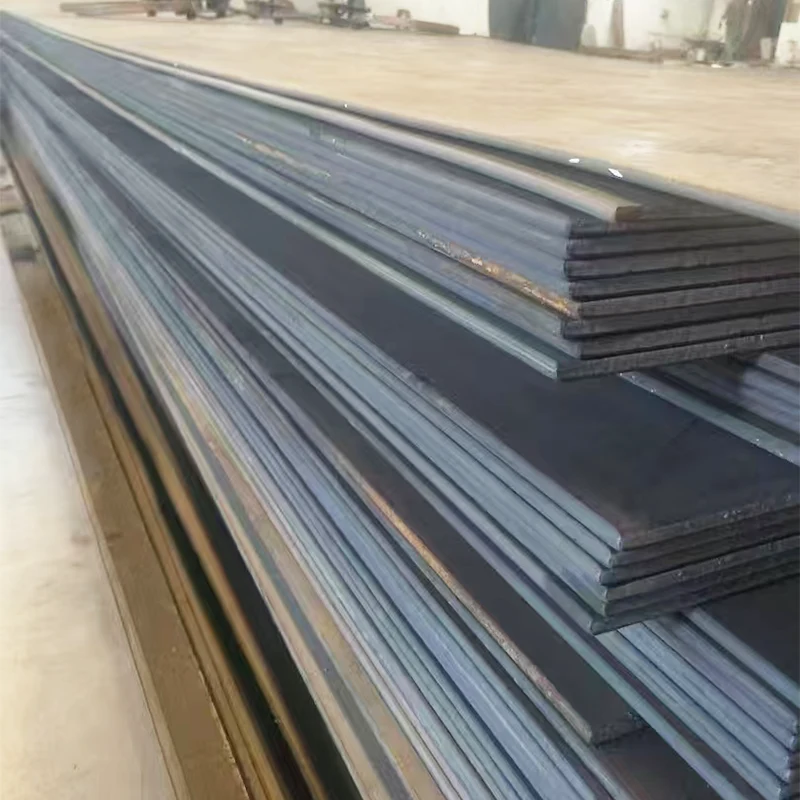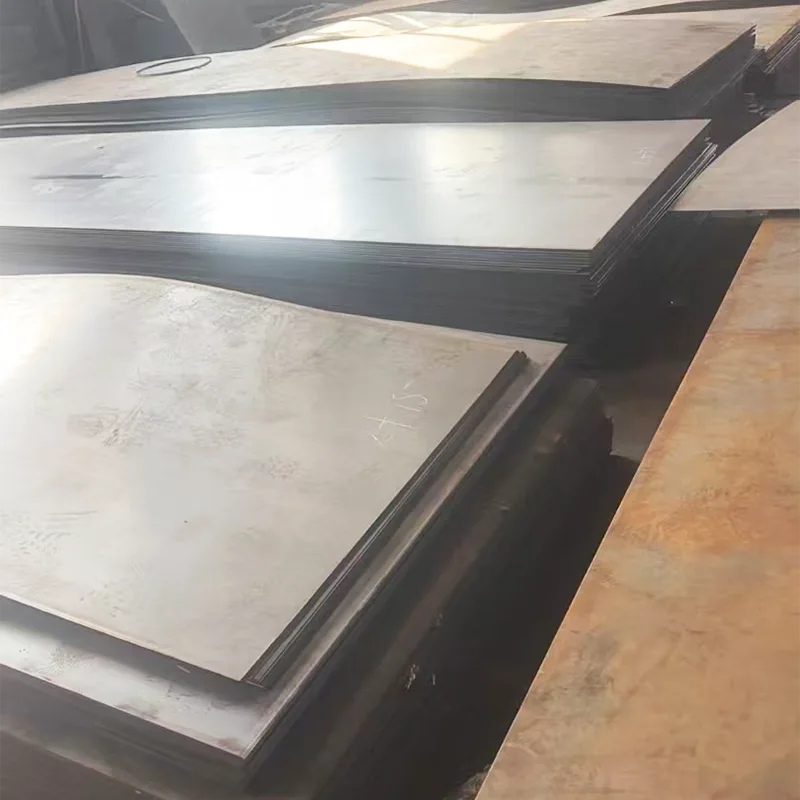
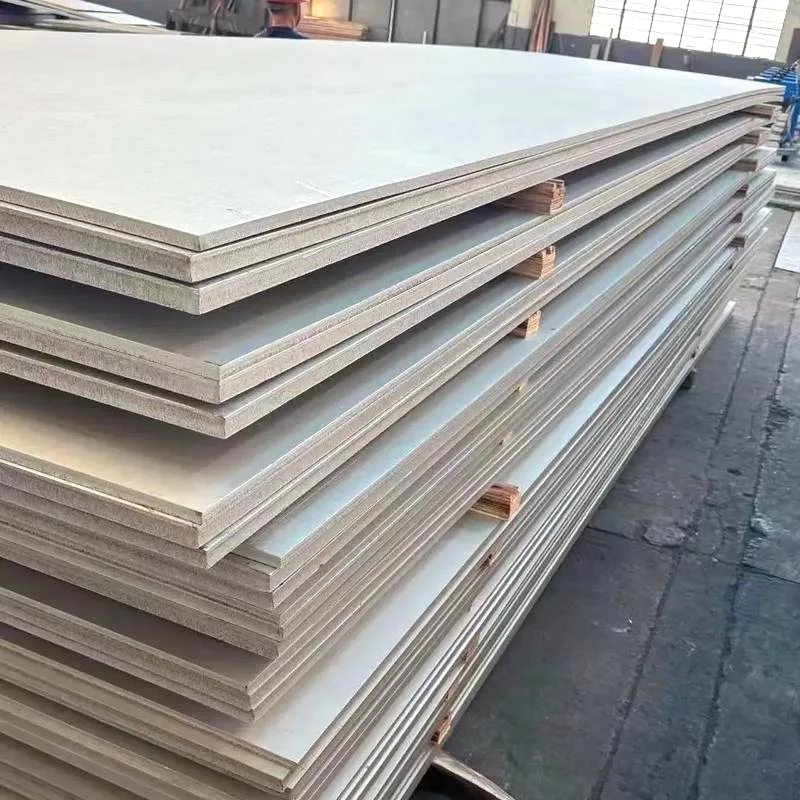
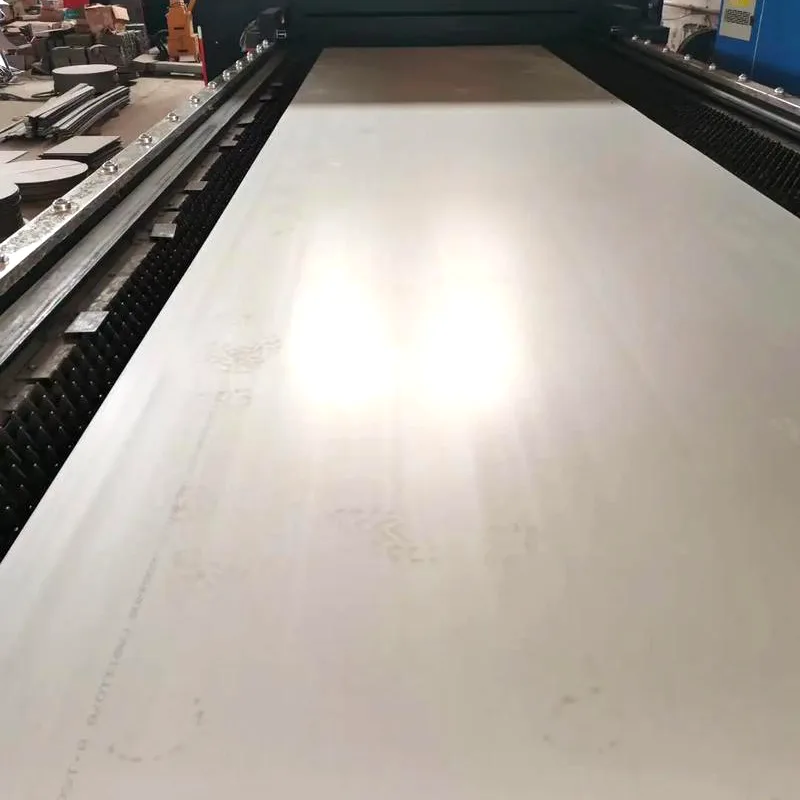
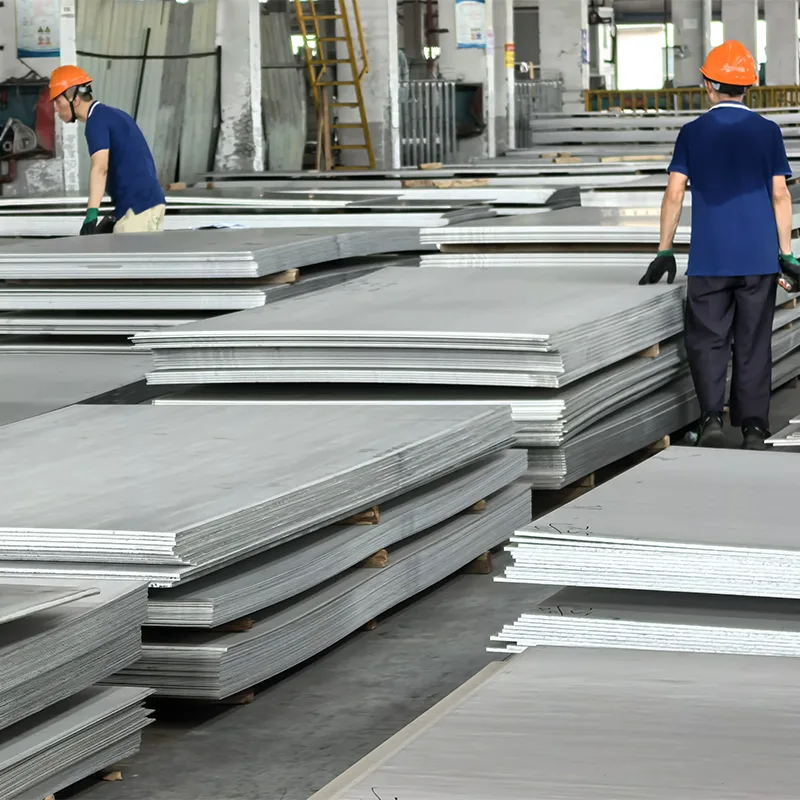
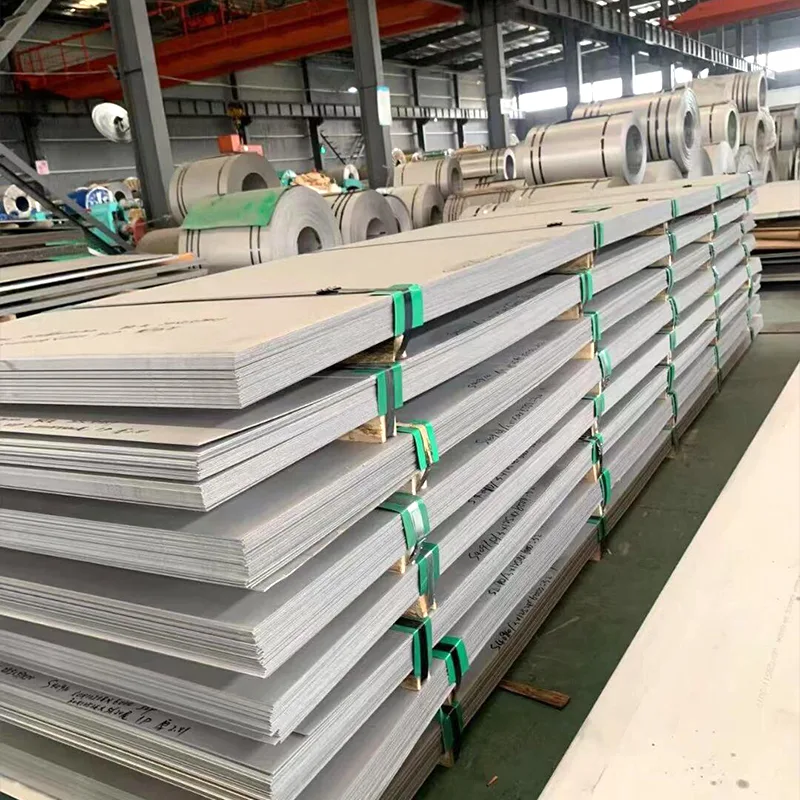
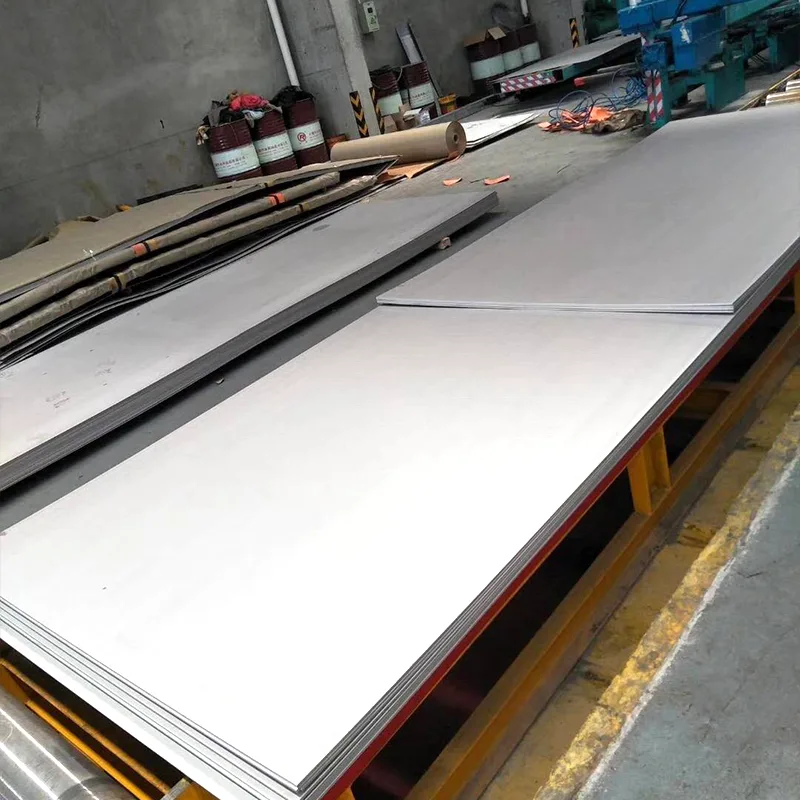
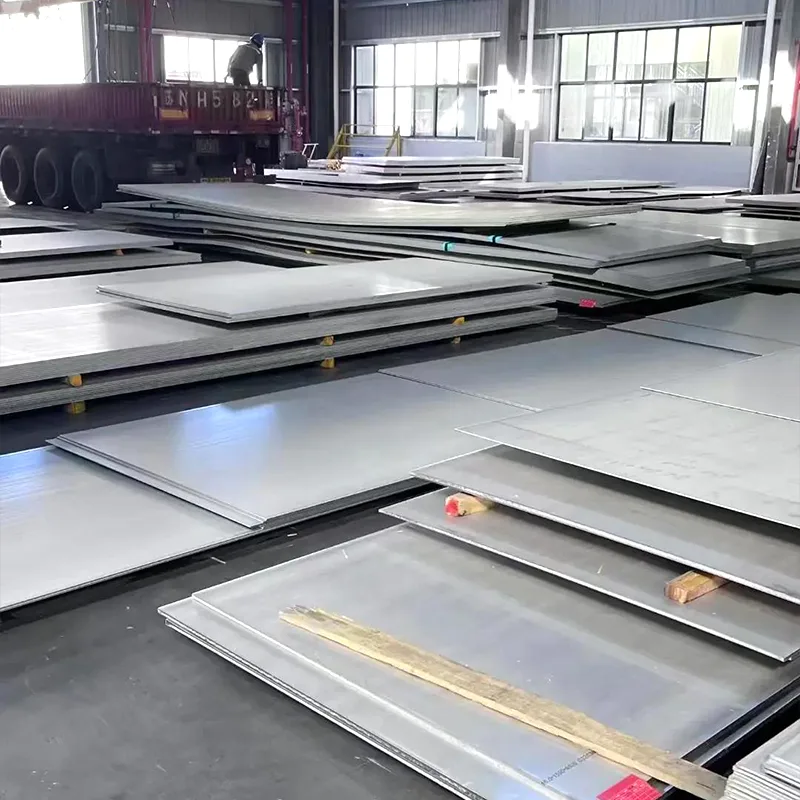
316L Stainless Steel Sheet
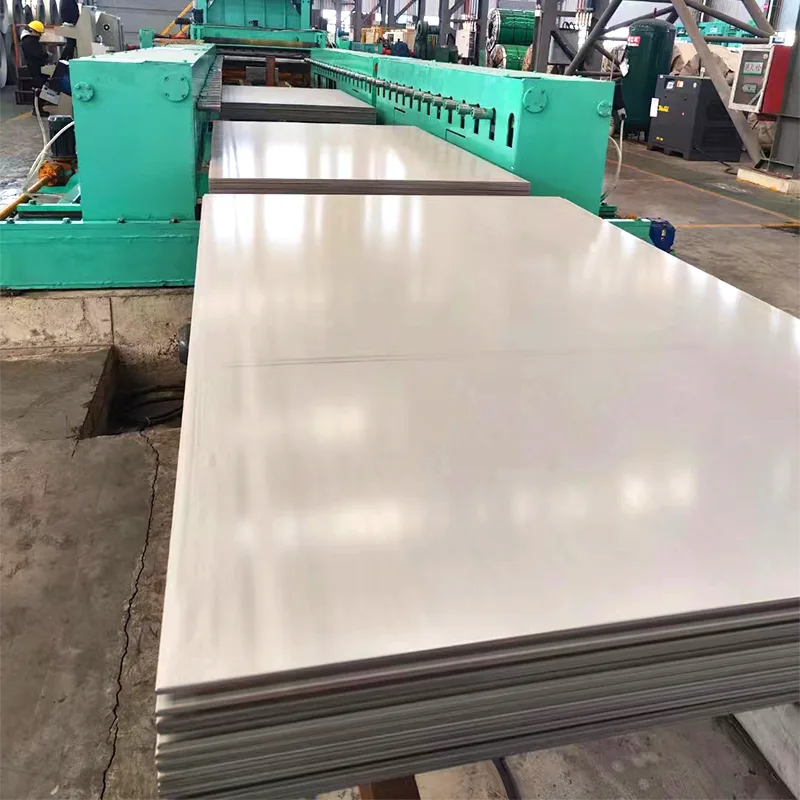
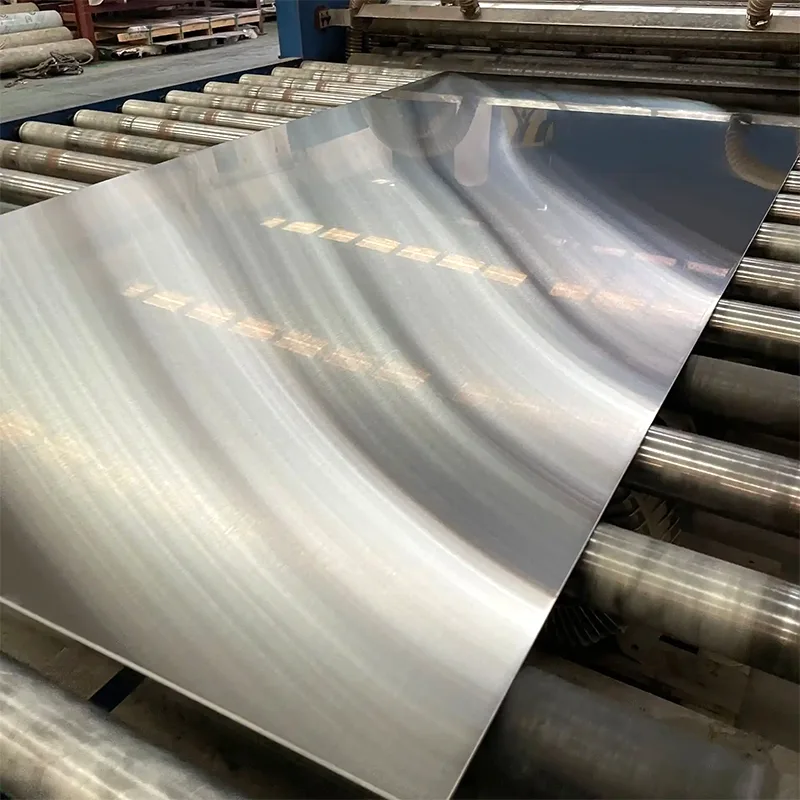
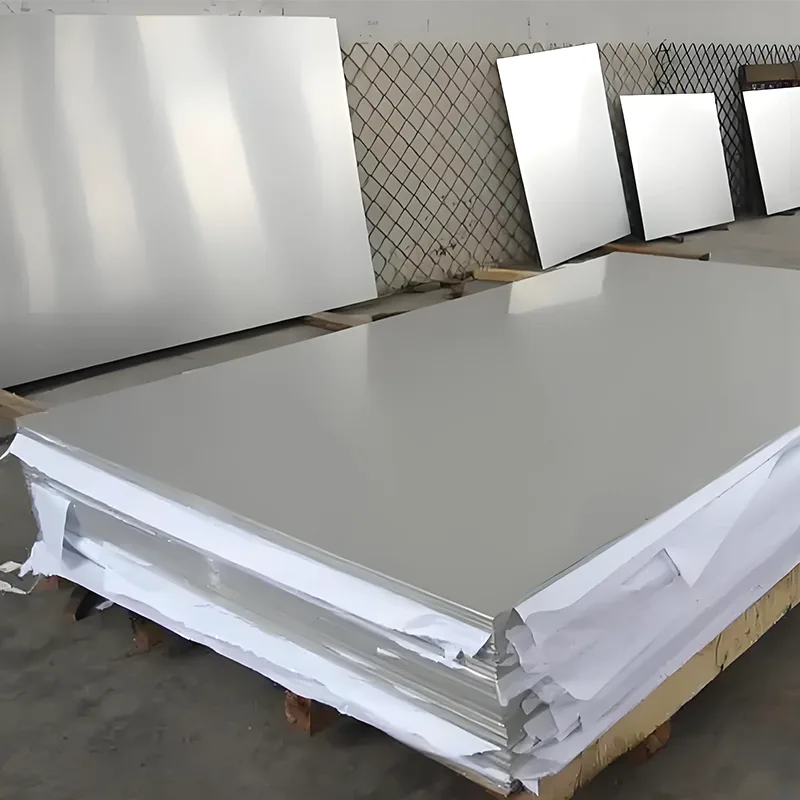
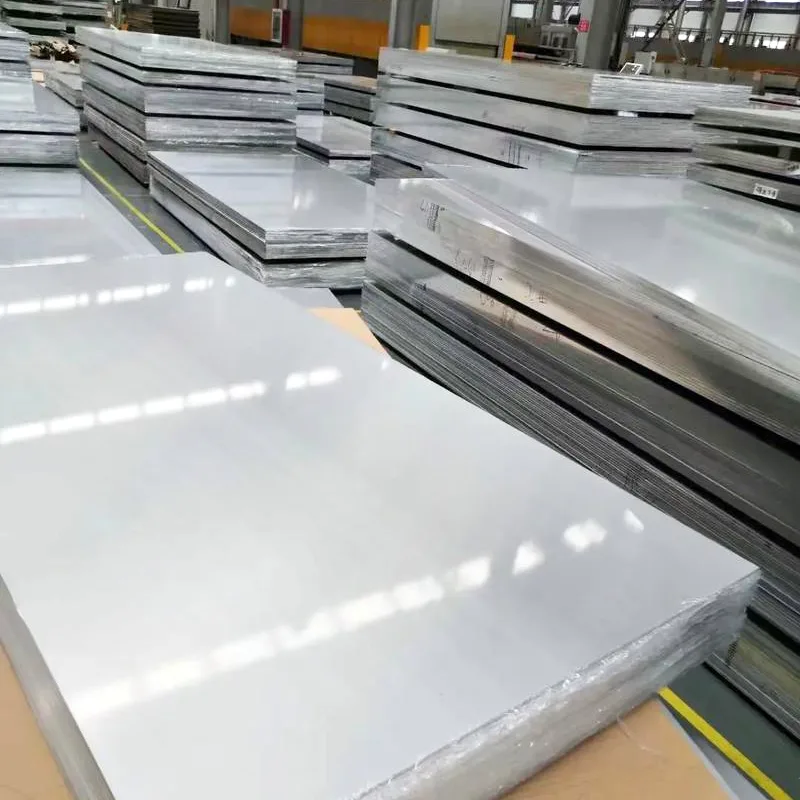
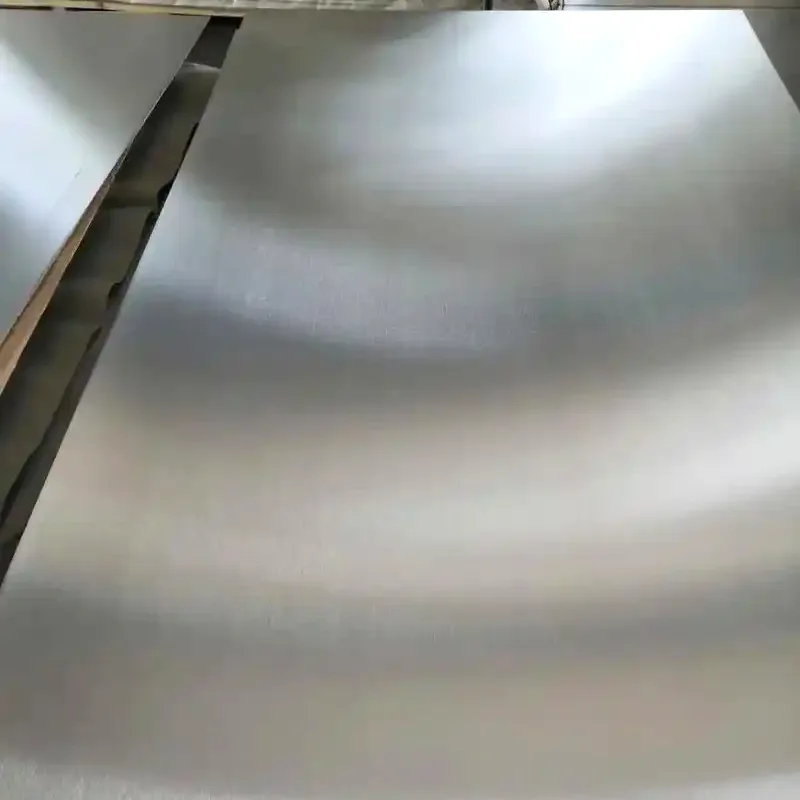
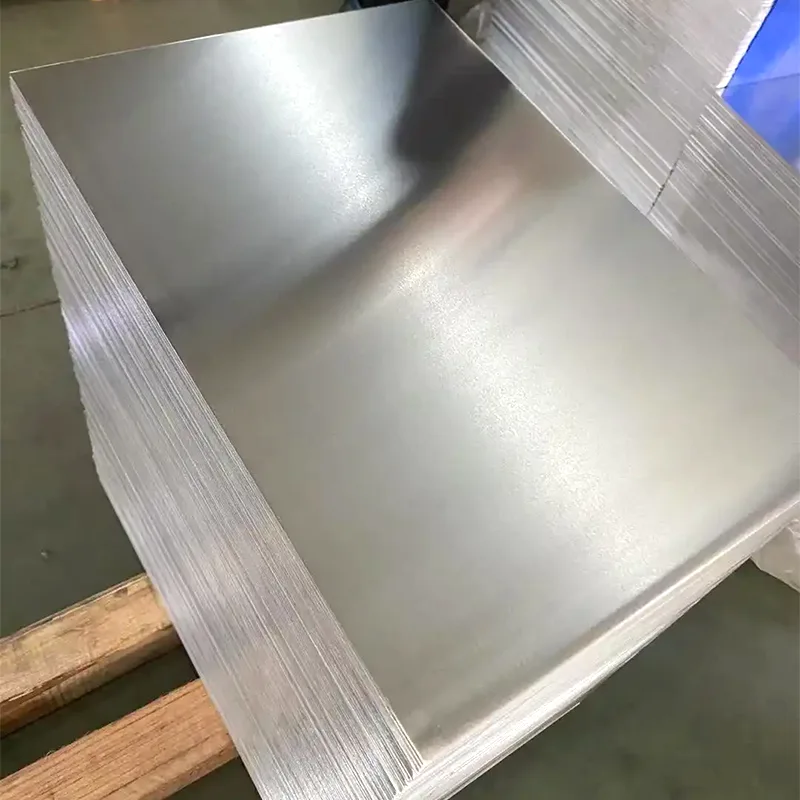
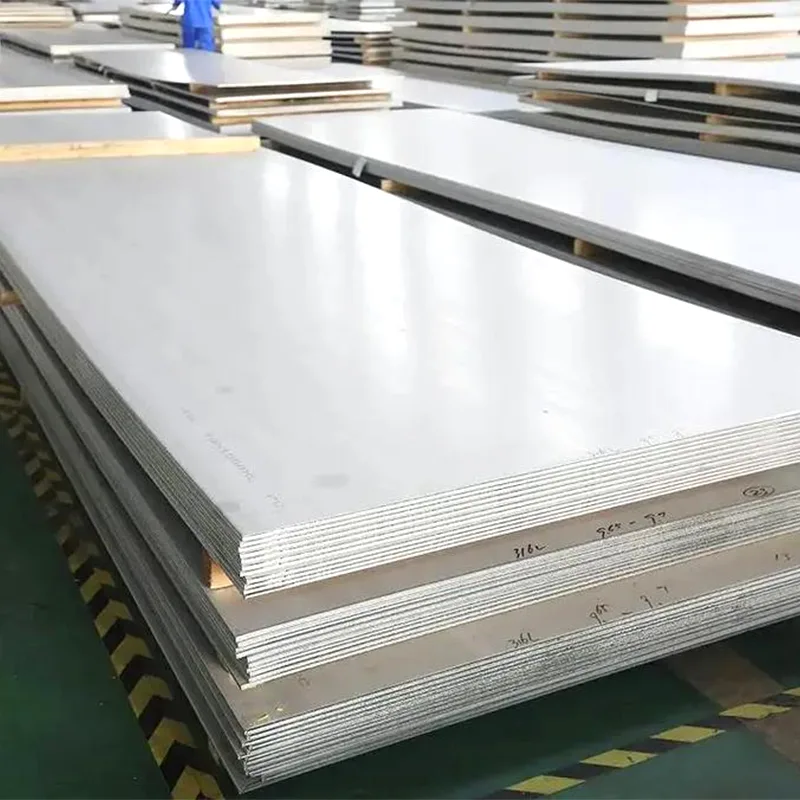
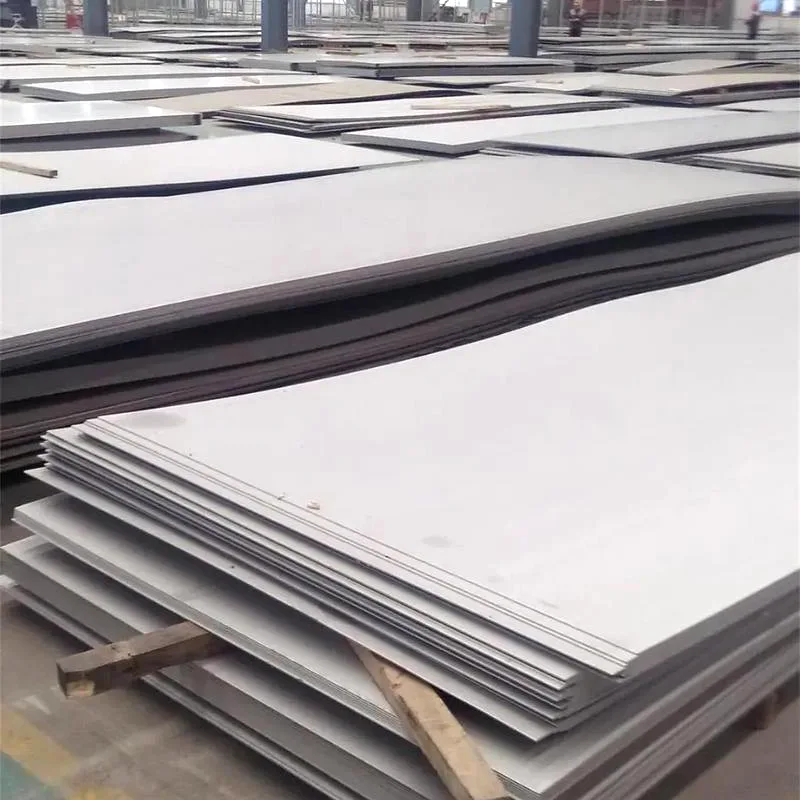
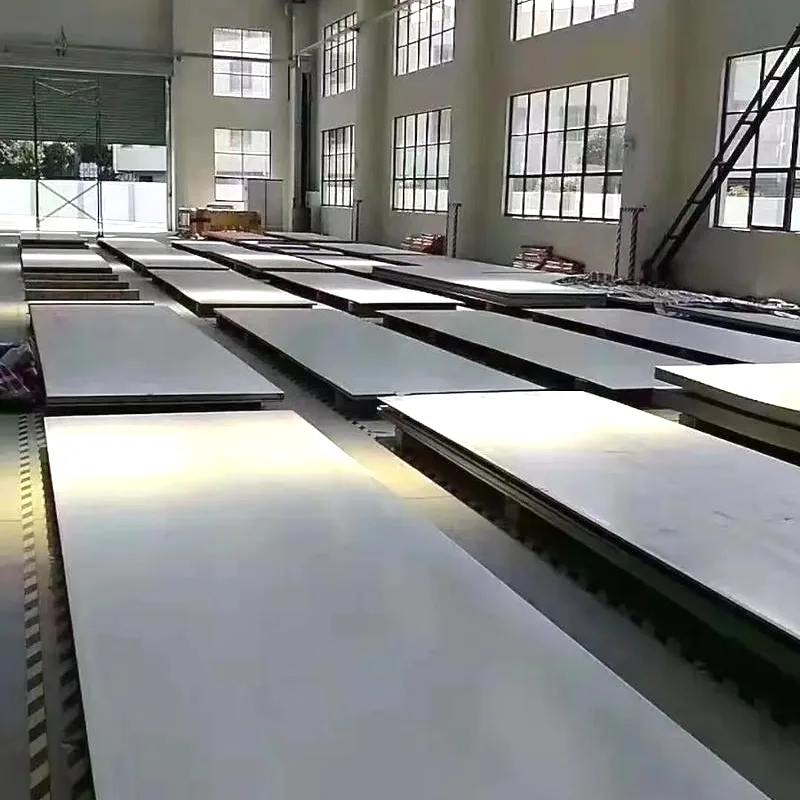
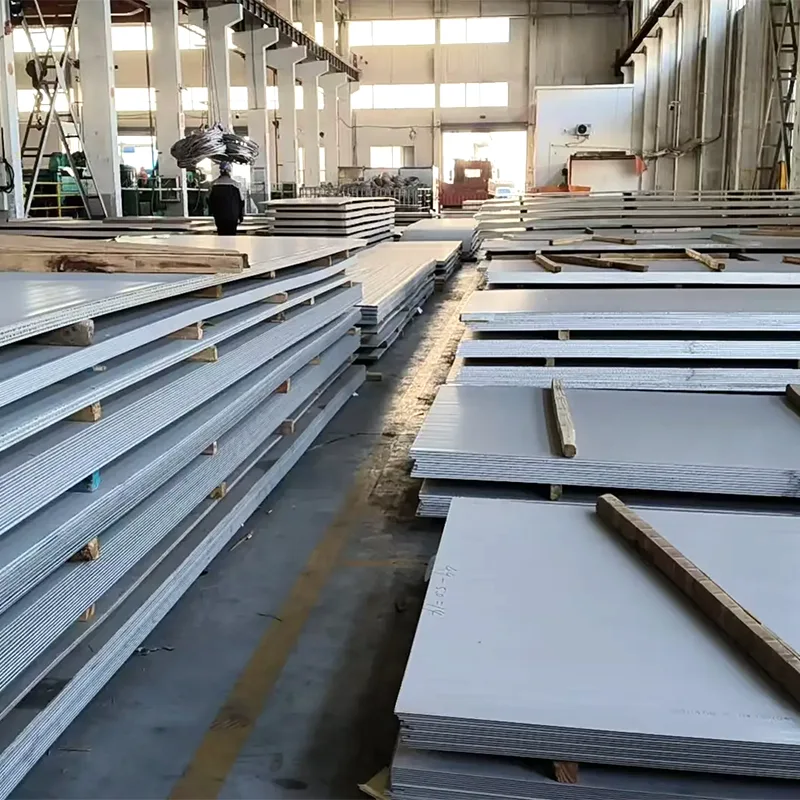
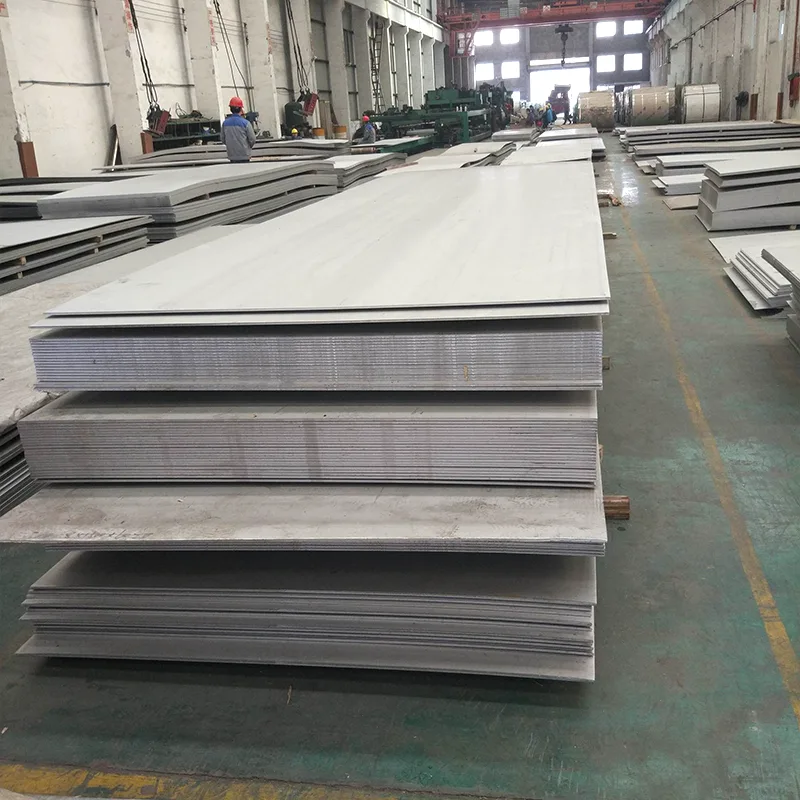
316L stainless steel sheet manufacturers support 2B, mirror finish, brushed, and anti-fingerprint treatments; they offer one-stop deep processing including laser cutting, bending, and welding, and can customize sizes and formed parts as needed. Sufficient stock and stable delivery times are guaranteed. As a leading China supplier, they provide formal material reports to ensure product quality and performance.
316L Stainless Steel Sheet, with its excellent corrosion resistance, is mainly used in high-corrosion environments such as marine engineering, seawater desalination, chemical and petrochemical industries, desulfurization and environmental protection, medical devices, food and pharmaceuticals, coastal building decoration, and marine nuclear power.
Why is 316L stainless steel sheet much more expensive than 304?
Due to its superior alloy ratio, processing, and performance, 316L stainless steel sheet is significantly more expensive than ordinary 304 stainless steel. The core reason is the addition of approximately 2% molybdenum, and higher nickel and chromium content, significantly increasing raw material costs. At the same time, manufacturers employ more stringent low-carbon smelting processes, resulting in lower yield rates, and higher corrosion resistance testing standards, leading to higher overall production costs.
Core Performance Parameter Table
|
Performance Items |
Specifications: |
|
Main Alloy Composition |
Cr ≥ 16.00~18.00%, Ni ≥ 10.00~14.00%, Mo ≥ 2.00~3.00%, C ≤ 0.03% |
|
Tensile Strength |
≥ 485 MPa |
|
Yield Strength |
≥ 205 MPa |
|
Elongation After Fracture |
≥ 40% |
|
Hardness |
≤ 187 HB; ≤ 90 HRB |
|
Corrosion Resistance |
Excellent resistance to pitting corrosion, intergranular corrosion, salt spray, and acid/alkali corrosion |
|
Service Characteristics |
Non-magnetic, excellent weldability, stable low-temperature toughness, and high-temperature resistance up to 800℃ |
How to Choose the Thickness of 316L Stainless Steel Sheet?
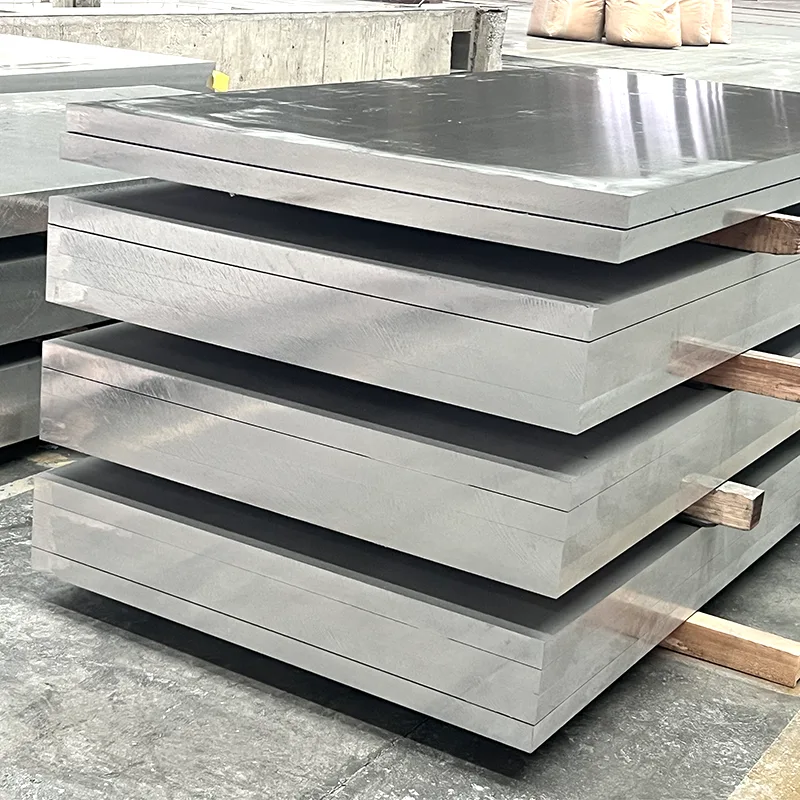
China Leading Stainless Steel Sheet Supplier suggests: For decorative and enclosure applications with light loads, choose 0.4–1.5mm to balance aesthetics and cost; for general structural components such as equipment housings and linings, 1.5–3.0mm is commonly used for a balance between processing and strength; for high-load environments such as pressure bearing, heavy loads, and marine chemical industries, choose 3.0–10mm; for heavy special components, 10mm or more can be used. For coastal high-salt spray and highly corrosive conditions, it is recommended to appropriately increase the thickness, with 1.0–4.0mm being preferred for bent and welded parts to ensure both forming effect and meet durability and safety requirements.
Hot Tags: 316L stainless steel sheet manufacturer, corrosion resistant steel plate supplier, food grade 316L sheet wholesale
Related Category
Send Inquiry
Contact Info
-
Address
Hanyu Jingu, High-tech Zone, Jinan City, Shandong Province, China
-
Tel
-
Email
For inquiries about Carbon Steel, Stainless Steel, Galvanized Steel or price list, please leave your email to us and we will be in touch within 24 hours.