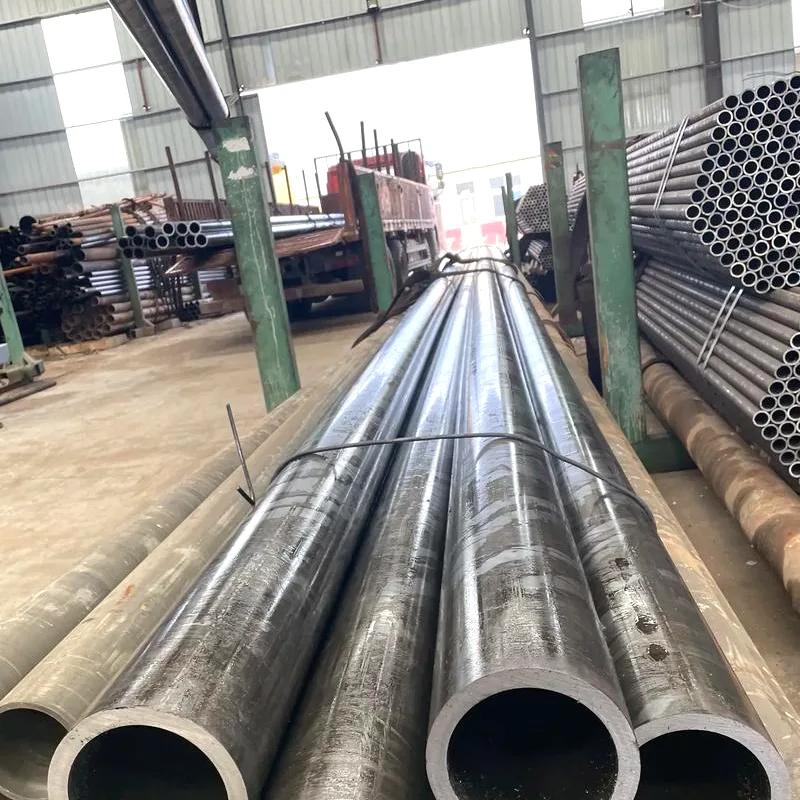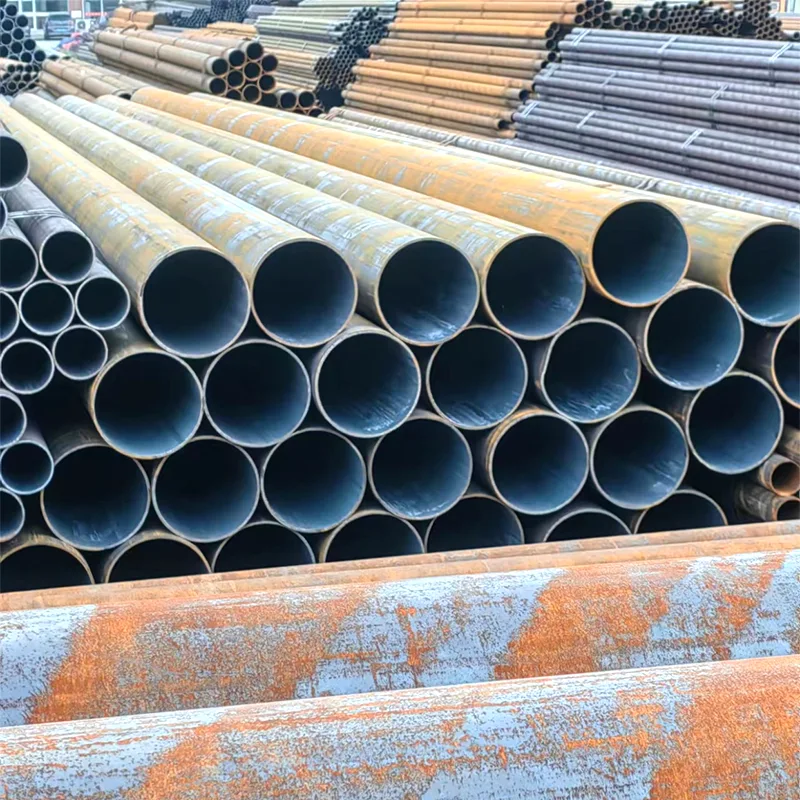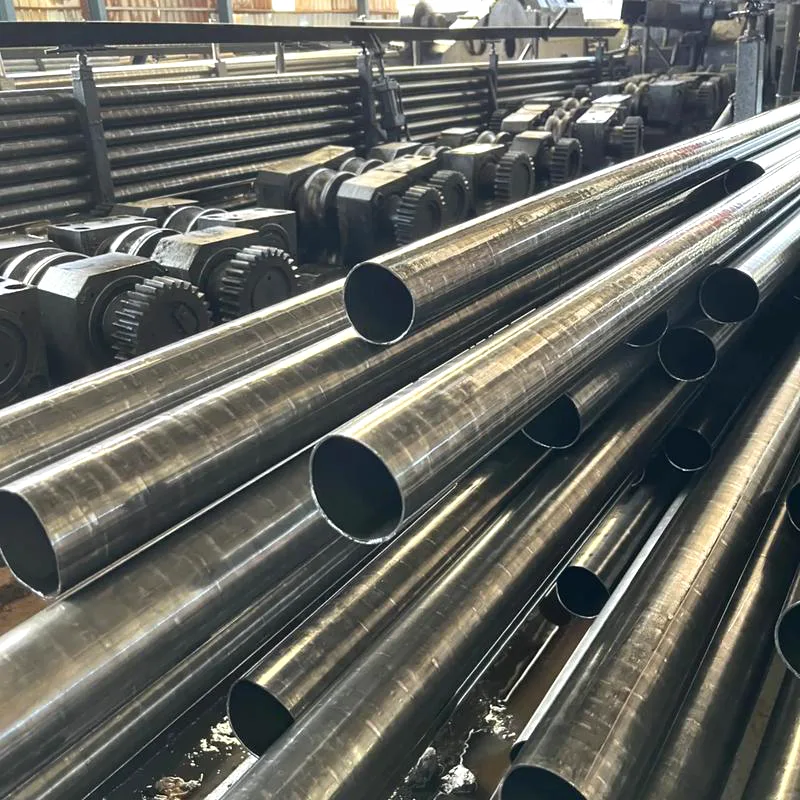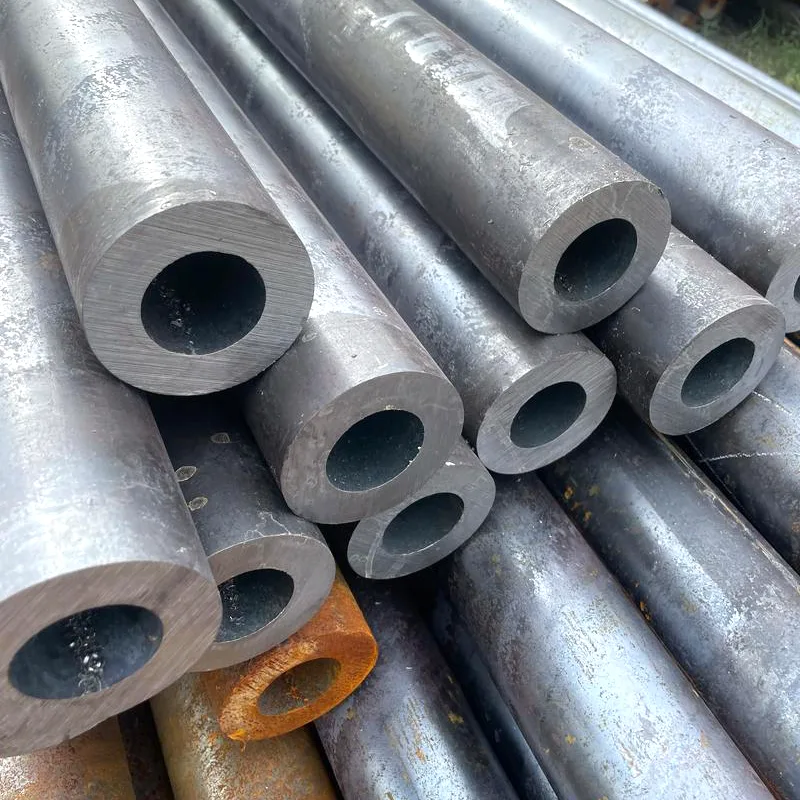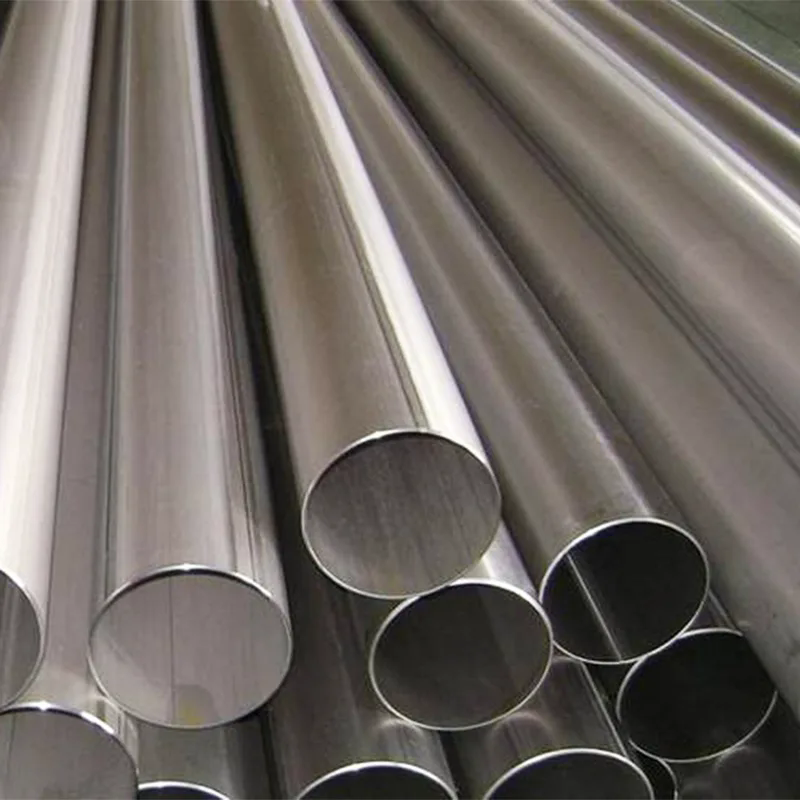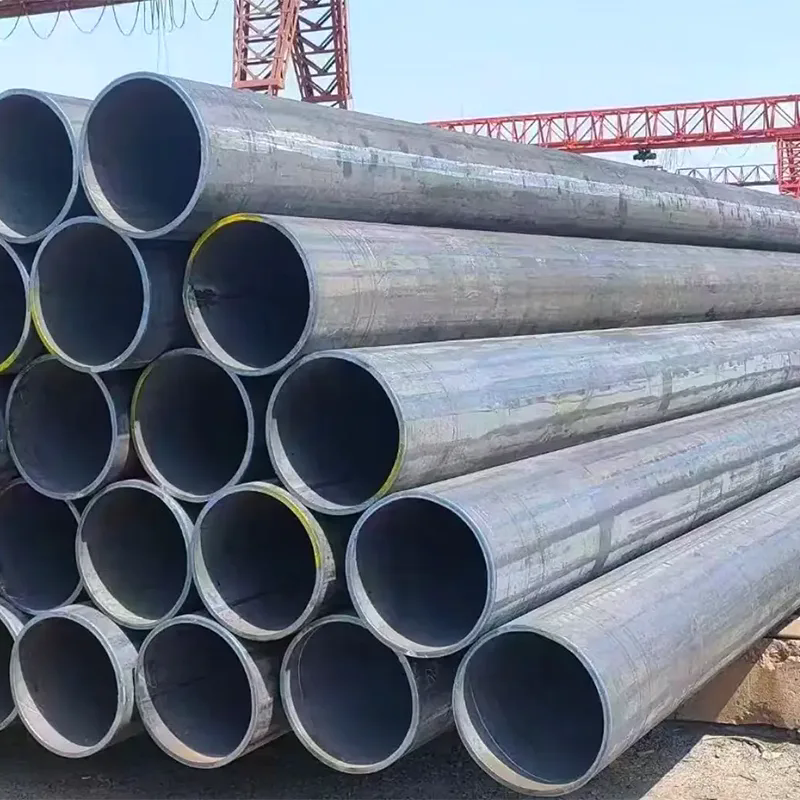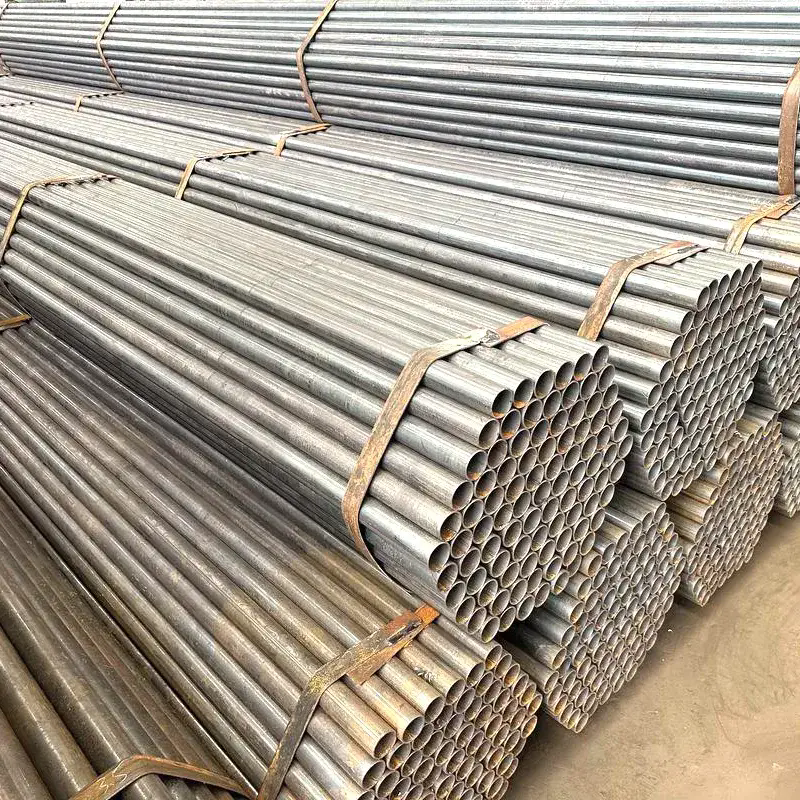
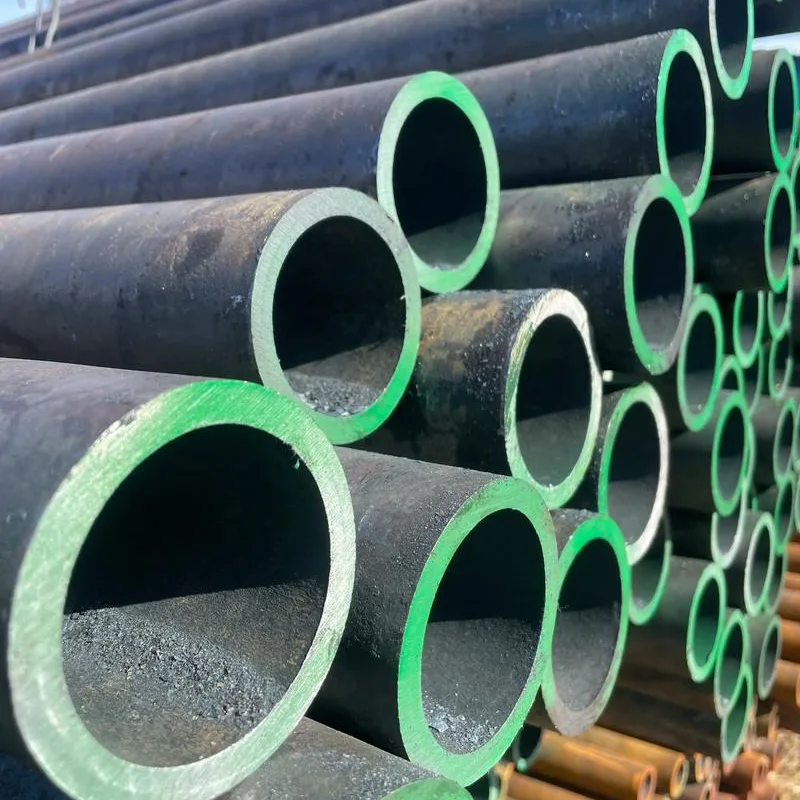
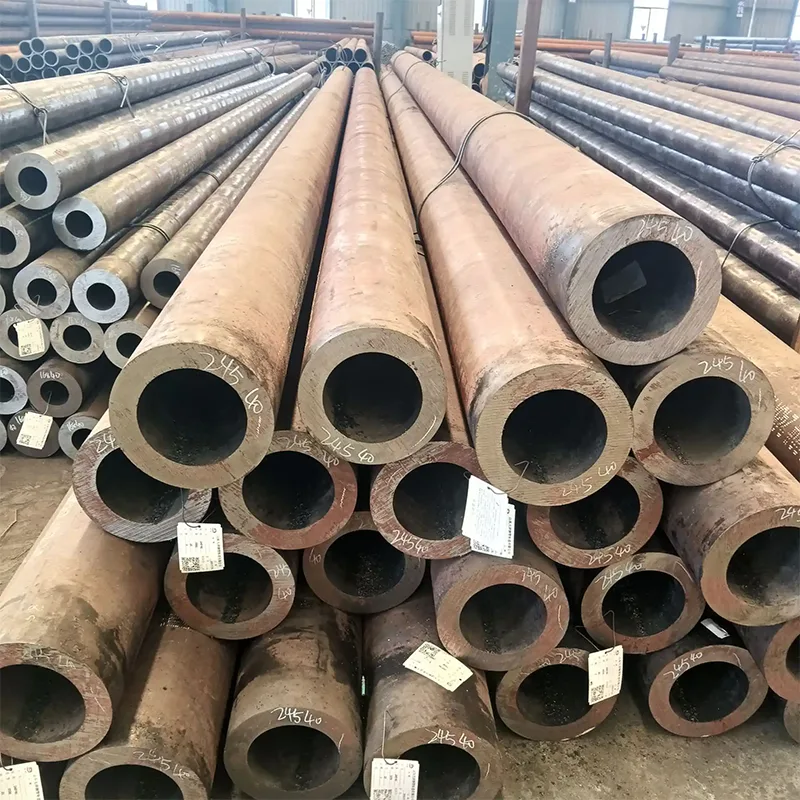
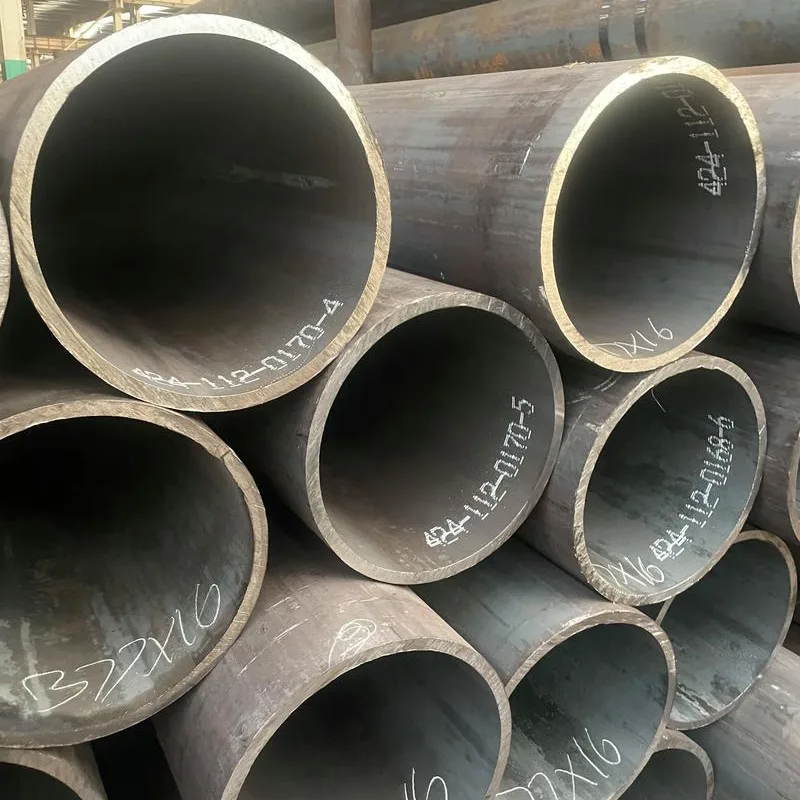
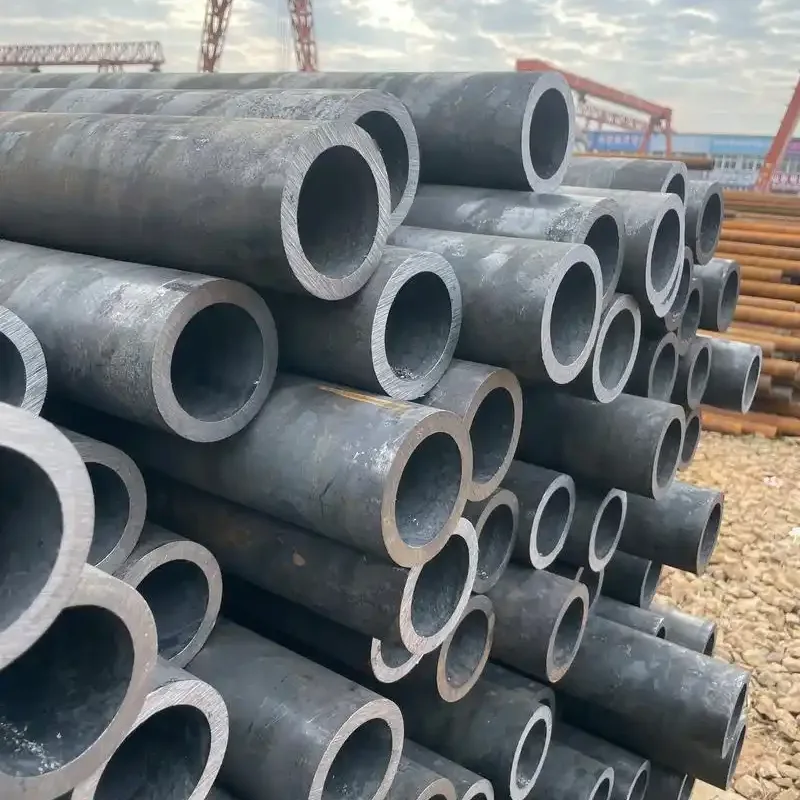
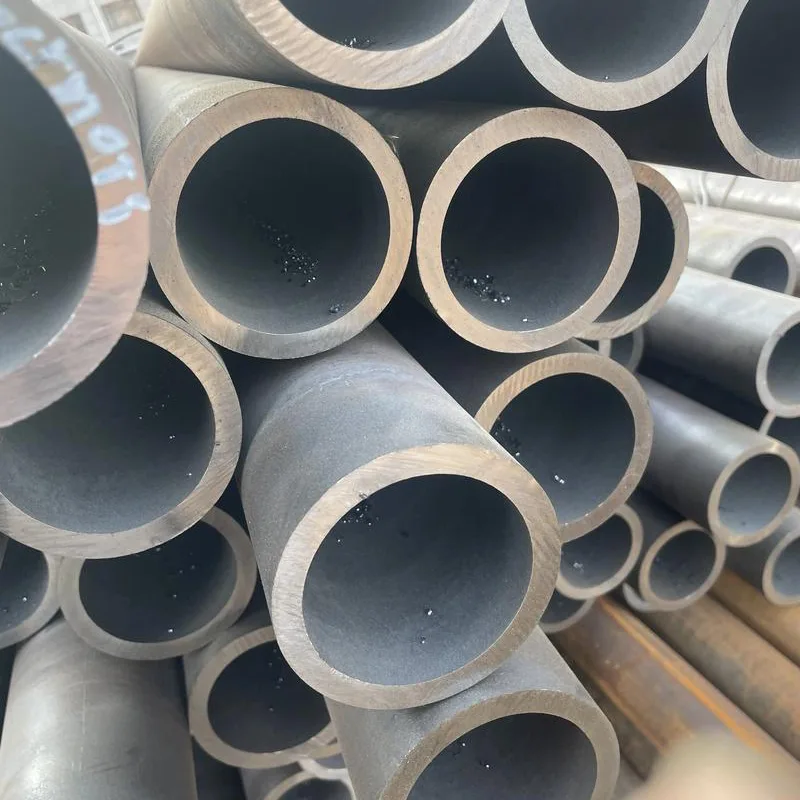
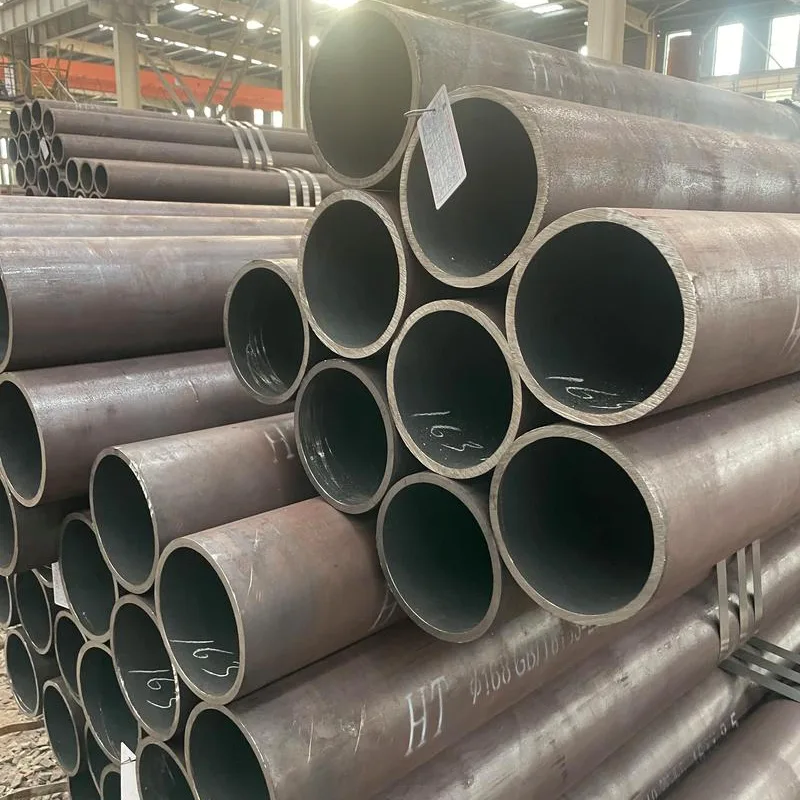
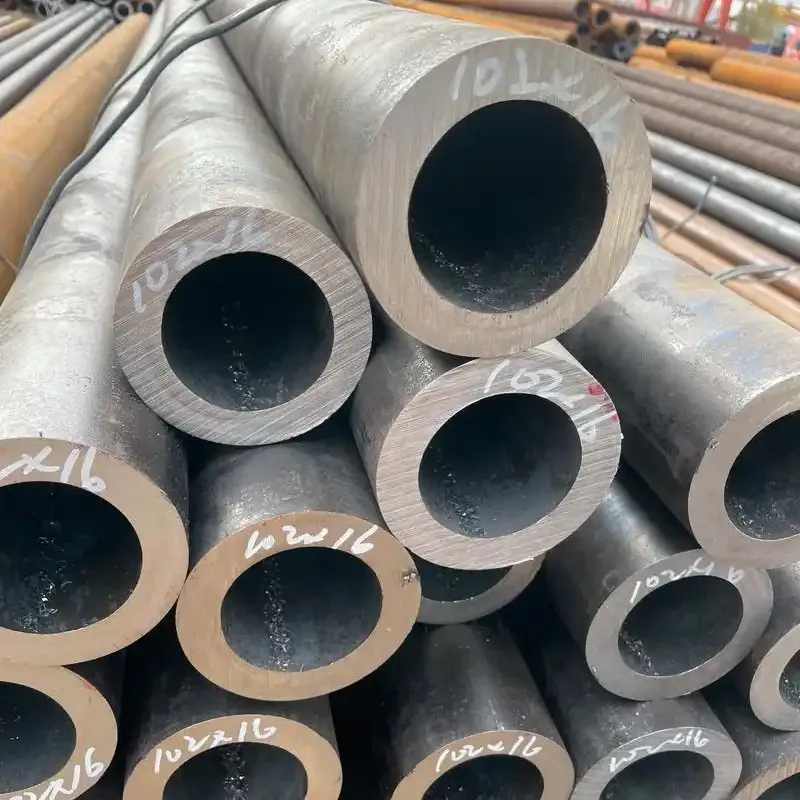
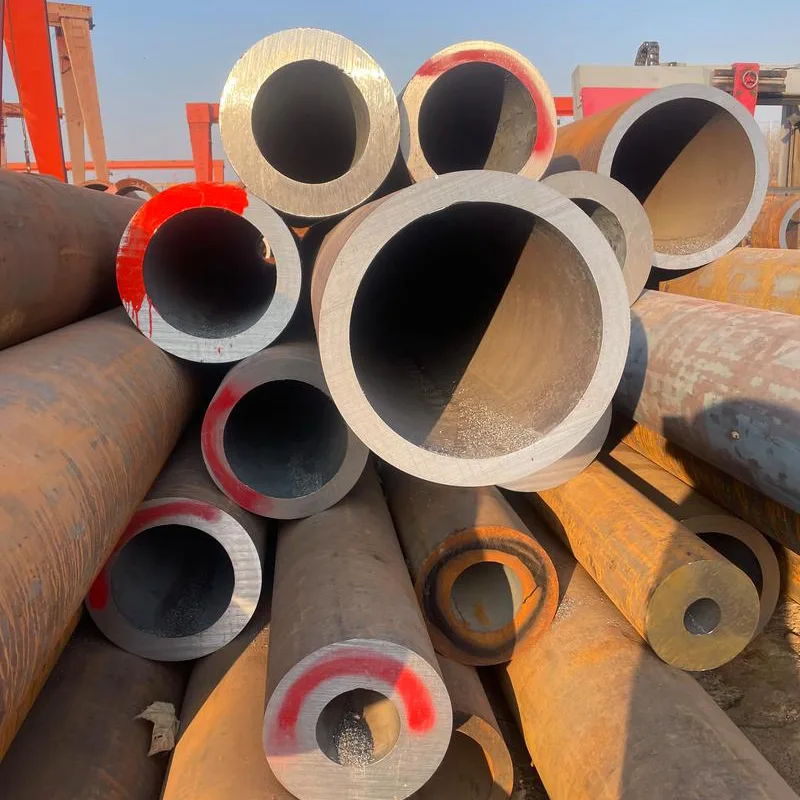
Alloy Seamless Steel Pipes
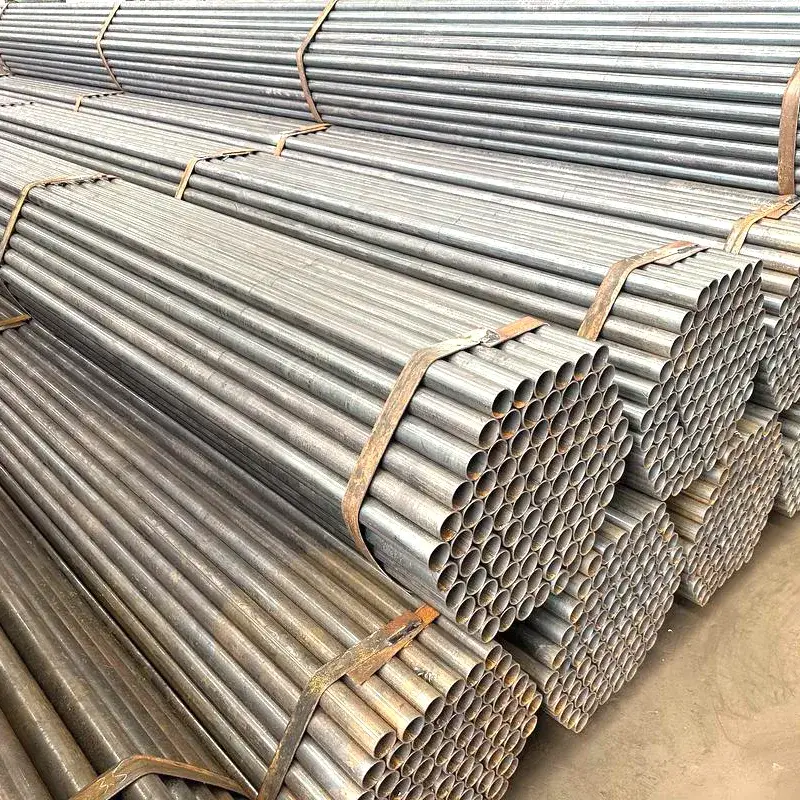
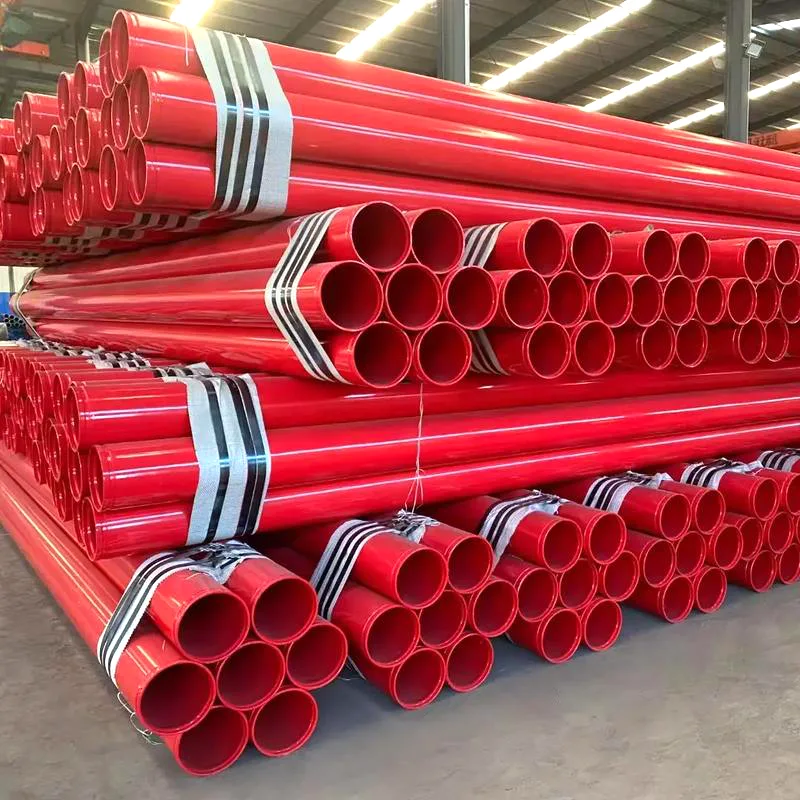
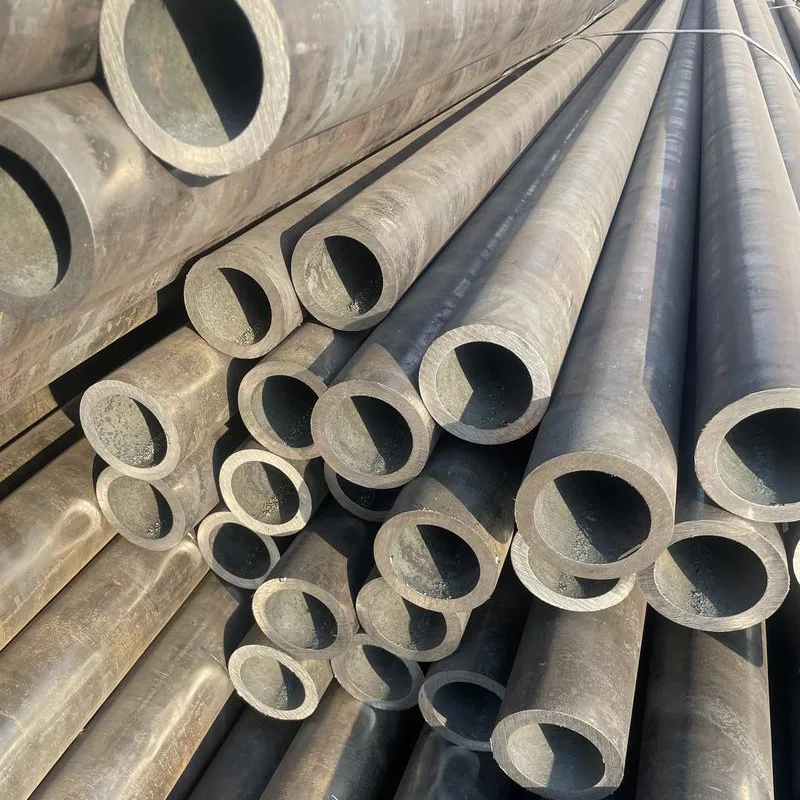
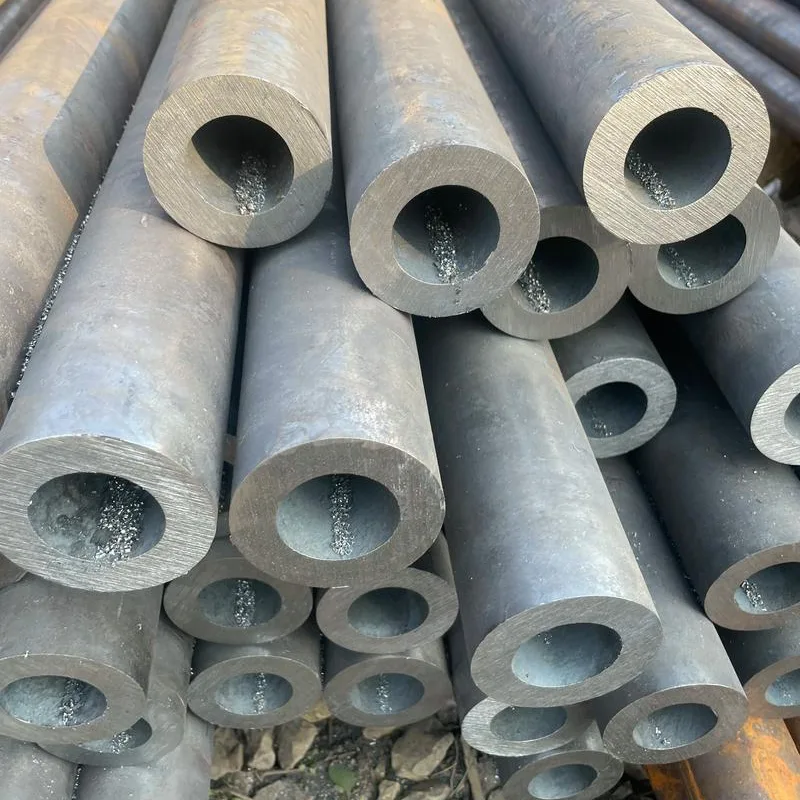
Our alloy seamless steel pipe manufacturer offers a full range of standard stock, covering outer diameters from φ20 to φ426mm and wall thicknesses from 3 to 50mm. We encompass all categories, including low-alloy structural steel, chromium-molybdenum tempered steel, boiler heat-resistant steel, and low-temperature steel. As a leading Chinese manufacturer, we support custom rolling and rolling of small-diameter precision pipes and large-diameter ultra-thick-walled pipes, and can process to order to meet various engineering and mechanical requirements.
Alloy seamless steel pipes are seamless pipes made by adding alloying elements such as chromium, molybdenum, manganese, vanadium, and nickel to carbon steel to specifically improve its strength, heat resistance, low-temperature toughness, and wear resistance. The following are the mainstream materials and core advantages in the market, excluding stainless steel high-alloy pipes:
I. Low-alloy high-strength structural steel (general engineering type, largest market usage)
Q355B/C/D/E (formerly 16Mn)
This is the most common basic low-alloy seamless pipe on the market, with manganese as the core alloying element. Its core advantages are: tensile strength more than 30% higher than 20# carbon steel, outstanding impact and fatigue resistance, excellent weldability, and high cost-effectiveness; the grade suffix corresponds to different low-temperature impact ratings (Grade B: room temperature, Grade C: 0℃, Grade D: -20℃, Grade E: -40℃), adaptable to different low-temperature environments, and widely used in engineering pipelines, heavy-duty steel structures, pressure vessels, and pile foundation casings.
II. High-Quality Alloy Structural Steel (Mainstay for Machining and Heavy-Duty Structures)
1. 20Cr (Carburizing Low-Carbon Alloy): A low-carbon matrix combined with chromium, after carburizing heat treatment, it achieves "high surface hardness and wear resistance, high core toughness and impact resistance." It has good cold forming and welding properties, making it suitable for precision transmission mechanical parts such as gears, pins, and transmission bolts.
2. 20CrMnTi: Based on 20Cr, the addition of manganese and titanium significantly improves hardenability and fatigue strength. The carburized layer has uniform hardness and good toughness, making it the main material for precision gears in automobiles and construction machinery.
40Cr (Quenched and Tempered General-Purpose Alloy): The most commonly used alloy structural steel in the machining field. After quenching and tempering, its strength, toughness, and plasticity are well-balanced, and its comprehensive mechanical properties far exceed those of 45# carbon steel. It has excellent machinability and is suitable for drive shafts, machine tool spindles, gear bodies, and high-strength hydraulic fasteners.
3.35CrMo (Chromium-Molybdenum Quenched and Tempered Steel): Adding molybdenum optimizes performance, resulting in outstanding high-temperature strength and creep resistance. It exhibits no significant temper brittleness and has better hardenability than 40Cr, making it suitable for heavy-duty hydraulic cylinders, high-pressure fasteners, and medium-temperature pressure vessel pipelines.
4.42CrMo: An upgraded version of 35CrMo, with higher carbon and chromium content, resulting in improved strength, hardness, and hardenability. After quenching and tempering, it boasts stronger load-bearing capacity and impact resistance, as well as fatigue resistance and impact resistance. It is widely used in heavy machinery shafts, large-tonnage hydraulic cylinders, high-strength bolts, and core structural components for wind power.
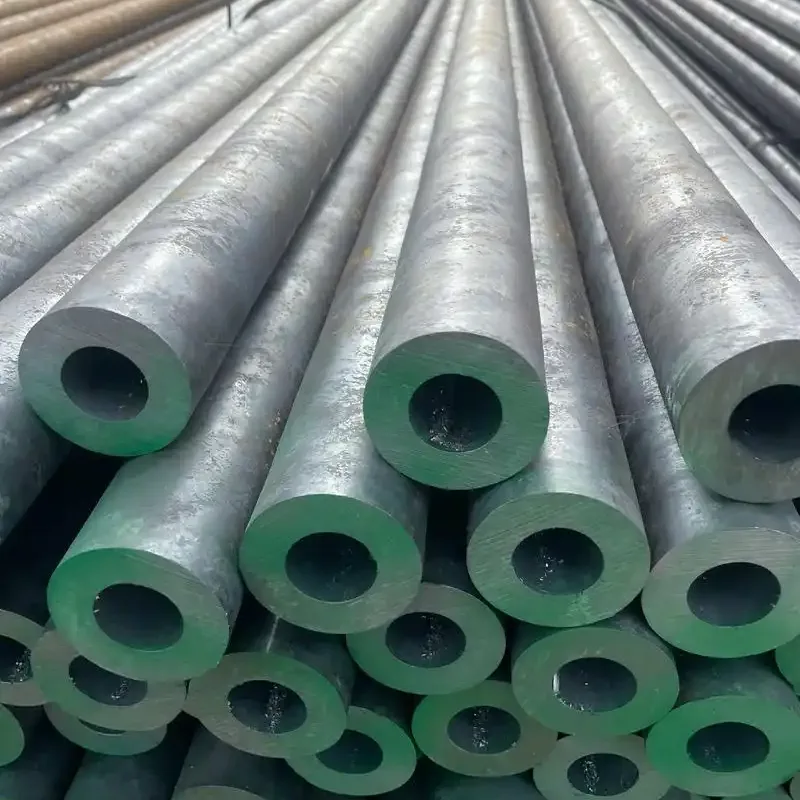
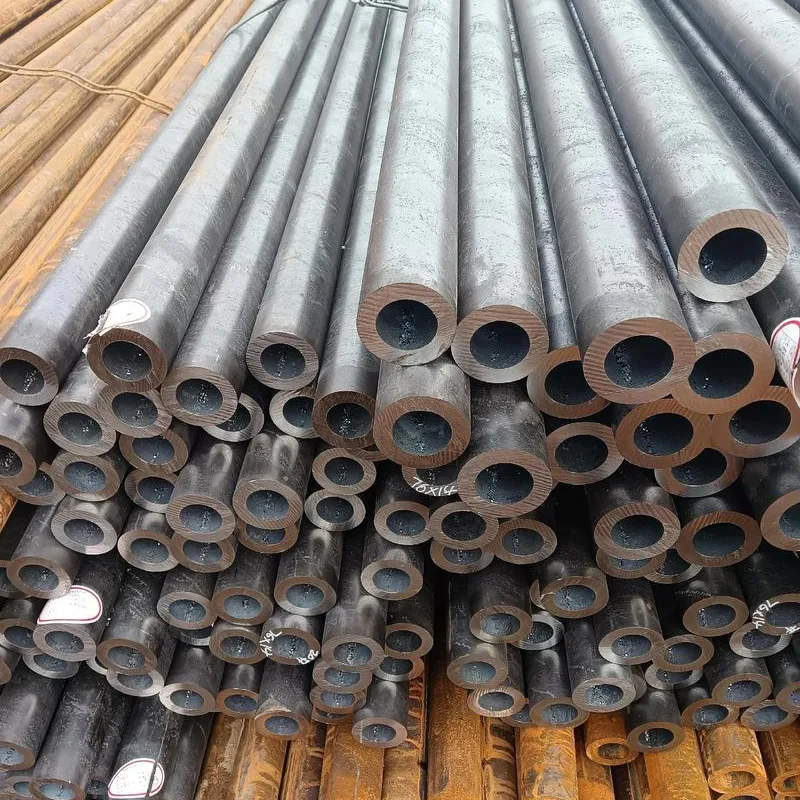
III. Heat-Resistant Alloy Seamless Steel Pipes (Dedicated for High-Temperature Thermal Conditions in Power Plants)
1.15CrMoG (Boiler-Specific Steel): A low-alloy chromium-molybdenum heat-resistant steel. The suffix "G" indicates a boiler-specific grade. Its core advantages include stable strength at temperatures below 550℃, excellent oxidation and creep resistance, and mature welding technology. It is the standard material for superheaters and steam pipelines in low- and medium-pressure boilers.
2.12Cr1MoVG: Based on chromium-molybdenum steel with added vanadium, it exhibits superior high-temperature creep strength and resistance compared to 15CrMoG. It maintains stable mechanical properties even at 580℃. Vanadium refines grain size and extends pipe life, making it the mainstream choice for main steam pipes and superheaters in high-pressure power plant boilers.
3. P91 (10Cr9Mo1VNb): A high-chromium-molybdenum heat-resistant steel. Its core advantages are extremely high creep strength and oxidation resistance at 620℃. It offers thinner walls and lighter weight for the same pressure resistance, making it a core high-end material for supercritical and ultra-supercritical power plant boilers and high-temperature, high-pressure thermal pipelines.
IV. Low-Temperature Alloy Seamless Steel Pipes (Dedicated for Low-Temperature Environments)
1.16MnDG (Steel for Low-Temperature Pipelines): Specifically developed for low-temperature fluid pipelines, it boasts excellent impact toughness at -45℃, good plasticity and weldability, and outstanding cost-effectiveness. It is suitable for low-temperature oil transportation, chilled water pipelines, and low-temperature pressure vessels up to -40℃.
2.09MnNiD: A cryogenic steel with added nickel, maintaining excellent toughness even at -70℃, with extremely low risk of low-temperature brittle fracture. It is widely used in cryogenic pipelines for liquefied petroleum gas, cryogenic equipment, and polar engineering.
V. Wear-Resistant Special Alloy Seamless Steel Pipes
1. GCr15 (High Carbon Chromium Bearing Steel): Requires extremely high material purity and dimensional accuracy. After quenching, it has high hardness, extremely strong wear resistance, and good dimensional stability. Suitable for bearing rings, precision wear-resistant bushings, high-precision measuring tools, and high-load wear-resistant parts.
2. 40CrMnMo: A high wear-resistant alloy structural steel. After tempering, it has a high degree of matching between hardness and toughness, excellent resistance to impact and wear, and is suitable for wear-resistant pipelines and structural bushings in mining machinery and engineering machinery.
Hot Tags: Alloy Seamless Steel Pipes, China, Manufacturer, Supplier, Factory
Related Category
Send Inquiry
Contact Info
-
Address
Hanyu Jingu, High-tech Zone, Jinan City, Shandong Province, China
-
Tel
-
E-mail
For inquiries about Carbon Steel, Stainless Steel, Galvanized Steel or price list, please leave your email to us and we will be in touch within 24 hours.