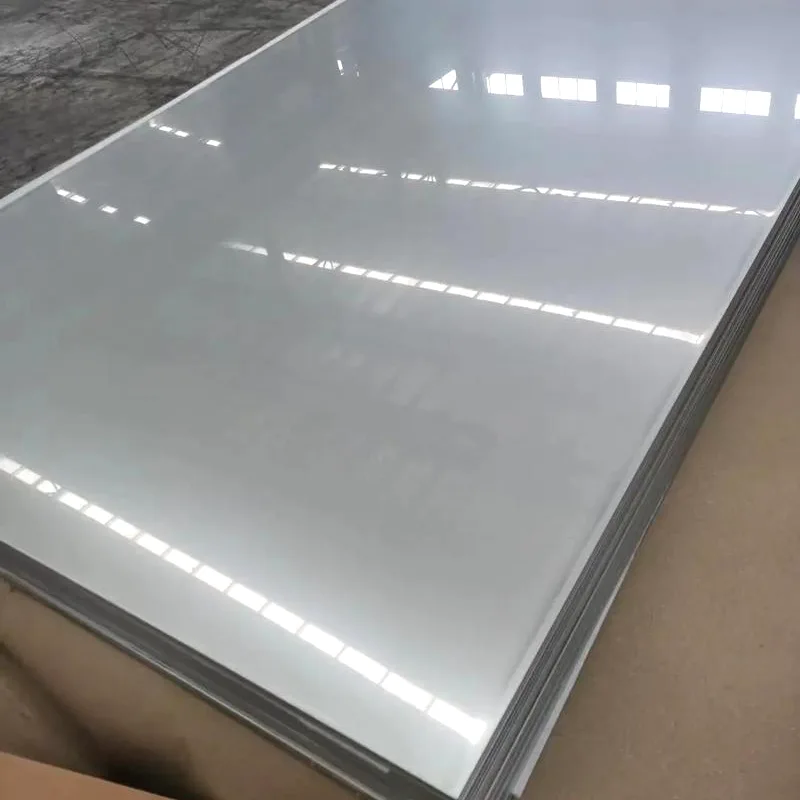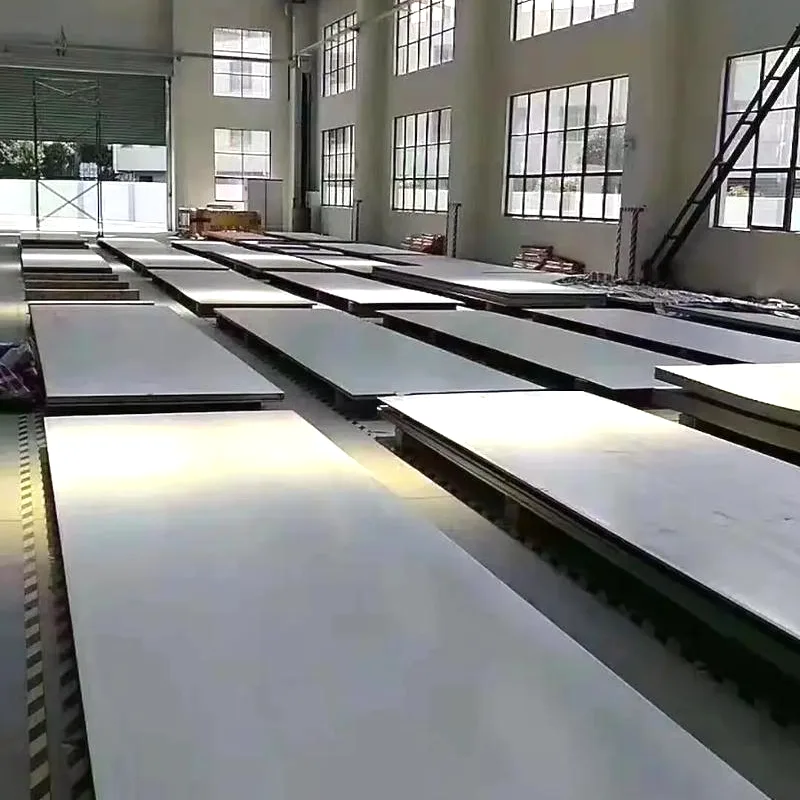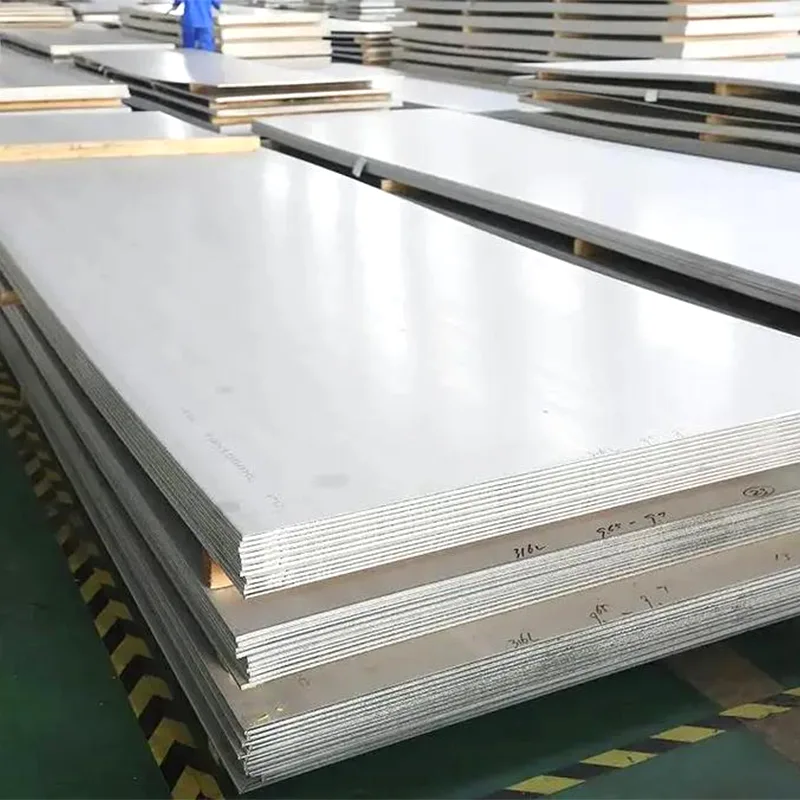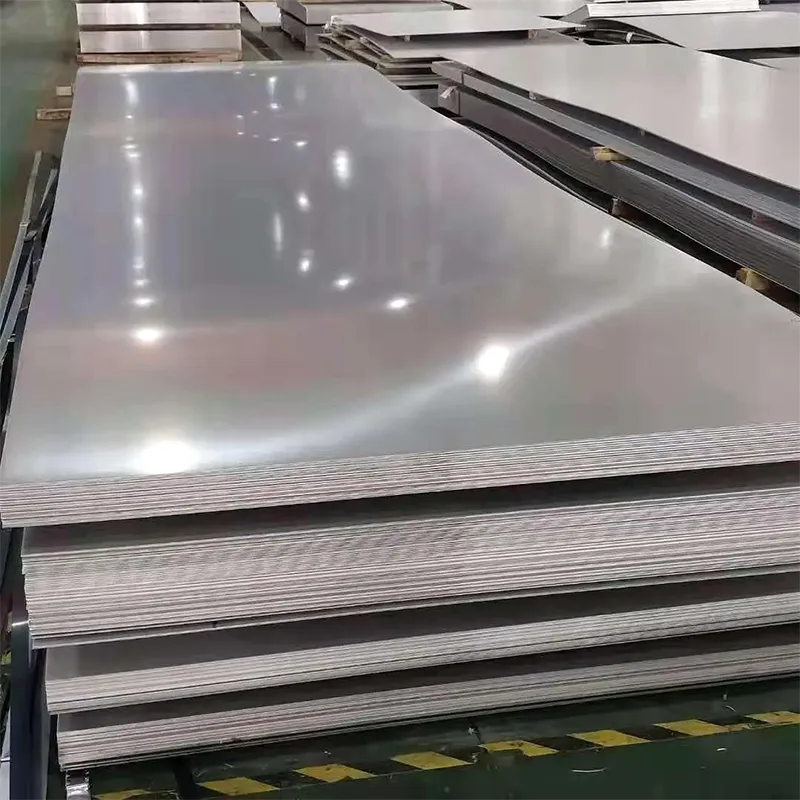
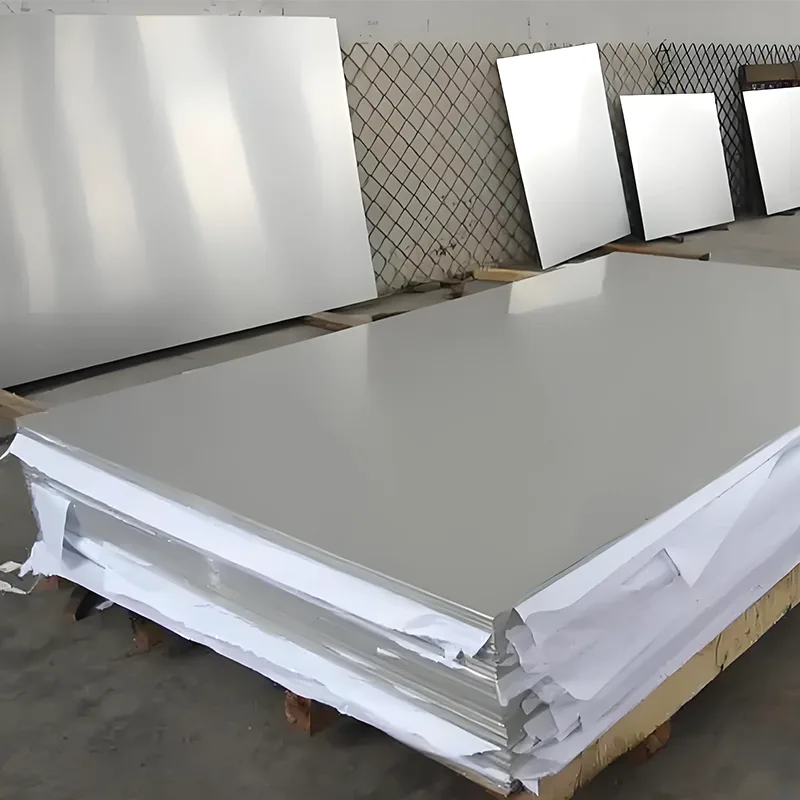
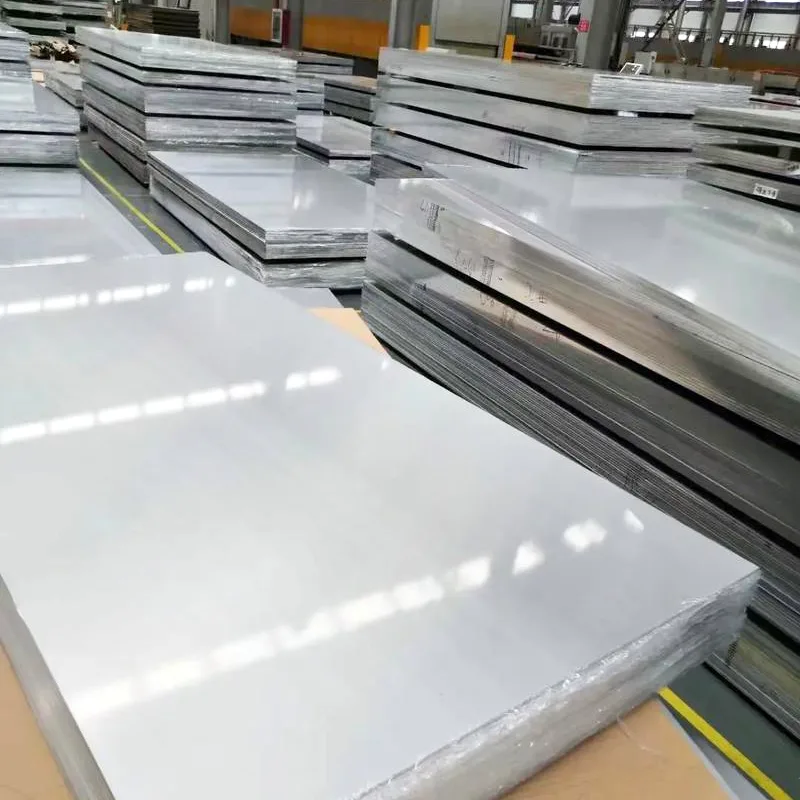
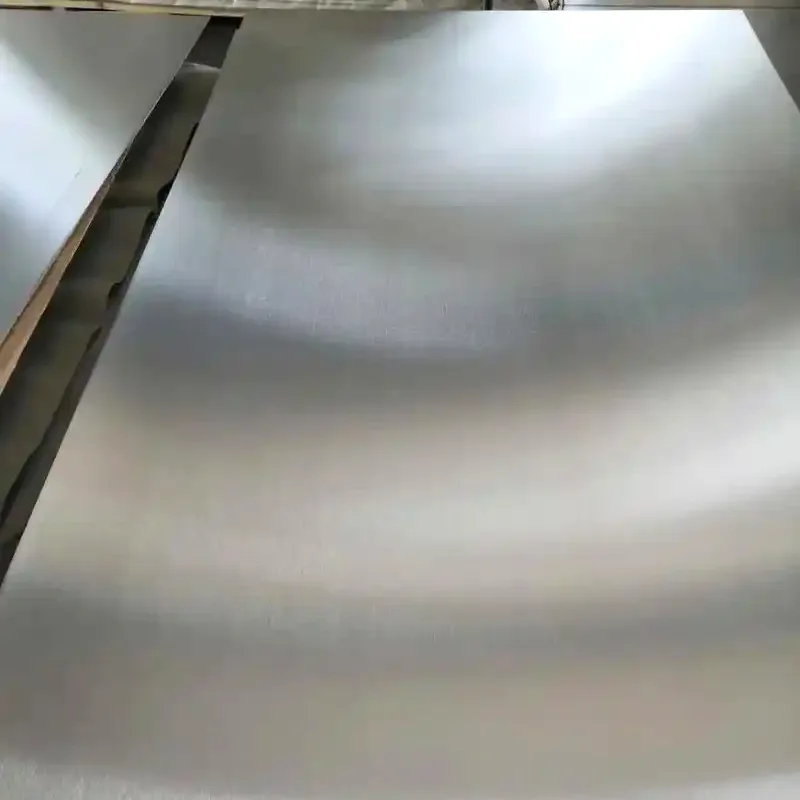
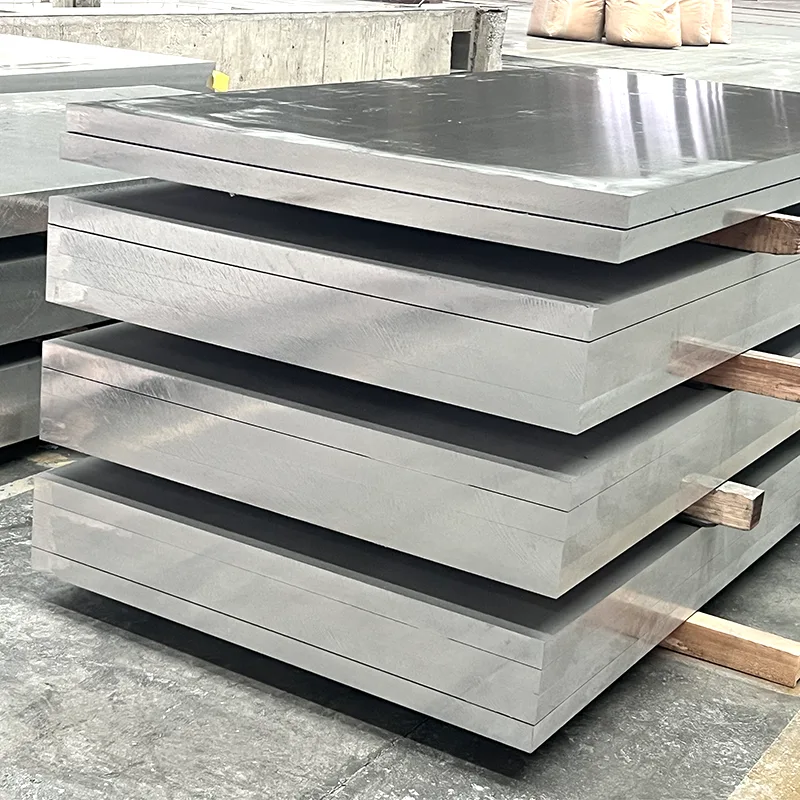
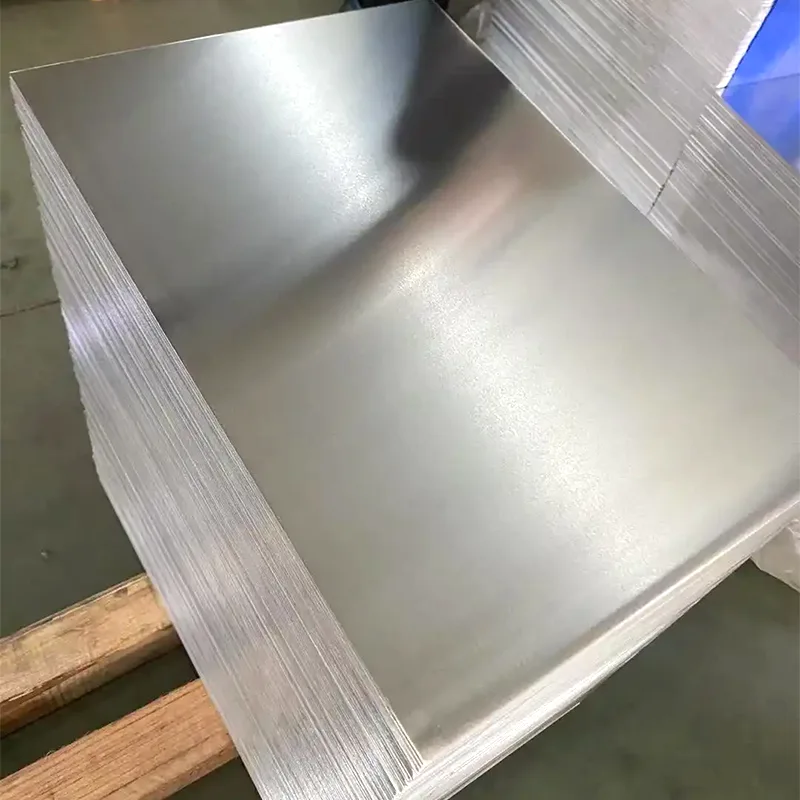
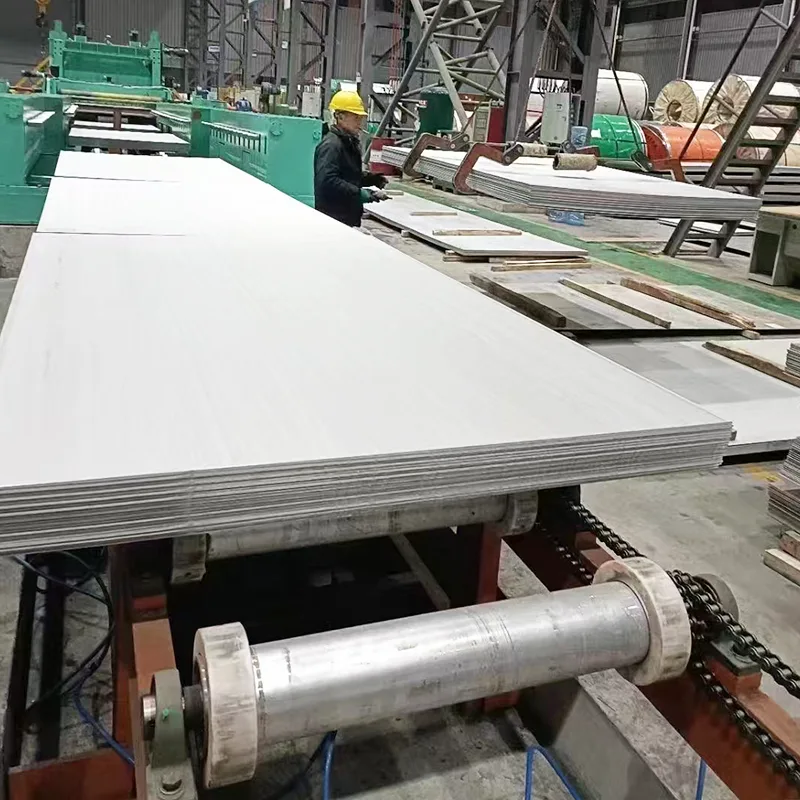
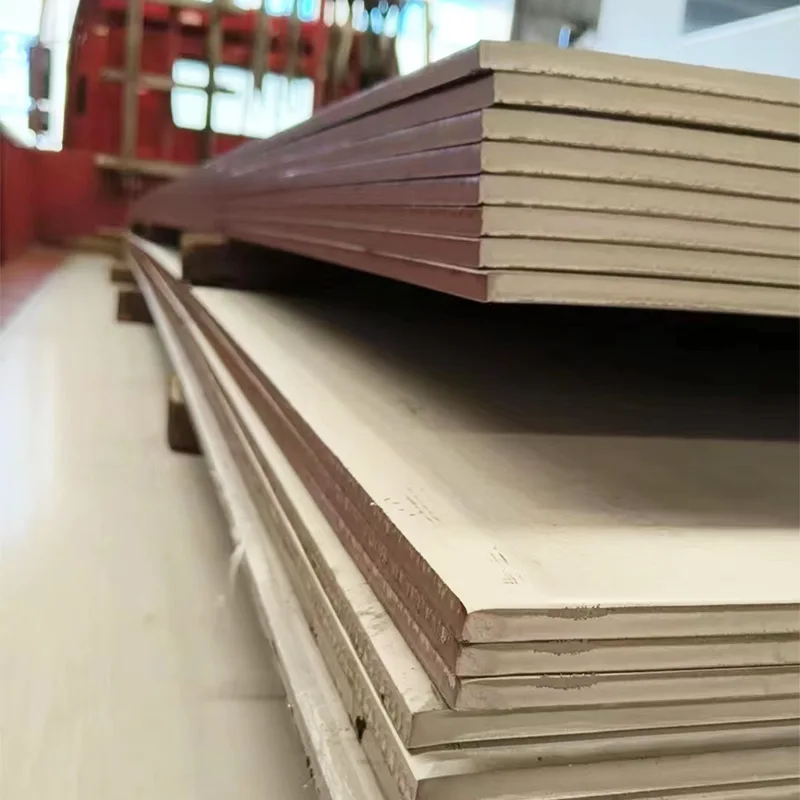
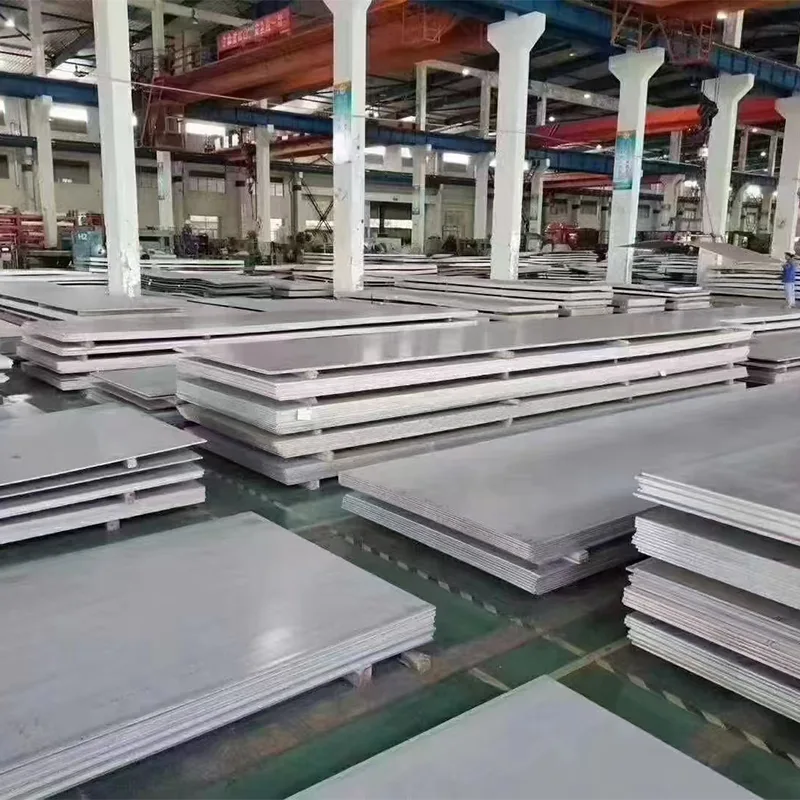
316L Cold-Rolled Stainless Steel Sheet
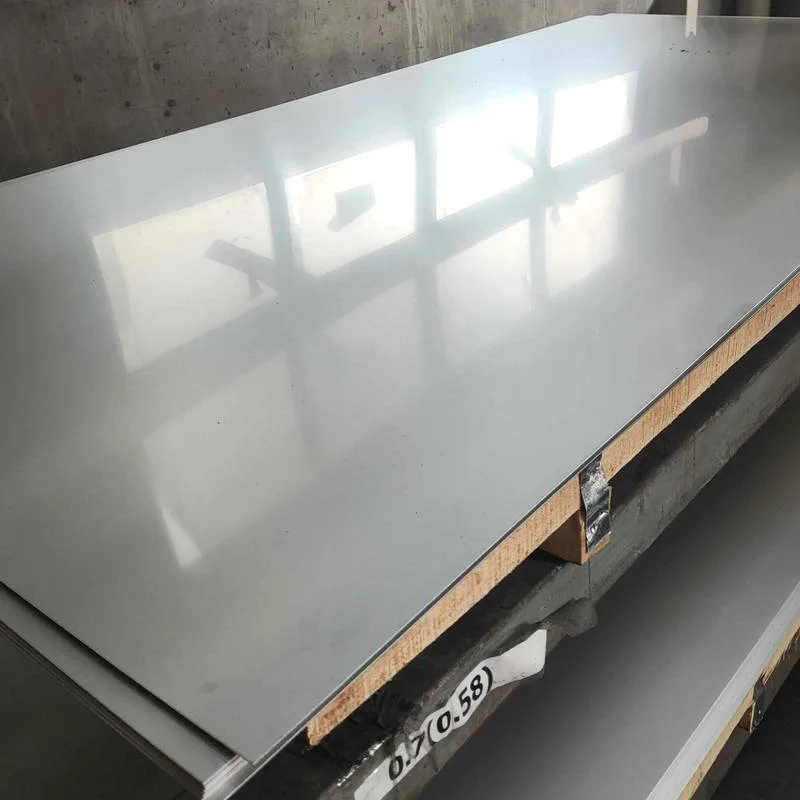
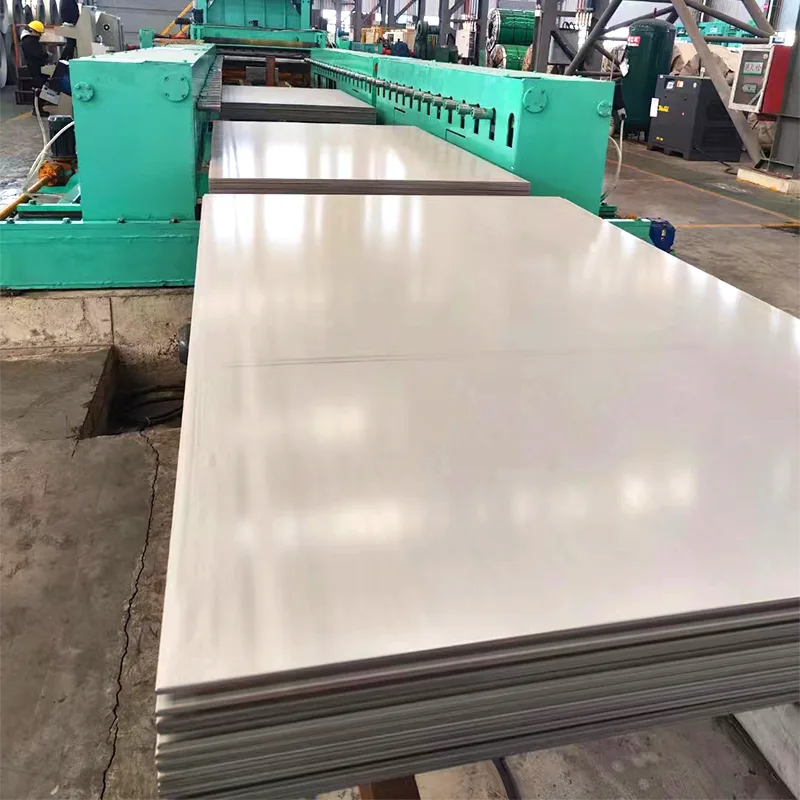
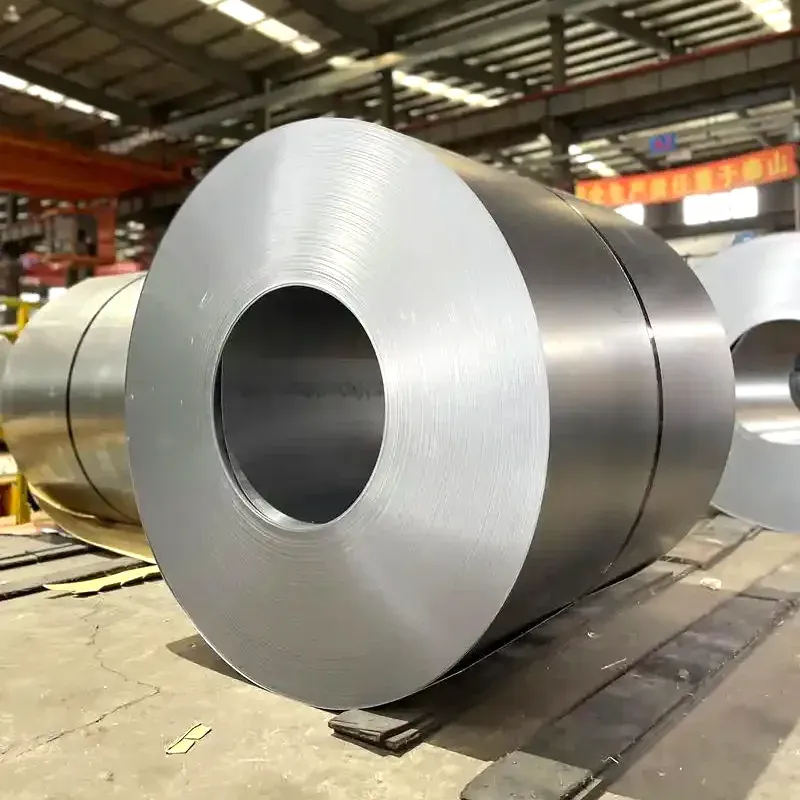
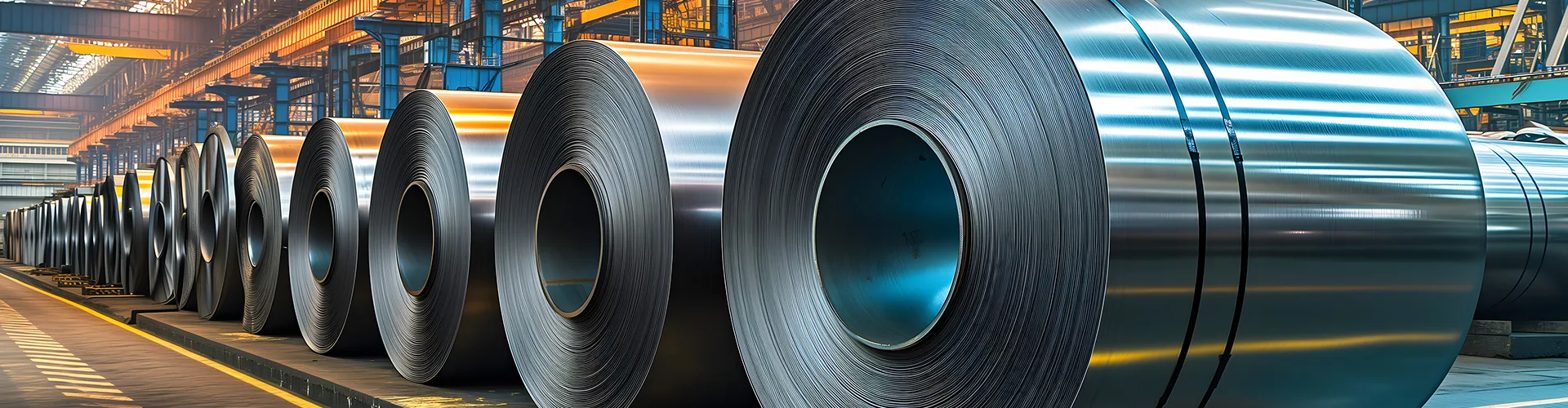
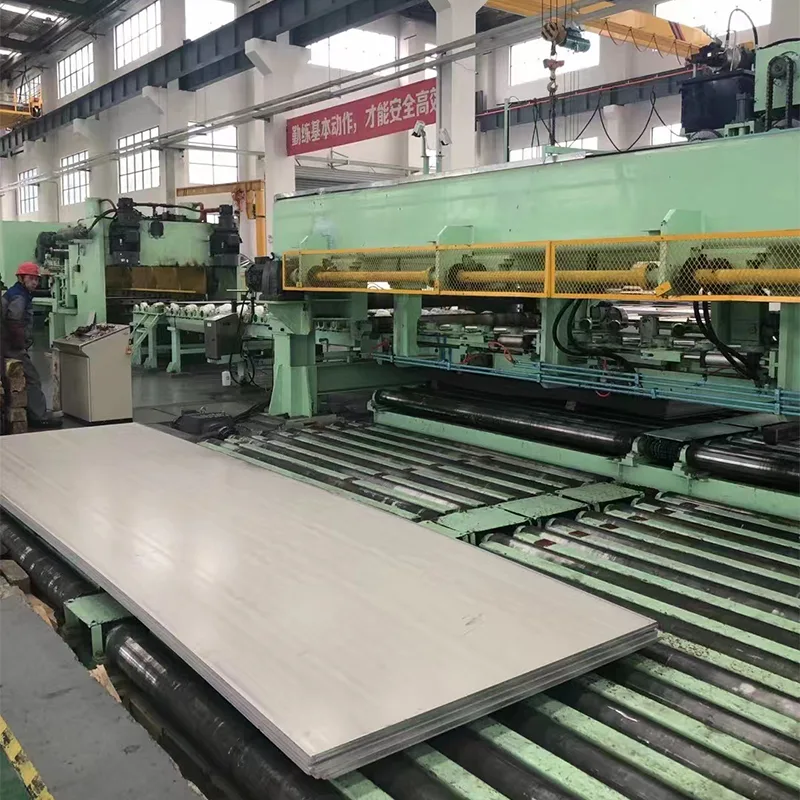
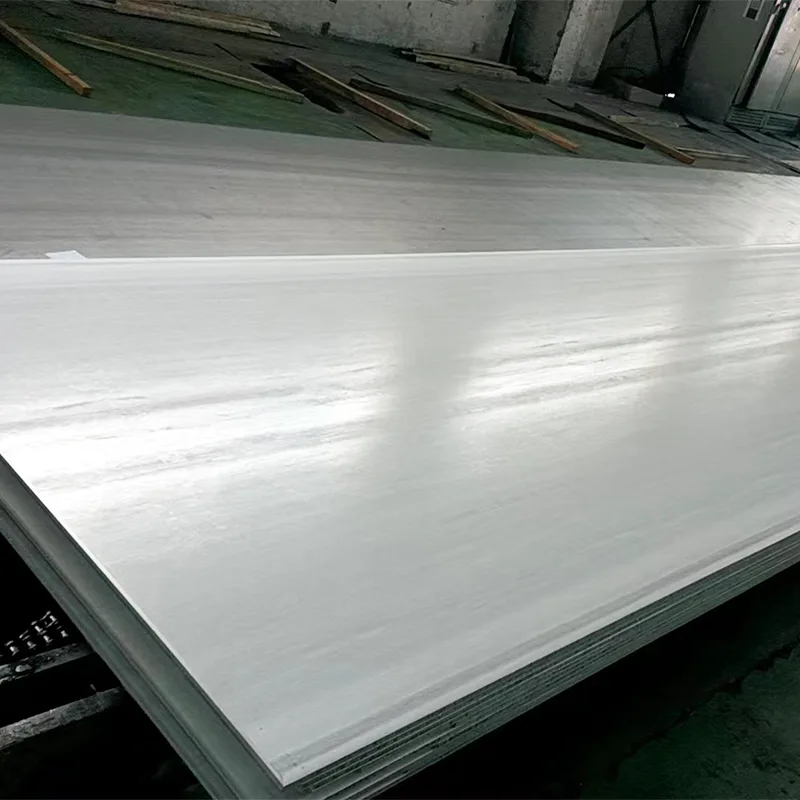
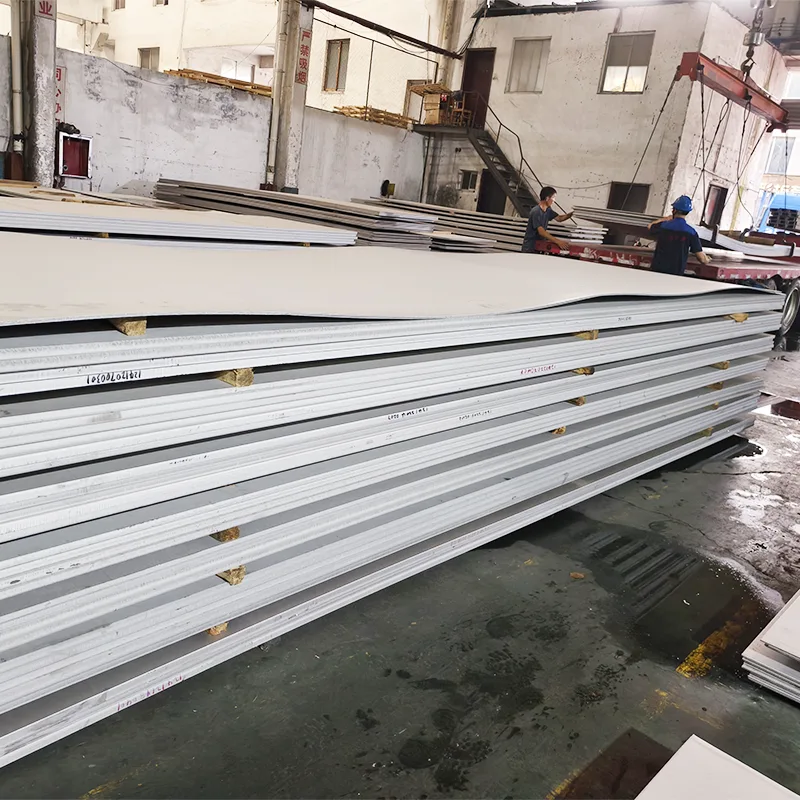
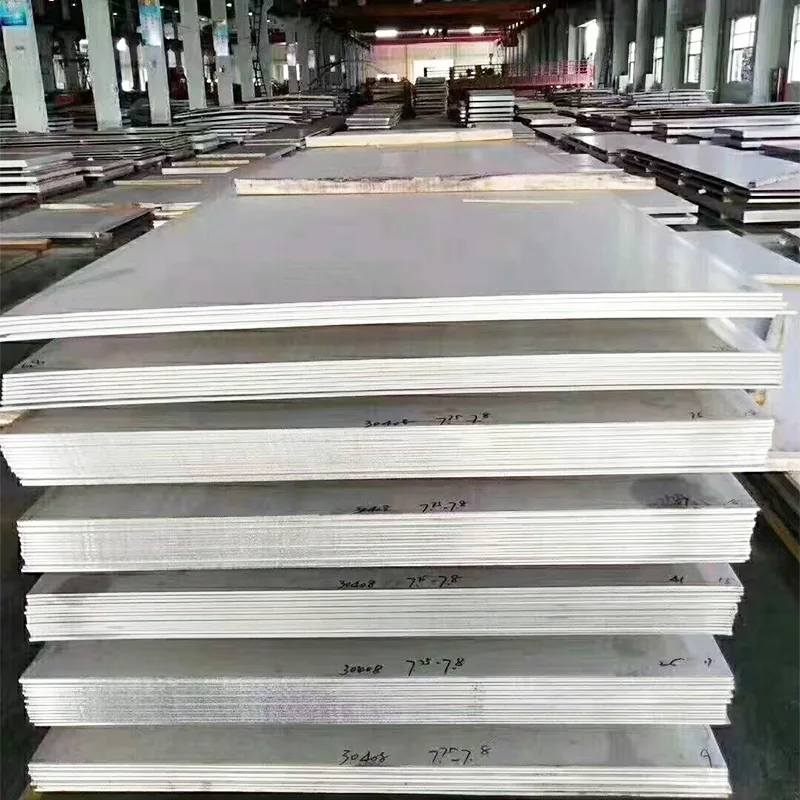
316L Cold-Rolled Stainless Steel Sheet is a low-carbon, molybdenum-containing austenitic stainless steel. Its resistance to acids, alkalis, and chloride ion corrosion is far superior to 304, making it a commonly used plate in highly corrosive environments. It is divided into two main categories based on rolling process: cold-rolled and hot-rolled plates.
China's Leading Stainless Steel Plate Manufacturer's Selection Guide:
Requirements: High surface hardness, small-scale precision forming, and appearance components: Choose cold-rolled plates.
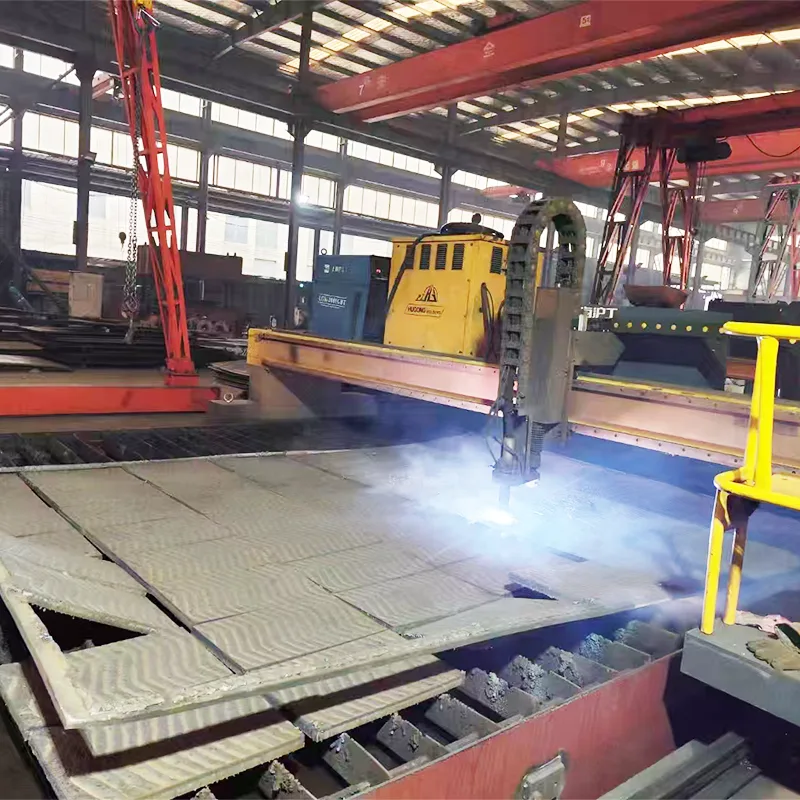
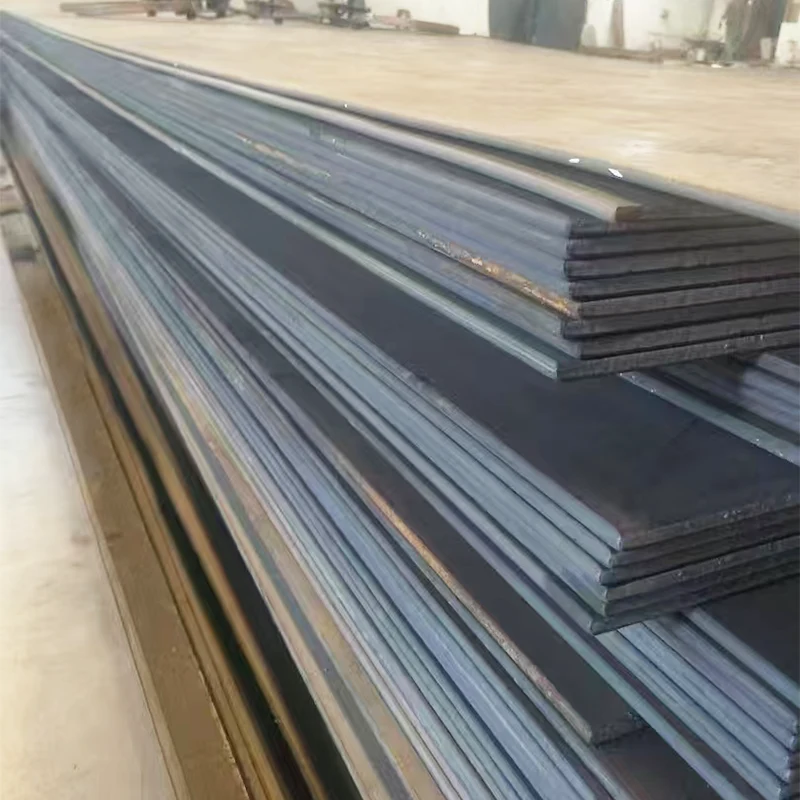
Thick plates for load-bearing, large deformation bending, impact/vibration resistance, and welded structural components: Choose hot-rolled plates.
If cold-rolled plates undergo annealing, work hardening will be eliminated, and their mechanical properties will approach those of hot-rolled plates.
316L is a low-carbon, molybdenum-containing austenitic stainless steel. Its resistance to acids, alkalis, and chloride ion corrosion is far superior to 304, making it a commonly used plate in highly corrosive environments. It is divided into two main categories based on rolling process: cold-rolled and hot-rolled plates.
Comparison Table of Mechanical Properties of 316L Cold-Rolled/Hot-Rolled Stainless Steel Plates
|
Comparison Items: |
316L Cold-Rolled Sheet |
316L Hot Rolled Steel Sheet |
|
Rolling Condition |
Rolled at room temperature, resulting in work hardening |
High-temperature rolling, resulting in full recrystallization of grains |
|
Tensile / Yield Strength |
Higher strength due to cold working |
Slightly lower strength, closer to the material standard value |
|
Surface Hardness |
Higher hardness, resulting in a harder sheet surface |
Lower hardness, softer texture |
|
Plasticity (Elongation) |
Relatively weak, with average ductility |
Excellent tensile and deformation capacity |
|
Impact Toughness |
Slightly poor, with average impact and vibration resistance |
Better performance, more stable under impact and alternating loads |
|
Grain Structure |
Elongated and oriented grains |
Round and uniform grains, stable microstructure |
|
Residual Stress |
Existing residual stress from cold working |
Sufficient stress release, minimal residual stress |
|
High-Angle Bending |
Prone to cracking, unsuitable for severe deformation |
Not prone to cracking, suitable for heavy bending and forming |
Comparison Table of Corrosion Resistance Differences between 316L Cold-Rolled and Hot-Rolled Stainless Steel Plates
|
Comparison Items |
316L Cold-Rolled Stainless Steel Sheet |
316L Hot-Rolled Stainless Steel Sheet |
|
Core Material and Basic Corrosion Resistance |
The chemical composition fully complies with the 316L grade standard. There is no fundamental difference in basic corrosion resistance properties such as acid and alkali resistance, chloride ion resistance, and intergranular corrosion resistance. |
Same as above, chemical composition and grade standard are completely matched, and the corrosion resistance of the base material is no different from that of cold-rolled sheet. |
|
Surface Condition and Localized Corrosion Resistance |
Mostly 2B/BA/brushed finishes, with a smooth, dense, and highly polished surface, making it less prone to accumulating corrosive media and exhibiting superior resistance to pitting and crevice corrosion. |
Mostly No.1 pickled/sandblasted surface, rough surface with fine texture, easy to adhere to impurities and chloride ions, more prone to local rust spots, and weaker resistance to localized corrosion. |
|
Surface Quality and Oxide Layer Influence |
Room-temperature rolling eliminates high-temperature oxide scale, resulting in a clean finished surface free of surface inclusions and oxide layer residue, ensuring stable corrosion resistance. |
Although pickled after high-temperature rolling, trace amounts of oxide layer and surface inclusions may still remain. These weak points will slightly reduce local corrosion resistance. |
|
Processing Residual Stress and Corrosion Resistance Stability |
Slight residual cold working stress exists, but its impact on corrosion resistance is minimal under normal operating conditions, only having a slight effect under extreme stress corrosion environments. |
High-temperature rolling fully releases stress, with minimal residual stress, lower risk of stress corrosion, and better corrosion stability. |
|
Corrosion Resistance in Welded Heat-Affected Zone |
The weld heat-affected zone is small, and cold working stress is released during welding, resulting in a small decrease in corrosion resistance after welding. |
The weld heat-affected zone is larger, and high temperature will temporarily change the local metallographic structure. If no post-weld treatment is performed, the corrosion resistance of the heat-affected zone will slightly decrease. |
|
Corrosion Resistance Adaptability under Typical Working Conditions |
More suitable for outdoor coastal humid environments, exterior parts, thin plates, and mildly corrosive conditions, maximizing surface advantages. |
More suitable for chemical storage tanks, pressure vessels, thick plate structures, and overall immersion corrosion conditions, the corrosion resistance of the base material can be fully utilized, and the cost is more favorable. |
|
Long-Term Performance under the Same Environment |
In humid, high-salt-spray environments, the probability of rust spots is lower with long-term use, and appearance retention is better. |
In dry environments without strong corrosive media, long-term corrosion resistance is basically the same as that of cold-rolled sheet, only the appearance smoothness deteriorates faster. |
Hot Tags: 316L Cold-Rolled Stainless Steel Sheet, China, Manufacturer, Supplier, Factory
Related Category
Send Inquiry
Contact Info
-
Address
Hanyu Jingu, High-tech Zone, Jinan City, Shandong Province, China
-
Tel
-
E-mail
For inquiries about Carbon Steel, Stainless Steel, Galvanized Steel or price list, please leave your email to us and we will be in touch within 24 hours.