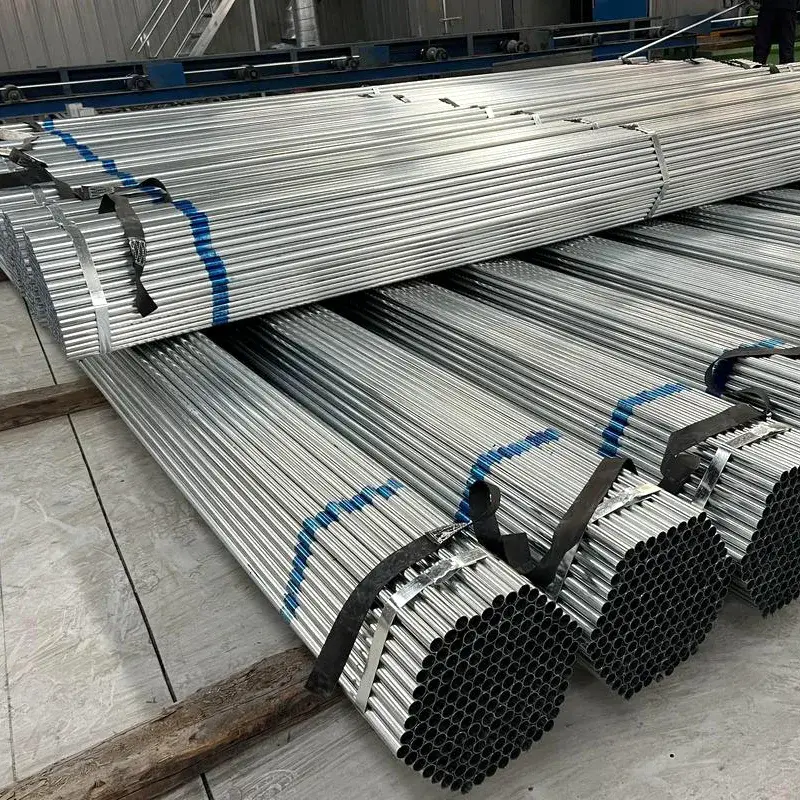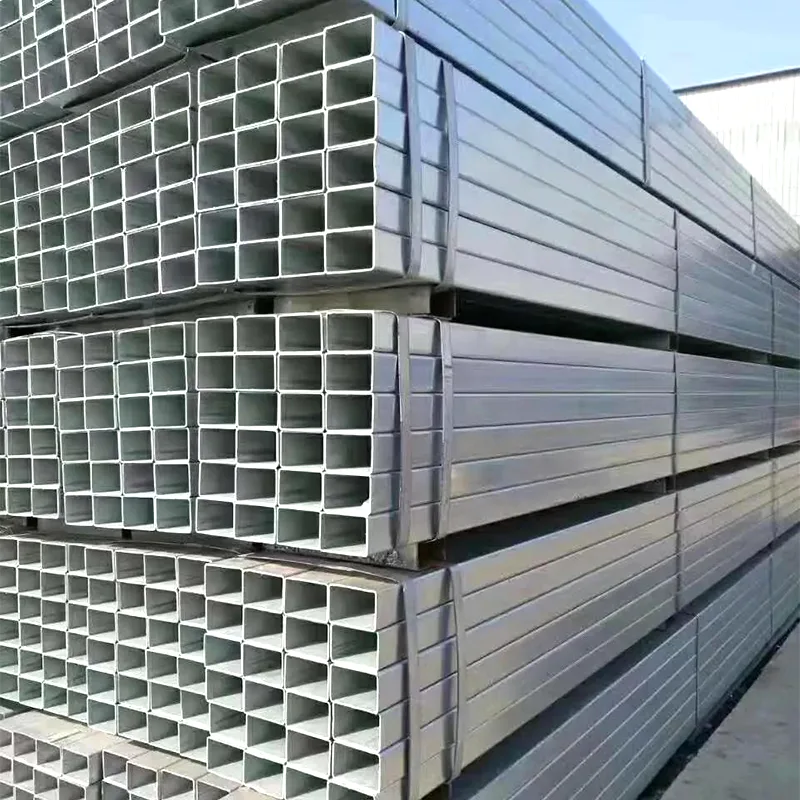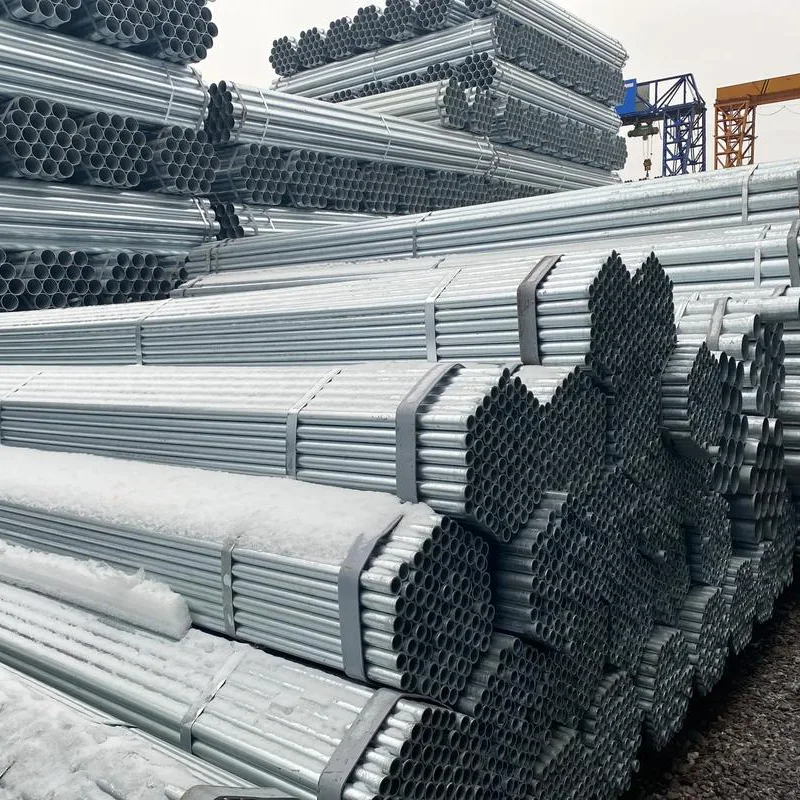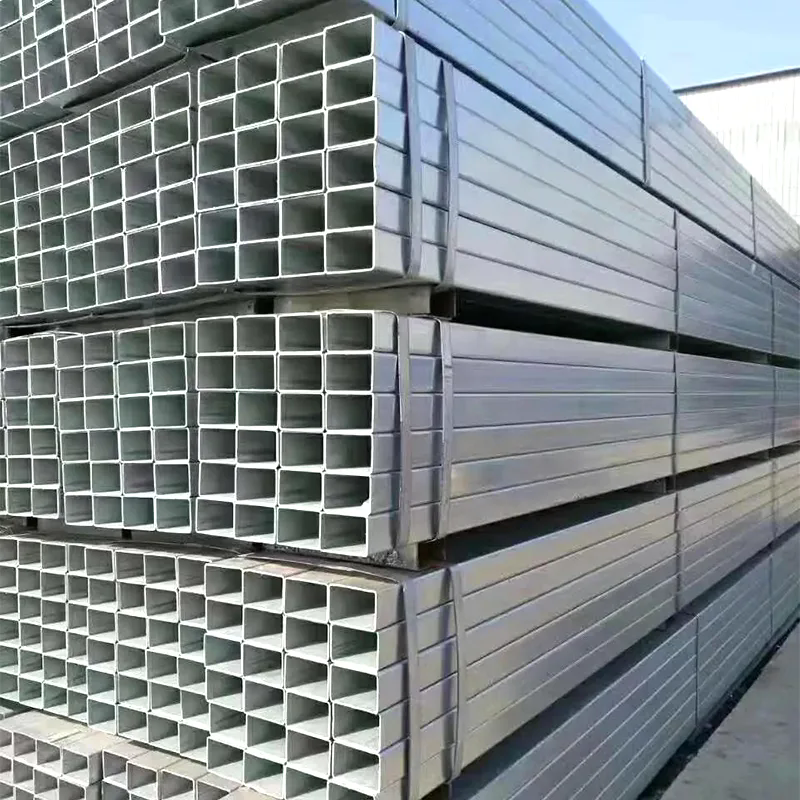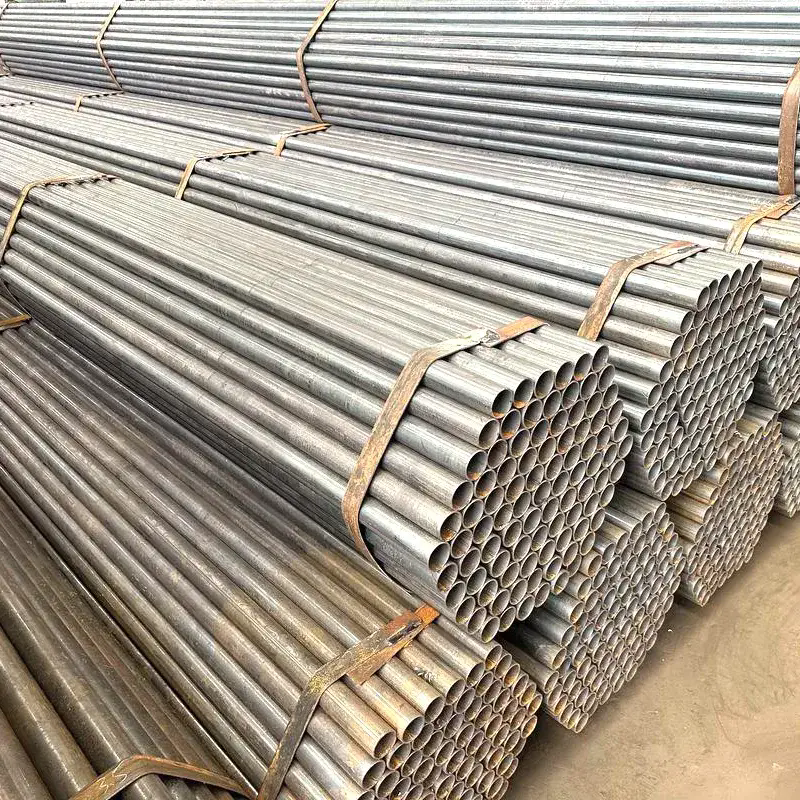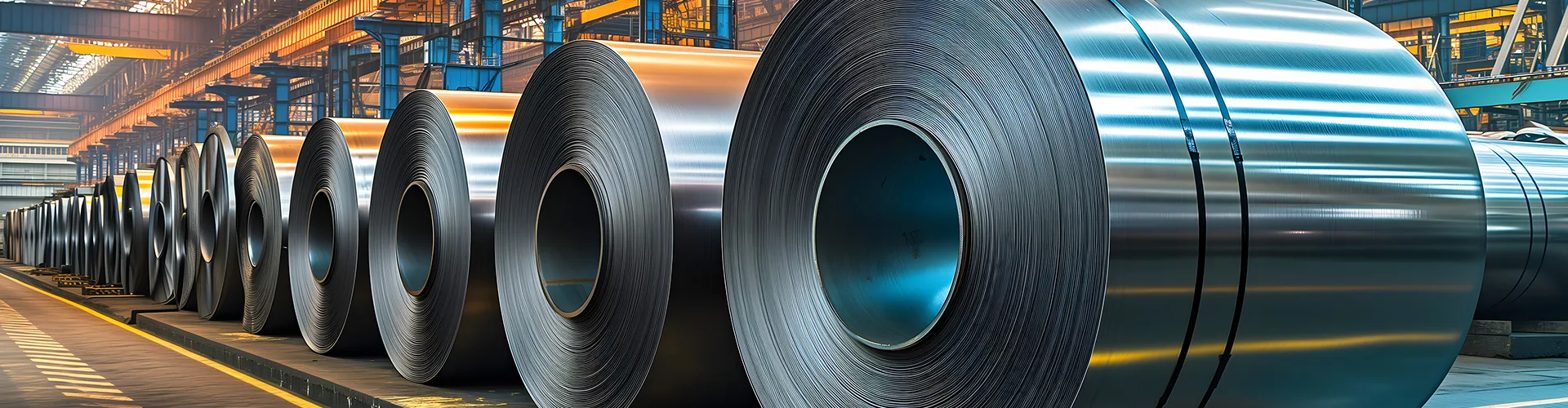
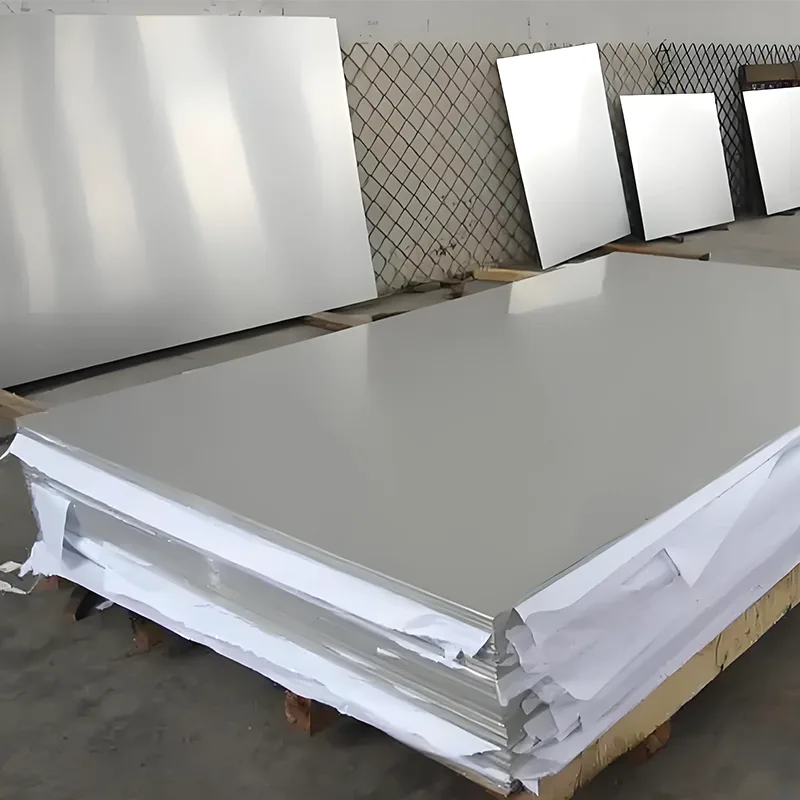
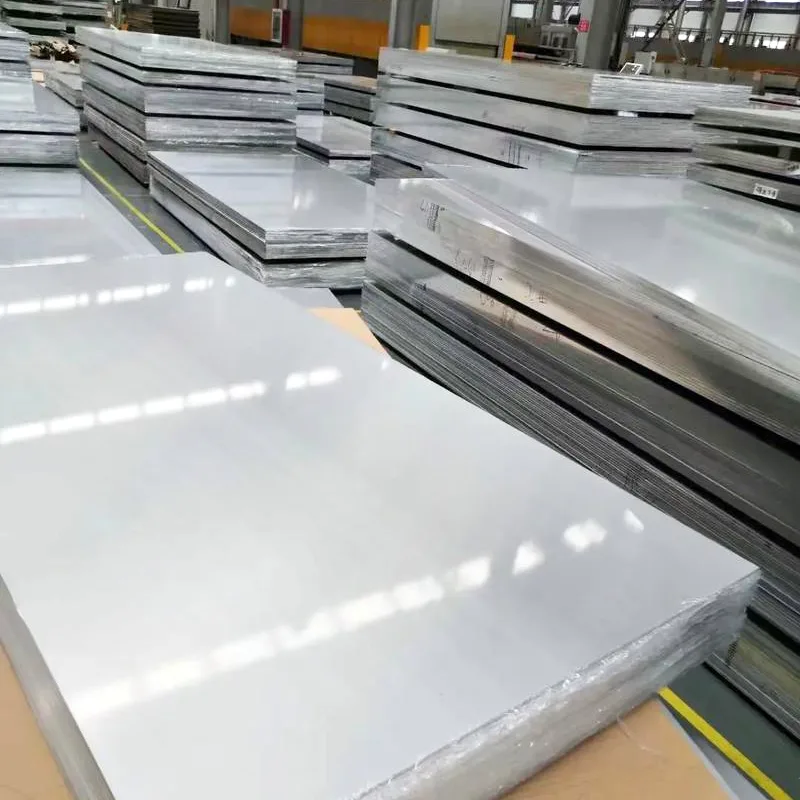
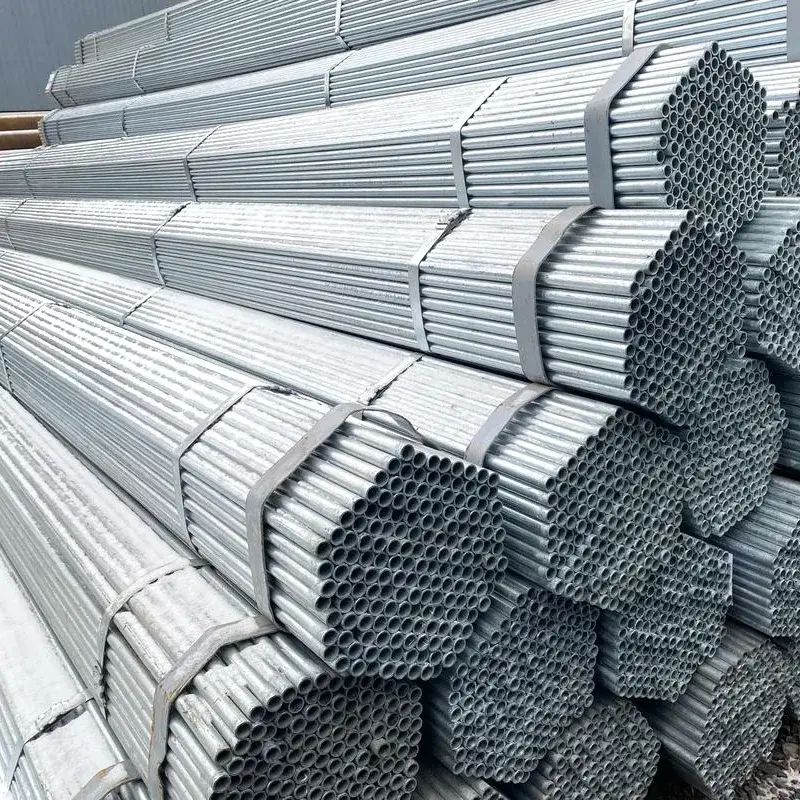
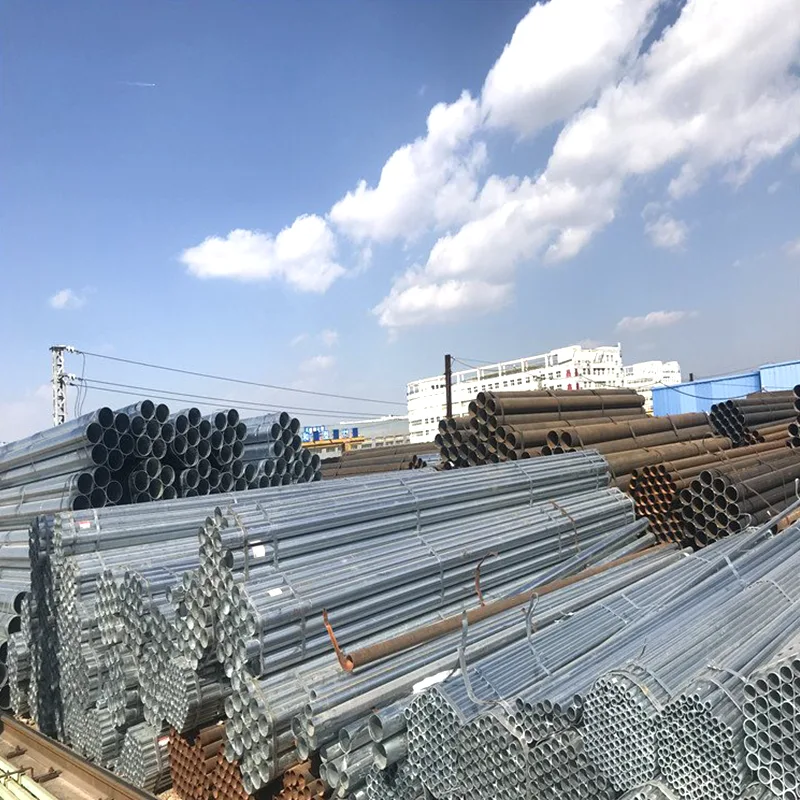
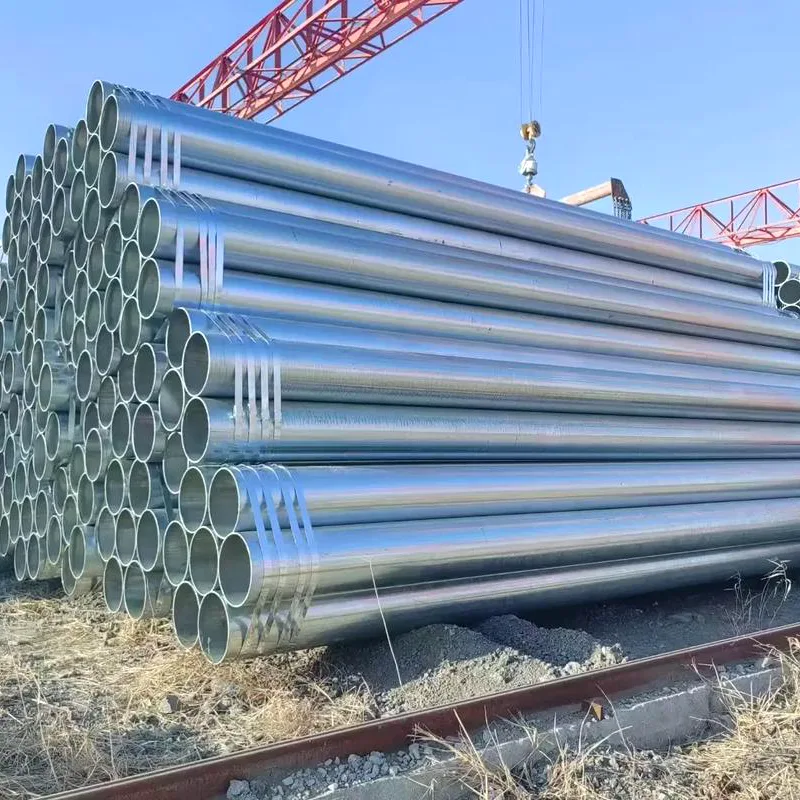
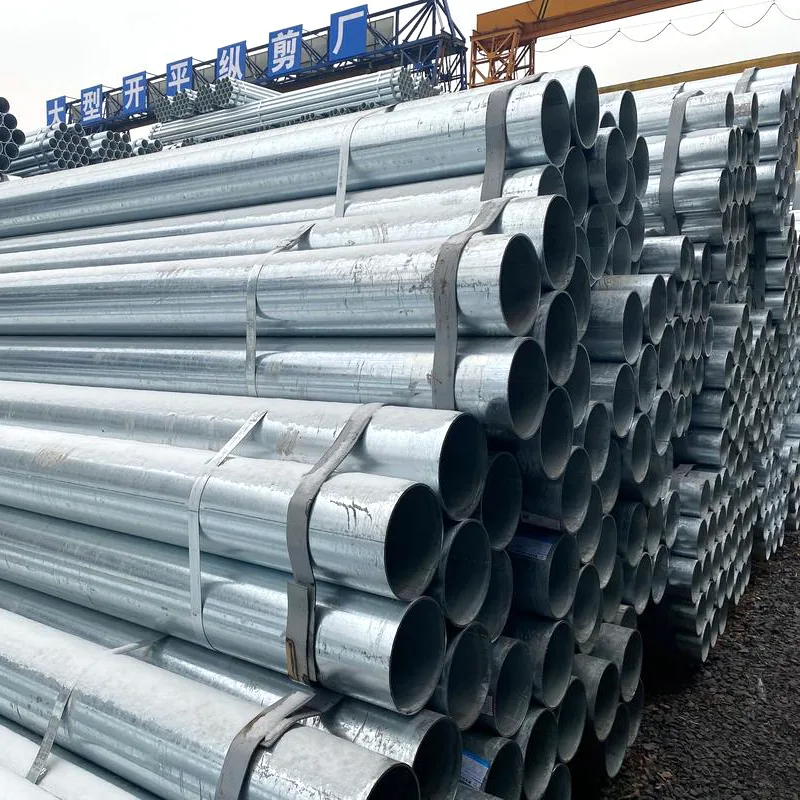
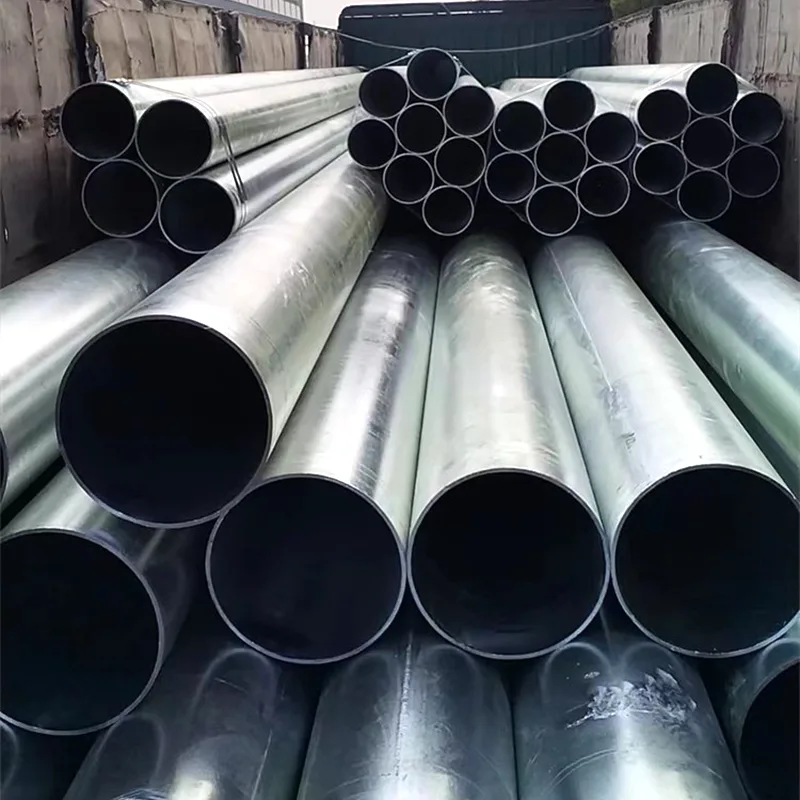
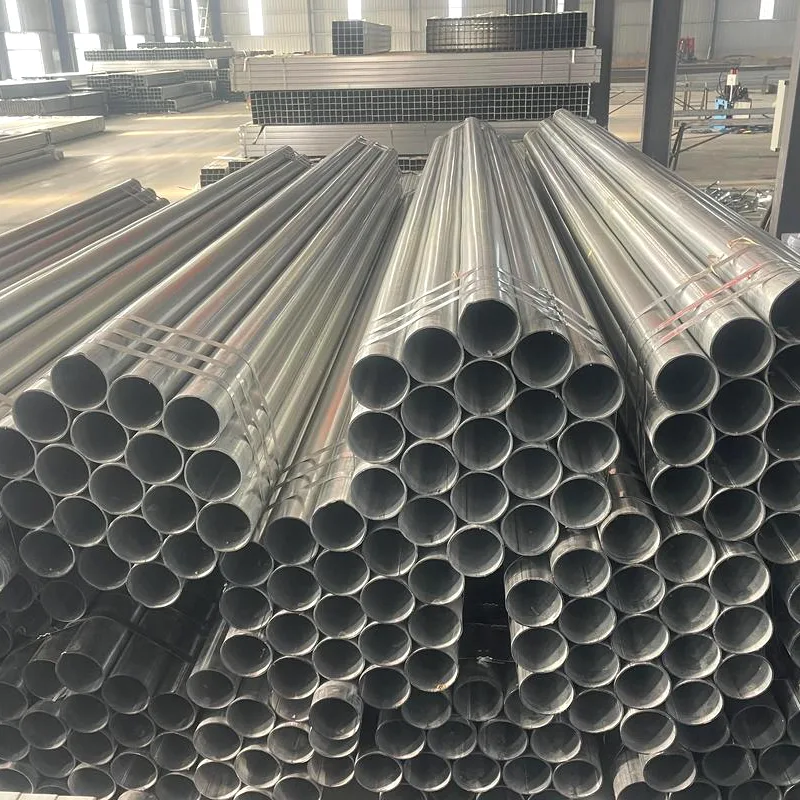
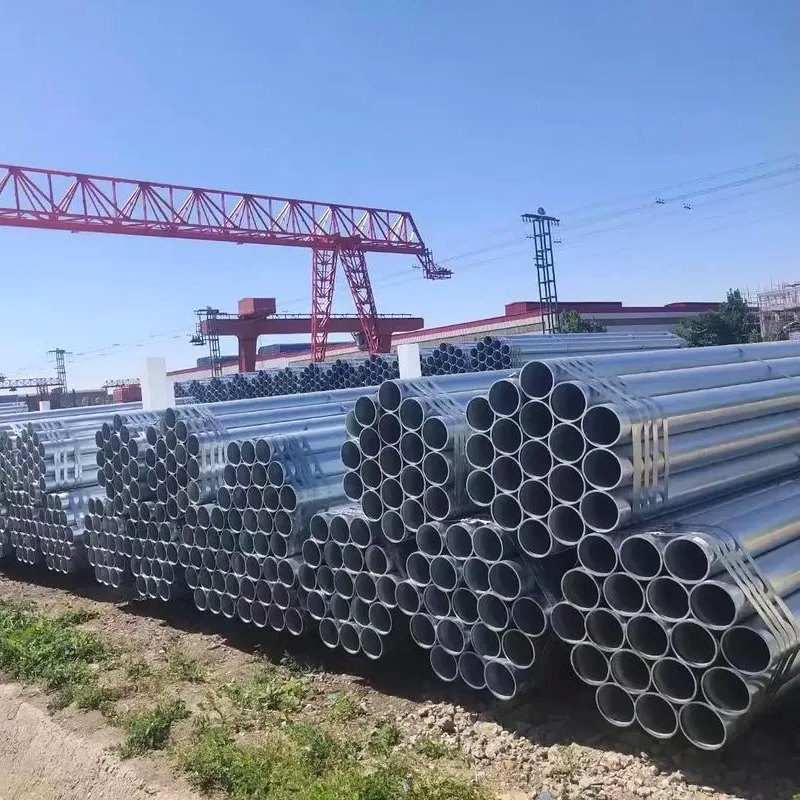
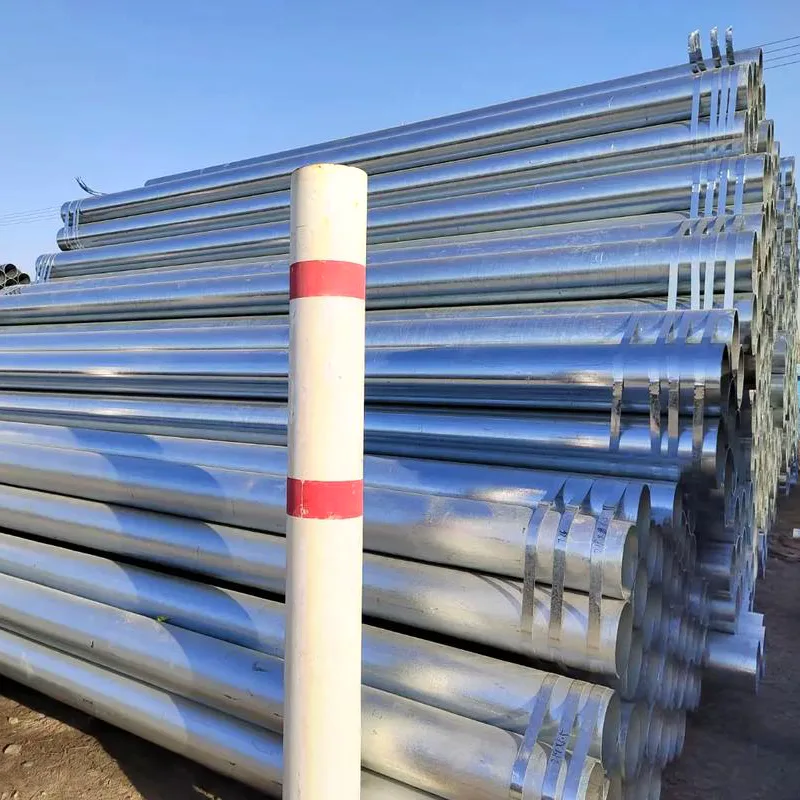
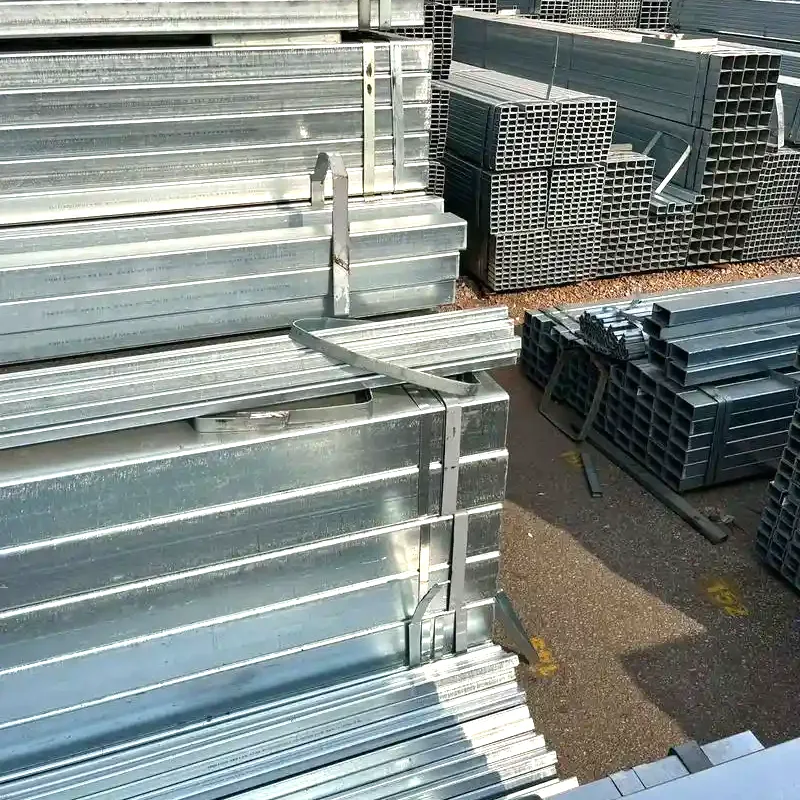
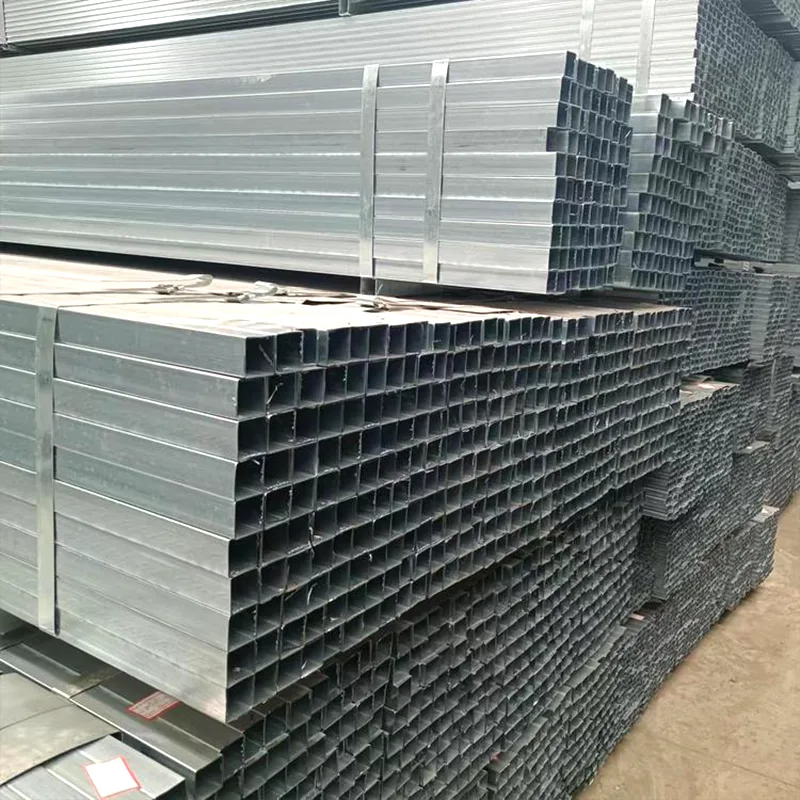
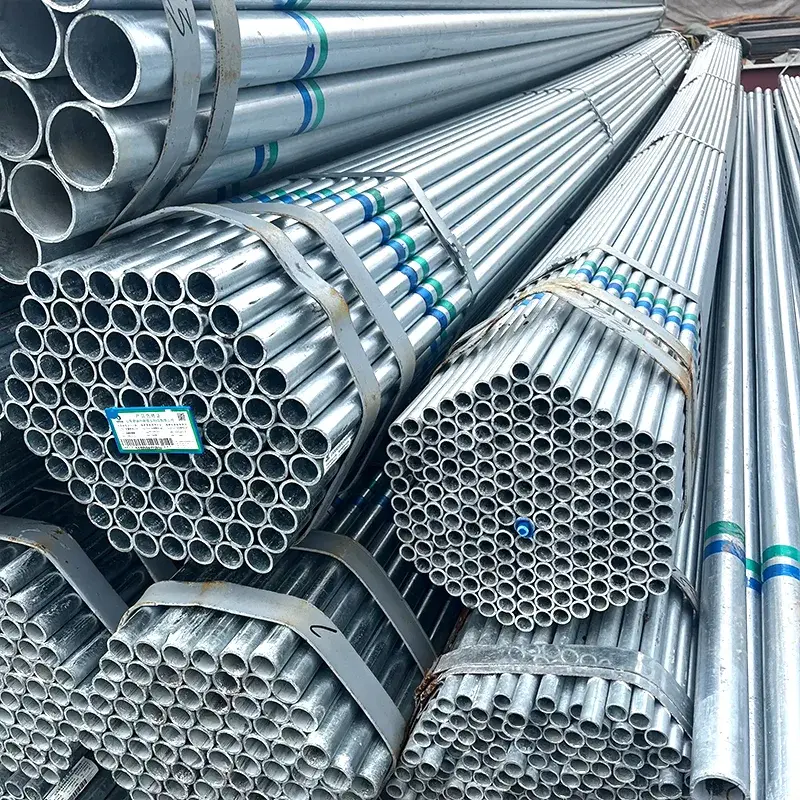
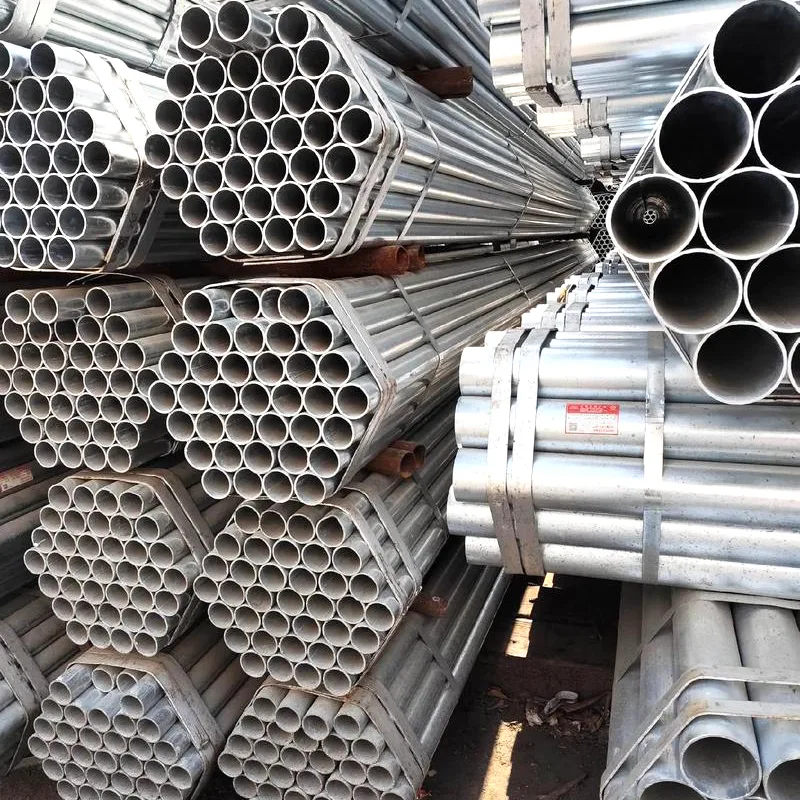
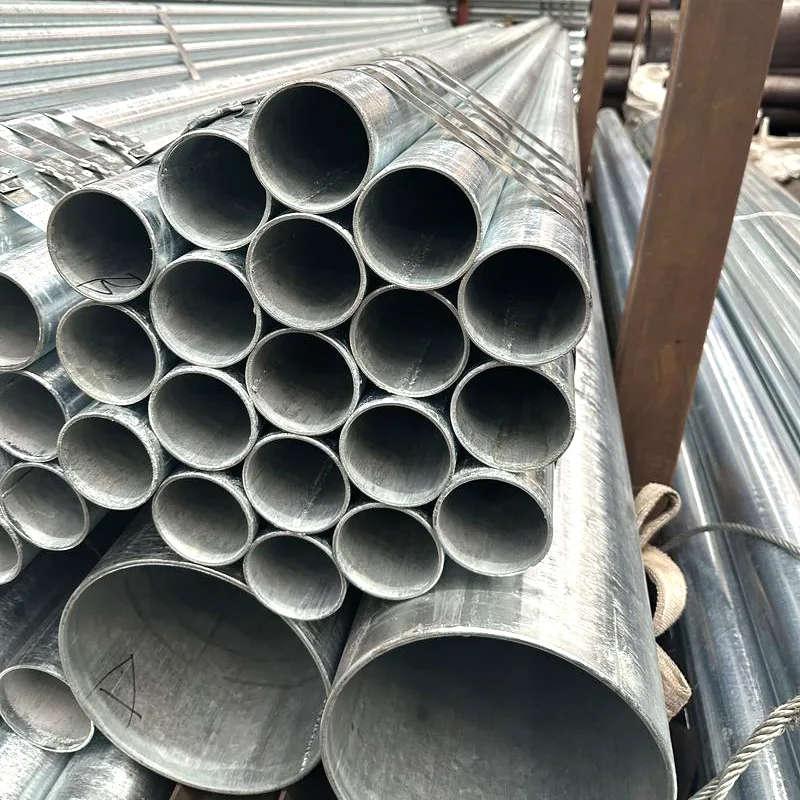
Cold-Dip Galvanized Steel Pipe
Cold-dip galvanized steel pipes are suitable for indoor, dry, low-pressure environments, while hot-dip galvanized pipes are better for outdoor, water, and gas pipeline applications with higher durability requirements. As a China steel pipe manufacturer and supplier, Lingchuang provides reliable galvanized pipe solutions for wholesale and engineering procurement, ensuring stable quality and cost-effective supply for different project needs.
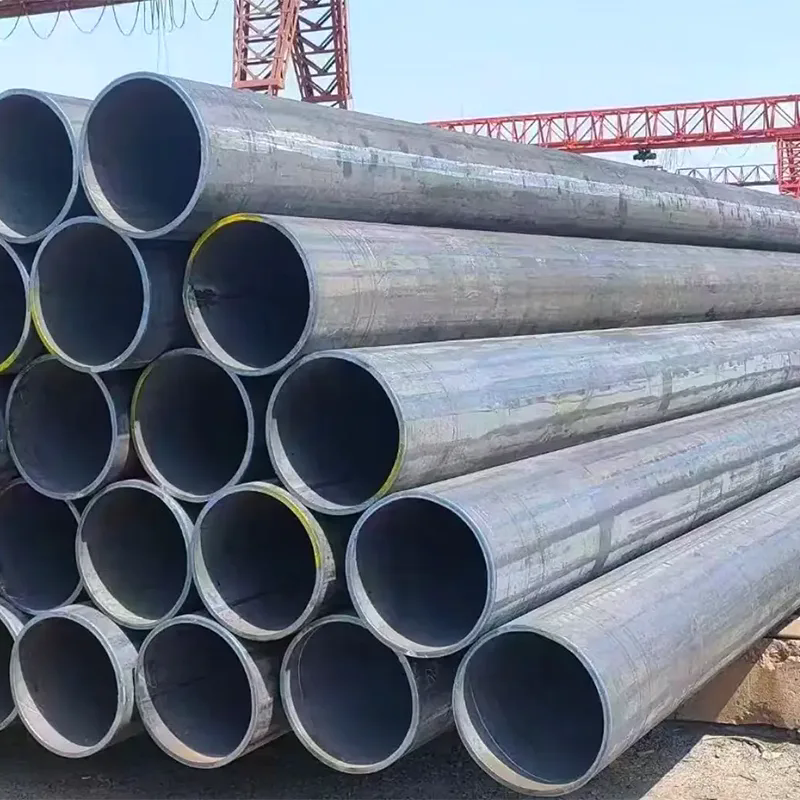
Cold-Dip Galvanized Steel Pipe refers to a type of anti-corrosive steel pipe in which a zinc layer is formed on the surface of the steel pipe—under ambient temperature conditions—through an electro-galvanizing process.
Its core characteristics are:
Galvanizing is performed without heating or in a low-temperature environment.
A zinc layer is deposited onto the steel pipe surface through an electrolytic reaction.
It is primarily used for rust prevention and basic anti-corrosion protection.
Hot-Dip Galvanized VS Cold-Dip Galvanized Steel Pipes
1. Different Usage Environments:
Hot-dip galvanized steel pipes are suitable for harsh environments such as outdoor, open-air, humid, coastal salt spray, and industrial corrosion, exhibiting strong weather resistance and corrosion resistance. Cold-dip galvanized steel pipes are only suitable for indoor, dry, windless, rain-free, and corrosion-free clean environments.
2. Different Industry Applications:
Hot-dip galvanized pipes are used for fire sprinklers, municipal water supply, gas pipelines, outdoor pipe networks, photovoltaic supports, guardrails, and buried pipelines. Cold-dip galvanized pipes are used for indoor electrical wiring conduits, indoor low-pressure water heating, decorative pipes, low-voltage cable trays, and lightweight structural components.
3. Service Life and Reliability:
Hot-dip galvanized pipes have a service life of 10-30 years, can withstand long-term pressure, and are impact-resistant, making them suitable for important projects. Cold galvanizing: Lifespan 3-8 years, prone to rust, unsuitable for long-term, critical pipelines.
4. Different transport media:
Hot-dip galvanizing: Suitable for water, gas, oil, low-pressure chemical fluids, etc. Cold galvanizing: Primarily used for electrical wiring, rarely for long-term fluid transport.
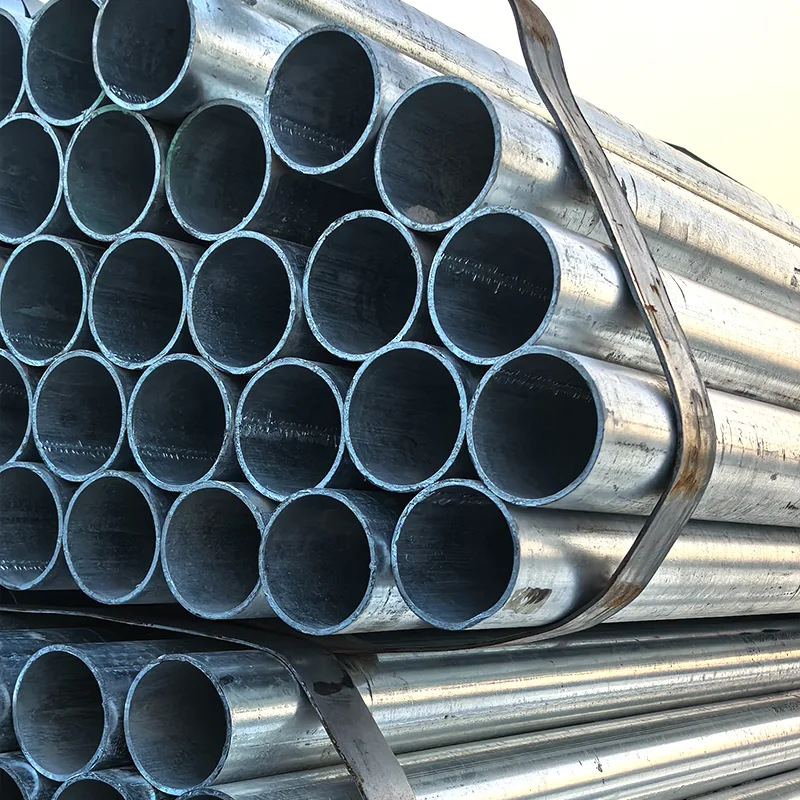
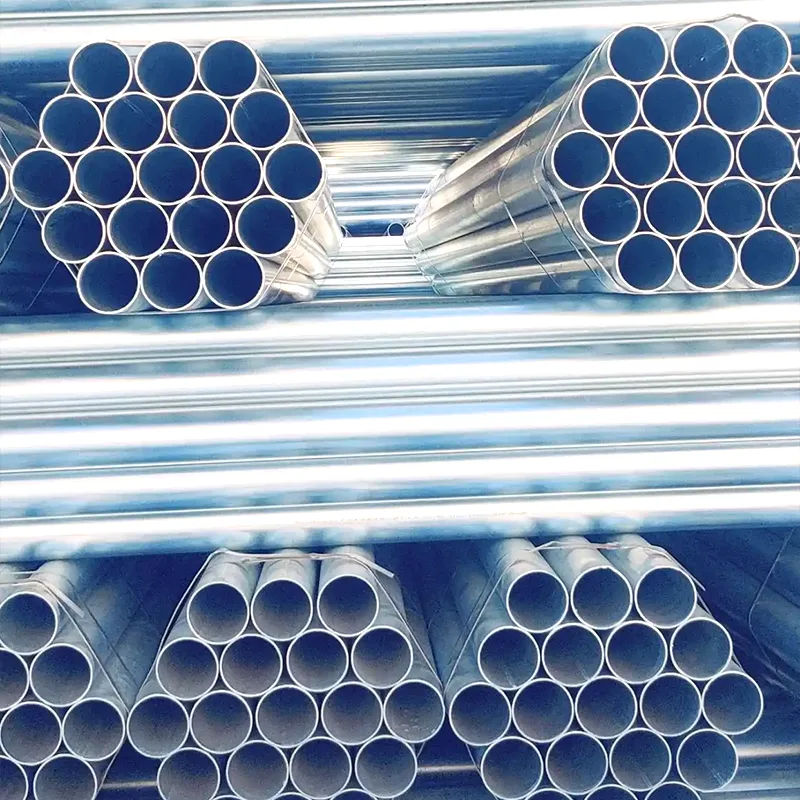
Comparison Table of Hot-dip Galvanized Steel Pipes vs. Cold-dip Galvanized Steel Pipes
|
Comparison Items: |
Hot-dip galvanized steel pipe |
Cold-Dip Galvanized Steel Pipe |
|
Production Process |
Hot-dip galvanizing, immersed in molten zinc at 450℃ |
Electro-galvanizing, room temperature electrolytic deposition |
|
Zinc Coating Thickness |
Thickness, ≥85μm, 80~275g/m² |
Thin, 5~20μm, 10~50g/m² |
|
Zinc Coating Adhesion |
Metallurgical bond, strong and not easily detached |
Physical adhesion, zinc easily peels off upon impact |
|
Corrosion Resistance |
Extremely strong, resistant to outdoor use, salt spray, and humidity |
Generally, only for basic indoor corrosion protection |
|
Surface Appearance |
Slightly rough, with zinc blooms |
Smooth and delicate, no zinc spots, aesthetically pleasing |
|
Service Life |
10~30 years |
3~8 years |
|
Applicable Environment |
Outdoor, buried, coastal, industrial corrosion |
Indoor, dry, free from wind and rain |
|
Main Uses |
Fire protection, water supply, gas, municipal pipelines |
Electrical wiring, interior decoration, low-pressure pipelines |
|
Product Price |
Higher quality |
Lower performance |
|
Connection Method |
Threaded, grooved, flanged |
Threading, welding, splicing |
|
National Standard Approval |
Complies with fire protection and water supply specifications |
Generally not used for main fluid pipelines |
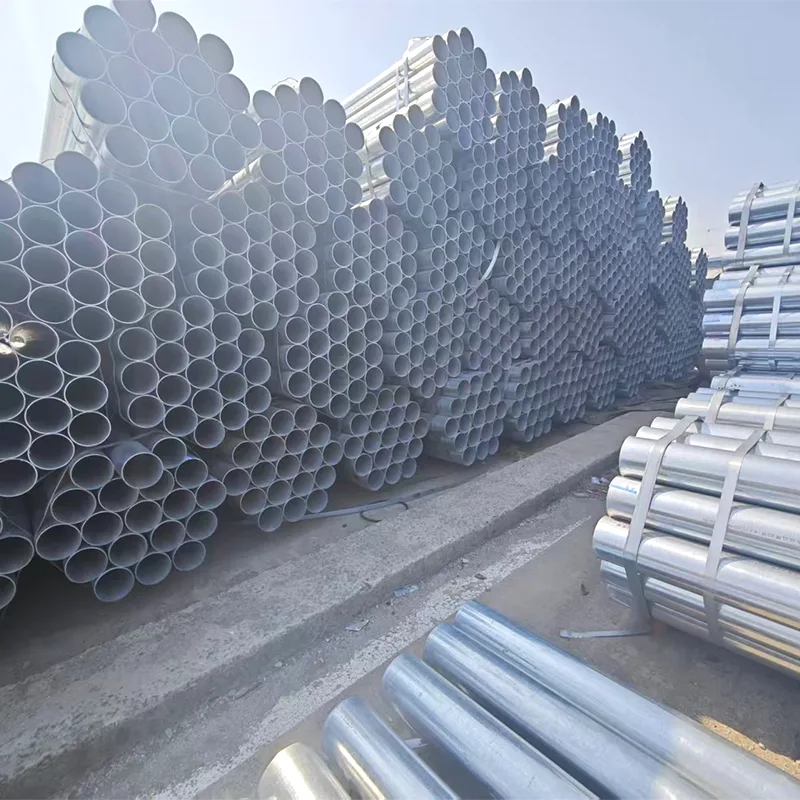
Hot Tags: Cold-dip galvanized steel pipe, galvanized steel pipe manufacturer, steel pipe supplier China
Related Category
Send Inquiry
Contact Info
-
Address
Hanyu Jingu, High-tech Zone, Jinan City, Shandong Province, China
-
Tel
-
Email
For inquiries about Carbon Steel, Stainless Steel, Galvanized Steel or price list, please leave your email to us and we will be in touch within 24 hours.