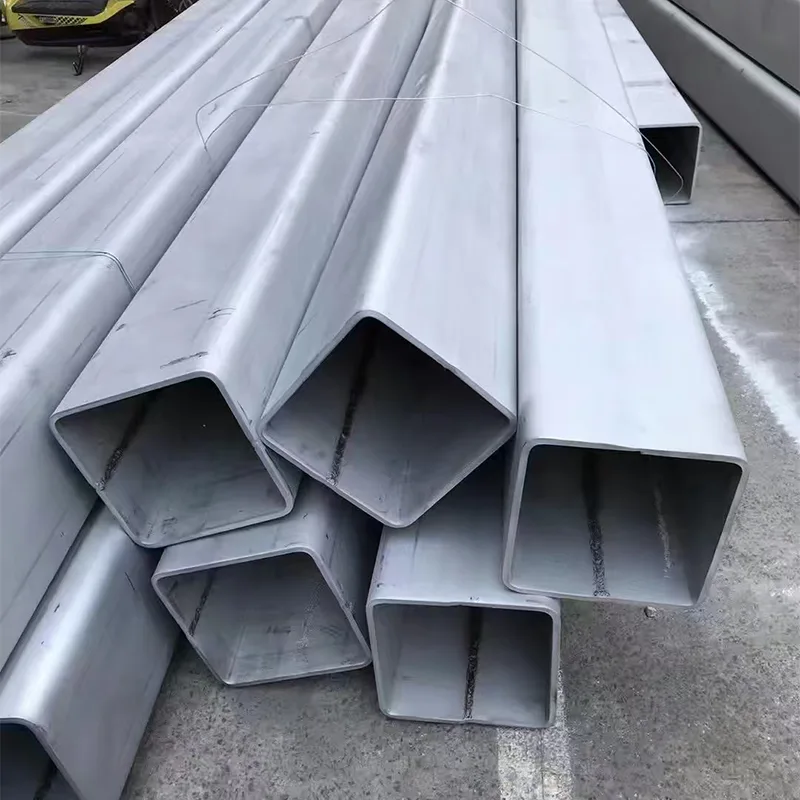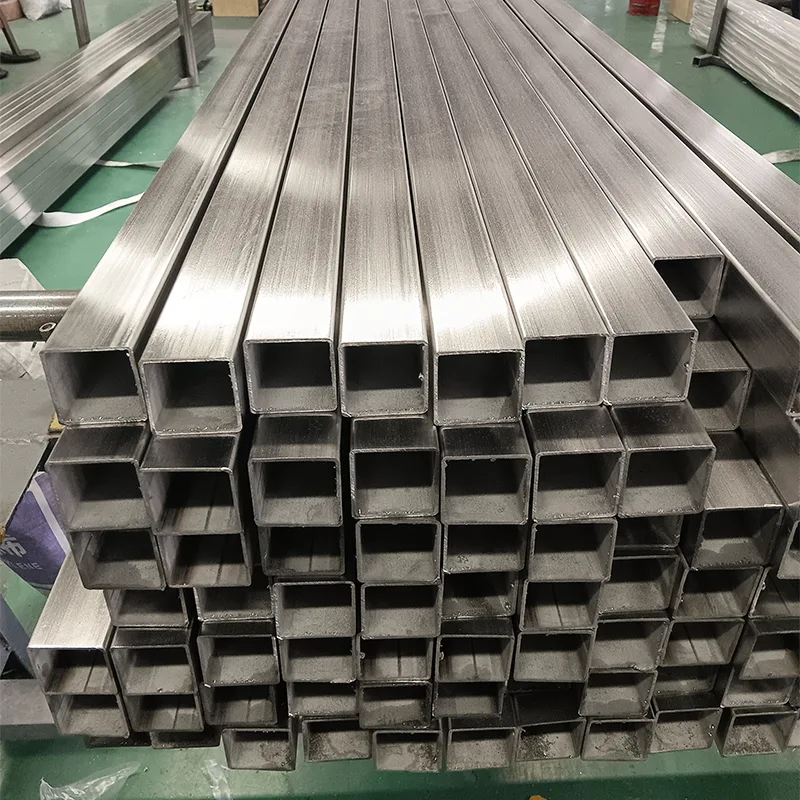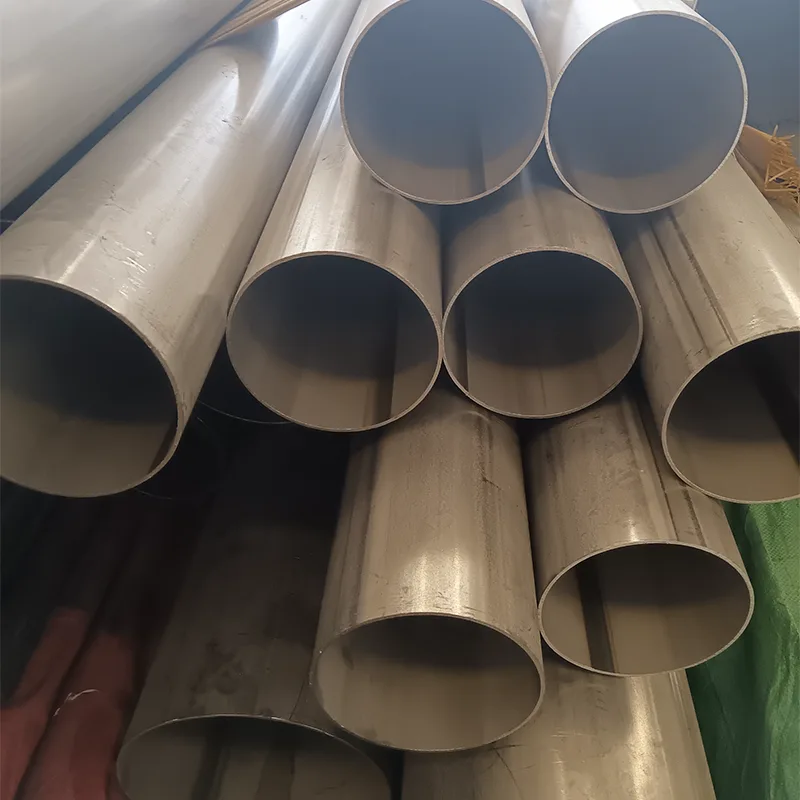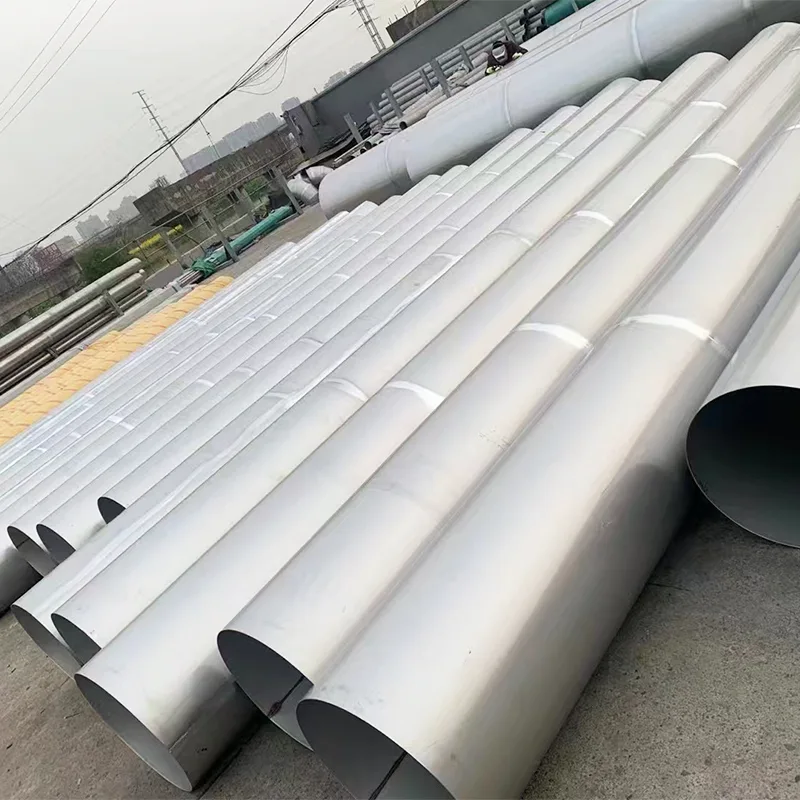
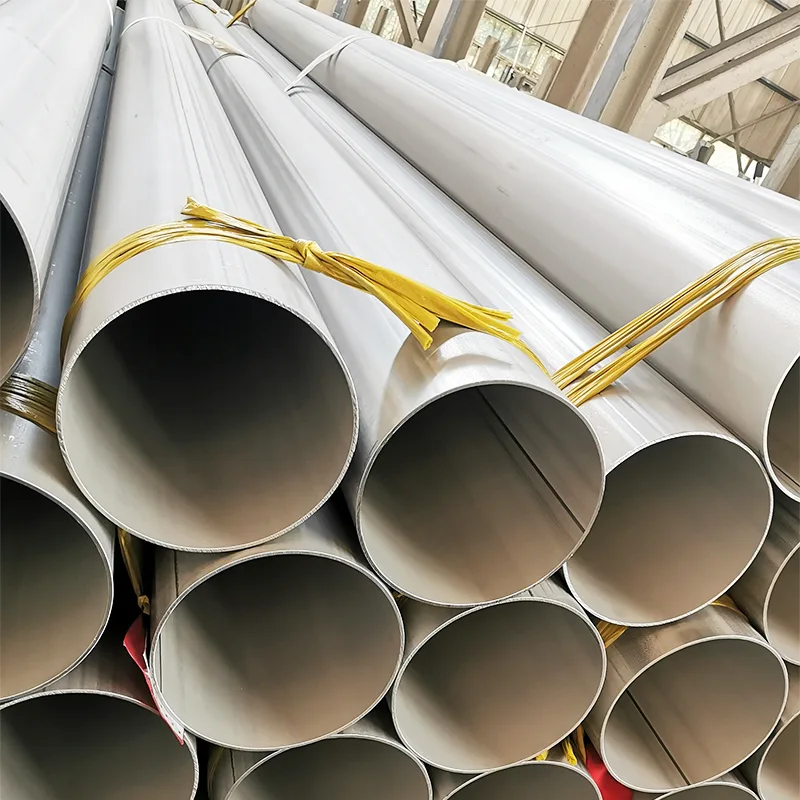
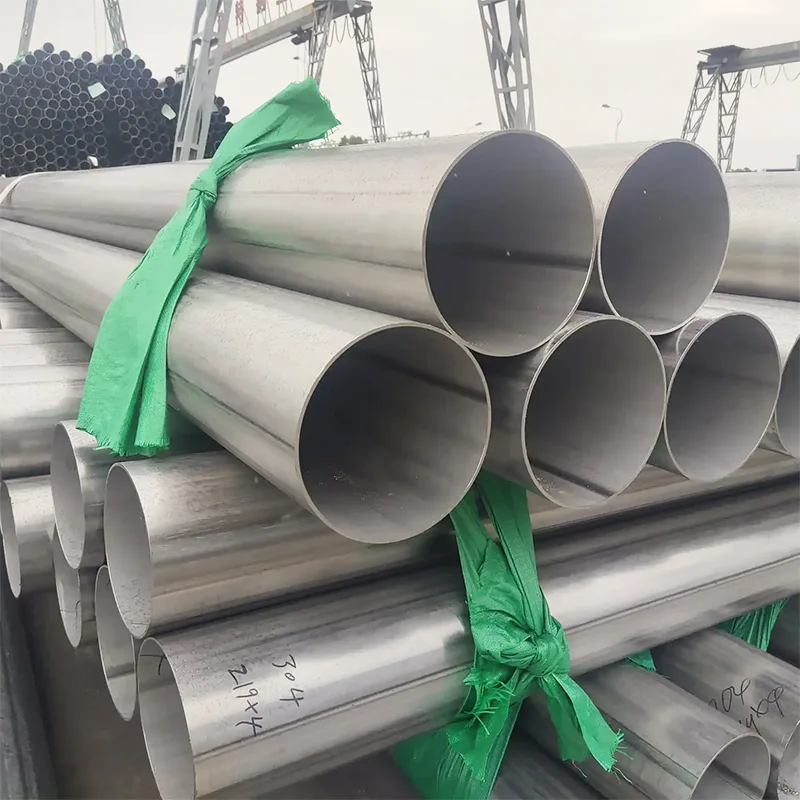
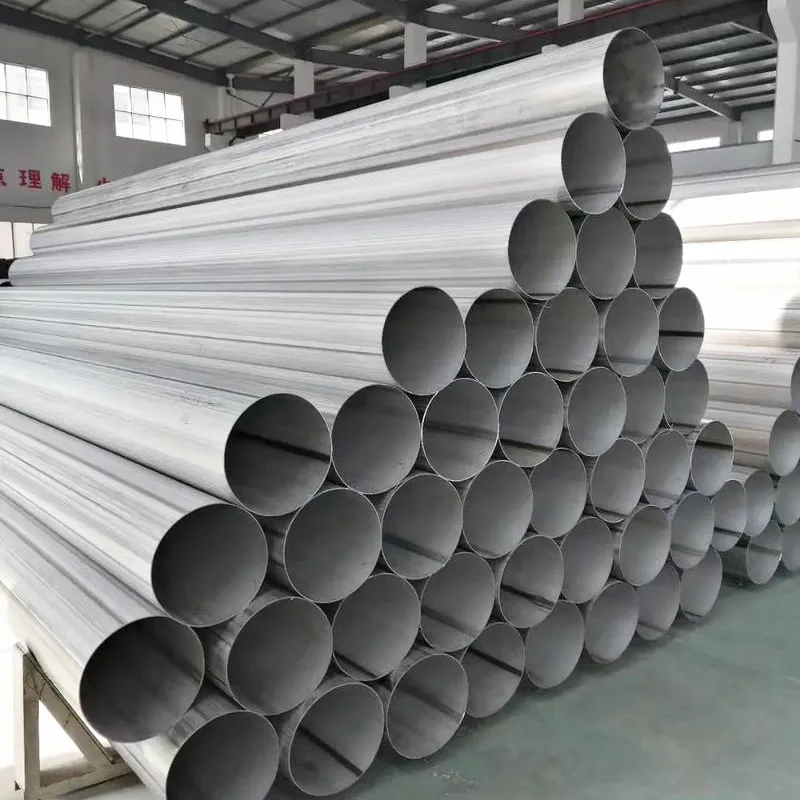
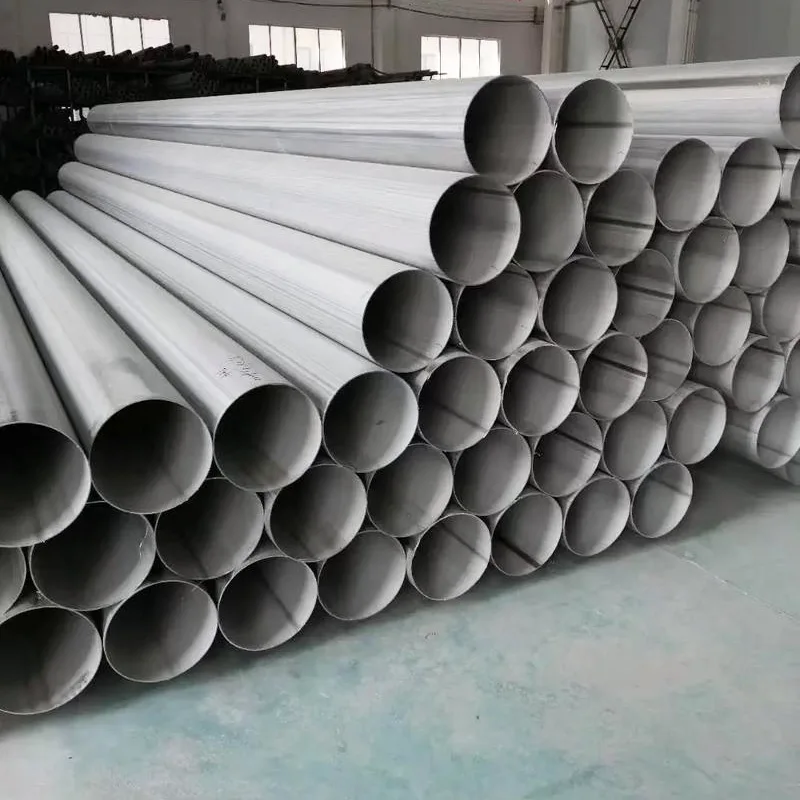
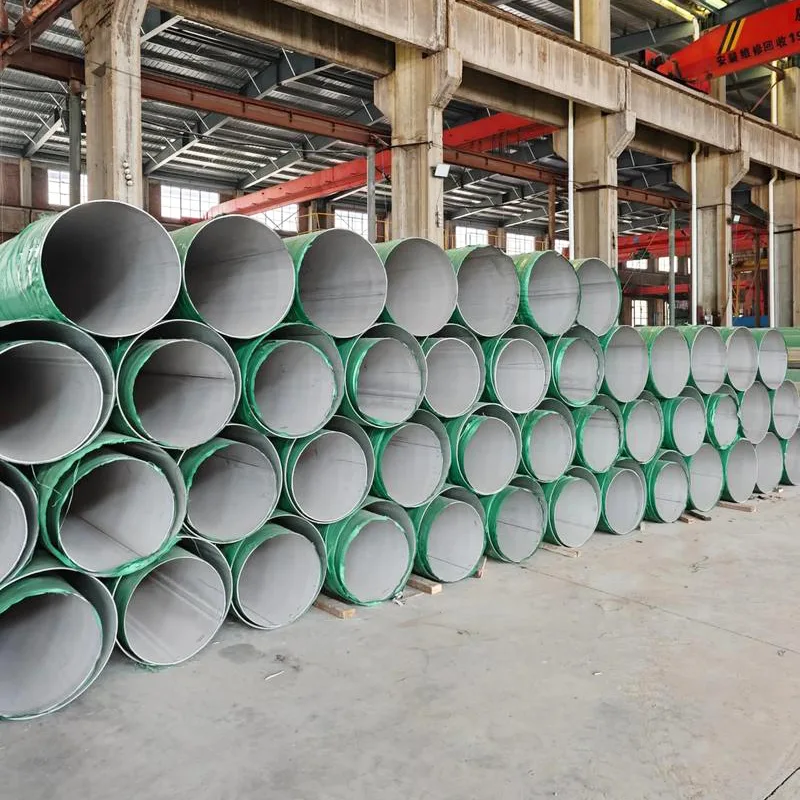
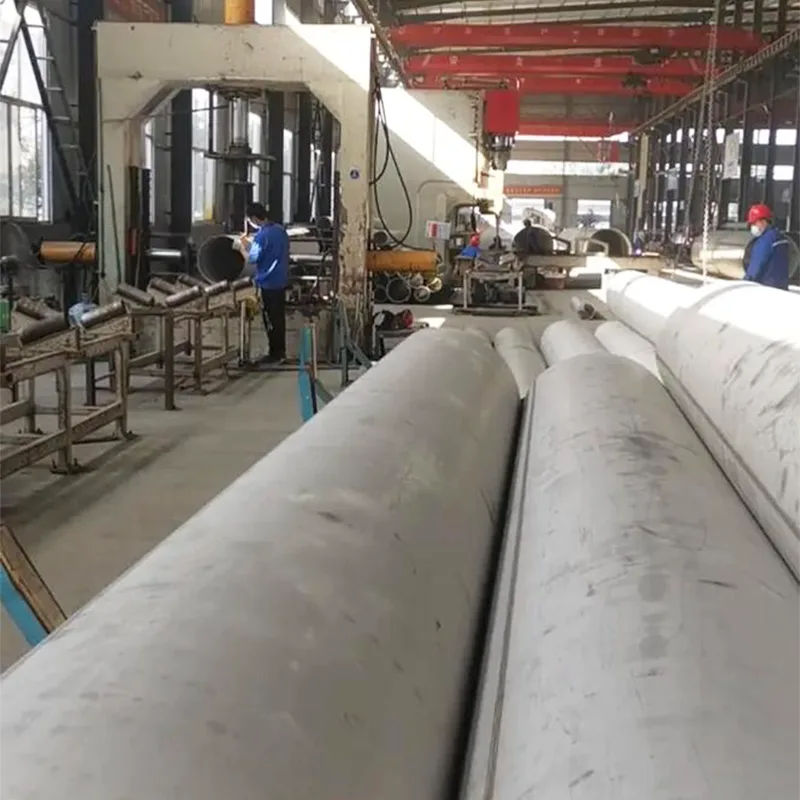
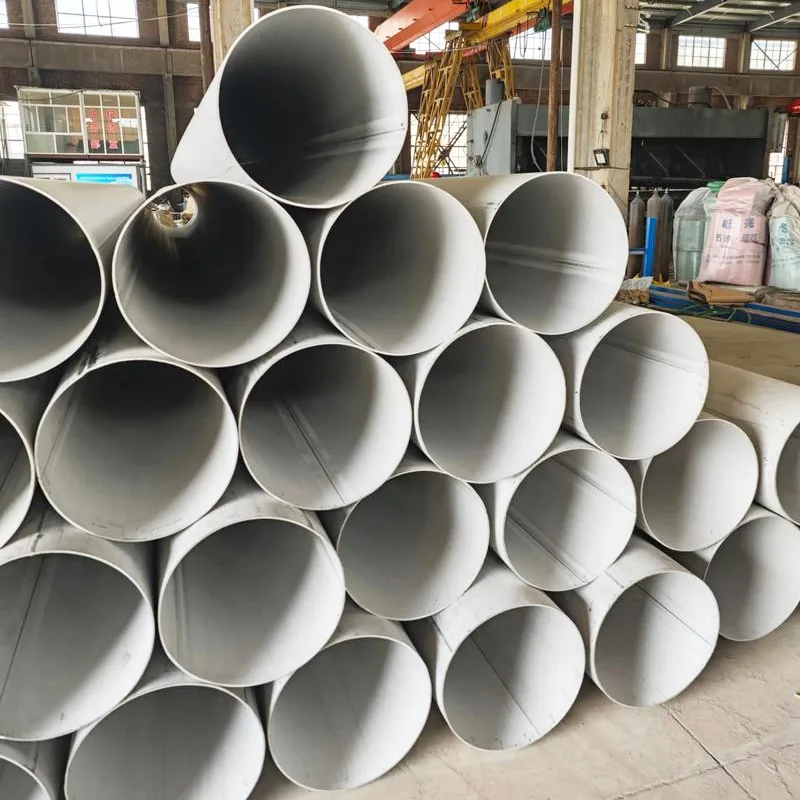
321 Stainless Steel Welded Pipe
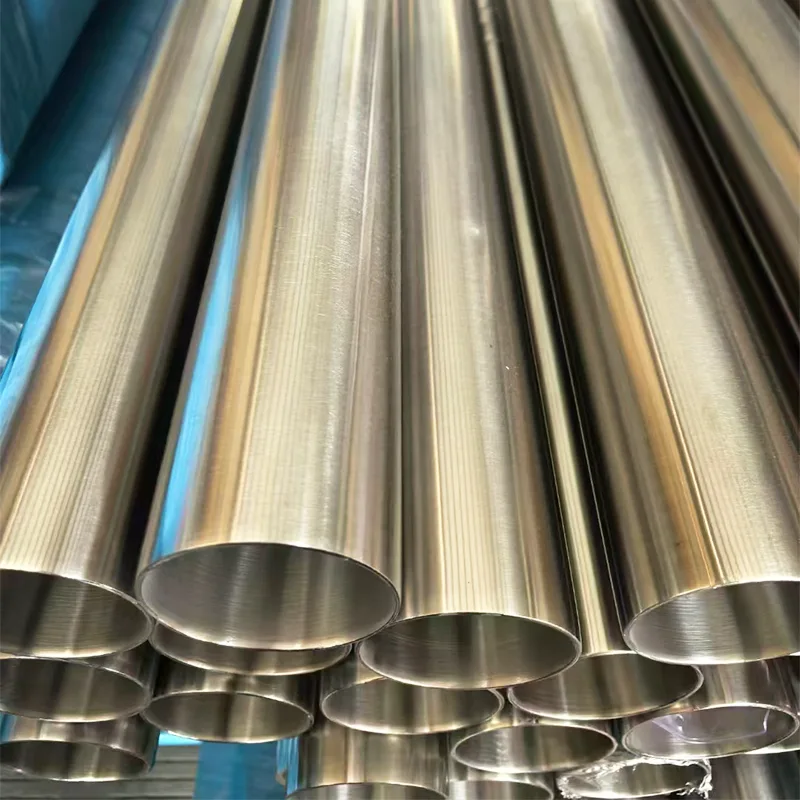
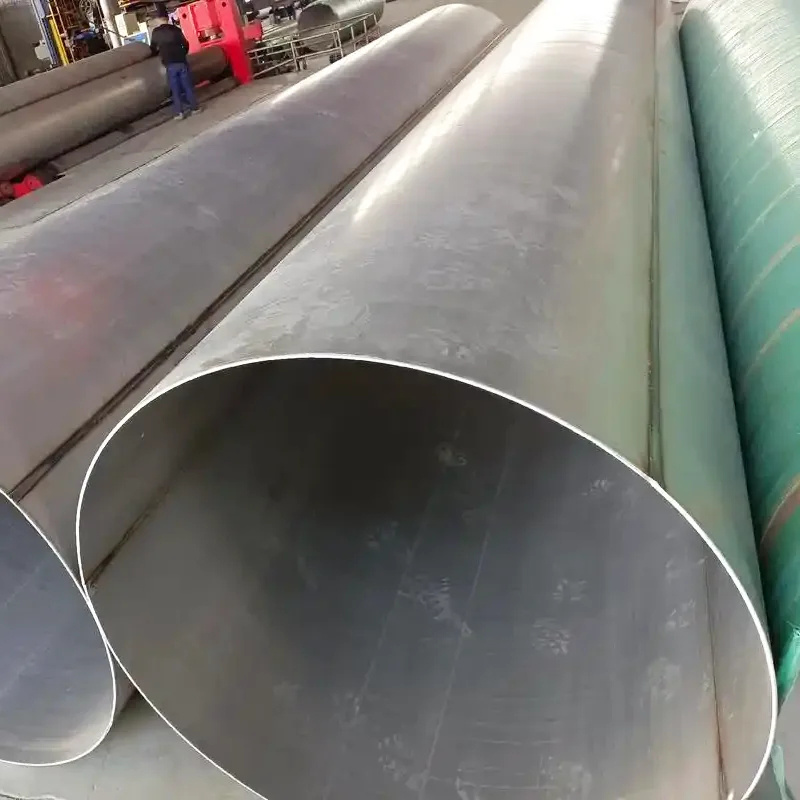
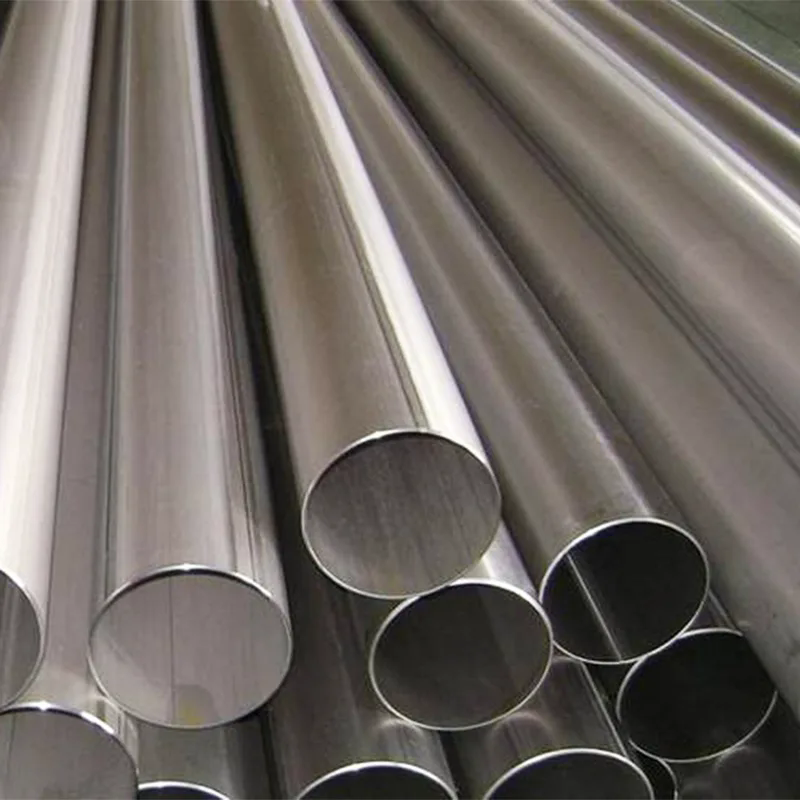
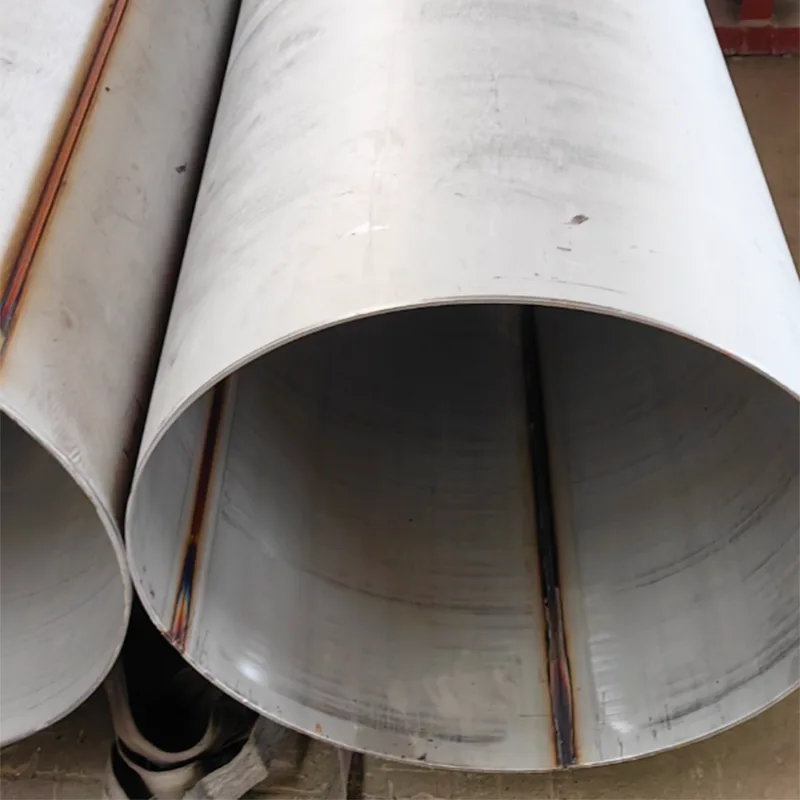
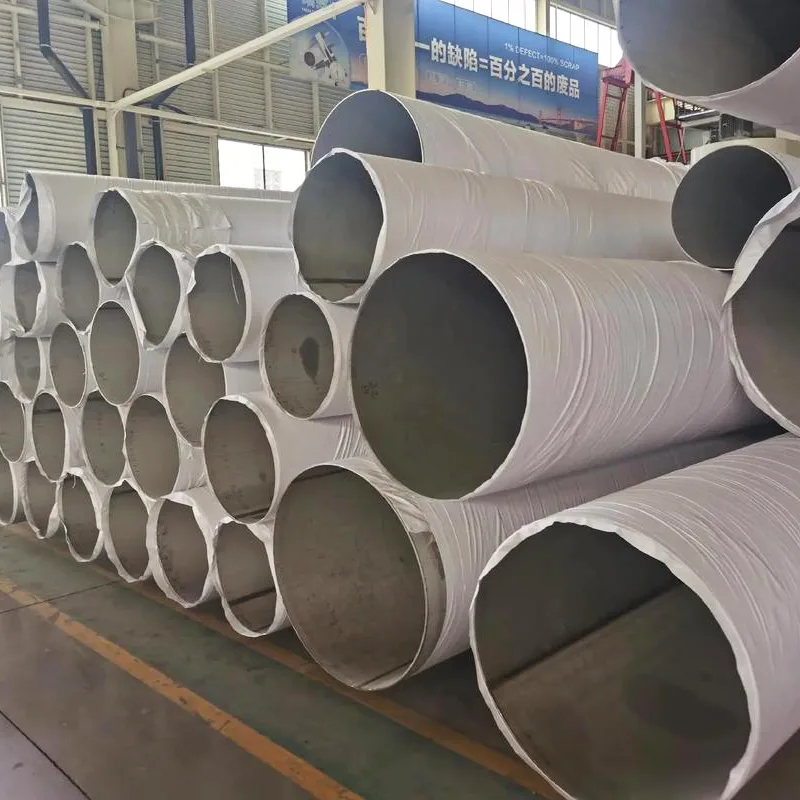
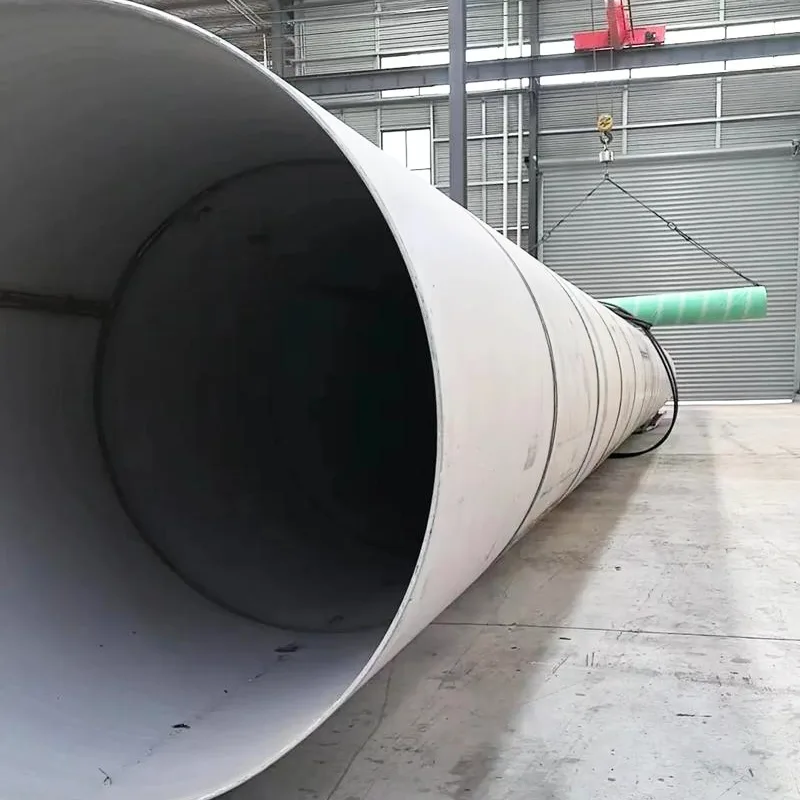
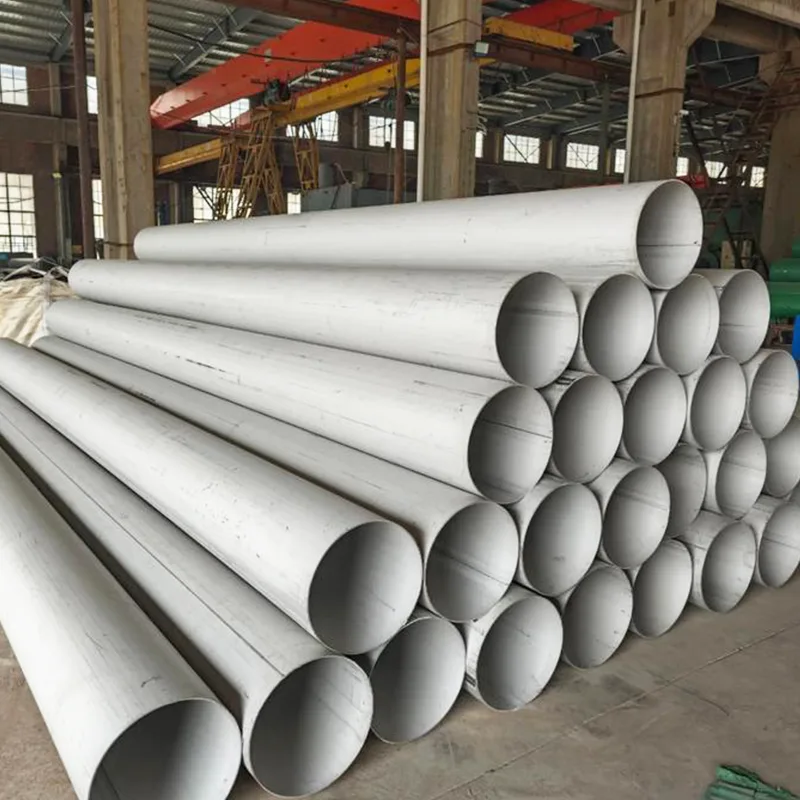
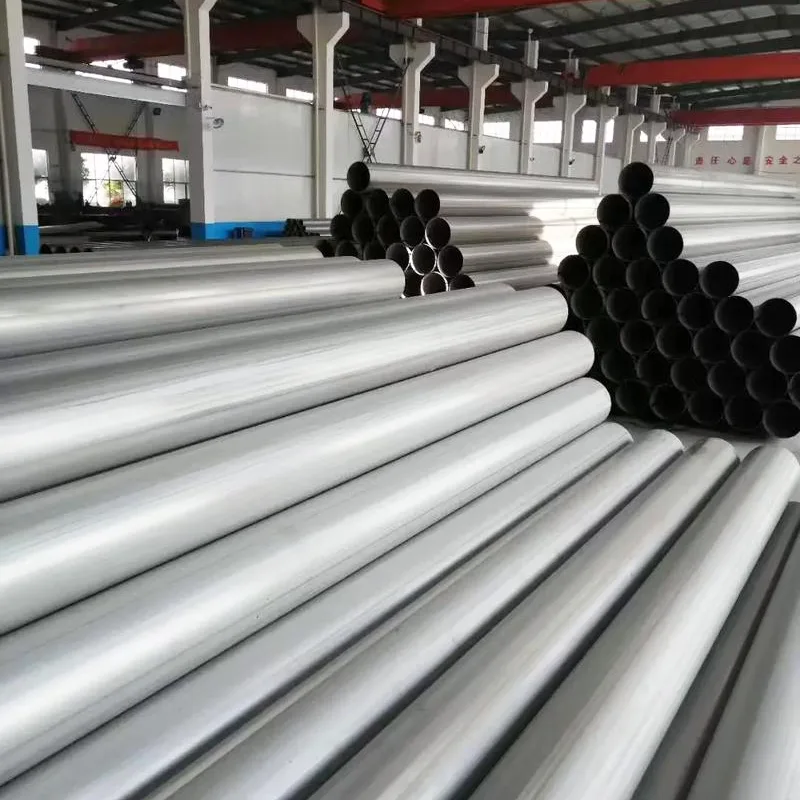
321 stainless steel welded pipe incorporates titanium, effectively inhibiting intergranular corrosion, making it less prone to rust and cracking after welding, and exhibiting excellent thermal stability. It has good high-temperature resistance, is not easily deformed under alternating hot and cold conditions, has good plasticity for easy processing and forming, and strong fatigue resistance. Chinese stainless steel welded pipe manufacturers recommend 321 material as a suitable choice for boiler piping, thermal equipment, and high-temperature heat exchange pipelines.
321 stainless steel welded pipe: In professional working conditions involving high temperatures (≥500℃), multiple welding points, and where post-weld heat treatment is not possible, although the initial price is higher, its overall cost-effectiveness over its entire life cycle is superior, making it an irreplaceable choice.
321 vs 304 Stainless Steel Welded Pipe: A Comprehensive Comparison of Cost-Effectiveness
|
Comparison Dimensions |
304 Stainless Steel Welded Pipe |
321 Stainless Steel Welded Pipe |
Key Conclusions on Cost-Effectiveness: |
|
Price Range |
Price: 16,000-20,000 RMB/ton |
20,000-26,000 RMB/ton (15-40% higher) |
Choose 304 for room temperature applications, and 321 for high-temperature welding. |
|
Core Components |
18% Cr - 8% Ni, Titanium-free |
18% Cr-8% Ni, containing titanium (Ti≥5×C%) |
Titanium is key to the high-temperature stability of 321. |
|
Maximum Temperature Resistance |
800℃ |
900℃, sensitization resistance temperature 425-815℃ |
321 has significant advantages above 500℃. |
|
Resistance to Intergranular Corrosion |
Easily sensitized after welding |
Titanium fixes carbon, no risk of intergranular corrosion after welding |
321 is the must-choose for welding and high-temperature applications. |
|
Processing Performance |
Easy to stamp and bend, good formability |
Slightly poorer machinability, slightly inferior formability to 304 |
Choose 304 for more economical complex forming processes. |
|
Applicable Scenarios |
Room temperature / Medium to low temperature, non-welded or low welding amount |
High temperature (500-900℃), multiple welding points, cannot be heat treated |
The suitability of the application scenario determines the cost-effectiveness. |
In-depth Cost-Effectiveness Analysis
1. Price and Performance Balance
304 Advantages: 15-40% lower price, strong versatility, stable supply, suitable for ambient/≤500℃, non-welding or simple welding scenarios, such as food equipment, building decoration, ambient temperature pipelines, etc.
321 Advantages: Titanium stabilization treatment, resists intergranular corrosion without post-weld heat treatment, significantly extends service life under **500-900℃** high-temperature conditions, maintenance cycle can be extended from 1 year to 3 years, reducing total life cycle cost by 40%.
2. Scenario-Based Cost-Effectiveness Assessment
|
Usage Scenarios |
Recommended selection: |
Reasons for Cost-Effectiveness: |
|
Room Temperature / Low Temperature (≤300℃) |
304 |
The 20-30% premium of 321 is unnecessary; 304 fully meets the requirements. |
|
Medium Temperature (300-500℃) |
304 (non-welded) / 321 (welded) |
For non-welding applications, 304 is sufficient; for welding applications, 321 avoids later corrosion. |
|
High Temperature (≥500℃) |
321 |
304 is prone to sensitization and failure; 321's long-term stability results in lower maintenance costs. |
|
Frequent Welding + High Temperature |
321 |
The only choice, avoiding weld cracking and corrosion leakage. |
|
Complex Molding Requirements |
304 |
Lower processing costs and better forming results. |
3. Total Life Cycle Cost Considerations
Short-term projects (≤1 year): 304 offers better cost-effectiveness, saving 15-40% on initial investment.
Long-term projects (≥3 years): 321 is more economical under high-temperature conditions, reducing downtime maintenance and replacement costs.
High-risk conditions: 321 can avoid safety accidents, with hidden value far exceeding the price difference.
Hot Tags: 321 Stainless Steel Welded Pipe, China, Manufacturer, Supplier, Factory
Related Category
Send Inquiry
Contact Info
-
Address
Hanyu Jingu, High-tech Zone, Jinan City, Shandong Province, China
-
Tel
-
Email
For inquiries about Carbon Steel, Stainless Steel, Galvanized Steel or price list, please leave your email to us and we will be in touch within 24 hours.