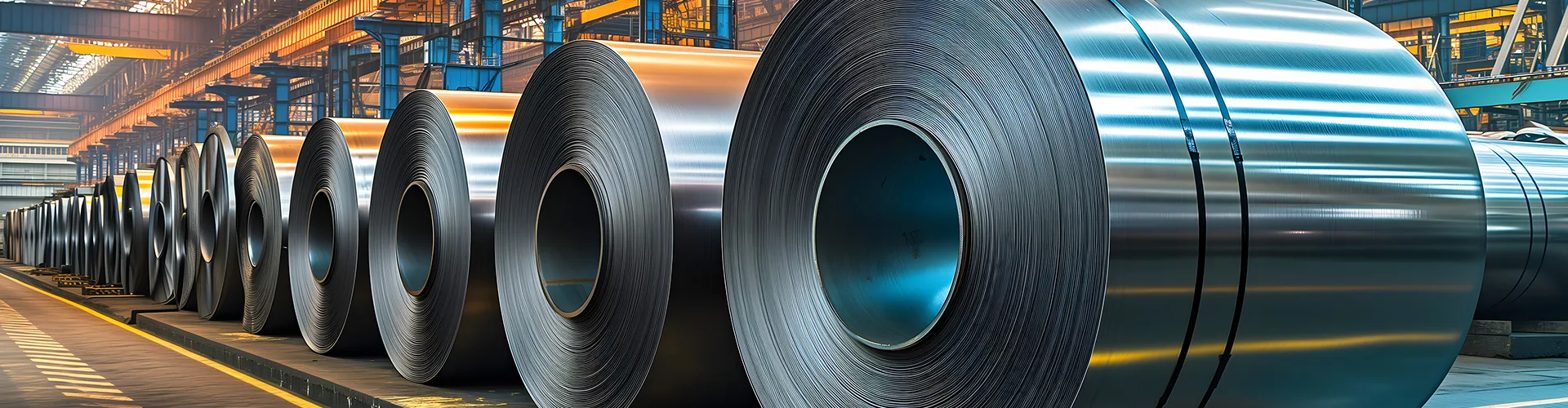
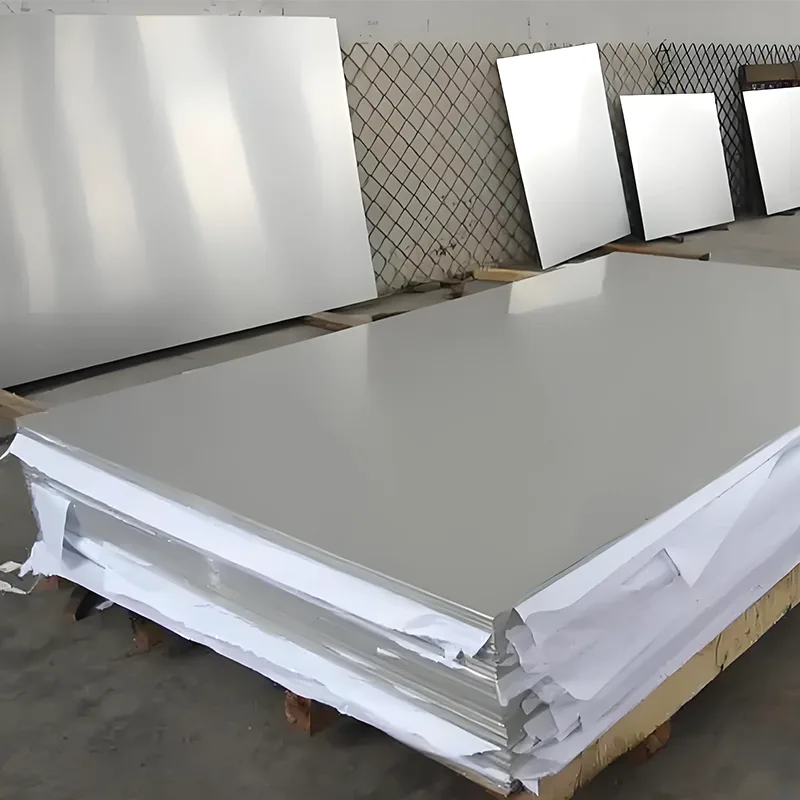
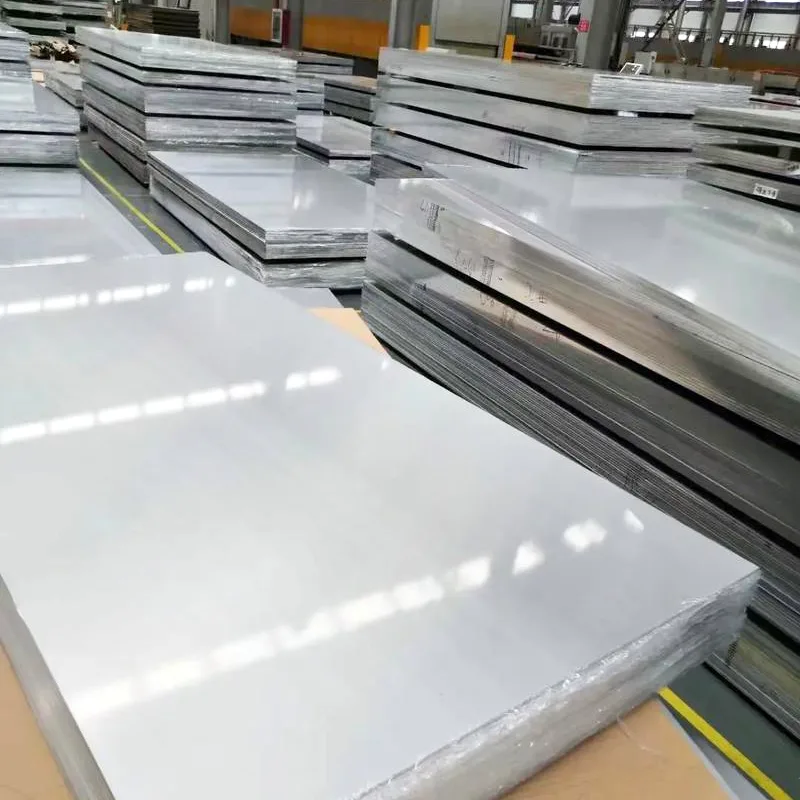
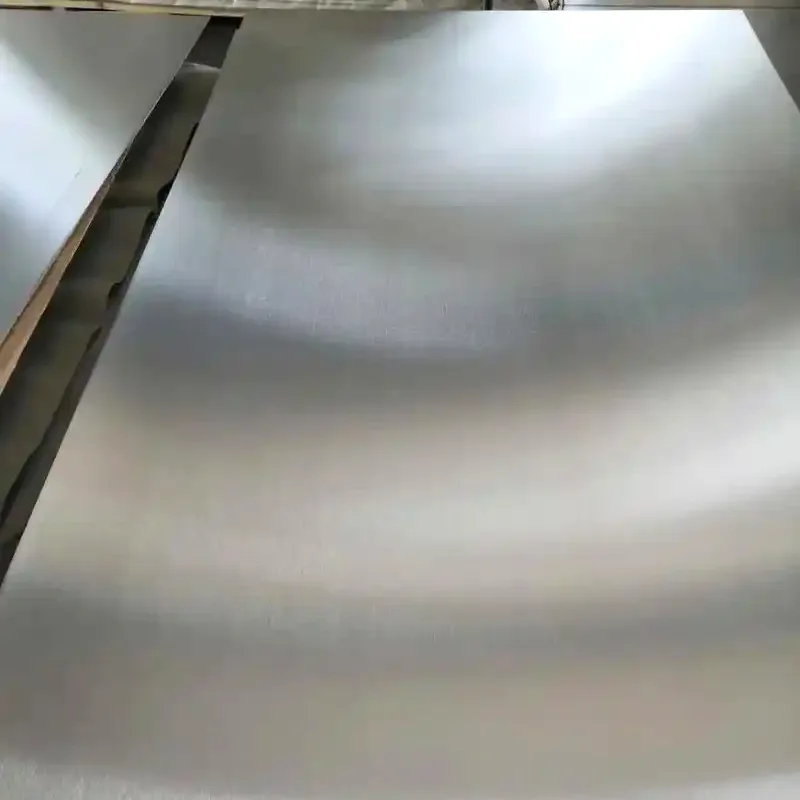
Bimetallic Clad Wear-Resistant Steel Plate
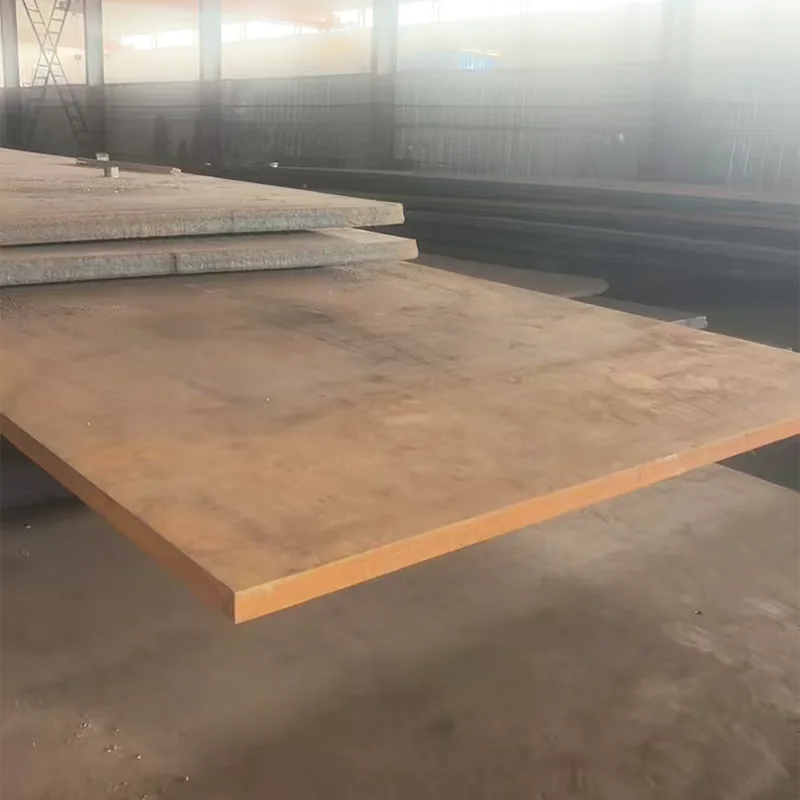
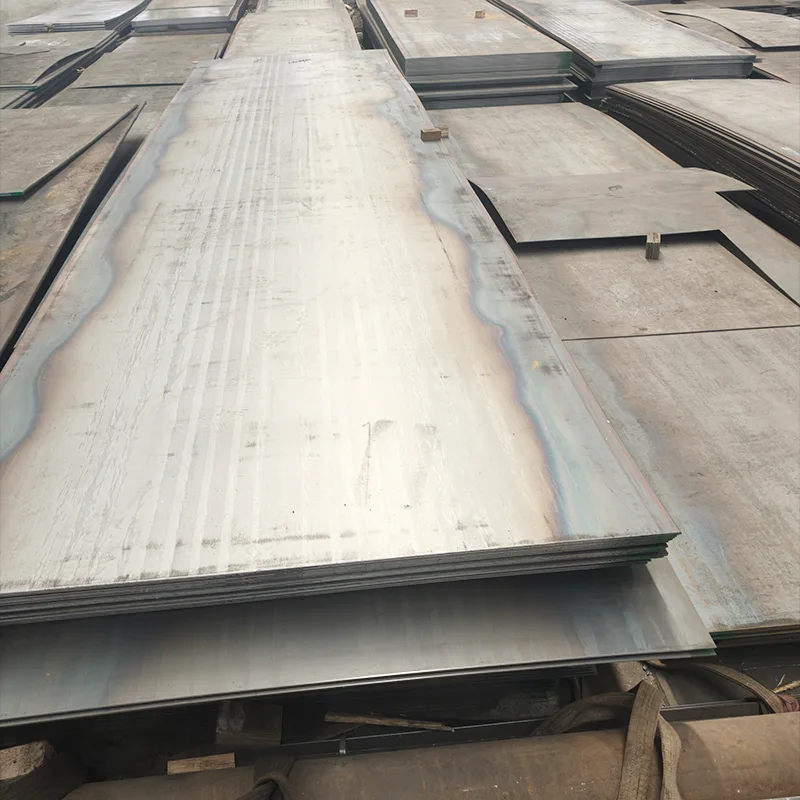
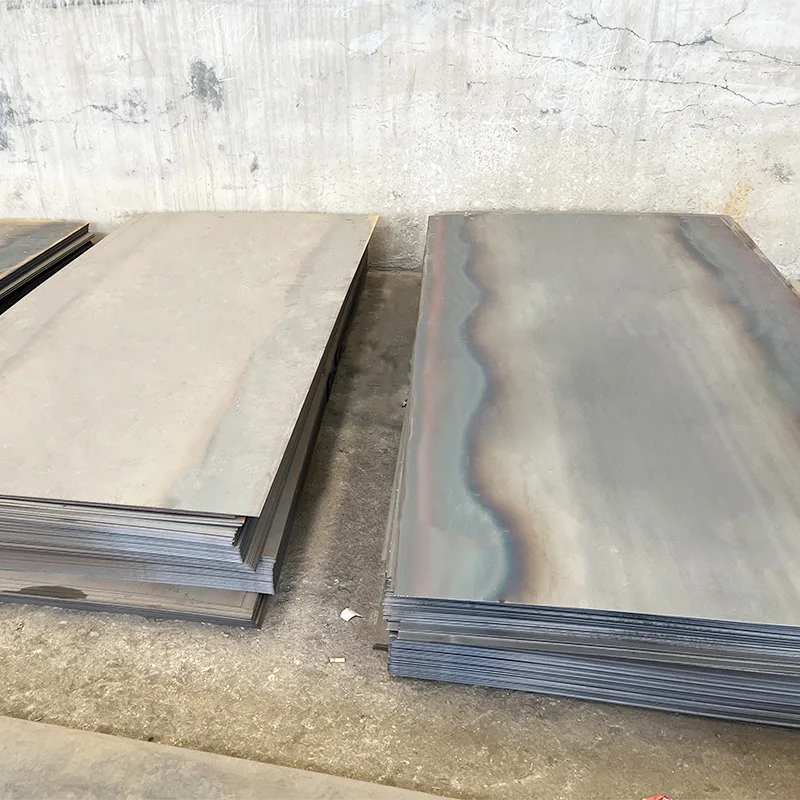
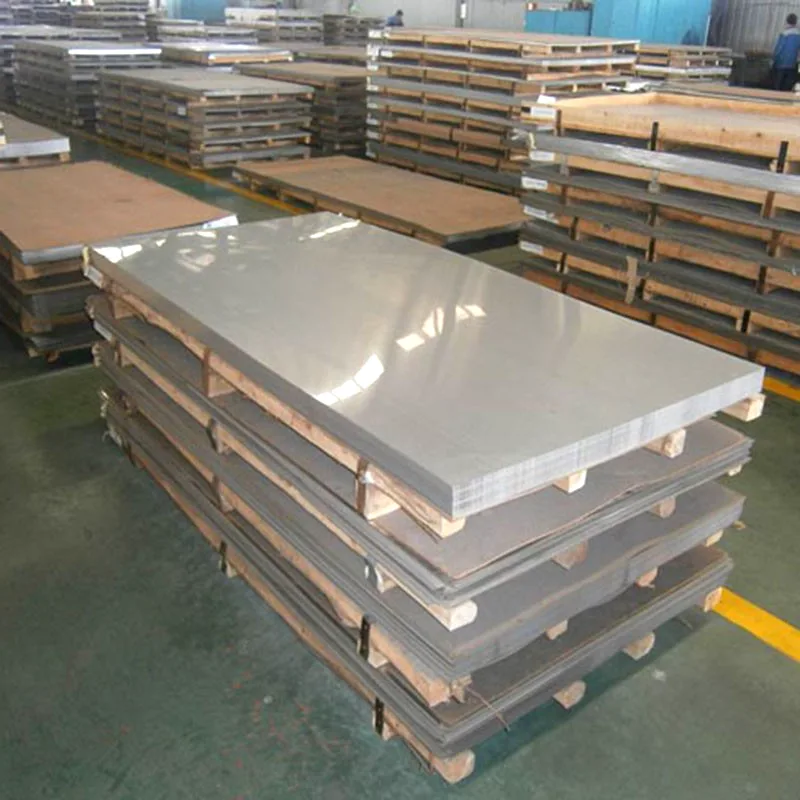
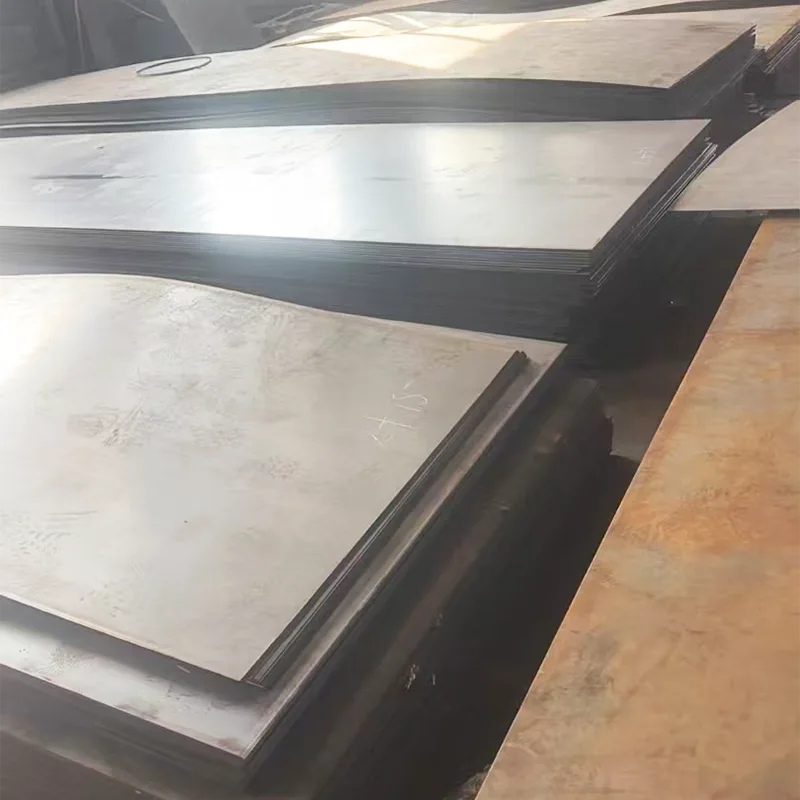
Bimetallic Clad Wear-Resistant Steel Plate combines the superior wear resistance of high-chromium alloys with the toughness and impact resistance of low-carbon steel, the machinability and weldability of ordinary steel plates, and offers excellent cost-effectiveness. China manufacturers recommend this plate as the first choice for high-wear applications.
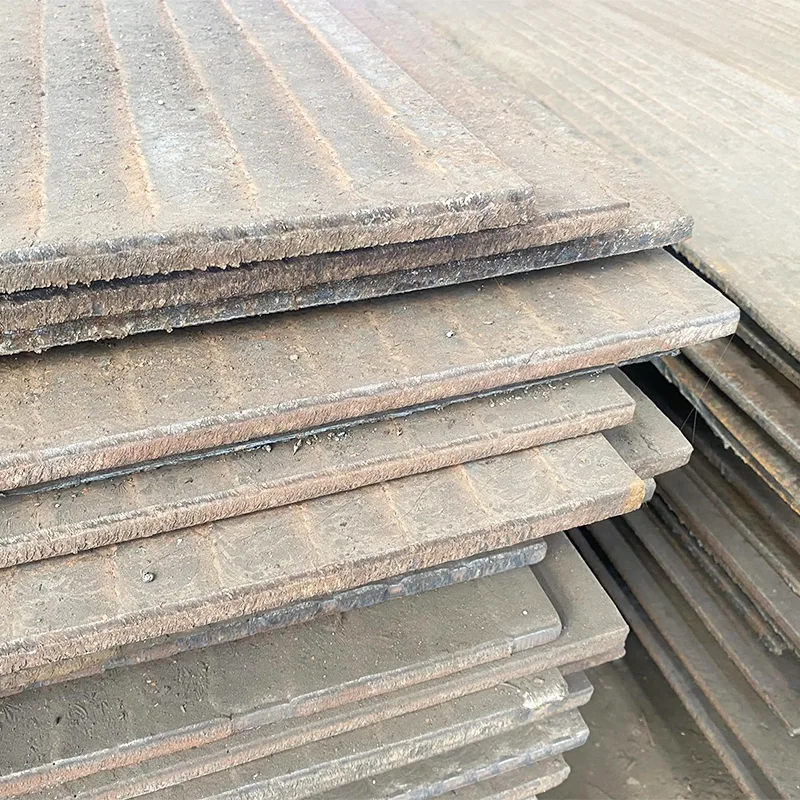
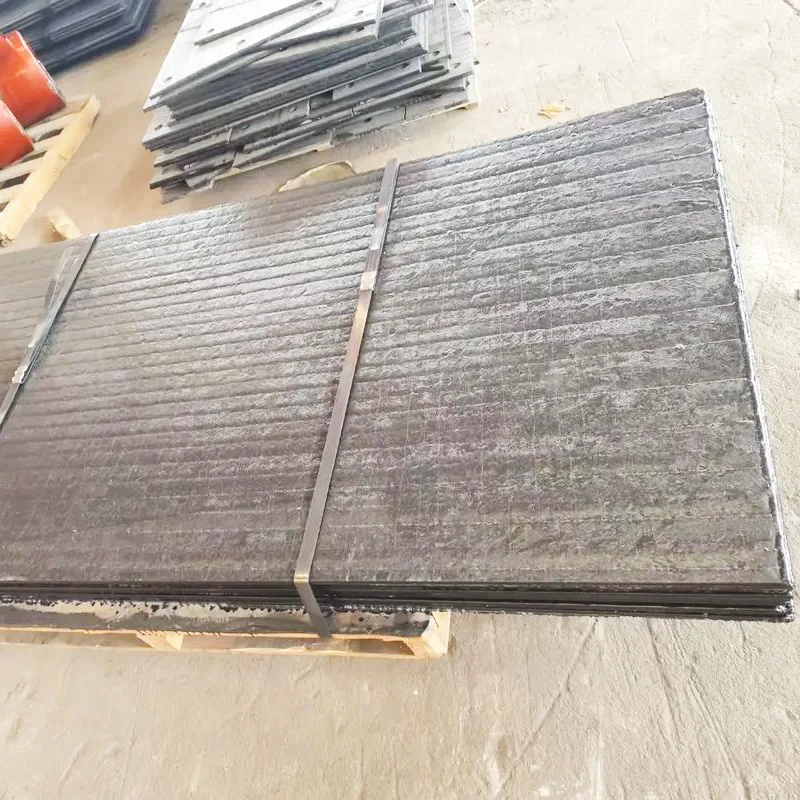
Bimetallic Clad Wear-Resistant Steel Plate is a composite steel material produced through metallurgical bonding or hardfacing processes, in which a high-hardness wear-resistant alloy layer (such as high-chromium alloys or carbide alloys) is firmly bonded to a substrate made of low-carbon or low-alloy steel.
Its structure typically consists of a wear-resistant working layer combined with a tough substrate layer:
●The wear-resistant layer provides extremely high hardness and abrasion resistance, enabling it to withstand severe impact, intense abrasive wear, and corrosive operating conditions;
●The substrate layer ensures overall strength, toughness, and weldability, endowing the steel plate with excellent processing characteristics and structural support capabilities.
This material is widely utilized in high-wear environments—such as mining machinery, cement production equipment, steel metallurgy, port conveyor systems, and construction machinery—serving as a highly cost-effective and essential alternative to traditional monolithic wear-resistant steels.
Core Structure and Composition
| Material | Q235B, Q345B, 16Mn, etc. |
| Function |
Provides strength, toughness, impact resistance, weldability/machinability Wear-Resistant Layer (Working Layer) |
| Composition | Cr 18%–30% + C 4%–5% + Mo/Ni/V/B, etc. |
| Microstructure | Abundant chromium carbide (Cr₇C₃) fibrous vertical distribution |
| Hardness | HRC 58–65 (Carbide microhardness HV 1700–2000) |
| Thickness | 3–12mm (accounting for 1/3 to 1/2 of the total thickness) |
| Bonding Method | Metallurgical bonding (non-mechanical bonding), bonding strength ≥300MPa |
Core Selling Points
1. Ultra-High Wear Resistance (Most Core Selling Point)
Wear resistance is 15–25 times that of ordinary low-carbon steel. 3-6 times stronger than NM400/NM450, 2-5 times stronger than high-manganese steel Mn13. Extremely strong resistance to abrasive wear, erosion wear, and high-stress crushing.
2. Strong impact resistance (combining rigidity and flexibility).
The wear-resistant layer is hard but not brittle: high hardness and wear resistance + high toughness and impact resistance of the base plate. Can withstand strong impacts from ores, stones, slag, etc., without cracking.
3. Good machinability (weldable, cut, and bendable).
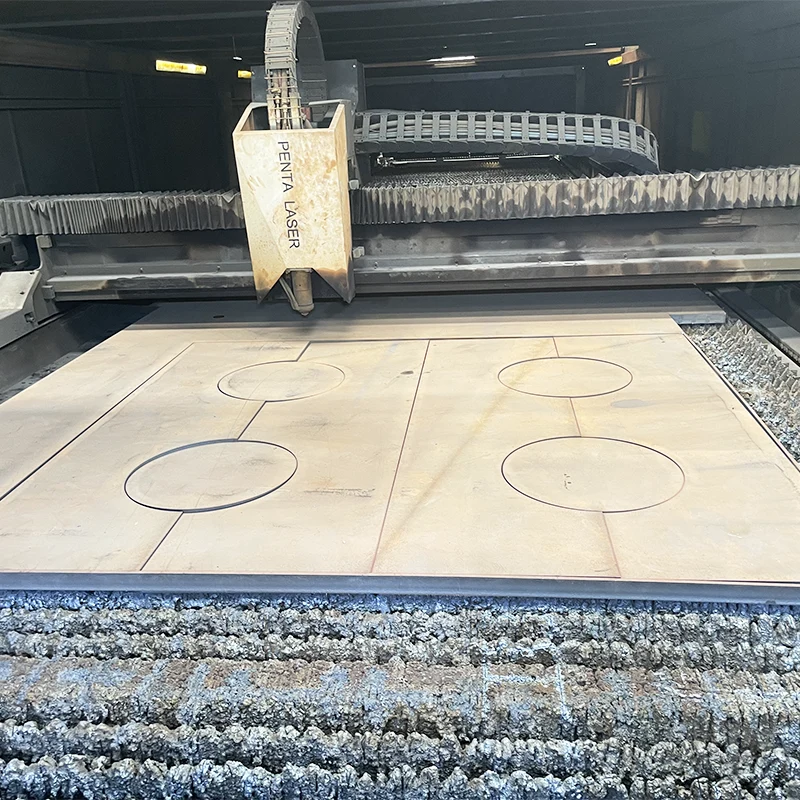
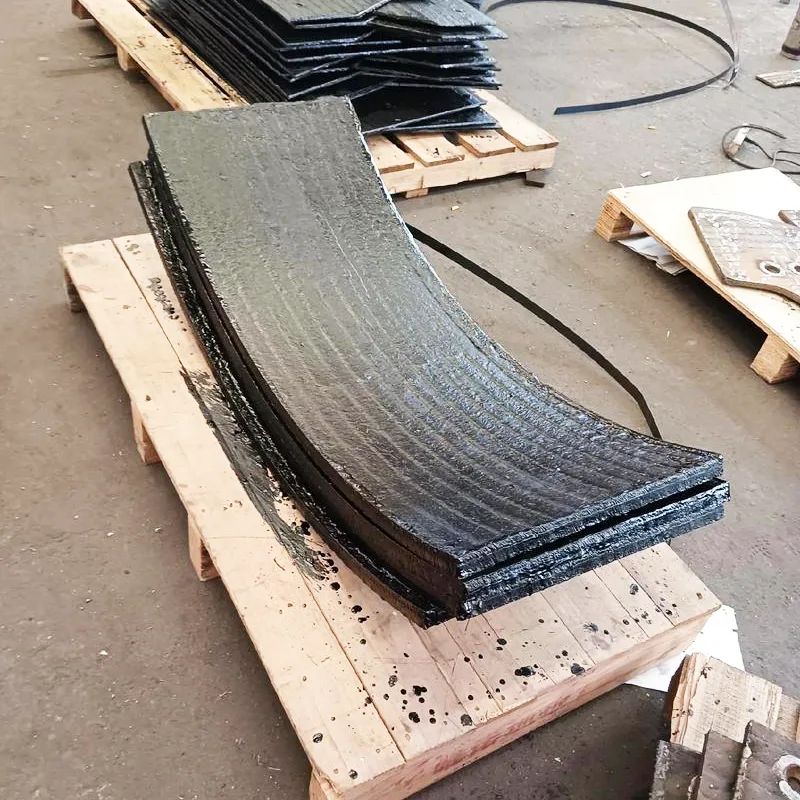
Can be cut, drilled, bent, and rolled (same as ordinary steel plates). Can be welded, plug-welded, and bolted, facilitating on-site installation and maintenance.
4. High temperature resistance and good stability.
Normal operating temperature ≤500℃, short-term up to 600℃. Stable hardness at high temperatures, oxidation resistant, and does not soften.
5. Extremely high cost-effectiveness (low overall cost).
30%-50% cheaper than integral high-chromium plates and imported wear-resistant plates. Lifespan increased by 5-20 times, significantly reducing downtime, maintenance, and parts replacement costs.
6. Flexible customization (thickness/composition/size optional)
Standard combinations: 6+4, 8+6, 10+8, 12+10 (substrate + wear-resistant layer)
Wear-resistant layer can be 3/4/6/8/10/12mm, customized to your needs
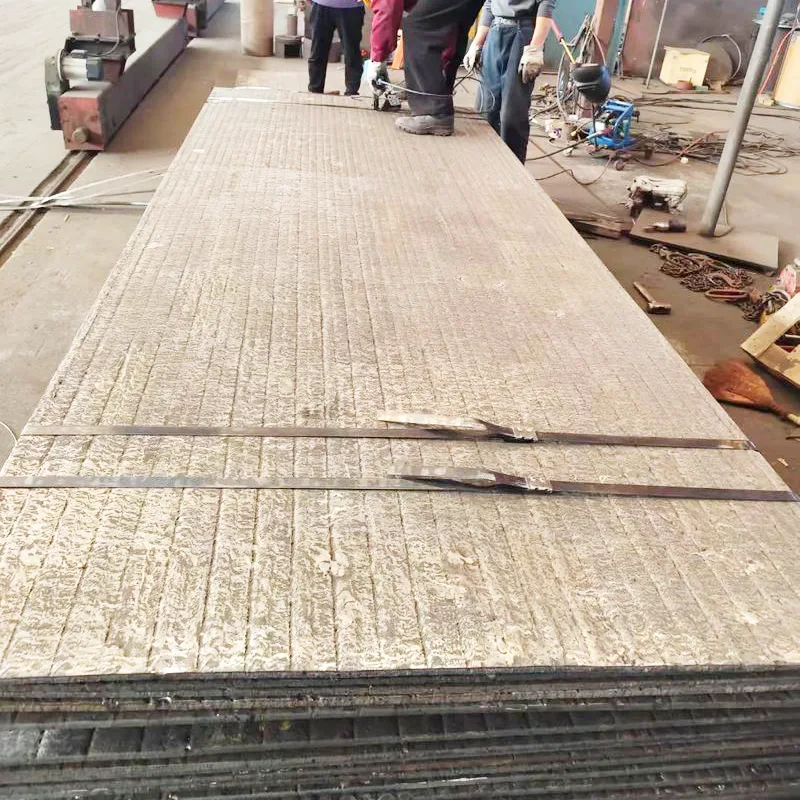
Standard plates: 1200×2400, 1500×3000mm, can be cut/bent/processed into finished products
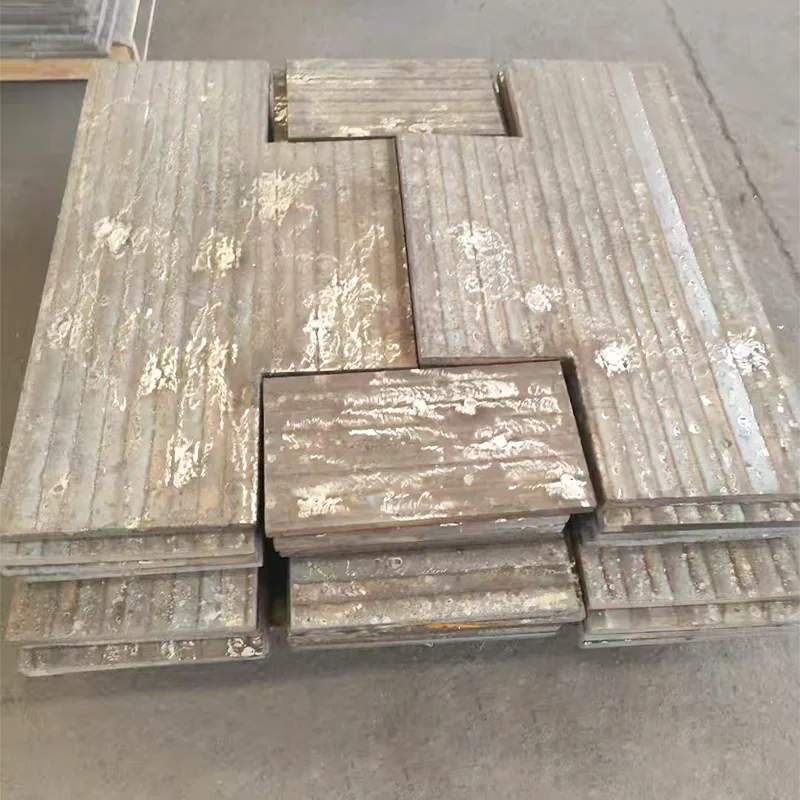
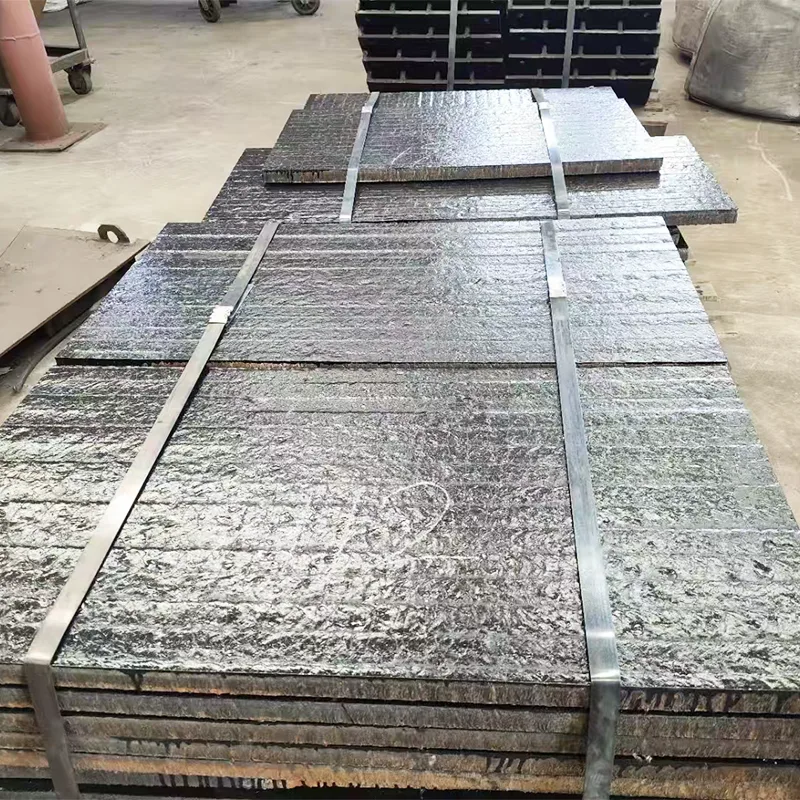
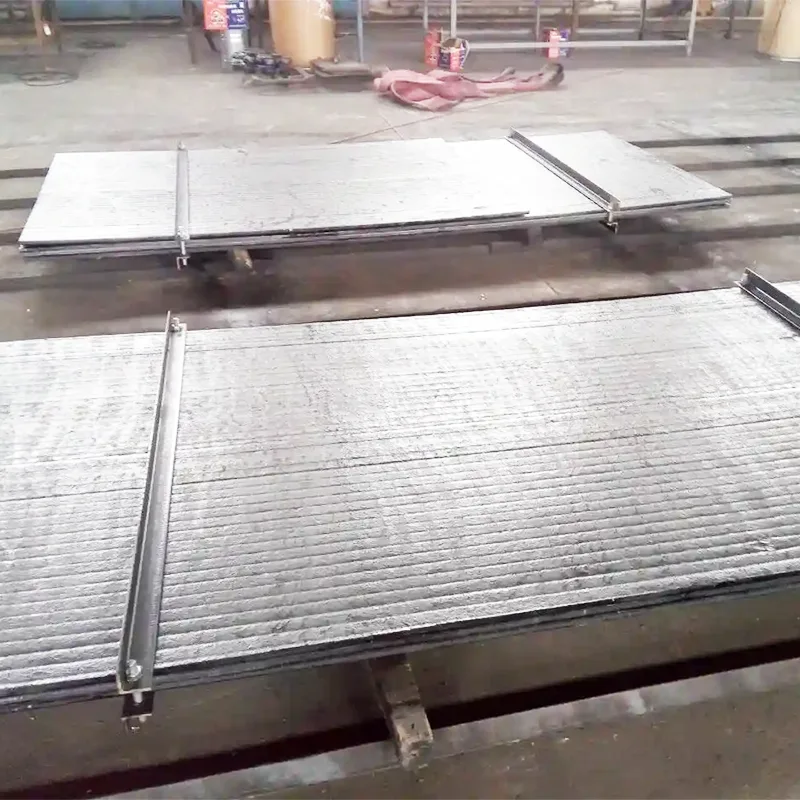
7. Surface micro-cracks (normal characteristic, not a defect)
Uniform fine cracks on the wear-resistant layer surface: only within the hard layer, do not extend to the substrate
Function: stress relief, deformation prevention, plate surface flatness, does not affect wear resistance and lifespan
Comparison table of bimetallic composite wear-resistant plates with NM series, Mn13, and high-chromium solid plates
FAQ
1. What is Bimetallic Clad Wear-Resistant Steel Plate?
It is a composite steel material made by bonding a wear-resistant alloy layer onto a carbon steel or low-alloy steel base. The surface provides strong resistance to abrasion, while the base ensures toughness and structural strength.
2. What is the main structure of this material?
The product consists of two parts: a hard alloy cladding layer that handles wear and impact, and a ductile steel base that supports load and improves machinability.
3. Where is it commonly used?
It is widely applied in mining equipment, cement production lines, steel plants, power generation systems, and bulk material handling facilities where severe wear conditions exist.
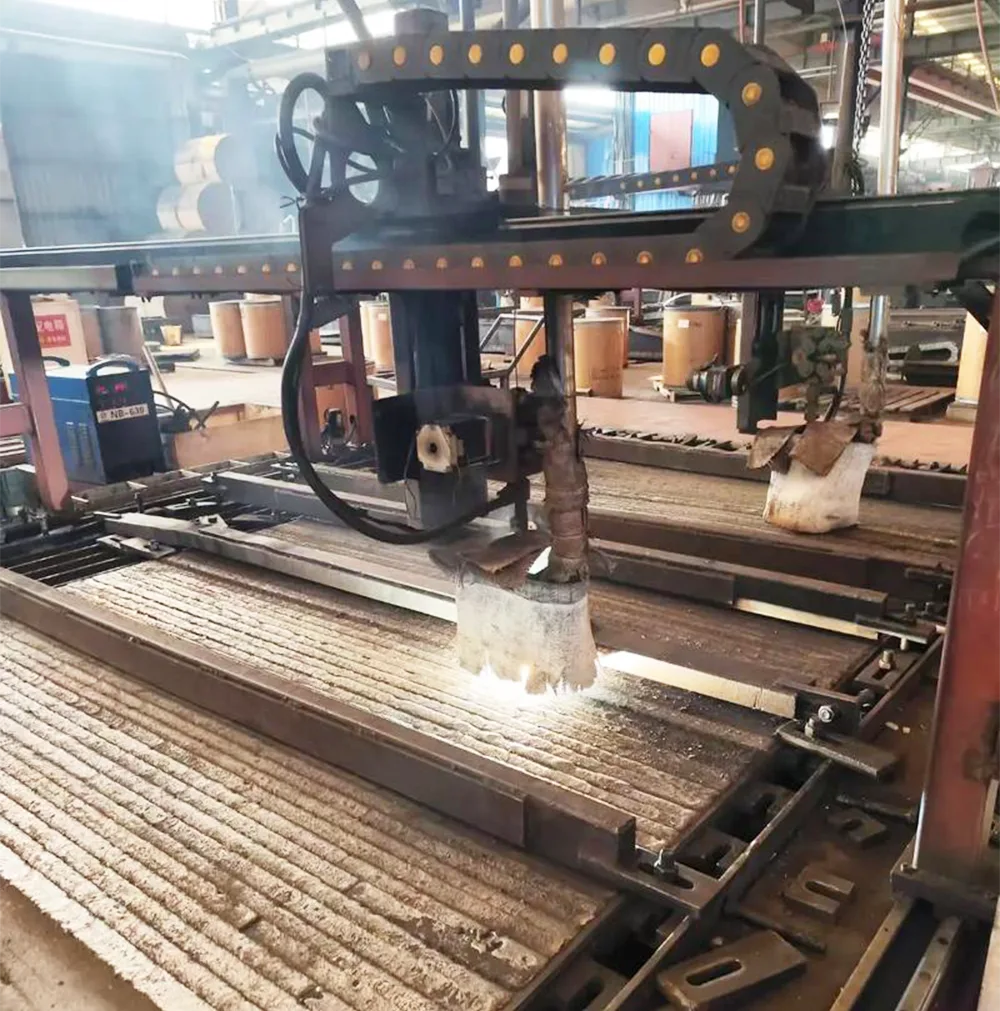
4. How is it manufactured?
It is typically produced using methods such as surfacing welding, explosive bonding, or hot rolling composite technology, which ensure a strong metallurgical bond between layers.
5. What are its key advantages?
Compared with solid alloy plates, this type of composite steel offers better cost efficiency, longer service life, and improved impact resistance while still maintaining good processability.
6. Can it be cut and welded?
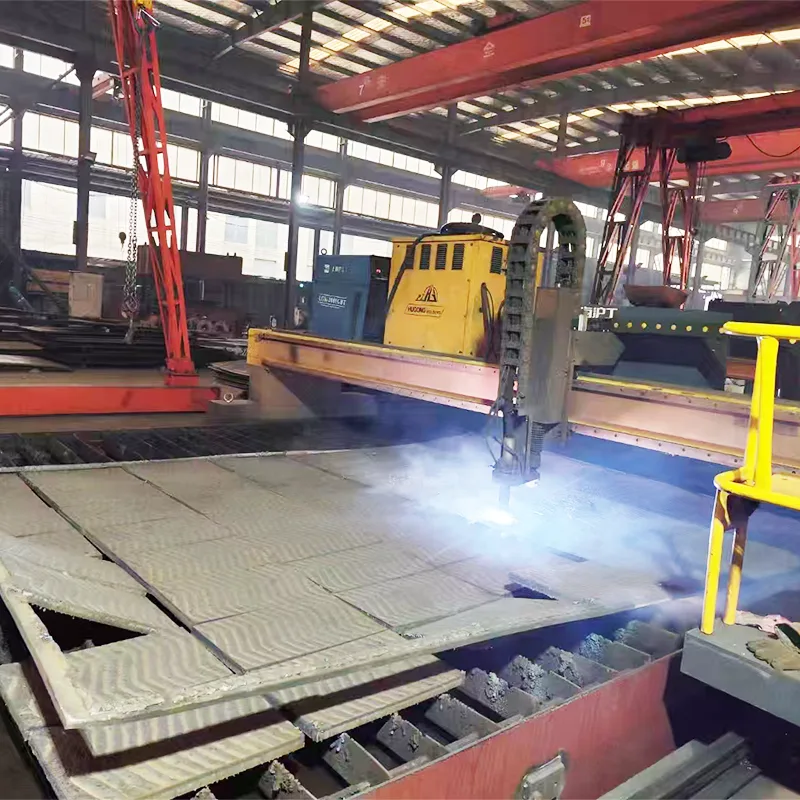
Yes. The base steel allows standard cutting methods like plasma, laser, and flame cutting. Welding is also possible with proper procedures depending on the application.
7. How does it perform in wear conditions?
It performs very well in abrasive and high-impact environments, significantly reducing maintenance frequency and equipment downtime.
8. Is it more economical than traditional wear-resistant steel?
In many cases, yes. Because only the surface layer uses high-alloy material, it reduces overall material cost while still delivering strong wear protection.
Hot Tags: Bimetallic Clad Wear-Resistant Steel Plate, Clad Steel Plate, Wear Resistant Steel Plate in Stock
Related Category
Send Inquiry
Contact Info
-
Address
Hanyu Jingu, High-tech Zone, Jinan City, Shandong Province, China
-
Tel
-
Email
For inquiries about Carbon Steel, Stainless Steel, Galvanized Steel or price list, please leave your email to us and we will be in touch within 24 hours.